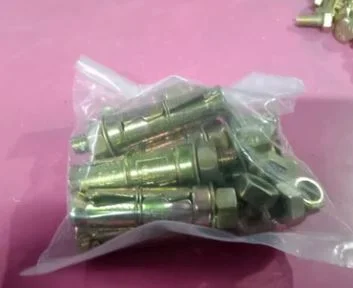
𝗪𝗵𝗮𝘁 𝗮𝗿𝗲 𝗔𝗻𝗰𝗵𝗼𝗿 𝗕𝗼𝗹𝘁𝘀?
Anchor bolts are essential fastening components used to secure structures to concrete foundations. These bolts provide stability and support for various applications by anchoring structural elements such as steel columns, machinery, and other heavy equipment. Typically made from steel, anchor bolts come in various shapes and sizes, designed to withstand significant loads and resist environmental factors.
In business applications, anchor bolts are prevalent in construction, manufacturing, and infrastructure projects. They are used extensively in both commercial and industrial settings to ensure the safety and integrity of structures. Their importance in construction and infrastructure means that the demand for reliable anchor bolts remains high across various industries, contributing significantly to the overall market for fastening solutions.
𝗞𝗲𝘆 𝗙𝗲𝗮𝘁𝘂𝗿𝗲𝘀 𝗮𝗻𝗱 𝗦𝗽𝗲𝗰𝗶𝗳𝗶𝗰𝗮𝘁𝗶𝗼𝗻𝘀
Anchor bolts are designed with specific features and specifications that ensure their effectiveness in various applications. Understanding these key specifications is crucial for selecting the right product for your needs.
Key specifications include:
1. Material Composition
- Anchor bolts are typically made from high-strength steel, providing durability and resistance to corrosion.
- Common grades include ASTM A307 and A325, with specific tensile strength ratings.
2. Length and Diameter
- Anchor bolts come in various lengths and diameters to accommodate different applications.
- Standard diameters typically range from ½ inch to 2 inches.
3. Embedment Depth
- The embedment depth varies according to the application and load requirements.
- Typical embedment depths range from 4 inches to 12 inches.
4. Coating Options
- Many anchor bolts are available with protective coatings, such as hot-dip galvanizing or epoxy, to enhance corrosion resistance.
- Coatings also provide additional durability in harsh environments.
5. Thread Type
- Anchor bolts can feature different thread types, including coarse and fine threads, depending on the application.
- The choice of thread type can affect load distribution and installation ease.
6. Load Capacity
- Each anchor bolt is rated for a specific load capacity based on its material and dimensions.
- Load ratings should be carefully considered based on the intended use.
7. Installation Methods
- Anchor bolts can be installed using various methods, including cast-in-place or post-installed techniques.
- The installation method can impact the overall performance of the bolt.
8. Compliance Standards
- Anchor bolts must comply with specific industry standards to ensure quality and performance.
- Common standards include those set by the American Society for Testing and Materials (ASTM).
In summary, understanding the key features and specifications of anchor bolts is essential for selecting the right product. These specifications ensure that the bolts meet the necessary performance and safety requirements for various applications.
𝗖𝗼𝗺𝗺𝗼𝗻 𝗔𝗽𝗽𝗹𝗶𝗰𝗮𝘁𝗶𝗼𝗻𝘀 𝗮𝗻𝗱 𝗨𝘀𝗲 𝗖𝗮𝘀𝗲𝘀
Anchor bolts serve various industries that require secure fastening solutions for heavy structures.
1. Construction: In construction, anchor bolts are used to secure steel beams and columns to concrete foundations, providing stability for buildings and bridges.
2. Manufacturing: Manufacturing facilities utilize anchor bolts to secure machinery and equipment, ensuring safe operation and reducing vibration.
3. Infrastructure: In infrastructure projects, anchor bolts support road signs, traffic signals, and lighting fixtures, enhancing safety and durability.
4. Oil and Gas: The oil and gas industry employs anchor bolts to secure drilling rigs and pipelines, ensuring operational reliability in challenging environments.
5. Marine: In marine applications, anchor bolts are used to secure structures such as docks and piers, providing stability against environmental forces.
6. Telecommunications: Telecommunications towers rely on anchor bolts to maintain structural integrity, ensuring reliable communication services.
7. Renewable Energy: In renewable energy, anchor bolts secure wind turbines and solar panel mounts, contributing to sustainable energy solutions.
𝗣𝗿𝗼𝗱𝘂𝗰𝘁 𝗩𝗮𝗿𝗶𝗮𝗻𝘁𝘀 𝗮𝗻𝗱 𝗦𝘂𝗯𝗰𝗮𝘁𝗲𝗴𝗼𝗿𝗶𝗲𝘀
Anchor bolts come in various designs to cater to different application needs.
Expansion Anchors: These anchor bolts expand within the substrate upon installation, providing a strong grip in concrete or masonry. They are ideal for applications requiring high load-bearing capacities.
Hook Anchors: Hook anchors feature a hook shape at one end, allowing for easy attachment to cables or chains. These are commonly used in lifting applications.
L-Bolts: L-bolts have a distinct L shape, making them suitable for securing fixtures to concrete or other solid surfaces. They are often used in construction and heavy machinery settings.
J-Bolts: J-bolts are shaped like the letter J and are typically used for anchoring applications where a horizontal fastening is required.
𝗕𝗲𝗻𝗲𝗳𝗶𝘁𝘀 𝗮𝗻𝗱 𝗔𝗱𝘃𝗮𝗻𝘁𝗮𝗴𝗲𝘀
Anchor bolts offer numerous advantages that make them a preferred choice for securing structures and equipment.
1. Structural Integrity: Anchor bolts provide essential support, ensuring the structural integrity of buildings and heavy equipment.
2. Versatility: With various sizes and shapes available, anchor bolts can be used in a wide range of applications across different industries.
3. Durability: Made from high-strength materials, anchor bolts are designed to withstand harsh environmental conditions and heavy loads.
4. Easy Installation: Many anchor bolts are designed for straightforward installation, reducing labor time and costs on projects.
5. Load Distribution: Properly installed anchor bolts distribute loads evenly, minimizing potential damage to structures.
6. Compliance Assurance: Anchor bolts that meet industry standards provide peace of mind regarding safety and performance.
𝗕𝘂𝘆𝗶𝗻𝗴 𝗚𝘂𝗶𝗱𝗲 𝗳𝗼𝗿 𝗕𝟮𝗕 𝗕𝘂𝘆𝗲𝗿𝘀
When sourcing anchor bolts, several key factors should be considered to ensure the right choice for your business needs.
1. Quality Assessment: Assess the quality of anchor bolts by reviewing specifications and certifications. Look for products that meet industry standards for materials and performance.
2. Supplier Verification: Verify suppliers to ensure they have a reliable track record and can provide the necessary documentation for their products. Consider factors such as reputation and customer feedback.
3. Pricing and MOQ: Analyze pricing structures and minimum order quantities (MOQ) to find solutions that fit your budget while meeting project requirements.
4. Delivery and Lead Times: Consider logistics when sourcing anchor bolts. Ensure that suppliers can meet your required delivery timelines to avoid project delays.
5. Compliance Requirements: Understand regulatory compliance needs for anchor bolts in your region. Ensure that products meet local standards for safety and quality.
𝗖𝗼𝗺𝗽𝗹𝗶𝗮𝗻𝗰𝗲 𝗮𝗻𝗱 𝗖𝗲𝗿𝘁𝗶𝗳𝗶𝗰𝗮𝘁𝗶𝗼𝗻𝘀
Anchor bolts must adhere to various quality standards and certifications to ensure safety and reliability.
Relevant quality standards, such as ISO 9001, focus on quality management systems, ensuring manufacturers meet consistent production standards. Compliance with standards like CE indicates that products meet European safety and environmental requirements.
Industry certifications play a critical role in verifying the performance and reliability of anchor bolts. Compliance with safety and testing requirements ensures that products can withstand the necessary loads and environmental conditions.
Regional compliance considerations may vary by location, so it is essential to check local regulations regarding the use of anchor bolts in construction and industrial applications. This compliance ensures that the products used are safe and reliable for specific applications.
𝗪𝗵𝘆 𝗦𝗼𝘂𝗿𝗰𝗲 𝗔𝗻𝗰𝗵𝗼𝗿 𝗕𝗼𝗹𝘁𝘀 𝗳𝗿𝗼𝗺 𝗣𝗲𝗽𝗮𝗴𝗼𝗿𝗮?
Pepagora provides a trusted platform for sourcing anchor bolts with several key advantages that can benefit businesses looking for reliable fastening solutions.
Verified Supplier Network: Pepagora features a network of verified suppliers, ensuring that buyers can find high-quality anchor bolts from reputable manufacturers. This verification process helps mitigate risks associated with sourcing.
Streamlined RFQ Process: The platform offers a streamlined Request for Quotation (RFQ) process, allowing buyers to quickly obtain quotes from multiple suppliers. This efficiency saves time and facilitates better pricing negotiations.
Trade Assurance and Support: Pepagora provides trade assurance and support to buyers, ensuring protection throughout the purchasing process. This support includes assistance with order tracking and conflict resolution.
Regional Coverage: With a strong presence in India, the GCC, and Southeast Asia, Pepagora offers regional coverage that allows businesses to source anchor bolts locally, reducing shipping times and costs. This geographic reach enhances accessibility for various industries in need of reliable fastening solutions.

 IN
IN

 India
India