Key Features and Specifications
Alumina is characterized by its unique properties that contribute to its wide range of applications. These features make it an essential material in various sectors. Understanding the key specifications of alumina is crucial for businesses looking to source this product.
Key specifications include:
1. Purity Level
- High purity alumina is typically above 99.5%
- Lower grades may contain impurities, affecting performance
2. Particle Size Distribution
- Common sizes range from nano to several micrometers
- Specific applications require tailored particle sizes
3. Bulk Density
- Typically ranges from 0.8 to 1.0 g/cm³
- Affects processing and handling characteristics
4. Melting Point
- Ranges from 2050 to 2072 degrees Celsius
- Determines suitability for high-temperature applications
5. Hardness
- Mohs hardness typically around 9
- Makes it one of the hardest materials available
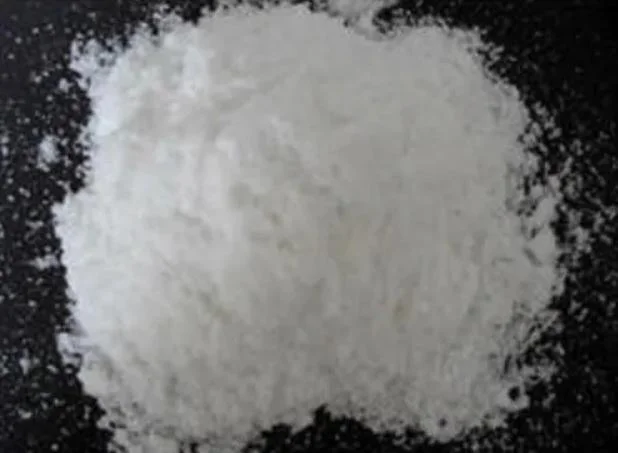
6. Color
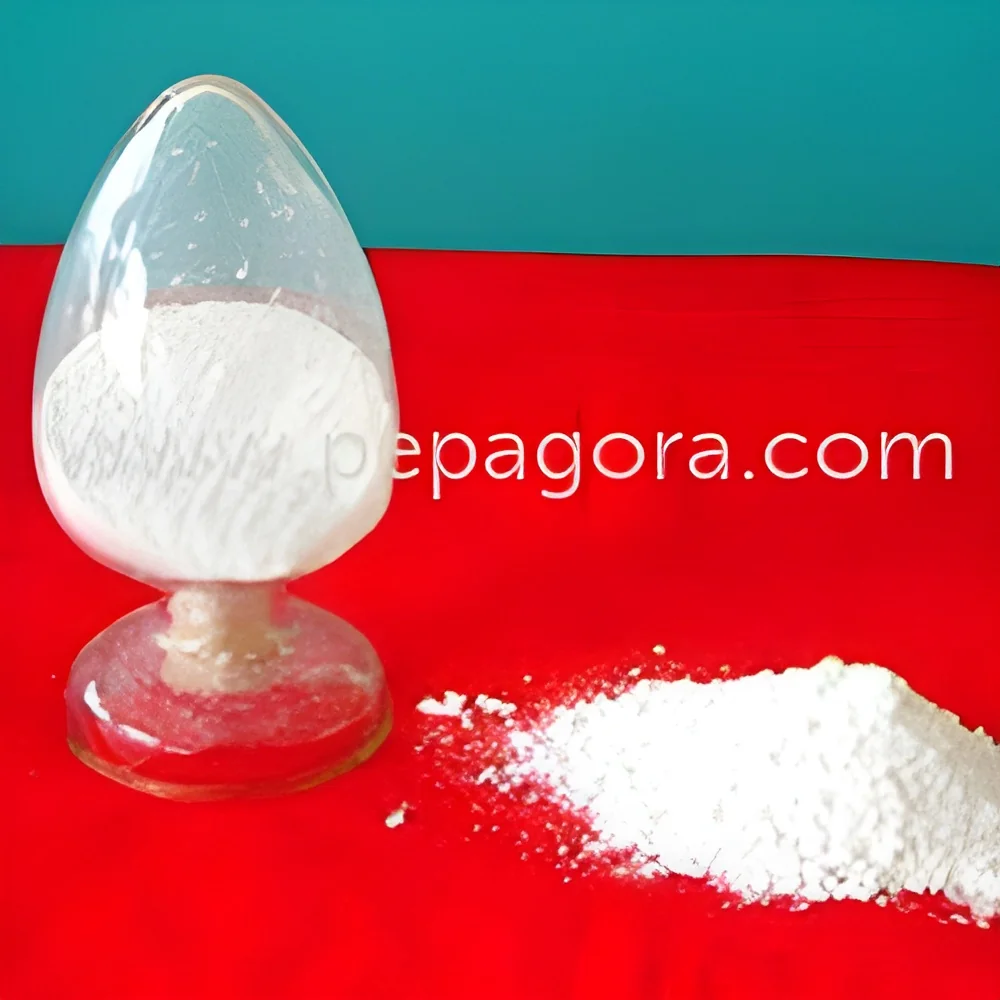
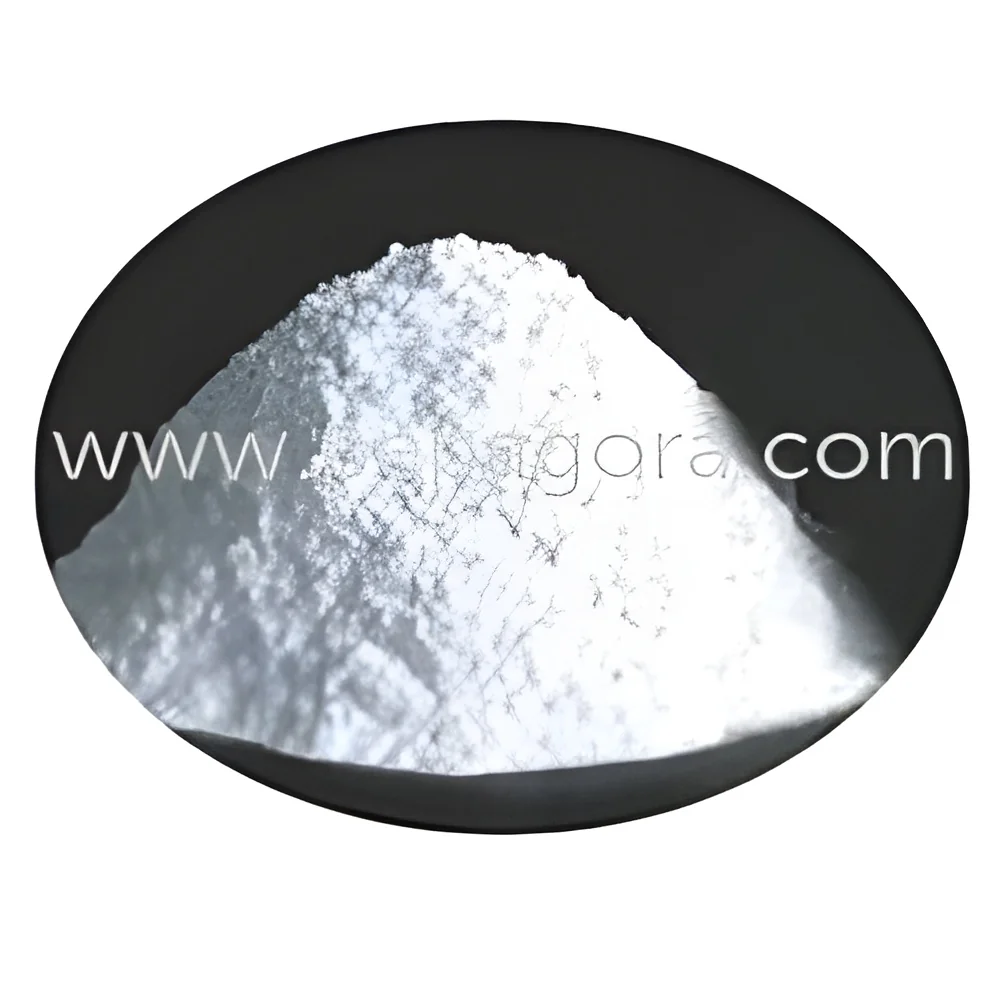
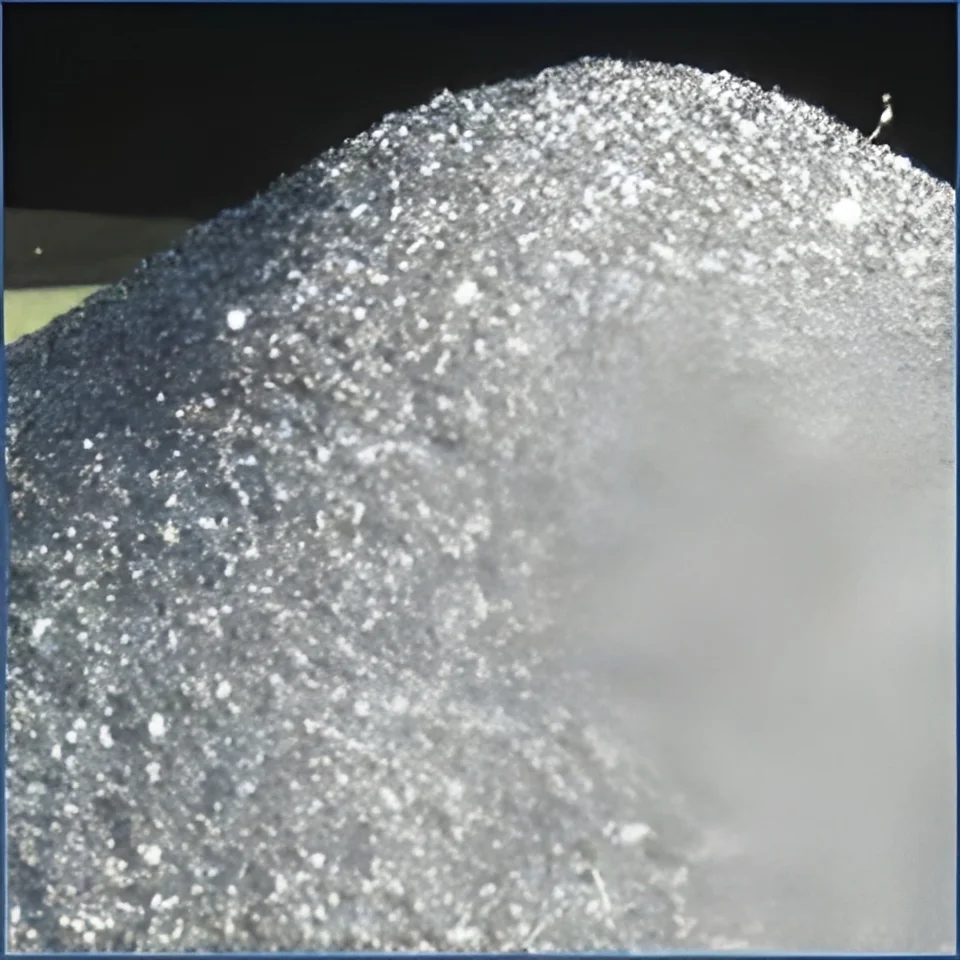
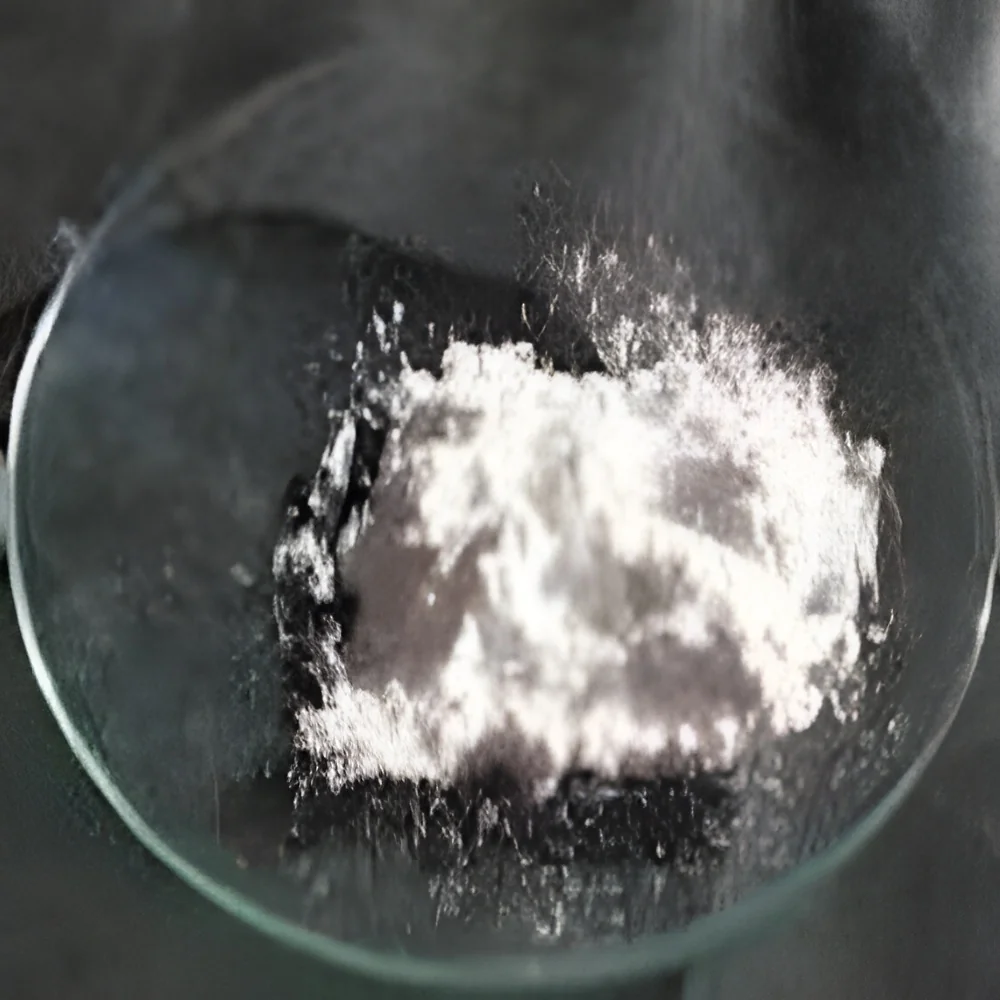
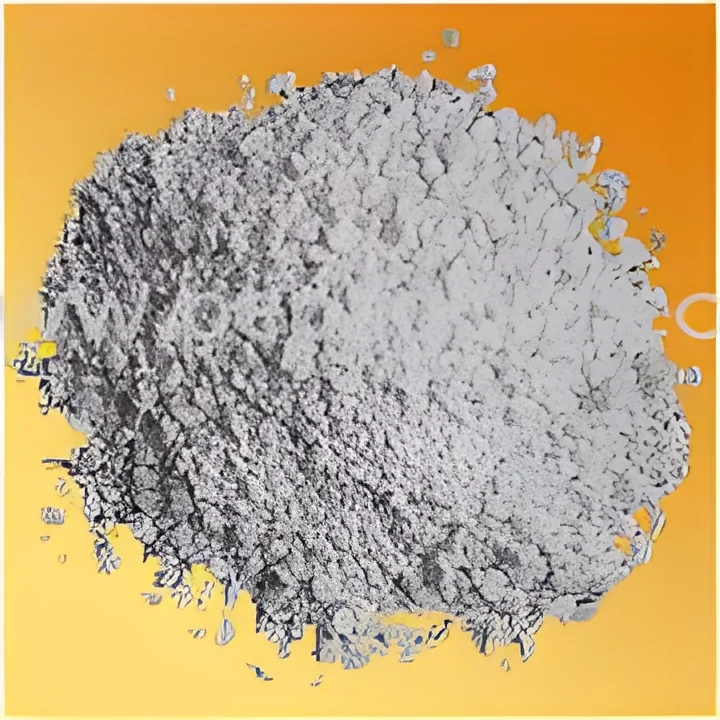
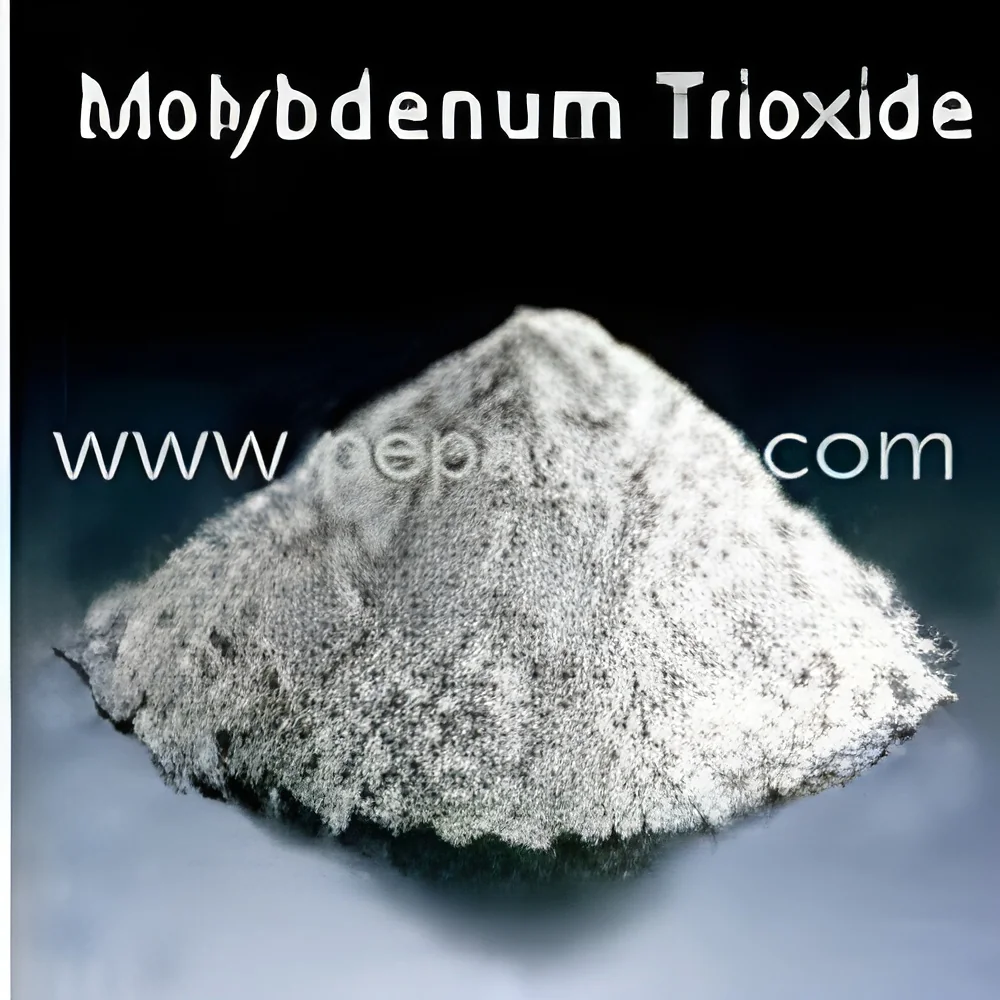
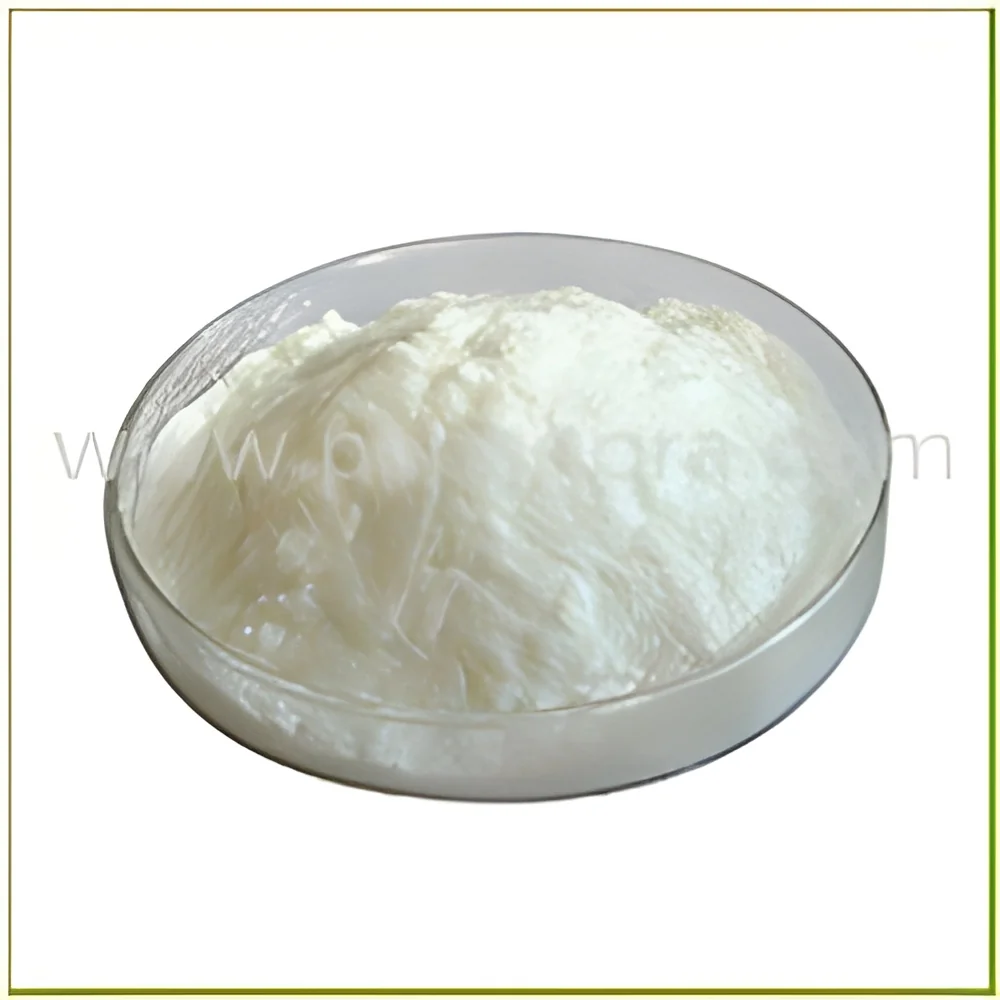
- Generally appears white or colorless
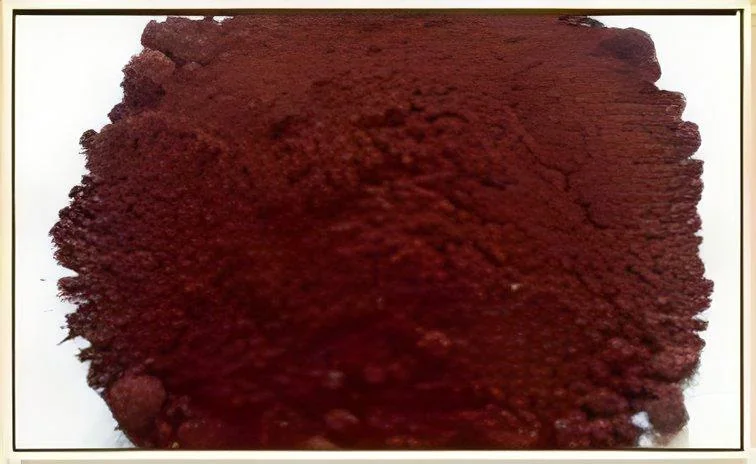
- Variations may occur depending on impurities
7. Thermal Conductivity
- Ranges from 20 to 30 W/mK
- Important for applications involving heat dissipation
8. Chemical Stability
- Highly resistant to chemical attack
- Suitable for use in harsh environments
In summary, alumina's diverse specifications make it a versatile material suitable for a wide range of industrial applications.
Common Applications and Use Cases
Alumina is utilized across various industries due to its unique properties and versatility. It plays a significant role in several applications that enhance efficiency and performance.
1. Ceramics: Alumina is widely used in the production of ceramic tiles and insulators, providing strength and durability.
2. Metallurgy: In aluminum smelting, alumina serves as the primary feedstock for producing aluminum metal, crucial for construction and transportation.
3. Electronics: Alumina is employed as a substrate material in electronic components, such as circuit boards, owing to its excellent electrical insulation properties.
4. Abrasives: Its hardness makes alumina an ideal material for manufacturing grinding wheels and sandpapers, used in various machining processes.
5. Catalysts: In the chemical industry, alumina acts as a catalyst support, enhancing the efficiency of catalytic reactions in processes such as petroleum refining.
6. Medical Devices: Alumina is used in certain biomedical applications, such as dental implants and prosthetics, due to its biocompatibility and wear resistance.
7. Glass Manufacturing: It is utilized in glass formulations to enhance mechanical and thermal properties.
Product Variants and Subcategories
Alumina is available in several variants, each tailored for specific applications and industries. This diversity allows businesses to select the most suitable type for their needs.
High Purity Alumina
This variant is characterized by its high purity level, making it ideal for advanced applications such as electronics and pharmaceuticals. It offers excellent thermal stability and chemical resistance.
Tabular Alumina
Tabular alumina is produced by sintering alumina at high temperatures, resulting in a dense, high-strength material. It is commonly used in refractory applications and as a filler in ceramics.
Calcined Alumina
Calcined alumina is produced by heating alumina to a high temperature. It is used in applications requiring high abrasion resistance, such as abrasives and ceramics.
Benefits and Advantages
Alumina offers numerous benefits that make it an attractive choice for various industrial applications. Its unique properties and versatility provide key advantages to businesses.
1. High Strength: Alumina is known for its exceptional hardness and strength, making it suitable for demanding applications.
2. Chemical Resistance: Its resistance to chemical attack ensures longevity and reliability in harsh environments.
3. Thermal Stability: Alumina maintains its properties at high temperatures, making it ideal for high-temperature applications.
4. Versatility: The wide range of grades and particle sizes available allows for customization based on specific application needs.
5. Cost-Effectiveness: Alumina is often more affordable than alternative materials, providing a cost-effective solution for manufacturers.
6. Biocompatibility: Certain grades of alumina are biocompatible, making them suitable for medical applications.
Buying Guide for B2B Buyers
When sourcing alumina, businesses should consider several factors to ensure they select the right product for their needs. Understanding these elements can help in making informed purchasing decisions.
1. Quality Assessment: Evaluate the purity and specifications of the alumina being offered. High-quality alumina ensures optimal performance in applications.
2. Supplier Verification: Conduct thorough checks on suppliers to ensure they have a track record of reliability and quality assurance.
3. Pricing and MOQ: Consider the pricing structure and minimum order quantities (MOQ). Finding a balance between cost and quality is essential.
4. Delivery and Lead Times: Assess the supplier's ability to deliver products within required timeframes. Timely delivery is crucial for maintaining production schedules.
5. Compliance Requirements: Ensure that the alumina meets relevant industry standards and regulations. Compliance is vital for ensuring safety and performance.
Compliance and Certifications
Alumina must adhere to various quality standards and certifications to ensure its reliability and safety in industrial applications. Key compliance considerations include:
Alumina is often produced in accordance with ISO 9001 standards, ensuring quality management systems are in place. This certification confirms that the manufacturing processes meet international quality criteria.
Additionally, certain applications may require adherence to industry-specific certifications such as CE, indicating compliance with health, safety, and environmental protection standards.
Safety and testing requirements are critical, especially for applications in the medical and food industries. Ensuring that alumina meets these requirements guarantees that it is safe for its intended use.
Regional compliance considerations may also vary, depending on the geographical area where the alumina will be used. Understanding local regulations is essential for ensuring compliance and avoiding potential issues.
Why Source Alumina (Aluminium Oxide) from Pepagora?
Pepagora provides a trusted platform for sourcing alumina, offering several advantages to B2B buyers. The platform connects businesses with verified suppliers, ensuring reliability and quality.
Verified Supplier Network: Pepagora has established a network of trusted suppliers who meet stringent quality standards. This verification process helps buyers find dependable sources for their alumina needs.
Streamlined RFQ Process: The Request for Quotation (RFQ) process on Pepagora is designed to be efficient and user-friendly. Buyers can easily request quotes from multiple suppliers, facilitating competitive pricing and better deals.
Trade Assurance and Support: Pepagora offers trade assurance to protect buyers throughout the purchasing process. This support includes assistance with negotiations and ensuring timely delivery.
Regional Coverage: With a strong presence in India, the GCC, and Southeast Asia, Pepagora provides extensive geographic reach. This allows businesses to source alumina from a variety of suppliers, catering to local market needs.
In summary, sourcing alumina from Pepagora ensures that businesses receive high-quality products backed by a reliable network of suppliers, competitive pricing, and comprehensive support throughout the purchasing journey.

 IN
IN
 India
India