What are Glass Fiber Raw Materials?
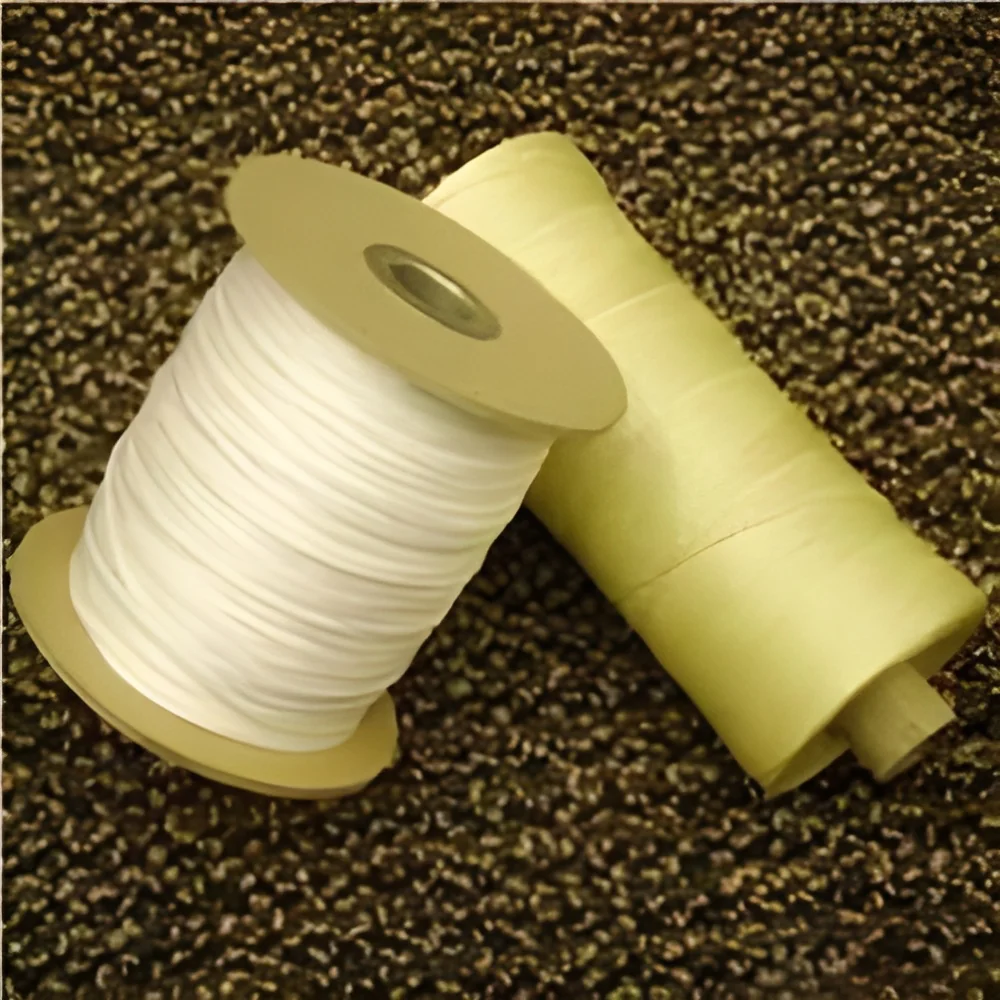
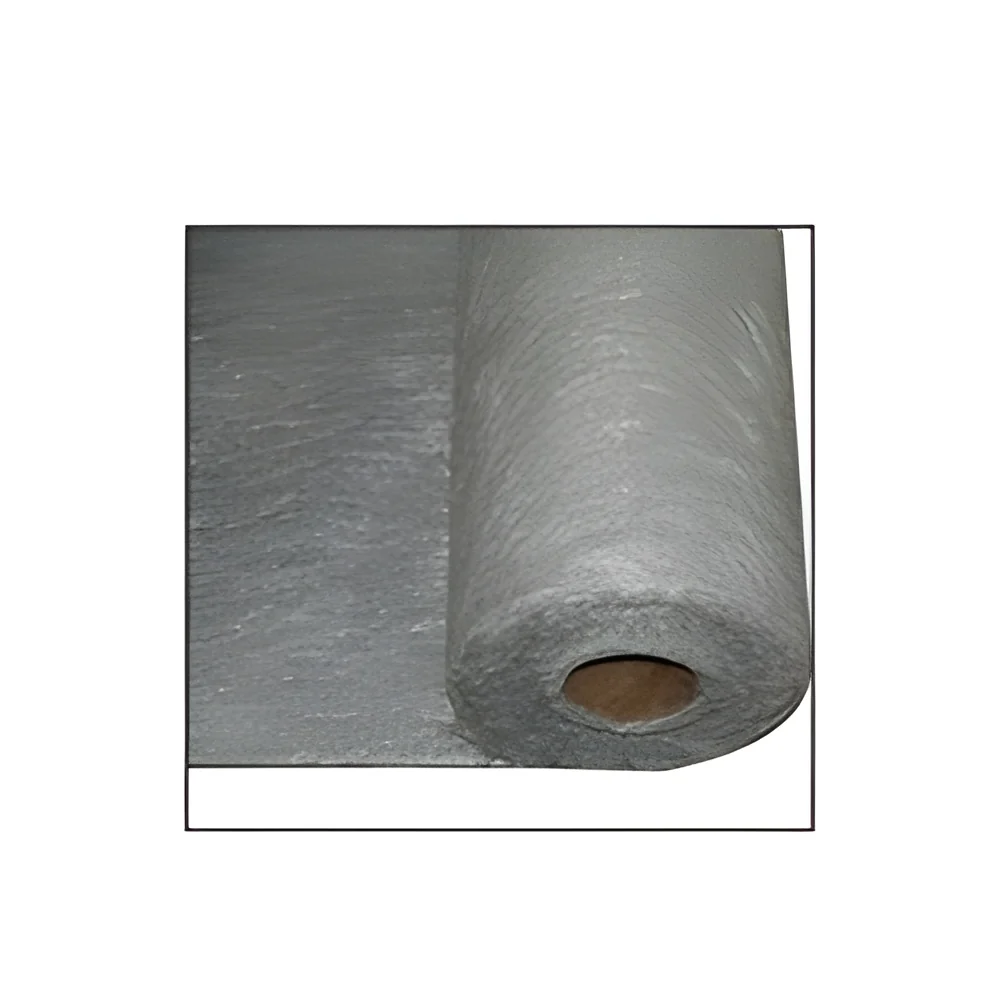
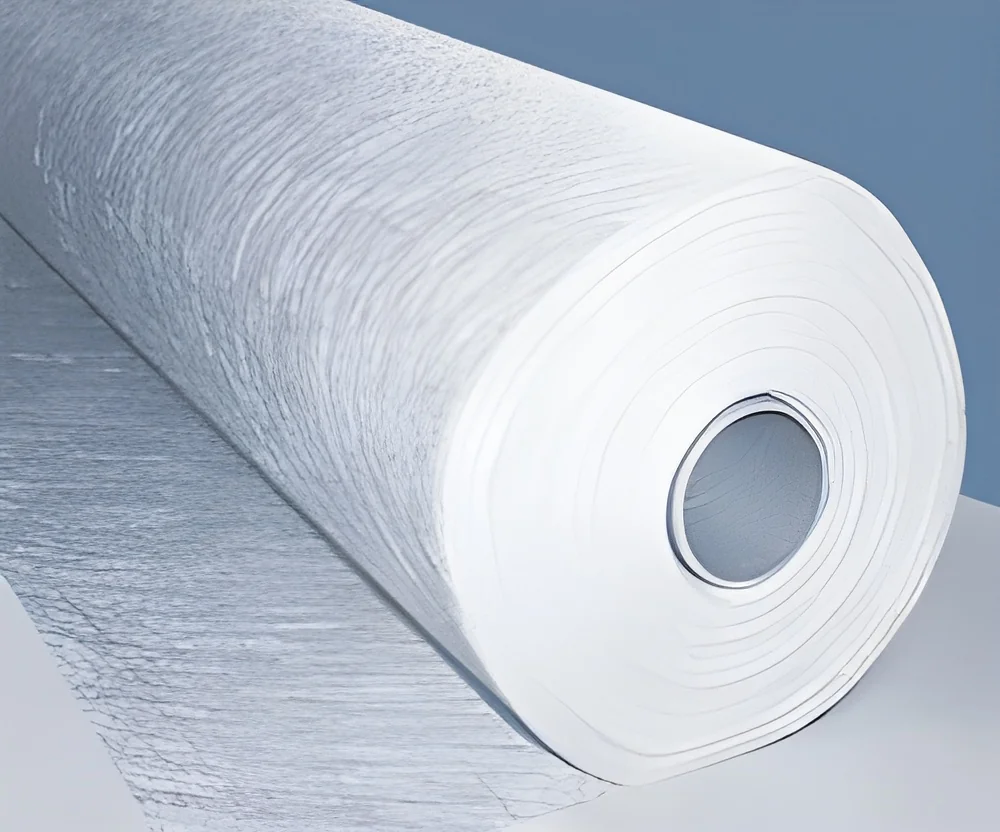
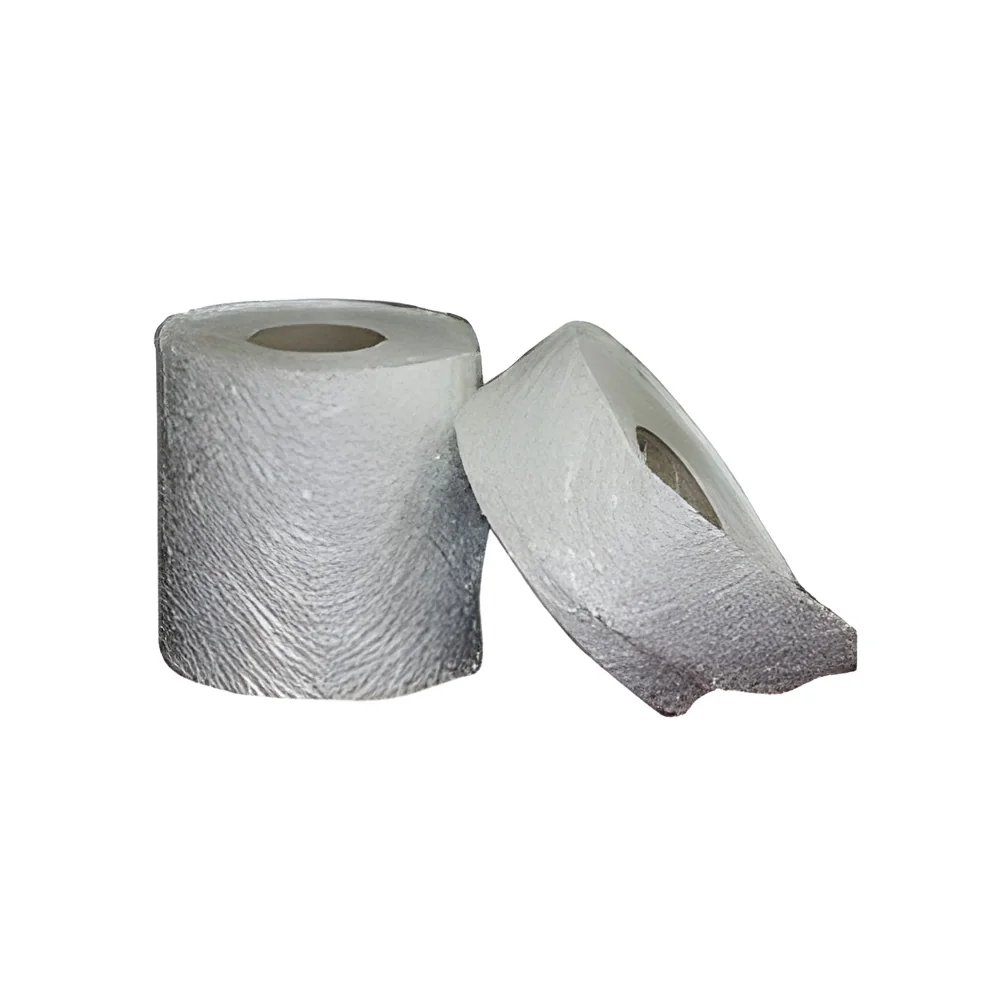
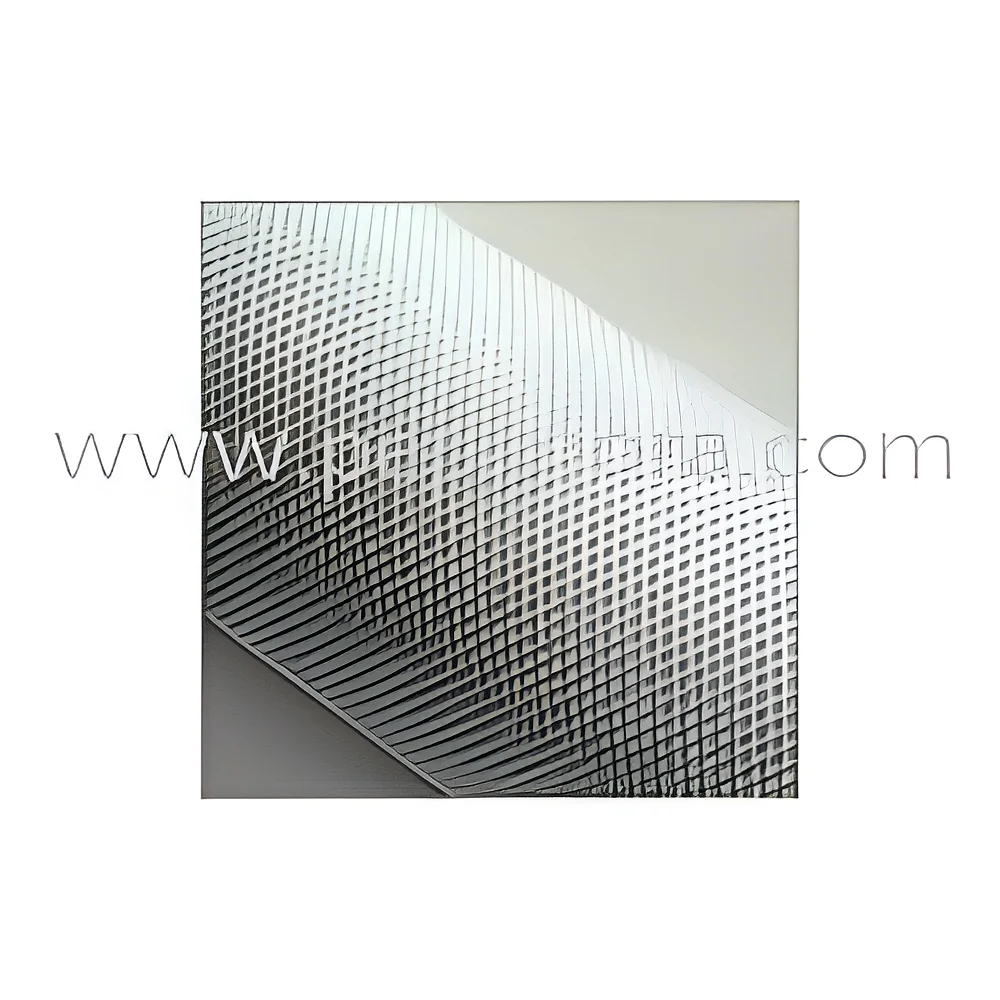
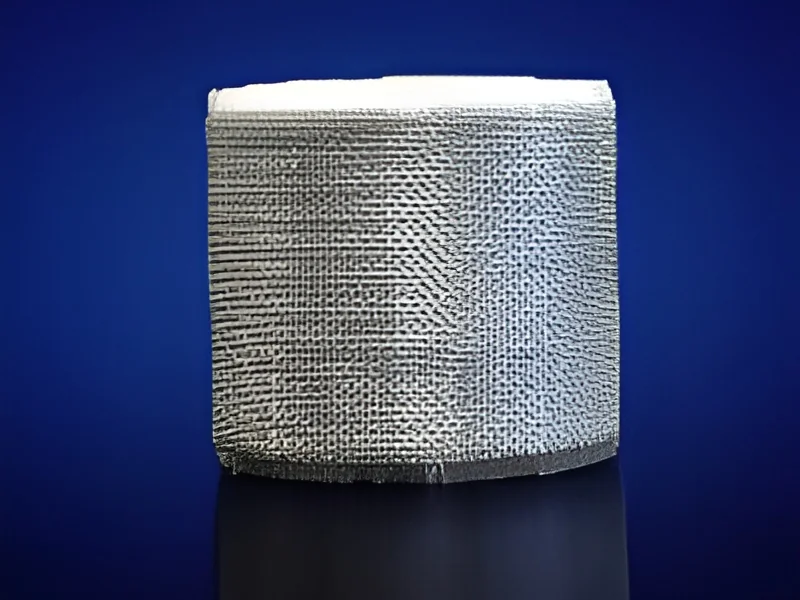
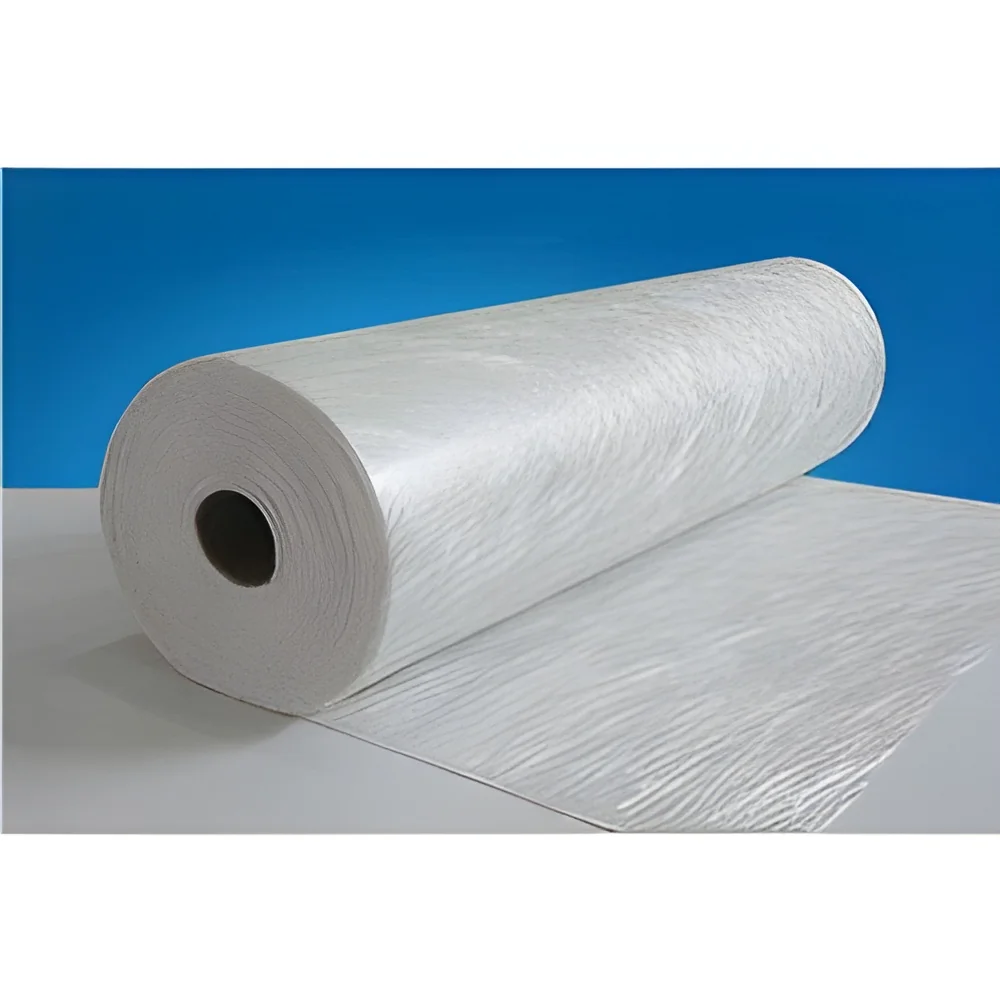
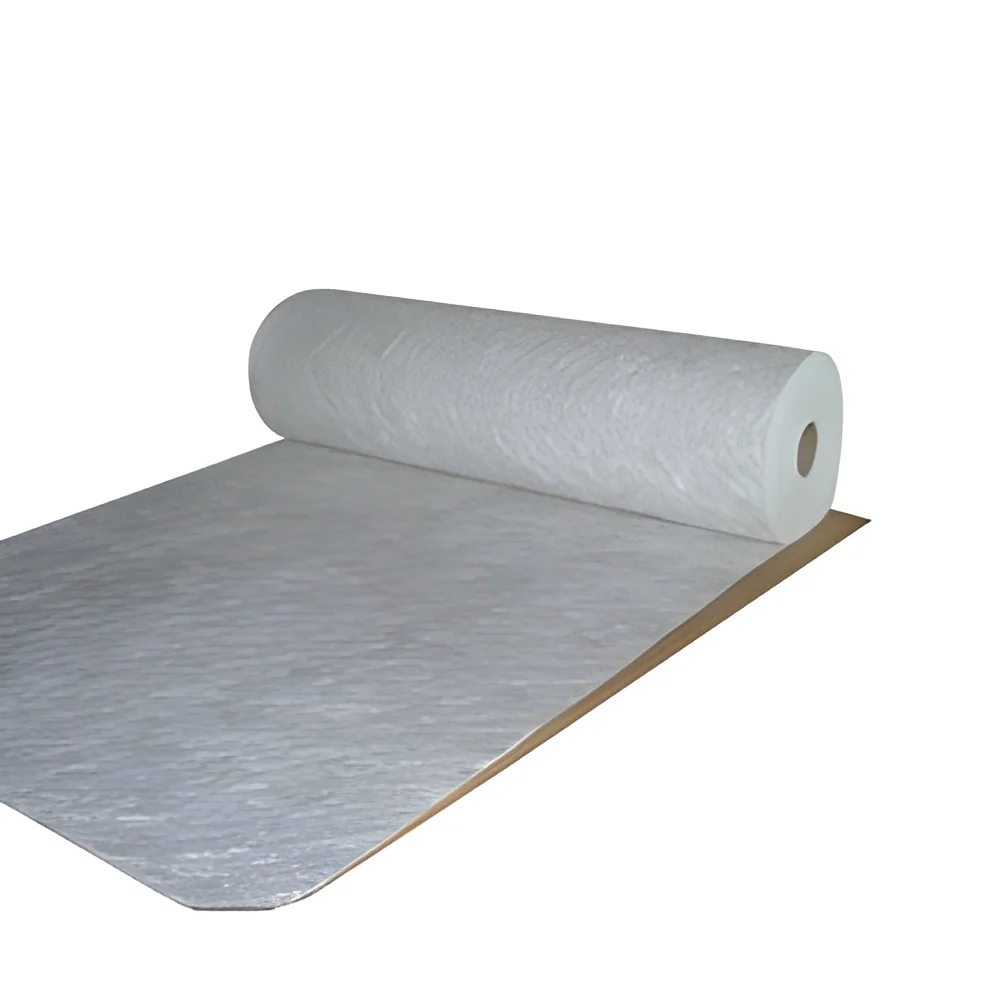
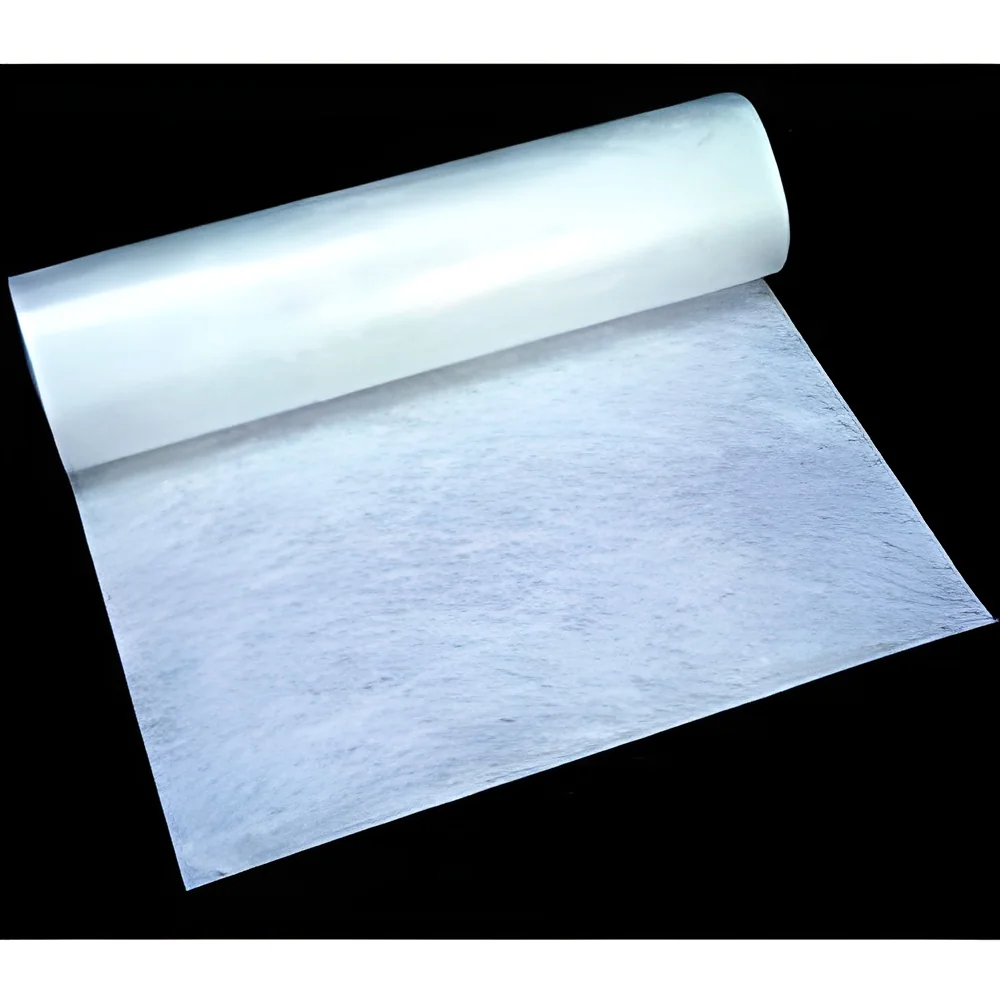
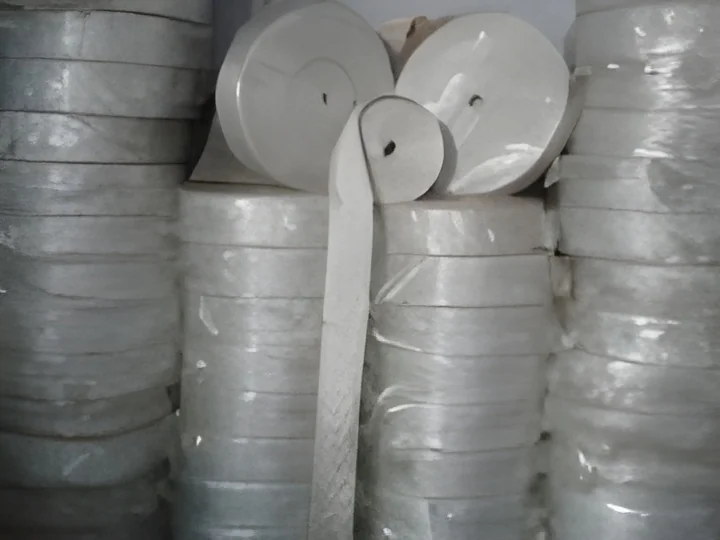
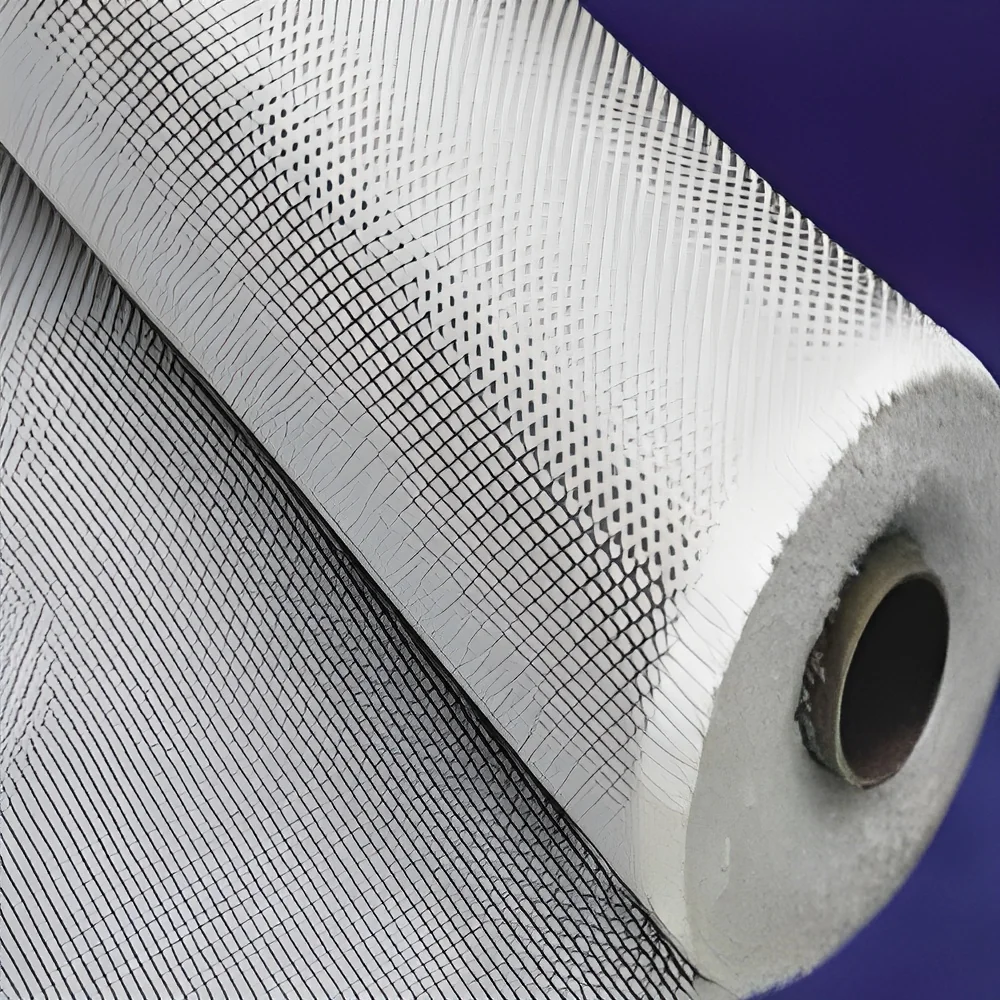
Glass fiber raw materials are essential components used in the production of glass fiber products. These materials are primarily composed of silica and other oxides that are melted and then spun into fine strands. The result is a versatile and strong material that can be woven into fabrics or used in composite materials. Glass fiber offers excellent tensile strength, resistance to heat and corrosion, and is lightweight, making it suitable for various industrial applications.
The primary uses of glass fiber raw materials include reinforcement in construction, automotive parts, and various consumer goods. Businesses utilize these materials to enhance product durability and performance. In the construction industry, glass fiber is commonly used in concrete reinforcement and insulation. In the automotive sector, it is employed for lightweight parts that improve fuel efficiency. The versatility of glass fiber raw materials contributes to their relevance in multiple markets, including aerospace, marine, and electrical industries.
As industries increasingly focus on sustainability and lightweight materials, the demand for glass fiber raw materials continues to grow. This trend is supported by advancements in manufacturing technologies, which enhance the properties of glass fiber products. The market for glass fiber is expanding globally, especially in regions where construction and automotive manufacturing are booming.
Key Features and Specifications
Glass fiber raw materials come with a range of features that make them suitable for diverse applications. They are characterized by high strength, low weight, and resistance to heat and chemical exposure.
Key specifications include:
1. Tensile Strength
- High tensile strength ensures durability and structural integrity.
- Typically ranges from 2000 to 3500 MPa.
2. Elastic Modulus
- Measures the stiffness of the material.
- Commonly ranges from 70 to 90 GPa.
3. Operating Temperature
- Indicates the temperature range the material can withstand.
- Generally up to 600 degrees Celsius for continuous use.
4. Moisture Absorption
- Low moisture absorption rates prevent degradation.
- Typically less than 1% under standard conditions.
5. Chemical Resistance
- Resistant to many acids and alkalis.
- Ideal for environments with chemical exposure.
6. Density
- Lightweight material suitable for various applications.
- Usually around 2.6 g/cm³.
7. Fiber Diameter
- Available in various diameters for different applications.
- Common diameters range from 5 to 20 micrometers.
8. Finish Type
- Can be treated for enhanced performance.
- Options include silane or epoxy coatings.
In summary, the specifications of glass fiber raw materials highlight their strength, durability, and versatility, making them a preferred choice in numerous industries.
Common Applications and Use Cases
Glass fiber raw materials find applications across several industries due to their unique properties.
1. Construction: Used in concrete reinforcement, insulation, and panels, glass fiber enhances strength and provides thermal resistance.
2. Automotive: Employed in manufacturing lightweight components, such as body panels and interiors, which improve vehicle performance and fuel efficiency.
3. Aerospace: Utilized in aircraft components to reduce weight while maintaining structural integrity.
4. Marine: Applied in boat hulls and components, offering resistance to corrosion from saltwater.
5. Electrical: Used in insulation and circuit boards due to their electrical resistance and lightweight nature.
6. Sports Equipment: Incorporated in the production of durable gear like bicycles and surfboards, enhancing performance without adding weight.
7. Wind Energy: Essential in the manufacture of turbine blades, where strength and lightweight properties are crucial.
Product Variants and Subcategories
Glass fiber raw materials are diverse, offering various forms and applications to meet specific industry needs.
E-Glass Fiber
This variant is the most commonly used type of glass fiber. It is known for its excellent electrical insulation properties and is primarily used in electrical applications and construction.
S-Glass Fiber
S-Glass fiber has superior tensile strength compared to E-Glass. It is often used in aerospace and military applications where high performance and durability are required.
C-Glass Fiber
C-Glass fiber is designed for chemical resistance and is primarily used in the production of corrosion-resistant products in the chemical industry.
Benefits and Advantages
The adoption of glass fiber raw materials offers numerous advantages for businesses.
1. High Strength-to-Weight Ratio: Glass fiber materials provide exceptional strength while remaining lightweight, making them ideal for applications where weight reduction is essential.
2. Corrosion Resistance: These materials resist environmental factors, enhancing the longevity of products, especially in harsh conditions.
3. Thermal Stability: Glass fibers maintain performance at elevated temperatures, making them suitable for high-temperature applications.
4. Cost-Effectiveness: The durability of glass fiber products often leads to lower lifecycle costs, providing excellent value for investment.
5. Design Flexibility: Glass fiber can be molded into various shapes and sizes, allowing for innovative designs in multiple industries.
6. Low Maintenance: Products made from glass fiber require minimal upkeep, reducing long-term operational costs for businesses.
Buying Guide for B2B Buyers
When sourcing glass fiber raw materials, businesses should consider several critical factors to ensure they select the right products.
1. Quality Assessment: Evaluate the quality of the glass fiber based on strength, durability, and performance specifications. Reviewing samples and certifications can aid in this process.
2. Supplier Verification: Conduct thorough research on potential suppliers to ensure they have a good reputation and meet industry standards. Look for reviews and testimonials from other businesses.
3. Pricing and MOQ: Understand the pricing structures and minimum order quantities (MOQ) that suppliers offer. This information will help businesses plan their budgets accordingly.
4. Delivery and Lead Times: Discuss logistics with suppliers to determine delivery schedules and lead times, ensuring that materials arrive on time for production.
5. Compliance Requirements: Be aware of any regulatory standards and certifications that apply to glass fiber raw materials in your region. This knowledge is crucial for ensuring compliance and product safety.
Compliance and Certifications
Glass fiber raw materials must adhere to various quality and safety standards to ensure their reliability and performance.
ISO 9001 certification is often a benchmark for quality management systems in manufacturing, ensuring consistent quality and continuous improvement in production processes.
CE certification indicates that the products meet European safety and health requirements, making them suitable for use in the European market.
Additionally, safety testing is critical in assessing the performance of glass fiber materials under different conditions. This includes evaluations for tensile strength, thermal resistance, and chemical exposure.
Finally, regional compliance considerations may vary based on local laws and industry requirements, making it essential for businesses to understand the specific regulations that apply to their markets.
Why Source Glass Fiber Raw Materials from Pepagora?
Pepagora provides a trusted platform for sourcing glass fiber raw materials with several key advantages.
Verified Supplier Network: Pepagora collaborates with a network of verified suppliers, ensuring that businesses have access to high-quality materials from reputable sources. This verification process builds trust and reliability in the supply chain.
Streamlined RFQ Process: The platform features a user-friendly request for quotation (RFQ) system, making it easy for buyers to obtain competitive quotes from various suppliers quickly. This efficiency saves time and facilitates better decision-making.
Trade Assurance and Support: Pepagora offers trade assurance to protect buyers in their transactions. This support includes assistance in case of disputes and ensures that buyers receive their orders as promised.
Regional Coverage: With a focus on markets in India, the GCC, and Southeast Asia, Pepagora effectively connects buyers with suppliers in these regions, facilitating smooth trade and logistics. This geographic reach ensures that businesses can source materials locally or regionally, reducing lead times and costs.

 IN
IN