What are Feldspar?
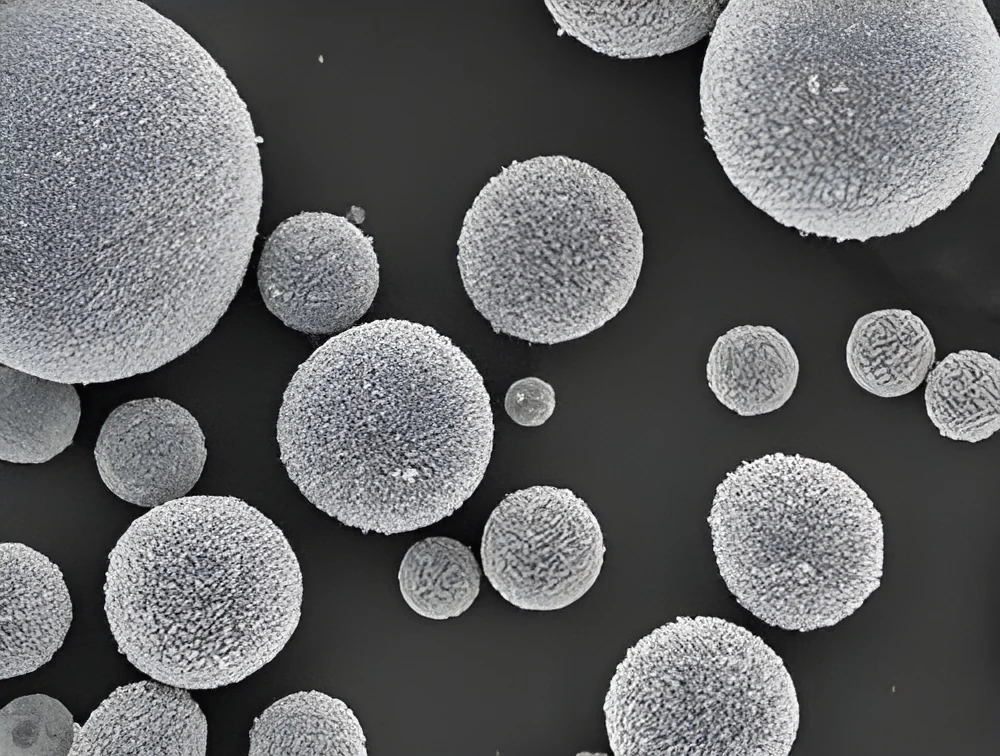
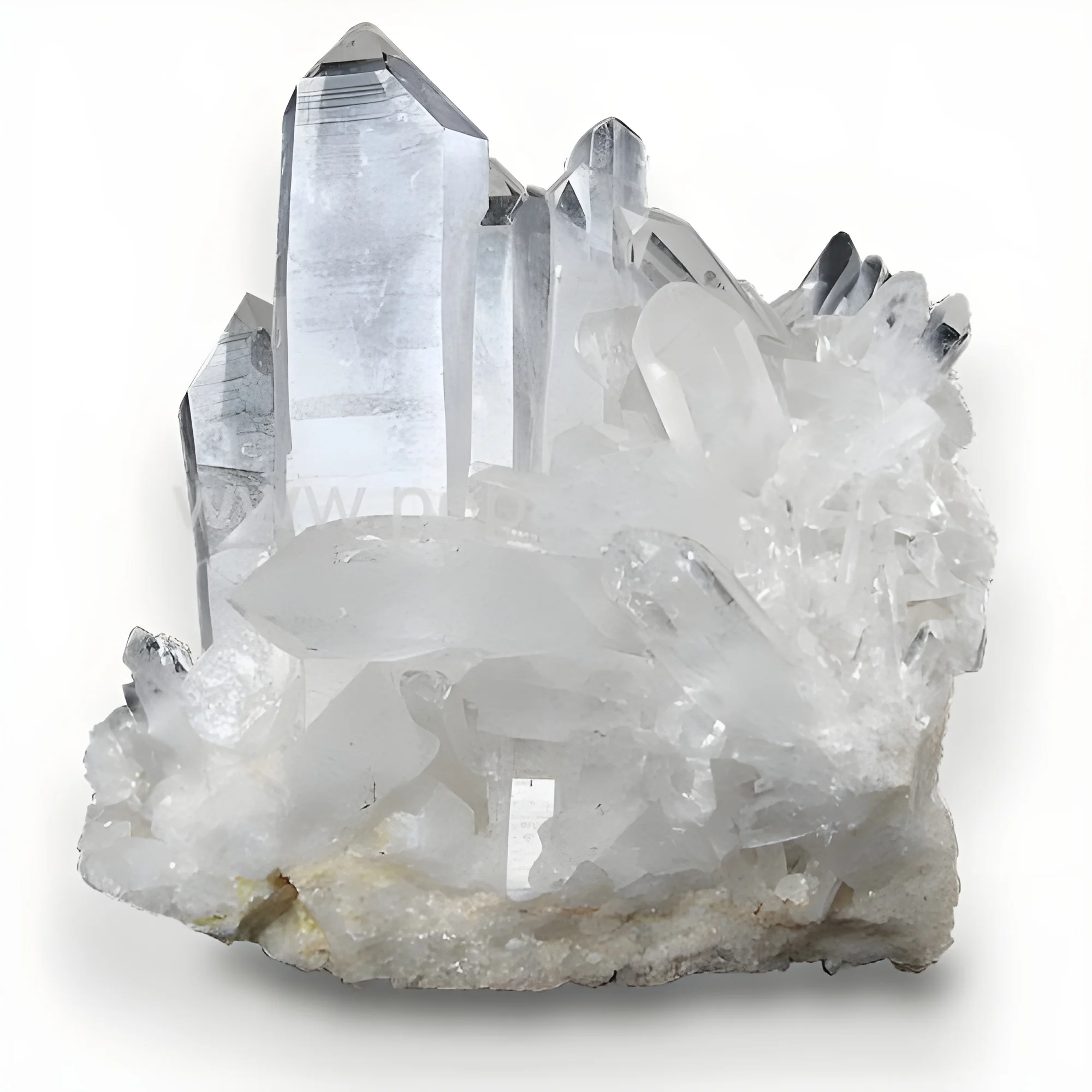
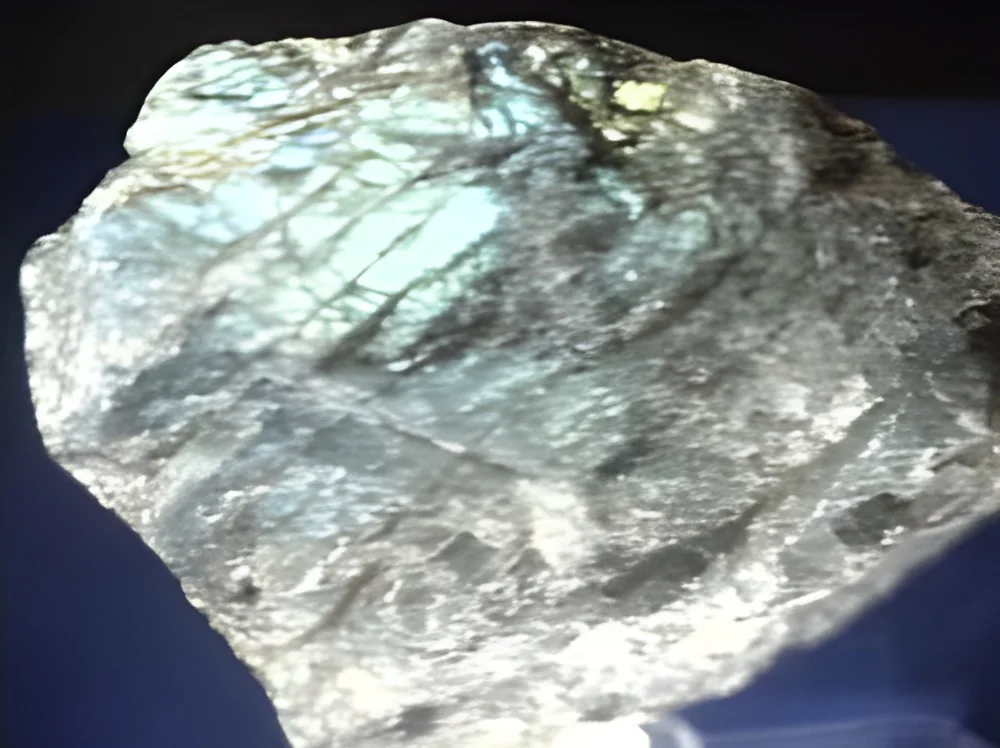
Feldspar is a group of rock-forming minerals that are primarily composed of alumina and silica. They are the most abundant minerals in the Earth's crust, making up about 60% of it. Feldspar is categorized into three main types: orthoclase, plagioclase, and microcline. Each type has unique properties and chemical compositions, which make them suitable for various applications in industrial processes.
Feldspar is widely used in the production of ceramics, glass, and as a filler in paints and plastics. In the ceramics industry, it serves as a flux, lowering the melting point of quartz and promoting the formation of a glassy phase. In the glass industry, feldspar contributes to the strength, durability, and color of the final product. The mineral's versatility and essential role in multiple industries highlight its importance in the market.
Key Features and Specifications
Feldspar is characterized by various features and specifications that make it suitable for specific applications. Understanding these specifications is crucial for businesses seeking to utilize feldspar in their products.
Key specifications include:
1. Chemical Composition
- Composed mainly of alumina and silica
- Contains varying amounts of potassium, sodium, and calcium
2. Particle Size
- Available in different grades and particle sizes
- Common ranges from fine to coarse, depending on application requirements
3. Purity Level
- High purity levels are essential for certain applications
- Typically ranges from 95% to 99% pure
4. Melting Point
- High melting point making it suitable for high-temperature applications
- Generally ranges between 1100°C to 1300°C
5. Hardness
- Moderate hardness on the Mohs scale, typically around 6 to 6.5
- Important for durability in applications
6. Color Variability
- Available in different colors, such as white, pink, and gray
- Color impacts the aesthetic of finished products, especially in ceramics
7. Bulk Density
- Density ranges from 2.56 to 2.63 g/cm³
- Influences the weight and handling of the material in production
8. Thermal Conductivity
- Good thermal resistance, making it suitable for high-temperature processes
- Usually ranges from 1.5 to 2.0 W/mK
Feldspar's diverse features enable its use across various industrial applications, making it a vital mineral in many sectors.
Common Applications and Use Cases
Feldspar serves numerous industries due to its versatile properties and functionalities.
1. Ceramics: Feldspar is a crucial ingredient in ceramic production, where it acts as a flux. It helps in lowering the melting temperature of mixtures, enhancing the workability and strength of ceramic products.
2. Glass Manufacturing: In glass production, feldspar contributes to the durability and clarity of glass. It is essential in formulating glass containers, tableware, and fiberglass.
3. Paints and Coatings: Feldspar is used as a filler in paints and coatings, providing texture and improving the durability of the final product. It enhances the gloss and smoothness of the surface.
4. Plastics: As a filler in plastics, feldspar helps in reducing costs while improving the physical properties of plastic products, such as stiffness and dimensional stability.
5. Rubber: Feldspar is also utilized in the rubber industry, where it acts as a reinforcing agent, enhancing the strength and resilience of rubber products.
6. Construction Materials: Feldspar is incorporated into construction materials, such as tiles and bricks, contributing to their strength and thermal properties.
7. Electronics: In the electronics industry, feldspar is used in the production of insulators and other components due to its electrical insulating properties.
Product Variants and Subcategories
Feldspar is a versatile mineral with various forms tailored for specific industrial uses. Each variant has distinct characteristics that cater to different applications.
Sodium Feldspar
Sodium feldspar is known for its high sodium content, making it ideal for glass production. It enhances the melting process and helps in achieving clarity in glass products.
Potassium Feldspar
Potassium feldspar is commonly used in ceramics due to its excellent fluxing properties. It improves the strength and durability of ceramic products, making it a preferred choice in the ceramics industry.
Plagioclase Feldspar
Plagioclase feldspar, which contains varying amounts of sodium and calcium, is valuable in both glass and ceramic applications. It provides unique thermal and mechanical properties suited for high-performance products.
Benefits and Advantages
Sourcing feldspar offers numerous benefits for businesses across various industries.
1. Versatility: Feldspar's diverse applications make it a valuable mineral for multiple sectors, from ceramics to electronics.
2. Cost-Effectiveness: By using feldspar as a filler or flux, companies can reduce material costs while maintaining product quality.
3. Improved Product Performance: Feldspar enhances the physical and chemical properties of products, leading to improved durability and functionality.
4. Abundant Resource: As one of the most abundant minerals, feldspar is readily available, ensuring a consistent supply for manufacturers.
5. Customization: Suppliers can provide different grades and specifications of feldspar, allowing businesses to tailor their materials to specific requirements.
6. Eco-Friendly: Feldspar is a natural mineral, making it a more environmentally friendly option compared to synthetic alternatives.
Buying Guide for B2B Buyers
When sourcing feldspar, various factors should be considered to ensure procurement meets business needs.
1. Quality Assessment: Assess the quality of feldspar based on purity levels, particle size, and chemical composition. High-quality materials are crucial for applications that require specific performance characteristics.
2. Supplier Verification: Vet potential suppliers by checking their credentials, industry experience, and customer testimonials. Reliable suppliers should have a proven track record in providing quality feldspar.
3. Pricing and MOQ: Consider pricing structures and minimum order quantities. Understanding market prices can help in negotiating better deals and optimizing costs.
4. Delivery and Lead Times: Evaluate logistics capabilities, including delivery schedules and lead times. Reliable suppliers should offer timely delivery to meet production deadlines.
5. Compliance Requirements: Ensure that the feldspar complies with relevant industry standards and regulations. This includes safety and quality certifications that may be necessary for specific applications.
Compliance and Certifications
Feldspar must adhere to various compliance standards and certifications to ensure quality and safety in industrial applications.
Relevant quality standards include ISO 9001, which outlines requirements for a quality management system. This certification ensures that manufacturers maintain consistent quality and continuous improvement in their processes.
Industry certifications such as CE mark indicate conformity to European health, safety, and environmental protection standards. This certification is crucial for businesses exporting feldspar to European markets.
Safety and testing requirements are essential to guarantee that feldspar is free from harmful substances. Regular testing ensures that the material meets safety regulations for various applications.
Regional compliance considerations may vary based on local laws and regulations. It is essential for businesses to be aware of these requirements to avoid legal issues and ensure smooth operations.
Why Source Feldspar from Pepagora?
Pepagora provides a trusted platform for sourcing feldspar, offering several key advantages to B2B buyers.
Verified Supplier Network: Pepagora has built a robust network of verified suppliers, ensuring that buyers can source high-quality feldspar with confidence. Each supplier undergoes a thorough verification process to guarantee reliability.
Streamlined RFQ Process: The request for quotation (RFQ) process on Pepagora is designed to be user-friendly, allowing buyers to easily compare multiple offers from different suppliers. This helps in making informed purchasing decisions quickly.
Trade Assurance and Support: Pepagora offers trade assurance, providing buyers with protection and support throughout the procurement process. This includes assistance in resolving any disputes or issues that may arise.
Regional Coverage: With a strong presence in India, the GCC, and Southeast Asia, Pepagora enables businesses to access feldspar suppliers across these regions. This geographical reach ensures that buyers can find suitable suppliers close to their operations, reducing shipping times and costs.

 IN
IN