
 IN
Glass Grinding Powders
12 products available
What are Glass Grinding Powders?
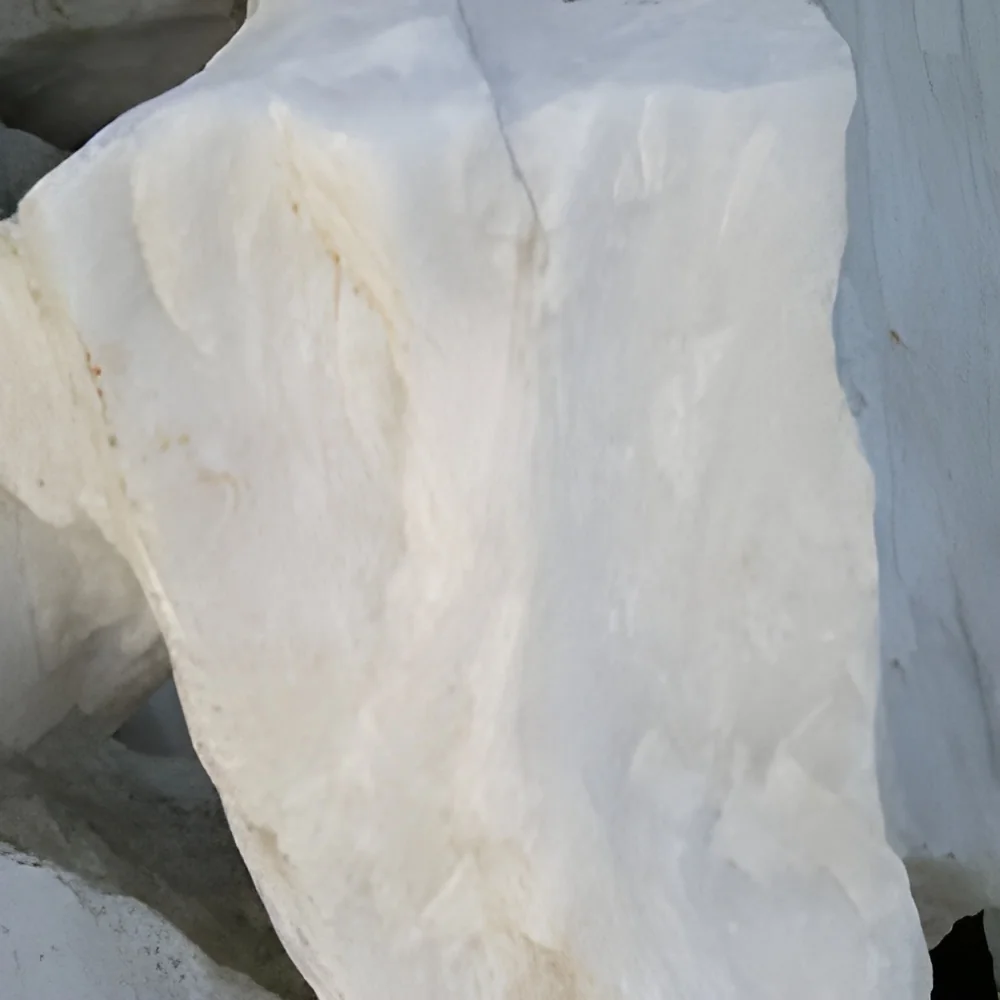
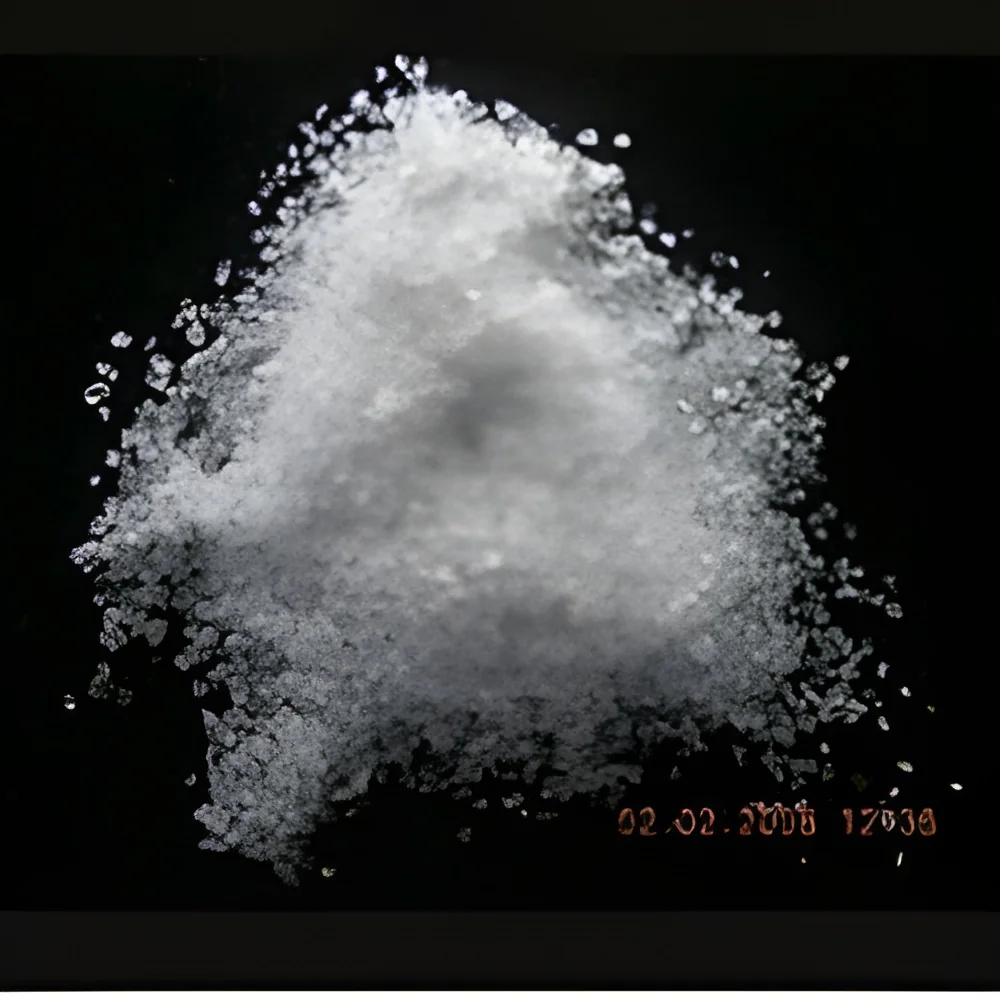
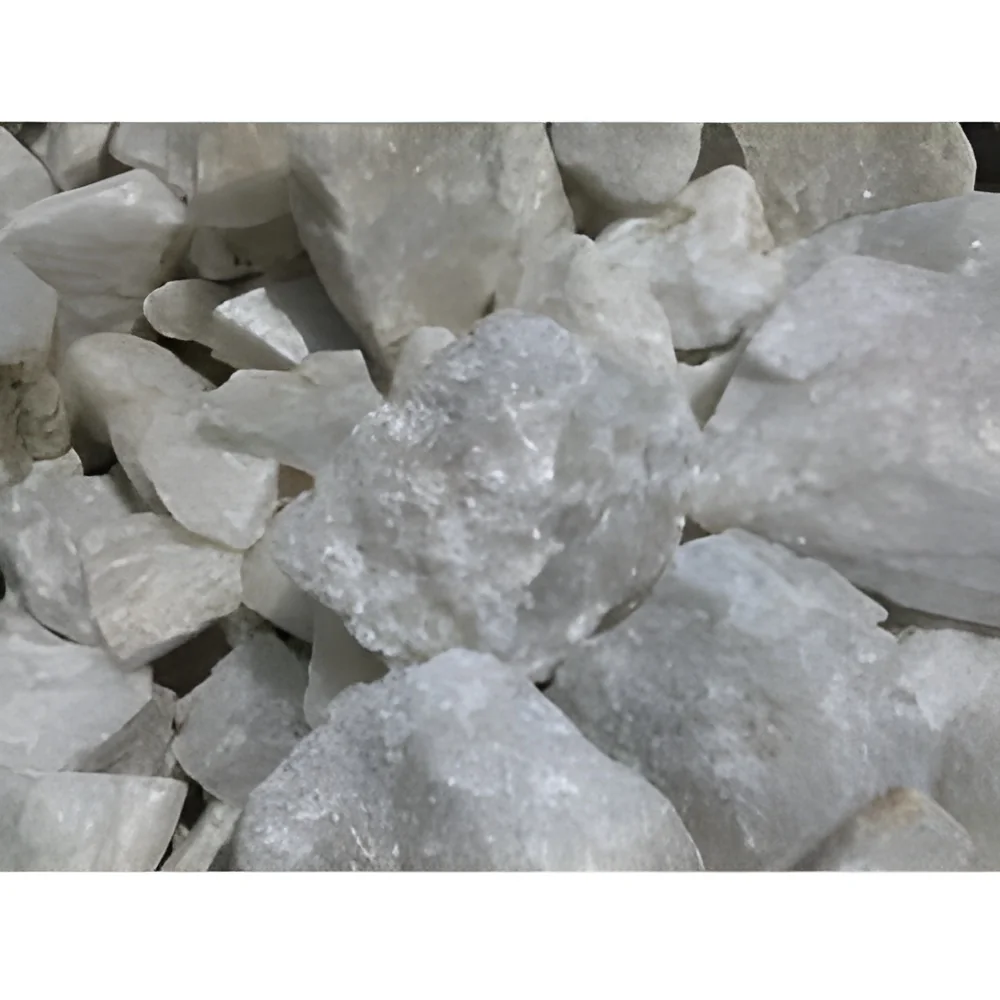
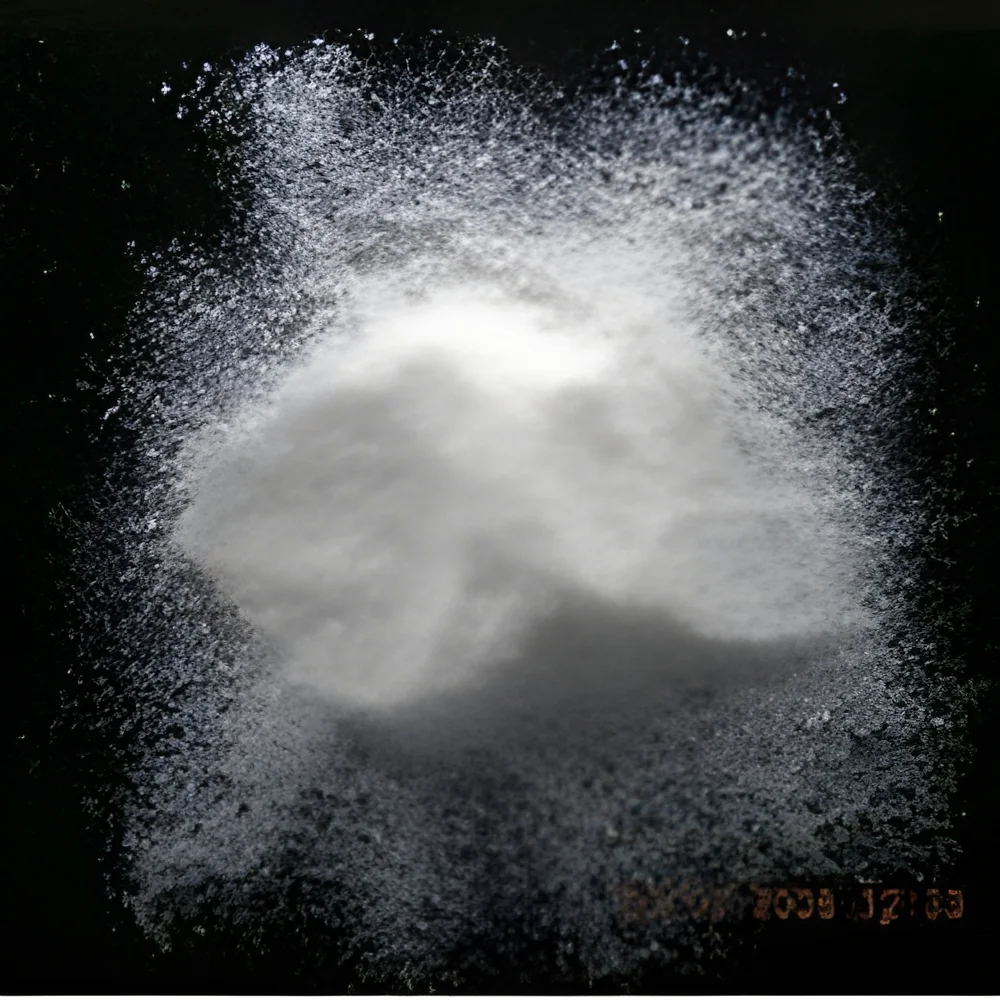
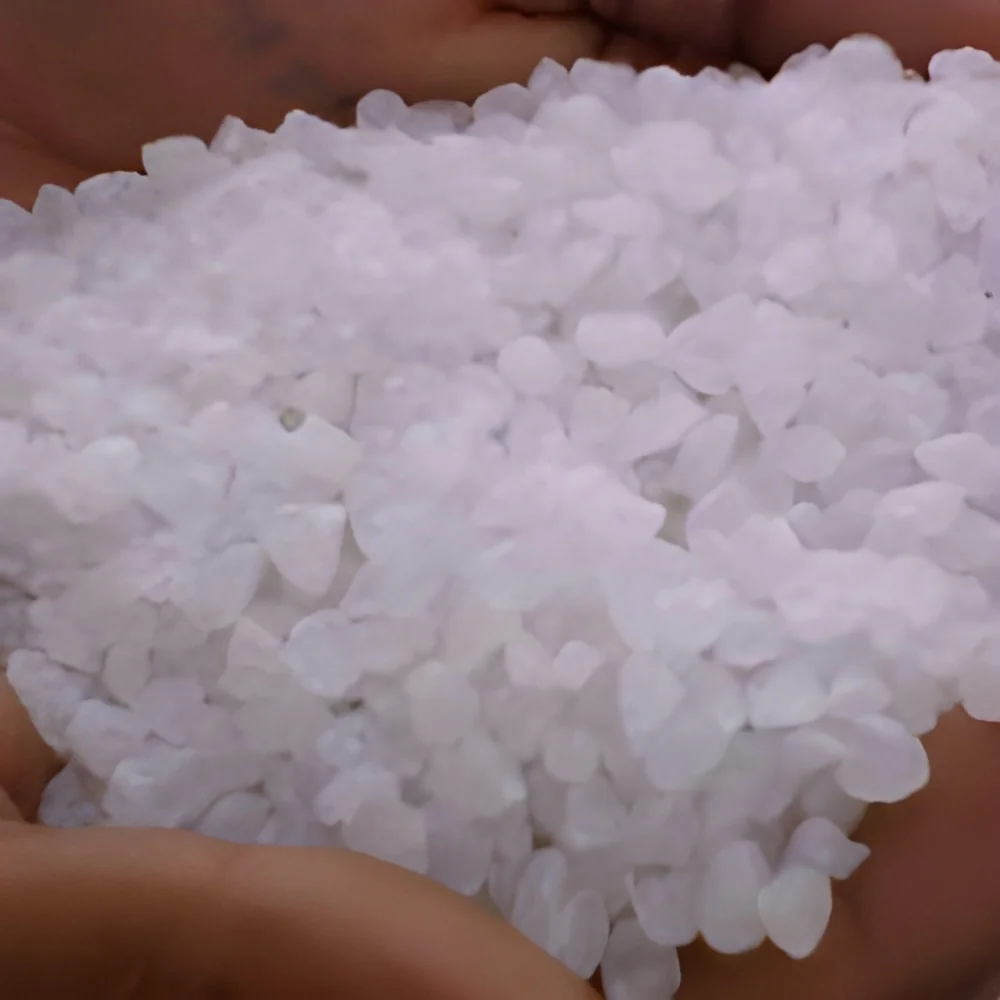
Glass grinding powders are finely ground materials used primarily in the processing and finishing of glass products. These powders are essential for achieving desired surface finishes, improving clarity, and enhancing the overall quality of glass components. They are manufactured from various types of glass, which are crushed and then refined to specific particle sizes to meet industry standards.
The primary applications of glass grinding powders span multiple industries, including automotive, construction, and electronics. In the automotive sector, they are used for polishing glass surfaces and ensuring optimal visibility. In construction, glass grinding powders are utilized in the production of glass facades and windows, providing a smooth finish. The electronics industry employs these powders in the manufacture of glass substrates for displays and other electronic components. As a result, the market for glass grinding powders remains strong, driven by innovations in glass technology and increasing demand for high-quality glass products.
Key Features and Specifications
Glass grinding powders are characterized by their specific physical and chemical properties, which make them suitable for various applications. Understanding these features is critical for selecting the appropriate product for your needs.
Key specifications include:
1. Particle Size Distribution
- Typically ranges from a few microns to several hundred microns.
- Determines the grinding efficiency and surface finish quality.
2. Purity Level
- High purity levels are essential to avoid contaminating the glass product.
- Generally greater than 99% for most industrial applications.
3. Hardness
- Measured on the Mohs scale, typically rated between 5 and 7.
- Ensures durability and effectiveness in grinding processes.
4. Chemical Composition
- Composed mainly of silica and other glass-forming oxides.
- Influences the thermal and mechanical properties of the final product.
5. Moisture Content
- Often kept below 0.5% to ensure proper handling and application.
- Reduces the risk of clumping and ensures consistent performance.
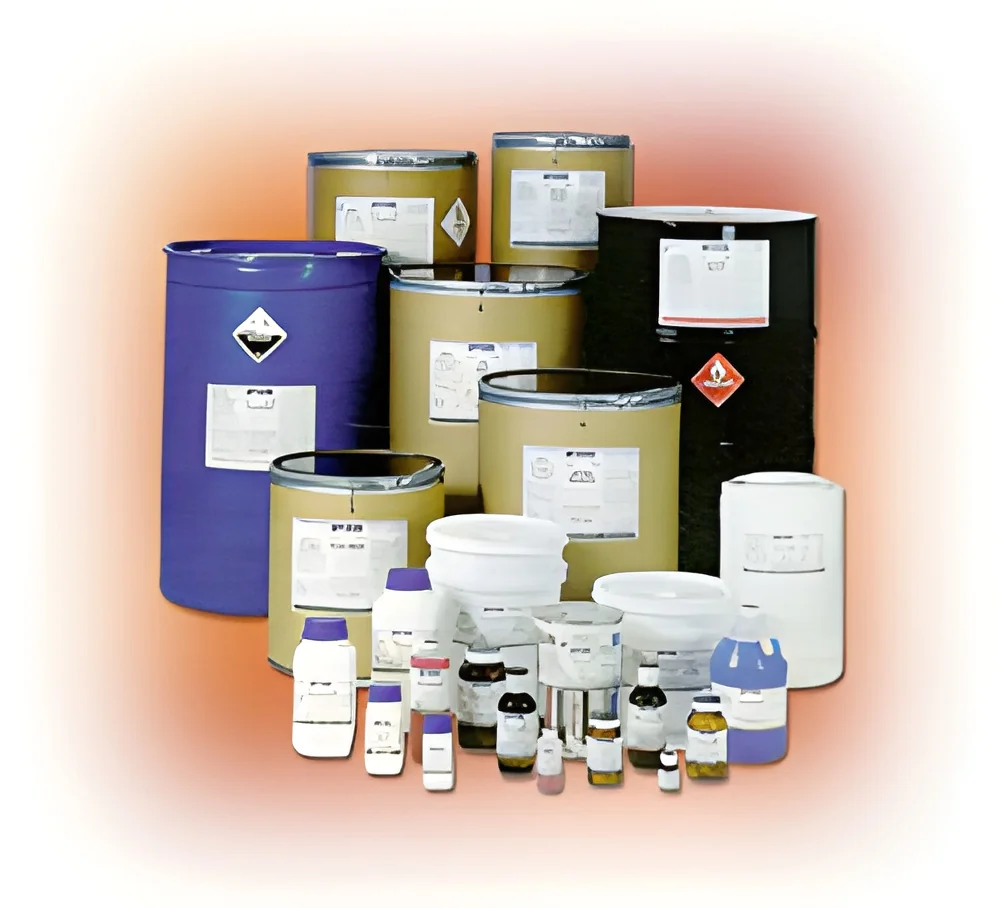
6. Packaging Options
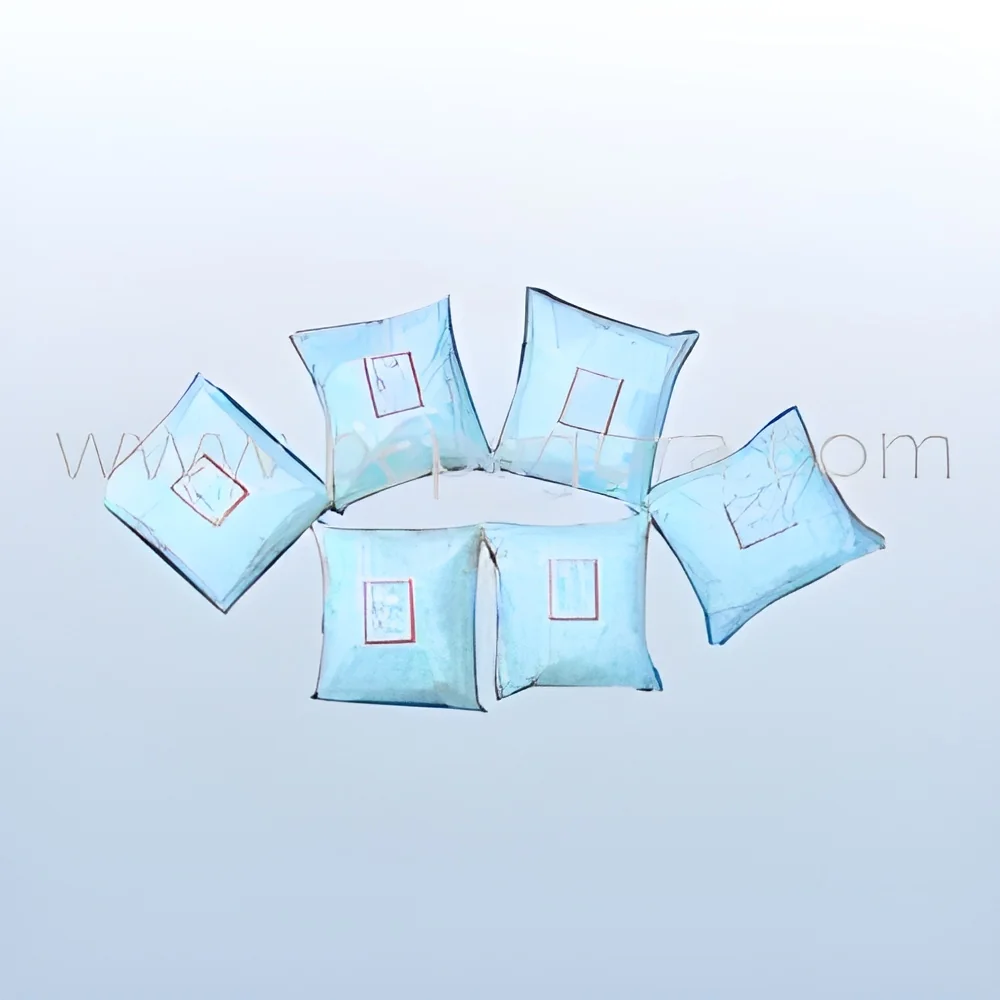
- Available in bulk bags, 25 kg sacks, or custom quantities.
- Packaging must protect against moisture and contamination.
7. Compatibility with Grinding Equipment
- Should be compatible with various grinding and polishing machines.
- Ensures efficiency in production processes.
8. Regulatory Compliance
- Must meet relevant industry standards and regulations.
- Important for ensuring safety and quality in applications.
In summary, understanding these specifications is crucial when selecting glass grinding powders to ensure they meet specific application requirements and quality standards.
Common Applications and Use Cases
Glass grinding powders are versatile and find applications across various industries.
1. Automotive: Used for polishing windshields and glass components, ensuring visibility and safety in vehicles.
2. Construction: Essential in manufacturing glass facades, windows, and decorative glass products, providing a smooth and aesthetically pleasing finish.
3. Electronics: Utilized in the production of glass substrates for displays and electronic devices, enhancing performance and durability.
4. Optical Industry: Employed in the fabrication of lenses and optical components, requiring precise grinding for clarity and optical performance.
5. Art and Craft: Used by artists and craftsmen for glass etching and surface finishing, allowing for creative expression and design.
6. Aerospace: Important in the production of specialized glass components for aircraft, ensuring lightweight and high-strength properties.
7. Medical Devices: Utilized in manufacturing glass components for medical instruments, ensuring high cleanliness and precision.
Product Variants and Subcategories
Glass grinding powders come in various forms to cater to different industrial needs. Each variant has unique properties and applications.
Standard Glass Grinding Powder
This variant is commonly used for general glass grinding applications. It offers good performance in polishing and finishing glass surfaces.
Specialty Glass Grinding Powder
Designed for specific applications, this variant may include additives to enhance performance in particular environments, such as high-temperature or chemically aggressive conditions.
Ultra-Fine Glass Grinding Powder
This type features extremely fine particles, suitable for precision applications where a high level of clarity and fine detailing is required.
Coated Glass Grinding Powder
This variant is treated with a coating to reduce dust and improve handling characteristics, making it safer and easier to use in various operations.
Benefits and Advantages
Glass grinding powders offer several key benefits that contribute to their widespread use in various industries.
1. Enhanced Surface Finish: Provides a smooth and polished surface, improving the aesthetic and functional qualities of glass products.
2. Increased Efficiency: Reduces processing time and labor costs due to effective grinding and polishing capabilities.
3. High Purity: Ensures that the final glass products are free from contaminants, which is critical for quality assurance.
4. Versatility: Suitable for a wide range of applications across multiple industries, making them a valuable resource.
5. Customization: Available in different particle sizes and formulations to meet specific customer requirements.
6. Cost-Effective: Offers a good balance between performance and cost, making it an economical choice for manufacturers.
Buying Guide for B2B Buyers
When sourcing glass grinding powders, several factors should be considered to ensure optimal selection.
1. Quality Assessment: Evaluate the purity, particle size, and hardness to ensure the powders meet your specific application requirements.
2. Supplier Verification: Conduct thorough background checks on suppliers to ensure they have a reliable reputation and quality standards.
3. Pricing and MOQ: Understand the pricing structure and minimum order quantities to align with your budget and production needs.
4. Delivery and Lead Times: Discuss logistics with suppliers to ensure timely delivery that matches your production schedule.
5. Compliance Requirements: Verify that the products comply with relevant industry regulations and standards to avoid compliance issues.
Compliance and Certifications
Glass grinding powders must adhere to various quality standards to ensure safety and effectiveness. One of the key certifications is CE, which indicates compliance with European health, safety, and environmental protection standards.
Additionally, adherence to ISO 9001 ensures that a company maintains quality management systems, providing assurance of consistent product quality. Other relevant standards may include HACCP and GDP, which focus on food safety and good distribution practices, respectively.
Safety and testing requirements are critical to ensure that glass grinding powders are free from harmful substances and perform effectively in their intended applications. Regional compliance considerations also vary, so it is essential to understand specific regulations that may apply in different markets.
Why Source Glass Grinding Powders from Pepagora?
Pepagora provides a trusted platform for sourcing glass grinding powders with several key advantages.
Verified Supplier Network: Pepagora connects buyers with a network of verified suppliers who have been assessed for their reliability and product quality. This helps ensure that buyers receive high-quality materials.
Streamlined RFQ Process: The platform offers a straightforward request for quotation process, making it easier for buyers to find competitive pricing and negotiate terms with suppliers.
Trade Assurance and Support: Pepagora offers trade assurance to protect buyers’ interests, providing support throughout the purchasing process to ensure a smooth transaction.
Regional Coverage: With a strong presence in India, the GCC, and Southeast Asia, Pepagora can facilitate sourcing efforts across various regions, catering to diverse market needs.




Frequently Asked Questions
What are Glass Grinding Powders?
Glass Grinding Powders are fine particles produced from grinding glass materials. They are used in various applications, including glass manufacturing, ceramics, and as abrasives in finishing processes.
What are the different types of Glass Grinding Powders?
There are several types of Glass Grinding Powders, including silica-based powders, borosilicate powders, and specialty glass powders. Each type is formulated for specific applications, such as fine grinding or polishing.
How do I choose the right Glass Grinding Powders?
To choose the right Glass Grinding Powders, consider the application requirements, such as the desired particle size, purity level, and compatibility with other materials. Consulting with suppliers can also provide insights into the best options available.
What are the standard specifications for Glass Grinding Powders?
Standard specifications for Glass Grinding Powders include particle size distribution, chemical composition, and moisture content. These specifications ensure that the powders meet the necessary performance standards for their intended applications.
What is the price range for Glass Grinding Powders?
The price range for Glass Grinding Powders can vary widely based on factors such as quality, quantity, and supplier. Generally, prices can start from a few hundred to several thousand Indian Rupees per kilogram.
What quality standards apply to Glass Grinding Powders?
Quality standards for Glass Grinding Powders typically include compliance with industry specifications such as ISO or ASTM standards. These standards ensure the powders are suitable for their intended use and meet safety requirements.
Where can I find Glass Grinding Powders suppliers in India?
You can find Glass Grinding Powders suppliers in India through online B2B marketplaces like Pepagora, industry trade shows, and directories. Additionally, networking within industry associations can help identify reputable manufacturers.
Can Glass Grinding Powders be customized?
Yes, many suppliers offer customization options for Glass Grinding Powders, including adjustments to particle size, chemical composition, and packaging. It is advisable to discuss specific requirements with suppliers for tailored solutions.
What is the typical minimum order quantity for Glass Grinding Powders?
The typical minimum order quantity (MOQ) for Glass Grinding Powders can vary by supplier, but it usually ranges from 50 kg to 200 kg. It's best to confirm the MOQ with the specific supplier to ensure it meets your needs.
What is the typical lead time for Glass Grinding Powders?
The typical lead time for Glass Grinding Powders can range from 1 to 4 weeks, depending on the supplier's inventory and production capabilities. It is recommended to check with the supplier for specific delivery timelines.
Why Businesses Trust Pepagora
Thousands of companies trust Pepagora to source smarter and sell faster
Expand Your Sales Globally

Source Smarter,Grow Faster
