What are Glass Melting Fluxes?
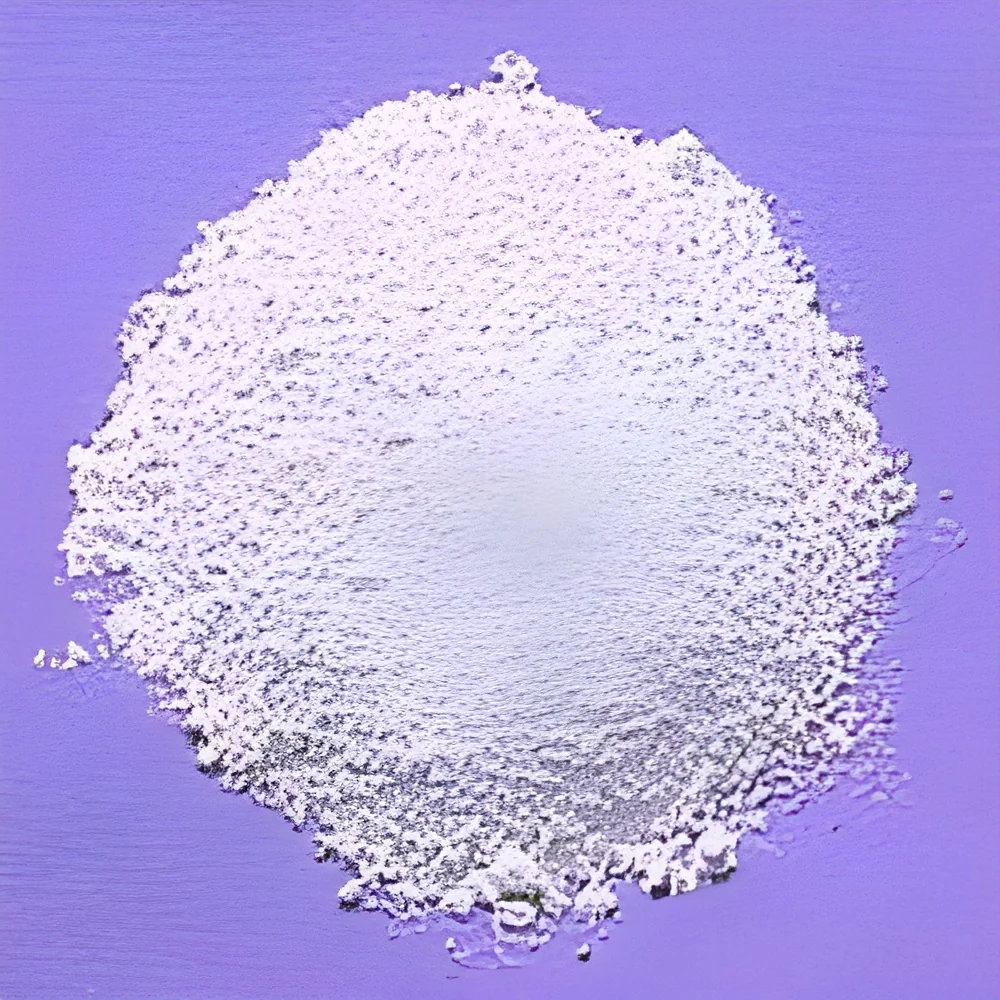
Glass melting fluxes are specialized materials used to lower the melting temperature of raw materials in glass production. These fluxes facilitate the melting process by reducing viscosity and promoting better flow, which is essential for achieving high-quality glass products. They typically consist of various chemical compounds that interact with silica and other constituents in glass formulations.
These fluxes are widely utilized in the glass manufacturing industry, particularly in the production of container glass, flat glass, and fiberglass. Businesses leverage glass melting fluxes to enhance production efficiency, reduce energy consumption, and improve the final product's clarity and durability. In today's competitive market, utilizing effective melting fluxes is crucial for manufacturers aiming to optimize their processes and meet stringent quality standards.
The relevance of glass melting fluxes extends beyond individual companies, as they play a significant role in the broader glass manufacturing sector. The demand for high-performance glass products across various industries, including automotive, construction, and packaging, drives the need for reliable flux formulations. Moreover, the global shift towards sustainable manufacturing practices has led to innovations in flux technology, highlighting the importance of these materials in modern glass production.
Key Features and Specifications
Glass melting fluxes are characterized by several key features that define their performance and suitability for various applications. Understanding these specifications is essential for manufacturers when selecting the appropriate flux for their production processes.
Key specifications include:
1. Chemical Composition
- The specific blend of chemical compounds, such as sodium carbonate, potassium carbonate, and calcium oxide.
- Varies based on the desired melting temperature and glass properties.
2. Melting Point
- The temperature at which the flux effectively lowers the melting point of glass materials.
- Typically ranges between 600 to 1000 degrees Celsius.
3. Viscosity Reduction
- The capability of the flux to lower the viscosity of glass during the melting process.
- Critical for achieving smooth flow and uniform consistency in the melted glass.
4. Compatibility
- The ability of the flux to work harmoniously with different glass compositions.
- Ensures optimal melting performance without compromising glass quality.
5. Purity Level
- The presence of impurities in the flux can affect the quality of the final glass product.
- High purity levels are essential for producing clear and defect-free glass.
6. Packaging Options
- Available in various packaging formats, such as bulk bags, drums, or smaller bags.
- Packaging choice may depend on the production scale and handling requirements.
In summary, the features and specifications of glass melting fluxes are vital in determining their effectiveness in glass manufacturing processes.
Common Applications and Use Cases
Glass melting fluxes are instrumental in various industries that rely on glass production.
1. Container Glass: Used extensively in the manufacturing of bottles and jars, glass melting fluxes help achieve the desired clarity and strength while minimizing energy consumption.
2. Flat Glass: In the production of windows and mirrors, fluxes facilitate efficient melting, ensuring a smooth surface finish and structural integrity.
3. Fiberglass: Fluxes are essential in the creation of fiberglass products, improving the melting process and enhancing the material's performance characteristics.
4. Specialty Glass: Industries producing optical glass or laboratory glassware benefit from fluxes that help achieve high precision and specific optical properties.
5. Ceramics: Glass melting fluxes can also find applications in ceramic production, assisting in the melting of various raw materials to form high-quality ceramic products.
6. Glass Recycling: Fluxes play a role in recycled glass processing, improving the melting efficiency of cullet and other recycled materials.
7. Art Glass: Artists and glassblowers use fluxes to create unique glass art pieces, benefiting from the tailored melting characteristics.
Product Variants and Subcategories
Glass melting fluxes come in various formulations tailored to meet specific industrial needs. Each variant offers unique properties and applications.
Standard Flux Variant
This variant is commonly used in general glass production. It effectively reduces melting temperatures and enhances fluidity, making it ideal for a wide range of glass products.
High-Performance Flux Variant
Designed for specialized applications, this variant offers superior melting capabilities. It is particularly beneficial for high-temperature glass processes, ensuring optimal performance in demanding environments.
Low-Cost Flux Variant
This economical option is suitable for budget-conscious manufacturers. It provides adequate performance for standard glass production while minimizing costs.
Benefits and Advantages
Choosing the right glass melting fluxes offers numerous advantages for manufacturers.
1. Energy Efficiency: By lowering the melting temperature, these fluxes significantly reduce energy consumption during the glass production process.
2. Enhanced Quality: High-quality flux formulations lead to improved clarity and structural integrity in the final glass products.
3. Increased Production Rate: Optimized melting processes allow for faster production cycles, enhancing overall manufacturing efficiency.
4. Cost Reduction: Effective use of fluxes can lead to lower raw material costs and reduced waste, contributing to overall cost savings.
5. Flexibility: A range of flux formulations allows manufacturers to tailor their processes to specific product requirements, enhancing versatility.
6. Environmental Sustainability: Using glass melting fluxes can support sustainable practices by reducing energy use and enabling the recycling of glass materials.
Buying Guide for B2B Buyers
When sourcing glass melting fluxes, several critical factors should be considered to ensure optimal selection.
1. Quality Assessment: Evaluate the quality of the flux based on its chemical composition and purity. High-quality materials will lead to better melting performance and final product quality.
2. Supplier Verification: Research potential suppliers thoroughly. Ensure they have a good reputation and adhere to industry standards to guarantee reliable sourcing.
3. Pricing and MOQ: Understand the pricing structure and minimum order quantities (MOQ) required by suppliers. This information is essential for budgeting and inventory management.
4. Delivery and Lead Times: Consider the logistics involved in sourcing fluxes, including delivery schedules and lead times. Timely access to materials is crucial for maintaining production schedules.
5. Compliance Requirements: Ensure that the selected fluxes meet relevant regulatory and safety standards. Understanding compliance needs will prevent potential issues during production.
Compliance and Certifications
Glass melting fluxes must adhere to various quality standards to ensure safety and effectiveness. Relevant standards include ISO 9001, which focuses on quality management systems, ensuring manufacturers consistently provide quality products and services.
Industry certifications, such as CE marking, indicate that the product meets European safety, health, and environmental protection standards. Compliance with these certifications is essential for market acceptance.
In addition to these standards, manufacturers must consider safety and testing requirements that ensure the fluxes are safe for use in glass production. Regular testing of flux materials helps maintain quality and compliance.
Regional compliance considerations may also apply, depending on the geographic location of production and sales. Understanding regional regulations is vital for businesses to operate legally and successfully in their markets.
Why Source Glass Melting Fluxes from Pepagora?
Pepagora offers a reliable platform for sourcing glass melting fluxes, providing several key advantages for businesses.
Verified Supplier Network: Pepagora ensures that all suppliers in its network are thoroughly vetted. This process guarantees that businesses have access to high-quality materials from trusted sources.
Streamlined RFQ Process: The platform simplifies the request for quotation (RFQ) process, allowing buyers to easily compare offers from multiple suppliers. This efficiency saves time and helps businesses make informed purchasing decisions.
Trade Assurance and Support: Pepagora provides trade assurance measures that protect buyers throughout the procurement process. This support fosters trust and encourages long-term partnerships.
Regional Coverage: With a broad geographic reach that includes India, the GCC, and Southeast Asia, Pepagora connects businesses with suppliers across multiple regions. This extensive network enables companies to source materials that best fit their operational needs.

 IN
IN