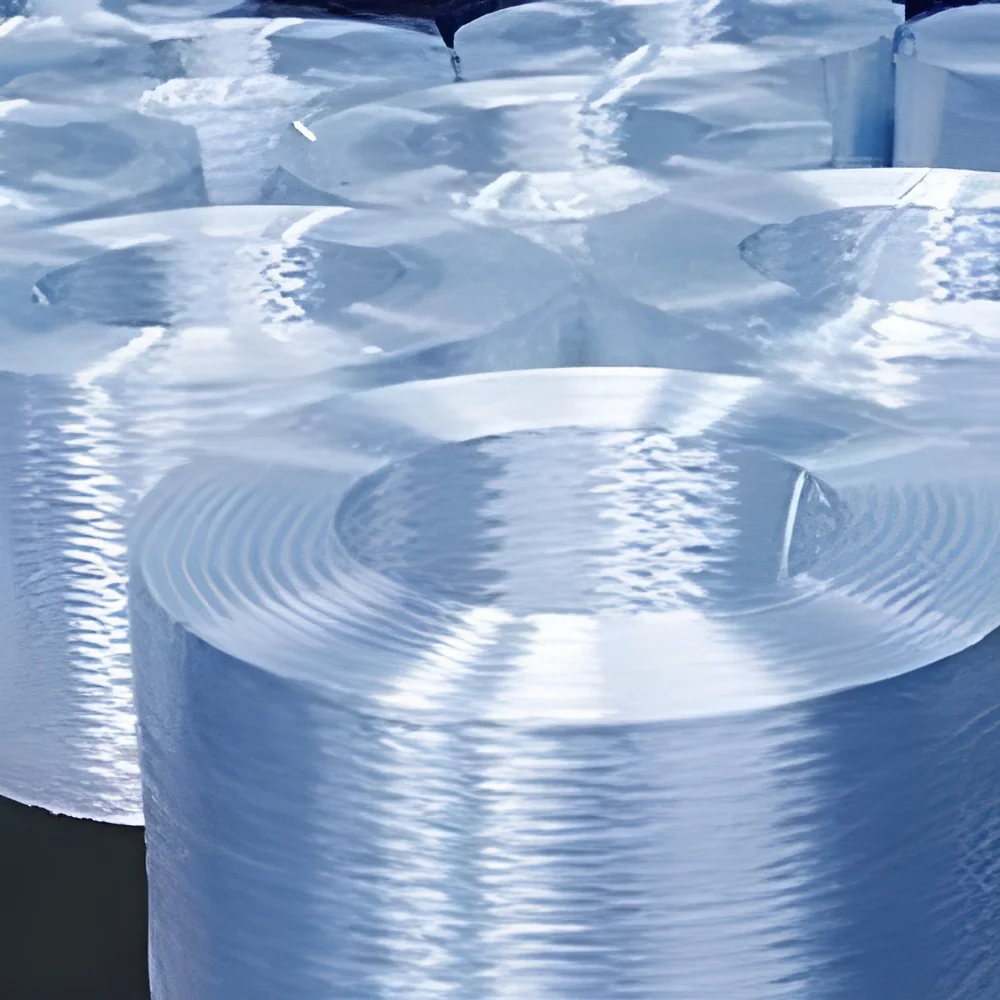
What are Glass Reinforcement Materials?
Glass Reinforcement Materials are composite materials that incorporate glass fibers to enhance the mechanical properties of various products. These materials are designed to improve strength, durability, and resistance to environmental factors. They are commonly used in construction, automotive, aerospace, and marine applications due to their lightweight nature and high tensile strength.
The primary uses of Glass Reinforcement Materials include reinforcing plastics and other composite materials. They are utilized in the manufacturing of components that require high strength-to-weight ratios. Industries leverage these materials for applications such as structural components, insulation, and protective coatings. The demand for glass reinforcement in industrial applications is driven by the need for materials that can withstand rigorous conditions while maintaining performance and reliability.
In the current market, Glass Reinforcement Materials are becoming increasingly relevant as industries seek sustainable solutions without compromising quality. The ongoing advancements in material science and technology are expanding their applications, making them an integral component of modern engineering solutions.
Key Features and Specifications
Glass Reinforcement Materials offer a range of features and specifications that make them suitable for diverse applications. Understanding these characteristics can help businesses select the right materials for their needs.
Key specifications include:
1. Tensile Strength
- High tensile strength enables these materials to endure stress and strain.
- Typically ranges from 200 MPa to 1000 MPa.
2. Flexural Strength
- Provides resistance to bending and deformation.
- Measured values can vary from 300 MPa to 800 MPa.
3. Chemical Resistance
- Ability to withstand exposure to various chemicals and solvents.
- Suitable for use in harsh environments.
4. Temperature Resistance
- Maintains performance at elevated temperatures.
- Effective up to 200 degrees Celsius.
5. Moisture Absorption
- Minimal moisture uptake, ensuring stability and longevity.
- Typically less than 1% under standard conditions.
6. Weight
- Lightweight properties enhance ease of handling and installation.
- Density can range from 1.5 g/cm³ to 2.5 g/cm³.
7. Electrical Insulation
- Excellent insulating properties provide safety in electrical applications.
- Dielectric strength can exceed 20 kV/mm.
8. Customization Options
- Available in various grades and configurations to meet specific requirements.
- Tailorable to fit unique industry needs.
These specifications underline the versatility and robustness of Glass Reinforcement Materials, making them a crucial choice for many industrial applications.
Common Applications and Use Cases
Glass Reinforcement Materials find applications across various industries due to their favorable properties.
1. Construction: These materials are used in concrete reinforcement, providing enhanced tensile strength in structural elements such as beams and columns.
2. Automotive: Glass reinforcement is employed in the manufacturing of lightweight components, improving fuel efficiency without compromising safety.
3. Aerospace: The aerospace industry utilizes these materials for creating durable and lightweight parts that meet strict performance standards.
4. Marine: Glass Reinforcement Materials are applied in boat hulls and components to resist corrosion and provide structural integrity in harsh marine environments.
5. Electrical: Used in insulating materials to protect from electrical hazards while maintaining flexibility and durability.
6. Sports Equipment: These materials enhance the performance of various sporting goods, providing strength without adding excessive weight.
7. Wind Energy: Employed in the production of turbine blades that require high strength-to-weight ratios to optimize energy efficiency.
Product Variants and Subcategories
Glass Reinforcement Materials come in various forms, catering to different industry needs.
Chopped Strand Mat
This variant consists of randomly oriented glass fibers bonded together, offering excellent coverage and reinforcement. It is commonly used in applications requiring large surface areas, such as laminates and composite parts.
Woven Roving
Woven roving provides a high degree of strength and is used in applications where structural integrity is essential. This material is ideal for manufacturing larger components, such as boat hulls and automotive parts.
S-glass Fibers
S-glass fibers are known for their superior tensile strength and thermal stability. They are particularly suited for high-performance applications in aerospace and military industries.
E-glass Fibers
E-glass fibers are commonly used in electrical applications due to their excellent insulating properties. They are a cost-effective solution for a range of industrial applications.
Benefits and Advantages
Glass Reinforcement Materials offer numerous benefits that enhance their appeal in various industries.
1. Increased Strength: The addition of glass fibers significantly enhances the strength of composite materials, allowing for thinner and lighter designs.
2. Durability: These materials are resistant to environmental factors, ensuring longevity and reliability in challenging conditions.
3. Cost-Effectiveness: The lightweight nature of glass reinforcement leads to reduced shipping and handling costs while improving overall efficiency.
4. Versatility: Suitable for a wide range of applications, these materials can be customized to meet specific requirements.
5. Improved Performance: The mechanical properties of glass reinforcement lead to superior performance in demanding applications, increasing overall product efficacy.
6. Environmental Resistance: Glass reinforcement materials resist moisture, chemicals, and UV exposure, making them ideal for outdoor applications.
Buying Guide for B2B Buyers
When sourcing Glass Reinforcement Materials, several key factors should be considered to ensure optimal selection and procurement.
1. Quality Assessment: Evaluate materials based on their mechanical properties, consistency, and compliance with industry standards. Request product samples for testing purposes.
2. Supplier Verification: Conduct thorough due diligence on suppliers to ensure reliability and adherence to quality standards. Look for certifications and customer testimonials.
3. Pricing and MOQ: Compare pricing structures among suppliers while considering the minimum order quantity that suits your business needs. Bulk orders may offer cost savings.
4. Delivery and Lead Times: Assess logistical capabilities to ensure timely delivery. Understand lead times and potential delays that may affect project schedules.
5. Compliance Requirements: Stay informed about relevant industry regulations and standards. Ensure that the materials meet specific compliance and safety requirements.
Compliance and Certifications
Compliance and certifications are critical aspects of Glass Reinforcement Materials that ensure quality and safety in various applications.
Relevant quality standards such as ISO 9001 are essential for manufacturers to maintain consistent quality management systems. These standards ensure that products meet customer expectations and regulatory requirements.
Industry certifications, including CE marking, indicate compliance with European safety standards. This certification is crucial for products entering the European market, ensuring that they meet safety, health, and environmental protection requirements.
Safety and testing requirements are critical for ensuring that Glass Reinforcement Materials perform reliably under different conditions. Regular testing for mechanical properties and environmental resistance helps maintain product integrity.
Additionally, regional compliance considerations may vary, so understanding local regulations can help businesses navigate market entry more effectively.
Why Source Glass Reinforcement Materials from Pepagora?
Pepagora provides a trusted platform for sourcing Glass Reinforcement Materials, offering several key advantages to buyers.
Verified Supplier Network: Pepagora features a comprehensive network of verified suppliers, ensuring that buyers have access to reputable manufacturers. This network facilitates the procurement of high-quality materials.
Streamlined RFQ Process: The Request for Quotation (RFQ) system simplifies the sourcing process. Buyers can easily compare quotes from multiple suppliers, helping them make informed decisions.
Trade Assurance and Support: Pepagora offers trade assurance, protecting buyers from potential disputes. This support provides peace of mind, ensuring a smooth purchasing experience.
Regional Coverage: With a strong presence in India, the GCC, and Southeast Asia, Pepagora ensures that businesses can source Glass Reinforcement Materials tailored to their regional needs. This extensive coverage enhances accessibility and market reach for buyers.

 IN
IN