What are Soda Ash?
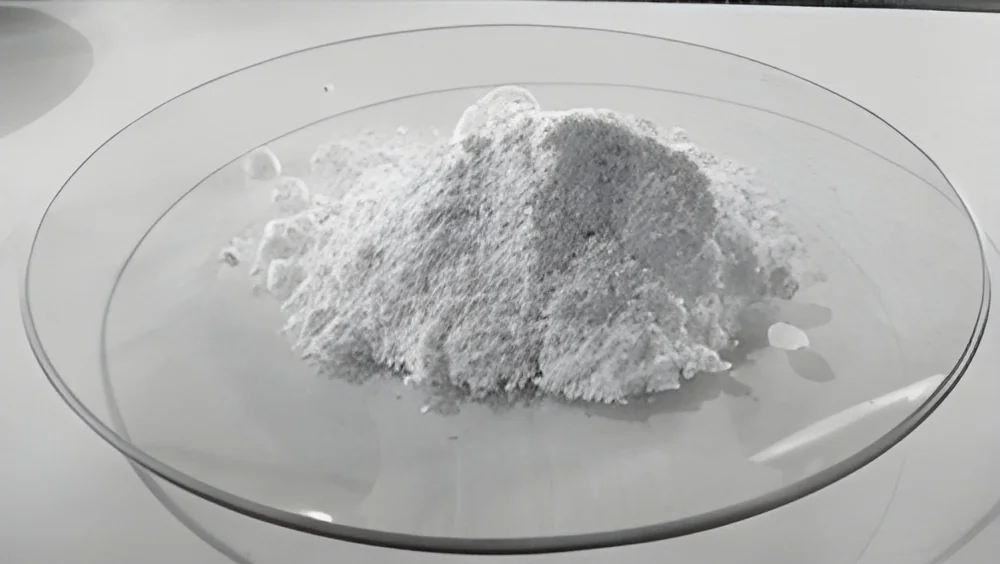
Soda ash, also known as sodium carbonate, is a white, odorless powder that is highly soluble in water. This inorganic compound plays a crucial role in various industrial processes due to its alkaline nature. Soda ash is produced through two main methods: the Solvay process and the Leblanc process. It is widely utilized as a key ingredient in the production of glass, detergents, and other chemical processes, making it one of the most important industrial chemicals.
The primary applications of soda ash include glass manufacturing, where it acts as a flux to lower the melting point of silica. In the chemical industry, soda ash is used in the production of sodium bicarbonate, sodium silicate, and other compounds. Additionally, it is applied in water treatment, paper production, and as a pH regulator in various applications. The global demand for soda ash continues to rise due to its essential role in these industries, making it a critical commodity in the market.
Key Features and Specifications
Soda ash is characterized by several key specifications that determine its suitability for various applications. Understanding these specifications is essential for businesses looking to source soda ash effectively.
Key specifications include:
1. Purity Level
- Typically ranges from 99% to 99.5% purity.
- Higher purity levels are required for specific applications like glass manufacturing.
2. Particle Size
- Available in different particle sizes, generally ranging from fine to coarse.
- The choice of particle size can affect solubility and reactivity in applications.
3. Moisture Content
- Standard moisture content is often below 0.5%.
- Low moisture content is essential for storage and handling efficiency.
4. Bulk Density
- Bulk density typically ranges from 0.5 to 1.0 g/cm³.
- Higher bulk density can impact transportation and storage solutions.
5. pH Level
- Solution pH typically ranges from 11 to 12.
- Important for applications requiring specific alkaline conditions.
6. Solubility
- Highly soluble in water, with a solubility of approximately 30 g/L at room temperature.
- Solubility affects its use in various chemical reactions.
7. Chemical Composition
- Primarily consists of sodium carbonate with minimal impurities.
- The composition may vary slightly based on production processes.
8. Packaging Options
- Available in bulk and bagged forms.
- Packaging options are tailored to meet shipping and handling needs.
In summary, understanding the features and specifications of soda ash is vital for businesses to ensure they select the right product for their specific applications.
Common Applications and Use Cases
Soda ash serves various industries, making it a versatile compound in the industrial sector.
1. Glass Manufacturing: Soda ash is a crucial ingredient in glass production, where it lowers the melting point of silica, facilitating the melting process. It helps in producing different types of glass, including container glass and flat glass.
2. Detergents and Soaps: In the formulation of detergents, soda ash acts as a builder that enhances the effectiveness of surfactants. It helps in softening water and improving the cleaning performance of soaps and detergents.
3. Water Treatment: Soda ash is used to adjust the pH of water, making it ideal for treating municipal and industrial water supply. It helps in removing hardness and improving water quality.
4. Chemical Production: Soda ash is essential in the production of various chemicals, including sodium bicarbonate and sodium silicate. It is also used in the manufacturing of other sodium-based products.
5. Paper and Pulp Industry: In paper production, soda ash serves as a pulping agent, aiding in the breakdown of wood fibers. It contributes to the overall quality of the paper produced.
6. Textile Industry: Soda ash is used in the textile industry for dyeing processes. It helps fix dyes onto fabrics, ensuring vibrant and long-lasting colors.
7. Food Industry: While not directly used in food products, soda ash is important in food processing applications, such as pH regulation and water treatment.
Product Variants and Subcategories
Soda ash is available in different forms to cater to various industrial needs.
Soda Ash Dense: This variant has a higher bulk density, making it suitable for applications where space and weight efficiency are crucial. It is commonly used in glass manufacturing and chemical production.
Soda Ash Light: This variant is less dense than its dense counterpart and is often preferred in applications requiring a finer particle size. It is suitable for detergent formulations and water treatment processes.
Benefits and Advantages
Sourcing soda ash offers several benefits to businesses across various industries.
1. Cost-Effectiveness: Soda ash is generally affordable, making it a cost-effective solution for many industrial applications.
2. Versatility: Its wide range of applications across different industries makes soda ash a highly versatile product.
3. Enhanced Performance: Soda ash improves the performance of products, such as detergents and glass, by optimizing pH levels and enhancing solubility.
4. Easy Availability: Soda ash is widely available, ensuring that businesses can source it easily from multiple suppliers.
5. Environmental Benefits: Soda ash can contribute to more sustainable industrial practices, particularly in water treatment and recycling processes.
6. Safety and Handling: When handled according to safety guidelines, soda ash poses minimal risk, making it a safe choice for various applications.
Buying Guide for B2B Buyers
When sourcing soda ash, businesses should consider several important factors to ensure they make informed purchasing decisions.
1. Quality Assessment: It is crucial to evaluate the quality of soda ash based on purity levels and other specifications. Buyers should request detailed product data sheets to verify quality.
2. Supplier Verification: Vetting suppliers is essential to ensure reliability and product consistency. Check for certifications and reviews from other customers to gauge supplier credibility.
3. Pricing and MOQ: Understand the pricing structure and minimum order quantities (MOQ) from potential suppliers. This helps in budgeting and ensures that purchasing aligns with production needs.
4. Delivery and Lead Times: Consider the supplier's delivery capabilities and lead times to ensure that soda ash is received on time for production schedules.
5. Compliance Requirements: Verify that the soda ash meets all relevant regulatory requirements in your region. Compliance with safety and environmental standards is crucial for responsible sourcing.
Compliance and Certifications
Soda ash must adhere to specific compliance and certification standards to ensure its quality and safety in industrial applications.
Relevant quality standards include ISO 9001, which focuses on quality management systems to ensure consistent product quality. Compliance with HACCP (Hazard Analysis Critical Control Point) standards is also essential for industries where safety is a concern, particularly in food processing.
In addition, soda ash should meet CE (Conformité Européenne) certification, indicating that the product meets EU safety, health, and environmental protection standards.
Safety requirements for soda ash include proper labeling and handling procedures to minimize any risks associated with exposure. Regional compliance considerations may vary, so businesses must stay informed about local regulations that affect the sourcing and use of soda ash.
Why Source Soda Ash from Pepagora?
Pepagora provides a trusted platform for sourcing soda ash, offering several key advantages to businesses.
Verified Supplier Network: Pepagora has established a network of verified suppliers, ensuring that buyers can source high-quality soda ash from reputable manufacturers. This verification process helps mitigate risks associated with supplier reliability.
Streamlined RFQ Process: The request for quotation (RFQ) system on Pepagora simplifies the sourcing process. Buyers can easily request quotes from multiple suppliers, facilitating comparison and informed decision-making.
Trade Assurance and Support: Pepagora offers trade assurance to protect buyers, ensuring that transactions are secure and products meet expectations. This support enhances buyer confidence in their sourcing decisions.
Regional Coverage: With a geographic reach that includes India, the Gulf Cooperation Council (GCC) countries, and Southeast Asia, Pepagora enables businesses to access soda ash from various suppliers across these regions, ensuring availability and competitive pricing.

 IN
IN