What are Glass Packaging Raw Materials?
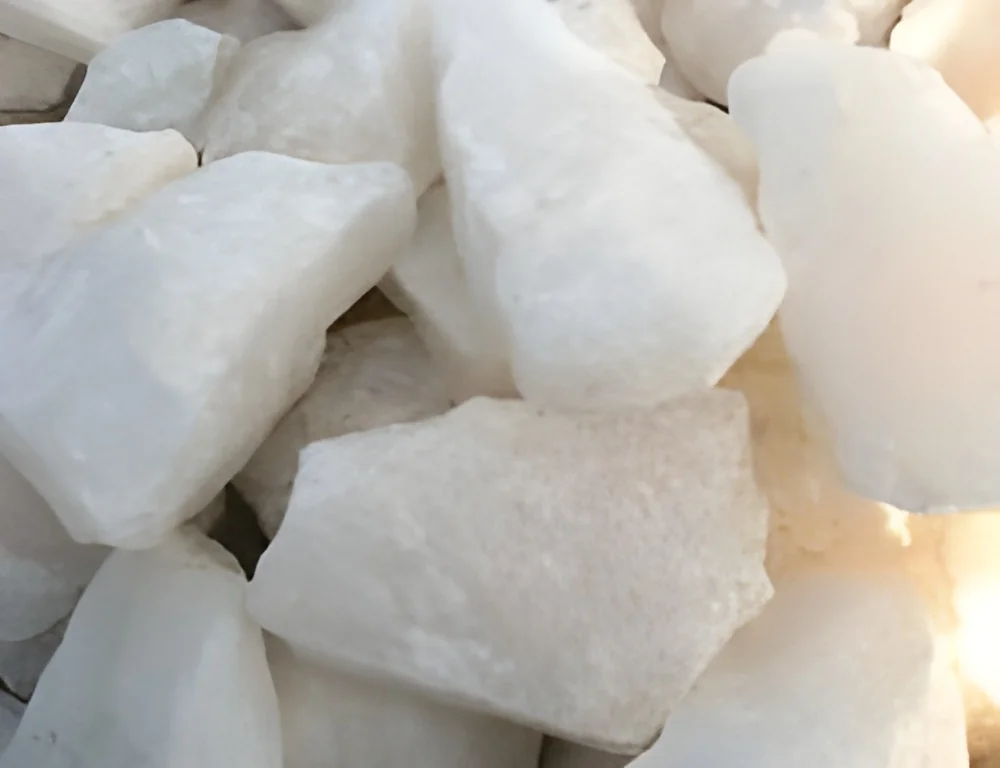
Glass packaging raw materials are the essential components used in the production of glass containers and packaging solutions. These materials primarily include silica sand, soda ash, and limestone, which are combined and processed at high temperatures to create glass products. The raw materials undergo a series of transformations during manufacturing, eventually resulting in various types of glass that can be molded, shaped, and finished according to the needs of different industries.
These materials are primarily used in packaging applications for beverages, food products, pharmaceuticals, and cosmetics. The versatility of glass packaging makes it a popular choice among businesses looking for sustainable and recyclable options. The global demand for glass packaging has been on the rise, driven by increasing consumer preference for eco-friendly materials. As a result, businesses across various sectors are investing in glass packaging to enhance their product offerings and meet regulatory standards for safety and environmental impact.
Key Features and Specifications
Glass packaging raw materials possess several key features and specifications that are critical for manufacturers. Understanding these specifications is essential for ensuring that the final products meet industry standards and consumer expectations.
Key specifications include:
1. Silica Sand Quality
- High purity level is essential for glass clarity
- Typically contains 99% silica content
2. Soda Ash Composition
- Acts as a flux to lower the melting point of silica
- Usually contains 60-70% sodium carbonate
3. Limestone Purity
- Stabilizes the glass structure and improves durability
- Generally contains 95% calcium carbonate
4. Melting Temperature
- The typical range for glass formation is between 1400°C to 1600°C
- Variations depend on the specific glass formulation
5. Color Additives
- Used to achieve specific hues or effects in glass products
- Includes metal oxides like cobalt or chromium
6. Recyclability
- Glass packaging is 100% recyclable without loss of quality
- Helps businesses meet sustainability goals
7. Regulatory Compliance
- Must adhere to standards such as CE for safety and quality assurance
- Important for industries like food and pharmaceuticals
8. Processing Techniques
- Techniques such as blow molding and pressing affect final product quality
- Requires specialized equipment and skilled labor
These specifications are vital for manufacturers to ensure the quality and performance of their glass packaging solutions.
Common Applications and Use Cases
Glass packaging raw materials are utilized in a wide range of industries due to their versatility and effectiveness.
1. Food and Beverage: Glass is widely used for packaging liquids, preserves, and condiments. Its non-reactive nature ensures that flavors and aromas are preserved.
2. Pharmaceuticals: Glass containers are preferred for storing medicines and injections due to their inert properties, which prevent contamination.
3. Cosmetics: High-end cosmetic brands often use glass packaging to enhance product presentation and maintain ingredient integrity.
4. Household Products: Many household cleaning products come in glass packaging to ensure safety and prevent chemical reactions.
5. Wine and Spirits: The wine and spirits industry relies heavily on glass bottles for both presentation and preservation of the product.
6. Specialty Products: Niche markets often use customized glass packaging for artisanal goods, providing unique branding opportunities.
7. Industrial Applications: Certain industrial chemicals are also packaged in glass to avoid reactions with other materials.
Product Variants and Subcategories
The diversity of glass packaging raw materials allows for various product variants, each designed to meet specific industry needs.
Clear Glass: This variant is characterized by its clarity and is often used for beverages and food products. It provides an attractive presentation while maintaining the contents' integrity.
Colored Glass: Colored variants are utilized to block UV light or provide aesthetic appeal. Common applications include wine bottles and cosmetic jars.
Frosted Glass: This type offers a textured surface that provides a premium appearance. It is commonly used in high-end cosmetic and fragrance packaging.
Recycled Glass: Made from post-consumer glass, this variant supports sustainability initiatives. It is used in various packaging applications while reducing environmental impact.
Benefits and Advantages
Sourcing glass packaging raw materials offers numerous benefits to businesses across various sectors.
1. Sustainability: Glass is fully recyclable, making it an environmentally friendly choice that appeals to eco-conscious consumers.
2. Safety: Glass does not leach harmful chemicals into its contents, ensuring product safety and integrity.
3. Aesthetic Appeal: The clarity and versatility of glass can enhance branding and product presentation, attracting customers.
4. Durability: Glass packaging provides excellent protection against external elements, preserving the quality of the contents.
5. Customization: With various colors and shapes available, businesses can create unique packaging solutions that stand out in the market.
6. Compliance: Sourcing from certified suppliers ensures adherence to industry regulations, enhancing product credibility.
Buying Guide for B2B Buyers
When sourcing glass packaging raw materials, businesses should consider several important factors to ensure quality and reliability.
1. Quality Assessment: Evaluate the purity and composition of raw materials. High-quality silica, soda ash, and limestone are essential for producing clear and durable glass products.
2. Supplier Verification: Vet potential suppliers by checking their certifications and industry reputation. A strong supplier network can ensure consistent quality and reliable delivery.
3. Pricing and MOQ: Understand the pricing structure and minimum order quantities (MOQ) required by suppliers. This will help in budget planning and inventory management.
4. Delivery and Lead Times: Inquire about logistics and delivery schedules. Ensure suppliers can meet your production timelines to avoid disruptions.
5. Compliance Requirements: Familiarize yourself with regulatory standards applicable in your industry. Ensuring compliance will help mitigate risks and enhance product acceptance.
Compliance and Certifications
Compliance with industry standards and certifications is crucial when sourcing glass packaging raw materials. Relevant quality standards include ISO 9001, which ensures a consistent quality management system, and HACCP, which focuses on food safety.
Industry certifications such as CE are essential for demonstrating compliance with safety and health regulations. These certifications help build trust with customers and regulatory bodies.
Safety and testing requirements are also critical. Glass packaging must undergo rigorous testing to ensure it meets durability, safety, and performance standards. Additionally, regional compliance considerations should be addressed, as different countries may have varying regulations on glass packaging, especially in food and pharmaceutical sectors.
Why Source Glass Packaging Raw Materials from Pepagora?
Pepagora provides a trusted platform for sourcing glass packaging raw materials, offering several key advantages to businesses.
Verified Supplier Network: Pepagora connects buyers with a network of verified suppliers, ensuring that quality and reliability are prioritized. This helps mitigate risks associated with sourcing raw materials.
Streamlined RFQ Process: The platform offers an efficient request for quotation (RFQ) process, allowing businesses to easily compare pricing and specifications from multiple suppliers. This saves time and facilitates informed decision-making.
Trade Assurance and Support: Pepagora provides trade assurance to protect buyers throughout the procurement process. This includes support for quality checks and dispute resolution, enhancing buyer confidence.
Regional Coverage: With a strong presence in India, the GCC, and Southeast Asia, Pepagora offers regional coverage that facilitates easy access to quality glass packaging raw materials. This ensures that buyers can meet their local market demands effectively.

 IN
IN