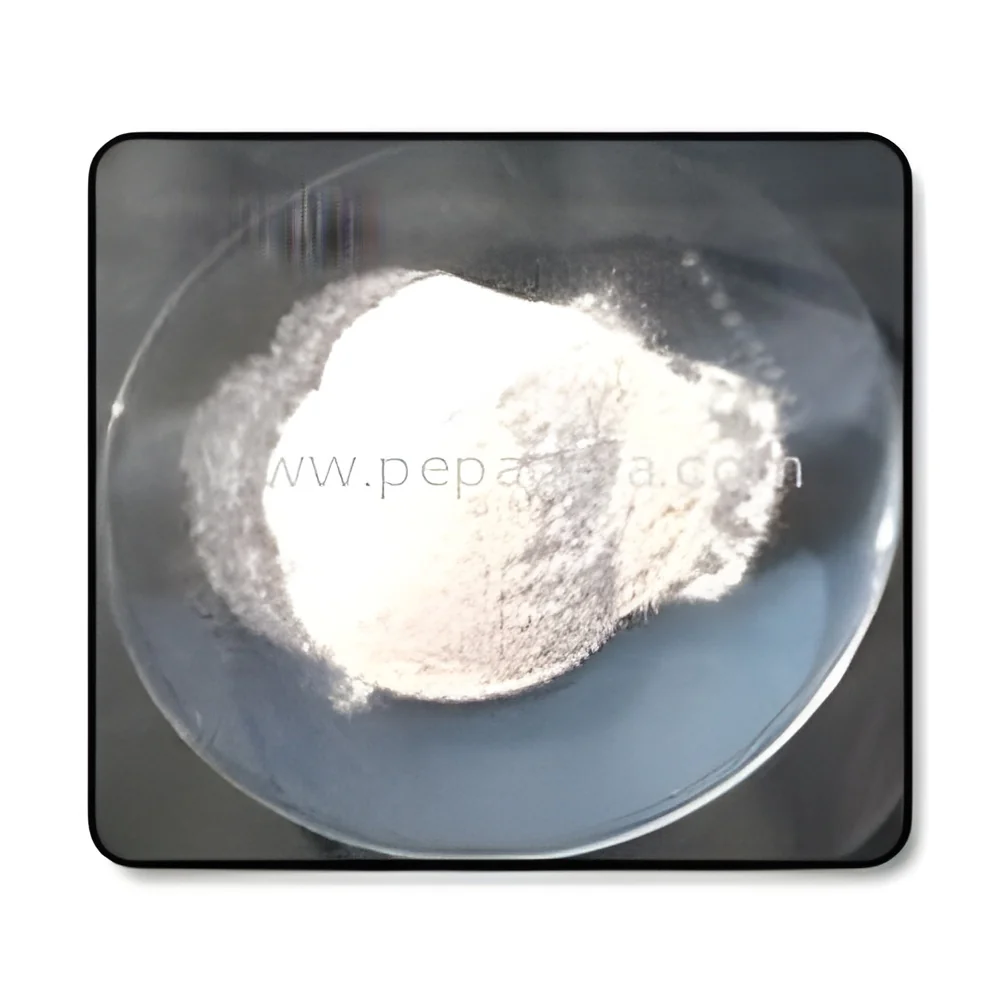
What are Glass Additive Chemicals?
Glass Additive Chemicals are specialized substances used in the manufacturing process of glass and glass products. These chemicals enhance the properties of glass, improving characteristics such as strength, durability, and clarity. They are integral to various formulations in glass production, serving as catalysts, stabilizers, and colorants. The right additives can significantly affect the final product's quality and performance.
These chemicals find applications across multiple industries, including construction, automotive, and electronics. In construction, glass additives enhance the strength and thermal resistance of insulating glass. In the automotive sector, they improve the safety and visibility of laminated glass. In electronics, these additives are essential for producing high-quality display panels. The relevance of glass additive chemicals is underscored by the increasing demand for high-performance glass products in various markets.
Key Features and Specifications
Glass Additive Chemicals are characterized by several key features that contribute to their effectiveness in glass production. Understanding these specifications helps businesses choose the right chemical for their applications.
Key specifications include:
1. Chemical Composition
- Varies based on specific additive types
- Typically includes silica, alumina, and various oxides
2. Purity Level
- High purity is crucial for optimal performance
- Generally exceeds 99% for industrial-grade applications
3. Particle Size Distribution
- Fine particle size enhances dispersion in glass
- Ranges from 1 to 100 microns depending on the additive
4. Thermal Stability
- Must withstand high processing temperatures
- Often stable up to 1000 degrees Celsius
5. Moisture Absorption
- Low moisture absorption is preferred
- Typically below 0.5% for effective performance
6. Shelf Life
- Important for storage and usability
- Generally ranges from 2 to 5 years under proper conditions
7. Color Stability
- Resistance to fading or discoloration over time
- Critical for decorative glass applications
8. Compatibility with Other Materials
- Should blend well with other glass components
- Ensures uniform properties in the final product
These features are essential for ensuring that glass products meet industry standards and customer expectations.
Common Applications and Use Cases
Glass Additive Chemicals are utilized in various industries, each with unique requirements and applications.
1. Construction: These chemicals are used in producing insulated glass units, enhancing energy efficiency and sound insulation in buildings.
2. Automotive: In automotive glass, additives improve the strength and clarity of windshields and side windows, contributing to passenger safety.
3. Electronics: Glass additives are vital in manufacturing display panels for televisions and smartphones, improving durability and visual quality.
4. Packaging: In glass packaging, additives enhance barrier properties, ensuring product safety and extending shelf life.
5. Fiber Optics: These chemicals play a critical role in producing optical fibers, ensuring high transmission rates and minimal signal loss.
6. Art Glass: In artistic glassware, additives are used to achieve specific colors and textures, enhancing aesthetic appeal.
7. Laboratory Glassware: Additives improve chemical resistance and thermal stability, making glassware suitable for various scientific applications.
Product Variants and Subcategories
Glass Additive Chemicals come in a variety of forms tailored to meet specific industry needs. This diversity allows manufacturers to choose the most suitable additives for their applications.
Variant 1: Silica-based Additives
These additives enhance the strength and thermal stability of glass products. They are commonly used in construction and automotive applications due to their durability.
Variant 2: Alumina-based Additives
Alumina-based additives improve the chemical resistance and mechanical strength of glass. They are particularly useful in electronic and laboratory glassware.
Variant 3: Colorant Additives
These additives are used to achieve desired colors in glass products. They find applications in decorative glassware and packaging, enhancing visual appeal.
Variant 4: Fluxing Agents
Fluxing agents lower the melting temperature of glass, making the production process more energy-efficient. They are essential in various glass manufacturing processes.
Benefits and Advantages
Sourcing Glass Additive Chemicals offers several advantages for businesses engaged in glass production.
1. Enhanced Quality: High-quality additives improve the overall properties of glass, resulting in superior products.
2. Increased Efficiency: Additives can enhance manufacturing processes, reducing energy consumption and production time.
3. Customization: Many glass additives can be tailored to meet specific product requirements, allowing for greater flexibility in production.
4. Competitive Advantage: Using advanced additives can set products apart in a competitive market, attracting more customers.
5. Sustainability: Certain additives contribute to producing eco-friendly glass products, aligning with industry trends toward sustainability.
6. Cost-effectiveness: The right additives can reduce waste and minimize rework, leading to lower production costs in the long run.
Buying Guide for B2B Buyers
When sourcing Glass Additive Chemicals, it is essential for businesses to consider several critical factors to ensure they select the right products for their needs.
1. Quality Assessment: Evaluate the purity and performance specifications of the additives. High-quality chemicals are crucial for achieving the desired properties in glass.
2. Supplier Verification: Vet suppliers thoroughly to ensure they provide reliable products. Look for certifications and customer reviews to gauge their reputation.
3. Pricing and MOQ: Understand the pricing structure and minimum order quantities. This information affects budgeting and purchasing decisions.
4. Delivery and Lead Times: Assess the supplier's logistics capabilities to ensure timely delivery. Delays can impact production schedules.
5. Compliance Requirements: Ensure that the additives meet all regulatory and safety standards relevant to your industry. This includes checking for certifications such as CE.
Compliance and Certifications
Compliance with industry standards and certifications is critical for ensuring the quality and safety of Glass Additive Chemicals. Relevant quality standards include ISO 9001, which outlines requirements for quality management systems. Adherence to this standard ensures that suppliers maintain consistent quality in their products.
Industry certifications such as CE indicate compliance with European health, safety, and environmental protection standards. These certifications are essential for businesses looking to operate in international markets.
In addition to these standards, safety and testing requirements must be met to ensure that the chemicals are safe for use in various applications. This includes rigorous testing for chemical stability and performance under specific conditions.
Regional compliance considerations may vary, so it is important for businesses to stay informed about local regulations that apply to glass production and the use of additives.
Why Source Glass Additive Chemicals from Pepagora?
Pepagora provides a trusted platform for sourcing Glass Additive Chemicals, offering numerous advantages for B2B buyers.
Verified Supplier Network: Pepagora ensures that all suppliers are thoroughly vetted, providing businesses with access to reliable and high-quality products. This network allows buyers to find trustworthy partners in the industry.
Streamlined RFQ Process: The platform features an efficient request for quotation system, simplifying the process of obtaining quotes from multiple suppliers. This saves time and helps in making informed purchasing decisions.
Trade Assurance and Support: Pepagora offers trade assurance, ensuring that buyers are protected during transactions. Support services are also available to assist with any issues that may arise.
Regional Coverage: With a broad geographic reach, including India, the GCC, and Southeast Asia, Pepagora connects buyers with suppliers across these regions. This facilitates access to a diverse range of Glass Additive Chemicals and enhances sourcing opportunities.

 IN
IN