Key Features and Specifications
Lead oxide for specialty glass offers a variety of features that make it suitable for numerous applications. Its chemical stability, high density, and compatibility with other materials are some of the aspects that are highly valued in the industry. Understanding the specifications of lead oxide is crucial for businesses that are looking to incorporate it into their products.
Key specifications include:
1. Purity Level
- High purity is essential for optimal performance
- Common purity levels range from 90% to 99%
2. Chemical Composition
- Primarily composed of lead (Pb)
- May contain trace elements depending on the source
3. Particle Size
- Available in various particle sizes
- Typically ranges from 1 to 10 microns
4. Melting Point
- Important for processing and application
- Melting point is around 888 degrees Celsius
5. Density
- Affects the weight and handling of glass products
- Density typically ranges from 8.2 to 9.0 g/cm³
6. Color
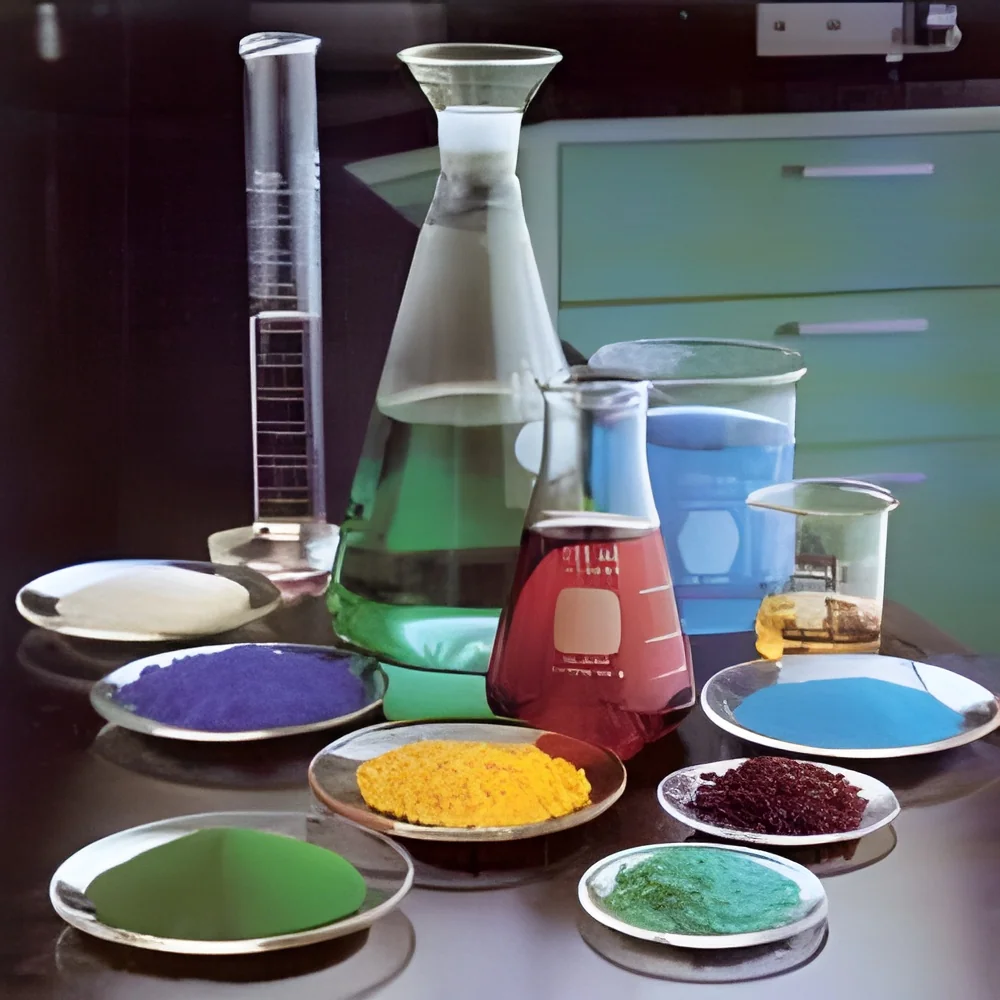
- Usually appears as a yellow to reddish powder
- Color can influence the final appearance of glass products
7. Packaging Options
- Available in bulk or smaller containers
- Packaging ensures protection from environmental factors
8. Storage Requirements
- Should be stored in a cool, dry place
- Proper storage extends shelf life and maintains quality
In summary, the specifications of lead oxide are critical for manufacturers to ensure that the final glass products meet industry standards and customer expectations.
Common Applications and Use Cases
Lead oxide is utilized across various industries due to its beneficial properties. Its applications are diverse, making it a versatile component in specialty glass production.
1. Electronics: Lead oxide is used in the manufacturing of high-performance glass components for displays and screens, enhancing visual clarity and durability.
2. Telecommunications: It is incorporated into optical fibers and other glass products, improving signal transmission and overall performance.
3. Automotive: Lead oxide is found in glass used for windshields and windows, providing enhanced strength and resistance to shattering.
4. Medical: In the healthcare sector, lead oxide is used in radiation shielding glass, protecting patients and staff during medical procedures.
5. Art and Decorative Glass: Artists and manufacturers use lead oxide in creating intricate glassworks, as it contributes to brilliance and weight.
6. Construction: Lead oxide is utilized in the production of glass for building facades, combining aesthetics with safety.
7. Laboratory Equipment: It is incorporated into glassware used in scientific research, ensuring accuracy and reliability in experiments.
Product Variants and Subcategories
Lead oxide for specialty glass offers a range of variants tailored to specific applications. Understanding these variants helps businesses select the right type for their needs.
Standard Lead Oxide
This variant is commonly used in general glass applications, providing a good balance of quality and performance for various industries.
High-Purity Lead Oxide
Designed for high-end glass products, this variant features increased purity levels, ensuring optimal performance in sensitive applications such as optics and electronics.
Colored Lead Oxide
This variant includes additional elements to produce different colors in glass, appealing to the decorative and artistic sectors.
Benefits and Advantages
Sourcing lead oxide for specialty glass comes with numerous benefits that enhance product performance and operational efficiency.
1. Enhanced Optical Properties: Lead oxide improves the refractive index of glass, allowing for better light transmission and clarity.
2. Increased Durability: Glass produced with lead oxide demonstrates greater resistance to thermal shock and impact, prolonging product life.
3. Versatility: Lead oxide can be formulated for various glass types, making it suitable for multiple applications across industries.
4. Improved Weight: The density of lead oxide contributes to heavier, more substantial glass products, which can be desirable in certain applications.
5. Customization Potential: Manufacturers can adjust formulations to meet specific requirements, enhancing functionality and aesthetics.
6. Regulatory Compliance: Sourcing from certified suppliers ensures that products meet industry standards and safety regulations.
Buying Guide for B2B Buyers
When sourcing lead oxide for specialty glass, businesses should consider several key factors to ensure they make informed purchasing decisions.
1. Quality Assessment: Evaluate the purity and chemical composition of lead oxide to ensure it meets the specific requirements for your applications.
2. Supplier Verification: Conduct thorough checks on potential suppliers, looking for certifications and a proven track record in the industry.
3. Pricing and MOQ: Understand the pricing structure and minimum order quantities to effectively budget for your procurement needs.
4. Delivery and Lead Times: Assess the supplier's ability to meet your delivery deadlines and the logistics involved in shipping the product.
5. Compliance Requirements: Ensure that the lead oxide sourced meets relevant industry regulations and safety standards to avoid any compliance issues.
Compliance and Certifications
Lead oxide for specialty glass must meet certain industry standards and certifications to ensure safety and quality. Key quality standards include ISO 9001, which focuses on quality management systems, and other applicable certifications such as CE, which indicates conformity with health and safety regulations.
Safety and testing requirements are critical, particularly in industries where lead oxide is used in products that come into contact with consumers. Manufacturers must ensure that their products comply with local and international safety guidelines.
Additionally, regional compliance considerations may vary, so businesses should be aware of specific regulations in their operating markets to avoid potential legal issues.
Why Source Lead Oxide (for specialty glass) from Pepagora?
Pepagora provides a trusted platform for sourcing lead oxide for specialty glass, offering several key advantages to B2B buyers.
Verified Supplier Network: Pepagora connects buyers with a network of verified suppliers, ensuring that the products meet stringent quality standards and compliance requirements.
Streamlined RFQ Process: The platform's request for quotation system simplifies the procurement process, allowing buyers to receive competitive quotes from multiple suppliers quickly.
Trade Assurance and Support: Buyers benefit from trade assurance policies that protect their purchases, providing peace of mind during transactions.
Regional Coverage: Pepagora has a wide geographic reach, serving markets in India, the GCC, and Southeast Asia, making it easier for businesses to find local suppliers that meet their specific needs.

 IN
IN