
 IN
Ceramic Coatings for Glass
2 products available
What are Ceramic Coatings for Glass?
Ceramic coatings for glass are advanced protective layers that enhance the durability and performance of glass surfaces. These coatings are composed of nanotechnology-based materials that bond with the glass at a molecular level, creating a strong and resilient surface. The primary purpose of ceramic coatings is to provide a barrier against environmental factors, such as UV rays, chemicals, and physical abrasions, thereby extending the lifespan of glass products.
These coatings are particularly useful in various business applications, including automotive, architectural, and consumer electronics. For instance, in the automotive sector, ceramic coatings protect windshields and windows from scratches and weathering, while in architecture, they are used on building facades to enhance aesthetic appeal and reduce maintenance costs. The growing demand for durable and low-maintenance solutions has led to an increase in the adoption of ceramic coatings in multiple industries.
With an increasing focus on sustainability and longevity, the market for ceramic coatings is expanding. As companies seek to improve the durability of their products, ceramic coatings for glass have become a relevant solution in the industrial landscape, offering a competitive edge to businesses that prioritize quality and innovation.
Key Features and Specifications
Ceramic coatings for glass offer a range of features that enhance their performance and applicability. These features make them suitable for various industrial needs and conditions.
Key specifications include:
1. Durability
- Exceptional resistance to scratches and abrasions
- Long-lasting protection against wear and tear
2. Chemical Resistance
- Ability to withstand harsh chemicals and environmental pollutants
- Maintains clarity and integrity over time
3. UV Protection
- Shields glass from harmful UV rays
- Prevents fading and degradation
4. Hydrophobic Properties
- Repels water and minimizes water spots
- Facilitates easier cleaning and maintenance
5. Temperature Tolerance
- Can withstand extreme temperatures without degrading
- Ideal for use in varied climates
6. Application Versatility
- Compatible with various glass types, including automotive and architectural glass
- Suitable for both indoor and outdoor applications
7. Ease of Application
- Can be applied using spray, wipe, or dip methods
- Quick curing times for efficient use
In summary, ceramic coatings for glass provide a comprehensive solution for enhancing the durability and performance of glass surfaces across multiple industries.
Common Applications and Use Cases
Ceramic coatings for glass serve a variety of industries, each benefiting from their unique properties.
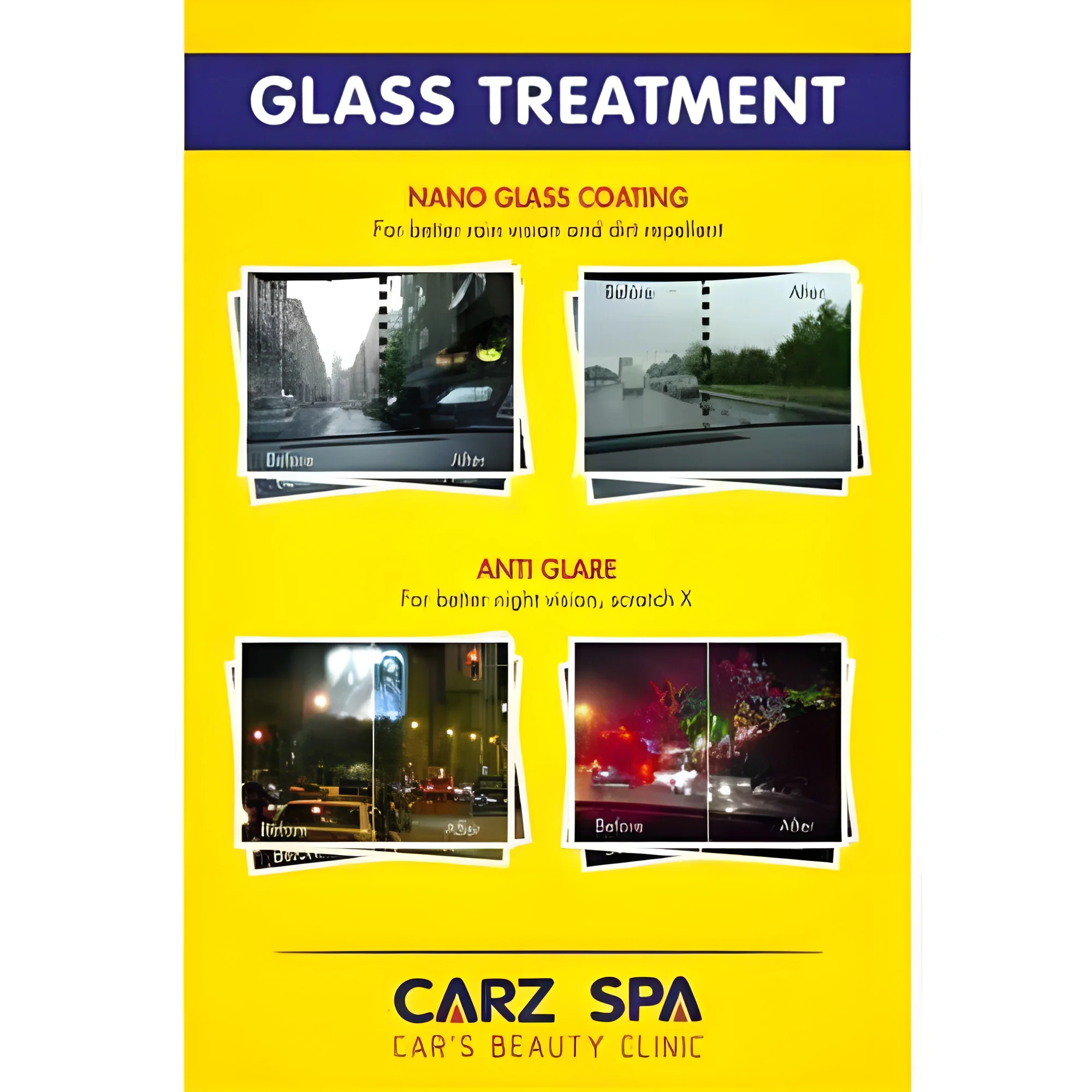
1. Automotive: In the automotive industry, ceramic coatings protect windshields and windows from scratches and environmental damage, enhancing visibility and safety.
2. Architecture: These coatings are applied to building glass to improve durability and reduce maintenance, while also providing aesthetic benefits that enhance the overall design.
3. Consumer Electronics: In consumer electronics, ceramic coatings protect screens and displays, increasing resistance to scratches and fingerprints while maintaining clarity.
4. Marine: Marine applications utilize ceramic coatings on boats and yachts to protect glass surfaces from saltwater corrosion and UV damage.
5. Aerospace: In aerospace, ceramic coatings are used to protect cockpit glass and other glass components from extreme conditions and wear.
6. Hospitality: The hospitality sector employs ceramic coatings on glass windows and doors to maintain cleanliness and enhance guest experiences.
7. Manufacturing: In manufacturing, these coatings are applied to glass equipment and surfaces to reduce wear and extend service life.
Product Variants and Subcategories
Ceramic coatings for glass come in various formulations tailored to specific needs.
Standard Variant
This variant is designed for general applications, providing robust protection against scratches and environmental factors. It is suitable for automotive and architectural glass.
High-Performance Variant
This variant offers enhanced durability and chemical resistance, making it ideal for industrial applications where glass surfaces are exposed to harsh conditions.
Eco-Friendly Variant
An environmentally friendly option that utilizes sustainable materials, this variant is perfect for businesses looking to minimize their environmental impact while maintaining high performance.
Benefits and Advantages
The use of ceramic coatings for glass presents numerous advantages for businesses.
1. Enhanced Durability: These coatings significantly increase the lifespan of glass surfaces, reducing the need for frequent replacements.
2. Reduced Maintenance Costs: By providing easy-to-clean surfaces, ceramic coatings lower maintenance efforts and expenses over time.
3. Improved Aesthetics: The coatings maintain clarity and shine, enhancing the visual appeal of glass products.
4. Resistance to Environmental Factors: Ceramic coatings protect against UV rays, chemicals, and other environmental hazards, preserving the integrity of glass.
5. Versatile Application: Suitable for a wide range of industries, these coatings can be customized for various glass types and environments.
6. Increased Safety: By preventing scratches and improving visibility, ceramic coatings contribute to enhanced safety in automotive and architectural applications.
Buying Guide for B2B Buyers
When sourcing ceramic coatings for glass, it is essential to consider several key factors to ensure the right choice for your business needs.
1. Quality Assessment: Evaluate the quality of the coating based on durability, chemical resistance, and user reviews. Look for products that meet industry standards and have proven performance.
2. Supplier Verification: Vet suppliers to ensure they have a good reputation in the market. Check for past client testimonials and certifications that validate their expertise.
3. Pricing and MOQ: Compare pricing from different suppliers while considering the minimum order quantities. Ensure that the pricing aligns with your budget and expected ROI.
4. Delivery and Lead Times: Discuss logistics with suppliers to understand their delivery capabilities. Fast lead times can be crucial for timely project completion.
5. Compliance Requirements: Confirm that the coatings comply with relevant regulations and standards in your industry. This includes safety certifications and environmental considerations.
Compliance and Certifications
Ceramic coatings for glass are subject to specific quality standards and certifications that ensure their reliability and safety. One important standard is ISO 9001, which focuses on quality management systems. This certification ensures that manufacturers adhere to consistent quality practices.
Additionally, ceramic coatings may carry industry certifications such as CE, which indicates compliance with European safety standards. These certifications help buyers ensure that the products they are sourcing meet recognized safety and quality benchmarks.
Testing requirements for these coatings often include assessments for durability, chemical resistance, and environmental impact. Compliance with regional regulations is also vital, as different areas may have specific standards that products must meet to be legally sold and used.
Why Source Ceramic Coatings for Glass from Pepagora?
Pepagora provides a trusted platform for sourcing ceramic coatings for glass, offering several key advantages that benefit B2B buyers.
Verified Supplier Network: Pepagora operates a rigorous supplier verification process, ensuring that all listed suppliers meet high standards of reliability and quality. This gives buyers confidence in their sourcing decisions.
Streamlined RFQ Process: The platform offers an efficient request for quotation (RFQ) system, allowing buyers to easily request prices and options from multiple suppliers. This simplifies the procurement process and saves time.
Trade Assurance and Support: Pepagora provides trade assurance to protect buyers from potential risks involved in transactions. Additionally, their support team is available to assist with any inquiries or issues that may arise.
Regional Coverage: With a strong presence in India, the GCC, and Southeast Asia, Pepagora offers a wide geographic reach, making it easier for businesses across these regions to find the right ceramic coatings for their needs. This extensive coverage helps connect buyers with suppliers that can meet their specific requirements.

Frequently Asked Questions
What are Ceramic Coatings for Glass?
Ceramic coatings for glass are advanced protective layers that enhance the durability and longevity of glass surfaces. They are designed to provide resistance against scratches, chemicals, UV rays, and environmental contaminants, making glass easier to clean and maintain.
What are the different types of Ceramic Coatings for Glass?
There are several types of ceramic coatings for glass, including hydrophobic, oleophobic, and anti-fog coatings. Hydrophobic coatings repel water, oleophobic coatings resist oil and dirt, while anti-fog coatings prevent fogging on glass surfaces.
How do I choose the right Ceramic Coatings for Glass?
Choosing the right ceramic coating for glass depends on the specific application and environmental conditions. Consider factors such as the level of protection required, the type of glass surface, and any specific performance characteristics needed, such as hydrophobic or anti-fog properties.
What are the standard specifications for Ceramic Coatings for Glass?
Standard specifications for ceramic coatings for glass typically include thickness, hardness, and chemical resistance. These coatings should adhere to industry standards for performance and durability, ensuring they meet the required application needs.
What is the price range for Ceramic Coatings for Glass?
The price range for ceramic coatings for glass can vary widely based on factors such as quality, brand, and quantity. Generally, prices can range from INR 500 to INR 5000 per liter, depending on the specific product and its features.
What quality standards apply to Ceramic Coatings for Glass?
Quality standards for ceramic coatings for glass may include ISO certifications, adherence to safety regulations, and performance benchmarks set by industry organizations. Manufacturers often comply with these standards to ensure their products are reliable and effective.
Where can I find Ceramic Coatings for Glass suppliers in India?
You can find ceramic coatings for glass suppliers in India through B2B marketplaces like Pepagora.com, trade shows, or industry directories. These platforms connect buyers with reputable manufacturers and distributors offering a range of products.
Can Ceramic Coatings for Glass be customized?
Yes, many manufacturers offer customization options for ceramic coatings for glass. This may include adjustments in formulation, thickness, or specific performance features to meet the unique requirements of different applications.
What is the typical minimum order quantity for Ceramic Coatings for Glass?
The typical minimum order quantity (MOQ) for ceramic coatings for glass can vary by supplier but often ranges from 10 to 100 liters. It is advisable to check with specific manufacturers for their MOQ policies.
What is the typical lead time for Ceramic Coatings for Glass?
The typical lead time for ceramic coatings for glass usually ranges from 2 to 4 weeks, depending on the supplier's production capacity and order size. It is recommended to confirm lead times directly with the supplier when placing an order.
Why Businesses Trust Pepagora
Thousands of companies trust Pepagora to source smarter and sell faster
Expand Your Sales Globally

Source Smarter,Grow Faster
