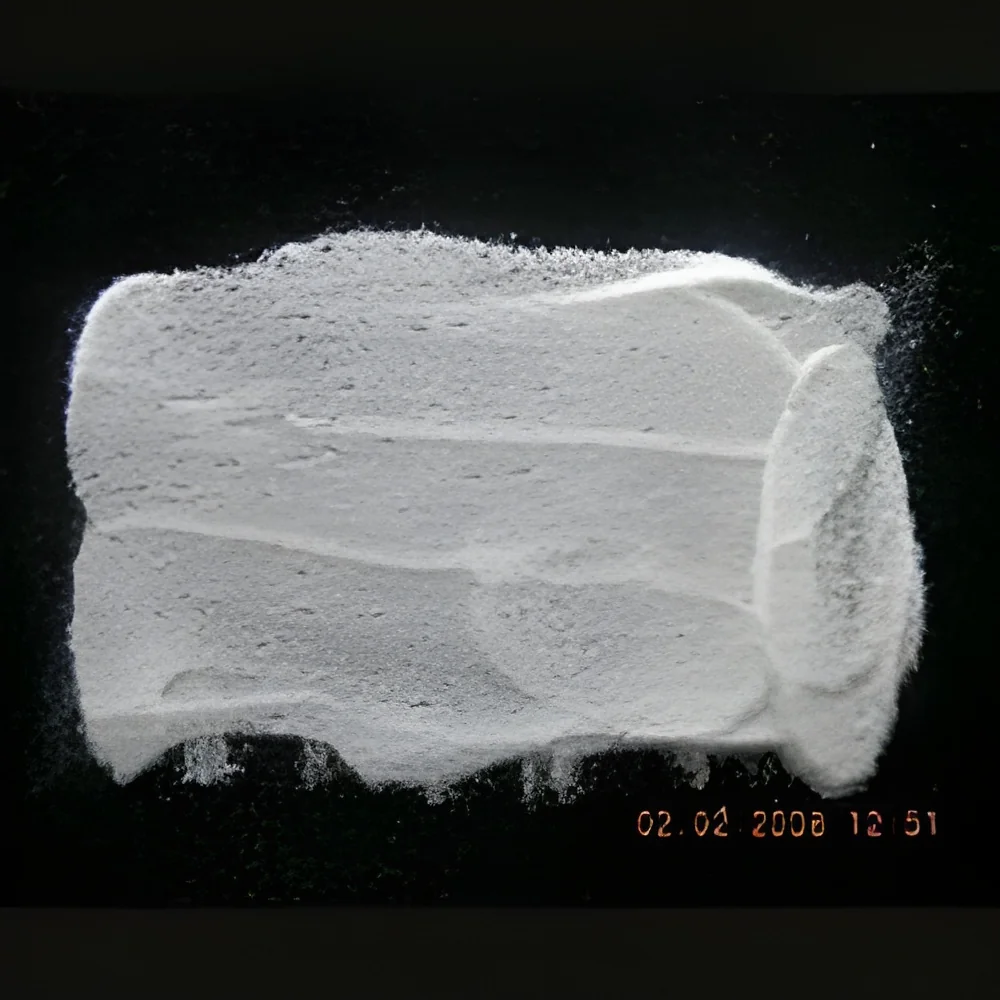
What are Glass Raw Material Traders?
Glass raw material traders are businesses that specialize in the procurement and distribution of raw materials used in the production of glass. This includes a variety of materials such as silica sand, soda ash, and limestone, which are essential for the glass manufacturing process. These traders act as intermediaries between raw material suppliers and glass manufacturers, facilitating the supply chain and ensuring that manufacturers have access to the necessary materials for their production needs.
The primary uses of glass raw materials are found in industries such as construction, automotive, and consumer goods. Glass is a versatile material used for windows, bottles, jars, and many other applications. By sourcing raw materials effectively, traders enable manufacturers to produce high-quality glass products that meet specific industry standards and consumer demands. The relevance of glass raw material traders in the market cannot be understated, as they play a crucial role in maintaining the flow of essential materials, which is vital for the continuous operation of glass production facilities.
As the demand for glass products continues to grow, driven by urbanization and advancements in technology, the role of glass raw material traders becomes increasingly important. They ensure that manufacturers can keep up with market demands while adhering to quality standards, thereby impacting the overall efficiency and profitability of the glass industry.
Key Features and Specifications
Glass raw material traders offer a range of specifications that cater to the varied needs of glass manufacturers. These specifications are essential for ensuring that the materials supplied meet the performance and quality requirements of different glass products.
Key specifications include:
1. Silica Sand Quality
- High purity silica sand is crucial for glass manufacturing.
- Typical purity levels are above 95% silicon dioxide.
2. Soda Ash Composition
- Soda ash is used as a flux in glass production.
- It is typically composed of sodium carbonate.
3. Limestone Grades
- Limestone is used to provide calcium oxide in the glass mixture.
- Various grades are available based on purity levels.
4. Particle Size Distribution
- The size of the raw materials can affect glass quality.
- Specifications generally require a consistent particle size range.
5. Moisture Content
- Low moisture levels are essential to avoid issues in glass production.
- Typically, moisture content should be below 1%.
6. Impurity Levels
- Raw materials must have low levels of impurities.
- Specific limits may vary based on glass type being produced.
7. Packaging Options
- Materials are available in bulk or packaged formats.
- Packaging must ensure material integrity during transport.
8. Delivery Specifications
- Timely delivery is crucial for uninterrupted production.
- Traders often provide logistics support for efficient distribution.
In summary, the specifications provided by glass raw material traders are tailored to meet the diverse needs of manufacturers, ensuring that they receive high-quality materials essential for producing various glass products.
Common Applications and Use Cases
Glass raw materials serve a wide range of industries, each with specific applications that highlight the versatility of glass products.
1. Construction: Glass is widely used in the construction industry for windows, facades, and interior partitions, providing aesthetic appeal and insulation.
2. Automotive: In the automotive sector, glass is essential for windshields, side windows, and mirrors, contributing to safety and visibility.
3. Packaging: Glass packaging is preferred for food and beverage products due to its non-reactive properties, helping to preserve freshness and quality.
4. Electronics: Glass is used in the manufacturing of screens for electronic devices, providing durability and clarity.
5. Pharmaceuticals: In the pharmaceutical industry, glass is crucial for packaging medicines in vials and ampoules, ensuring product safety.
6. Renewable Energy: Glass is utilized in solar panels and other renewable energy technologies, contributing to sustainability efforts.
7. Art and Decor: In the art sector, glass is crafted into decorative items, showcasing creativity and craftsmanship.
These applications demonstrate the importance of glass raw material traders in supplying the essential materials needed across various sectors.
Product Variants and Subcategories
The diversity of glass raw materials allows for various product variants that cater to specific manufacturing needs.
Silica Sand
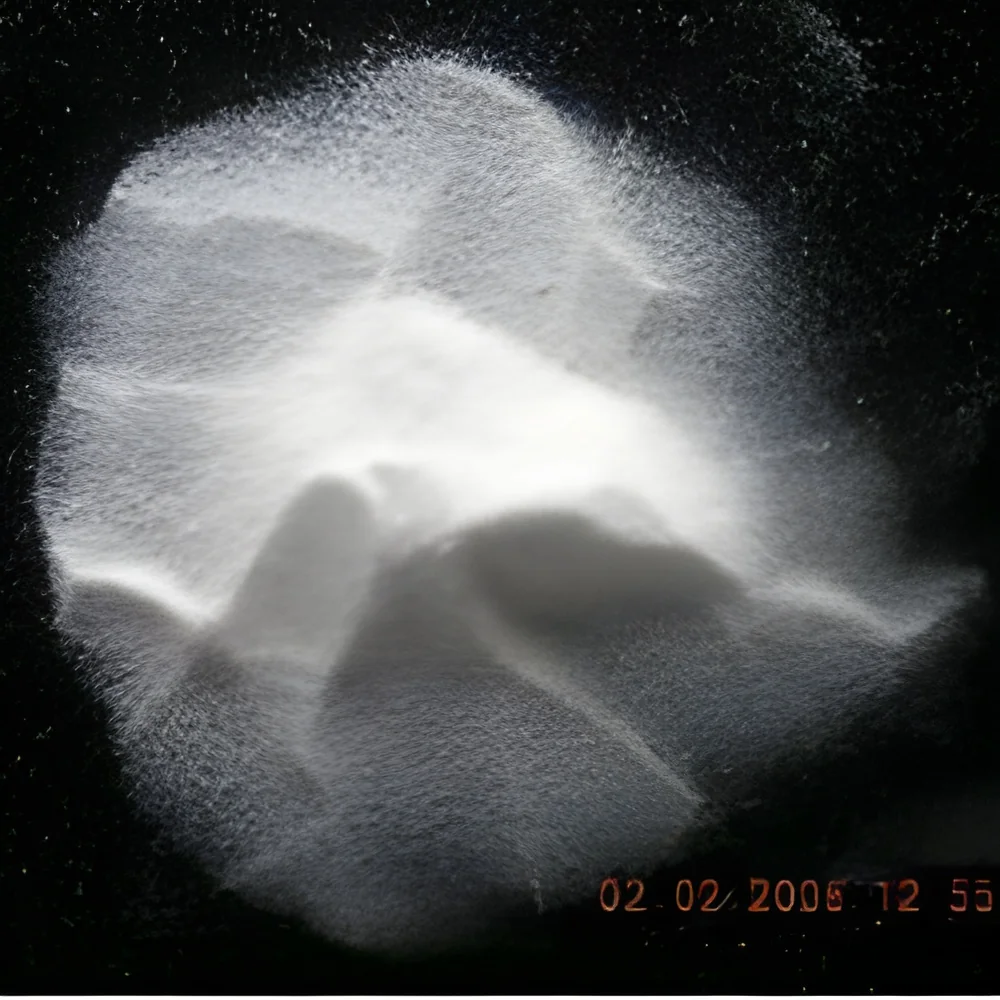
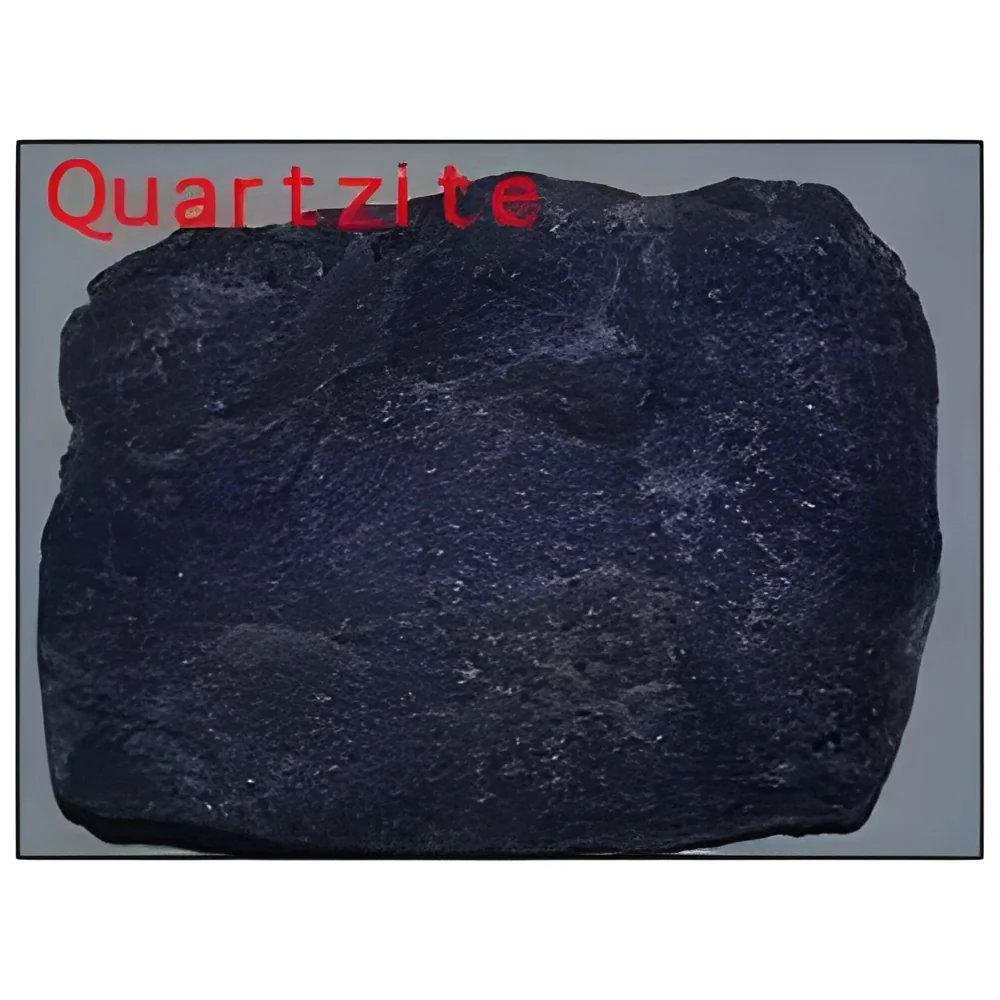
Silica sand is a primary ingredient in glass production. It provides the necessary silicon dioxide content, essential for the glass-making process. This variant is available in various grades, depending on the purity and particle size required.
Soda Ash
Soda ash is vital for lowering the melting point of silica, making it easier to form glass. It comes in various forms, such as dense soda ash and light soda ash, suitable for different glass applications.
Limestone
Limestone is used to provide calcium in the glass mixture. It is available in different grades, depending on the intended application, ensuring optimal glass quality.
Benefits and Advantages
Sourcing glass raw materials from reputable traders offers several advantages.
1. Quality Assurance: Traders provide high-quality materials that meet industry standards, ensuring the production of superior glass products.
2. Cost Efficiency: By sourcing materials in bulk, traders can offer competitive pricing, helping manufacturers reduce production costs.
3. Supply Chain Reliability: Established traders ensure timely delivery of materials, minimizing downtime for manufacturers.
4. Technical Support: Many traders offer technical assistance, helping manufacturers optimize their production processes.
5. Custom Solutions: Traders can often provide customized solutions tailored to specific manufacturing requirements.
6. Sustainability: Responsible traders prioritize sourcing materials from sustainable sources, aligning with ecological standards and practices.
Buying Guide for B2B Buyers
When sourcing glass raw material traders, it is essential to consider various factors to ensure a fruitful partnership.
1. Quality Assessment: Evaluate the quality of the materials offered, including purity levels and adherence to industry standards. Request samples to test before making large purchases.
2. Supplier Verification: Conduct thorough background checks on potential suppliers. Look for reviews, certifications, and compliance with industry regulations.
3. Pricing and MOQ: Understand the pricing structure and minimum order quantities (MOQ) required by the trader. Compare quotes from multiple suppliers to find the best deal.
4. Delivery and Lead Times: Inquire about delivery options and lead times. Reliable logistics are crucial to maintain production schedules.
5. Compliance Requirements: Ensure that the traders comply with relevant regulations and standards, such as CE certifications and safety requirements.
Compliance and Certifications
Compliance is a critical aspect of sourcing glass raw materials, as it ensures that products meet industry standards for quality and safety. Relevant quality standards include ISO 9001, which focuses on effective quality management systems, and HACCP, which emphasizes food safety for materials used in packaging.
Industry certifications such as CE are important for ensuring that materials comply with European safety standards. Additionally, safety and testing requirements are vital to guarantee that raw materials are safe for their intended use, particularly in sensitive applications like food packaging and pharmaceuticals.
Regional compliance considerations may vary based on the geographical location of the supplier and the markets they serve. It is essential for buyers to be aware of these regulations to ensure that they source compliant materials.
Why Source Glass Raw Material Traders from Pepagora?
Pepagora provides a trusted platform for sourcing glass raw material traders with several key advantages.
Verified Supplier Network: Pepagora offers access to a verified network of suppliers, ensuring that buyers can source materials from reputable and reliable sources. This reduces the risk of dealing with unverified traders and enhances the overall buying experience.
Streamlined RFQ Process: The platform features a streamlined request for quotation (RFQ) process, making it easy for buyers to obtain quotes from multiple suppliers efficiently. This saves time and helps buyers make informed decisions quickly.
Trade Assurance and Support: Pepagora provides trade assurance, protecting buyers from potential risks associated with transactions. The platform also offers support to address any concerns or queries during the sourcing process.
Regional Coverage: With a strong presence in regions such as India, the GCC, and Southeast Asia, Pepagora facilitates connections between buyers and suppliers across diverse markets, enhancing accessibility and opportunities for trade.
By choosing Pepagora, buyers can leverage these advantages to ensure a smooth and successful sourcing experience for glass raw materials.

 IN
IN