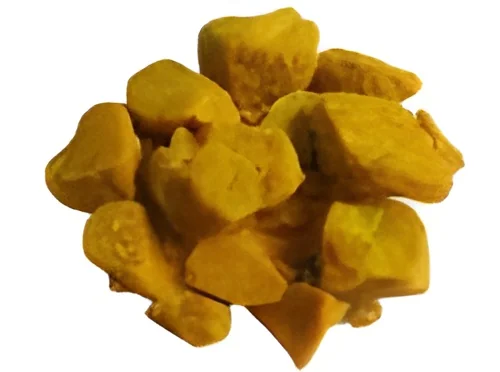
What are Silicon Carbide (for glass etching)?
Silicon Carbide (SiC) is a semiconductor material known for its hardness and thermal stability. It is widely utilized in glass etching processes due to its ability to create fine, precise patterns on glass surfaces. The material's unique properties, such as high thermal conductivity and resistance to chemical corrosion, make it an ideal choice for various industrial applications.
In business applications, Silicon Carbide is primarily used in the glass manufacturing industry, specifically for etching and cutting glass. Its sharp, abrasive nature allows for efficient material removal while maintaining the integrity of the glass. This has made SiC a preferred option for manufacturers looking to achieve high-quality finishes and intricate designs. The relevance of Silicon Carbide in the glass etching market continues to grow, as industries seek durable and effective solutions for their production needs.
๐๐ฒ๐ ๐๐ฒ๐ฎ๐๐๐ฟ๐ฒ๐ ๐ฎ๐ป๐ฑ ๐ฆ๐ฝ๐ฒ๐ฐ๐ถ๐ณ๐ถ๐ฐ๐ฎ๐๐ถ๐ผ๐ป๐
Silicon Carbide for glass etching comes with several notable features that enhance its performance and usability. These features cater to the demanding requirements of the glass manufacturing industry.
Key specifications include:
1. Abrasiveness
- High level of hardness that allows for effective etching of glass
- Suitable for various etching techniques
2. Thermal Stability
- Maintains performance under high temperatures
- Reduces wear on tools during the etching process
3. Chemical Resistance
- Resistant to various chemicals, preventing degradation
- Suitable for use in different etching environments
4. Particle Size Distribution
- Available in various grades for different etching requirements
- Allows for customization based on application needs
5. Purity Levels
- High purity options available for specialized applications
- Ensures minimal contamination during the etching process
6. Specific Surface Area
- Provides optimal interaction with glass surfaces
- Enhances etching efficiency
In summary, Silicon Carbide's features and specifications make it an optimal choice for glass etching processes in various industries.
๐๐ผ๐บ๐บ๐ผ๐ป ๐๐ฝ๐ฝ๐น๐ถ๐ฐ๐ฎ๐๐ถ๐ผ๐ป๐ ๐ฎ๐ป๐ฑ ๐จ๐๐ฒ ๐๐ฎ๐๐ฒ๐
Silicon Carbide serves a wide range of industries, each utilizing its unique properties for specific applications.
1. Glass Manufacturing: SiC is extensively used for etching decorative patterns and logos on glass products, providing a high-quality finish.
2. Electronics: The semiconductor properties of SiC are advantageous in the production of electronic components, such as diodes and transistors.
3. Aerospace: In aerospace applications, SiC is used for its thermal stability and durability in components that require high performance.
4. Automotive: SiC is employed in the manufacturing of high-performance automotive parts due to its strength and heat resistance.
5. Renewable Energy: The material is utilized in solar panel production, enhancing the efficiency of photovoltaic cells.
6. Jewelry: Silicon Carbide is also used in the jewelry industry for etching intricate designs on glass and crystal pieces.
๐ฃ๐ฟ๐ผ๐ฑ๐๐ฐ๐ ๐ฉ๐ฎ๐ฟ๐ถ๐ฎ๐ป๐๐ ๐ฎ๐ป๐ฑ ๐ฆ๐๐ฏ๐ฐ๐ฎ๐๐ฒ๐ด๐ผ๐ฟ๐ถ๐ฒ๐
Silicon Carbide for glass etching comes in various forms to meet different industrial needs.
Standard Grade Silicon Carbide
This variant offers a balanced combination of performance and cost-effectiveness. It is ideal for general glass etching applications, providing good abrasiveness and thermal stability.
High-Purity Silicon Carbide
Designed for specialized applications, this variant has minimal impurities. It is particularly suited for industries requiring stringent contamination control, such as electronics and aerospace.
Micronized Silicon Carbide
This variant features finer particle sizes, making it suitable for applications that demand a smooth finish and fine detailing in glass etching.
Coated Silicon Carbide
This variant comes with a protective coating that enhances its durability. It is particularly useful in environments where additional chemical resistance is required.
๐๐ฒ๐ป๐ฒ๐ณ๐ถ๐๐ ๐ฎ๐ป๐ฑ ๐๐ฑ๐๐ฎ๐ป๐๐ฎ๐ด๐ฒ๐
Silicon Carbide offers numerous advantages that make it a preferred choice in glass etching.
1. High Efficiency: The abrasive nature of SiC allows for quick and effective material removal, enhancing productivity in glass etching processes.
2. Durability: Silicon Carbide's hardness contributes to longer tool life, reducing the frequency of replacements and maintenance costs.
3. Versatility: SiC can be used in various glass etching applications, making it suitable for a wide range of industries.
4. Cost-Effectiveness: Though it may have a higher initial cost, the long-term savings from reduced tool wear and increased efficiency make it economically advantageous.
5. Environmental Resistance: Its chemical and thermal resistance allows SiC to perform effectively in diverse operational environments.
6. Customizability: The availability of different grades and particle sizes enables businesses to tailor solutions based on specific application requirements.
๐๐๐๐ถ๐ป๐ด ๐๐๐ถ๐ฑ๐ฒ ๐ณ๐ผ๐ฟ ๐๐ฎ๐ ๐๐๐๐ฒ๐ฟ๐
When sourcing Silicon Carbide for glass etching, it is important for B2B buyers to consider several key factors.
1. Quality Assessment: Ensure the SiC meets the required specifications for your application. Look for certifications and testing documentation to confirm quality.
2. Supplier Verification: Vet suppliers thoroughly to ensure they have a good reputation and reliable delivery practices. Seek out reviews and testimonials.
3. Pricing and MOQ: Compare prices from different suppliers and understand the minimum order quantities. This will help in budgeting and inventory management.
4. Delivery and Lead Times: Confirm the lead times for orders and the reliability of the supplier in meeting delivery schedules.
5. Compliance Requirements: Be aware of any regulatory needs for your specific industry, including safety standards and environmental regulations.
๐๐ผ๐บ๐ฝ๐น๐ถ๐ฎ๐ป๐ฐ๐ฒ ๐ฎ๐ป๐ฑ ๐๐ฒ๐ฟ๐๐ถ๐ณ๐ถ๐ฐ๐ฎ๐๐ถ๐ผ๐ป๐
Silicon Carbide for glass etching must adhere to various quality standards and certifications to ensure safety and performance.
Relevant quality standards include ISO 9001, which ensures that products meet customer and regulatory requirements consistently. Compliance with HACCP and GDP standards may also apply, particularly in industries where contamination control is critical.
Additionally, Silicon Carbide products may carry industry certifications such as CE, which indicates compliance with European health, safety, and environmental protection standards.
Safety and testing requirements are essential, especially in high-stakes environments like aerospace and electronics. Regional compliance considerations should also be taken into account, as different areas may have specific regulations governing material use and safety.
Why Source Silicon Carbide (for glass etching) from Pepagora?
Pepagora is a trusted platform for sourcing Silicon Carbide for glass etching, providing several key advantages to B2B buyers.
Verified Supplier Network: Pepagora connects buyers with a network of verified suppliers, ensuring that quality and reliability are prioritized. This reduces risks associated with procurement.
Streamlined RFQ Process: The platform features a user-friendly Request for Quotation (RFQ) system that simplifies the process of obtaining quotes from multiple suppliers, saving time and effort for buyers.
Trade Assurance and Support: Pepagora offers trade assurance, providing buyers with protection throughout the purchasing process. This includes support in case of disputes or issues with orders.
Regional Coverage: With a strong presence in key markets such as India, the GCC, and Southeast Asia, Pepagora facilitates access to Silicon Carbide suppliers across these regions, making it easier for businesses to find the right partners.