IN
IN₹
Apparel & Fashion
Description
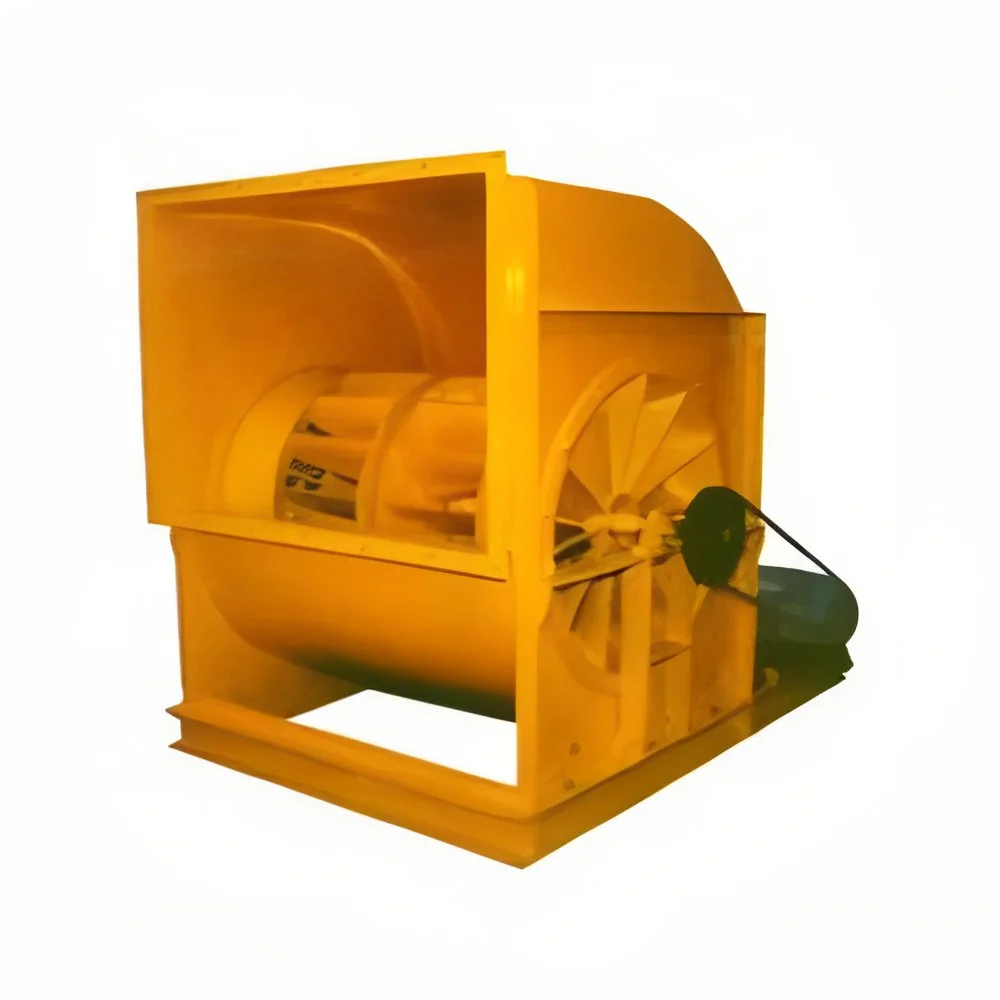
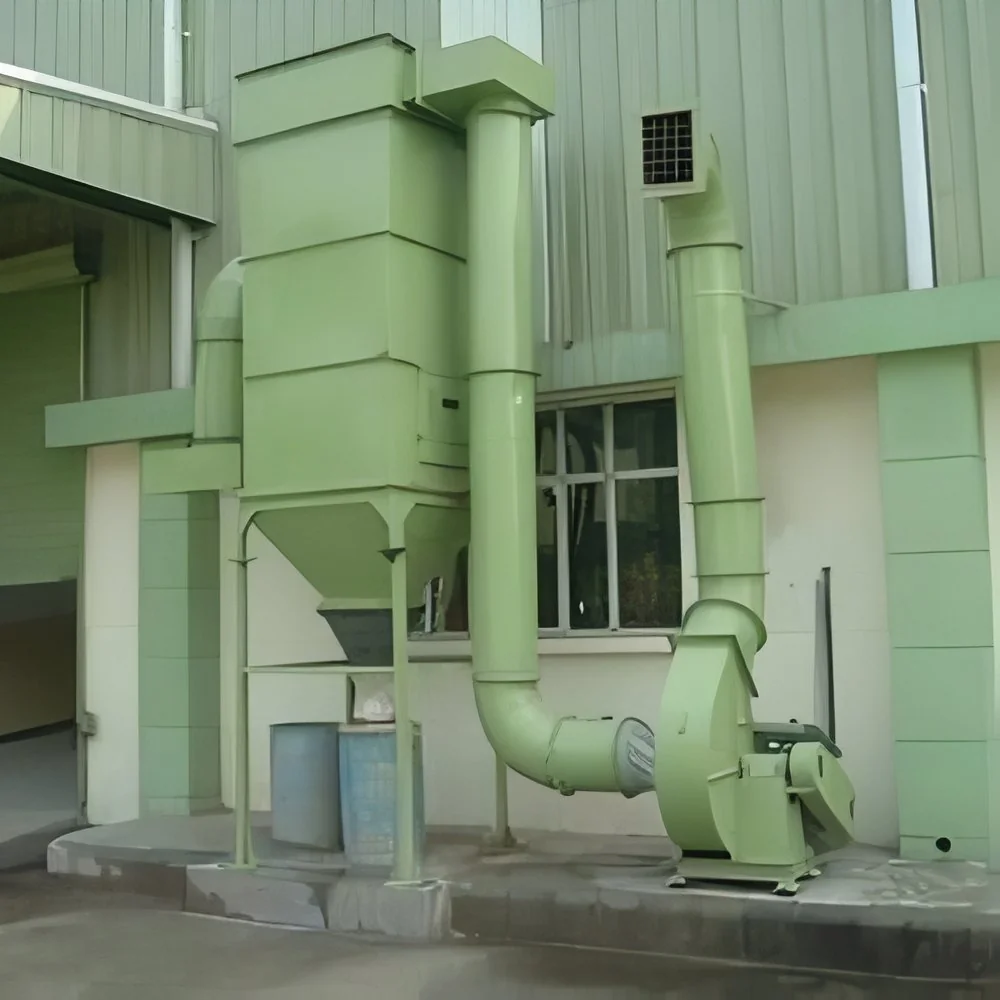
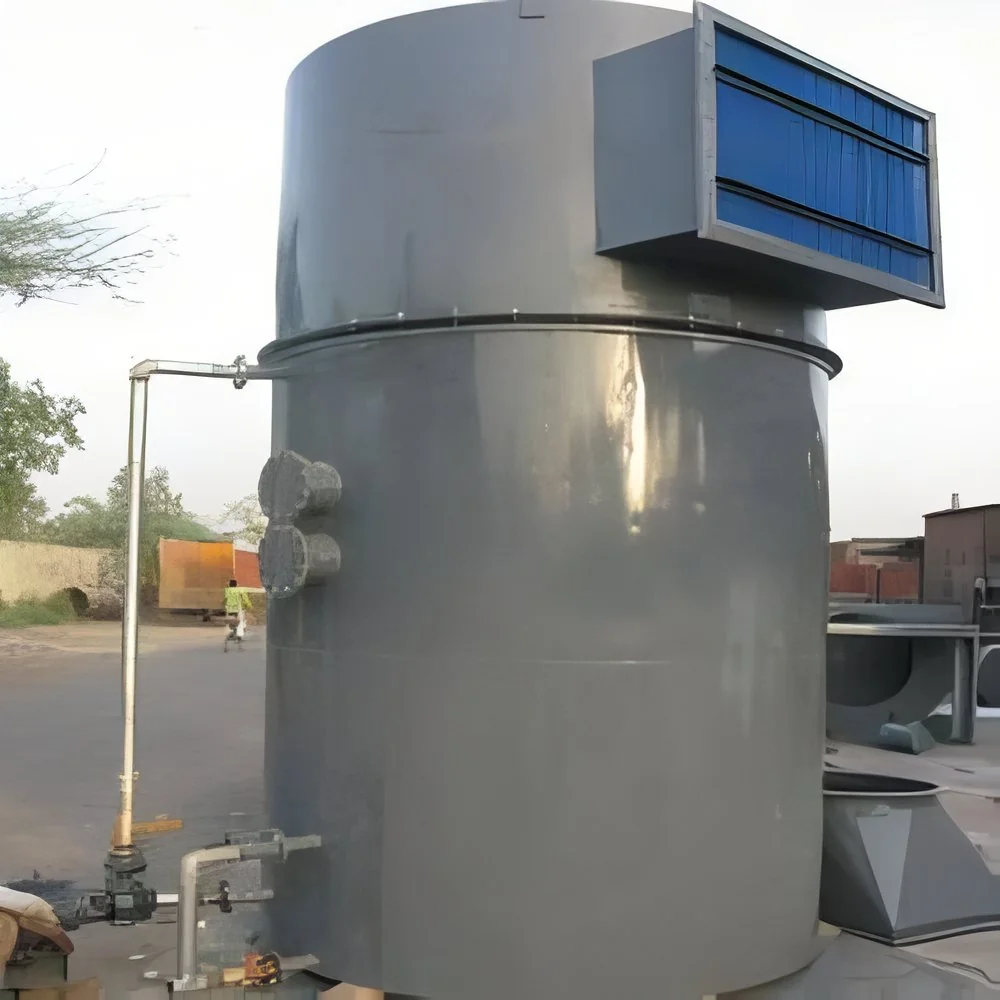
Industrial Air Pollution Control Wet Scrubbers represent advanced technology designed for demanding manufacturing environments where air quality management is essential. These systems utilize liquid contact principles to effectively capture and neutralize airborne contaminants from industrial exhaust streams. Through sophisticated engineering, contaminated air passes through a scrubbing chamber where it interacts with a carefully selected scrubbing liquid, resulting in the removal of particulate matter, gases, and odorous compounds. The robust construction ensures long-term reliability while accommodating various operational requirements across different industrial scales and process conditions. This technology provides a comprehensive solution for industries facing increasingly stringent environmental regulations and air quality standards.

These air pollution control systems find extensive application across numerous industries where managing emissions is paramount. In textile manufa...
Industrial Air Pollution Control Wet Scrubbers represent advanced technology designed for demanding manufacturing environments where air quality management is essential. These systems utilize liquid contact principles to effectively capture and neutralize airborne contaminants from industrial exhaust streams. Through sophisticated engineering, contaminated air passes through a scrubbing chamber where it interacts with a carefully selected scrubbing liquid, resulting in the removal of particulate matter, gases, and odorous compounds. The robust construction ensures long-term reliability while accommodating various operational requirements across different industrial scales and process conditions. This technology provides a comprehensive solution for industries facing increasingly stringent environmental regulations and air quality standards.

These air pollution control systems find extensive application across numerous industries where managing emissions is paramount. In textile manufacturing, they effectively treat exhaust from dyeing, printing, and finishing operations that generate chemical vapors and particulate matter. Chemical processing facilities rely on them for controlling acid gas emissions and neutralizing hazardous chemical vapors. Pharmaceutical manufacturers utilize wet scrubbers to maintain sterile production environments while capturing process emissions. Metal finishing operations depend on them for capturing plating and etching fumes containing heavy metals and acidic compounds. Food processing plants also benefit from their ability to manage cooking odors, organic vapors, and particulate emissions, ensuring compliance with environmental regulations and maintaining community relations.

The value of these wet scrubbers extends beyond regulatory compliance to deliver tangible operational advantages. These systems enhance workplace safety by reducing employee exposure to harmful substances, potentially lowering insurance costs and improving health outcomes. Their reliability minimizes production downtime through durable construction and accessible maintenance points. The engineering allows for efficient integration with existing processes, maximizing contaminant capture while controlling operational expenses. Companies investing in these scrubbers demonstrate environmental responsibility while protecting their operational viability through sustainable practices. The systems offer long-term value through reduced maintenance requirements, energy-efficient operation, and adaptability to changing production needs or regulatory standards.

Key Features:
- Advanced liquid contact technology for superior contaminant removal efficiency
- Corrosion-resistant construction materials ensuring extended service life in harsh environments
- Configurable designs to match specific process requirements and space constraints
- Energy-efficient operation with optimized pressure drop characteristics reducing power consumption
- Comprehensive safety systems including overflow protection and accessible maintenance points

Benefits:
- Ensures compliance with stringent environmental regulations and emission standards
- Reduces operational costs through efficient contaminant capture and minimal maintenance requirements
- Enhances workplace safety by effectively removing hazardous airborne substances
- Provides reliable performance with minimal downtime and straightforward service access
- Offers adaptable solutions suitable for various industrial applications and process conditions
Specifications
| Additional Information | |
|---|---|
| Country of Origin | 106 |
Application
Industrial wet scrubbers provide essential air pollution control where capturing airborne contaminants is critical. These systems use liquid contact technology to neutralize fumes, gases, and particulate matter from industrial processes, ensuring exhaust streams meet environmental standards before release. Their versatile design handles various contaminant types including acidic gases, alkaline mists, and organic vapors. Custom configurations deliver optimal performance for high-temperature processes, corrosive substances, or complex chemical compositions across different manufacturing scales and operational requirements.
These air pollution control units are indispensable in industries with strict emissions compliance needs. The technology effectively treats exhaust from numerous industrial activities, protecting both the environment and workplace safety. From managing odorous compounds to capturing hazardous chemical emissions, wet scrubbers offer a reliable solution for maintaining air quality in demanding production environments where traditional filtration methods may prove insufficient.
- Textile manufacturing for treating exhaust from dyeing, printing, and finishing operations
- Chemical processing plants controlling acid gas emissions and chemical vapors
- Pharmaceutical production maintaining sterile environments and capturing process emissions
- Metal finishing operations capturing fumes from plating, etching, and surface treatment
- Food processing facilities managing cooking odors, organic vapors, and particulate matter
Trade Details
| Available Stock | In Stock |
| Sample Availability | No |
Payment Terms
| Payment Terms |
|
Company Profile
Aerotech Equipments And Projects Pvt Ltd, Uttar Pradesh
 Uttar Pradesh, India
Uttar Pradesh, IndiaIndustrial Equipment & Machinery•Manufacturer•Importer / Exporter
Factory Details
Factory SizeBelow 1000 sqm
Annual Production Capacity0
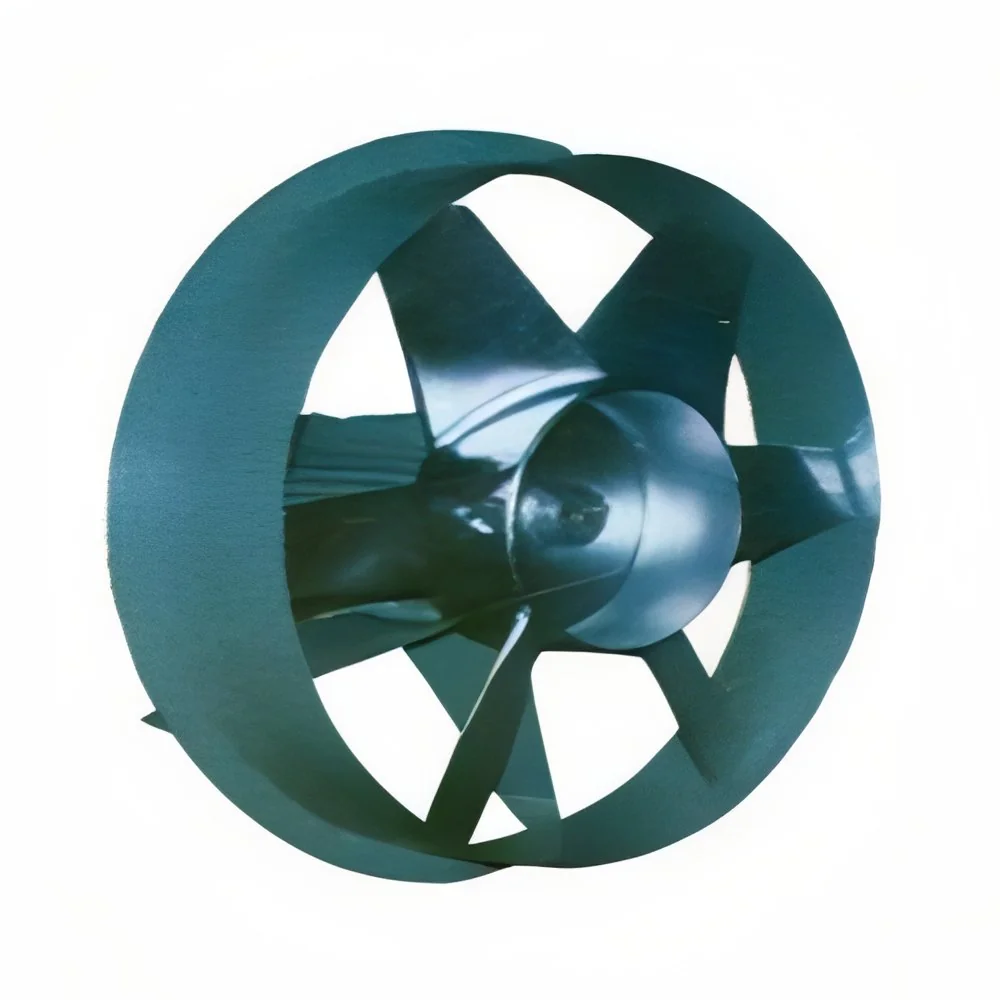
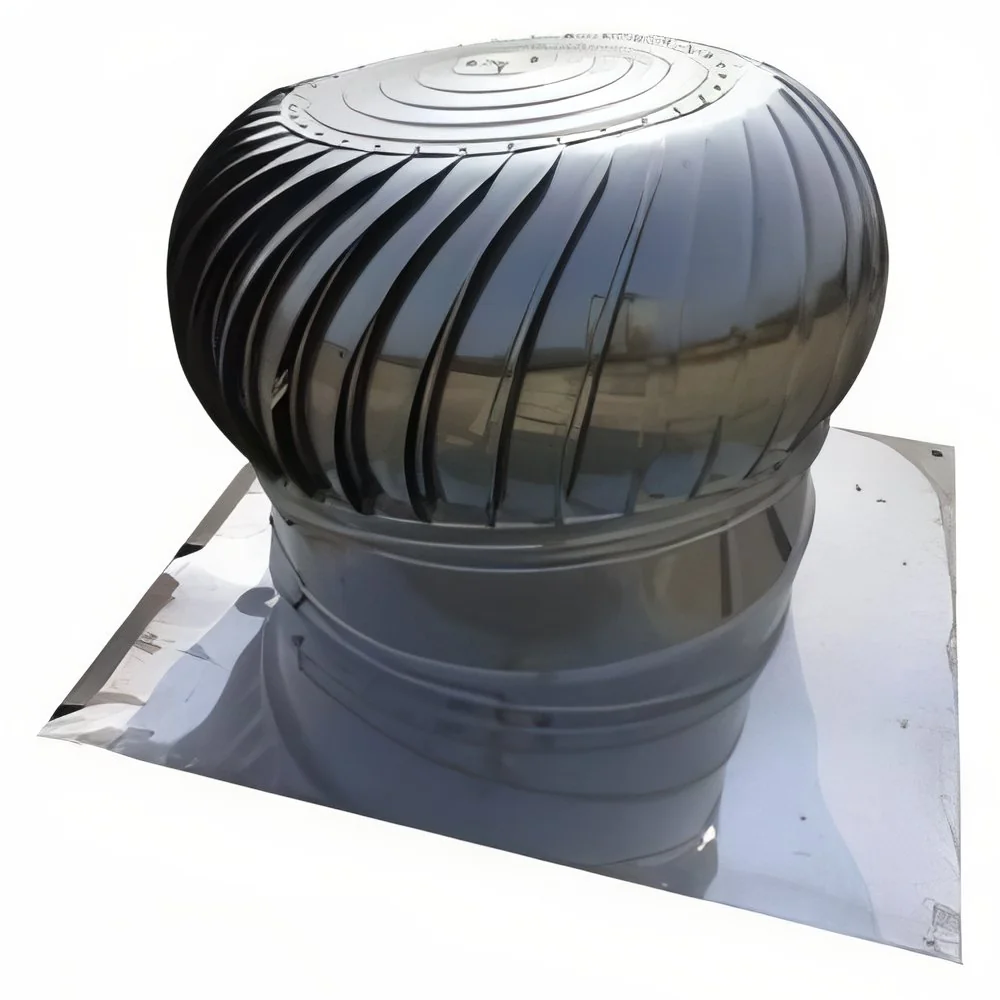
Industrial Air Pollution Control Wet Scrubbers For Contaminant Removal
Industrial Air Pollution Control Wet Scrubbers effectively remove contaminants, odors, and particulate matter from exhaust streams. These reliable systems are designed for textile, chemical, and manufacturing applications requiring robust air quality management.
Min. Order Quantity: 1 piece
Shipping
Shipping fee and delivery date to be negotiated. Contact supplier now for more details.
Aerotech Equipments And Projects Pvt Ltd
 Uttar Pradesh, India
Uttar Pradesh, IndiaIndustrial Equipment & MachineryManufacturer