
 IN
Agricultural Waste (Bagasse, Husk)
5 products available
Key Features and Specifications
Agricultural waste products like bagasse and husk come with specific features and specifications that determine their usability in various applications. Understanding these specifications is crucial for businesses looking to integrate these materials into their operations.
Key specifications include:
1. Fiber Content
- Bagasse typically contains 45-55% fiber.
- Husk can vary between 30-50% fiber content depending on the type of grain.
2. Moisture Content
- Ideal moisture levels for bagasse should be below 14% for optimal storage and processing.
- Husk moisture content can range from 10-15%, affecting its usability in animal feed.
3. Energy Content
- Bagasse has an energy content of approximately 18-20 MJ/kg.
- Husk generally offers an energy content of around 15-17 MJ/kg.
4. Ash Content
- Bagasse may contain 2-5% ash, depending on the processing method.
- Husk typically has an ash content of about 3-7%.
5. Bulk Density
- Bagasse has a bulk density ranging from 100-150 kg/m3.
- Husk's bulk density can vary from 80-120 kg/m3.
The specifications mentioned help buyers assess the quality and suitability of agricultural waste for their specific applications.
Common Applications and Use Cases
Agricultural waste such as bagasse and husk finds diverse applications across multiple industries.
1. Bioenergy: Bagasse is extensively used as a biomass fuel in power generation, providing a renewable energy source for various facilities.
2. Paper and Packaging: Both bagasse and husk can be processed into pulp for paper production and sustainable packaging materials, reducing reliance on wood pulp.
3. Animal Feed: Husk serves as a nutritious feed ingredient for livestock, while bagasse can be used as a fibrous additive in animal diets.
4. Biocomposites: Industries are exploring the use of bagasse and husk fibers in the production of biocomposite materials for automotive and construction applications.
5. Fertilizers: Both materials can be composted or processed into organic fertilizers, contributing to sustainable agriculture.
6. Construction: The fibrous nature of bagasse and husk makes them suitable for insulation materials in eco-friendly building designs.
7. Food Industry: Husk may be utilized in food processing as a natural thickening agent or for producing functional food ingredients.
Product Variants and Subcategories
Agricultural waste products like bagasse and husk offer various forms that cater to different business needs.
Bagasse Pellets: These are compacted forms of bagasse that enhance storage and transportation efficiency. They are ideal for biomass heating systems and have a higher energy density compared to loose bagasse.
Husk Ash: This by-product is produced from the combustion of husk and is rich in silica. It can be used as a supplement in cement and concrete production, enhancing material properties and sustainability.
Benefits and Advantages
Utilizing agricultural waste such as bagasse and husk provides numerous benefits for businesses.
1. Cost Efficiency: Sourcing agricultural waste can reduce raw material costs, as these products are often available at lower prices compared to traditional materials.
2. Sustainability: Using bagasse and husk supports eco-friendly practices, reducing landfill waste and promoting recycling efforts in various industries.
3. Renewable Resource: As renewable materials, bagasse and husk contribute to energy generation and lower carbon footprints in manufacturing operations.
4. Versatility: These materials can be applied in multiple sectors, offering businesses flexibility in product development and innovation.
5. Nutritional Value: When used in animal feed, husk provides essential nutrients, promoting animal health and productivity.
6. Improved Soil Health: Both materials can enhance soil quality when used as organic fertilizers, leading to better crop yields and sustainable farming practices.
Buying Guide for B2B Buyers
When considering the purchase of Agricultural Waste (Bagasse, Husk), several factors should be taken into account to ensure quality and suitability.
1. Quality Assessment: Evaluate the quality of the agricultural waste based on its fiber content, moisture levels, and overall freshness. High-quality materials will enhance end-product performance.
2. Supplier Verification: Ensure that suppliers are reputable and have a history of delivering consistent quality. Conduct background checks and seek references from other businesses.
3. Pricing and MOQ: Consider the pricing structure and minimum order quantities (MOQs) offered by suppliers. Ensure that the cost aligns with your budget and production needs.
4. Delivery and Lead Times: Assess the logistics involved in sourcing agricultural waste, including delivery schedules and lead times. Timely delivery is essential for maintaining production schedules.
5. Compliance Requirements: Be aware of any regulatory requirements related to agricultural waste in your region. Ensure that suppliers comply with local and international standards.
Compliance and Certifications
Compliance with quality standards and certifications is crucial in the agricultural waste industry. Relevant standards include ISO 9001 for quality management systems and HACCP for food safety management. Additionally, certifications such as CE and UL are important for ensuring that products meet safety and performance requirements.
Safety and testing requirements vary by application, and businesses should ensure that materials are tested for contaminants and quality assurance. Regional compliance considerations may also apply, depending on local regulations for agricultural waste utilization.
Why Source Agricultural Waste (Bagasse, Husk) from Pepagora?
Pepagora offers a reliable platform for sourcing Agricultural Waste (Bagasse, Husk), ensuring that businesses receive high-quality materials.
Verified Supplier Network: Pepagora connects buyers with a network of verified suppliers, ensuring that each supplier meets industry standards for quality and reliability.
Streamlined RFQ Process: The platform simplifies the request for quotation (RFQ) process, allowing businesses to efficiently compare multiple suppliers and make informed decisions.
Trade Assurance and Support: Buyers benefit from trade assurance measures that protect their purchases, coupled with dedicated support to address any concerns throughout the buying process.
Regional Coverage: Pepagora serves a wide geographic region, including India, GCC countries, and Southeast Asia, facilitating access to agricultural waste for businesses in these areas.



 India
 India
 India
Frequently Asked Questions
What are Agricultural Waste (Bagasse, Husk)?
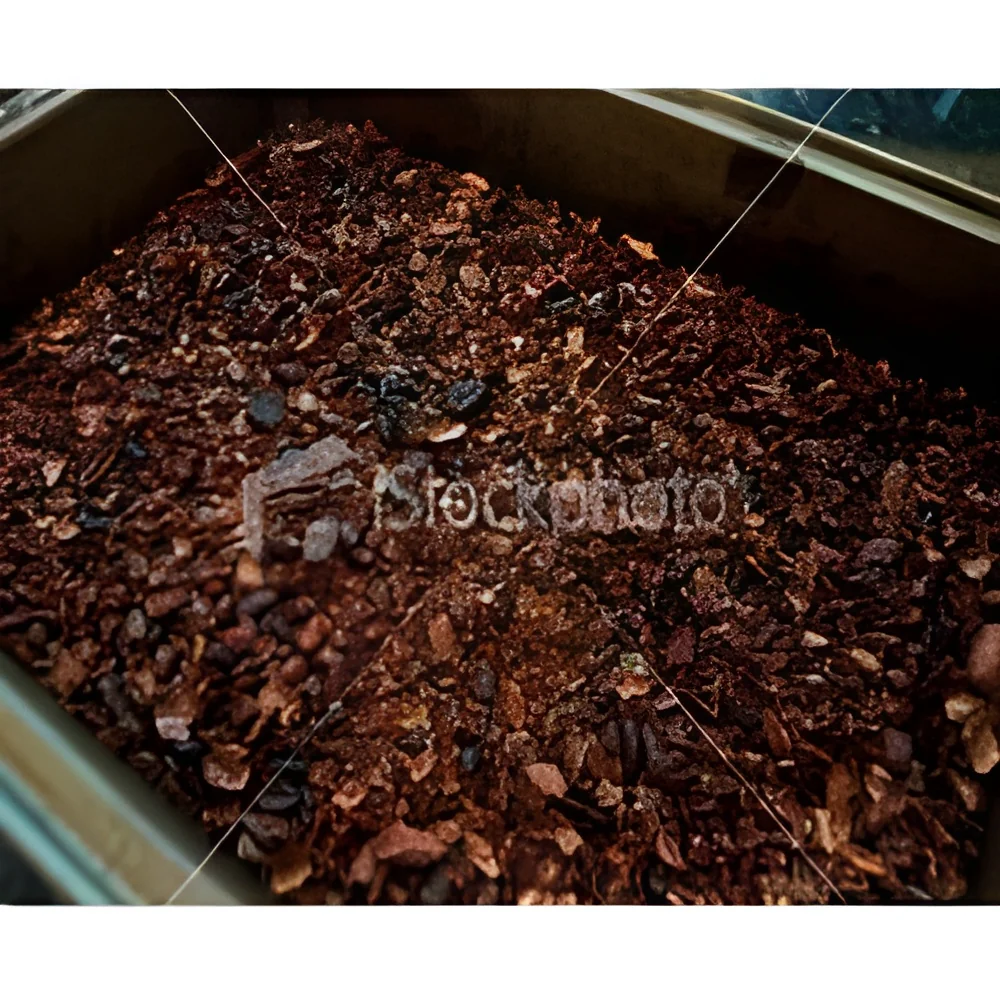
Agricultural Waste refers to the by-products generated during the cultivation and processing of crops. Bagasse is the fibrous residue left after the extraction of juice from sugarcane, while husk typically refers to the outer shell of grains such as rice and corn.
What are the different types of Agricultural Waste (Bagasse, Husk)?
The primary types of Agricultural Waste include Bagasse, Rice Husk, Corn Husk, and Wheat Straw. Each type has distinct properties and uses, ranging from biofuel production to animal bedding and composting.
How do I choose the right Agricultural Waste (Bagasse, Husk)?
Selecting the right Agricultural Waste depends on its intended application, such as energy production, animal feed, or soil amendment. It is essential to consider factors like moisture content, fiber quality, and availability in your region.
What are the standard specifications for Agricultural Waste (Bagasse, Husk)?
Standard specifications for Agricultural Waste typically include parameters such as moisture content, ash content, and fiber length. These specifications may vary based on the type of waste and its intended use.
What is the price range for Agricultural Waste (Bagasse, Husk)?
The price of Agricultural Waste can vary significantly based on type, quality, and market demand. Generally, prices can range from ₹1,000 to ₹5,000 per metric ton, depending on the supplier and location.
What quality standards apply to Agricultural Waste (Bagasse, Husk)?
Quality standards for Agricultural Waste may include guidelines set by agricultural and environmental authorities. Key aspects often assessed include purity, moisture levels, and absence of contaminants, ensuring suitability for various applications.
Where can I find Agricultural Waste (Bagasse, Husk) suppliers in India?
You can find Agricultural Waste suppliers in India through online B2B marketplaces, local agricultural trade shows, and industry directories. Websites like Pepagora provide a platform to connect with verified suppliers across the country.
Can Agricultural Waste (Bagasse, Husk) be customized?
Yes, Agricultural Waste can often be customized based on specific requirements such as size, moisture content, and processing methods. Discussing your needs with suppliers can help in obtaining tailored products.
What is the typical minimum order quantity for Agricultural Waste (Bagasse, Husk)?
The typical minimum order quantity (MOQ) for Agricultural Waste varies by supplier but generally ranges from 1 ton to 10 tons. It is advisable to confirm the MOQ with the supplier before placing an order.
What is the typical lead time for Agricultural Waste (Bagasse, Husk)?
The lead time for Agricultural Waste can vary based on the supplier's location and availability of stock. Typically, lead times range from a few days to a couple of weeks, depending on the order size and processing requirements.
Why Businesses Trust Pepagora
Thousands of companies trust Pepagora to source smarter and sell faster
Expand Your Sales Globally

Source Smarter,Grow Faster
