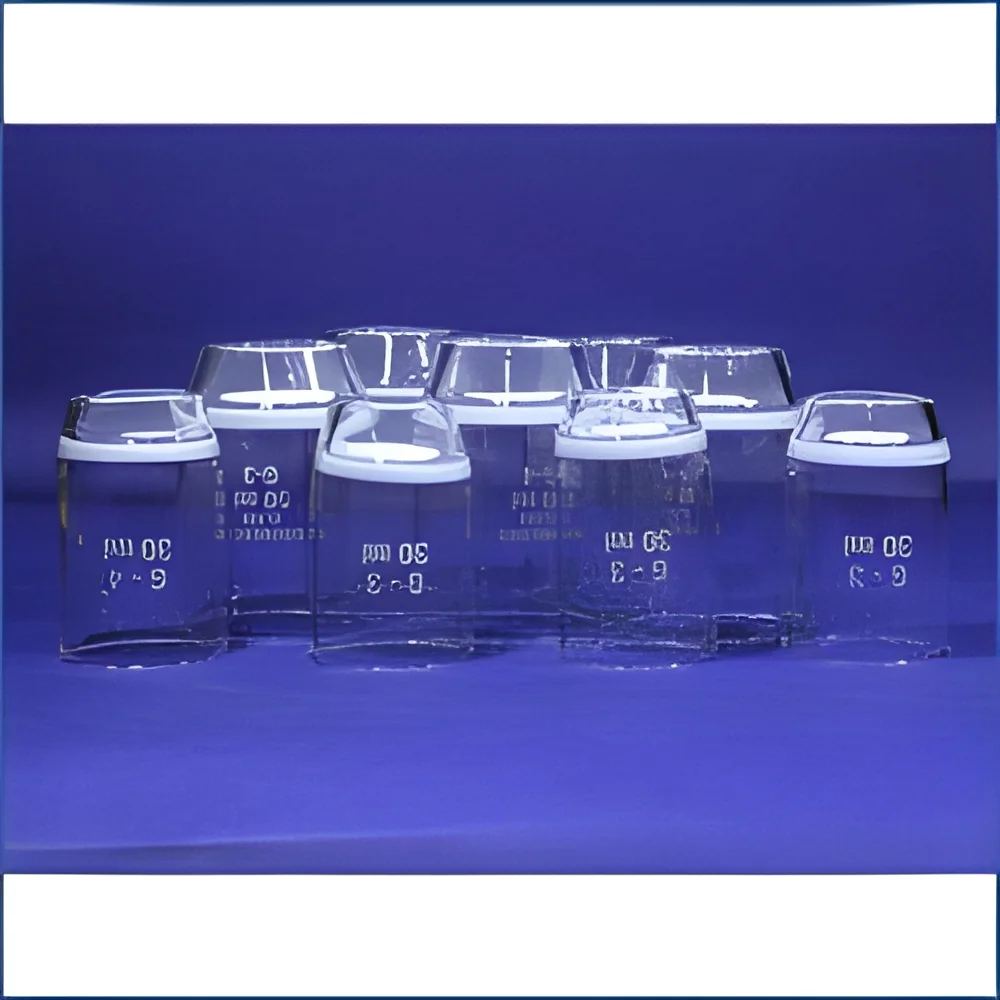
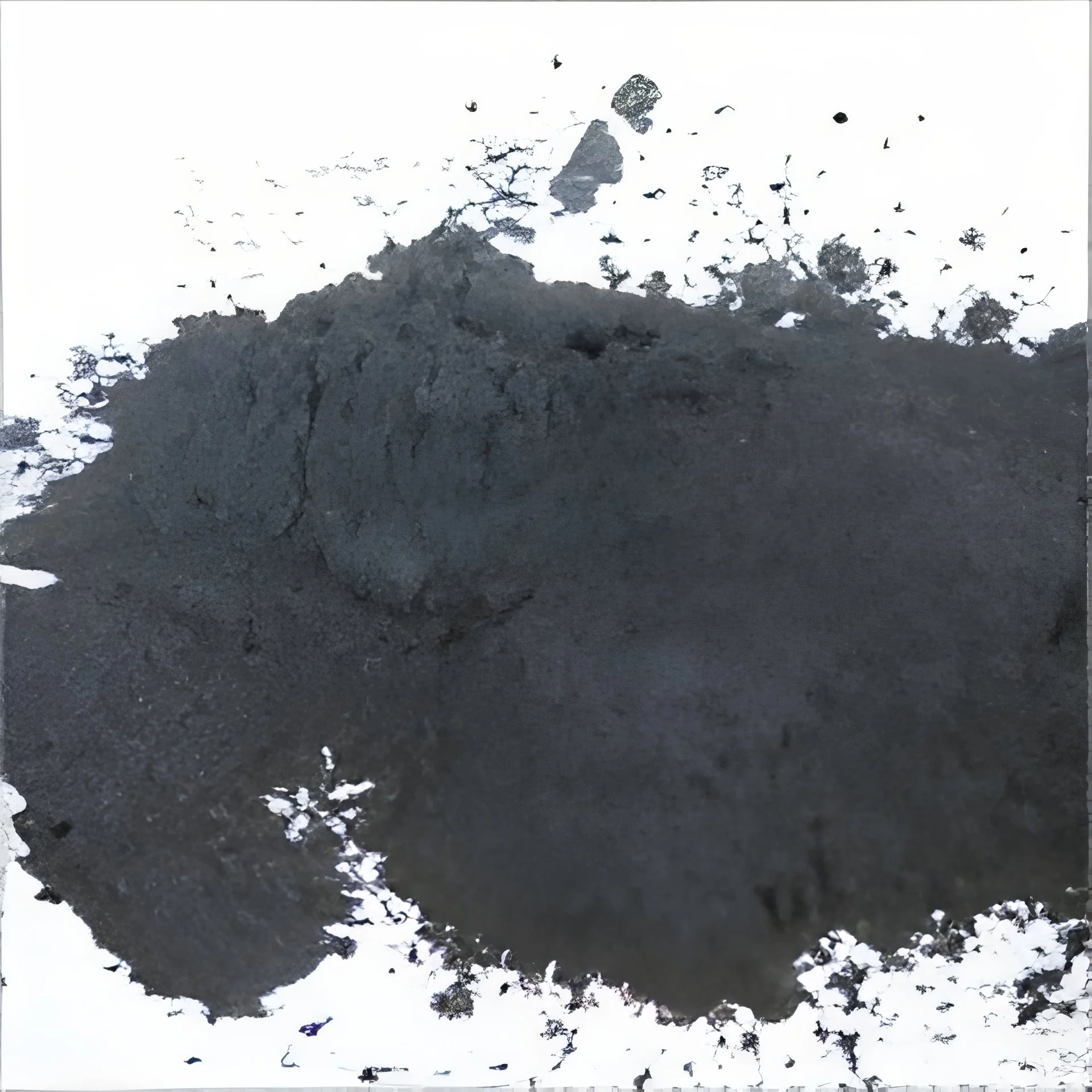
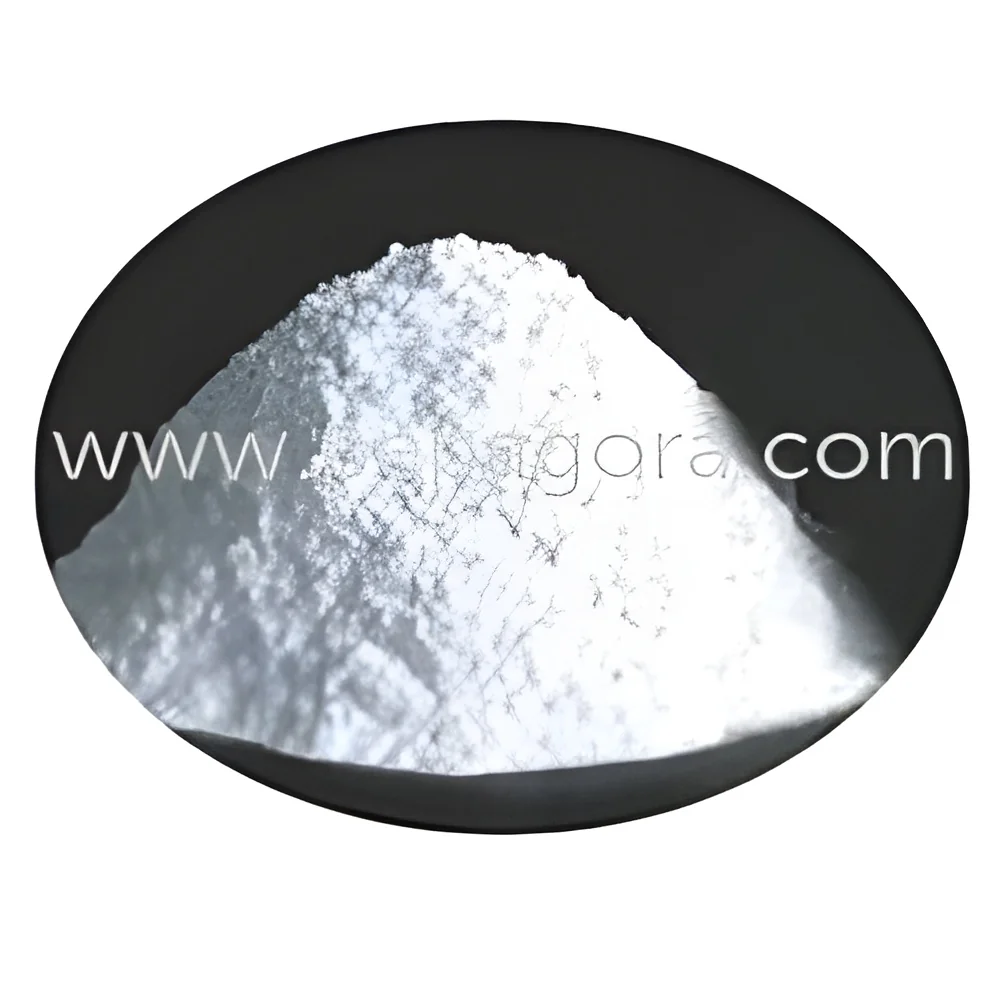
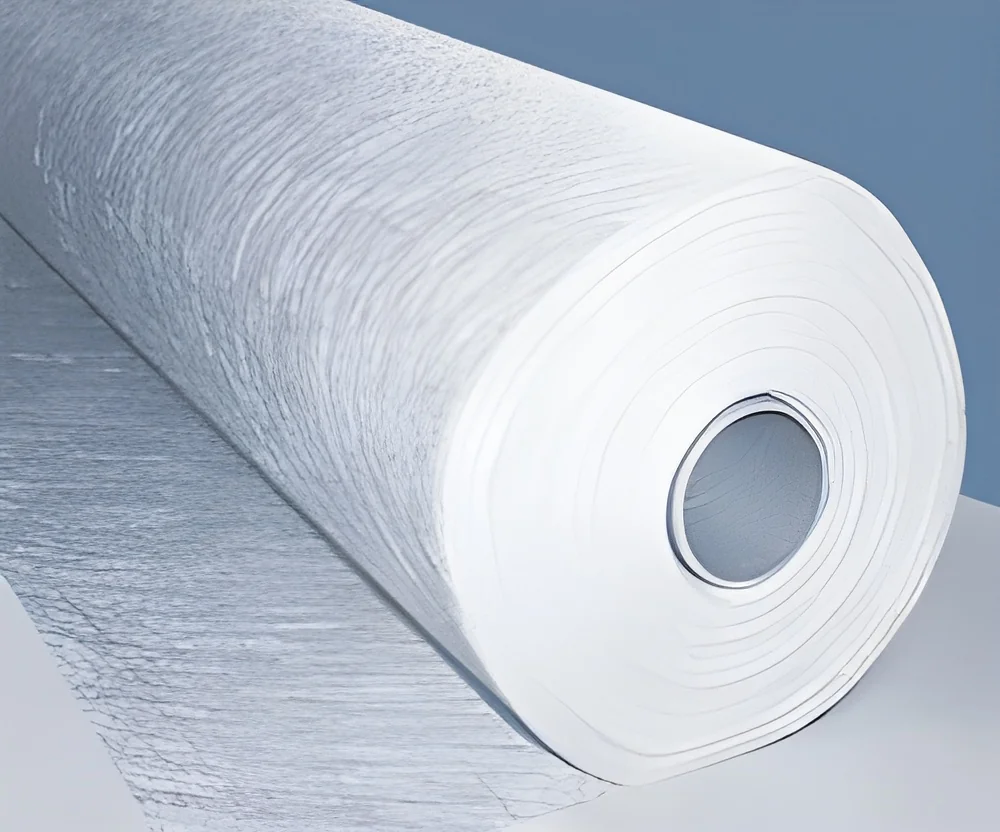
𝗪𝗵𝗮𝘁 𝗮𝗿𝗲 𝗚𝗹𝗮𝘀𝘀 𝗥𝗮𝘄 𝗠𝗮𝘁𝗲𝗿𝗶𝗮𝗹𝘀?
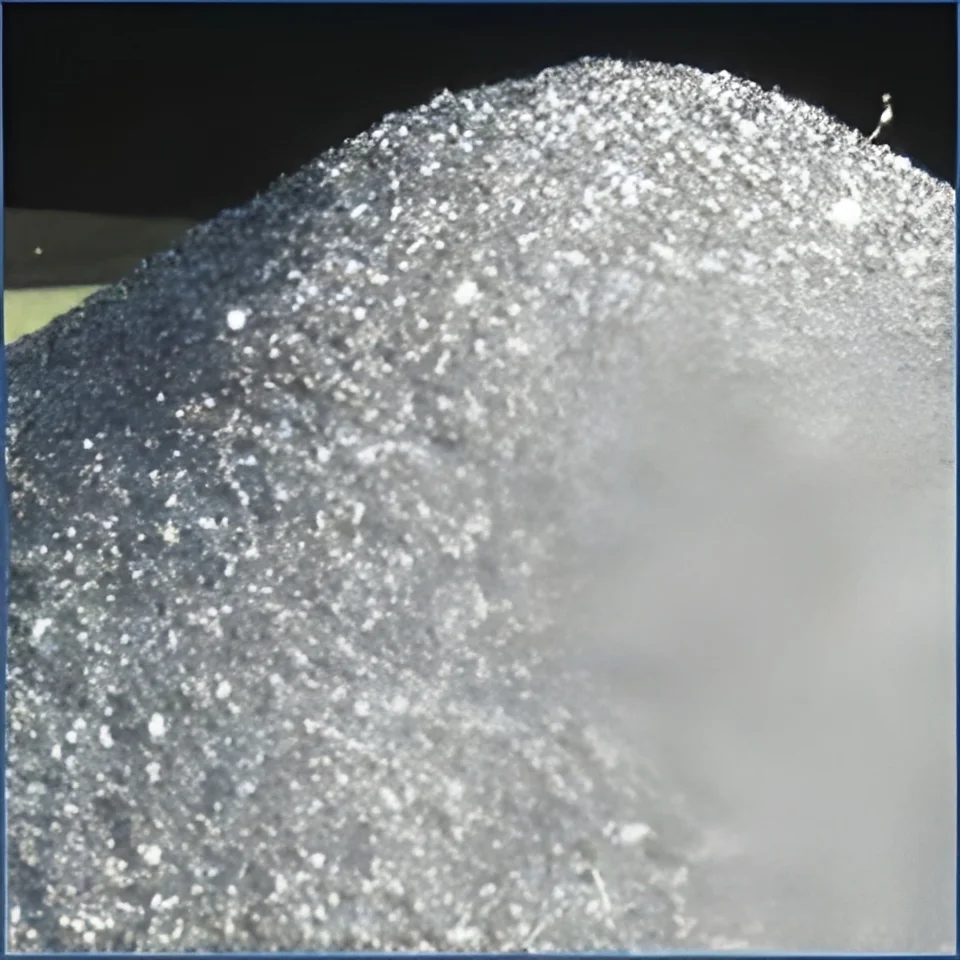
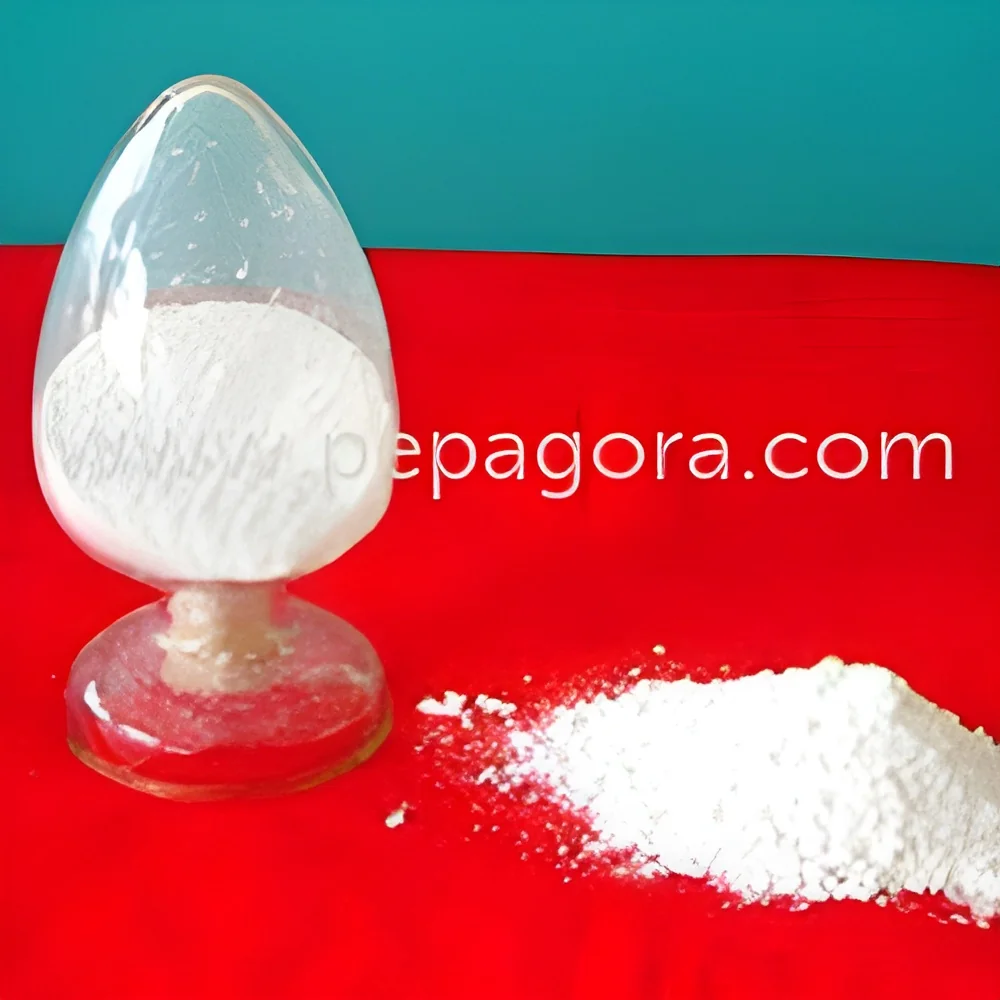
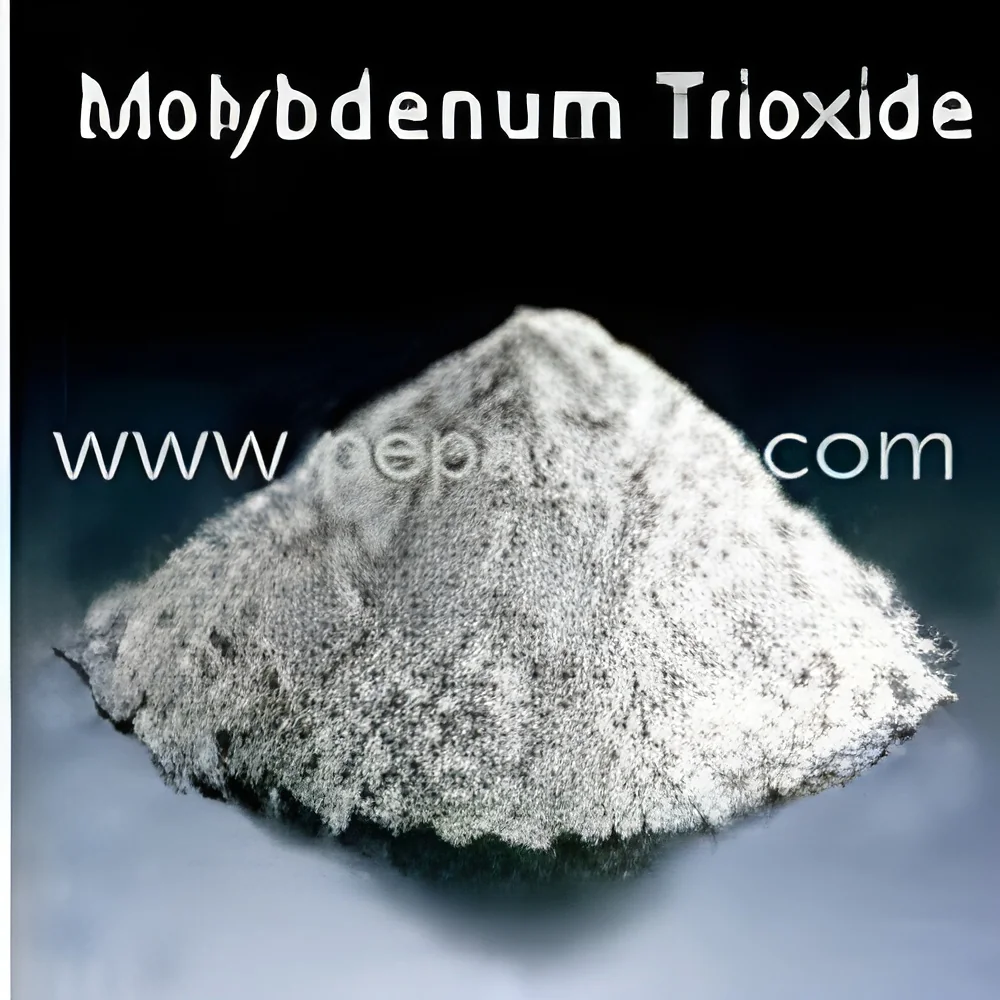
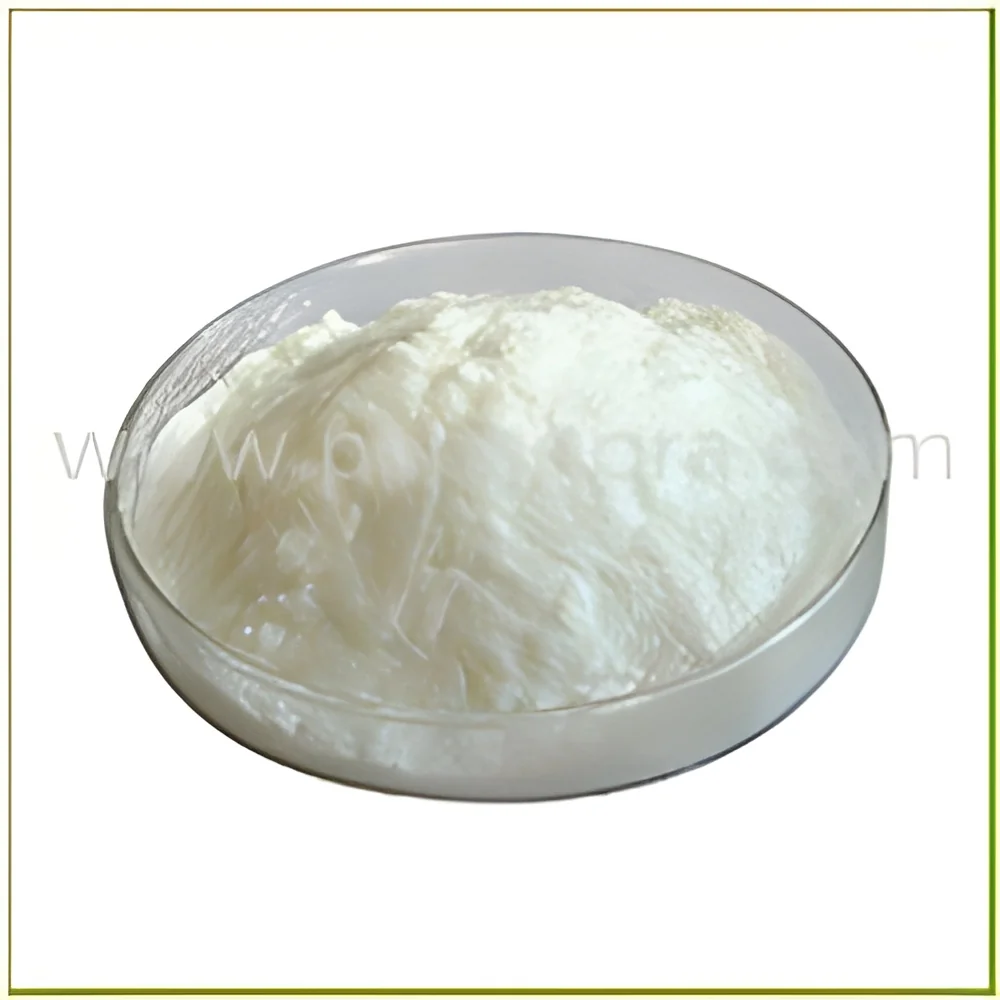
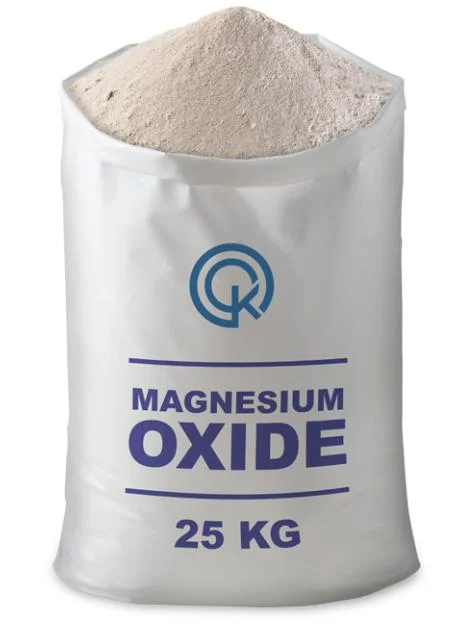
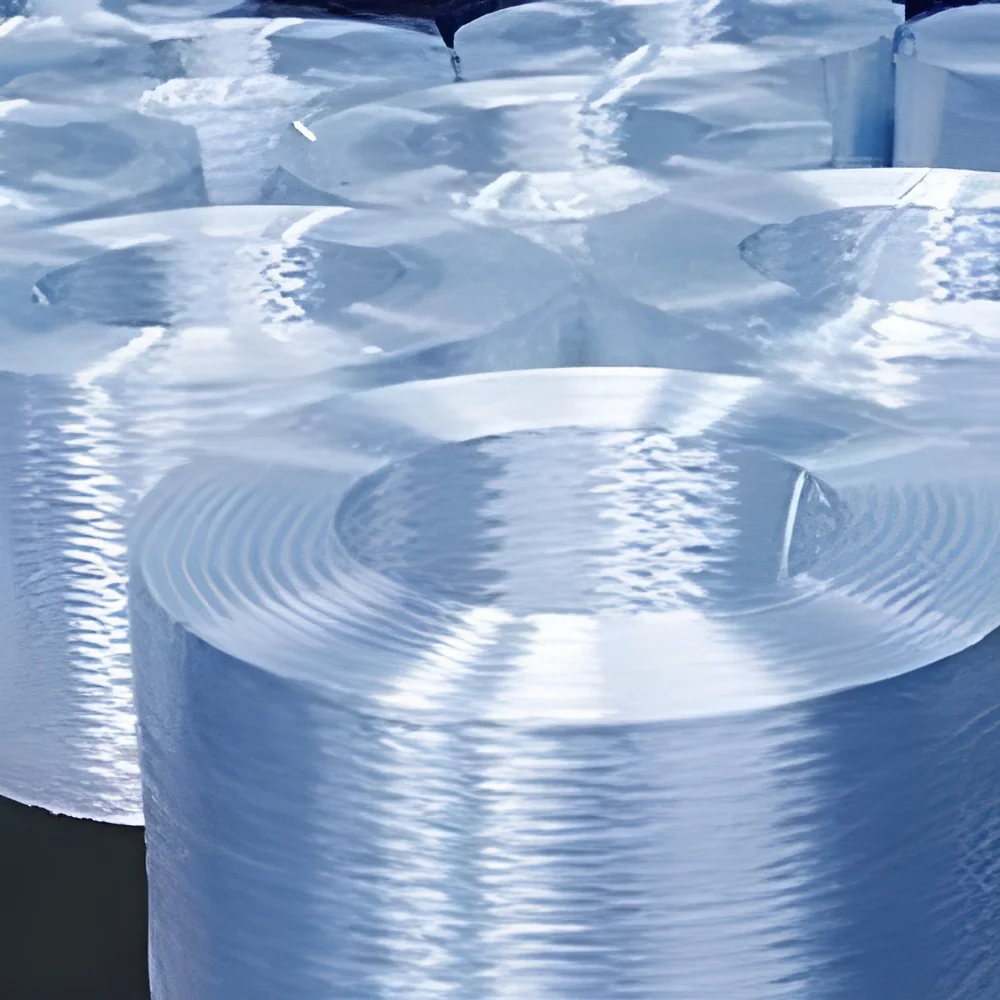
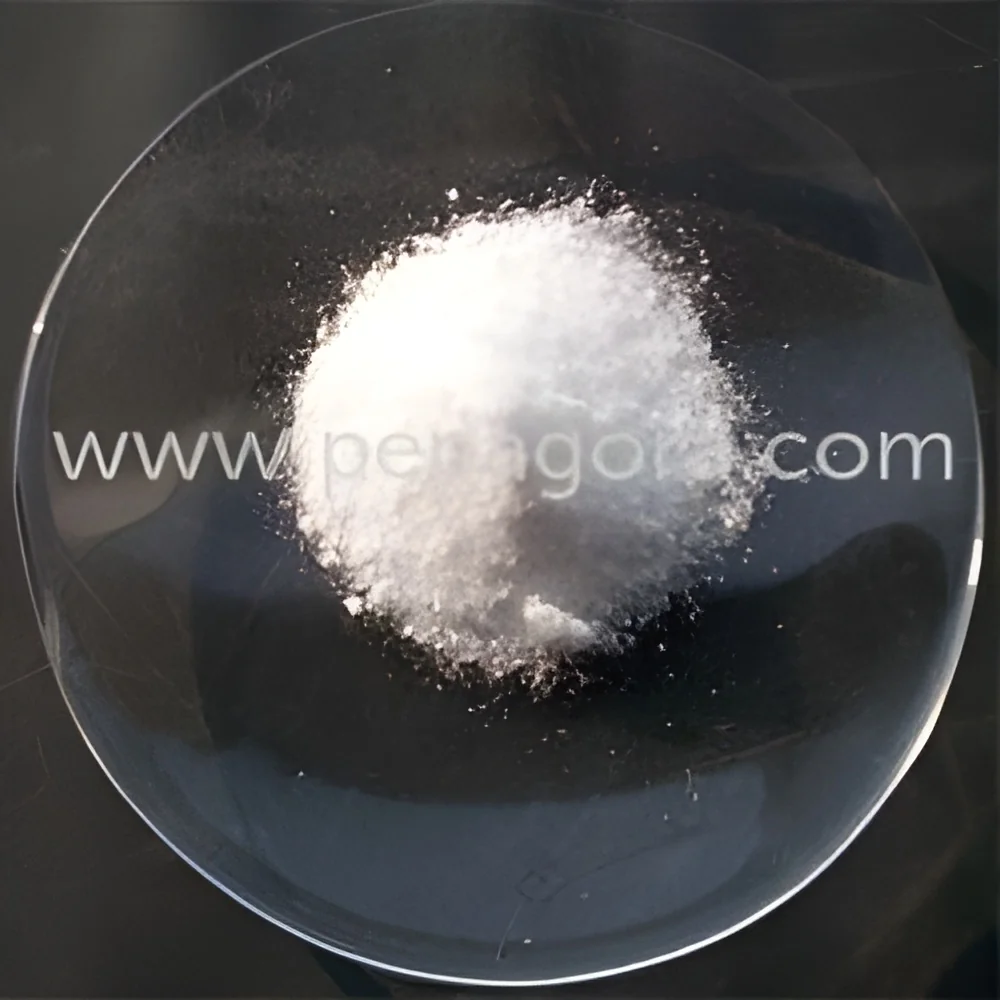
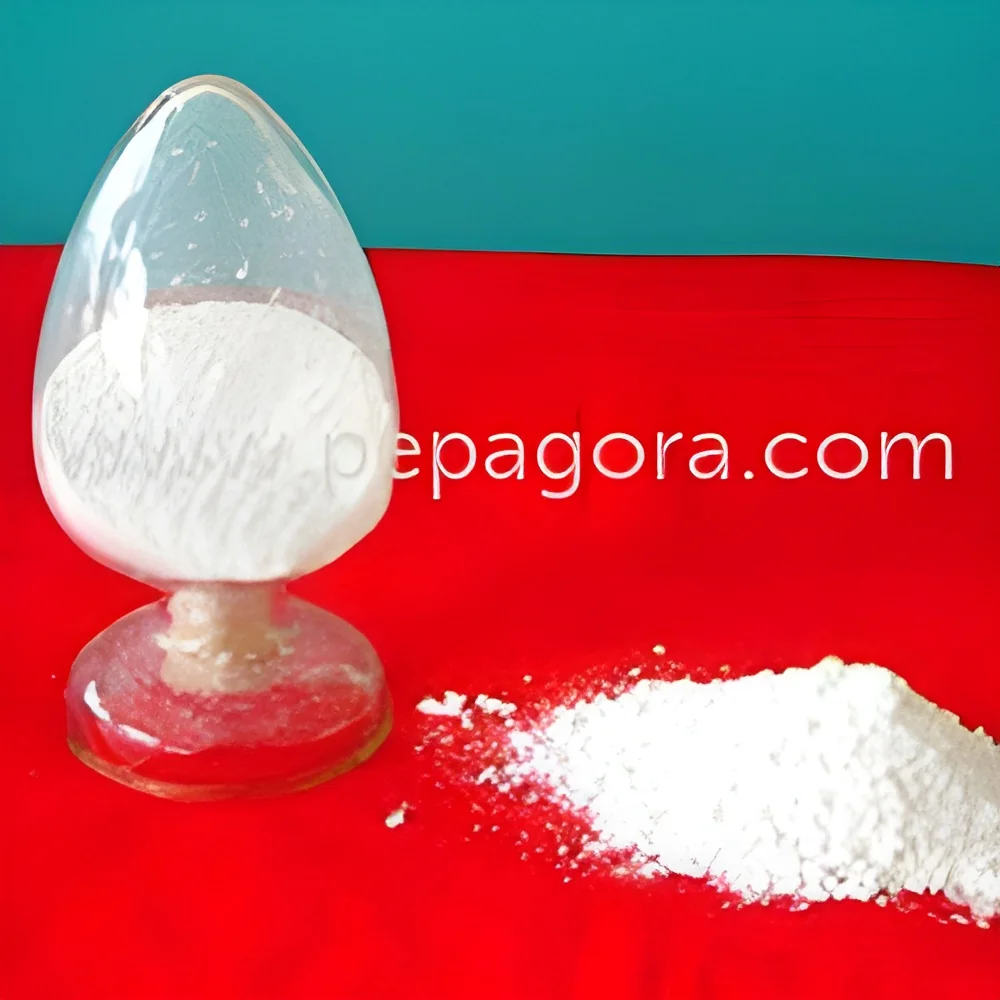
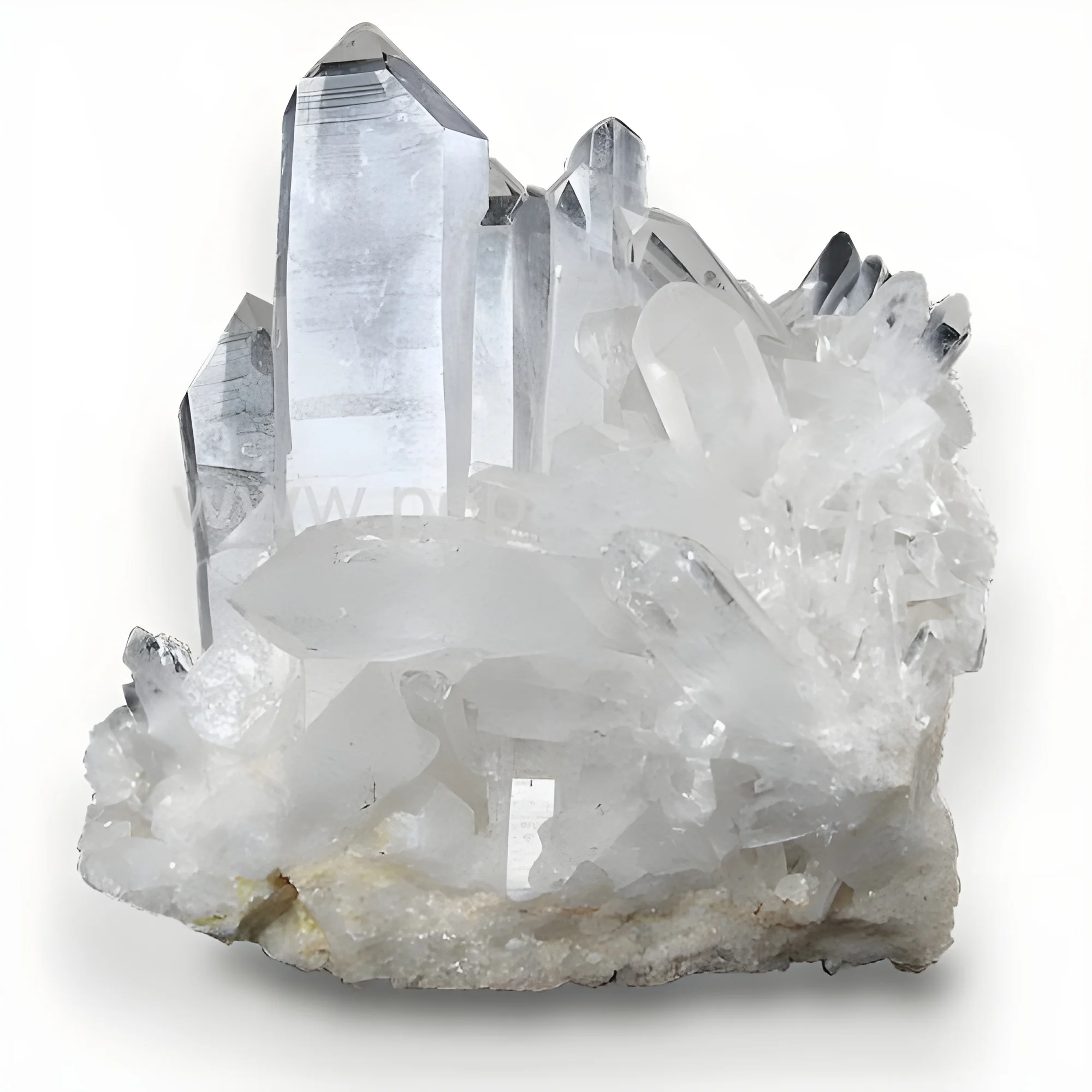
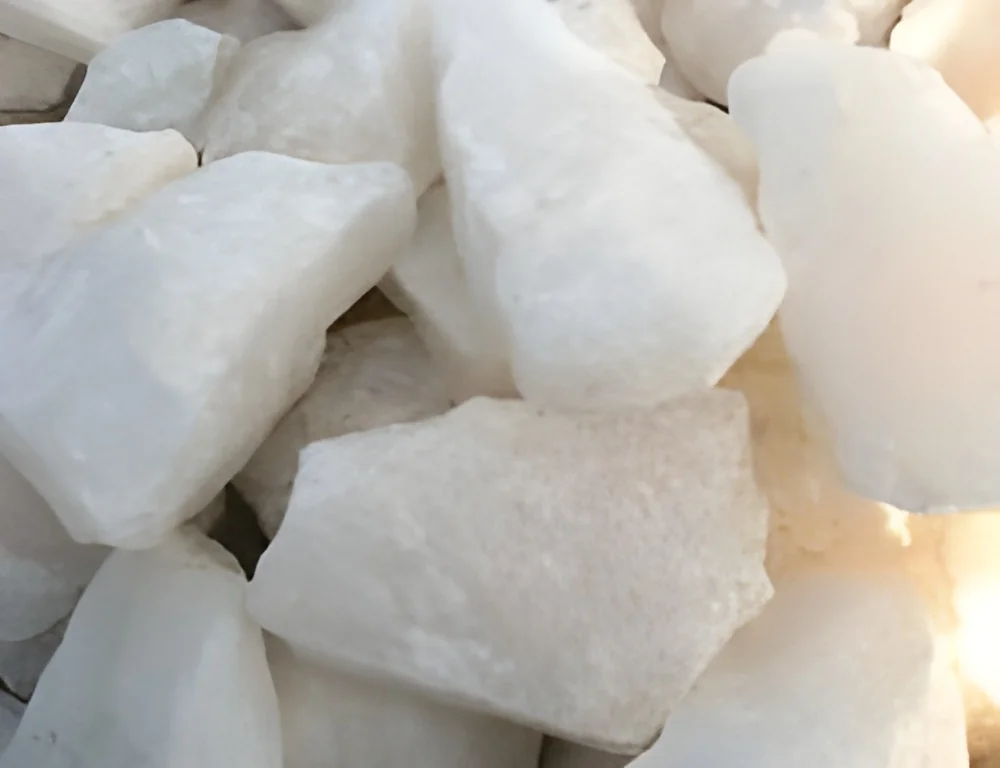
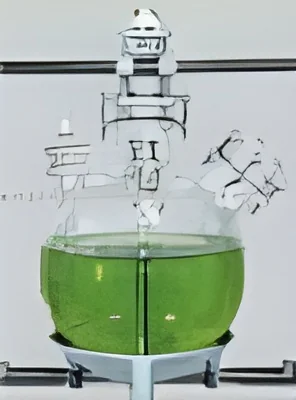
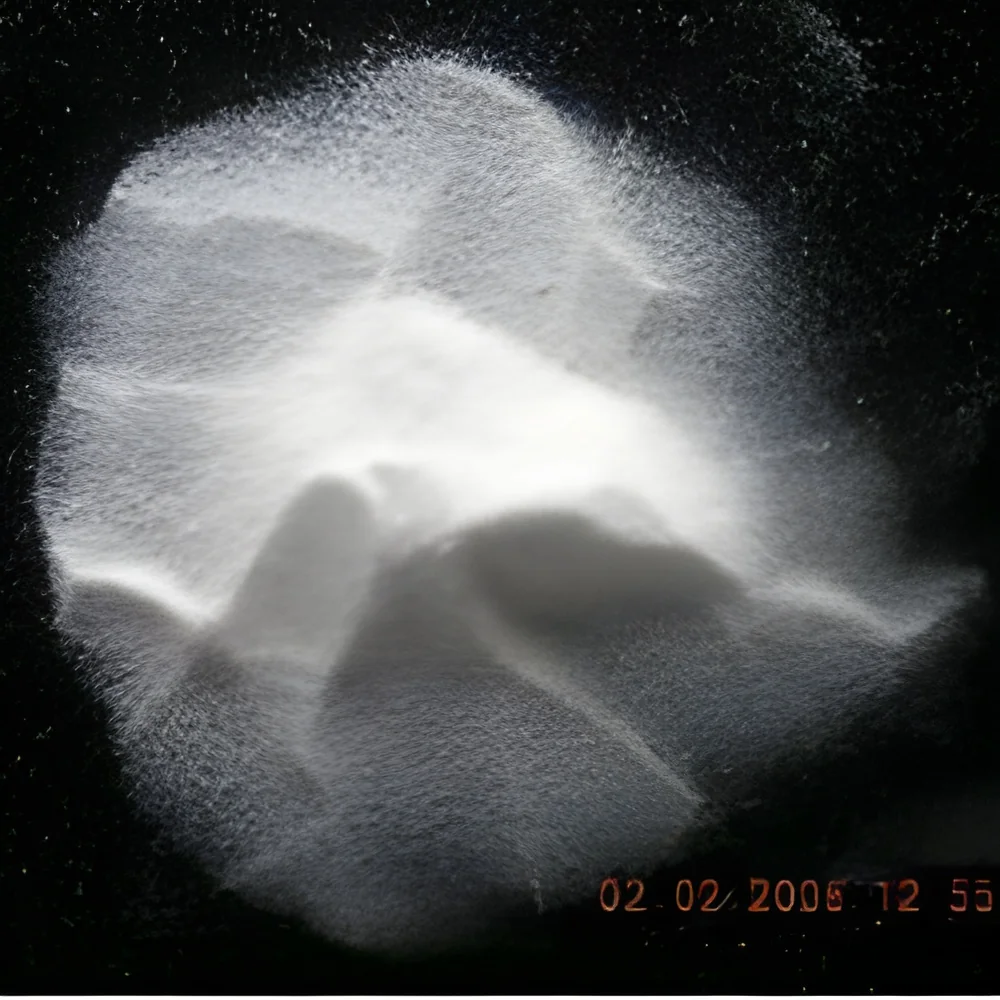
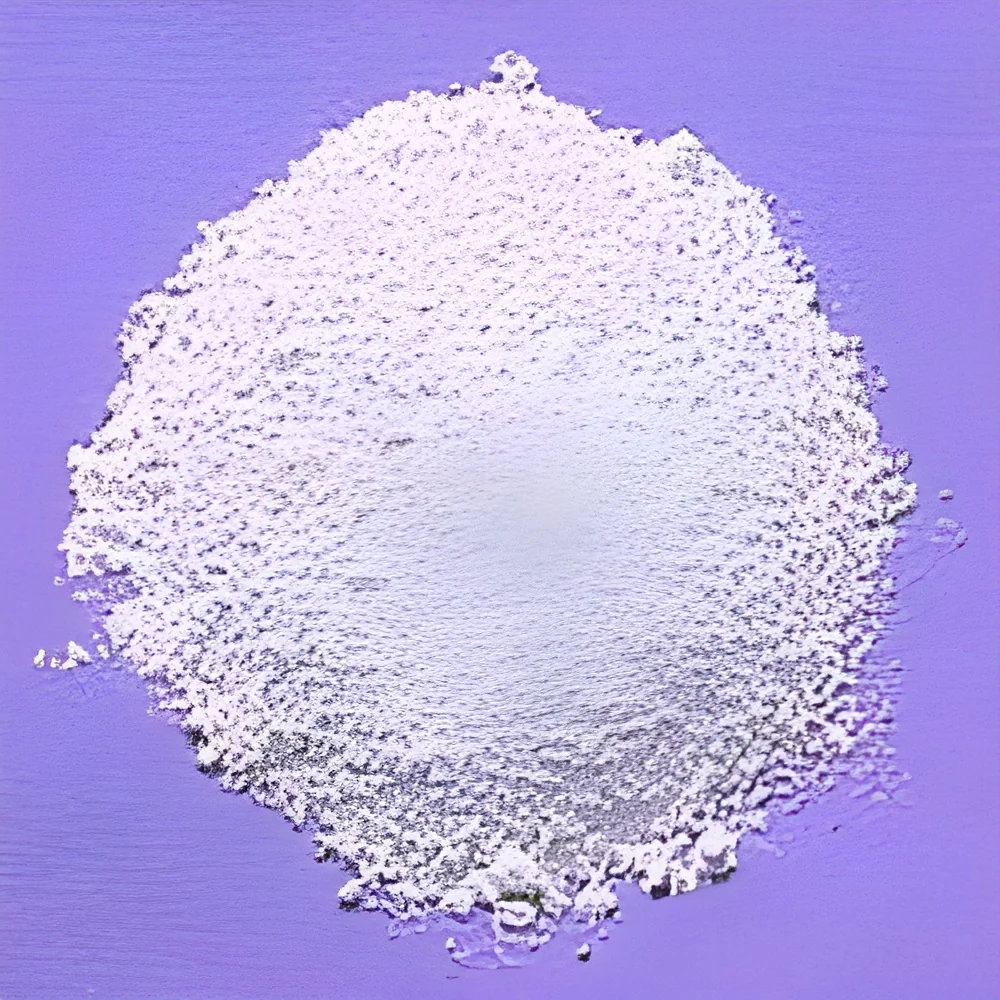
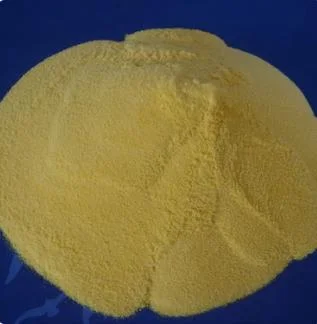
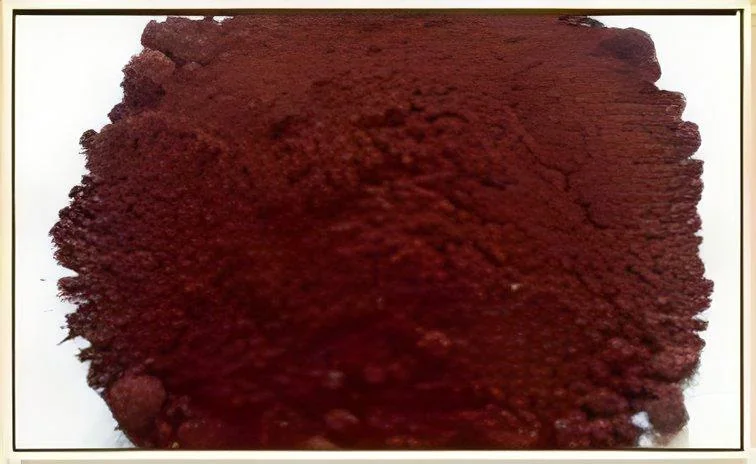
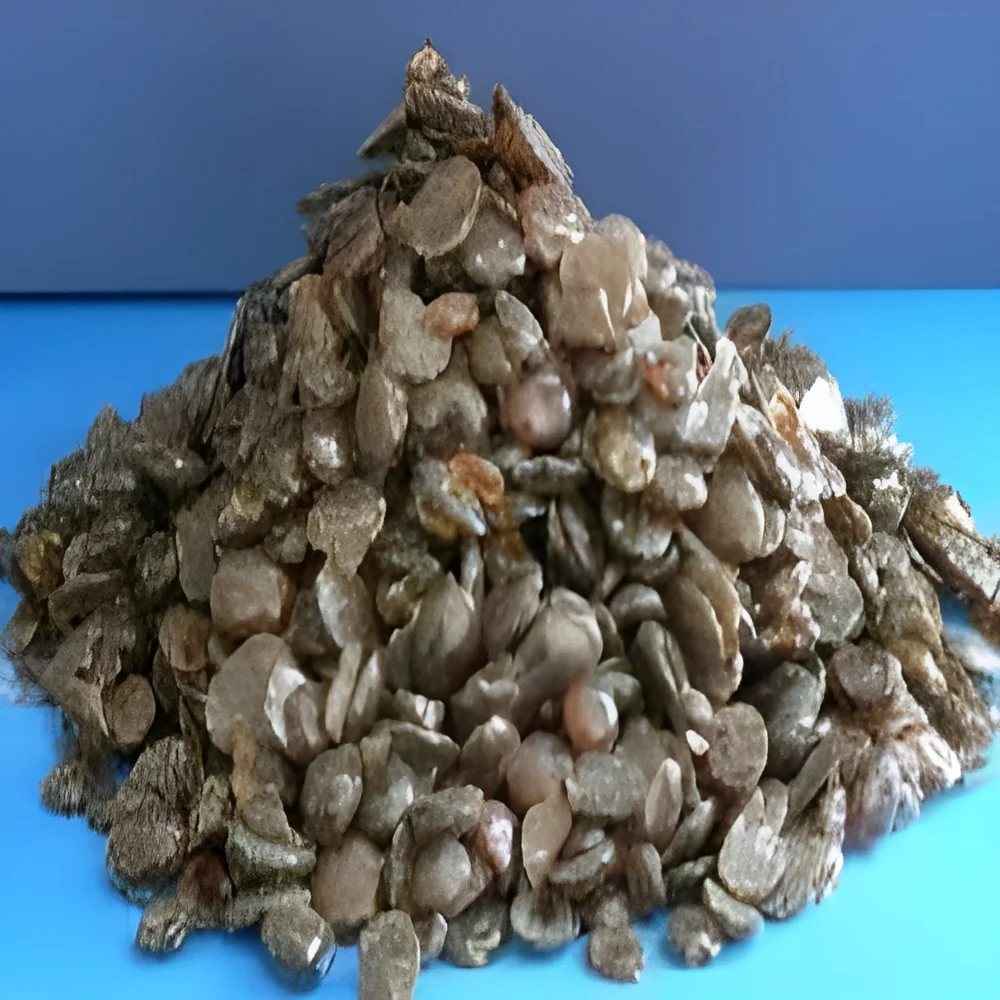
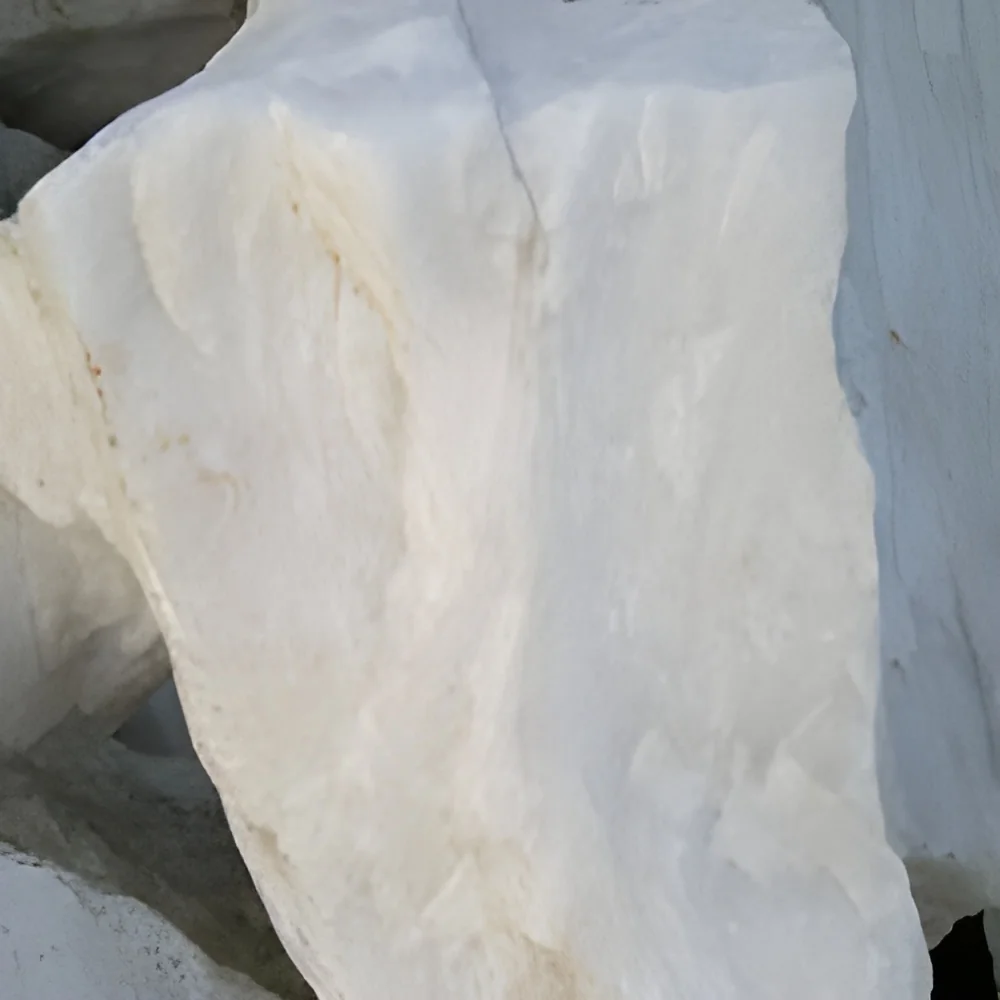
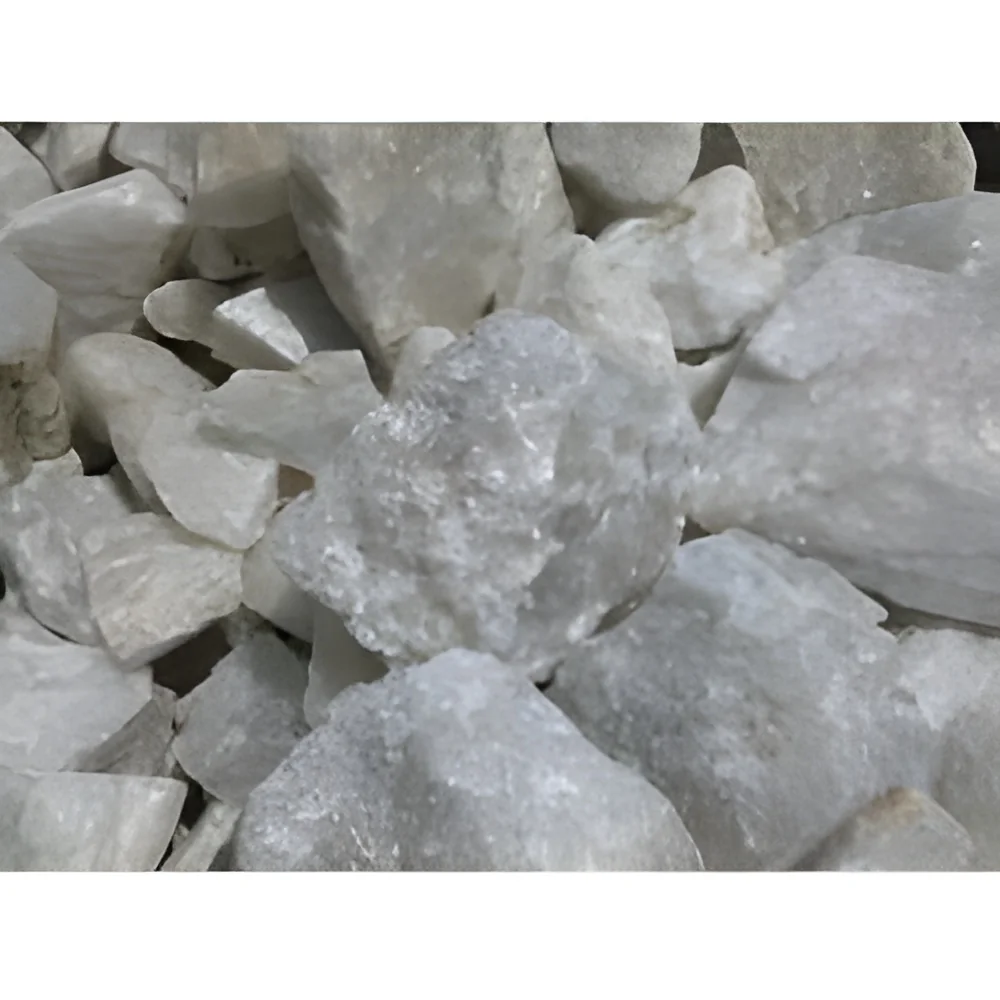
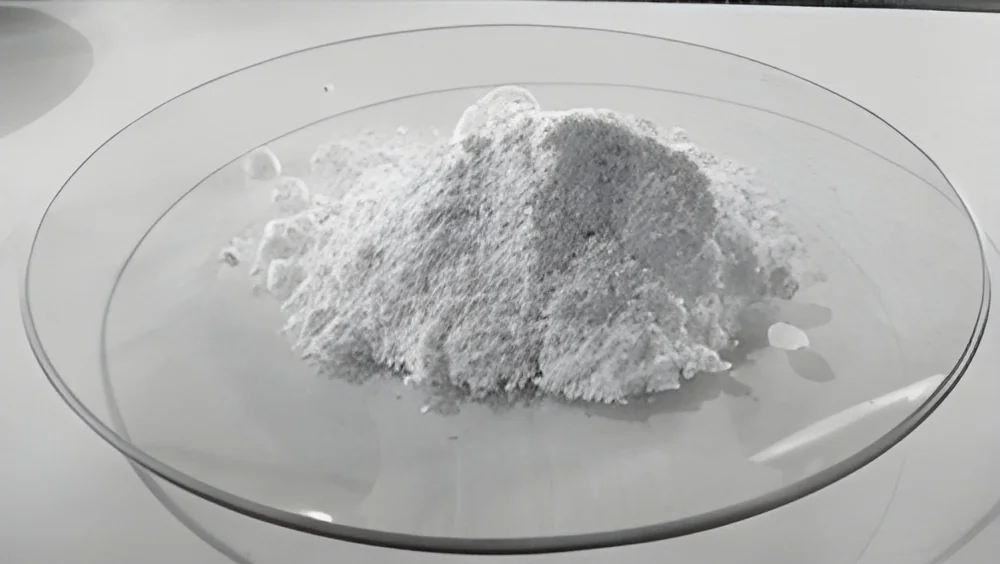
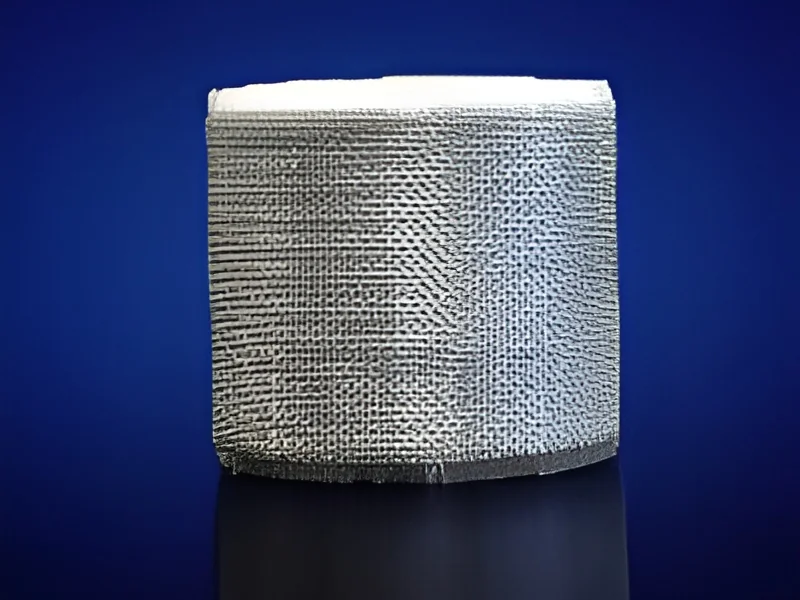
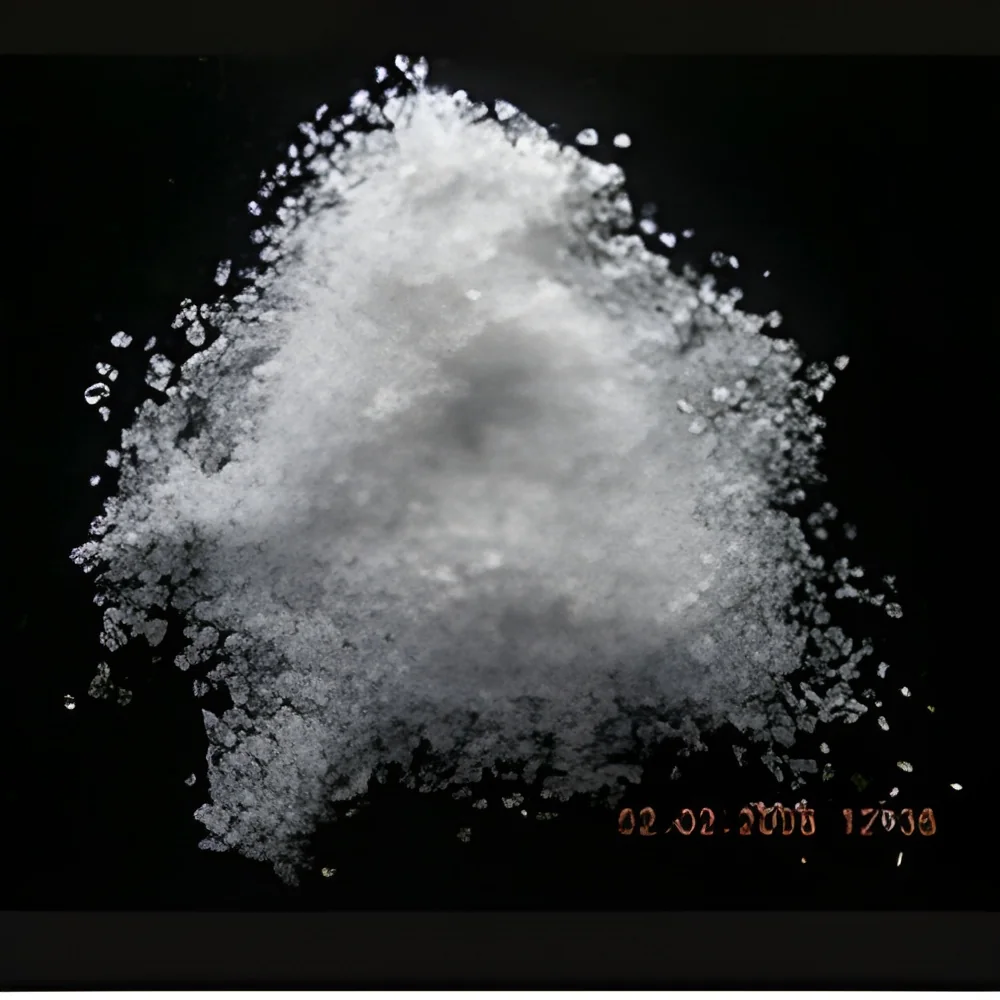
Glass raw materials are the foundational components used in the manufacturing of glass products. These materials are primarily composed of silica sand, soda ash, and limestone, which undergo a heating process to form molten glass. Additional materials, such as alumina, magnesium oxide, and coloring agents, can be incorporated to achieve specific characteristics and functionalities in the final glass product.
The primary applications of glass raw materials span various industries, including construction, automotive, electronics, and packaging. In construction, these materials are vital for producing windows, doors, and facades. In the automotive sector, they are used for windshields and other safety glass applications. The electronics industry utilizes glass in screens and components, while the packaging sector relies on glass for bottles and jars. The relevance of glass raw materials in these industries highlights their importance in modern manufacturing and construction processes.
As global demand for glass products continues to rise, the market for glass raw materials is also expanding. The increasing emphasis on sustainable and energy-efficient solutions further drives innovation and improvements in the production of glass products. This enhances the overall market context, making it crucial for businesses to understand the quality and specifications of the raw materials they source.
𝗞𝗲𝘆 𝗙𝗲𝗮𝘁𝘂𝗿𝗲𝘀 𝗮𝗻𝗱 𝗦𝗽𝗲𝗰𝗶𝗳𝗶𝗰𝗮𝘁𝗶𝗼𝗻𝘀
Glass raw materials possess specific features that make them suitable for various applications. Understanding these specifications is essential for businesses seeking high-quality materials.
Key specifications include:
1. Silica Content
- The primary component of glass, typically over 70% for standard glass types.
- Ensures transparency and strength in the final product.
2. Soda Ash Purity
- A crucial fluxing agent that lowers the melting point of silica.
- Generally requires a purity level of 99% or higher.
3. Limestone Composition
- Acts as a stabilizer and contributes to the glass's durability.
- Should be free from impurities that can affect glass quality.
4. Alumina Addition
- Enhances the thermal and chemical resistance of glass.
- Typically included in specialized glass formulations.
5. Melting Point
- The temperature at which raw materials transform into molten glass.
- Usually ranges from 1400°C to 1600°C depending on the formulation.
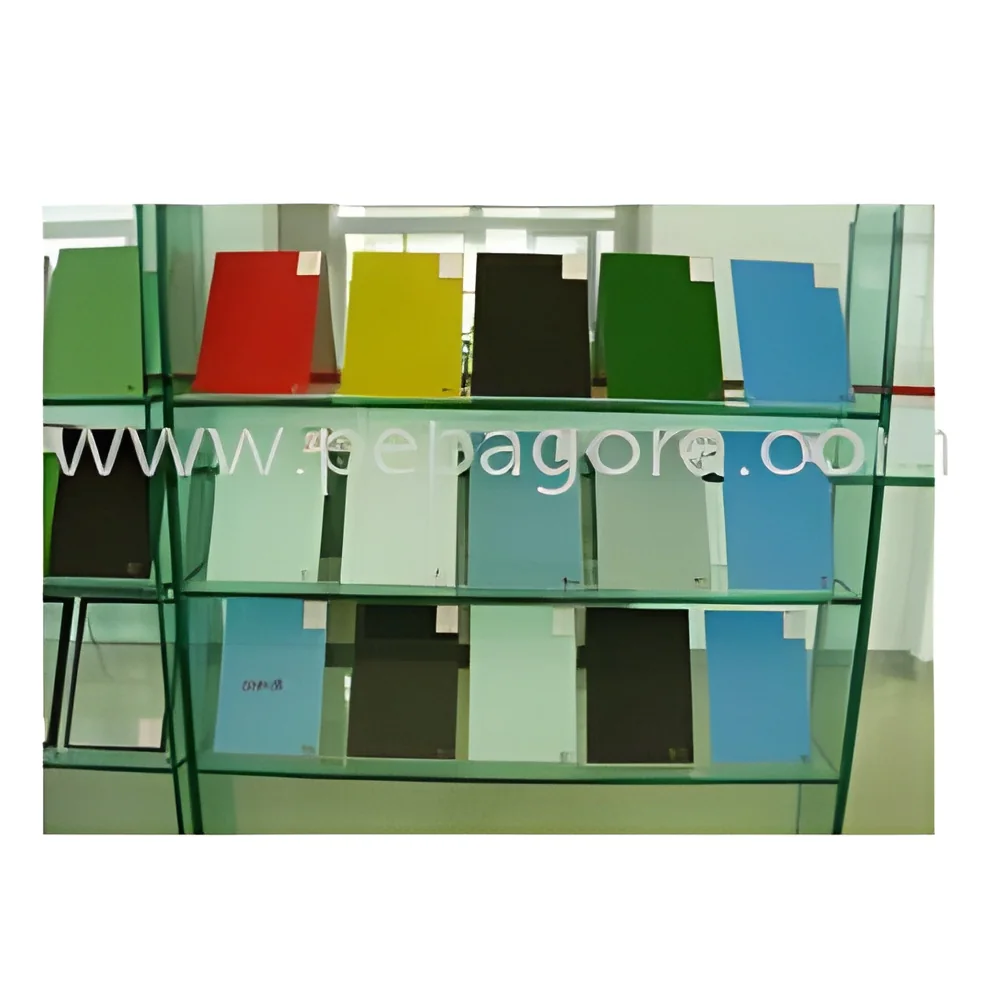
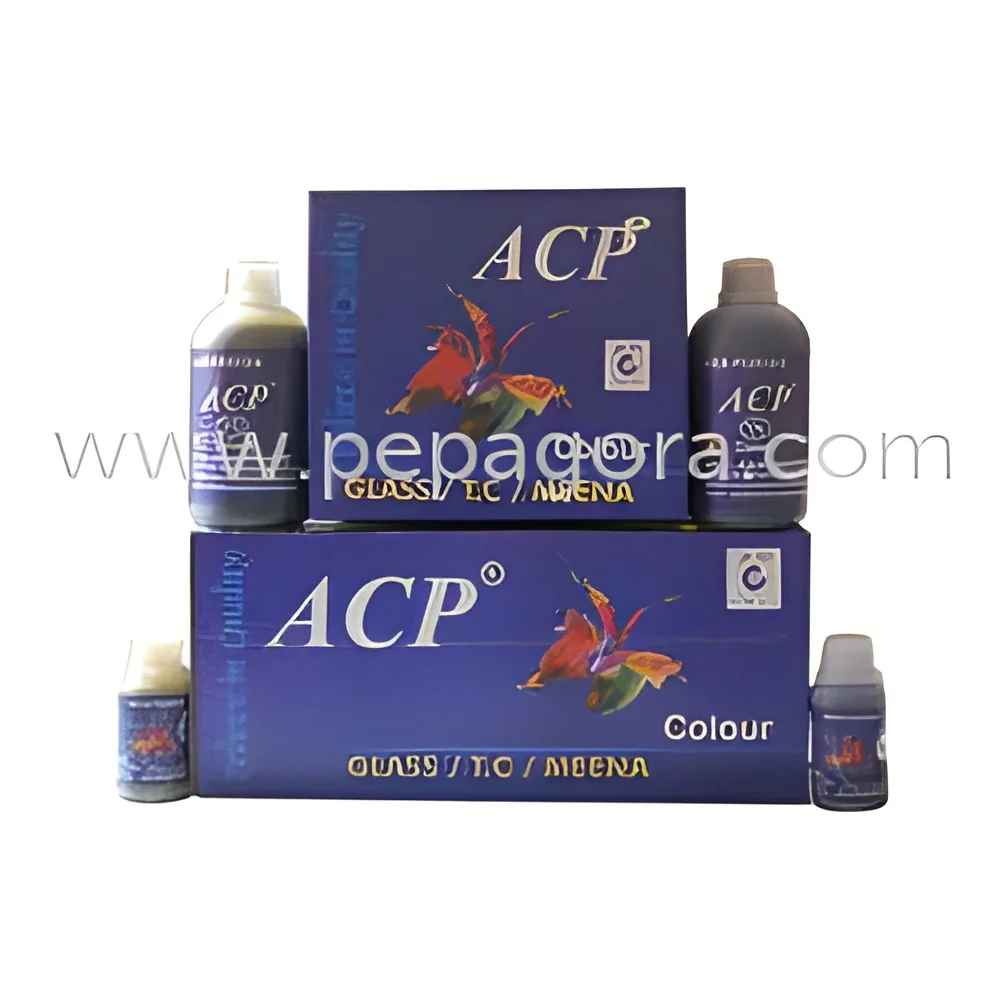
6. Colorants and Additives
- Used to achieve specific colors or properties in glass products.
- Must meet industry standards for safety and performance.
7. Granule Size Distribution
- Affects the melting process and final glass quality.
- Generally specified in microns for precise applications.
8. Contaminant Levels
- Determines the purity of the glass raw materials.
- Strict limits on heavy metals and other harmful substances are enforced.
In summary, understanding the key specifications of glass raw materials is vital for ensuring high-quality production and meeting industry standards.
𝗖𝗼𝗺𝗺𝗼𝗻 𝗔𝗽𝗽𝗹𝗶𝗰𝗮𝘁𝗶𝗼𝗻𝘀 𝗮𝗻𝗱 𝗨𝘀𝗲 𝗖𝗮𝘀𝗲𝘀
Glass raw materials serve various industries with diverse applications.
1. Construction: Used for making windows, doors, and decorative glass elements to enhance architectural aesthetics and energy efficiency.
2. Automotive: Essential for producing windshields and side windows, ensuring visibility and safety in vehicles.
3. Electronics: Utilized in screens, monitors, and other components where glass offers durability and clarity.
4. Packaging: Important in the production of glass containers, bottles, and jars, providing an eco-friendly alternative to plastic.
5. Pharmaceuticals: Used for creating vials and other containers that require chemical stability and cleanliness.
6. Optics: Critical for manufacturing lenses and prisms, enabling precision in optical devices.
7. Art Glass: Employed by artists to create decorative pieces and sculptures, showcasing creativity and craftsmanship.
𝗣𝗿𝗼𝗱𝘂𝗰𝘁 𝗩𝗮𝗿𝗶𝗮𝗻𝘁𝘀 𝗮𝗻𝗱 𝗦𝘂𝗯𝗰𝗮𝘁𝗲𝗴𝗼𝗿𝗶𝗲𝘀
The diversity of glass raw materials allows for various formulations tailored to specific needs.
Standard Silica Sand
This variant is the primary ingredient in glass production. It is characterized by its high silica content and fine granulation, essential for achieving clarity and strength in glass products.
Soda Ash
As a fluxing agent, soda ash is crucial for lowering the melting point of silica. It is available in different purities and is vital in producing a wide range of glass types.
Limestone
Used to stabilize glass and improve its durability, limestone is available in various grades, depending on the desired properties of the final glass product.
𝗕𝗲𝗻𝗲𝗳𝗶𝘁𝘀 𝗮𝗻𝗱 𝗔𝗱𝘃𝗮𝗻𝘁𝗮𝗴𝗲𝘀
Sourcing high-quality glass raw materials presents several key benefits.
1. Enhanced Product Quality: High-quality raw materials result in stronger, clearer, and more durable glass products.
2. Cost Efficiency: Using premium materials can reduce production costs by minimizing defects and waste.
3. Customization Flexibility: The ability to adjust formulations allows for tailored glass products to meet specific market demands.
4. Environmental Compliance: Sourcing from certified suppliers ensures adherence to environmental regulations, promoting sustainability.
5. Competitive Advantage: Utilizing superior raw materials positions businesses favorably in the market, enhancing brand reputation.
6. Innovation Opportunities: Access to diverse raw materials opens avenues for developing new glass products with advanced features.
𝗕𝘂𝘆𝗶𝗻𝗴 𝗚𝘂𝗶𝗱𝗲 𝗳𝗼𝗿 𝗕𝟮𝗕 𝗕𝘂𝘆𝗲𝗿𝘀
When sourcing glass raw materials, B2B buyers should consider several key factors to ensure optimal purchasing decisions.
1. Quality Assessment: Evaluate the quality of raw materials through certifications and testing reports. High purity levels and compliance with industry standards are crucial.
2. Supplier Verification: Conduct thorough research on potential suppliers, including their reputation, reliability, and history of delivering quality materials.
3. Pricing and MOQ: Understand the pricing structures and minimum order quantities set by suppliers to align with budget constraints and production needs.
4. Delivery and Lead Times: Discuss delivery schedules and lead times to ensure timely availability of materials for production processes.
5. Compliance Requirements: Be aware of any regulatory standards or certifications required for glass raw materials to meet industry specifications.
𝗖𝗼𝗺𝗽𝗹𝗶𝗮𝗻𝗰𝗲 𝗮𝗻𝗱 𝗖𝗲𝗿𝘁𝗶𝗳𝗶𝗰𝗮𝘁𝗶𝗼𝗻𝘀
Glass raw materials must adhere to various quality standards and certifications to ensure safety and performance.
ISO 9001 is a key quality management standard that outlines requirements for consistent product quality and customer satisfaction. Suppliers of glass raw materials should be certified to assure buyers of their commitment to quality.
CE marking is essential for products sold in the European market, indicating compliance with health, safety, and environmental protection standards. This certification is crucial for businesses looking to export glass products to Europe.
Safety and testing requirements must also be met to ensure that raw materials are free from hazardous substances. Regular testing for contaminants and compliance with safety regulations is necessary.
Regional compliance considerations should be taken into account, as different countries may have specific regulations governing the production and use of glass materials. Buyers should verify that their suppliers meet these regional requirements to avoid legal complications.
𝗪𝗵𝘆 𝗦𝗼𝘂𝗿𝗰𝗲 𝗚𝗹𝗮𝘀𝘀 𝗥𝗮𝘄 𝗠𝗮𝘁𝗲𝗿𝗶𝗮𝗹𝘀 𝗳𝗿𝗼𝗺 𝗣𝗲𝗽𝗮𝗴𝗼𝗿𝗮?
Pepagora provides a trusted platform for sourcing glass raw materials, offering several key advantages to B2B buyers.
Verified Supplier Network: Pepagora connects buyers with a network of verified suppliers, ensuring that all partners adhere to quality standards and industry practices. This reduces the risk of sourcing from unreliable sources.
Streamlined RFQ Process: The platform simplifies the request for quotation process, allowing buyers to easily compare offers from different suppliers. This efficiency helps businesses make informed purchasing decisions quickly.
Trade Assurance and Support: Pepagora offers trade assurance features that protect buyers throughout the transaction process. This includes support for resolving disputes and ensuring timely delivery of materials.
Regional Coverage: With a strong presence in India, the GCC, and Southeast Asia, Pepagora provides extensive geographic reach for sourcing glass raw materials. This enables businesses to access a wide range of suppliers and materials tailored to their specific needs.

 IN
IN