IN
IN₹
Apparel & Fashion
Description
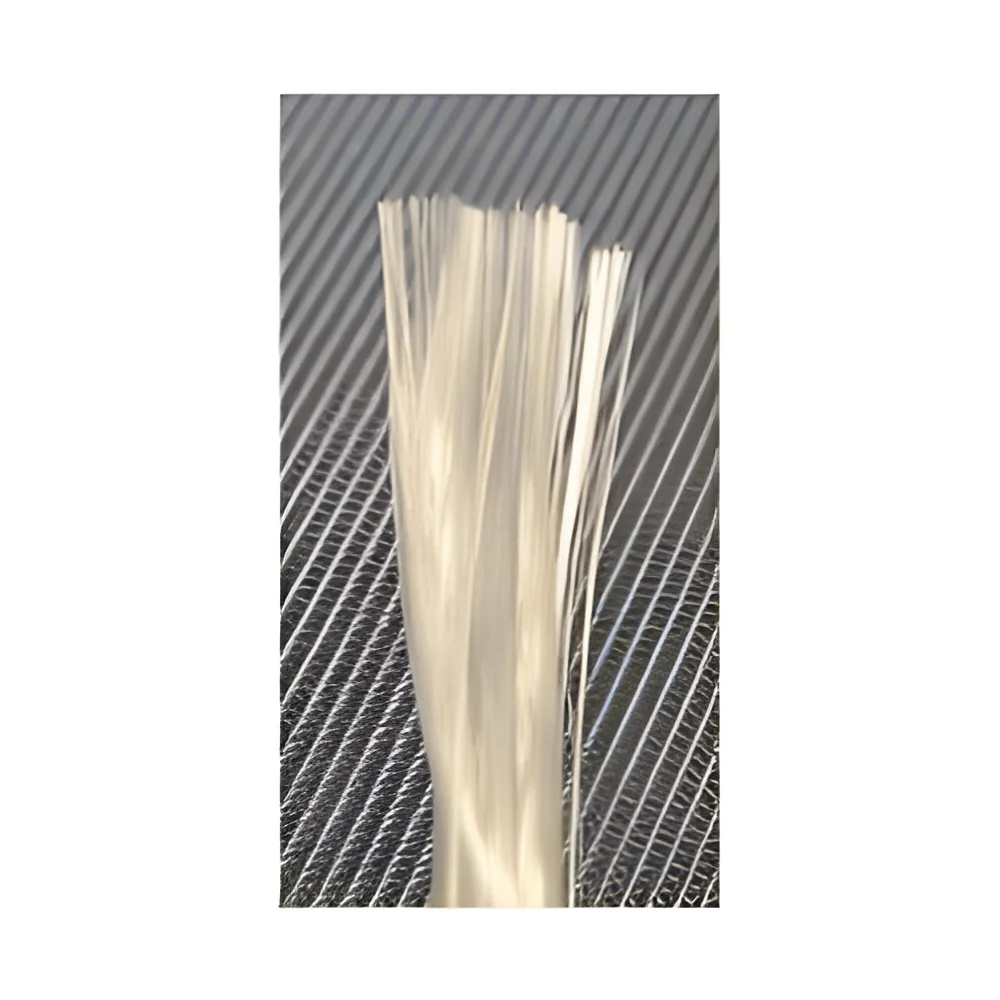
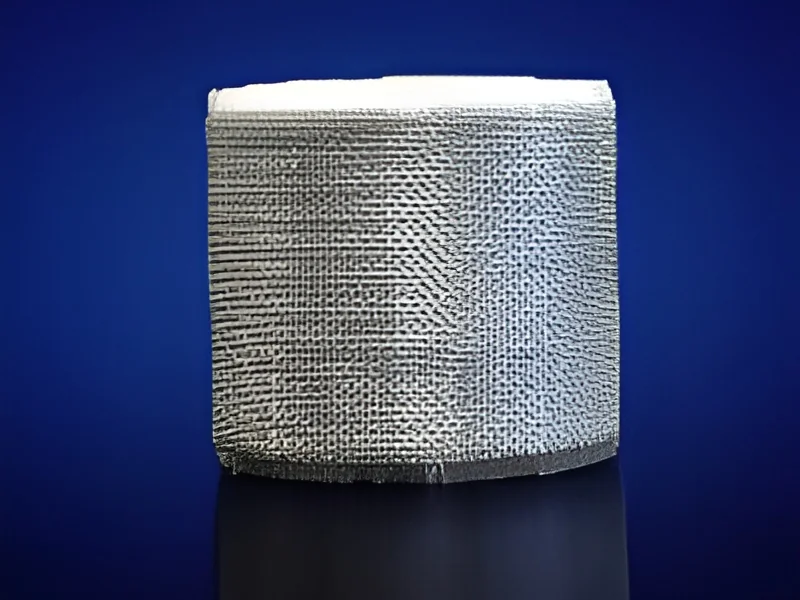
Woven roving fabric represents a high-performance composite reinforcement solution engineered through precise bidirectional weaving of continuous rovings in a plain weave pattern. This specialized construction delivers exceptional dimensional stability throughout handling, cutting, and processing stages, making it an ideal foundation for advanced composite applications. Compatible with polyester, vinyl ester, and epoxy resin systems, it offers manufacturers remarkable versatility across different production methodologies. The fabric's consistent quality and reliable performance characteristics make it suitable for both skilled hand lay-up techniques and automated machine processes, delivering superior strength-to-weight ratios and durability in finished composite products. Its adaptability to various resin chemistries and manufacturing approaches establishes woven roving as a fundamental component in modern composite material science.

This reinforcement fabric serves critical function...
Woven roving fabric represents a high-performance composite reinforcement solution engineered through precise bidirectional weaving of continuous rovings in a plain weave pattern. This specialized construction delivers exceptional dimensional stability throughout handling, cutting, and processing stages, making it an ideal foundation for advanced composite applications. Compatible with polyester, vinyl ester, and epoxy resin systems, it offers manufacturers remarkable versatility across different production methodologies. The fabric's consistent quality and reliable performance characteristics make it suitable for both skilled hand lay-up techniques and automated machine processes, delivering superior strength-to-weight ratios and durability in finished composite products. Its adaptability to various resin chemistries and manufacturing approaches establishes woven roving as a fundamental component in modern composite material science.

This reinforcement fabric serves critical functions across multiple industrial sectors due to its balanced mechanical properties. In marine applications, it forms the structural backbone for boat hulls, decks, and marine components requiring exceptional strength and water resistance. The automotive industry utilizes woven roving for manufacturing lightweight body panels, structural reinforcements, and interior components that must meet rigorous safety and durability standards. Renewable energy sectors employ this material in wind turbine blades where fatigue resistance and long-term reliability are paramount. Construction and infrastructure projects benefit from its use in bridge components, architectural elements, and roofing systems requiring durable composite solutions. Chemical processing industries rely on woven roving for storage tanks and piping systems that demand corrosion resistance and structural integrity in challenging environments.

The business value of woven roving fabric centers on its proven reliability, consistent quality, and performance predictability that manufacturers can depend on throughout production cycles. This reliability translates to reduced production delays, minimized material waste, and consistent meeting of project specifications across batches. The material's compatibility with multiple resin systems and processing methods streamlines manufacturing operations, lowering operational complexities and increasing production efficiency. Its inherent strength and durability contribute to extended product lifecycles for end-users, reducing maintenance requirements and replacement costs over time. These combined factors make woven roving a trusted investment for businesses focused on delivering high-quality composite products while maintaining competitive operational advantages in their respective markets.

Key Features:
- Bidirectional plain weave construction providing excellent dimensional stability and handling characteristics.
- Full compatibility with polyester, vinyl ester, and epoxy resin systems for manufacturing flexibility.
- High tensile strength and durability suitable for demanding structural applications.
- Consistent quality and reliable performance across production batches and processes.
- Suitable for both manual hand lay-up techniques and automated machine processing methods.

Benefits:
- Enhanced structural integrity in finished composites through reliable reinforcement properties.
- Manufacturing flexibility through compatibility with multiple resin systems and processing techniques.
- Reduced production complexities and material waste through predictable handling characteristics.
- Extended product lifecycle and reduced maintenance requirements for end-use applications.
- Consistent quality assurance that supports reliable project outcomes and specifications compliance.
Specifications
| Additional Information | |
|---|---|
| Country of Origin | India |
Application
Woven roving fabric provides exceptional dimensional stability and ease of handling during composite fabrication processes. Its robust bidirectional construction ensures consistent performance across both manual lay-up and automated machine applications, making it a reliable choice for manufacturers seeking efficiency and predictable results in production environments. This versatile reinforcement material works seamlessly with multiple resin systems including polyester, vinyl ester, and epoxy, offering flexibility across different manufacturing setups. Industries from marine to infrastructure rely on its strength, durability, and ability to conform to complex shapes while maintaining structural integrity in demanding conditions.
Real-world applications:
- Marine boat hull and deck construction for enhanced strength and water resistance in vessels.
- Automotive body panels and structural components to reduce weight while maintaining crash durability.
- Wind turbine blade reinforcement for improved fatigue resistance and longer operational lifespan.
- Chemical storage tanks and piping systems requiring corrosion-resistant composite solutions.
- Infrastructure projects including bridges and roofing systems needing durable composite reinforcement.
Trade Details
| Available Stock | In Stock |
| Sample Availability | No |
Payment Terms
| Payment Terms |
|
Company Profile
Anuj Fibre, Maharashtra
 Maharashtra, India
Maharashtra, IndiaManufacturer•Distributor / Wholesaler
Factory Details
Factory Size1000-5000 sqm
Annual Production Capacity0
Main Markets
North America
Oceania
Northern Europe
South America
Mid East
Southern Europe
Eastern Europe
Eastern Asia
South Asia
Southeast Asia
Western Europe
Africa
Central America
Domestic
Woven Roving Fabric For Composite Reinforcement With Polyester Vinyl Ester Epoxy Resins
Premium woven roving fabric for composite reinforcement with polyester vinyl ester epoxy resins. Ideal for marine, automotive, and construction industries. Durable, reliable for high-performance applications.
Min. Order Quantity: 1 unit
Shipping
Shipping fee and delivery date to be negotiated. Contact supplier now for more details.
Anuj Fibre
 Maharashtra, India
Maharashtra, IndiaManufacturer