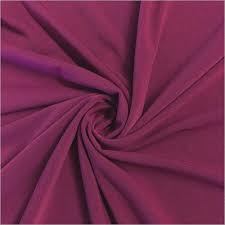
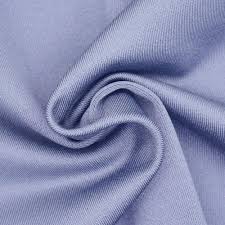
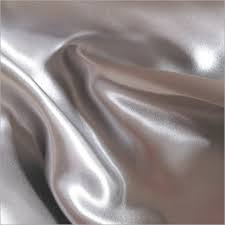
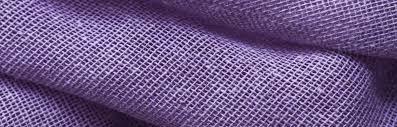
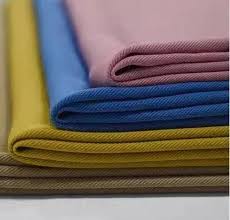
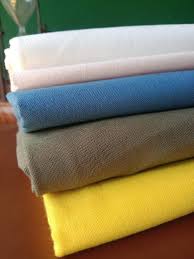
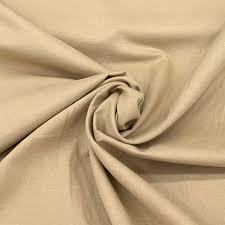
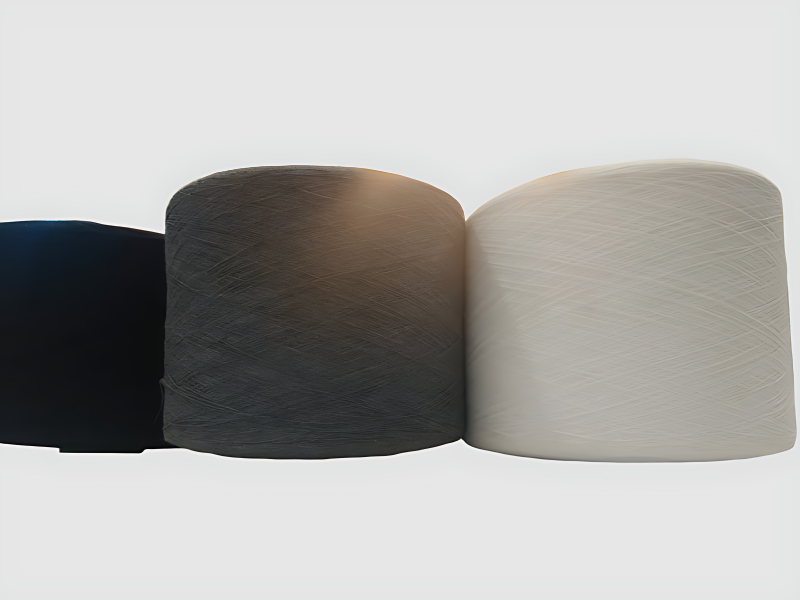
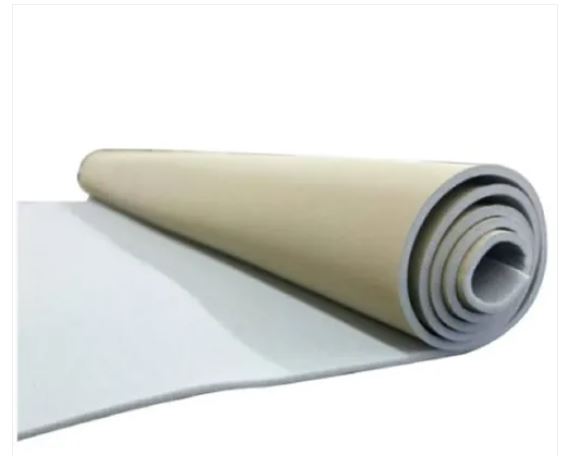
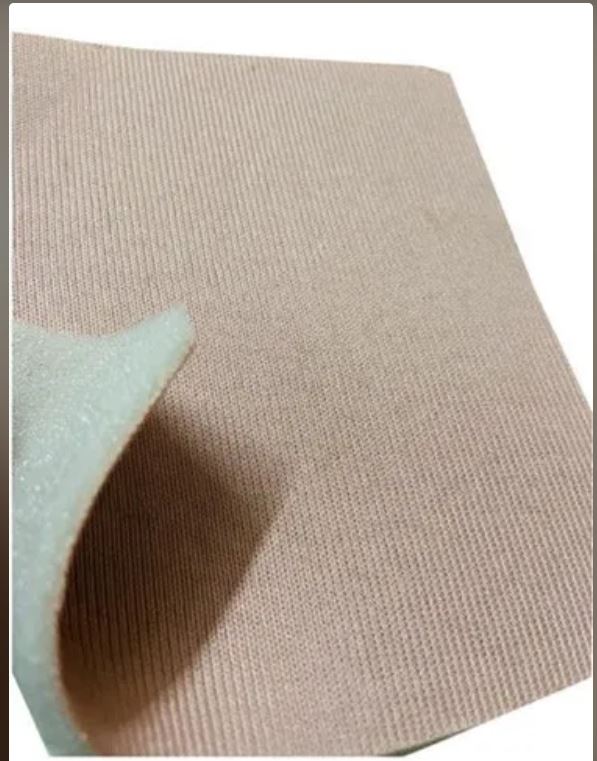
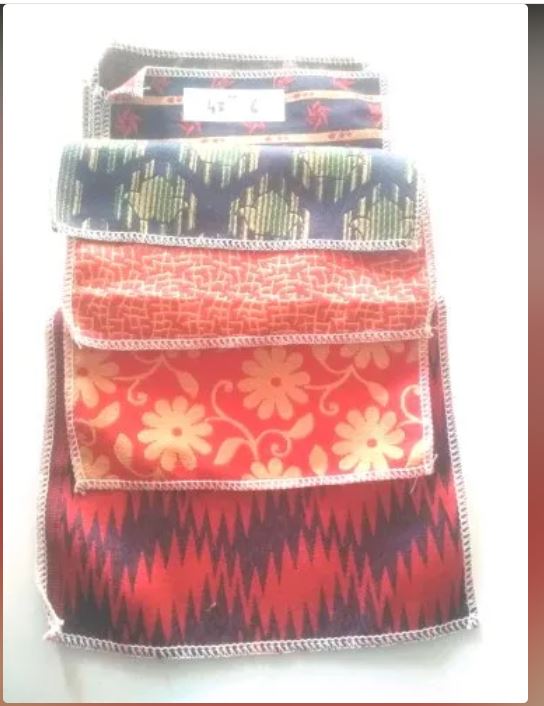
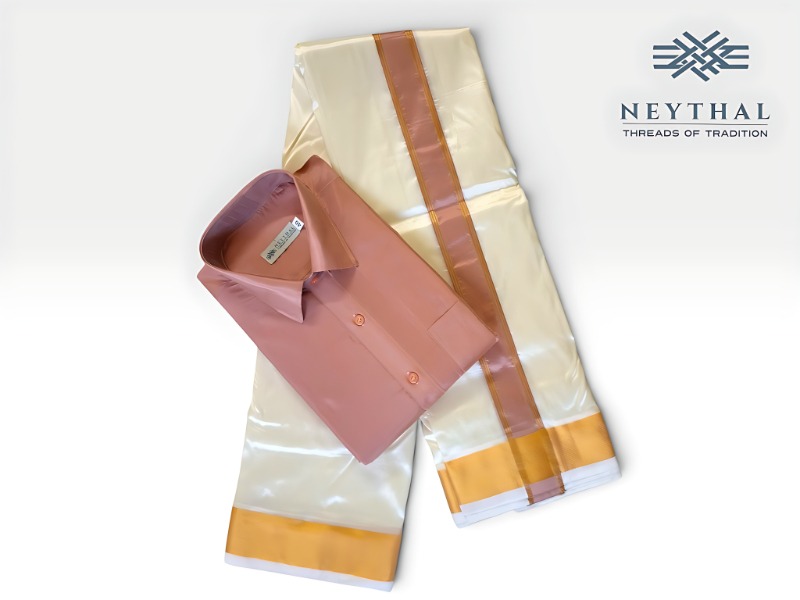
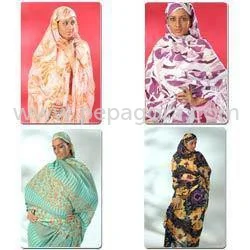
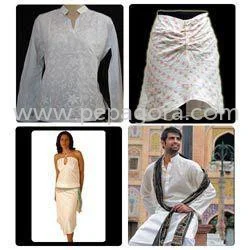
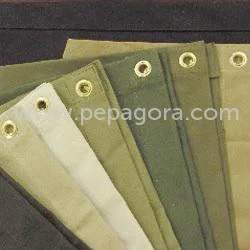
𝗪𝗵𝗮𝘁 𝗮𝗿𝗲 𝗖𝗼𝘁𝘁𝗼𝗻, 𝗟𝗶𝗻𝗲𝗻, 𝗪𝗼𝗼𝗹, 𝗦𝗶𝗹𝗸, 𝗥𝗮𝘆𝗼𝗻?
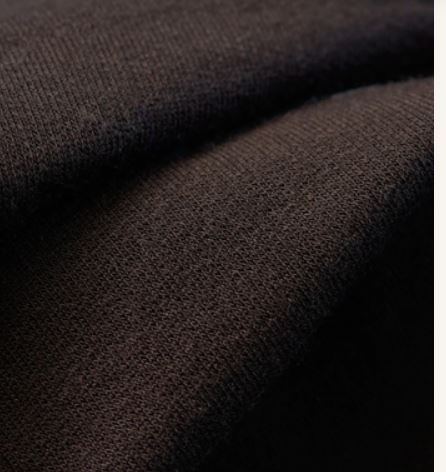
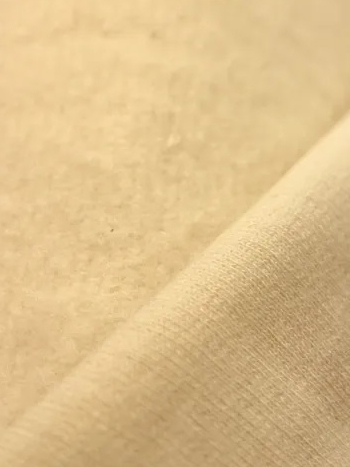
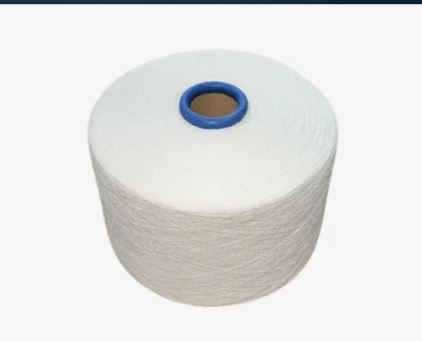
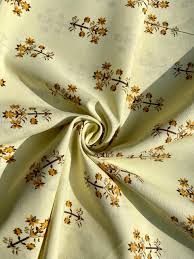
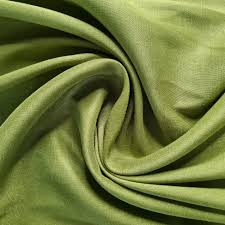
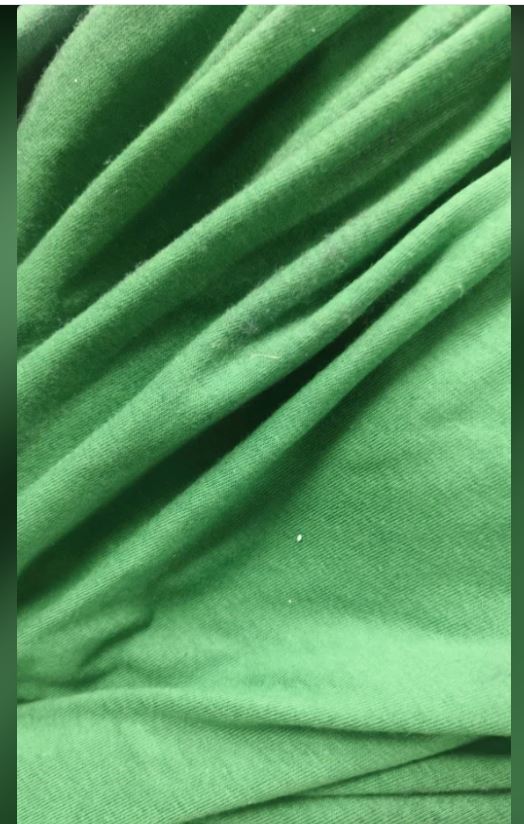
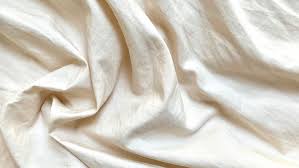
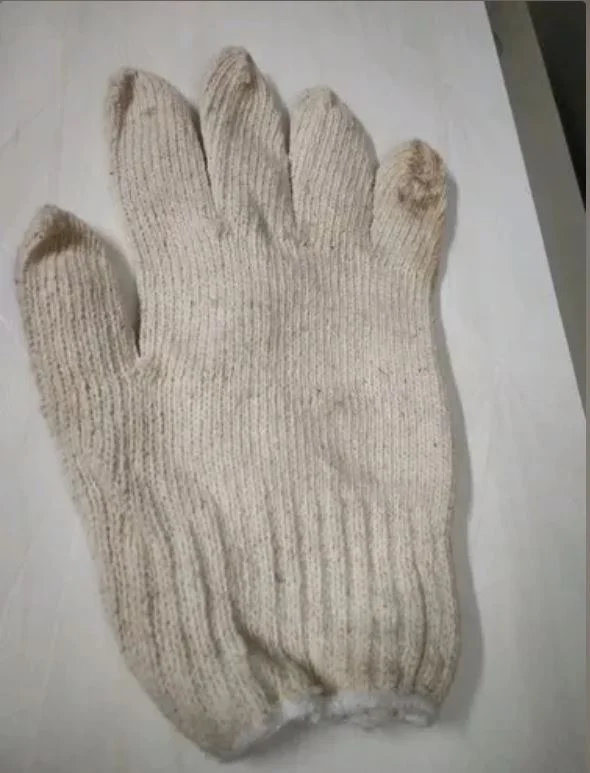
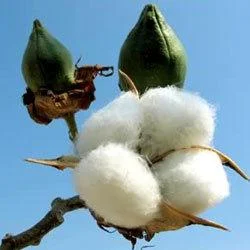
Cotton, Linen, Wool, Silk, and Rayon are natural and semi-synthetic fibers widely used in various industries. Cotton is a soft, fluffy staple fiber that grows in a protective casing around the seeds of the cotton plant. Linen, derived from the flax plant, is known for its strength and breathability. Wool, sourced from sheep and other animals, provides warmth and resilience. Silk is a luxurious fiber produced by silkworms, renowned for its softness and sheen. Rayon, a semi-synthetic fiber made from regenerated cellulose, offers versatility in textile applications.
These fibers have distinct properties that make them suitable for numerous applications across different sectors. Cotton is commonly used in clothing, home textiles, and medical supplies. Linen finds its place in high-end apparel and home décor. Wool is favored for winter clothing, carpets, and insulation materials. Silk is often used in luxury fashion and upholstery. Rayon is employed in garments, linings, and home textiles, thanks to its silk-like appearance.
In terms of market relevance, these fibers are fundamental to the textile industry, which is a major component of global trade. The rise of sustainable practices has prompted renewed interest in natural fibers, as businesses and consumers seek eco-friendly options. This shift has led to innovations in production processes, enhancing the appeal of these materials in a competitive marketplace.
𝗞𝗲𝘆 𝗙𝗲𝗮𝘁𝘂𝗿𝗲𝘀 𝗮𝗻𝗱 𝗦𝗽𝗲𝗰𝗶𝗳𝗶𝗰𝗮𝘁𝗶𝗼𝗻𝘀
Understanding the features and specifications of Cotton, Linen, Wool, Silk, and Rayon is essential for B2B buyers. Each fiber has unique characteristics that influence its applications and performance.
Key specifications include:
1. Fiber Composition
- Cotton is 100% natural fiber.
- Linen is derived from flax plants.
- Wool is composed of protein fibers from sheep.
- Silk is produced by silkworms.
- Rayon is made from regenerated cellulose.
2. Durability
- Cotton offers moderate strength and durability.
- Linen is exceptionally strong, typically lasting longer than cotton.
- Wool is resilient and retains shape well.
- Silk is strong but can be delicate.
- Rayon has moderate durability, affected by moisture levels.
3. Moisture Absorption
- Cotton absorbs moisture effectively, making it comfortable.
- Linen has excellent moisture-wicking properties.
- Wool can absorb moisture while maintaining warmth.
- Silk has low moisture absorption but feels cool against the skin.
- Rayon is breathable and absorbs moisture well.
4. Care Requirements
- Cotton is machine washable and durable.
- Linen requires careful washing to maintain quality.
- Wool needs special washing or dry cleaning.
- Silk requires gentle care and often dry cleaning.
- Rayon is sensitive to water and may require dry cleaning.
5. Heat Resistance
- Cotton withstands high temperatures.
- Linen can tolerate heat well but can wrinkle easily.
- Wool is naturally fire-resistant.
- Silk can be damaged by high heat.
- Rayon may shrink or lose shape at high temperatures.
6. Cost Range
- Cotton prices vary depending on quality and type.
- Linen is generally more expensive due to its production process.
- Wool costs fluctuate based on breed and market demand.
- Silk is one of the most expensive fibers.
- Rayon is typically more affordable.
In summary, each fiber has its unique specifications that influence its application and suitability for various projects. Understanding these features can help businesses make informed decisions when sourcing materials.
𝗖𝗼𝗺𝗺𝗼𝗻 𝗔𝗽𝗽𝗹𝗶𝗰𝗮𝘁𝗶𝗼𝗻𝘀 𝗮𝗻𝗱 𝗨𝘀𝗲 𝗖𝗮𝘀𝗲𝘀
Cotton, Linen, Wool, Silk, and Rayon find applications across numerous industries, each serving distinct purposes.
1. Fashion Industry: Cotton is widely used in casual wear, while Linen is preferred for summer clothing. Wool is essential for winter apparel, and Silk is sought after for high-end fashion items.
2. Home Textiles: Cotton is popular for bed linens and towels. Linen is favored for tablecloths and curtains. Wool is used in rugs and throws, while Silk enhances luxury bedding.
3. Medical Sector: Cotton is utilized in bandages and dressings due to its softness and absorbency. Wool is used in thermal blankets. Rayon is applied in surgical dressings.
4. Automotive Industry: Wool and Rayon are used in car interiors for their durability and comfort. Linen is employed in upholstery for high-end vehicles.
5. Upholstery and Furnishings: Cotton and Linen are commonly used in furniture coverings. Wool adds warmth, while Silk provides a luxurious finish.
6. Industrial Applications: Cotton is used in industrial textiles, while Rayon serves in insulation materials. Wool is utilized in protective gear.
7. Home Décor: Cotton and Linen are popular in cushions and curtains. Silk adds elegance to decorative pieces.
𝗣𝗿𝗼𝗱𝘂𝗰𝘁 𝗩𝗮𝗿𝗶𝗮𝗻𝘁𝘀 𝗮𝗻𝗱 𝗦𝘂𝗯𝗰𝗮𝘁𝗲𝗴𝗼𝗿𝗶𝗲𝘀
The diversity of Cotton, Linen, Wool, Silk, and Rayon allows for various product variants tailored to specific needs.
Cotton Variants: Different types of cotton, such as organic cotton, are available for eco-conscious customers. Each variant offers unique benefits, including softness and breathability.
Linen Variants: Varieties of linen, such as pure linen and blended options, cater to different applications. Pure linen is strong and durable, while blended versions provide cost-effectiveness.
Wool Variants: Wool variants include merino, cashmere, and alpaca, each with distinct qualities. Merino is soft and fine, while cashmere is luxurious and warm.
Silk Variants: Different types of silk, including charmeuse and chiffon, are available. Charmeuse is smooth and glossy, ideal for formal wear, while chiffon is lightweight and airy.
Rayon Variants: Rayon variants include viscose and modal, known for their softness and draping qualities. Viscose mimics silk, while modal offers enhanced durability.
𝗕𝗲𝗻𝗲𝗳𝗶𝘁𝘀 𝗮𝗻𝗱 𝗔𝗱𝘃𝗮𝗻𝘁𝗮𝗴𝗲𝘀
Sourcing Cotton, Linen, Wool, Silk, and Rayon offers several benefits to businesses.
Key benefits include:
1. Versatility: These fibers can be used across various applications, from apparel to industrial textiles.
2. Comfort: Natural fibers like Cotton and Wool provide comfort against the skin, making them ideal for clothing.
3. Sustainability: Many of these fibers, especially Cotton and Linen, can be sourced sustainably, appealing to eco-conscious consumers.
4. Durability: Fibers like Linen and Wool are known for their strength, providing long-lasting products.
5. Aesthetic Appeal: Silk and high-quality Cotton offer a luxurious finish, enhancing the visual appeal of products.
6. Moisture Management: Natural fibers excel in moisture absorption, making them suitable for various climates and applications.
𝗕𝘂𝘆𝗶𝗻𝗴 𝗚𝘂𝗶𝗱𝗲 𝗳𝗼𝗿 𝗕𝟮𝗕 𝗕𝘂𝘆𝗲𝗿𝘀
When sourcing Cotton, Linen, Wool, Silk, and Rayon, businesses should consider several important factors.
1. Quality Assessment: Evaluate the fiber's quality by examining its composition, strength, and finish. Look for certifications that ensure reliable quality.
2. Supplier Verification: Vet suppliers by reviewing their credentials and reputation in the industry. Confirm their production practices and compliance with standards.
3. Pricing and MOQ: Understand the pricing structure and minimum order quantities to ensure budget alignment. Consider bulk purchasing for cost savings.
4. Delivery and Lead Times: Clarify delivery schedules and lead times to ensure timely production and project completion. Factor in potential delays when planning.
5. Compliance Requirements: Be aware of regulatory compliance related to textile sourcing, including safety standards and environmental regulations. Ensure suppliers meet these requirements.
𝗖𝗼𝗺𝗽𝗹𝗶𝗮𝗻𝗰𝗲 𝗮𝗻𝗱 𝗖𝗲𝗿𝘁𝗶𝗳𝗶𝗰𝗮𝘁𝗶𝗼𝗻𝘀
Cotton, Linen, Wool, Silk, and Rayon must adhere to various quality standards and certifications to ensure safety and reliability in the marketplace.
Relevant quality standards include ISO 9001, which ensures quality management systems are in place. Compliance with HACCP (Hazard Analysis Critical Control Point) is essential in medical and food-related applications, ensuring product safety.
Industry certifications such as CE indicate compliance with European safety standards. These certifications assure buyers of the materials' quality and safety.
Safety and testing requirements vary depending on the application but often include flammability tests and durability assessments. It is crucial to verify that products meet these safety standards.
Regional compliance considerations can impact sourcing decisions, as different regions may have specific regulations. Understanding these requirements is vital to avoid compliance issues.
𝗪𝗵𝘆 𝗦𝗼𝘂𝗿𝗰𝗲 𝗖𝗼𝘁𝘁𝗼𝗻, 𝗟𝗶𝗻𝗲𝗻, 𝗪𝗼𝗼𝗹, 𝗦𝗶𝗹𝗸, 𝗥𝗮𝘆𝗼𝗻 𝗳𝗿𝗼𝗺 𝗣𝗲𝗽𝗮𝗴𝗼𝗿𝗮?
Pepagora provides a trusted platform for sourcing Cotton, Linen, Wool, Silk, and Rayon, offering several key advantages to B2B buyers.
The Verified Supplier Network ensures that businesses connect with reputable suppliers who adhere to industry standards. This verification process helps mitigate risks associated with sourcing.
The Streamlined RFQ Process simplifies the quotation system, allowing buyers to easily request information and receive competitive pricing. This efficiency helps businesses make quicker purchasing decisions.
Trade Assurance and Support provide an added layer of security for buyers, ensuring that their transactions are protected. This support fosters trust and confidence in the sourcing process.
With Regional Coverage extending across India, the GCC, and Southeast Asia, Pepagora enables businesses to tap into diverse markets. This geographic reach provides a wide array of options for sourcing quality materials.

 IN
IN