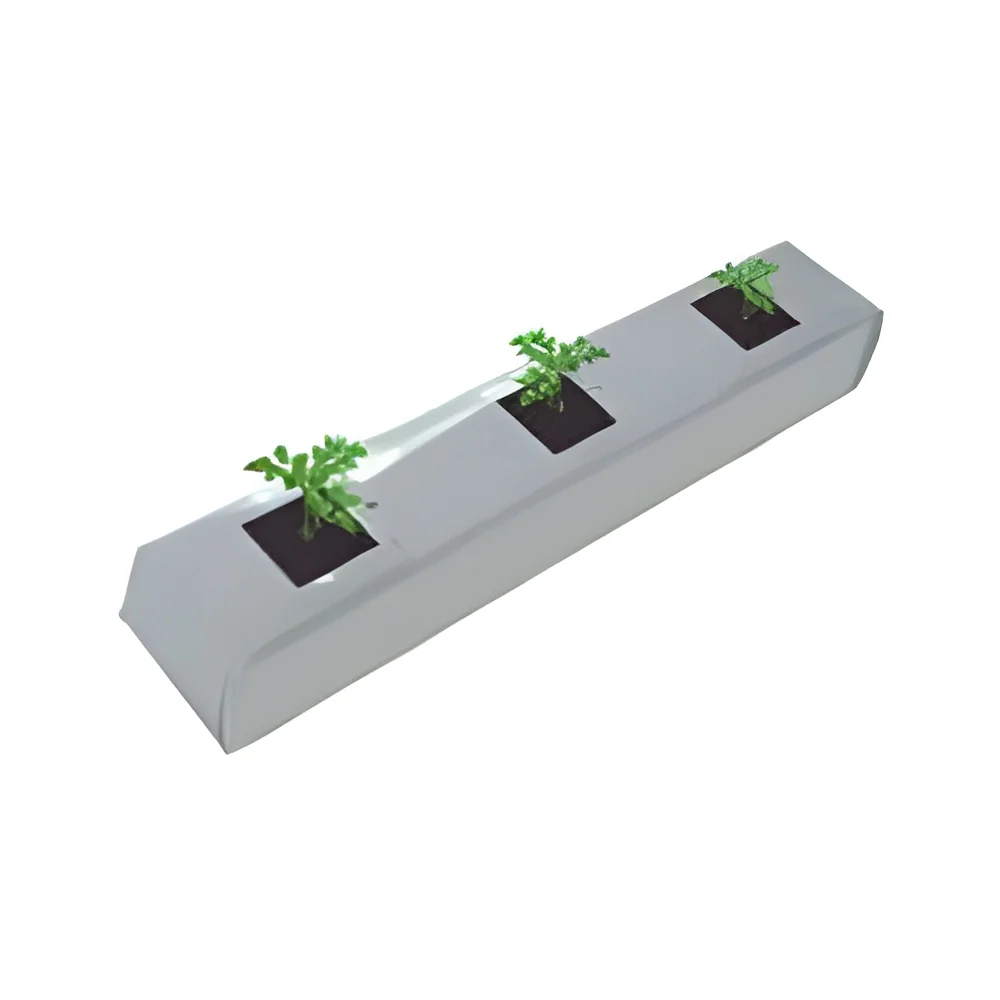
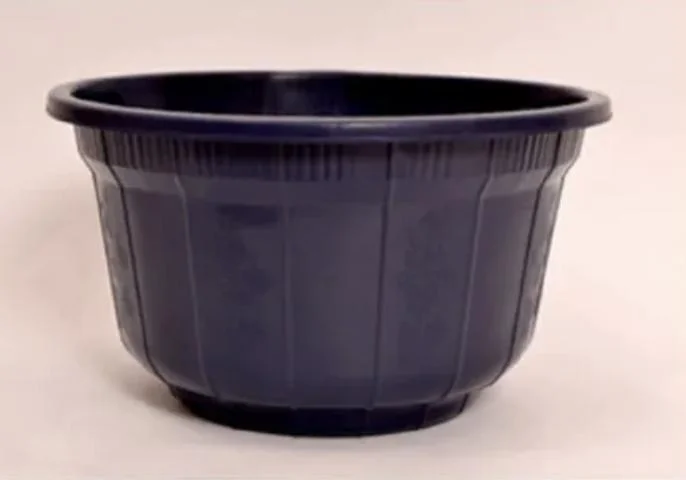
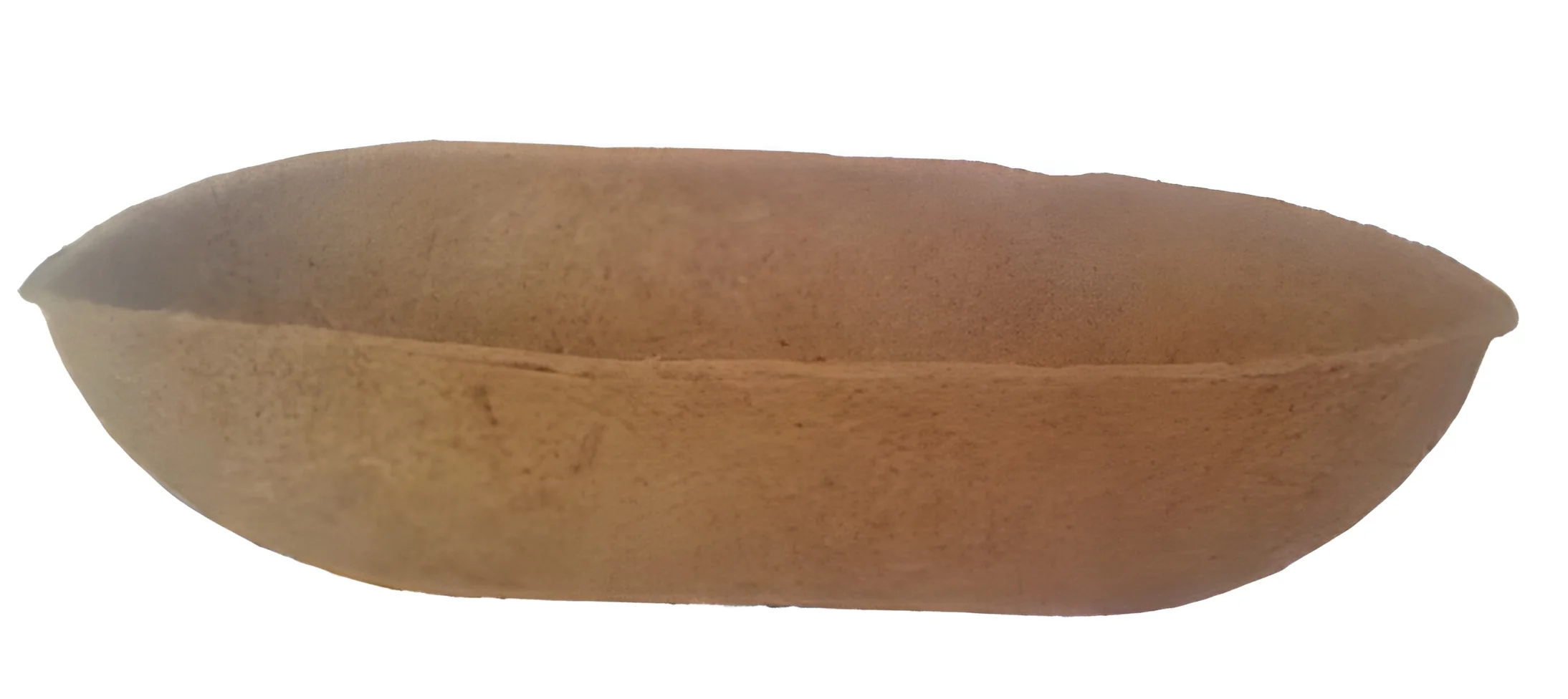
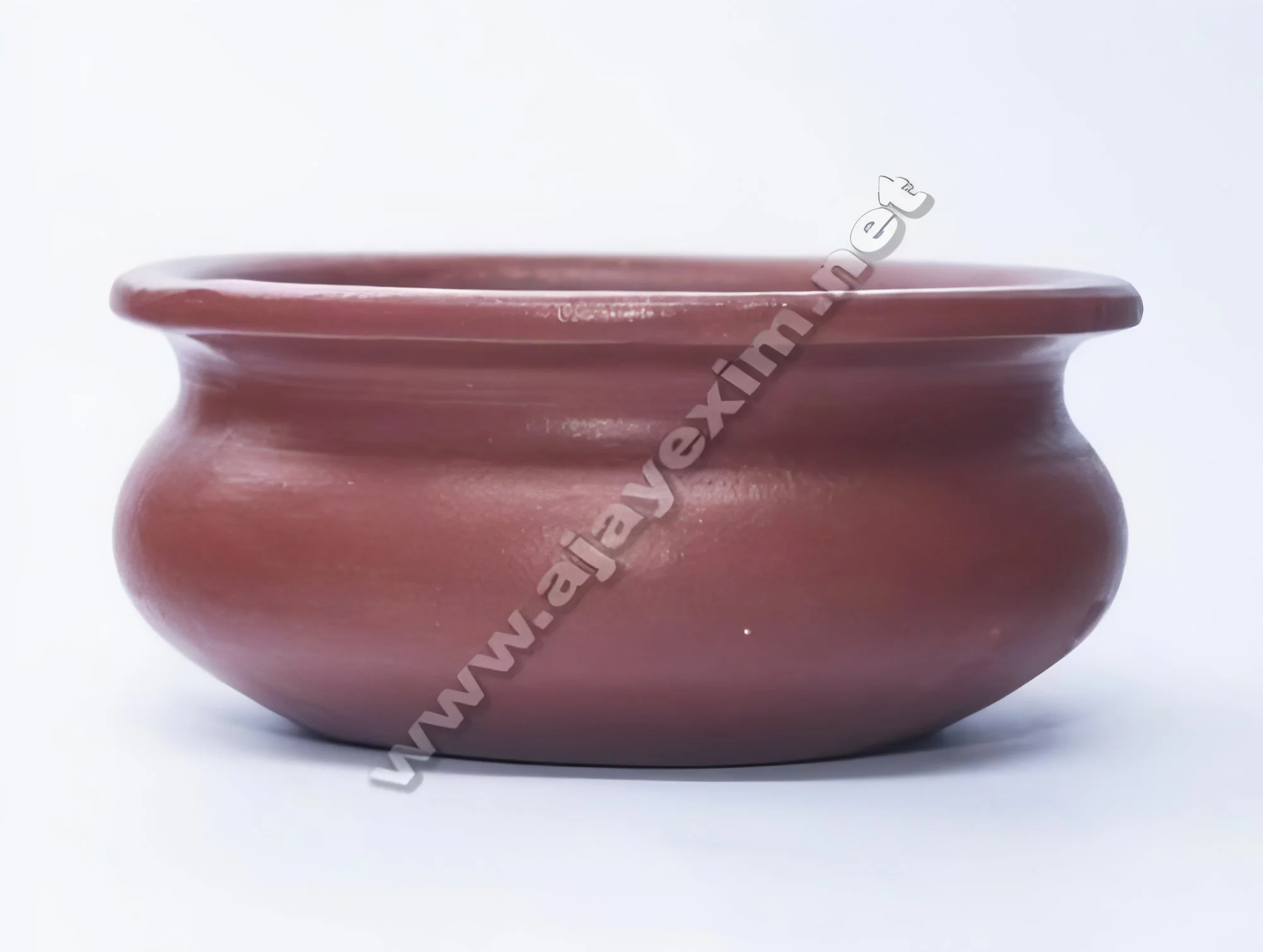
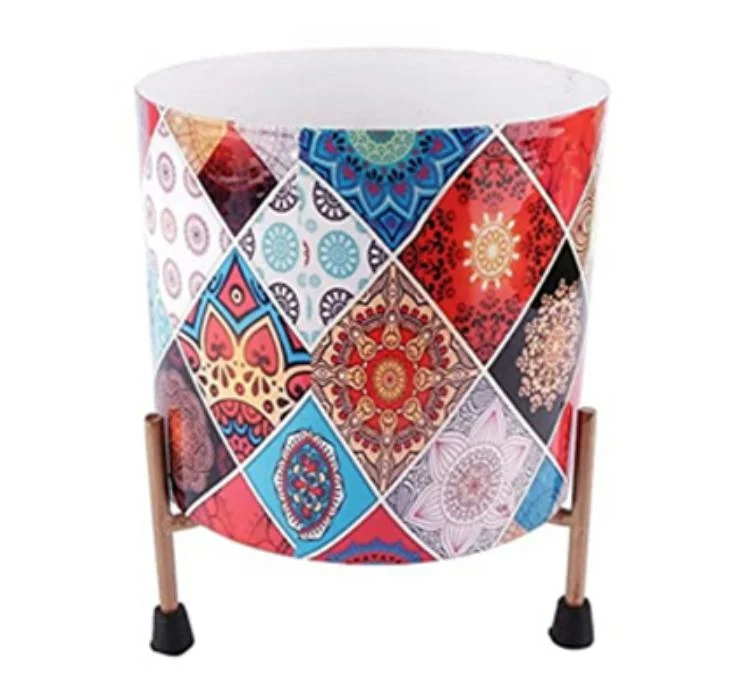
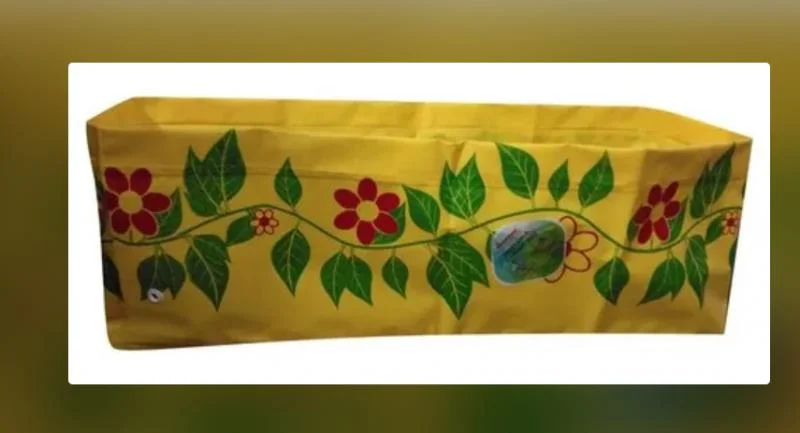
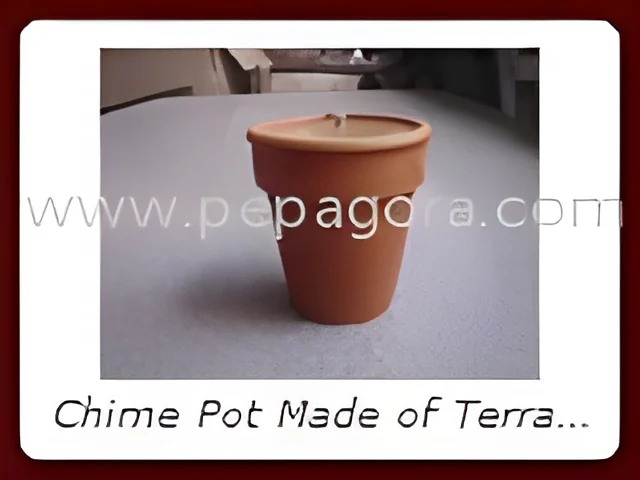
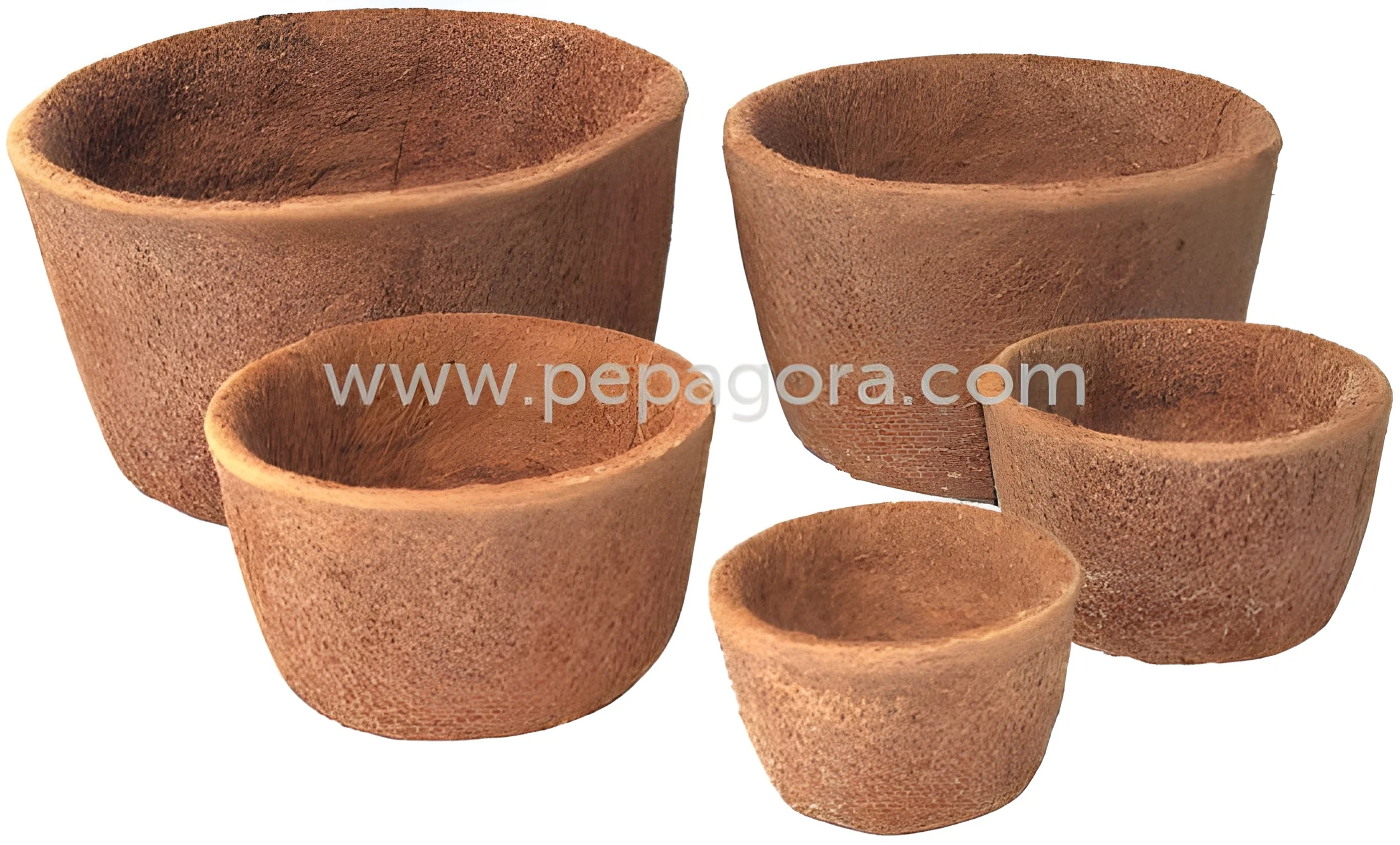
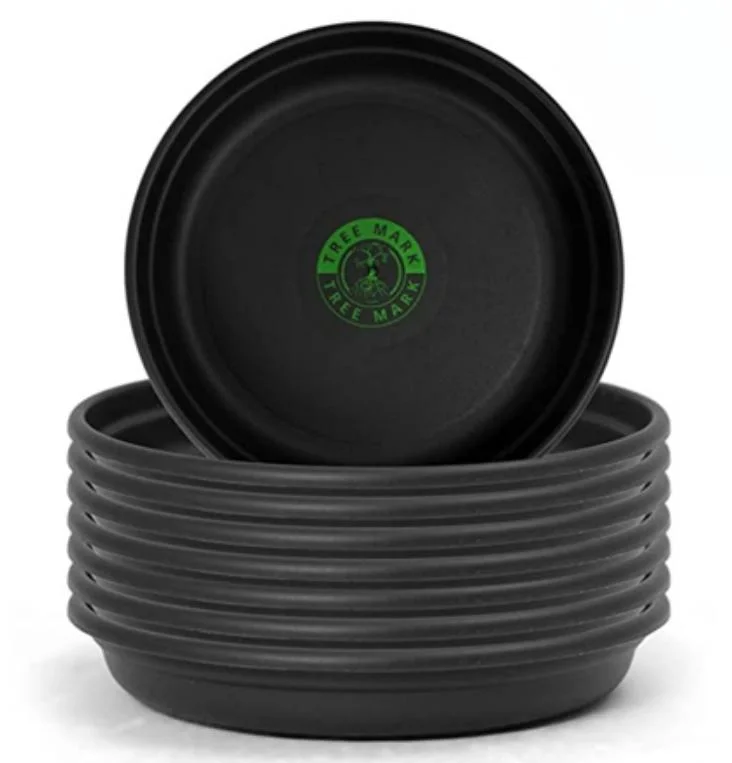
𝗪𝗵𝗮𝘁 𝗮𝗿𝗲 𝗣𝗹𝗮𝗻𝘁𝗲𝗿𝘀 & 𝗣𝗼𝘁𝘀?
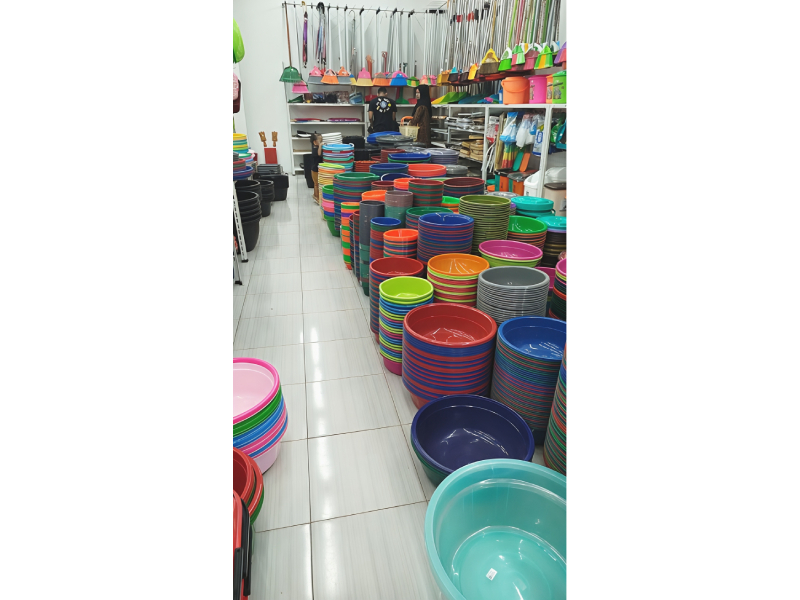
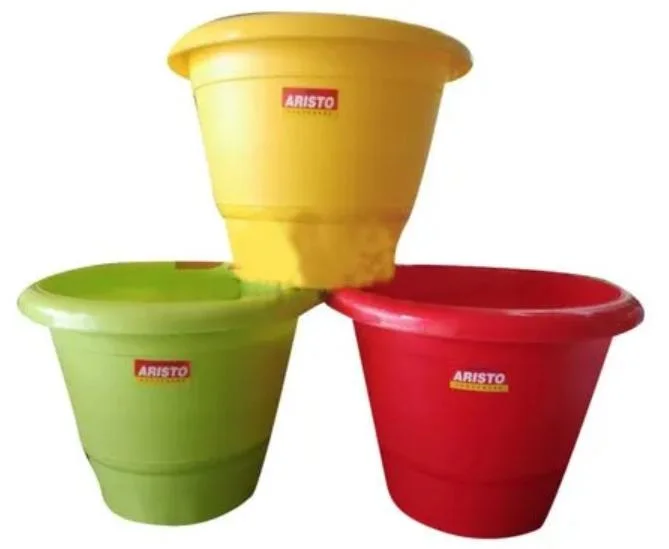
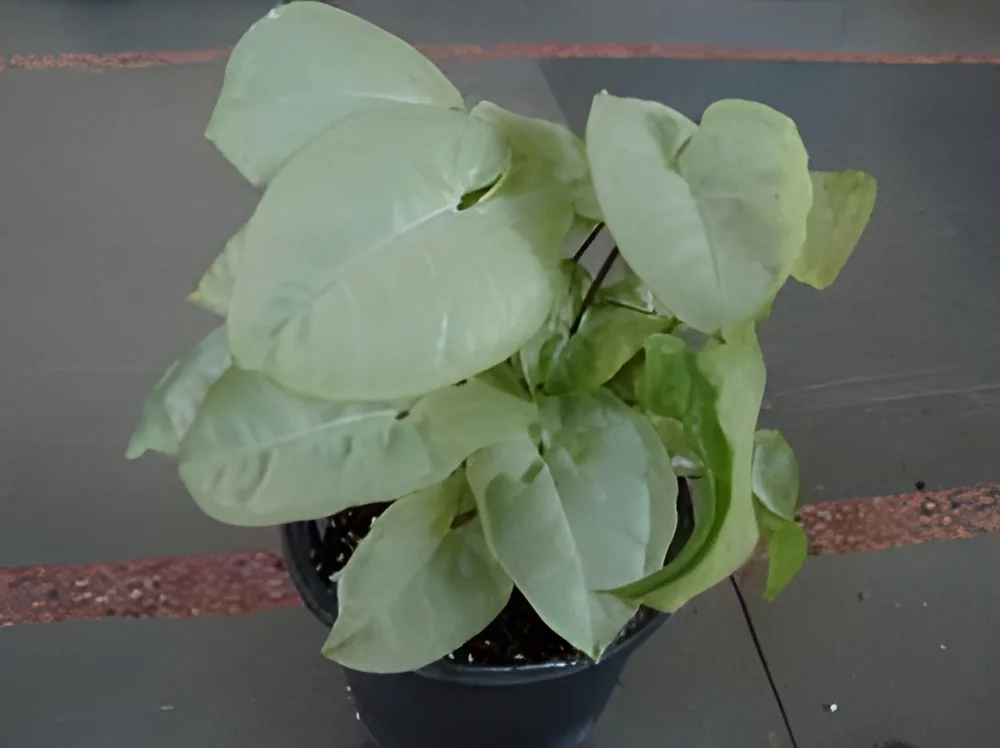
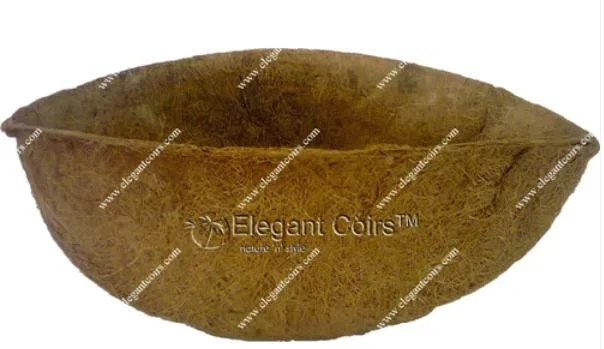
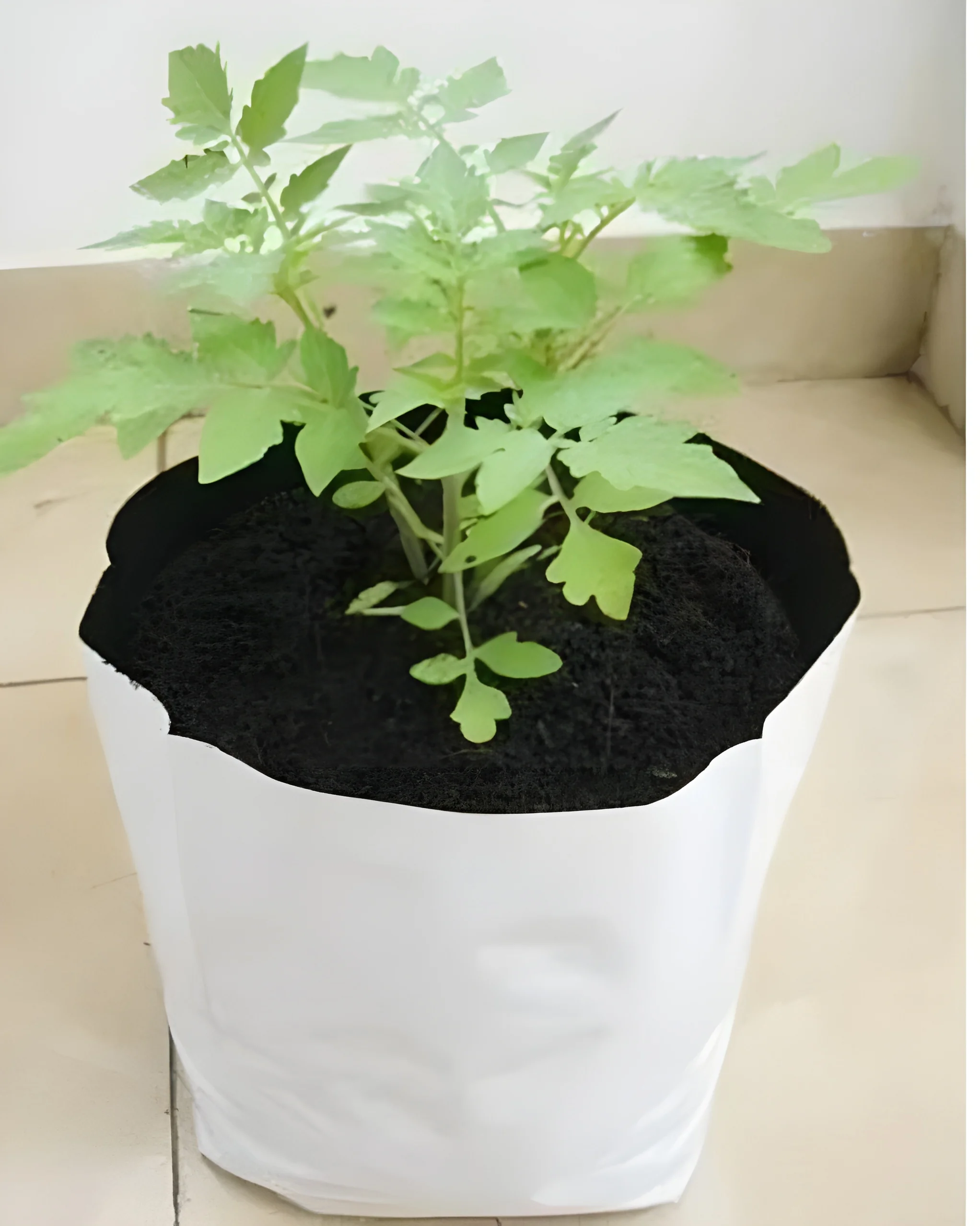
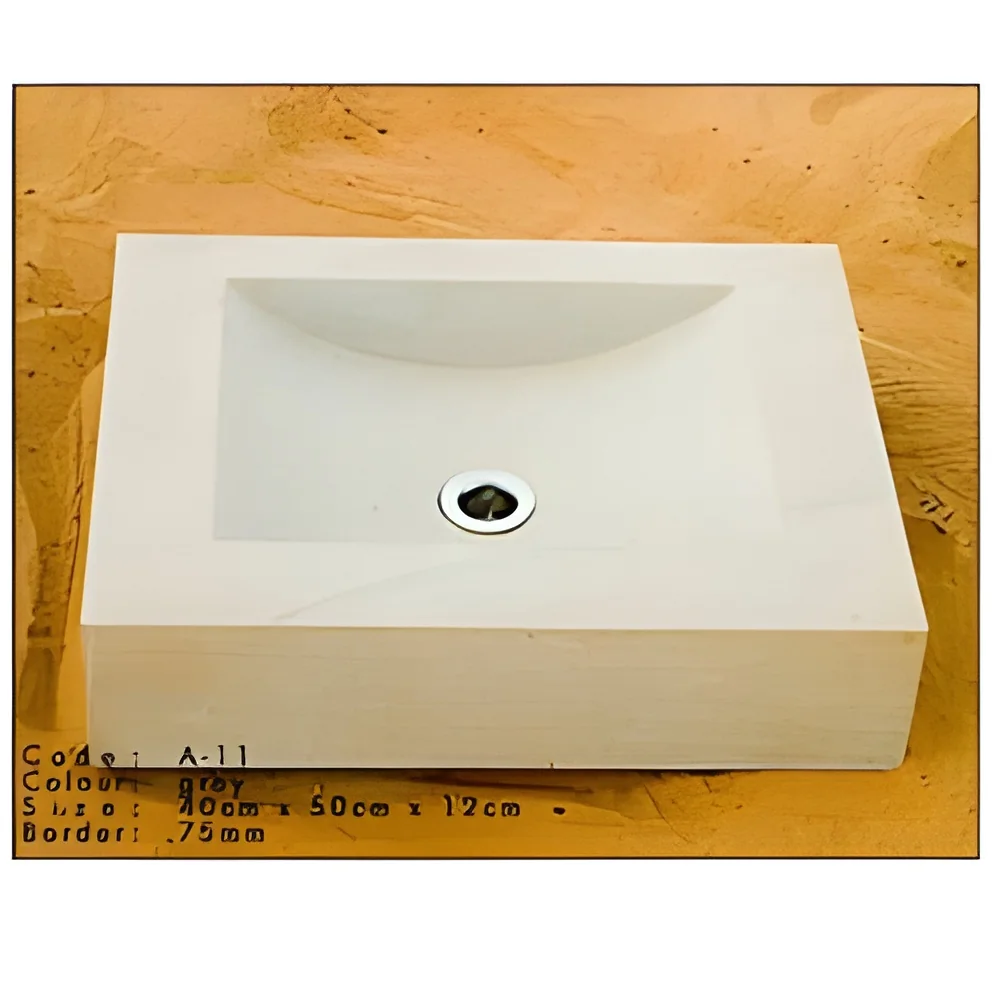
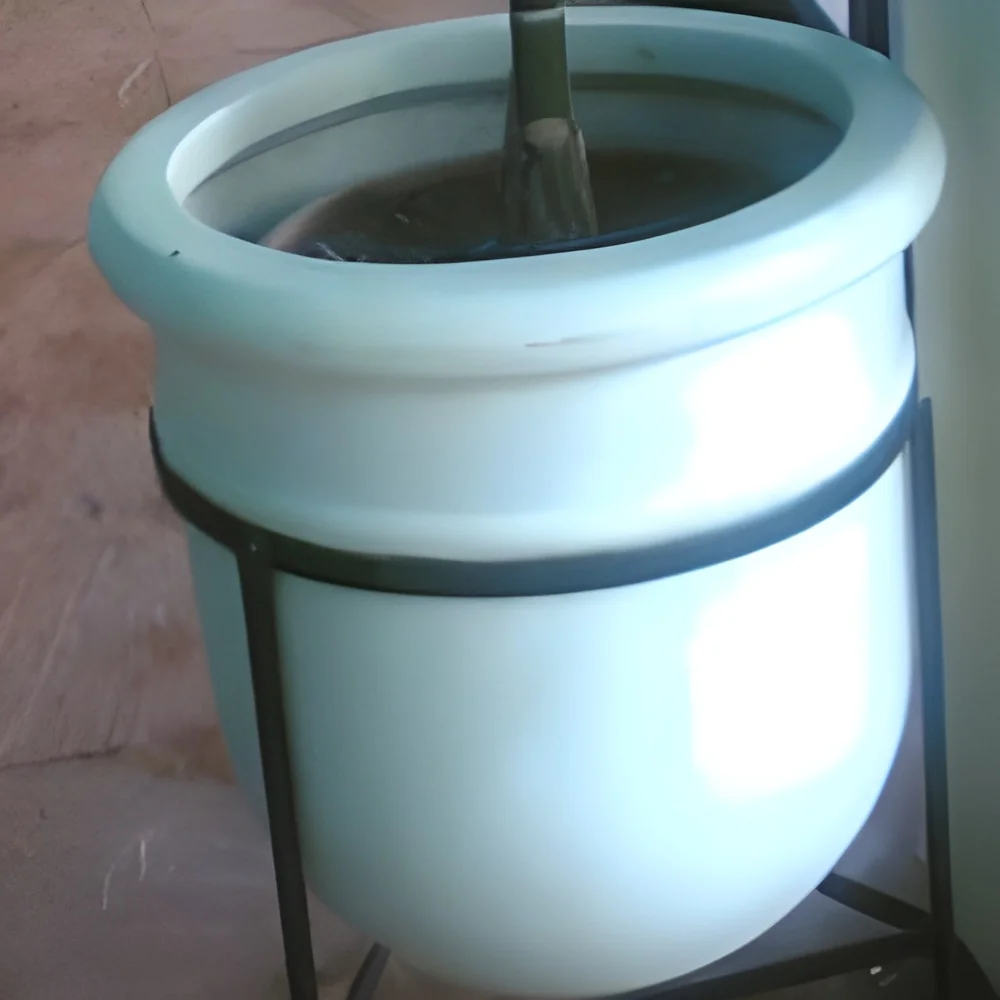
Planters and pots are containers designed for cultivating plants. They can be made from a variety of materials including plastic, ceramic, metal, and wood. These containers are crucial for providing the necessary environment for plants to grow, offering support for roots while also facilitating drainage. Planters can vary in size, shape, and design, catering to different types of plants and aesthetic preferences.
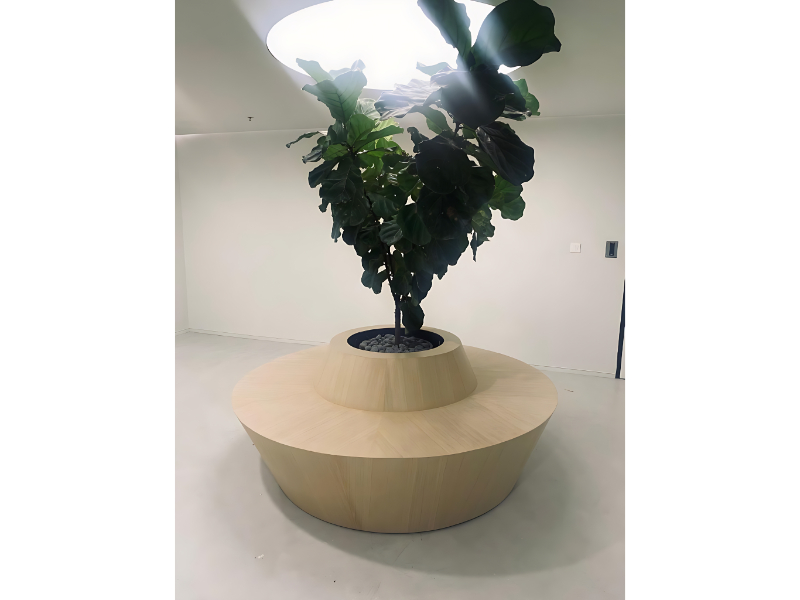
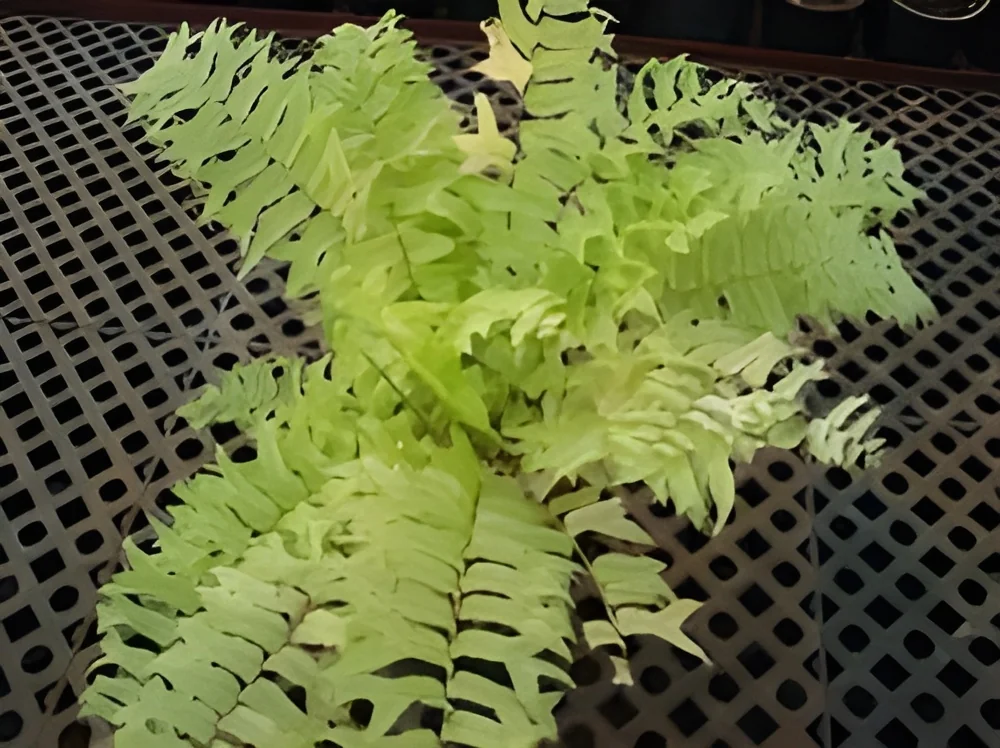
In business applications, planters and pots are commonly used in landscaping, gardening, and indoor plant setups. They serve a dual purpose of functionality and decoration in commercial spaces, such as offices, hotels, and restaurants. Planters also play a significant role in agricultural settings, where they are used for growing crops in controlled environments. The demand for planters and pots continues to rise as urbanization increases and more businesses recognize the value of incorporating greenery into their environments.
The market for planters and pots is influenced by trends in sustainability and eco-friendly practices. As businesses aim to enhance their environmental footprint, the selection of suitable planters that promote healthy plant growth while adhering to sustainable manufacturing practices has become essential. This makes planters and pots not only a functional product but also a relevant and integral part of modern industrial and commercial practices.
𝗞𝗲𝘆 𝗙𝗲𝗮𝘁𝘂𝗿𝗲𝘀 𝗮𝗻𝗱 𝗦𝗽𝗲𝗰𝗶𝗳𝗶𝗰𝗮𝘁𝗶𝗼𝗻𝘀
When selecting planters and pots, understanding their features and specifications is vital. These characteristics can impact the effectiveness and suitability of the product for specific applications. Here are some key specifications to consider:
1. Material Type
- Common materials include plastic, ceramic, metal, and biodegradable options.
- Each material offers different durability and aesthetic appeal.
2. Size and Dimensions
- Planters come in various sizes, typically ranging from small (6 inches) to large (36 inches and above).
- Choosing the right size is important for plant health and space efficiency.
3. Drainage Options
- Many planters feature drainage holes to prevent overwatering.
- Some advanced models include built-in drainage systems.
4. Design and Aesthetics
- Planters can be designed for modern, traditional, or rustic aesthetics.
- Color and texture options are important for matching business decor.
5. Weight Capacity
- The weight capacity should align with the type of plants and soil used.
- Lightweight options are preferred for easy mobility.
6. Weather Resistance
- Some materials are designed to withstand various weather conditions, making them suitable for outdoor use.
- UV-resistant options help prevent fading and degradation.
7. Eco-Friendliness
- Biodegradable and recyclable materials are increasingly available.
- Sustainable practices in manufacturing are becoming a priority.
8. Customization Options
- Many suppliers offer customization for branding and specific design needs.
- Tailoring planters to business branding can enhance marketing efforts.
In summary, selecting appropriate planters and pots requires attention to various specifications. These features contribute to both the functional effectiveness and aesthetic integration of these products in different settings.
𝗖𝗼𝗺𝗺𝗼𝗻 𝗔𝗽𝗽𝗹𝗶𝗰𝗮𝘁𝗶𝗼𝗻𝘀 𝗮𝗻𝗱 𝗨𝘀𝗲 𝗖𝗮𝘀𝗲𝘀
Planters and pots serve a wide range of industries, each with unique applications that enhance both functionality and design.
1. Hospitality: Hotels and restaurants utilize planters to create inviting atmospheres, enhancing outdoor dining experiences and improving overall ambiance.
2. Retail: Retail spaces often incorporate planters to attract customers and create a visually appealing shopping environment. Plants can also be used as marketing tools.
3. Office Spaces: Indoor plants in office settings improve air quality and employee well-being. Planters are used for both desk and common area plants.
4. Landscaping: Landscape architects use planters to design green spaces in urban areas, balancing aesthetics with environmental benefits.
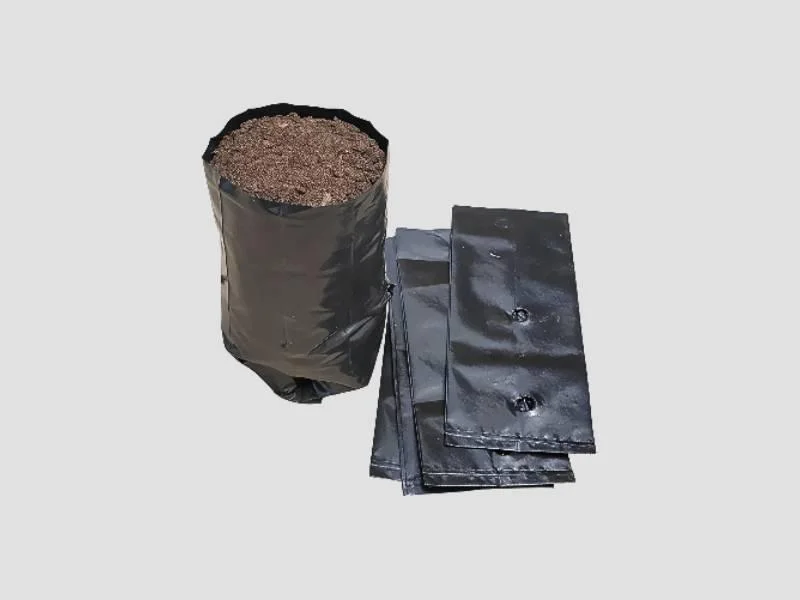
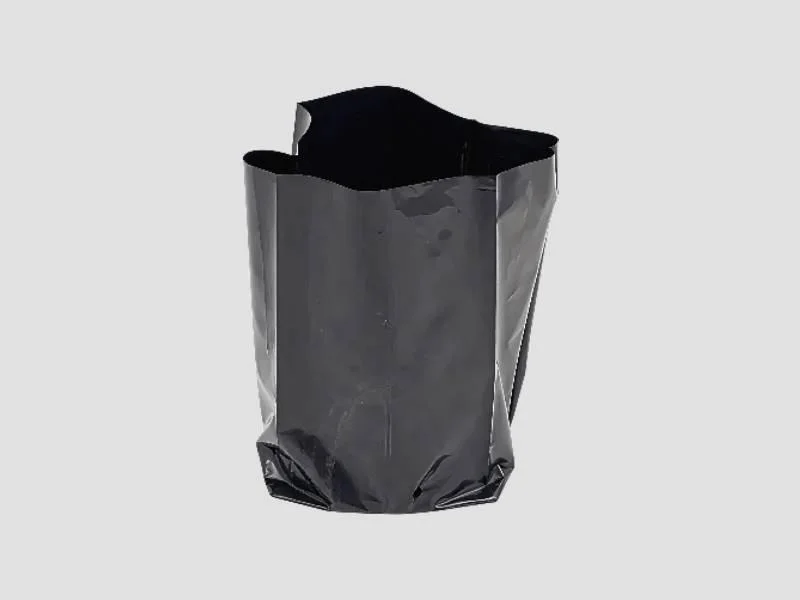
5. Agriculture: Nurseries and farms use specialized planters for growing seedlings and crops in controlled conditions, promoting healthy growth.
6. Education: Schools and universities often have gardening programs that utilize planters to teach students about botany and sustainability.
7. Residential: Homeowners use decorative planters to enhance their gardens and patios, contributing to personal outdoor aesthetics.
𝗣𝗿𝗼𝗱𝘂𝗰𝘁 𝗩𝗮𝗿𝗶𝗮𝗻𝘁𝘀 𝗮𝗻𝗱 𝗦𝘂𝗯𝗰𝗮𝘁𝗲𝗴𝗼𝗿𝗶𝗲𝘀
Planters and pots come in a variety of types to suit different needs and preferences. This diversity allows businesses to choose options that best fit their specific applications.
Traditional Planters
These are commonly made from ceramic or terracotta and are often used for indoor plants. They provide excellent drainage and are aesthetically pleasing for interior spaces.
Self-Watering Planters
Equipped with a reservoir for water, these planters are designed to provide consistent moisture to plants. They are ideal for busy professionals or those new to gardening.
Hanging Planters
These planters are designed to be suspended from ceilings or hooks, allowing for vertical gardening. They save space and add visual interest in both indoor and outdoor settings.
Vertical Planters
These are structured to allow plants to grow upwards, making them perfect for small areas. They can be used in urban gardening scenarios to maximize limited space.
𝗕𝗲𝗻𝗲𝗳𝗶𝘁𝘀 𝗮𝗻𝗱 𝗔𝗱𝘃𝗮𝗻𝘁𝗮𝗴𝗲𝘀
Choosing the right planters and pots can provide numerous advantages for businesses.
1. Improved Plant Health: Quality planters with proper drainage support healthy root growth and prevent overwatering, leading to healthier plants.
2. Aesthetic Appeal: Stylish planters enhance the visual appeal of spaces, making them more inviting for customers and employees alike.
3. Space Efficiency: Various designs allow for effective use of space, particularly in urban settings where outdoor areas are limited.
4. Sustainability: Eco-friendly options support businesses' environmental goals, allowing them to showcase their commitment to sustainability.
5. Ease of Use: Products like self-watering planters simplify plant care, making them suitable for individuals with busy lifestyles.
6. Versatility: Planters can be used in a variety of settings, from indoors to outdoors, and across multiple industries.
𝗕𝘂𝘆𝗶𝗻𝗴 𝗚𝘂𝗶𝗱𝗲 𝗳𝗼𝗿 𝗕𝟮𝗕 𝗕𝘂𝘆𝗲𝗿𝘀
When sourcing planters and pots, businesses should consider several important factors to ensure they make informed purchasing decisions.
1. Quality Assessment: Evaluate materials and construction to ensure long-lasting durability. Look for products that resist fading, cracking, and other forms of wear.
2. Supplier Verification: Vet suppliers to ensure reliability and quality. Check for reviews, certifications, and track records in the industry.
3. Pricing and MOQ: Understand pricing structures and minimum order quantities to align with budget constraints and purchasing capabilities.
4. Delivery and Lead Times: Consider logistics and delivery schedules to ensure timely availability of products. Coordination with suppliers can help manage inventory effectively.
5. Compliance Requirements: Be aware of any regulatory standards that apply to planters and pots, ensuring that products meet local and international guidelines.
𝗖𝗼𝗺𝗽𝗹𝗶𝗮𝗻𝗰𝗲 𝗮𝗻𝗱 𝗖𝗲𝗿𝘁𝗶𝗳𝗶𝗰𝗮𝘁𝗶𝗼𝗻𝘀
Quality standards and certifications play a crucial role in ensuring that planters and pots meet industry requirements.
ISO 9001 is a standard that ensures quality management systems are in place for consistent product quality. Manufacturers adhering to this standard demonstrate a commitment to meeting customer and regulatory requirements.
CE certification indicates that products conform to European safety, health, and environmental protection standards. This certification is essential for businesses that wish to sell their products in European markets.
Safety and testing requirements must be considered, especially for materials that come into contact with soil and plants. Ensuring that products are free from harmful chemicals and safe for use is crucial for maintaining plant health.
Regional compliance considerations vary by market. Businesses should be aware of local regulations regarding materials and manufacturing processes to ensure compliance when sourcing planters and pots.
𝗪𝗵𝘆 𝗦𝗼𝘂𝗿𝗰𝗲 𝗣𝗹𝗮𝗻𝘁𝗲𝗿𝘀 & 𝗣𝗼𝘁𝘀 𝗳𝗿𝗼𝗺 𝗣𝗲𝗽𝗮𝗴𝗼𝗿𝗮?
Pepagora offers a trusted platform for sourcing planters and pots, delivering several key advantages to businesses looking to enhance their product offerings.
Verified Supplier Network: Pepagora connects buyers with a network of verified suppliers, ensuring high-quality products and reliable service. This verification process helps mitigate risks associated with sourcing.
Streamlined RFQ Process: The platform features a streamlined request for quotation (RFQ) process, allowing buyers to easily compare prices and specifications. This efficiency saves time and resources.
Trade Assurance and Support: Pepagora provides trade assurance, protecting buyers in their transactions. Dedicated support teams are available to assist with any inquiries or issues.
Regional Coverage: With a focus on regions such as India, the GCC, and Southeast Asia, Pepagora ensures that businesses have access to a wide range of products tailored to their local markets. This geographic reach enhances sourcing efficiency and effectiveness.

 IN
IN