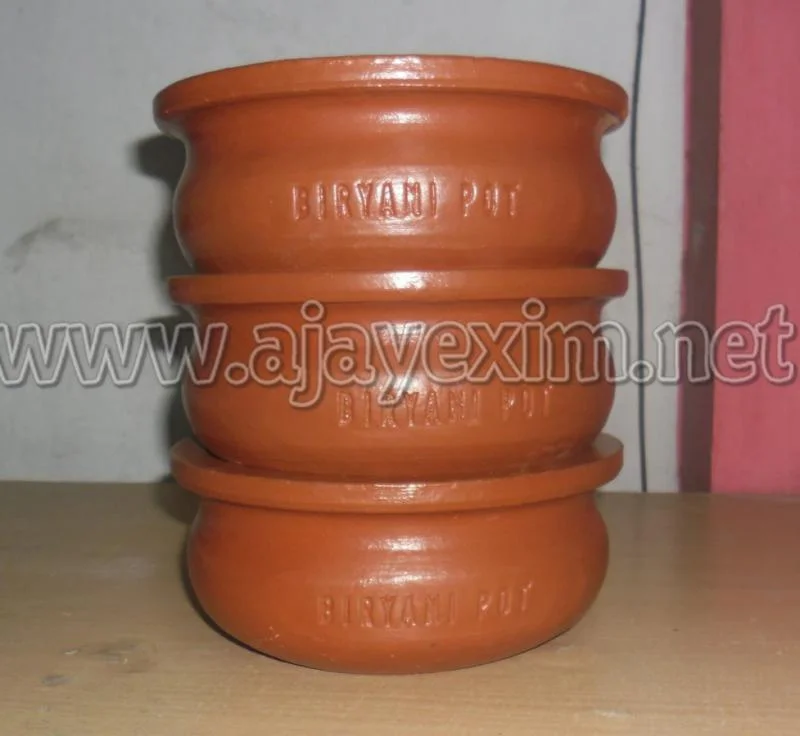
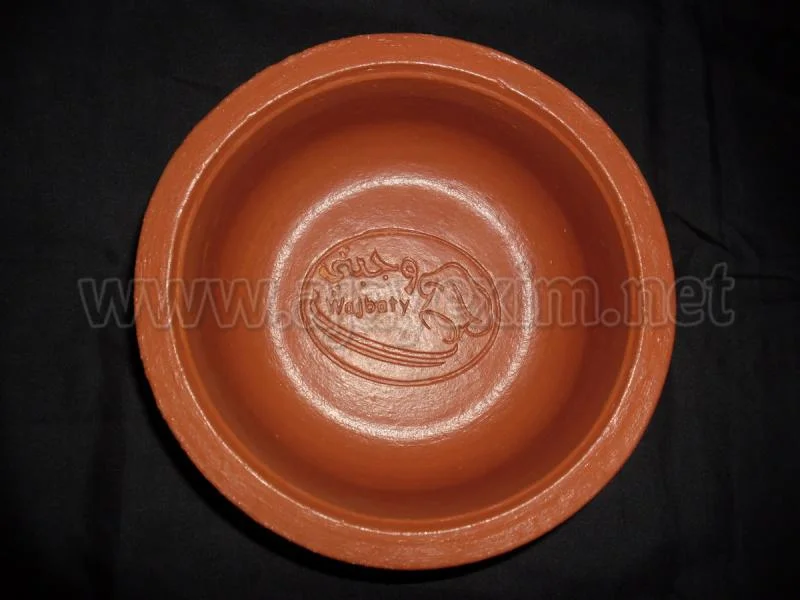
What are Terracotta Pots?
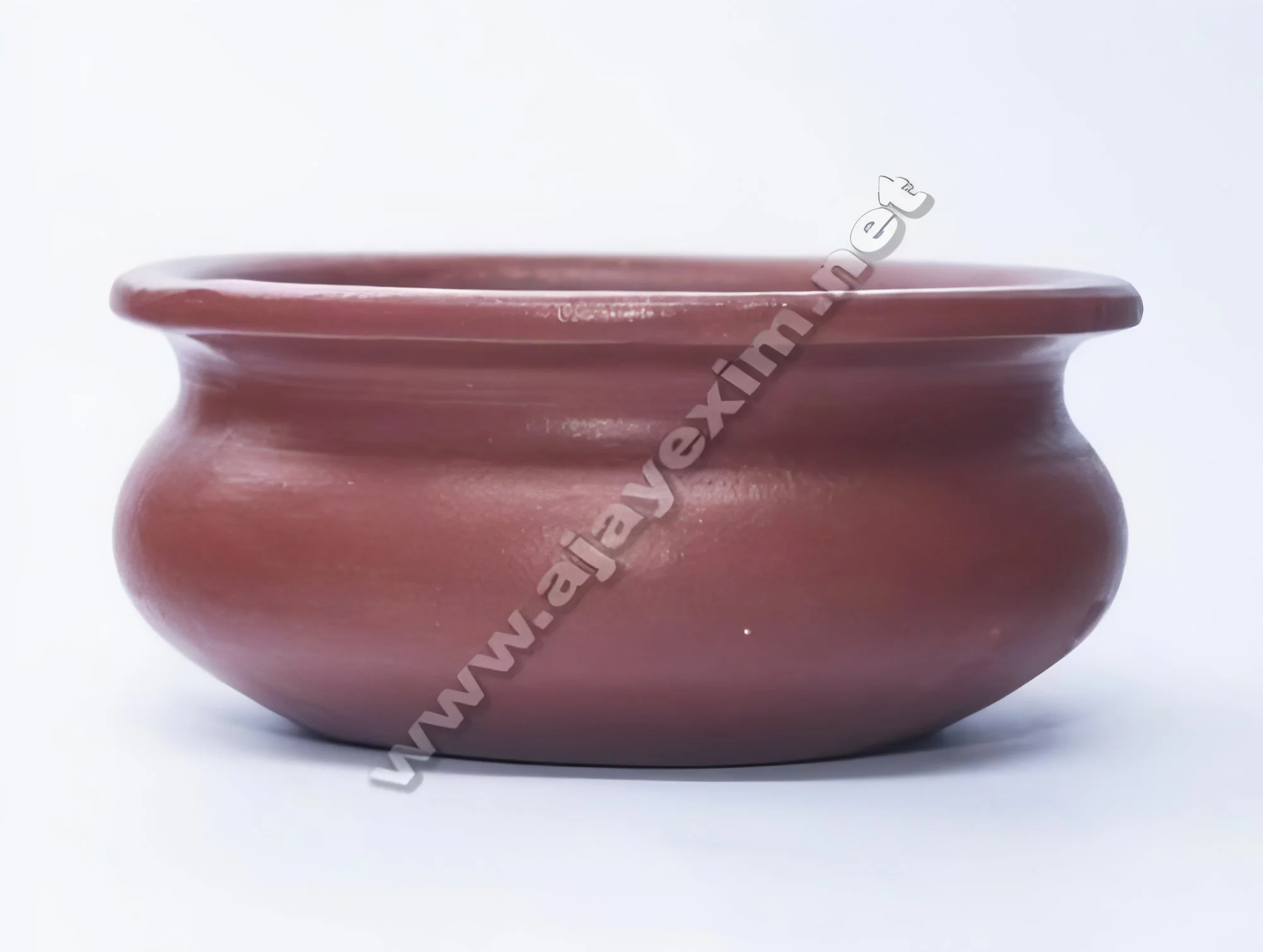
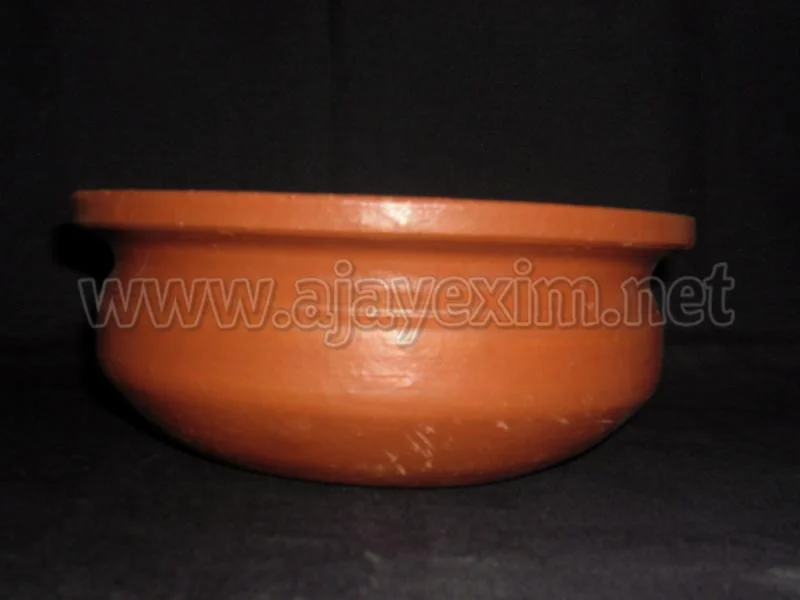
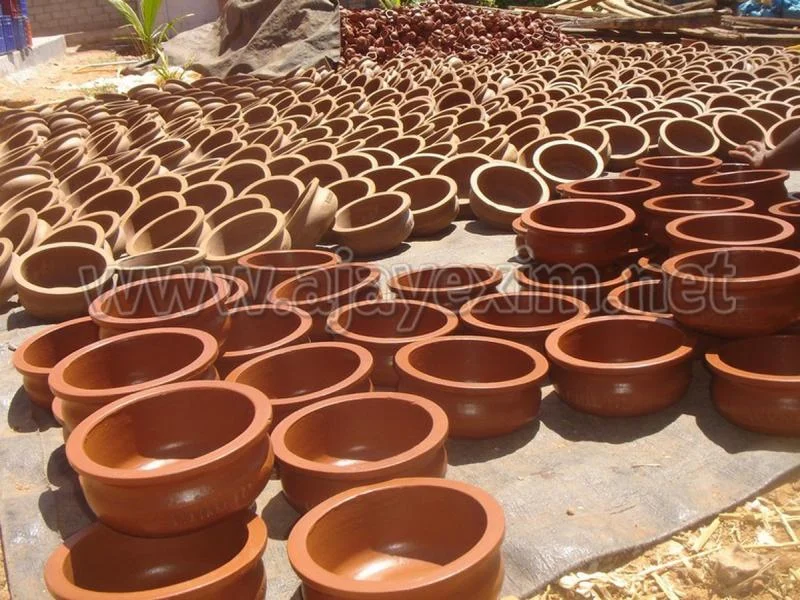
Terracotta pots are containers made from natural clay that has been fired in a kiln to create a porous, durable product. The term "terracotta" means "baked earth" in Italian, and these pots have been used for centuries for various gardening and decorative purposes. Their characteristic reddish-brown color is due to the iron content in the clay, which also contributes to their strength and ability to retain moisture, making them ideal for plant cultivation.
In the business context, terracotta pots are widely used in horticulture, landscaping, and interior design. They serve as an effective solution for growing plants, herbs, and flowers while offering an aesthetic appeal for both indoor and outdoor settings. The porous nature of terracotta allows for excellent drainage and aeration, which is crucial for healthy plant growth. The market for terracotta pots continues to grow due to the rising interest in gardening and sustainability, making them a relevant choice for various industries.
Key Features and Specifications
Terracotta pots are valued for their unique properties and versatility. They are lightweight, environmentally friendly, and provide excellent breathability for plant roots. The specifications of terracotta pots can vary widely based on size, shape, and intended use.
Key specifications include:
1. Size
- Available in various sizes ranging from small (4 inches) to large (36 inches) in diameter.
- Suitable for a range of plants from small succulents to large shrubs.
2. Thickness
- Typically ranges from 0.25 inches to 0.75 inches, affecting durability and insulation.
- Thicker pots provide better insulation against temperature fluctuations.
3. Drainage
- Designed with drainage holes to prevent waterlogging.
- Essential for maintaining optimal soil moisture levels.
4. Finish
- Available in both natural and glazed finishes.
- Glazed finishes add an additional layer of protection and aesthetic appeal.
5. Weight
- Lightweight nature makes them easy to move and reposition.
- Heavier pots provide stability for larger plants.
6. Porosity
- Naturally porous, allowing for air exchange and moisture regulation.
- Helps prevent root rot and promotes healthy plant growth.
7. Color
- Commonly available in earthy tones, predominantly terracotta orange.
- Some variants may have colored glazes for decorative purposes.
In summary, terracotta pots offer a combination of functionality and aesthetic charm, making them a popular choice for a variety of applications.
Common Applications and Use Cases
Terracotta pots serve various industries beyond traditional gardening.
1. Horticulture: Widely used in nurseries and garden centers for growing a variety of plants, including vegetables, herbs, and flowers.
2. Landscaping: Used in outdoor environments for decorative planting, creating focal points, or as part of landscape designs.
3. Interior Design: Popular in homes and commercial spaces for adding greenery, improving air quality, and enhancing aesthetic appeal.
4. Retail: Commonly found in garden supply stores and online marketplaces, catering to both professional landscapers and hobby gardeners.
5. Education: Utilized in schools and community programs to teach children about plant care and environmental sustainability.
6. Events: Often used for decorative displays at weddings, parties, and corporate events, providing a rustic charm.
7. Aromatherapy: Occasionally used to hold aromatic herbs or plants, contributing to a calming atmosphere in wellness spaces.
Product Variants and Subcategories
Terracotta pots come in various styles and designs, offering options for different applications and preferences.
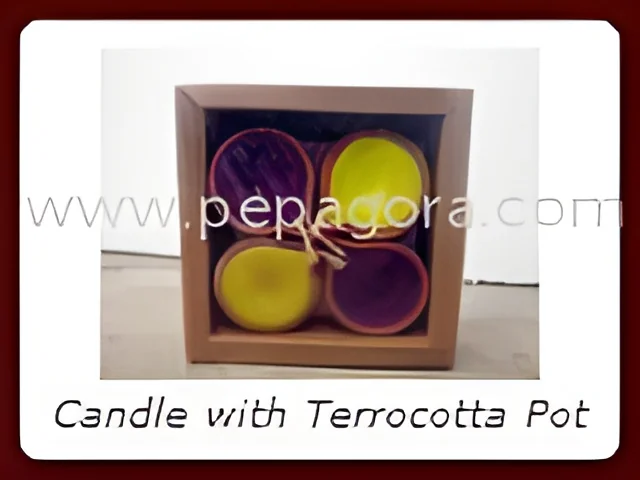
Classic Terracotta Pot: This traditional design features a simple, unglazed finish that showcases the natural beauty of clay. Ideal for outdoor gardens and plant displays.
Decorative Terracotta Pot: Often glazed or painted, these pots feature intricate designs that enhance their visual appeal. Perfect for indoor use and as decorative elements in homes and offices.
Self-Watering Terracotta Pot: These pots come equipped with a built-in reservoir that allows plants to draw water as needed, reducing the frequency of watering. Suitable for busy individuals or those new to gardening.
Terracotta Planters with Stands: Elevating the pots on stands not only adds height for better visibility but also enhances the overall design. Useful in both indoor and outdoor settings.
Benefits and Advantages
Terracotta pots offer several advantages that make them a preferred choice for many businesses and individuals.
Key benefits include:
1. Durability: Terracotta pots are strong and withstand various weather conditions, making them suitable for outdoor use.
2. Breathability: The porous nature allows air and moisture to circulate, promoting healthy root growth and preventing overwatering.
3. Aesthetic Appeal: Their natural color and texture add a rustic charm to any setting, enhancing the visual appeal of plants.
4. Eco-Friendly: Made from natural clay, terracotta pots are biodegradable and environmentally friendly.
5. Versatility: Available in various sizes and styles, they can accommodate a wide range of plants and design preferences.
6. Cost-Effectiveness: Generally affordable, terracotta pots provide value for money for both personal and commercial use.
Buying Guide for B2B Buyers
When sourcing terracotta pots, it is essential to consider various factors to ensure a successful purchase.
1. Quality Assessment: Look for pots that are well-fired and free from cracks or defects. High-quality terracotta will have a consistent color and thickness.
2. Supplier Verification: Vet suppliers to ensure they provide reliable products and services. Check for customer reviews and industry reputation.
3. Pricing and MOQ: Understand the pricing structure and minimum order quantities. This helps in budgeting and planning for inventory.
4. Delivery and Lead Times: Inquire about shipping options and estimated delivery times. Timely delivery is crucial for maintaining supply chain efficiency.
5. Compliance Requirements: Ensure that the pots meet any relevant industry standards or regulations, especially if used for food-related plants.
Compliance and Certifications
Terracotta pots must adhere to various quality standards to ensure safety and performance. Relevant standards include ISO 9001, which focuses on quality management systems, ensuring that manufacturers meet consistent product quality. Compliance with HACCP (Hazard Analysis Critical Control Point) is essential for products used in food-related applications, ensuring that they meet safety and hygiene standards.
Additionally, industry certifications such as CE mark may apply, indicating conformity with health, safety, and environmental protection standards. Testing requirements may also be necessary to ensure that the materials used are safe and suitable for plant growth. Regional compliance considerations should be taken into account, especially when importing or exporting terracotta pots to meet local regulations.
Why Source Terracotta Pots from Pepagora?
Pepagora provides a trusted platform for sourcing terracotta pots, offering several key advantages for B2B buyers.
Verified Supplier Network: Pepagora has a comprehensive network of verified suppliers, ensuring that buyers can find reputable manufacturers. This network helps mitigate risks associated with sourcing.
Streamlined RFQ Process: The platform simplifies the request for quotation process, allowing buyers to easily compare offers and select the best options based on their needs.
Trade Assurance and Support: Pepagora offers buyer protection through trade assurance, providing peace of mind during transactions. Support services are also available to assist buyers with their inquiries.
Regional Coverage: With a strong presence in India, GCC, and Southeast Asia, Pepagora ensures that buyers can access a wide range of terracotta pots suitable for various markets. This geographic reach enhances sourcing efficiency and convenience.

 IN
IN