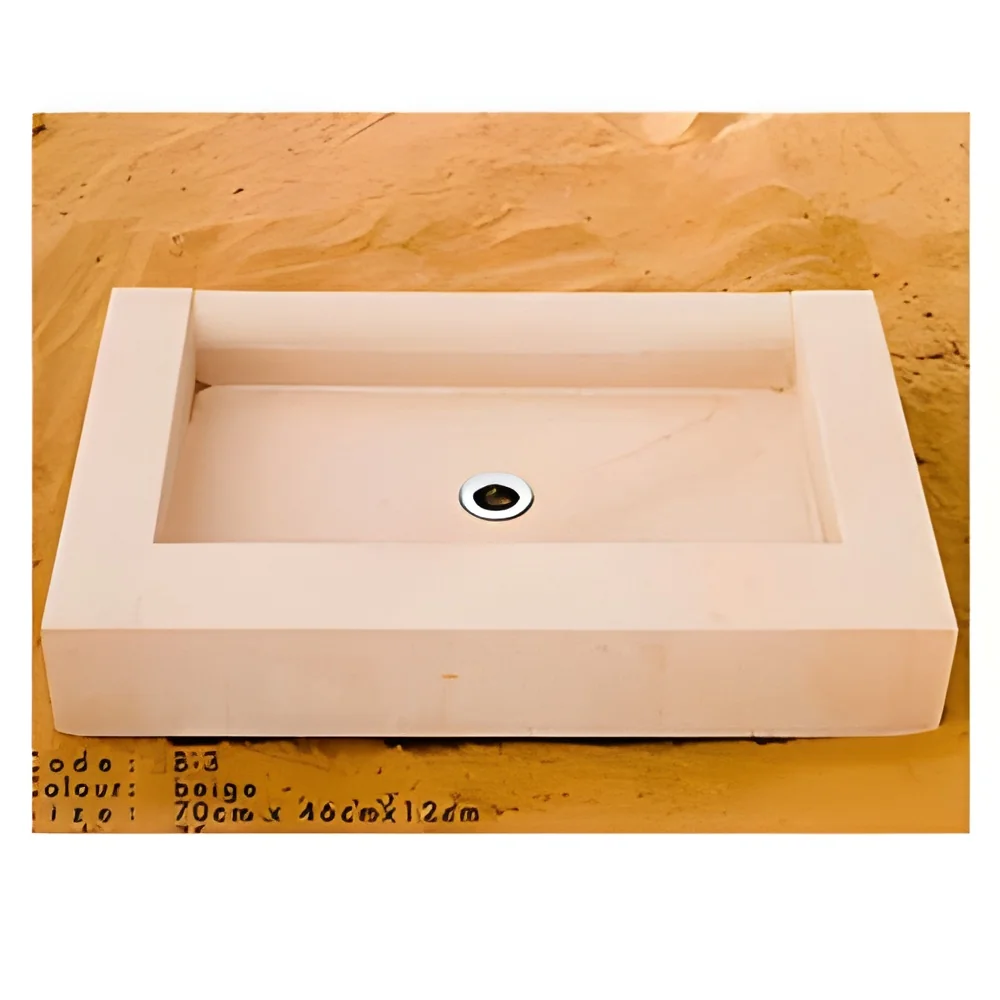
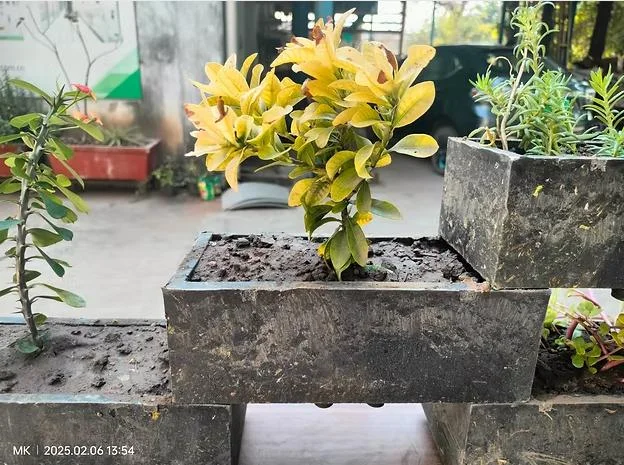
What are Square & Rectangular Planters?
Square and rectangular planters are versatile containers used for growing plants, flowers, and shrubs in various settings. Designed in geometric shapes, these planters provide a modern aesthetic while offering practical functionality. They are made from a range of materials including plastic, metal, and wood, allowing for diverse applications in landscaping and urban gardening.
These planters are commonly used in commercial spaces, such as offices, shopping centers, and public parks, where they enhance the visual appeal of the environment. They are also popular for residential gardens, balconies, and patios. Businesses in the horticulture, landscaping, and interior design sectors frequently utilize these planters to create attractive green spaces that promote well-being and sustainability.
The market for square and rectangular planters has grown due to increasing urbanization and the rising demand for green spaces. As cities expand, there is a greater need for innovative solutions to incorporate plants into urban environments. This trend highlights the relevance of these products across various industries, making them a vital component of modern landscaping.
Key Features and Specifications
Square and rectangular planters come with several features that cater to diverse planting needs. They are designed to be durable, weather-resistant, and aesthetically pleasing. Their specifications can vary based on the intended use and materials.
Key specifications include:
1. Material Type
- Common materials include plastic, fiberglass, wood, and metal.
- Each material has unique properties affecting durability and appearance.
2. Size Dimensions
- Available in various sizes ranging from small (12 inches) to large (36 inches or more).
- Size selection depends on the type of plants and available space.
3. Drainage Features
- Most planters include drainage holes to prevent waterlogging.
- Some models may have built-in drainage systems for optimal moisture control.
4. Weight Capacity
- Planters are designed to support varying weights based on the material and size.
- Specifications often indicate maximum load capacities for safe use.
5. Weather Resistance
- Many planters are treated to withstand UV rays and harsh weather conditions.
- This feature ensures longevity in outdoor settings.
6. Customization Options
- Some manufacturers offer customization in colors, sizes, and finishes.
- Custom options can enhance branding for commercial users.
7. Eco-Friendly Options
- Biodegradable and recycled materials are available for environmentally conscious buyers.
- This aligns with sustainable practices in landscaping.
8. Warranty Information
- Manufacturers may provide warranties ranging from one to five years.
- Warranty details can influence purchasing decisions.
These specifications help buyers select the right planters according to their project requirements and environmental considerations.
Common Applications and Use Cases
Square and rectangular planters find application across a range of industries, contributing to both aesthetic and functional purposes.
1. Landscaping: In landscaping, these planters add structure and beauty to gardens, parks, and commercial properties. They can be used to create focal points or define spaces.
2. Urban Development: City planners utilize these planters in public areas to promote greenery. They help improve air quality and enhance the overall urban environment.
3. Retail Spaces: Retailers use planters to attract customers by beautifying storefronts and outdoor seating areas. They create a welcoming atmosphere that can increase foot traffic.
4. Hospitality: Hotels and restaurants integrate planters into their designs to enhance outdoor dining experiences. Well-placed greenery can improve ambiance and guest satisfaction.
5. Residential Use: Homeowners use square and rectangular planters to organize gardens and patios, maximizing space while allowing for creative landscaping.
6. Interior Design: Designers incorporate indoor planters in offices and homes to improve air quality and aesthetics. They align with biophilic design principles.
7. Community Projects: Nonprofits and community organizations use these planters for urban gardening initiatives, promoting local food production and community engagement.
Product Variants and Subcategories
Square and rectangular planters come in various designs, sizes, and materials, catering to different needs and preferences.
Wooden Planters
Wooden planters offer a natural aesthetic, ideal for eco-friendly landscaping. They provide good insulation for roots and can be treated for extra durability against the elements.
Metal Planters
Metal planters are known for their modern look and durability. They are often galvanized or powder-coated to resist rust and corrosion, making them suitable for various climates.
Plastic Planters
Plastic planters are lightweight, affordable, and available in diverse colors and styles. They are easy to move and often come with built-in drainage systems.
Fiberglass Planters
Fiberglass planters combine durability with a sleek appearance. They are resistant to cracking and fading, making them ideal for both outdoor and indoor use.
Benefits and Advantages
Square and rectangular planters provide numerous advantages for businesses and organizations looking to enhance their environments.
1. Aesthetic Appeal: They enhance the visual appeal of spaces, creating inviting atmospheres for customers and clients.
2. Space Efficiency: Their geometric shapes allow for efficient use of space, making them suitable for both small and large areas.
3. Versatility: These planters can accommodate a wide variety of plants, making them adaptable for different applications.
4. Easy Maintenance: Many modern planters come with features such as drainage systems that simplify plant care and maintenance.
5. Customization: Businesses can customize planters to fit branding needs, creating cohesive designs across their locations.
6. Eco-Friendly Options: With a range of sustainable materials available, businesses can support green initiatives while improving their spaces.
Buying Guide for B2B Buyers
When sourcing square and rectangular planters, it is essential for buyers to consider several factors to ensure they make informed decisions.
1. Quality Assessment: Evaluate the materials and construction of the planters. Look for durability and resistance to weather conditions to ensure longevity.
2. Supplier Verification: Research potential suppliers to ensure they have a good reputation and can provide high-quality products. Check reviews and request samples if necessary.
3. Pricing and MOQ: Understand the pricing structure and minimum order quantities (MOQ) to find options that fit your budget and needs. Compare prices across suppliers for the best deal.
4. Delivery and Lead Times: Inquire about delivery schedules and lead times to ensure that planters arrive when needed, especially for projects with tight timelines.
5. Compliance Requirements: Ensure that the planters meet industry standards and regulations, particularly if they will be used in public spaces or for commercial purposes.
Compliance and Certifications
Square and rectangular planters must adhere to various industry standards and certifications to ensure quality and safety. Relevant quality standards include ISO 9001, which addresses quality management systems, and HACCP, which focuses on food safety. Depending on their use, planters may also need to comply with GDP regulations for product quality and safety.
Certifications such as CE and UL signal that the products meet European and North American safety standards, respectively. These certifications are crucial for ensuring that the planters are safe for both indoor and outdoor use. Additionally, manufacturers need to consider regional compliance, as different areas may have specific regulations regarding materials and environmental impact.
Why Source Square & Rectangular Planters from Pepagora?
Pepagora provides a trusted platform for sourcing square and rectangular planters with several key advantages.
Verified Supplier Network: Pepagora connects buyers with a network of verified suppliers, ensuring that you receive quality products from reputable manufacturers. This reduces the risk associated with sourcing from unknown vendors.
Streamlined RFQ Process: The request for quotation (RFQ) process is designed to be efficient, allowing buyers to receive competitive quotes quickly. This simplifies decision-making and helps secure the best pricing.
Trade Assurance and Support: Pepagora offers buyer protection through trade assurance programs. This ensures that your purchases are safeguarded, giving you peace of mind as you source products.
Regional Coverage: With a focus on regions such as India, the GCC, and Southeast Asia, Pepagora provides extensive market reach. This geographic coverage allows businesses to access a diverse range of products and suppliers, suitable for various projects.

 IN
IN