Key Features and Specifications
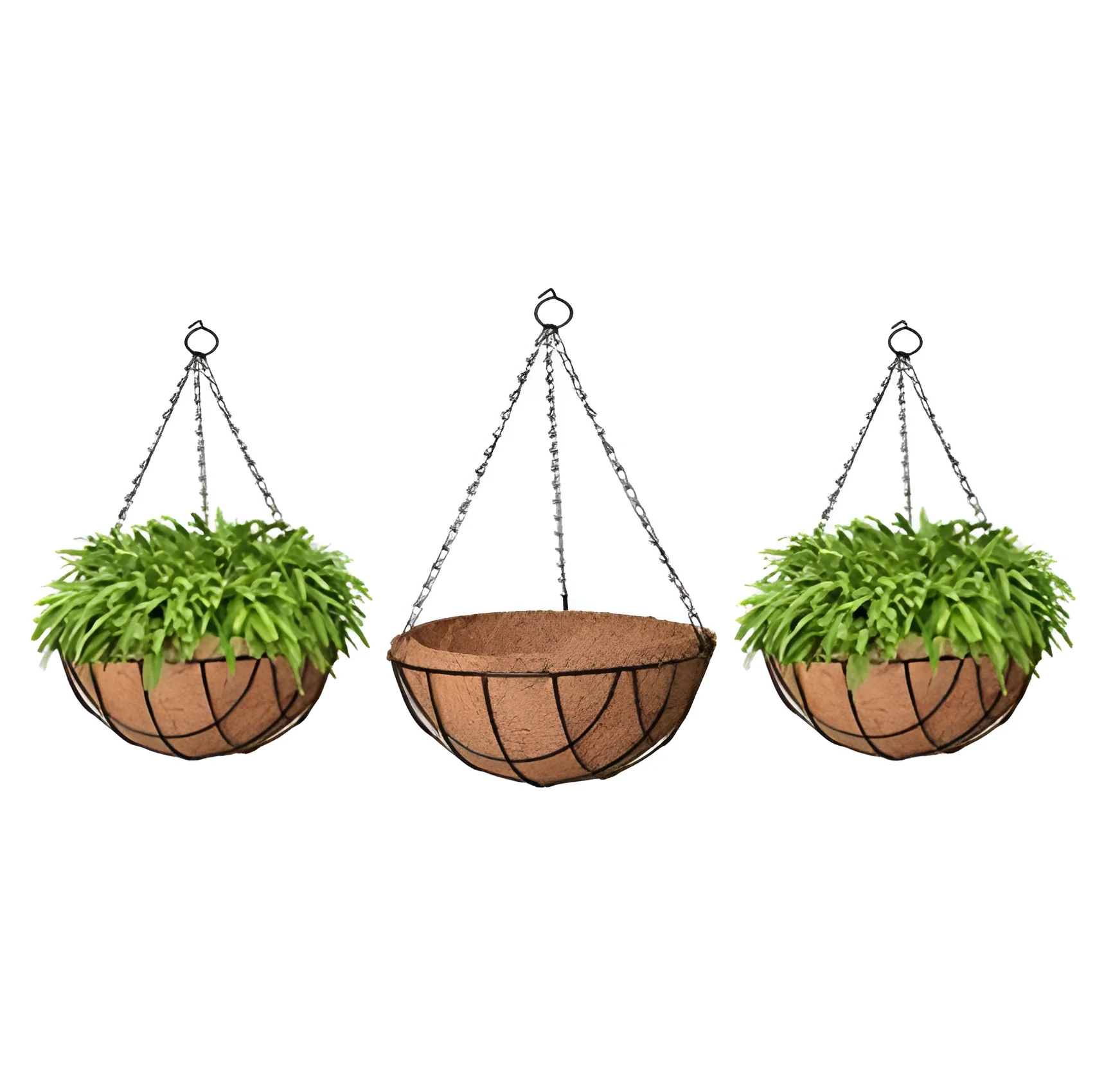
Hanging planters come with a variety of features that cater to different preferences and needs. The specifications can vary significantly based on the type of material, design, and intended use.
Key specifications include:
1. Material Type
- Common materials include cotton cord, jute, metal, and synthetic fibers.
- Each material offers different durability and aesthetic qualities.
2. Size and Dimensions
- Available sizes range from small (up to 8 inches) to large (over 20 inches).
- Dimensions often dictate plant capacity and suitability for various spaces.
3. Weight Capacity
- Many hanging planters can support weights from 5 to 25 pounds depending on design.
- This influences the types of plants that can be displayed.
4. Design Style
- Varieties include modern, vintage, and bohemian styles.
- Design choice impacts both functionality and visual appeal.
5. Color Options
- Planters come in a variety of colors and finishes.
- Color selection can enhance or contrast with a room's décor.
6. Hanging Mechanism
- Options include hooks, chains, or built-in loops.
- The method of hanging affects installation ease and stability.
7. Drainage Features
- Some planters include drainage holes, while others are designed for specific use.
- Proper drainage is crucial for plant health.
8. Customization Options
- Many suppliers offer customization based on size, color, or design.
- This allows businesses to meet specific client needs.
In summary, the specifications of hanging planters provide essential information for businesses looking to choose products that align with their needs and customer preferences.
Common Applications and Use Cases
Hanging planters find utility across various industries, serving both functional and aesthetic purposes.
1. Interior Design: Designers use hanging planters to create visually appealing spaces that incorporate greenery into homes and offices. They help to soften hard lines and provide a sense of tranquility.
2. Retail: Many retail environments utilize hanging planters to enhance store displays. They draw customer attention and can be used to promote specific products, such as seasonal flowers or indoor plants.
3. Hospitality: Hotels and restaurants often use hanging planters to beautify common areas and dining spaces. They create inviting atmospheres and can be tailored to fit the establishment's theme.
4. Landscaping: Landscape architects incorporate hanging planters into outdoor designs to add layers and visual interest. They are especially useful in urban areas where ground space is limited.
5. Event Planning: Hanging planters are popular in event décor, providing a unique and captivating element for weddings, parties, and corporate events.
6. Education: Schools and universities use hanging planters in educational programs, teaching students about botany and sustainable practices through hands-on experiences.
7. Urban Gardening: Community gardens and urban farms utilize hanging planters to maximize limited space, allowing more plants to be grown vertically.
Product Variants and Subcategories
Hanging planters are available in diverse styles and designs, catering to various aesthetic preferences and practical needs.
Macrame Planters
These planters feature intricate knotting patterns, offering a bohemian touch to any space. They are often made from cotton or jute, providing both strength and a natural look. Macrame planters are ideal for indoor plants and can be hung in various locations to enhance décor.
Basket Planters
Typically made from rattan, willow, or other natural materials, basket planters provide a rustic charm. They are well-suited for both indoor and outdoor use. Their sturdy construction allows for a variety of plants, making them versatile options for different settings.
Benefits and Advantages
Hanging planters offer several advantages for businesses looking to enhance their offerings.
1. Space Efficiency: Hanging planters maximize vertical space, making them ideal for urban environments where floor space is limited. They allow users to enjoy greenery without taking up valuable surface areas.
2. Aesthetic Appeal: These planters add visual interest and a touch of nature to any environment, enhancing the overall ambiance of a space.
3. Versatility: They can be used in various settings, from homes to commercial spaces, making them suitable for a wide range of customers.
4. Easy Installation: Many hanging planters come with simple hanging mechanisms, allowing for quick setup and rearrangement.
5. Customization Potential: Businesses can offer customized options to meet specific customer needs, enhancing customer satisfaction and loyalty.
6. Eco-Friendly Options: With increasing consumer interest in sustainability, many hanging planters are made from natural or recycled materials, appealing to eco-conscious buyers.
Buying Guide for B2B Buyers
When sourcing hanging planters, businesses should consider several key factors to ensure they make informed purchasing decisions.
1. Quality Assessment: Evaluate the materials and craftsmanship of the planters. High-quality construction will ensure durability and customer satisfaction.
2. Supplier Verification: Research and vet potential suppliers to confirm their reliability and reputation. This can include checking reviews and past client experiences.
3. Pricing and MOQ: Understand the pricing structure and minimum order quantities (MOQ) required by suppliers. This will help in budgeting and inventory planning.
4. Delivery and Lead Times: Clarify delivery schedules and lead times to ensure timely availability of products for your business needs.
5. Compliance Requirements: Be aware of any regulatory requirements related to product safety and environmental standards to ensure compliance in your market.
Compliance and Certifications
Hanging planters are subject to various compliance standards and certifications that ensure product quality and safety.
Relevant quality standards include ISO 9001, which emphasizes quality management systems, ensuring that manufacturers maintain consistently high standards in production.
Industry certifications such as CE demonstrate compliance with European safety and health requirements, providing assurance to buyers regarding product safety.
Safety and testing requirements may vary by region and product type, necessitating thorough understanding and adherence to local regulations.
Regional compliance considerations are essential for businesses operating in multiple markets, as different regions may have specific standards for materials and manufacturing processes.
Why Source Hanging Planters (Macrame, Basket) from Pepagora?
Pepagora offers a reliable platform for sourcing hanging planters, ensuring buyers have access to quality products and trusted suppliers.
Verified Supplier Network: Pepagora maintains a rigorous vetting process for suppliers, ensuring that only reliable and reputable manufacturers are included in their network. This provides buyers with confidence in their sourcing decisions.
Streamlined RFQ Process: The request for quotation (RFQ) system simplifies the procurement process, allowing businesses to easily request pricing and details from multiple suppliers.
Trade Assurance and Support: Pepagora provides trade assurance, offering buyer protection and support throughout the purchasing process. This helps to mitigate risks associated with sourcing.
Regional Coverage: With a strong presence in India, the GCC, and Southeast Asia, Pepagora provides businesses with access to a diverse range of hanging planters, catering to various market needs and preferences.

 IN
IN