What are Biodegradable & Eco Pots (Coco Coir, Jute)?
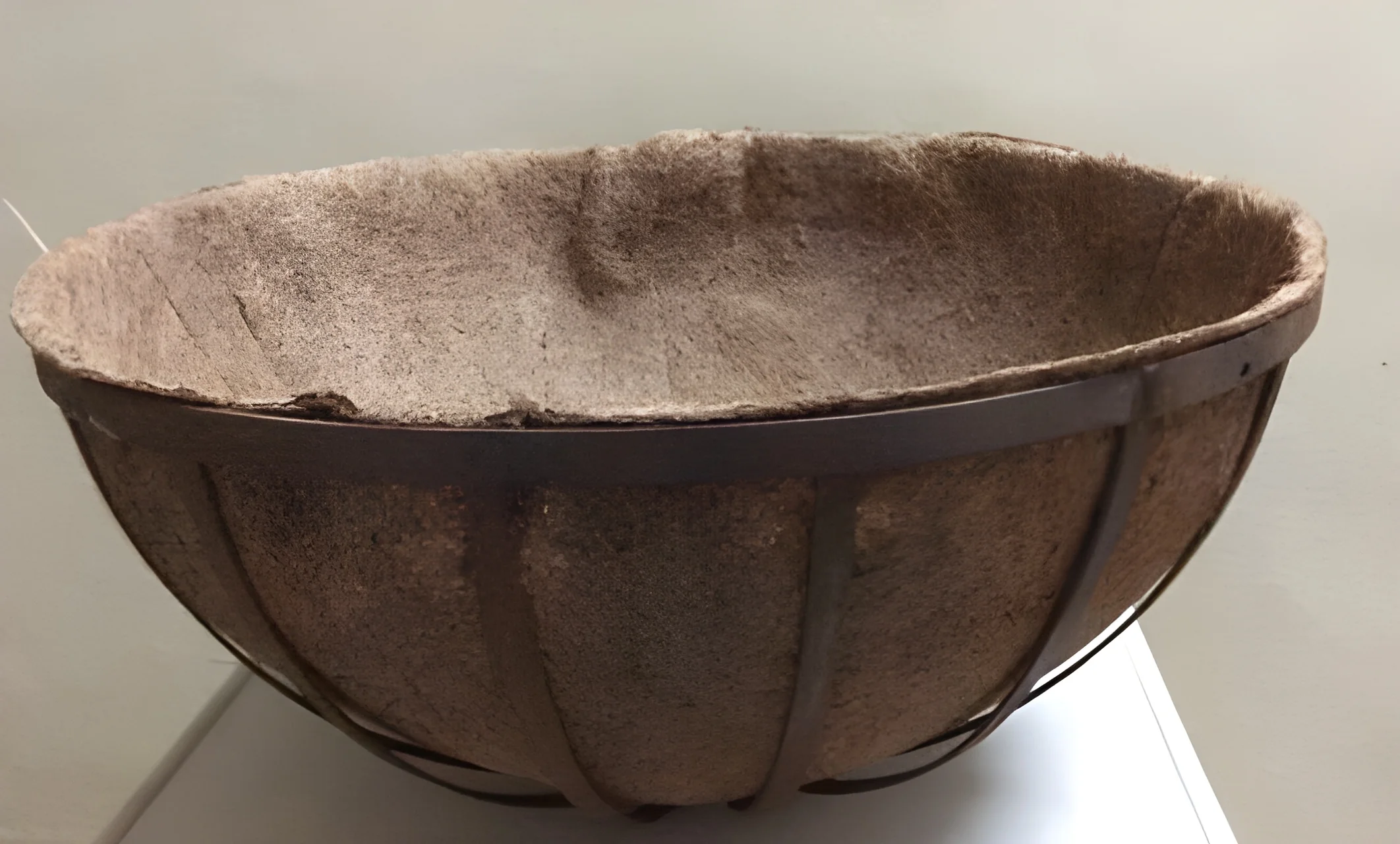
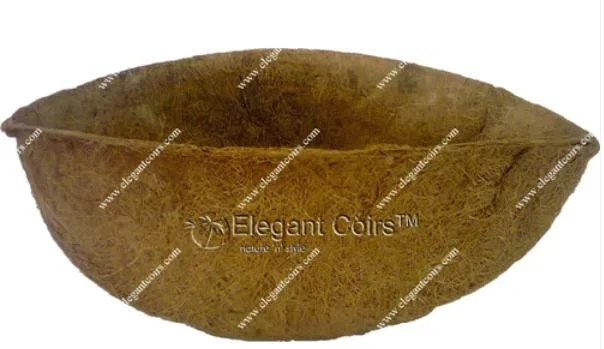
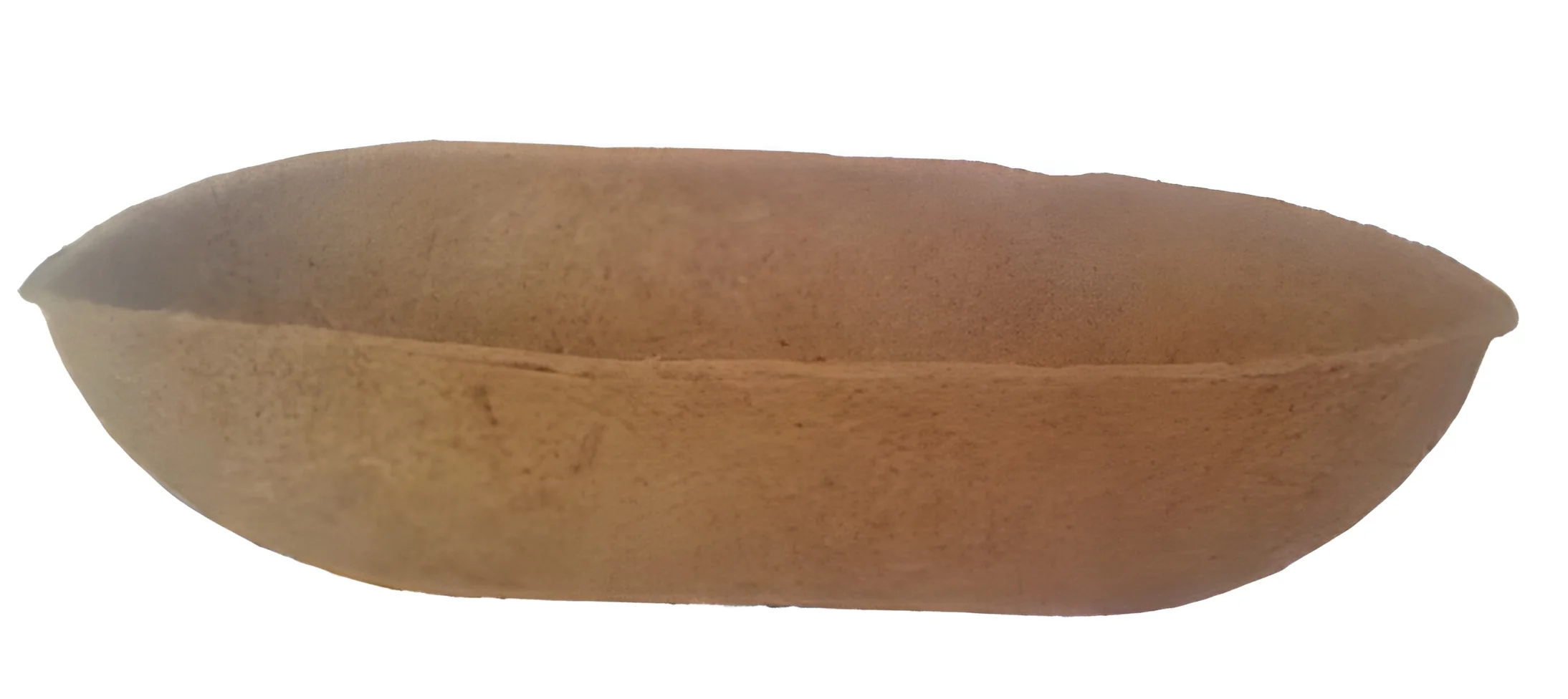
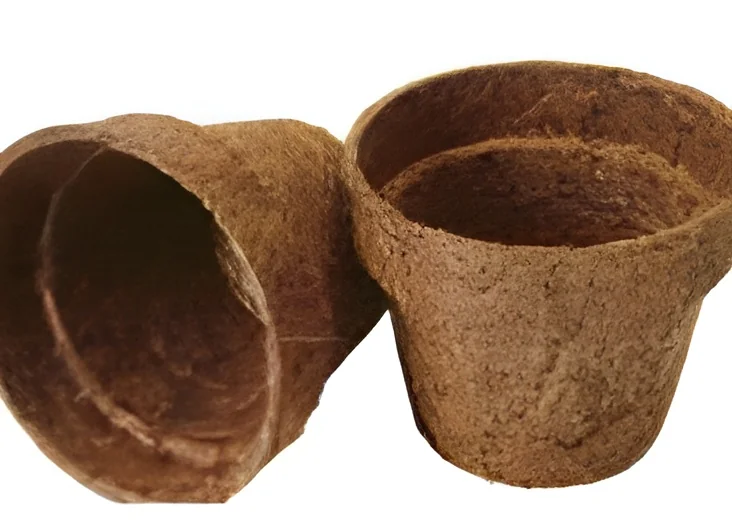
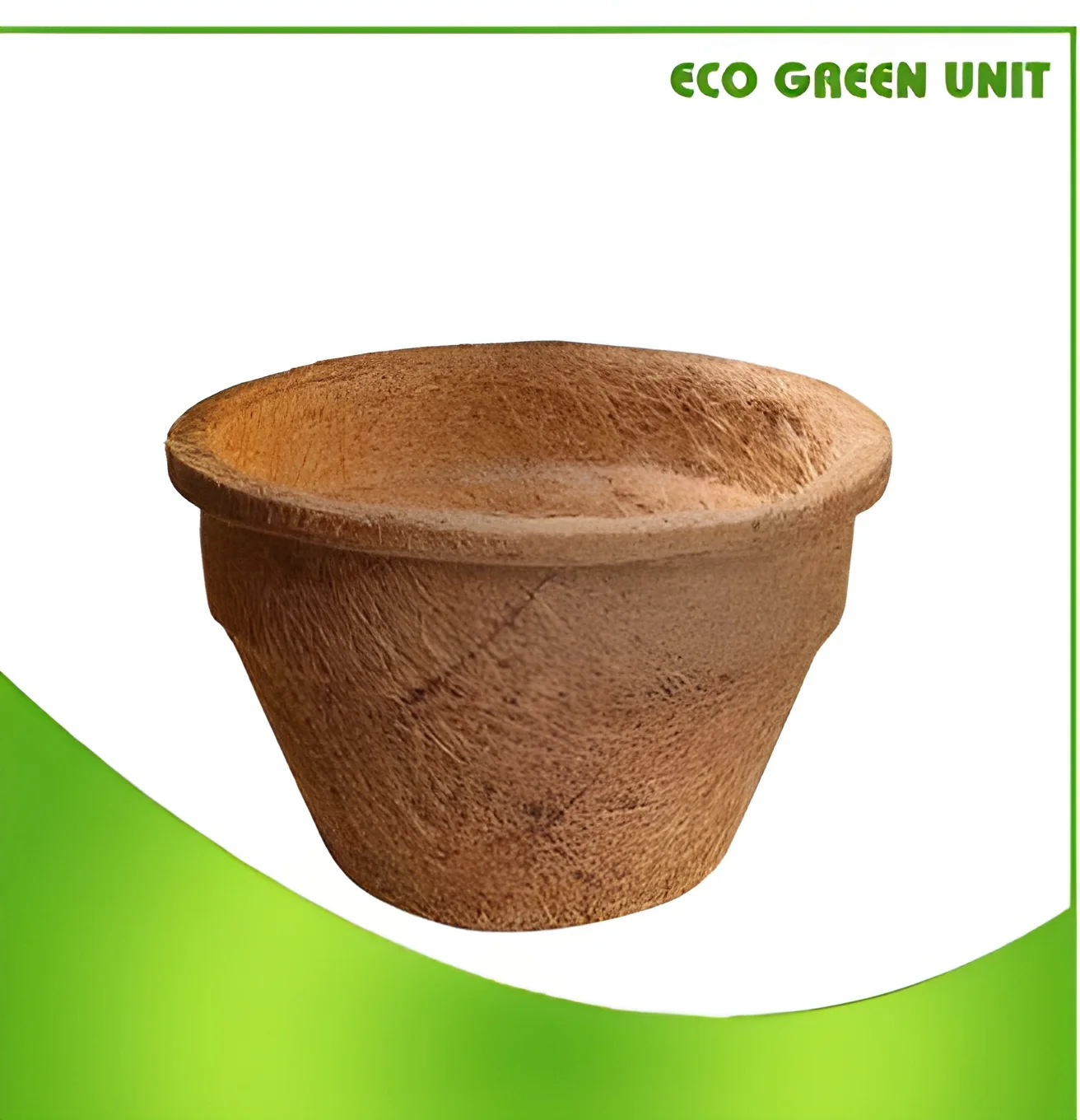
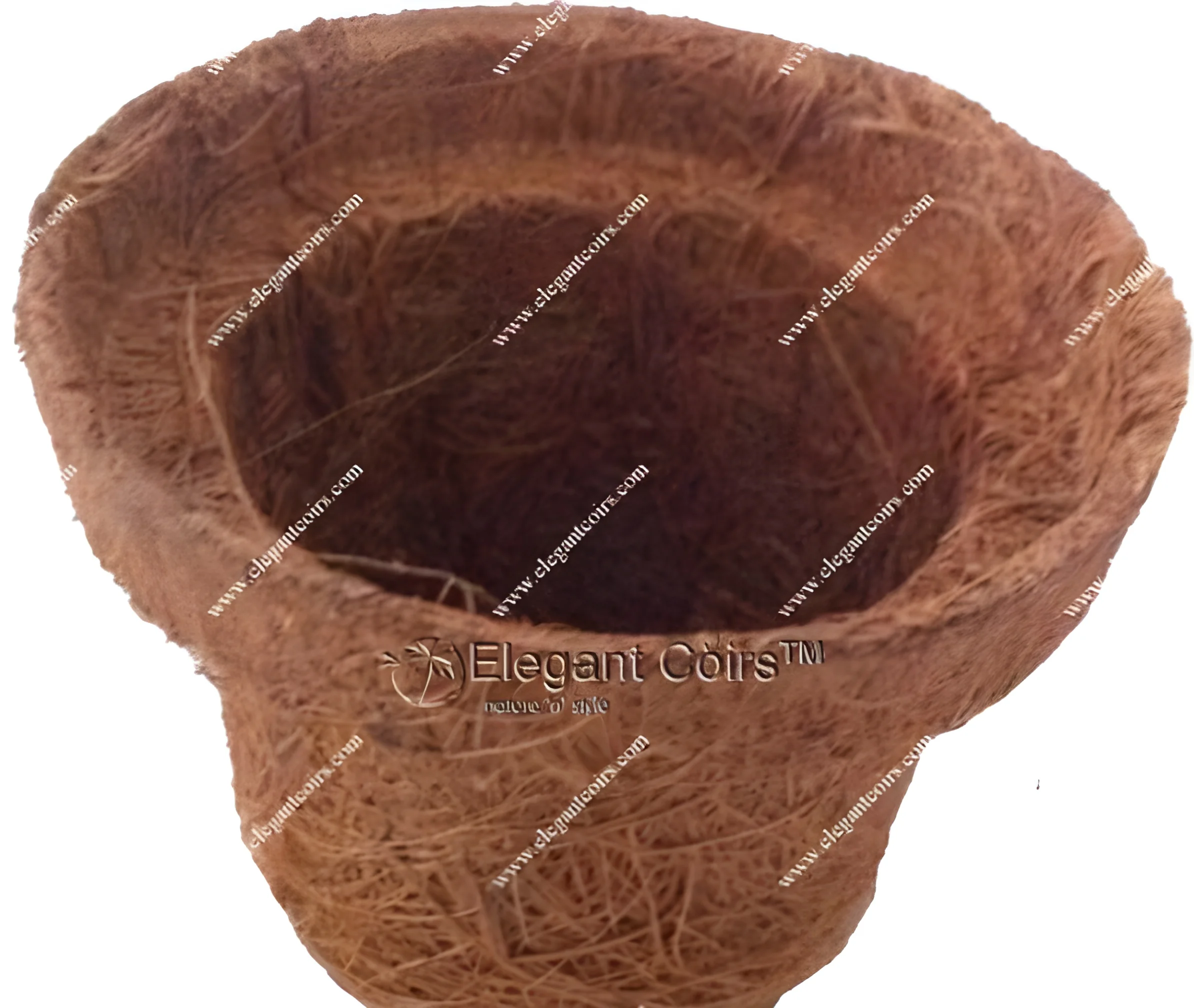
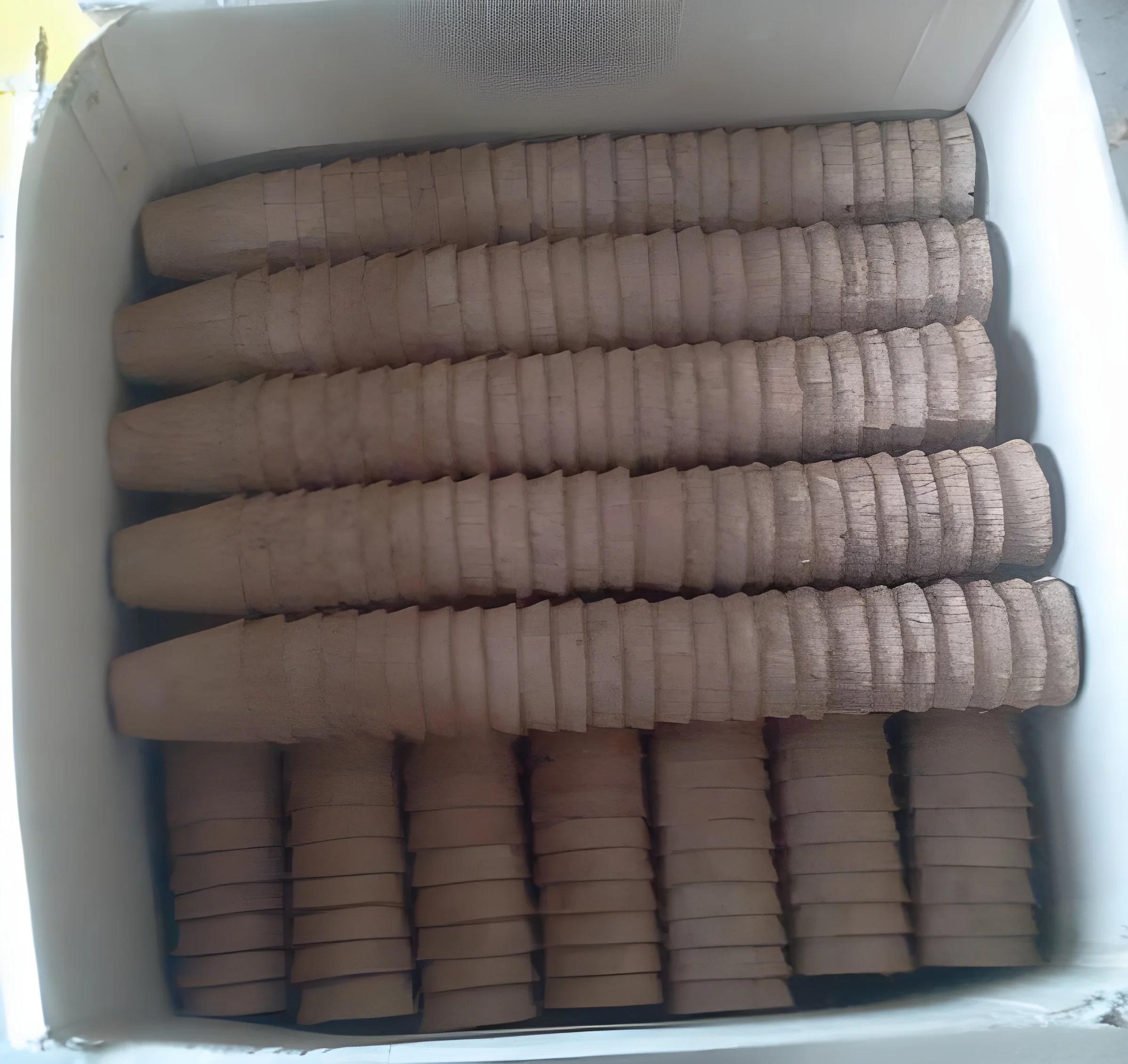
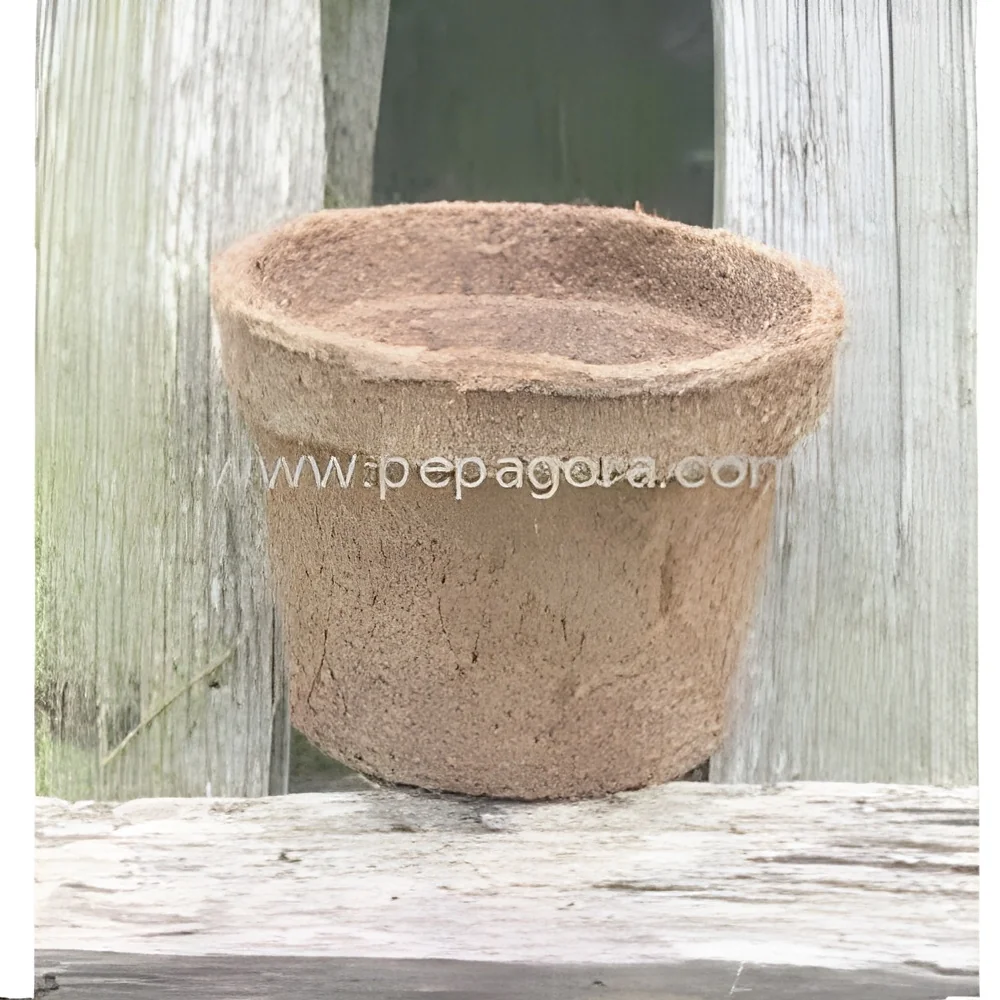
Biodegradable and eco pots made from coco coir and jute are sustainable planting containers that decompose naturally over time. These pots are crafted from natural fibers, primarily sourced from coconut husks and jute plants. They offer an environmentally friendly alternative to traditional plastic pots, supporting the growing demand for sustainable solutions in gardening and agriculture.
These eco pots are used primarily in horticulture and agriculture, where they serve as effective planting solutions for seedlings and young plants. They are especially beneficial for organic farming and nurseries aiming to reduce plastic waste. The use of biodegradable pots aligns with the global movement towards sustainability, making them relevant in today's eco-conscious market. Businesses adopting these products can enhance their sustainability profile and meet increasing consumer demand for green products.
๐๐ฒ๐ ๐๐ฒ๐ฎ๐๐๐ฟ๐ฒ๐ ๐ฎ๐ป๐ฑ ๐ฆ๐ฝ๐ฒ๐ฐ๐ถ๐ณ๐ถ๐ฐ๐ฎ๐๐ถ๐ผ๐ป๐
Biodegradable and eco pots made from coco coir and jute offer a variety of features that cater to the needs of businesses in horticulture and agriculture. When selecting these products, it is essential to consider their specifications and performance characteristics.
Key specifications include:
1. Material Composition
- Made from natural fibers of coconut husks and jute
- Fully biodegradable within a few months under proper conditions
2. Size Variability
- Available in multiple sizes to accommodate different plant types
- Common sizes range from small (3 inches) to large (10 inches)
3. Water Retention
- Excellent moisture retention properties
- Reduces the frequency of watering needed for plants
4. Aeration Properties
- Designed to allow air circulation to the roots
- Supports healthy root development
5. Nutrient Absorption
- Capable of holding nutrients effectively
- Enhances plant growth and yield
6. Environmental Impact
- Made from renewable resources
- Contributes to reduced carbon footprint compared to plastic
7. Thermal Stability
- Provides insulation to plant roots
- Protects against extreme temperature fluctuations
8. Compatibility with Soil
- Suitable for all types of soil
- Encourages healthy plant growth without harmful chemicals
These specifications make biodegradable eco pots a preferred choice for businesses looking to implement sustainable practices in their operations.
๐๐ผ๐บ๐บ๐ผ๐ป ๐๐ฝ๐ฝ๐น๐ถ๐ฐ๐ฎ๐๐ถ๐ผ๐ป๐ ๐ฎ๐ป๐ฑ ๐จ๐๐ฒ ๐๐ฎ๐๐ฒ๐
Biodegradable and eco pots serve various industries, offering versatile applications that align with sustainability initiatives.
1. Horticulture: Used by nurseries for starting seedlings and transplants, these pots promote healthy root growth and easy planting.
2. Organic Farming: Farmers utilize these pots to support their organic practices while eliminating plastic waste from their operations.
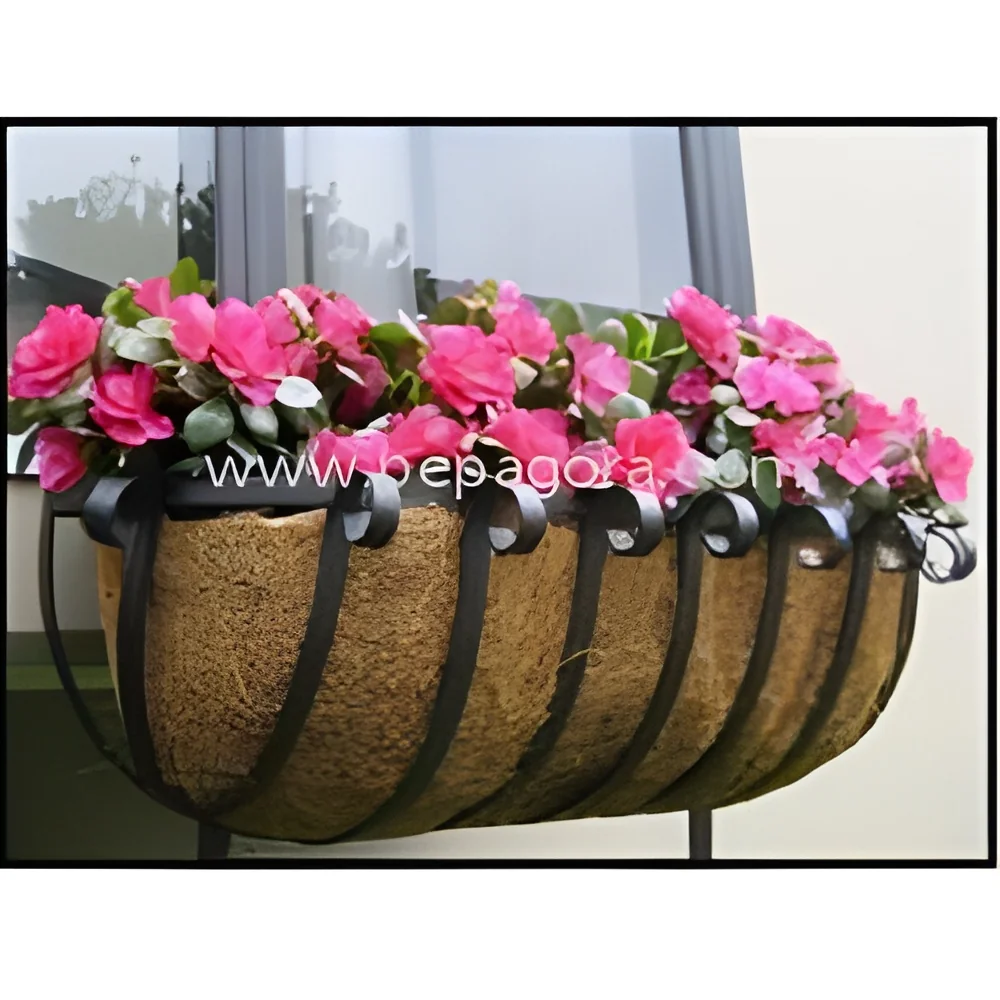
3. Landscaping: Eco pots are effective for planting in landscaping projects, enhancing both aesthetics and environmental responsibility.
4. Retail Gardening: Garden centers and retailers can offer these pots as part of their eco-friendly product lines, appealing to environmentally conscious consumers.
5. Educational Institutions: Schools and universities use eco pots for educational gardening projects, teaching students about sustainability.
6. Home Gardening: Home gardeners prefer these pots for their ease of use and environmental benefits, making them a popular choice for DIY gardening.
7. Event Decorations: Biodegradable pots are increasingly used for eco-friendly event decorations, such as weddings and corporate events.
๐ฃ๐ฟ๐ผ๐ฑ๐๐ฐ๐ ๐ฉ๐ฎ๐ฟ๐ถ๐ฎ๐ป๐๐ ๐ฎ๐ป๐ฑ ๐ฆ๐๐ฏ๐ฐ๐ฎ๐๐ฒ๐ด๐ผ๐ฟ๐ถ๐ฒ๐
Biodegradable and eco pots come in various forms to meet different customer needs.
Coco Coir Pots
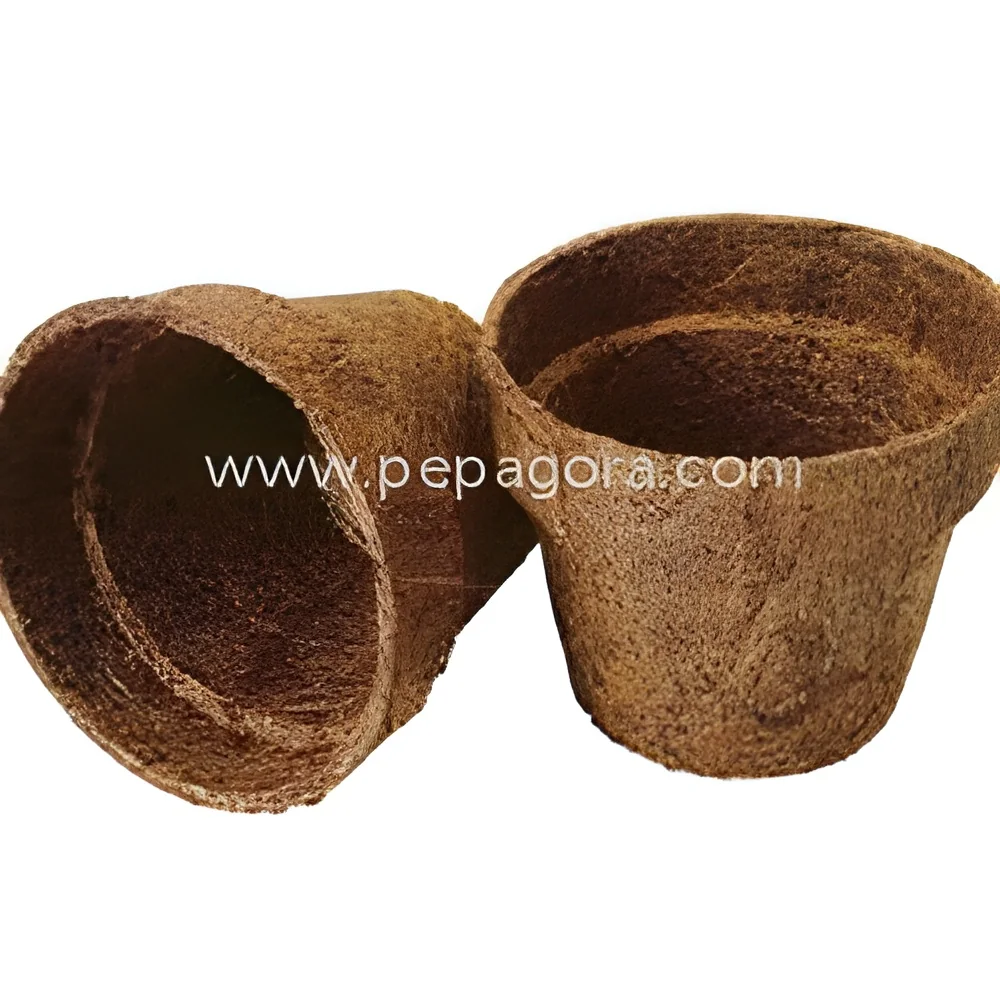
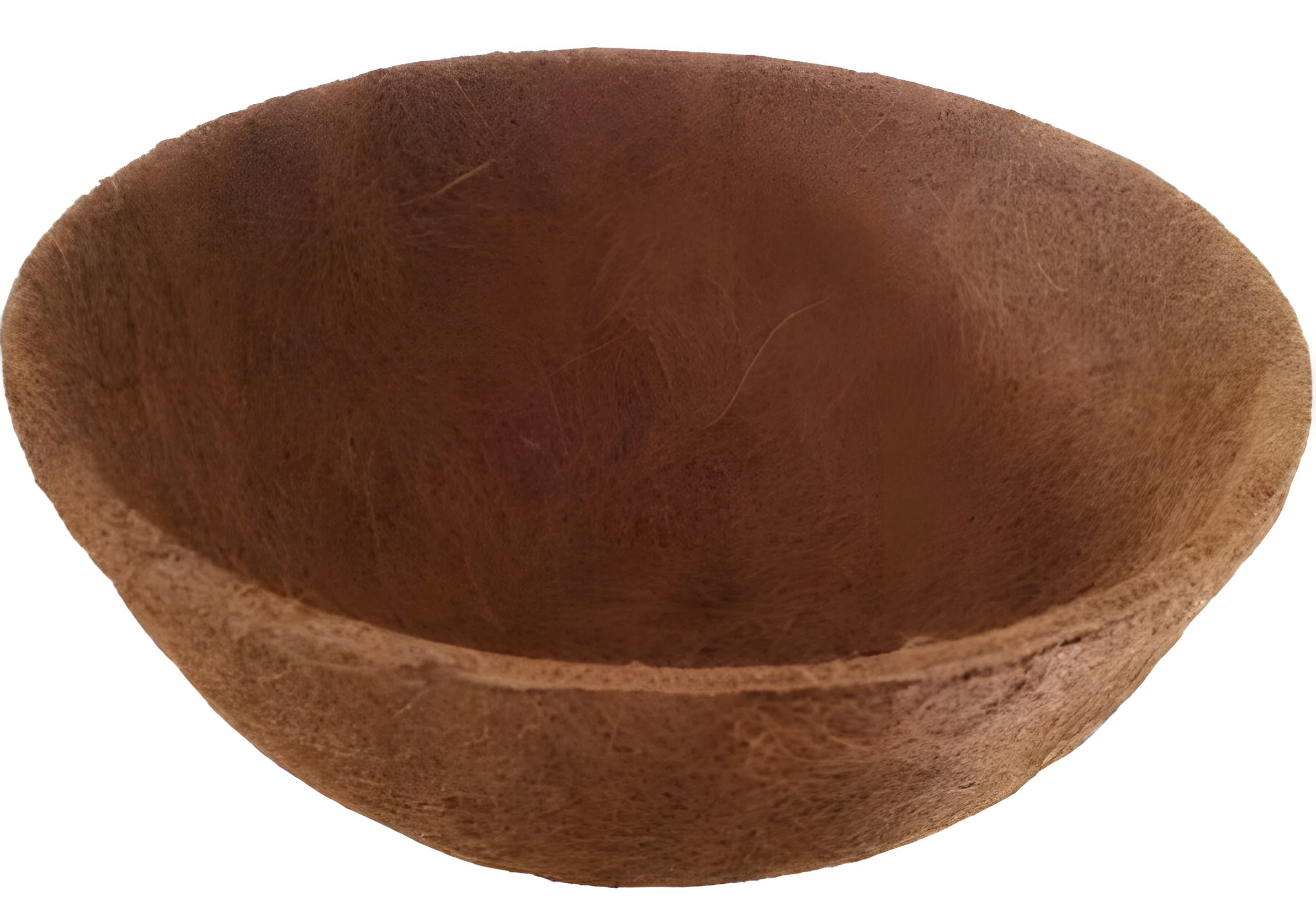
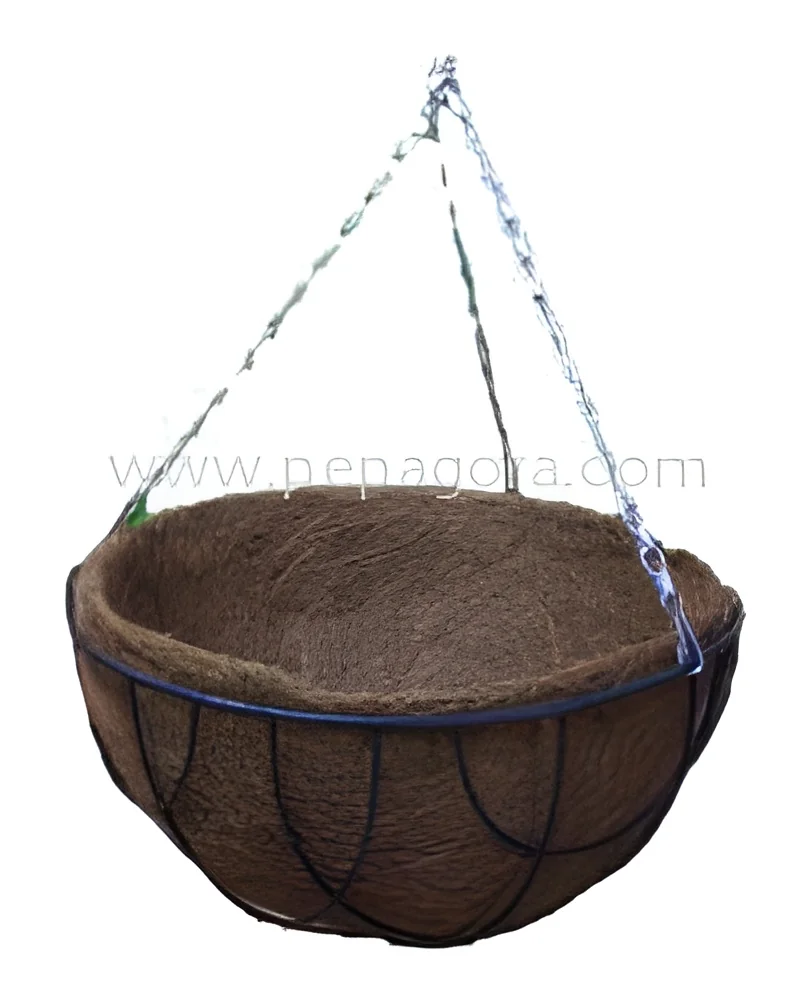
These pots are made entirely from coco coir fibers, offering excellent moisture retention and aeration. They are ideal for starting seedlings and are particularly popular in organic farming.
Jute Pots
Crafted from jute fibers, these pots provide a sturdy and biodegradable option. They are suitable for larger plants and can be used in both indoor and outdoor settings.
๐๐ฒ๐ป๐ฒ๐ณ๐ถ๐๐ ๐ฎ๐ป๐ฑ ๐๐ฑ๐๐ฎ๐ป๐๐ฎ๐ด๐ฒ๐
Using biodegradable and eco pots provides numerous advantages for businesses and consumers alike.
1. Environmental Sustainability: These pots reduce plastic waste and support eco-friendly practices in gardening and agriculture.
2. Improved Plant Health: The natural materials promote better aeration and moisture retention, leading to healthier plants.
3. Cost-Effective: Although slightly higher in initial costs, they eliminate the need for plastic disposal and can lead to long-term savings.
4. Customizable: Available in various sizes and shapes, they can be tailored to specific plant needs and customer preferences.
5. Easy to Use: These pots can be directly planted into the soil, simplifying the transplanting process.
6. Supporting Organic Practices: Ideal for organic farming, they help maintain natural growing conditions without chemicals.
๐๐๐๐ถ๐ป๐ด ๐๐๐ถ๐ฑ๐ฒ ๐ณ๐ผ๐ฟ ๐๐ฎ๐ ๐๐๐๐ฒ๐ฟ๐
When sourcing biodegradable and eco pots made from coco coir and jute, several factors should be considered to ensure quality and suitability.
1. Quality Assessment: Evaluate the material quality to ensure it meets industry standards. Look for pots that are free from contaminants and that have a consistent texture.
2. Supplier Verification: Vet suppliers by checking their credentials and previous customer reviews. Reliable suppliers should have a proven track record in providing eco-friendly products.
3. Pricing and MOQ: Understand the pricing structures and minimum order quantities (MOQ) set by suppliers. This will help in budgeting and aligning with business needs.
4. Delivery and Lead Times: Confirm delivery schedules and lead times to avoid disruptions in supply. Timely delivery is crucial for maintaining planting schedules.
5. Compliance Requirements: Ensure that the products meet local and regional compliance standards. This may include certifications related to biodegradability and safety.
๐๐ผ๐บ๐ฝ๐น๐ถ๐ฎ๐ป๐ฐ๐ฒ ๐ฎ๐ป๐ฑ ๐๐ฒ๐ฟ๐๐ถ๐ณ๐ถ๐ฐ๐ฎ๐๐ถ๐ผ๐ป๐
Biodegradable and eco pots must adhere to specific compliance and certification standards to ensure they meet quality and safety benchmarks.
Relevant quality standards include ISO 9001, which emphasizes effective quality management systems. Compliance with HACCP (Hazard Analysis Critical Control Point) ensures that these products are safe for agricultural use. GDP (Good Distribution Practice) standards may also apply, especially for products distributed in sensitive environments.
Industry certifications, such as CE marking, indicate compliance with European safety standards. These certifications assure buyers of the quality and safety of the products.
Safety and testing requirements are essential to verify the biodegradability of these pots. Testing ensures that the products break down appropriately in various environmental conditions.
Regional compliance considerations may vary, so it is important to understand local regulations regarding biodegradable materials.
Why Source Biodegradable & Eco Pots (Coco Coir, Jute) from Pepagora?
Pepagora offers a robust platform for sourcing biodegradable and eco pots made from coco coir and jute, providing numerous advantages for B2B buyers.
Verified Supplier Network: Pepagora connects buyers with verified suppliers, ensuring that quality products are delivered. The network includes manufacturers with a commitment to sustainability and eco-friendly practices.
Streamlined RFQ Process: The request for quotation (RFQ) process is designed to be efficient, allowing buyers to obtain competitive pricing and options quickly. This saves time and simplifies the sourcing process.
Trade Assurance and Support: Pepagora provides trade assurance, offering buyers protection throughout the purchasing process. Support services are available to assist with any questions or concerns.
Regional Coverage: With a strong presence in India, the GCC, and Southeast Asia, Pepagora facilitates access to a broader market. This geographic reach allows buyers to find the best products suited to their needs while supporting local economies.