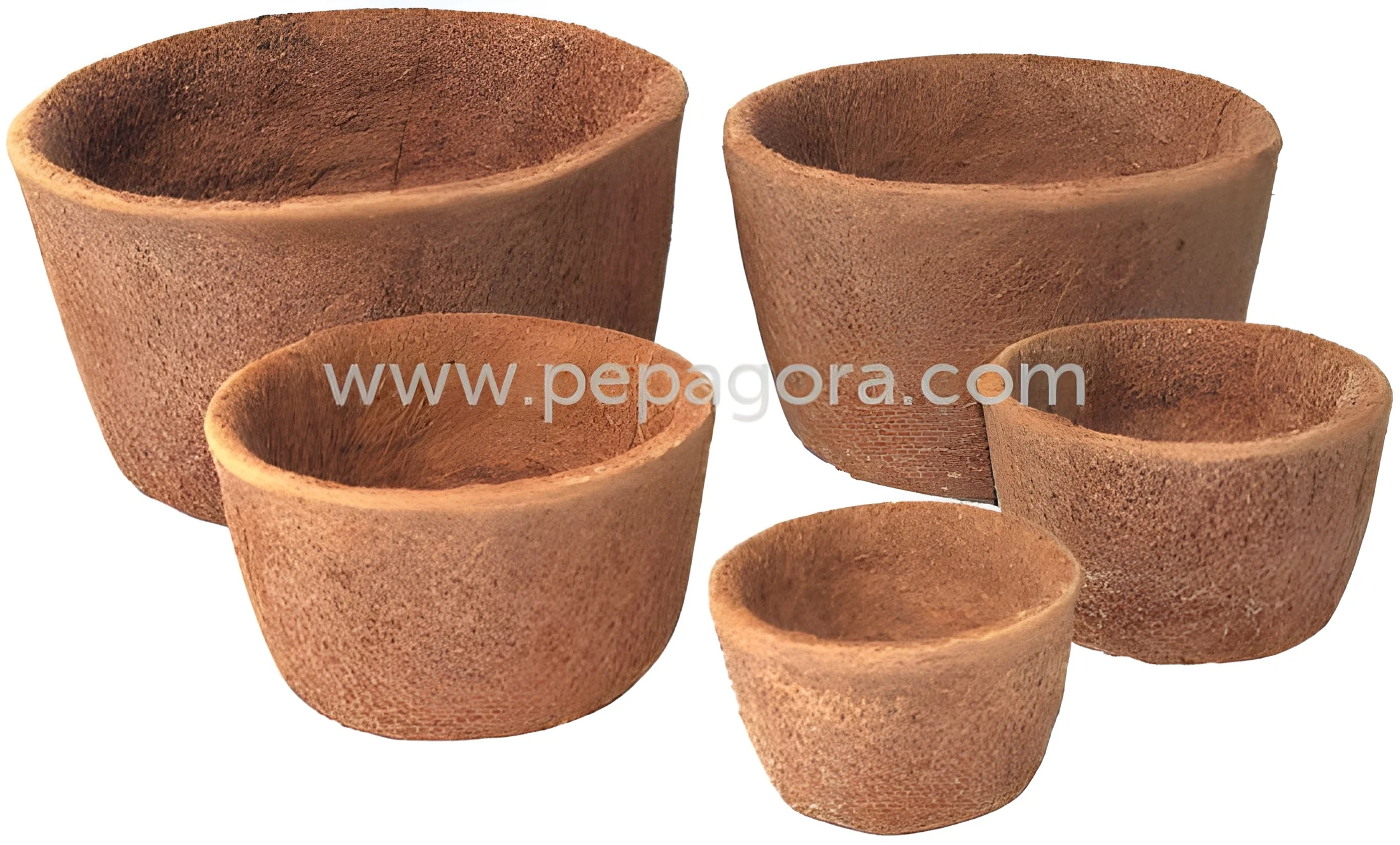
What are Self-Watering Pots?
Self-watering pots are innovative planting containers designed to provide a consistent supply of moisture to plants through a built-in reservoir system. These pots feature a water reservoir at the bottom, allowing plants to absorb water as needed through capillary action. This self-watering mechanism helps to prevent overwatering and underwatering, ensuring that plants receive the right amount of hydration for optimal growth.
These pots are widely used in various business applications, including horticulture, landscaping, and indoor gardening. They are particularly beneficial for businesses that prioritize efficiency and simplicity in plant care. Self-watering pots are ideal for use in nurseries, greenhouses, and even commercial landscaping projects. Their ability to reduce maintenance efforts while promoting healthier plant growth makes them a valuable asset in the horticulture industry.
The relevance of self-watering pots in the market is increasing as more businesses seek sustainable and low-maintenance solutions for plant care. With the growing interest in urban gardening and indoor plants, these pots are becoming popular among both commercial and residential users. Their unique features align well with modern trends toward eco-friendly gardening practices, making them a critical product in today’s agricultural and landscaping markets.
Key Features and Specifications
Self-watering pots offer several features that enhance their functionality and appeal to B2B buyers. Understanding these specifications can help businesses make informed purchasing decisions.
Key specifications include:
1. Reservoir Capacity
- Typically ranges from 1 to 5 liters, depending on the pot size.
- Provides adequate water storage for various plant types.
2. Material Composition
- Common materials include plastic, ceramic, and terracotta.
- Each material offers different durability and aesthetic qualities.
3. Drainage System
- Integrated drainage holes to prevent waterlogging.
- Ensures proper aeration for plant roots.
4. Size Variations
- Available in various sizes, from small pots for herbs to larger containers for shrubs.
- Allows for flexibility in plant selection.
5. Weight
- Ranges from lightweight options for easy mobility to heavier designs for stability.
- Important for applications in both indoor and outdoor settings.
6. Ease of Use
- Designed for straightforward filling and monitoring.
- User-friendly for both novice and experienced gardeners.
In summary, self-watering pots combine innovative design with practical features, making them suitable for diverse planting needs across various industries.
Common Applications and Use Cases
Self-watering pots find applications across multiple industries, helping businesses streamline their plant care processes.
1. Horticulture: Ideal for nurseries and greenhouses, self-watering pots ensure consistent hydration for seedlings and young plants, promoting rapid growth.
2. Landscaping: Used in commercial landscaping projects, these pots reduce maintenance efforts and ensure the health of outdoor plants in public spaces.
3. Indoor Gardening: Perfect for urban dwellers and office environments, self-watering pots help maintain indoor plants with minimal effort, enhancing air quality and aesthetics.
4. Education: Schools and educational institutions use self-watering pots in botany programs, allowing students to learn about plant care without the complexity of traditional watering methods.
5. Retail: Garden centers and stores benefit from showcasing self-watering pots, attracting customers looking for low-maintenance gardening solutions.
6. Hospitality: Hotels and restaurants often use self-watering pots for interior plants, ensuring they remain vibrant without requiring constant attention from staff.
Product Variants and Subcategories
Self-watering pots come in various designs and styles to cater to different preferences and applications.
Classic Self-Watering Pot: This traditional design features a simple reservoir system and is available in various colors and sizes. It is suitable for a wide range of plants and settings.
Decorative Self-Watering Planter: Designed with aesthetics in mind, these pots often incorporate artistic elements while still providing the benefits of self-watering. Ideal for indoor spaces and commercial displays.
Hanging Self-Watering Planter: These pots are designed for vertical gardening and can be hung on walls or ceilings. They are perfect for maximizing space in urban environments.
Large Capacity Self-Watering Pot: These pots are specifically designed for larger plants or multiple smaller plants, making them ideal for landscaping projects or community gardens.
Benefits and Advantages
Self-watering pots offer numerous benefits that make them a valuable choice for businesses.
1. Reduced Maintenance: These pots require less frequent watering, freeing up time for other tasks and reducing labor costs.
2. Consistent Moisture: The built-in reservoir provides a steady supply of water, preventing plant stress caused by fluctuating moisture levels.
3. Improved Plant Health: By minimizing the risk of overwatering and underwatering, self-watering pots contribute to healthier and more robust plants.
4. Versatility: Suitable for a wide range of plants, from herbs to larger ornamental plants, making them adaptable for various uses.
5. Sustainability: Encourages responsible water usage and reduces waste, aligning with eco-friendly practices in gardening and landscaping.
6. Aesthetic Appeal: Available in various designs, these pots can enhance the visual appeal of any space, whether indoors or outdoors.
Buying Guide for B2B Buyers
When sourcing self-watering pots, several factors should be considered to ensure a successful purchase.
1. Quality Assessment: Evaluate the materials and construction of the pots. Look for durable options that can withstand environmental conditions and provide longevity.
2. Supplier Verification: Research and vet suppliers to ensure they have a good reputation and provide reliable products. Check for customer reviews and references.
3. Pricing and MOQ: Understand the pricing structures and minimum order quantities. This helps in budgeting and ensures you can meet your supply needs without overspending.
4. Delivery and Lead Times: Discuss logistics and delivery timelines with suppliers to ensure that products arrive when needed, especially for time-sensitive projects.
5. Compliance Requirements: Verify that the pots meet any applicable safety and quality standards, including certifications that may be required in your industry.
Compliance and Certifications
Self-watering pots must adhere to various quality standards and certifications to ensure they meet industry regulations.
ISO 9001 is a widely recognized standard for quality management systems, ensuring that manufacturers maintain consistent quality in their production processes. Compliance with this standard is crucial for businesses looking to source reliable products.
Additionally, self-watering pots may hold CE certification, which indicates conformity with health, safety, and environmental protection standards within the European Economic Area. This certification is important for businesses exporting products or operating in regions that require it.
Safety and testing requirements are also vital. Manufacturers should conduct thorough testing to ensure their products are free from harmful substances and safe for use.
Regional compliance considerations can vary based on the area of operation. Businesses should stay informed about local regulations that might affect the materials and safety features of self-watering pots.
Why Source Self-Watering Pots from Pepagora?
Pepagora provides a trusted platform for sourcing self-watering pots, ensuring businesses can easily find high-quality products.
Verified Supplier Network: Pepagora offers access to a network of verified suppliers, ensuring that buyers can trust the quality and reliability of the products they purchase.
Streamlined RFQ Process: The request for quotation process on Pepagora is designed to be efficient, allowing buyers to quickly receive quotes from multiple suppliers, making it easier to compare options.
Trade Assurance and Support: Pepagora provides buyer protection through trade assurance, ensuring that transactions are secure and that buyers receive their products as promised.
Regional Coverage: With a strong presence across India, the GCC, and Southeast Asia, Pepagora enables businesses to find suppliers that cater to their specific geographical needs, facilitating smoother transactions and logistics.

 IN
IN