
 IN
Ceramic Planters
3 products available
What are Ceramic Planters?
Ceramic planters are versatile containers made from clay that is fired at high temperatures to create a durable and attractive product. These planters can be glazed or unglazed, providing various aesthetic options for indoor and outdoor use. The material offers excellent breathability and moisture retention, making it suitable for a wide range of plants.
Primarily, ceramic planters are used in horticulture, landscaping, and home decor. They serve both functional and decorative purposes, enhancing the presentation of plants in residential and commercial environments. Businesses utilize ceramic planters in garden centers, nurseries, and retail spaces, benefiting from their aesthetic appeal and durability.
In the current market, ceramic planters are gaining popularity among consumers who prioritize sustainability and style. As more businesses focus on eco-friendly practices, ceramic planters align well with these values due to their natural material and longevity. This relevance in the industry reflects a growing demand for high-quality, aesthetically pleasing products in landscaping and interior design.
Key Features and Specifications
Ceramic planters come with various features that make them suitable for different applications. Their specifications can vary based on size, design, and intended use. Understanding these features is essential for businesses looking to invest in ceramic planters.
Key specifications include:
1. Material Quality
- Made from high-quality clay
- Fired at high temperatures for durability
2. Size Options
- Available in various sizes ranging from small to large
- Custom sizes may be available based on supplier
3. Drainage Features
- Often includes drainage holes to prevent waterlogging
- Some designs may feature built-in saucers
4. Glaze Finish
- Can come in a glossy or matte finish
- Available in multiple colors and patterns
5. Weight
- Generally heavier than plastic options
- Provides stability for larger plants
6. Temperature Resistance
- Suitable for various climates, but specific ranges not detailed
- Designed to withstand outdoor conditions
7. Customization Options
- Potential for branding or unique designs
- Some suppliers may offer personalized solutions
8. Eco-Friendliness
- Made from natural materials
- Biodegradable and recyclable at end of life
In summary, ceramic planters offer a combination of durability, aesthetic appeal, and functionality, making them a popular choice across various industries.
Common Applications and Use Cases
Ceramic planters serve multiple industries, each benefiting from their unique properties.
1. Landscaping: Used in outdoor gardens, parks, and commercial landscapes to enhance visual appeal while providing plant support.
2. Interior Design: Popular in homes and offices, ceramic planters contribute to indoor aesthetics while accommodating a variety of houseplants.
3. Retail: Garden centers and nurseries use ceramic planters to display plants, attracting customers with their stylish designs.
4. Hospitality: Hotels and restaurants incorporate ceramic planters for decorative purposes, creating inviting outdoor spaces.
5. Education: Schools and universities utilize ceramic planters in greenhouses and educational programs related to botany and horticulture.
6. Events and Exhibitions: Used for temporary installations at trade shows and exhibitions to showcase plants and products in an eye-catching manner.
7. Urban Farming: With the rise of urban gardening, ceramic planters are increasingly used in small spaces for home gardening solutions.
Product Variants and Subcategories
Ceramic planters are available in various forms, catering to different needs and styles. This diversity allows businesses to select the most suitable products for their applications.
Classic Planters
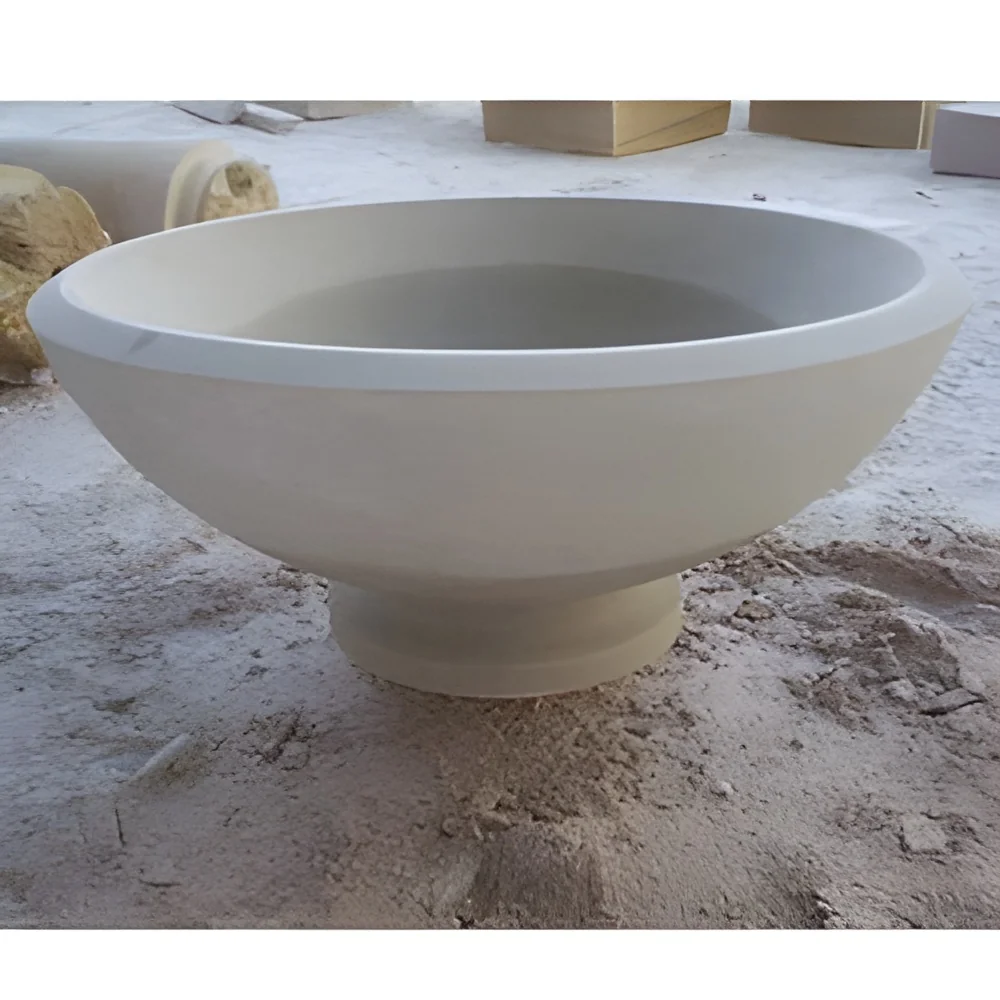
These traditional designs are suitable for a wide range of plants. They often feature simple shapes and unembellished finishes, making them versatile for any environment.
Decorative Planters
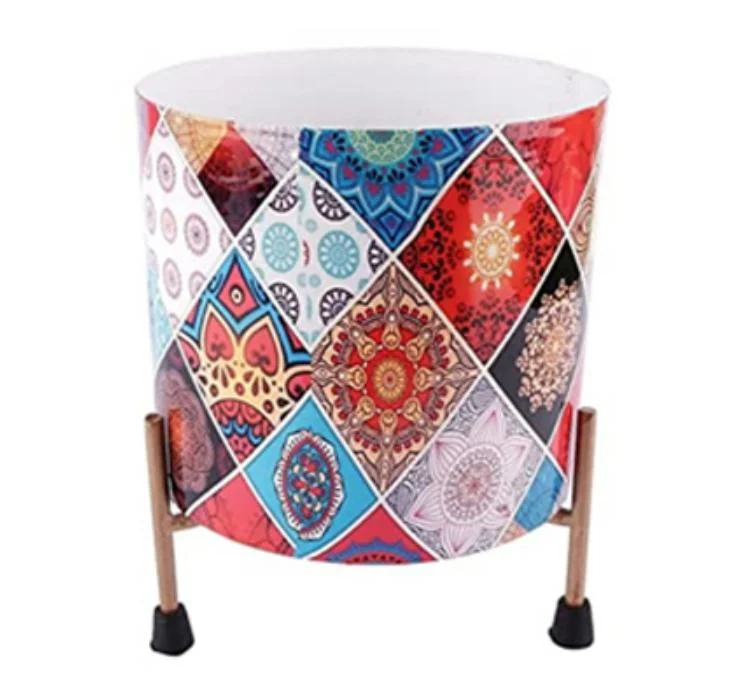
These planters come with intricate designs and vibrant colors. They are ideal for enhancing visual appeal and are commonly used in residential and commercial spaces.
Hanging Planters
Designed to be suspended, these planters are perfect for limited spaces. They add an eye-catching vertical element to gardens or interiors.
Self-Watering Planters
These innovative planters include a reservoir, allowing plants to draw moisture as needed. They are ideal for busy individuals and organizations that want to maintain plant health with minimal effort.
Benefits and Advantages
Ceramic planters offer several advantages that make them a preferred choice for businesses.
1. Durability: Ceramic planters are long-lasting and can withstand different weather conditions, making them suitable for outdoor use.
2. Aesthetic Appeal: Available in various designs and colors, they enhance the visual appeal of any setting, whether indoors or outdoors.
3. Excellent Moisture Retention: The porous nature of ceramic helps regulate moisture levels, providing an optimal environment for plant growth.
4. Eco-Friendly: Made from natural materials, ceramic planters are environmentally friendly and can be recycled.
5. Versatility: They can be used for a wide range of plants, from small houseplants to larger garden specimens.
6. Customization Potential: Businesses can often customize ceramic planters for branding or specific design needs.
Buying Guide for B2B Buyers
When sourcing ceramic planters, it is essential to consider several factors to ensure a suitable purchase.
1. Quality Assessment: Evaluate the quality of the ceramic material and the craftsmanship of the planters. Look for reliable suppliers with a reputation for high-quality products.
2. Supplier Verification: Vet suppliers to ensure they meet industry standards and have a track record of reliability. Check references or ratings from other businesses.
3. Pricing and MOQ: Understand the pricing structure and minimum order quantities (MOQ) required by suppliers. Compare prices across multiple vendors to ensure competitiveness.
4. Delivery and Lead Times: Inquire about delivery times and logistics to ensure that the planters arrive when needed. Plan for potential delays, especially for larger orders.
5. Compliance Requirements: Determine any regulatory compliance that may be necessary for your region. Ensure that the products meet local safety and quality standards.
Compliance and Certifications
Ceramic planters must adhere to various quality standards and industry regulations to ensure safety and performance.
Relevant quality standards include ISO 9001, which focuses on quality management systems, ensuring that manufacturers maintain high production standards. Additionally, HACCP (Hazard Analysis and Critical Control Points) may apply in contexts where food safety is a concern, particularly for planters used in edible gardens.
Industry certifications such as CE mark indicate that the products comply with European safety, health, and environmental protection standards. It is important for businesses to verify that their suppliers possess these certifications.
Safety testing requirements may vary by region, and suppliers should provide documentation confirming compliance with relevant safety standards. Furthermore, consider regional compliance issues that may affect the import and sale of ceramic planters, ensuring that all products meet local regulations.
Why Source Ceramic Planters from Pepagora?
Pepagora offers an ideal platform for sourcing ceramic planters, providing numerous advantages to B2B buyers.
Verified Supplier Network: Pepagora has established a network of trusted suppliers who are vetted for quality and reliability. This ensures that businesses can find high-quality ceramic planters with confidence.
Streamlined RFQ Process: The platform features an efficient request for quotation (RFQ) system, allowing buyers to easily compare offers from multiple suppliers. This simplifies the procurement process and saves time.
Trade Assurance and Support: Pepagora offers trade assurance, providing buyers with protection throughout the purchasing process. This includes support for any issues that may arise post-purchase.
Regional Coverage: With a focus on markets in India, GCC, and Southeast Asia, Pepagora offers extensive geographic reach. This allows businesses to connect with local suppliers and access ceramic planters tailored to regional preferences and needs.

Frequently Asked Questions
What are Ceramic Planters?
Ceramic planters are containers made from clay that is fired at high temperatures to create a durable and often decorative vessel for plants. They are known for their aesthetic appeal, offering a variety of colors, shapes, and designs to enhance indoor and outdoor spaces.
What are the different types of Ceramic Planters?
Ceramic planters come in various types, including terracotta, glazed, and unglazed options. Terracotta planters are porous and allow for better air circulation, while glazed planters provide a shiny finish that is often more decorative and easier to clean.
How do I choose the right Ceramic Planters?
When selecting ceramic planters, consider factors such as the size of the plants, the type of drainage needed, and the aesthetic that complements your space. Additionally, ensure the planter has adequate drainage holes to prevent overwatering and root rot.
What are the standard specifications for Ceramic Planters?
Standard specifications for ceramic planters typically include dimensions such as height and diameter, wall thickness, and weight. It's also important to check for drainage features and the type of glaze used, as these can affect the planter's functionality.
What is the price range for Ceramic Planters?
The price of ceramic planters can vary widely based on size, design, and manufacturer, generally ranging from INR 200 to INR 5,000 or more. Larger, intricately designed planters or those from well-known brands will typically fall on the higher end of this spectrum.
What quality standards apply to Ceramic Planters?
Quality standards for ceramic planters often include considerations for the material's durability, firing temperature, and finish quality. Look for planters that are resistant to chipping, cracking, and fading, as well as those that meet relevant safety and environmental regulations.
Where can I find Ceramic Planters suppliers in India?
You can find ceramic planters suppliers in India through online B2B marketplaces like Pepagora.com, local gardening stores, and trade exhibitions. Additionally, searching for manufacturers and wholesalers in specific regions known for pottery can yield good results.
Can Ceramic Planters be customized?
Yes, many suppliers offer customization options for ceramic planters, including size, color, and design modifications. Custom orders might require a minimum order quantity and a lead time for production, so it is advisable to discuss your needs with the supplier.
What is the typical minimum order quantity for Ceramic Planters?
The typical minimum order quantity (MOQ) for ceramic planters can vary by supplier, but it usually ranges from 10 to 50 pieces. Larger manufacturers may offer lower MOQs for certain designs, while custom orders may have higher requirements.
What is the typical lead time for Ceramic Planters?
The lead time for ceramic planters can vary based on the supplier and the complexity of the order. Generally, standard orders may take 1 to 4 weeks, while customized orders could take longer, depending on production schedules and shipping times.
Why Businesses Trust Pepagora
Thousands of companies trust Pepagora to source smarter and sell faster
Expand Your Sales Globally

Source Smarter,Grow Faster
