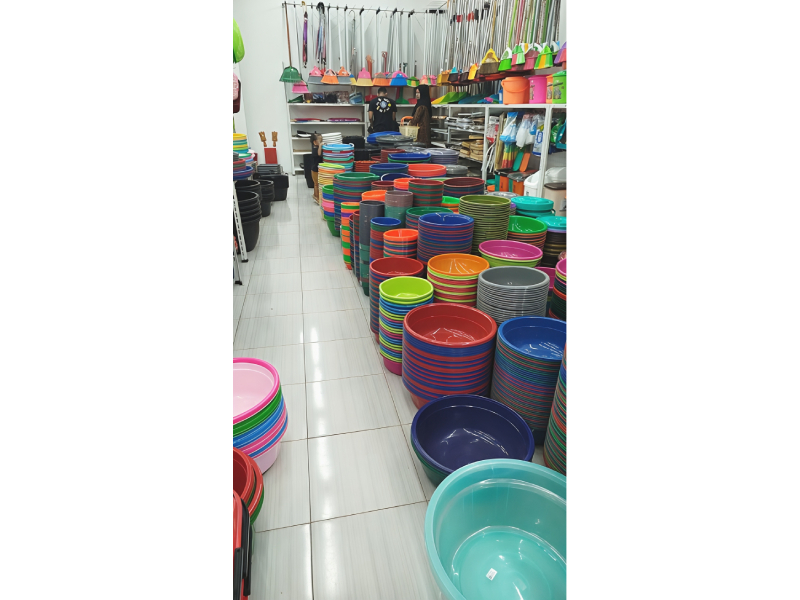
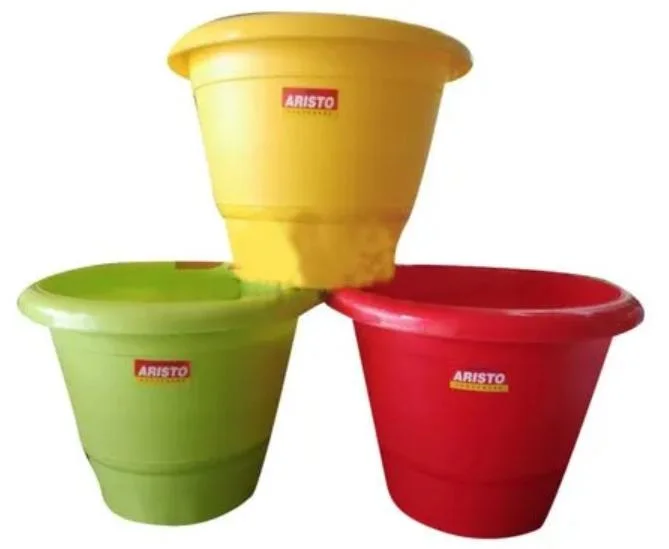
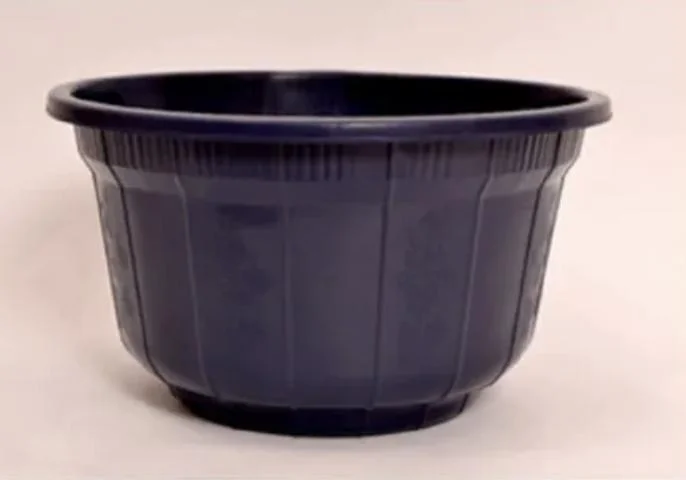
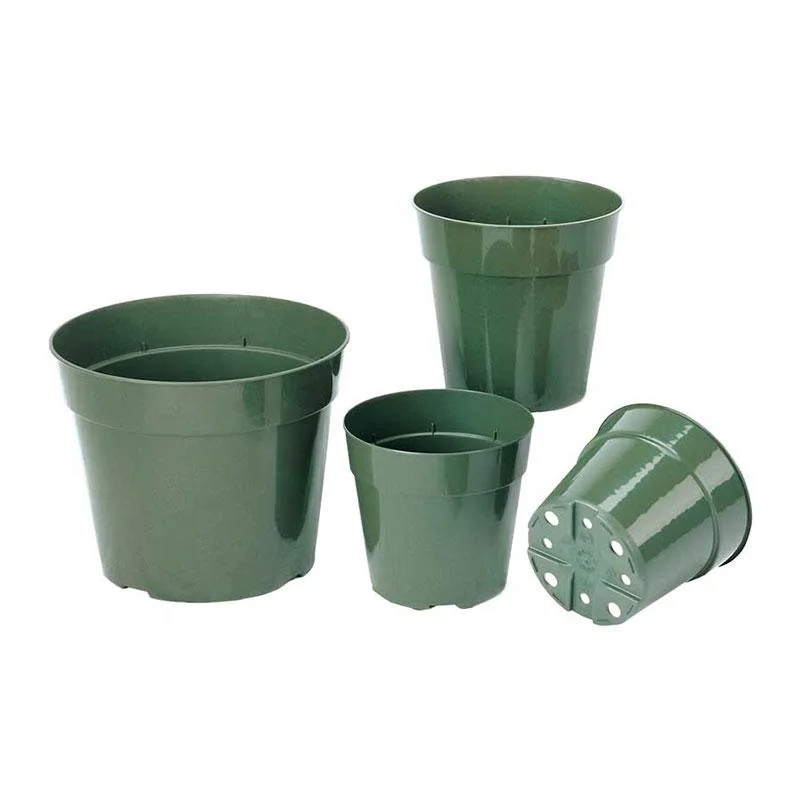
What are Plastic Plant Pots?
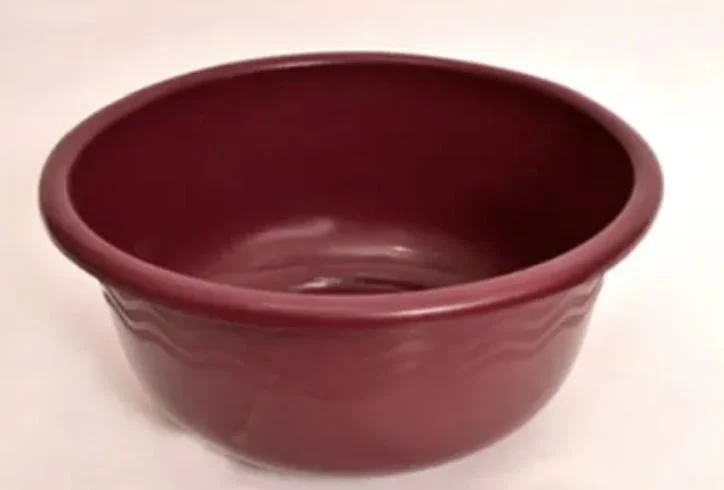
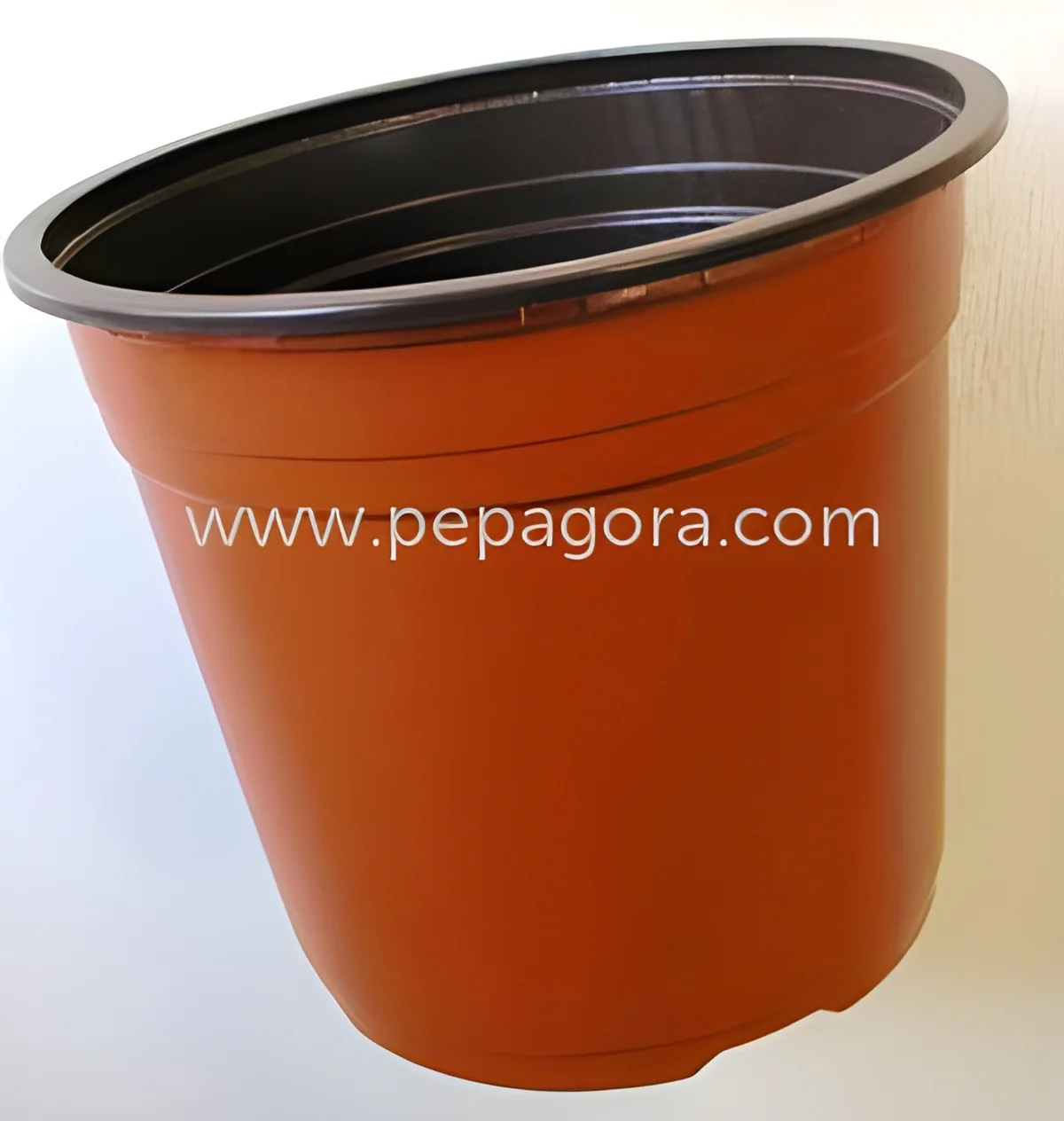
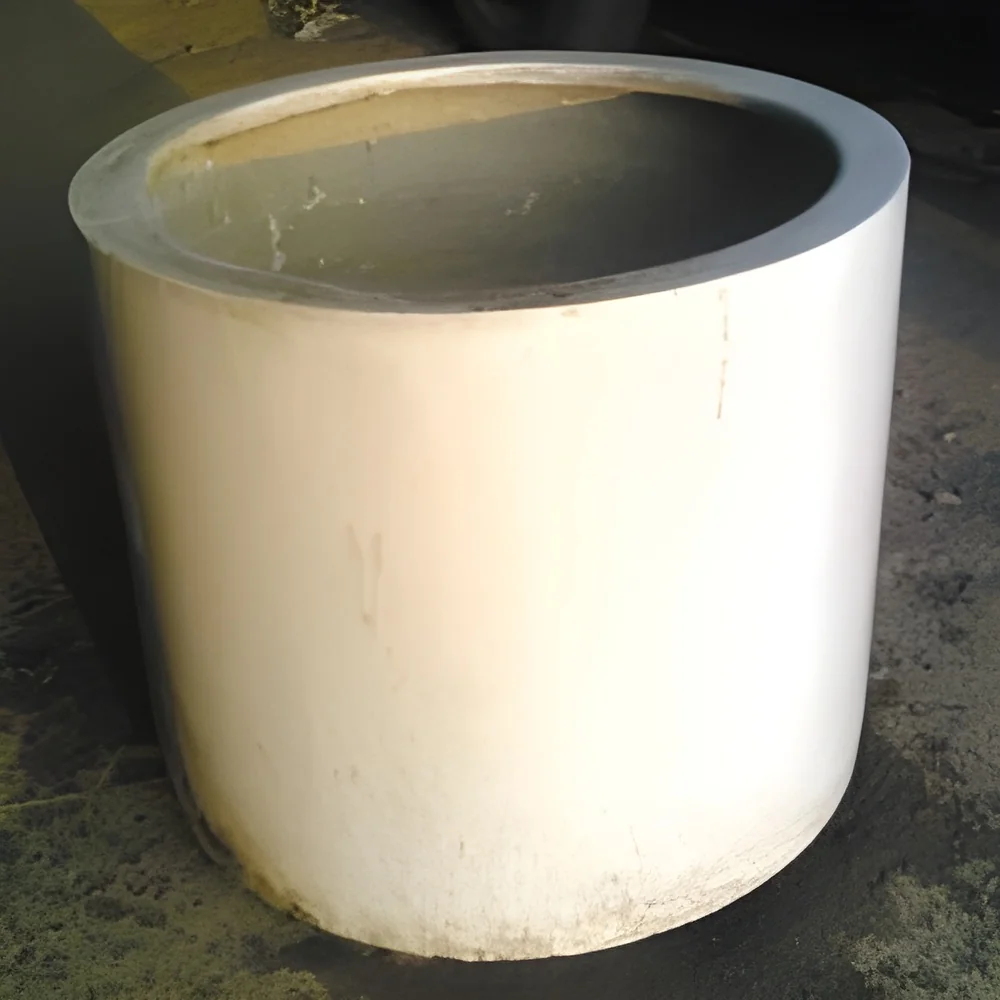
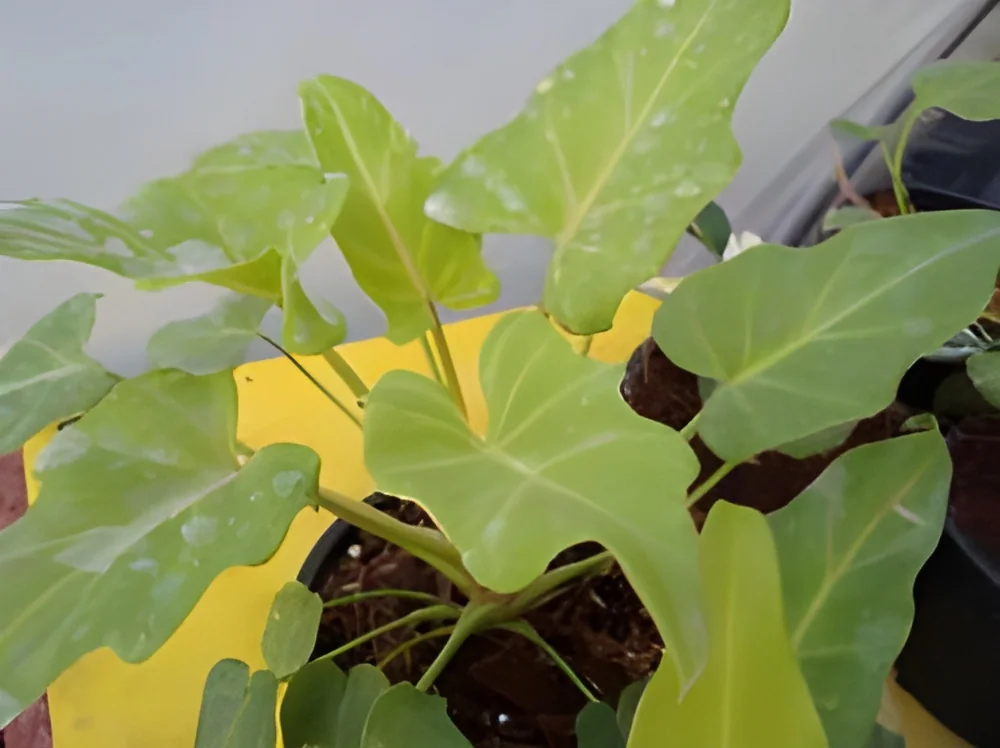
Plastic plant pots are containers made from durable plastic materials, designed specifically for growing plants. They come in various sizes and shapes, suitable for different types of plants, ranging from small seedlings to larger specimens. These pots are lightweight, resistant to weather conditions, and provide adequate drainage for plant roots, which is essential for healthy growth.
In a business context, plastic plant pots are widely used in agriculture, horticulture, and landscaping. They are often utilized by nurseries, garden centers, and landscapers for propagating and displaying plants. The versatility and affordability of plastic pots make them a popular choice for both commercial and residential gardening applications. As the demand for sustainable and efficient gardening solutions grows, the market for plastic plant pots continues to expand, reflecting their significant role in the green industry.
Key Features and Specifications
Plastic plant pots offer a range of features that make them ideal for various horticultural applications. Their specifications can vary based on size, design, and intended use. Understanding these features is essential for selecting the right product for specific needs.
Key specifications include:
1. Material Quality
- Typically made from high-density polyethylene (HDPE) or polypropylene (PP)
- Known for durability and resistance to UV light
2. Size Options
- Available in multiple sizes, ranging from 2 inches to over 24 inches in diameter
- Suitable for different plant types and growth stages
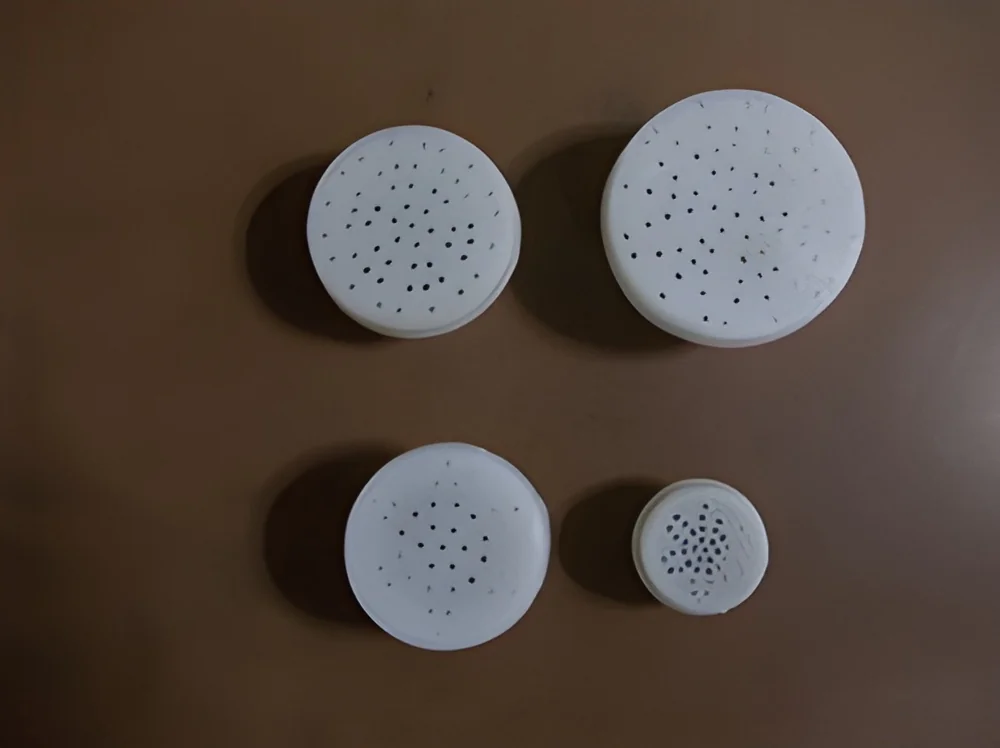
3. Drainage Holes
- Designed with multiple drainage holes to prevent overwatering
- Essential for maintaining healthy root systems
4. Recyclability
- Many plastic pots are recyclable, contributing to environmental sustainability
- Encourages eco-friendly disposal practices
5. Temperature Resistance
- Capable of withstanding a range of temperatures
- Helps protect plants from extreme weather conditions
6. Lightweight Design
- Easy to handle and transport, making them convenient for various applications
- Reduces shipping costs due to lower weight
7. Color Options
- Available in various colors to suit aesthetic preferences
- Some colors may help in heat regulation for plants
8. Customization
- Many suppliers offer options for branding or bespoke designs
- Allows businesses to tailor products to their specific branding needs
In summary, plastic plant pots are designed to provide functionality, durability, and aesthetic appeal, making them essential tools for anyone involved in gardening or plant cultivation.
Common Applications and Use Cases
Plastic plant pots are utilized across a variety of industries, showcasing their versatility and importance in plant cultivation.
1. Horticulture: Nurseries and greenhouses rely on plastic pots for propagating plants and maintaining healthy root systems. They allow for efficient watering and drainage.
2. Landscaping: Landscape professionals use plastic pots for planting trees, shrubs, and flowers, offering ease of transport and installation in outdoor spaces.
3. Retail: Garden centers and home improvement stores use plastic plant pots for displaying a wide range of plants. Their lightweight nature makes them easy to handle for customers.
4. Agriculture: Farmers utilize plastic pots for growing seedlings and transplants, allowing for controlled growth conditions before planting in the field.
5. Interior Design: Interior decorators use plastic pots for indoor plants. Their lightweight design enables easy rearrangement, catering to changing aesthetics.
6. Education: Schools and educational institutions use plastic pots for gardening programs, teaching students about plant care and biology in a hands-on manner.
7. Research: Botanical research facilities use plastic pots for experiments and cultivation of specific plant varieties, enabling controlled conditions for study.
Product Variants and Subcategories
Plastic plant pots come in various forms to meet diverse gardening needs. Each variant offers unique features tailored to specific applications.
Standard Plastic Pots: These are the most common type, suitable for general gardening purposes. They come in various sizes and provide essential drainage for healthy plant growth.
Decorative Pots: Designed with aesthetics in mind, these pots feature attractive designs and colors. They are ideal for indoor use and enhance the visual appeal of plants.
Hanging Pots: These pots are designed for vertical gardening, allowing plants to hang and grow downwards. They are perfect for small spaces and add a decorative element to walls.
Self-Watering Pots: These innovative pots feature a built-in reservoir that allows plants to draw water as needed. They are beneficial for maintaining consistent moisture levels.
Benefits and Advantages
Plastic plant pots offer numerous benefits that make them a preferred choice for both commercial and residential gardening.
Key benefits include:
1. Cost-Effectiveness: Plastic pots are generally less expensive than ceramic or clay alternatives, making them a budget-friendly option for growers.
2. Lightweight Nature: Their lightweight design makes them easy to transport and handle, reducing labor costs during planting and shipping.
3. Durability: Plastic pots are resistant to cracking and breaking, providing long-lasting use even in harsh conditions.
4. Versatility: They can be used for a wide range of plants, making them suitable for various gardening applications, from indoor plants to outdoor landscapes.
5. Customization Options: Many suppliers offer customization, allowing businesses to enhance their branding and meet specific customer needs.
6. Environmental Considerations: Many plastic pots are recyclable, contributing to sustainable practices in gardening and reducing waste.
Buying Guide for B2B Buyers
When sourcing plastic plant pots for commercial use, several factors should be considered to ensure quality and suitability.
1. Quality Assessment: Evaluate the material quality and durability of the pots. Look for specifications that indicate resistance to UV light and physical stress.
2. Supplier Verification: Vet suppliers to ensure they have a reliable track record. Check for customer reviews, certifications, and their commitment to quality standards.
3. Pricing and MOQ: Understand the pricing structure and minimum order quantity (MOQ) required by suppliers. This can significantly impact budget and inventory management.
4. Delivery and Lead Times: Inquire about logistics and lead times for orders. Timely delivery is crucial for maintaining production schedules and customer satisfaction.
5. Compliance Requirements: Ensure that the products meet any relevant regulatory standards or certifications, such as CE certification, to avoid legal issues and ensure safety.
Compliance and Certifications
Plastic plant pots are subject to various standards and certifications that ensure quality and safety in their production and use.
Relevant quality standards include ISO 9001, which focuses on maintaining quality management systems. This standard helps manufacturers ensure that their pots meet customer and regulatory requirements consistently.
Another important certification is CE marking, which indicates compliance with European health, safety, and environmental protection standards. This certification is essential for businesses exporting products to European markets.
Additionally, safety and testing requirements are vital for ensuring that plastic pots do not leach harmful chemicals into the soil or affect plant health. Testing for compliance with industry standards helps assure buyers of the products they are sourcing.
Regional compliance considerations may vary based on local regulations. It is crucial for B2B buyers to be aware of these requirements to ensure that they are sourcing compliant products.
Why Source Plastic Plant Pots from Pepagora?
Pepagora provides a trusted platform for sourcing plastic plant pots, offering several key advantages to B2B buyers.
Verified Supplier Network: Pepagora has established a network of verified suppliers, ensuring that buyers can find reliable partners for their sourcing needs. This verification process helps reduce the risk of fraud and ensures quality products.
Streamlined RFQ Process: The Request for Quotation (RFQ) system offered by Pepagora simplifies the process of obtaining quotes from multiple suppliers. This allows buyers to compare prices and terms efficiently.
Trade Assurance and Support: Pepagora offers trade assurance, providing buyers with protection and support throughout the purchasing process. This includes assistance with disputes and ensuring timely delivery.
Regional Coverage: Pepagora has a wide geographic reach, covering markets in India, the GCC, and Southeast Asia. This allows buyers to access a diverse range of suppliers and products tailored to their regional needs.

 IN
IN