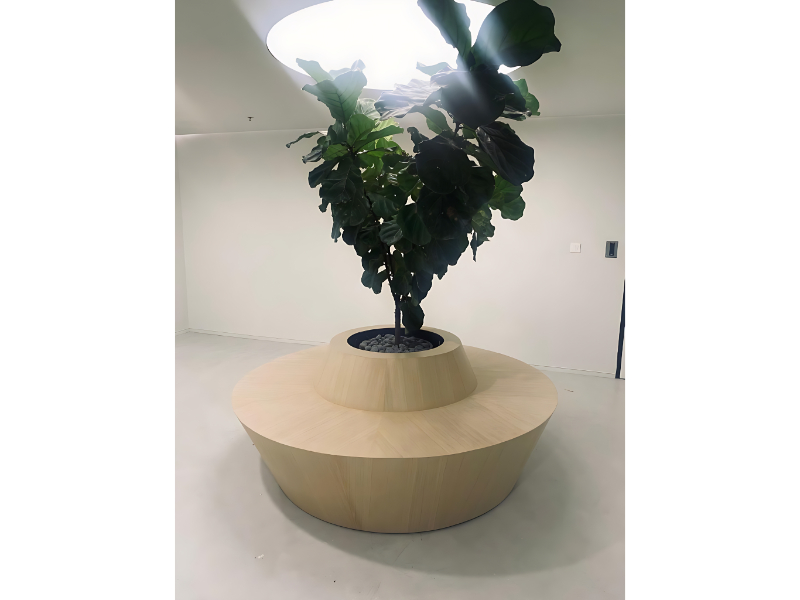
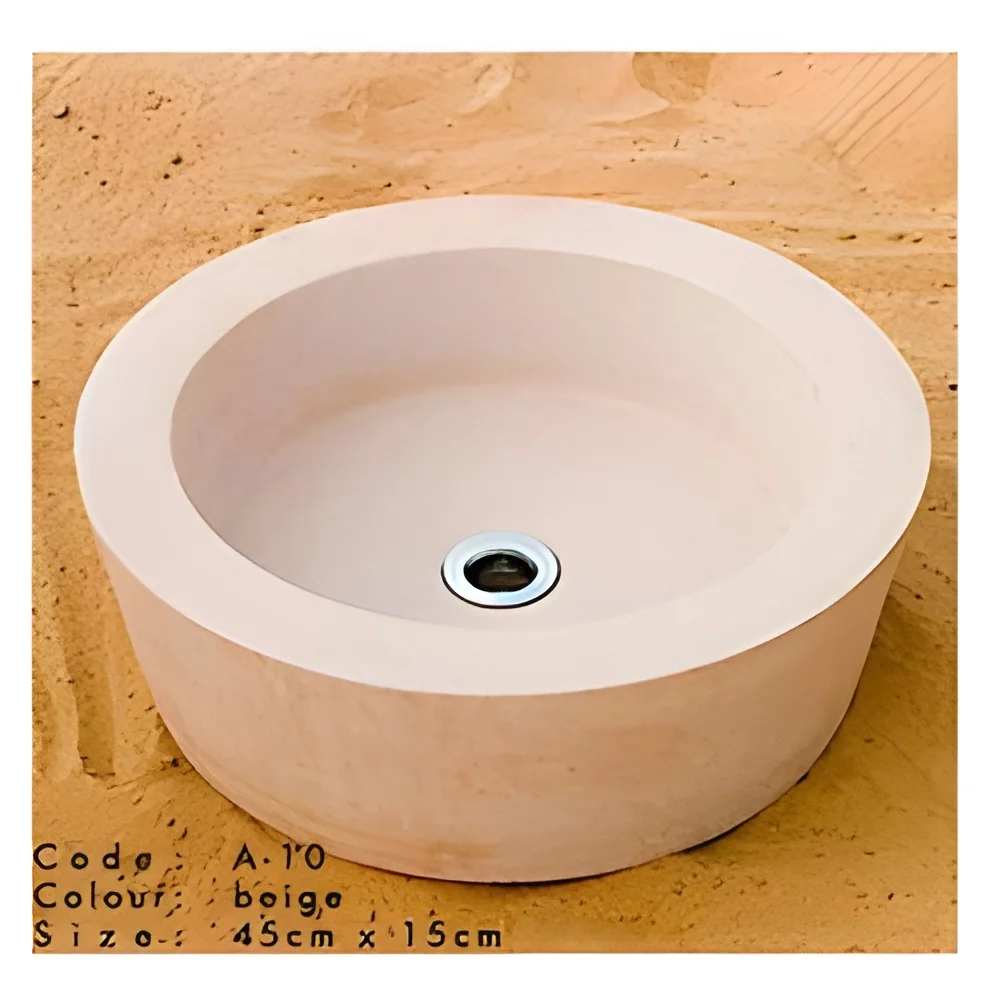
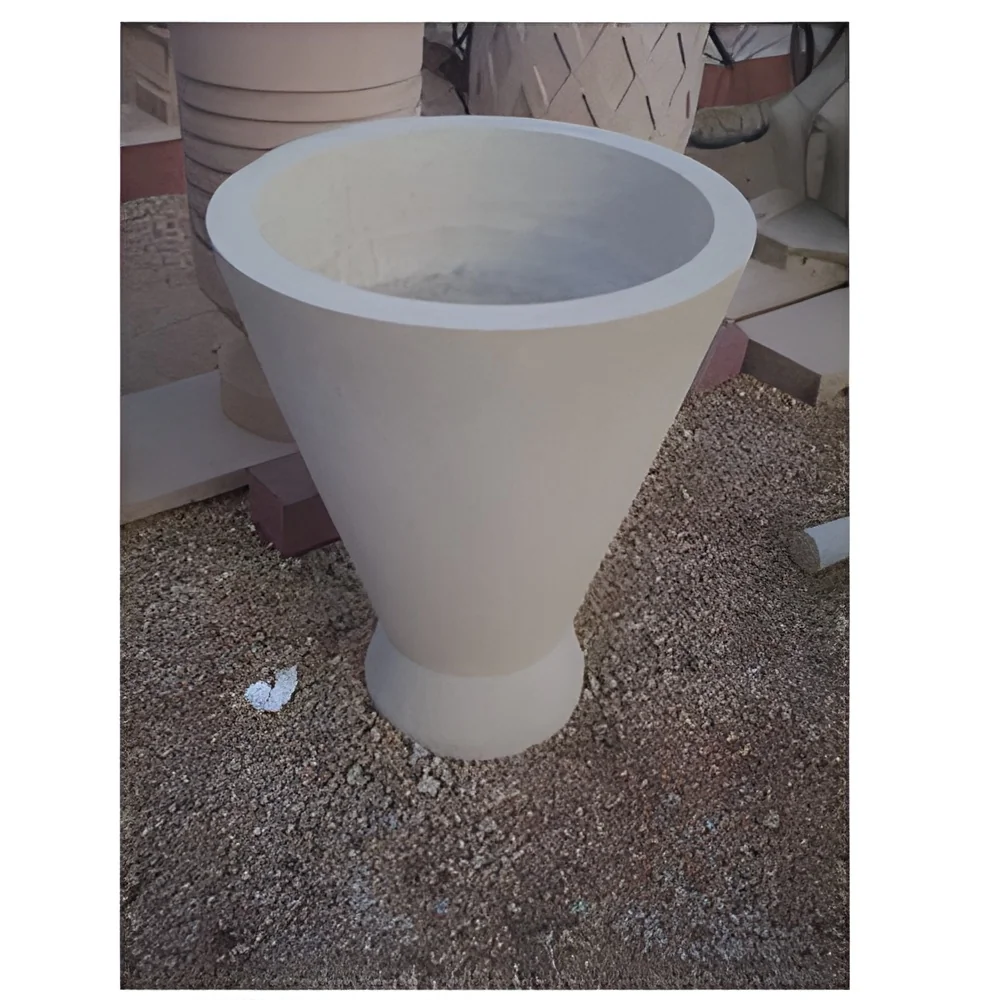
What are Round Planters?
Round planters are cylindrical containers designed to hold and display plants in various environments. Typically made from materials such as plastic, fiberglass, or metal, these planters come in various sizes to accommodate different plant species. Their round shape offers a visually appealing aesthetic, making them popular in both indoor and outdoor settings.
These planters are primarily used in commercial landscaping, urban gardening, and interior design. Businesses often utilize round planters to enhance the visual appeal of public spaces, office buildings, and retail environments. They are also favored in residential projects for patios, balconies, and gardens. The versatility of round planters allows them to be integrated into various design schemes, contributing to the overall ambiance of a space.
In the current market context, round planters are becoming increasingly relevant as urban areas grow and the demand for green spaces rises. Their ability to adapt to different environments makes them a staple in both commercial and residential landscaping projects. With sustainability in focus, many manufacturers are exploring eco-friendly materials for these planters, catering to environmentally conscious consumers.
Key Features and Specifications
Round planters offer a variety of features that make them suitable for numerous applications. Their design and construction play a significant role in their effectiveness for plant growth and aesthetic appeal. Below are key specifications to consider when selecting round planters.
Key specifications include:
1. Material
- Common materials include plastic, metal, and fiberglass.
- Each material offers different durability, weight, and aesthetic qualities.
2. Size
- Available in various diameters, typically ranging from 12 inches to 48 inches.
- Size affects plant types and growth space available.
3. Drainage System
- Many round planters feature built-in drainage holes.
- Proper drainage is essential to prevent waterlogging.
4. Weight
- Planters can be lightweight for easy mobility or heavy for stability.
- Weight considerations depend on intended use and location.
5. Finish
- Options include matte, glossy, and textured finishes.
- The finish impacts the visual appeal and maintenance requirements.
6. Color Options
- Available in a wide range of colors to match aesthetic preferences.
- Color can enhance the design in landscaping projects.
7. UV Resistance
- Many materials are treated for UV resistance.
- This feature ensures longevity in outdoor settings.
8. Customization
- Some manufacturers offer customization options.
- Customization can include size, color, and branding.
Overall, these features contribute to the functional and aesthetic qualities of round planters, making them a valuable choice for various applications.
Common Applications and Use Cases
Round planters are versatile products that cater to a range of industries and uses. Their design allows for effective plant growth and can enhance the aesthetic of any environment.
1. Hospitality Industry: Round planters are frequently used in hotels and restaurants to create inviting outdoor spaces. They can be placed on patios or near entrances to enhance the overall ambiance.
2. Retail Spaces: Retailers often utilize round planters to draw attention to merchandise and improve foot traffic flow. Strategically placed planters can create visually appealing displays.
3. Office Buildings: Many corporate offices use round planters to bring nature indoors. They improve air quality and provide a calming environment for employees and visitors.
4. Urban Landscaping: City planners incorporate round planters into public spaces, such as parks and streetscapes, to create green areas in urban environments. They help improve aesthetics and promote sustainability.
5. Residential Gardens: Homeowners often use round planters for personal gardening projects. They can be placed on patios, balconies, or in gardens to grow flowers, herbs, and vegetables.
6. Educational Institutions: Schools and universities utilize round planters for landscaping and educational purposes. They provide outdoor learning opportunities and beautify campus areas.
7. Healthcare Facilities: Hospitals and clinics may use round planters in outdoor healing gardens or waiting areas to create a soothing atmosphere for patients and visitors.
Product Variants and Subcategories
Round planters come in various forms, allowing businesses to choose options that best suit their needs. Each variant offers unique features tailored for specific applications.
Standard Round Planters
These are the most common type, available in various sizes and materials. They are suitable for both indoor and outdoor use, making them highly versatile for different settings.
Self-Watering Round Planters
This variant features an integrated watering system that provides plants with a consistent moisture level. Ideal for busy environments, these planters reduce maintenance efforts.
Decorative Round Planters
Designed with aesthetic appeal in mind, these planters often feature intricate designs or finishes. They are perfect for enhancing the visual impact in high-profile locations.
Lightweight Round Planters
Constructed from lighter materials, these planters are easy to move and rearrange. They are suitable for temporary displays or changing seasonal designs.
Benefits and Advantages
Round planters offer numerous benefits that make them a preferred choice for various applications. Their design and functionality contribute to enhanced plant growth and aesthetic appeal.
Key benefits include:
1. Versatility: Round planters can be used in various settings, including residential, commercial, and public spaces, making them a flexible landscaping solution.
2. Aesthetic Appeal: Their round shape and availability in diverse materials and colors contribute to the visual enhancement of any environment.
3. Space Efficiency: Round planters can fit into tight spaces, maximizing the use of available area for planting.
4. Enhanced Drainage: Many round planters come with built-in drainage systems, preventing water accumulation and promoting healthy root growth.
5. Easy Maintenance: Their design allows for straightforward cleaning and care, making them user-friendly for both individuals and businesses.
6. Mobility: Lightweight options make it easier to reposition planters for seasonal changes or design updates, providing flexibility in landscaping.
Buying Guide for B2B Buyers
When sourcing round planters, businesses should consider several key factors to ensure they select the right products for their needs.
1. Quality Assessment: Evaluate the materials and construction of the planters. High-quality materials will ensure durability and longevity, making them a worthwhile investment.
2. Supplier Verification: Research and verify suppliers to ensure they are reputable and reliable. Look for reviews and testimonials to assess their track record.
3. Pricing and MOQ: Understand pricing structures and minimum order quantities (MOQ) to make informed purchasing decisions. Compare prices across different suppliers to find competitive options.
4. Delivery and Lead Times: Confirm delivery schedules and lead times to plan accordingly. Timely delivery is crucial for project timelines, especially in landscaping.
5. Compliance Requirements: Check for any regulatory compliance that may apply to the planters, especially if they will be used in public spaces or commercial settings.
Compliance and Certifications
Compliance and certifications are vital for ensuring that round planters meet industry standards and regulations. Key quality standards may include ISO 9001 for quality management systems and CE certification for safety and environmental considerations.
Manufacturers should adhere to safety and testing requirements to ensure that their products are safe for use in various environments. This includes evaluating materials for toxicity and ensuring they do not leach harmful substances into the soil or plants.
Regional compliance considerations should also be taken into account, especially if the planters will be used in different countries. Understanding local regulations can help businesses avoid legal issues and ensure customer satisfaction.
Why Source Round Planters from Pepagora?
Pepagora provides a trusted platform for sourcing round planters, offering several key advantages to B2B buyers.
Verified Supplier Network: Pepagora connects buyers with a network of verified suppliers, ensuring that businesses can source high-quality planters from reputable manufacturers.
Streamlined RFQ Process: The platform features a streamlined request for quotation (RFQ) process, allowing buyers to efficiently compare options and make informed purchasing decisions.
Trade Assurance and Support: Pepagora offers buyer protection through trade assurance, providing peace of mind during transactions. Their support team is also available to assist with any inquiries or issues.
Regional Coverage: With a wide geographic reach, including India, the GCC, and Southeast Asia, Pepagora ensures that businesses can find suitable suppliers regardless of their location, enhancing accessibility to quality round planters.

 IN
IN