What are Drip Trays & Saucers?
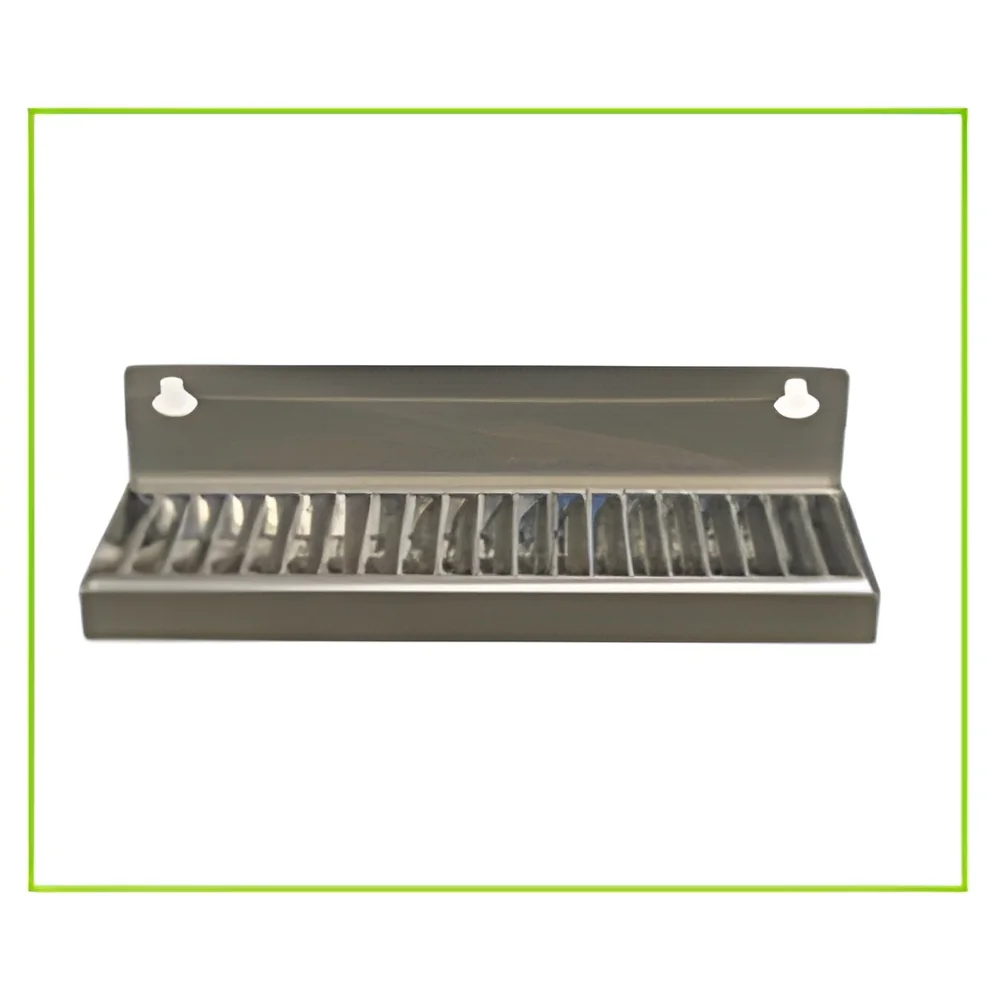
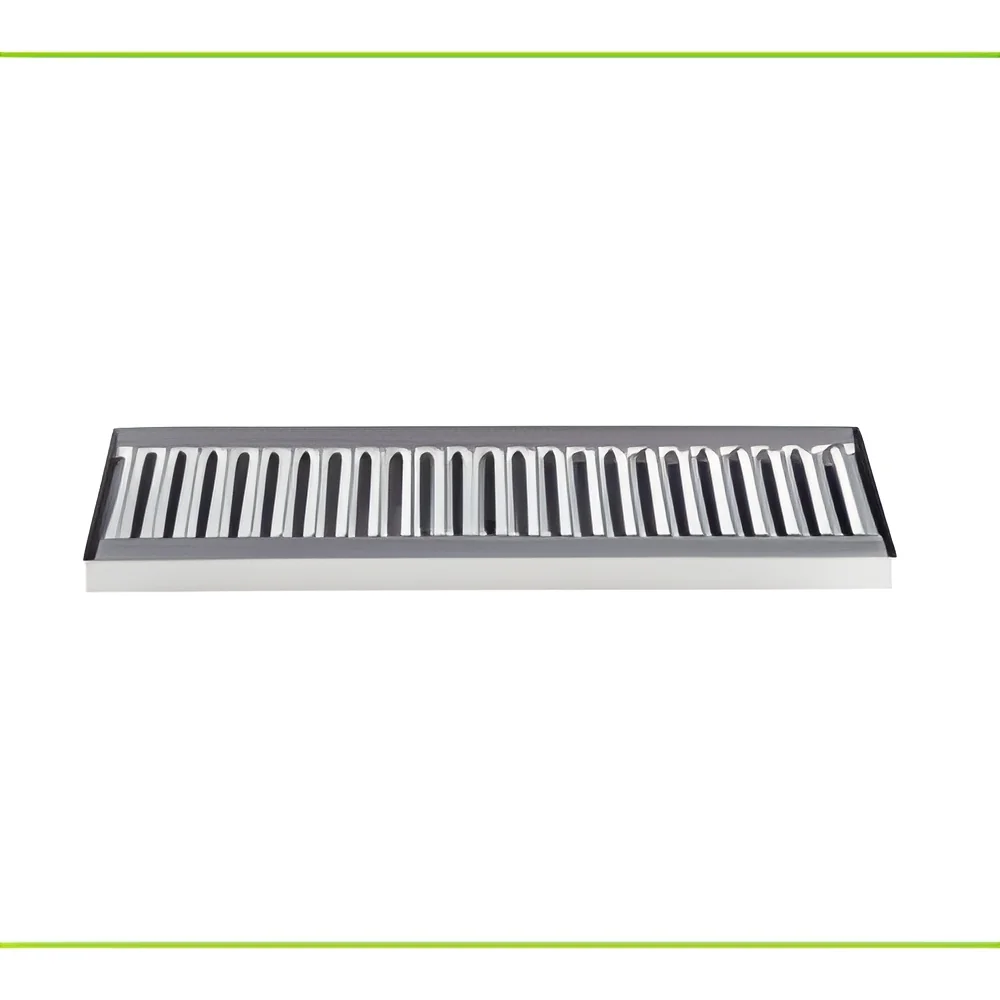
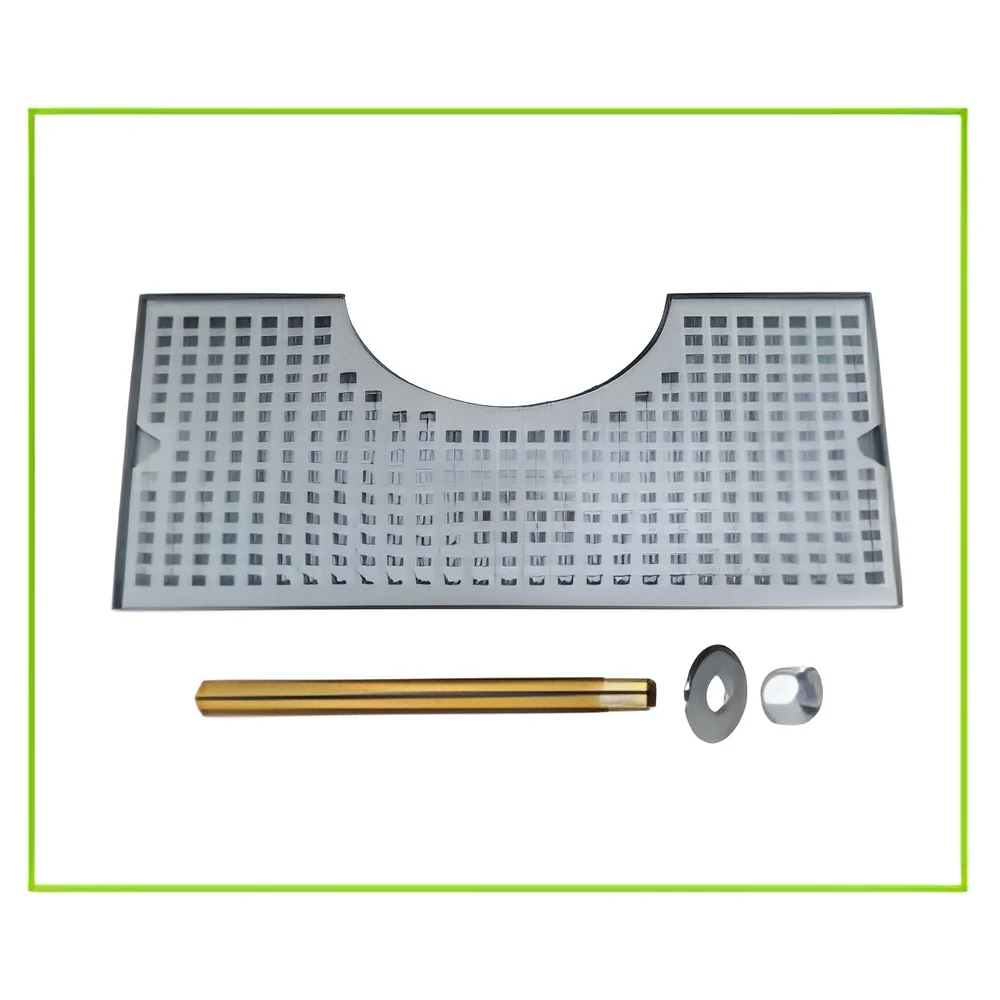
Drip trays and saucers are essential components used in various industrial and commercial settings to collect excess liquid and prevent spills. They are typically made from durable materials such as plastic, metal, or fiberglass. These trays are designed to hold containers, equipment, or plants, ensuring that any overflow or leakage is captured effectively. Their design often includes raised edges to contain liquid and prevent it from spreading.
The primary uses of drip trays and saucers can be found in industries such as food and beverage, manufacturing, and horticulture. In food service, they are used beneath equipment to catch spills and drips, maintaining cleanliness and safety. In manufacturing, they serve as containment solutions for machinery that may leak fluids. In horticulture, saucers collect excess water from potted plants, promoting healthier growth by preventing waterlogging. The versatility of these products makes them relevant across various sectors, highlighting their importance in operational efficiency and safety.
Key Features and Specifications
Drip trays and saucers come with a variety of features that enhance their functionality and usability. Understanding these specifications is crucial for selecting the right product for specific needs.
Key specifications include:
1. Material Composition
- Common materials include plastic, stainless steel, and aluminum.
- Each material offers different levels of durability and resistance to corrosion.
2. Size and Dimensions
- Available in various sizes to accommodate different containers and equipment.
- Custom sizes may also be available upon request.
3. Weight Capacity
- Designed to support varying weights depending on the application.
- Some models can hold up to several hundred pounds.
4. Edge Design
- Features raised edges to contain spills effectively.
- Some trays may have additional design elements for enhanced containment.
5. Temperature Resistance
- Many trays can withstand a range of temperatures.
- Specific temperature ratings may vary by material.
6. Ease of Cleaning
- Smooth surfaces facilitate quick and easy cleaning.
- Some trays are dishwasher safe for added convenience.
7. Chemical Resistance
- Certain materials are resistant to various chemicals and solvents.
- Important for use in industrial and laboratory settings.
In summary, drip trays and saucers are designed with various specifications tailored to specific applications, ensuring functionality and safety across multiple industries.
Common Applications and Use Cases
Drip trays and saucers serve a wide range of industries, demonstrating their versatility and necessity.
1. Food and Beverage Industry: In restaurants and food processing facilities, these products catch spills from equipment and containers, maintaining hygiene standards.
2. Manufacturing Sector: Used under machinery and equipment, they collect any leaked fluids, helping prevent workplace hazards and maintaining cleanliness.
3. Horticulture: Saucers are essential for potted plants as they collect excess water, preventing soil saturation and promoting healthy root growth.
4. Chemical Processing: These trays are used to contain spills from hazardous materials, ensuring safety in handling and disposal.
5. Automotive: In garages and workshops, drip trays capture oil and fluid leaks from vehicles, protecting the environment and workspace.
6. Laboratory Settings: Drip trays are utilized to collect spills from experiments and equipment, providing a safe and clean working environment.
7. Retail and Showrooms: Used to catch water from display plants, they maintain an appealing and tidy appearance for customers.
Product Variants and Subcategories
Drip trays and saucers come in various forms to meet specific needs across industries.
Standard Drip Trays: These are basic models designed to capture spills from most equipment. They are typically lightweight and easy to clean, making them ideal for general use in food service and manufacturing.
Heavy-Duty Drip Trays: Constructed from robust materials, these trays are designed for heavy equipment and machinery. Their enhanced weight capacity and chemical resistance make them suitable for industrial applications.
Plant Saucers: Specifically designed for horticulture, these saucers collect excess water from potted plants. They come in various sizes to fit different pot dimensions and are often made from UV-resistant materials to withstand outdoor conditions.
Benefits and Advantages
Drip trays and saucers offer several advantages that make them indispensable in various industries.
1. Spill Containment: They effectively capture liquid spills, preventing accidents and maintaining a clean working environment.
2. Safety Enhancement: By reducing the risk of slips and falls, these products contribute to workplace safety.
3. Versatility: Suitable for multiple applications across various sectors, they can be customized to meet specific needs.
4. Durability: Made from robust materials, they are designed to withstand wear and tear, ensuring long-term use.
5. Easy Maintenance: Their design allows for quick and efficient cleaning, saving time and labor costs.
6. Cost-Effective: Investing in drip trays and saucers can reduce cleanup costs and potential damage from spills.
Buying Guide for B2B Buyers
When sourcing drip trays and saucers, several factors should be considered to ensure the best choice for specific applications.
1. Quality Assessment: Look for products that meet industry standards for durability and performance. Consider materials that offer resistance to corrosion and chemicals.
2. Supplier Verification: Vet potential suppliers by checking their credentials and customer reviews. A reliable supplier should have a proven track record of quality products.
3. Pricing and MOQ: Understand the cost structure and minimum order quantities. Compare prices across suppliers to find competitive options.
4. Delivery and Lead Times: Evaluate the supplier's ability to meet your delivery requirements. Timely delivery is crucial for maintaining operational flow.
5. Compliance Requirements: Ensure that the products meet relevant regulatory standards and certifications for your industry, such as CE marking for safety.
Compliance and Certifications
Compliance with industry standards is critical for ensuring product quality and safety. Drip trays and saucers must adhere to relevant quality standards such as ISO 9001, which focuses on maintaining effective quality management systems.
Additionally, certifications like CE mark indicate that a product meets European health, safety, and environmental protection standards. This is particularly important for industries that deal with hazardous materials or food products.
Safety requirements also play a vital role in the manufacturing of these products. Testing for durability, chemical resistance, and temperature tolerance ensures that trays can perform effectively under various conditions.
Regional compliance considerations should also be taken into account, especially for businesses operating in multiple countries. Understanding local regulations can help prevent legal issues and ensure that products are safe for use.
Why Source Drip Trays & Saucers from Pepagora?
Pepagora provides a trusted platform for sourcing drip trays and saucers with several key advantages.
Verified Supplier Network: Pepagora connects buyers with a network of verified suppliers. This ensures that you are dealing with reputable manufacturers who meet industry standards.
Streamlined RFQ Process: The platform offers a straightforward request for quotation (RFQ) process. This allows buyers to easily compare quotes and select the best options for their needs.
Trade Assurance and Support: Pepagora prioritizes buyer protection through trade assurance measures. This includes support in case of disputes, ensuring a secure purchasing experience.
Regional Coverage: With a geographic reach extending to India, the GCC, and Southeast Asia, Pepagora ensures that buyers can find suitable suppliers close to their operations, facilitating easier logistics and communication.

 IN
IN