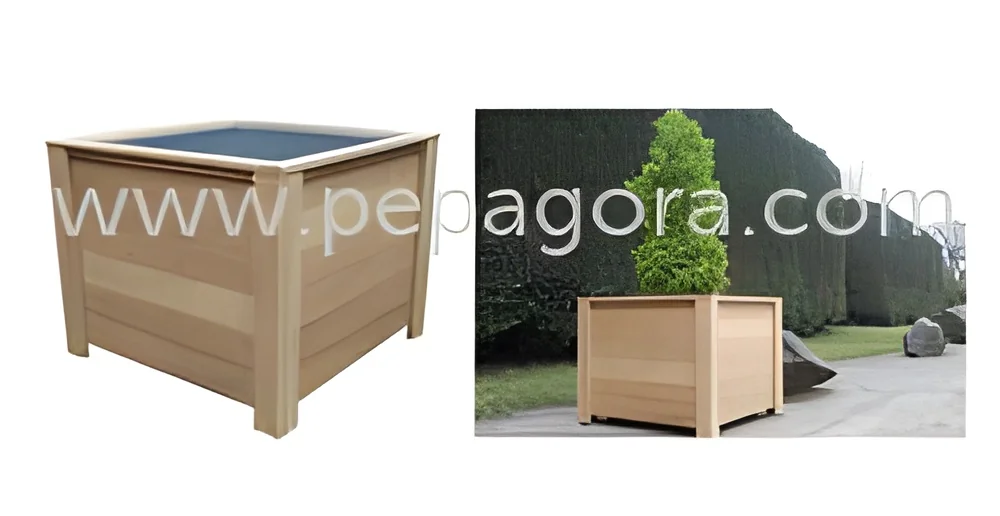
What are Wooden Planters?
Wooden planters are containers made from timber or engineered wood designed to hold soil and support plant growth. They come in various shapes, sizes, and styles to accommodate different plants, from flowers to shrubs and trees. These planters can be crafted from different types of wood, each offering unique aesthetics and durability. They are popular for their natural look, which enhances the visual appeal of gardens, patios, and indoor spaces.
Primarily, wooden planters are used in residential gardening, commercial landscaping, and urban gardening projects. Businesses involved in horticulture, home improvement, and landscaping services often utilize these planters to create attractive displays and functional growing environments. Additionally, wooden planters are suitable for businesses looking to improve outdoor aesthetics or offer gardening solutions to customers. The market for wooden planters is relevant due to the increasing interest in gardening and sustainable living, which drives demand among both consumers and businesses.
Key Features and Specifications
Wooden planters offer a variety of features that cater to different gardening needs and preferences. They are designed for durability, aesthetics, and functionality. Understanding these specifications is crucial for businesses looking to invest in high-quality planters.
Key specifications include:
1. Material Type
- Common materials include cedar, redwood, and treated plywood.
- Each type offers different levels of durability and weather resistance.
2. Size and Dimensions
- Available in various sizes, ranging from small pots to large containers.
- Dimensions can vary widely to accommodate different plants and spaces.
3. Drainage Features
- Many wooden planters include drainage holes to prevent water accumulation.
- Proper drainage is essential for maintaining healthy plant roots.
4. Treatment and Coating
- Planters may come with protective treatments to enhance longevity.
- Coatings can vary to provide resistance against moisture and pests.
5. Design Options
- Available in various designs, including modern, rustic, and decorative styles.
- Custom designs may be available for businesses seeking unique solutions.
6. Weight Capacity
- Designed to hold varying weights depending on plant size and soil type.
- Consideration of weight is important for stability and placement.
7. Sustainability
- Many wooden planters are made from sustainably sourced wood.
- Eco-friendly options are increasingly popular among consumers.
8. Customization Options
- Businesses may request custom sizes or finishes based on specific needs.
- Customization can enhance brand visibility and customer appeal.
In summary, wooden planters provide diverse options and features to cater to various business needs. Understanding these specifications ensures informed purchasing decisions.
Common Applications and Use Cases
Wooden planters serve a wide range of industries and applications. Their versatility makes them suitable for both commercial and residential use.
1. Landscaping: Landscapers often use wooden planters to create visually appealing arrangements in public parks, gardens, and commercial properties. They enhance the overall aesthetic while providing functional planting solutions.
2. Retail: Garden centers and home improvement stores utilize wooden planters to display plants and flowers attractively. They can also serve as standalone products for customers looking to enhance their gardens.
3. Hospitality: Hotels and restaurants use wooden planters to beautify outdoor dining areas and lobbies. They create inviting spaces that improve guest experiences.
4. Urban Gardening: In urban settings, wooden planters are popular for rooftop gardens and community gardens. They maximize space utilization while allowing residents to grow their own plants.
5. Events and Exhibitions: Wooden planters are often used for decorating event spaces, trade shows, and exhibitions. Their aesthetic appeal can enhance branding and create a welcoming atmosphere.
6. Education: Educational institutions may use wooden planters in school gardens to teach students about horticulture and sustainability. They provide hands-on learning opportunities.
7. Residential Gardening: Homeowners utilize wooden planters for personal gardening projects, enhancing outdoor spaces with flowers, herbs, and vegetables. They allow for creativity and personalization in home landscaping.
Product Variants and Subcategories
Wooden planters come in various forms to suit different tastes and requirements. Each variant offers unique features and applications that cater to specific gardening needs.
Rectangular Planters
These planters are ideal for creating linear arrangements, making them perfect for patios and balconies. They offer ample space for multiple plants and are often used in landscaping projects.
Square Planters
Square planters provide a balanced aesthetic and are suitable for corner placements or standalone displays. They are versatile for both indoor and outdoor use.
Hanging Planters
Hanging wooden planters are perfect for maximizing vertical space. They can be used indoors and outdoors to showcase trailing plants and flowers.
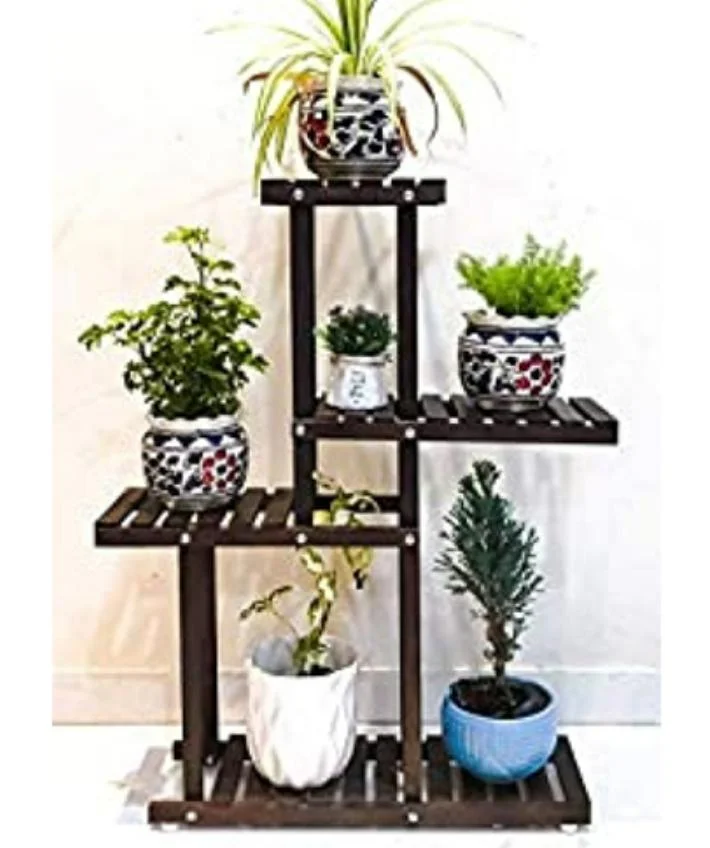
Tiered Planters
Tiered planters offer multiple planting levels, making them space-efficient and visually appealing. They are ideal for small gardens or balconies where space is limited.
Self-Watering Planters
These planters come with built-in water reservoirs, providing consistent moisture to plants. They are excellent for busy individuals or businesses that require low-maintenance solutions.
Benefits and Advantages
Investing in wooden planters offers numerous benefits that can enhance both aesthetics and practicality.
1. Aesthetic Appeal: Wooden planters provide a natural, warm look that complements various settings. They can enhance the beauty of any garden or outdoor area.
2. Durability: Quality wooden planters are built to withstand outdoor elements when properly treated. They can last for years with minimal maintenance.
3. Versatility: Available in multiple sizes and designs, wooden planters can accommodate a wide range of plants. They are suitable for various gardening styles and environments.
4. Eco-Friendly: Many wooden planters are made from sustainably sourced materials, making them an environmentally friendly choice for conscious consumers.
5. Customization: Businesses can order custom designs or sizes to meet specific requirements, allowing for unique branding and marketing opportunities.
6. Improved Plant Health: With proper drainage and aeration, wooden planters promote healthy root systems, leading to vibrant plants and successful growth.
Buying Guide for B2B Buyers
When sourcing wooden planters, businesses should consider several key factors to ensure they make informed decisions.
1. Quality Assessment: Evaluate the quality of materials used in the planters. Look for signs of durability, such as proper treatment against rot and pest damage. High-quality wood will provide longevity.
2. Supplier Verification: Vet suppliers thoroughly to ensure they offer reliable products and services. Check for customer reviews, certifications, and industry experience to gauge legitimacy.
3. Pricing and MOQ: Understand the pricing structure and minimum order quantities. Compare different suppliers to ensure competitive pricing while maintaining quality standards.
4. Delivery and Lead Times: Inquire about delivery options and lead times to avoid delays in project timelines. Efficient logistics are crucial for maintaining inventory and meeting customer demands.
5. Compliance Requirements: Familiarize yourself with any relevant regulatory requirements that may apply to wooden planters, including safety standards and environmental regulations.
Compliance and Certifications
Quality and safety standards are essential for wooden planters to ensure they meet industry expectations. Relevant quality standards, such as ISO 9001, help ensure consistency in production and quality control.
Additionally, certifications like CE indicate compliance with European health, safety, and environmental protection standards. These certifications assure buyers of the product's quality and safety.
Safety and testing requirements may include checks for material integrity and treatment effectiveness. Ensuring that wooden planters adhere to these standards protects both consumers and the environment.
Regional compliance considerations may vary depending on location. It is important for businesses to understand local regulations to ensure their wooden planters meet all necessary compliance requirements.
Why Source Wooden Planters from Pepagora?
Pepagora provides a trusted platform for sourcing wooden planters, offering several key advantages that can enhance the purchasing experience for businesses.
Verified Supplier Network: Pepagora maintains a network of verified suppliers, ensuring that buyers can trust the quality and reliability of the products they purchase. This verification process minimizes the risks associated with sourcing.
Streamlined RFQ Process: The Request for Quotation (RFQ) process is simplified on the Pepagora platform, allowing buyers to receive multiple quotations quickly. This efficiency saves time and allows for better decision-making.
Trade Assurance and Support: Pepagora offers trade assurance and support to protect buyers throughout the purchasing process. This includes assistance with any issues that may arise, ensuring peace of mind.
Regional Coverage: With a focus on regions such as India, the Gulf Cooperation Council (GCC), and Southeast Asia, Pepagora provides extensive geographic reach. This allows businesses to access a diverse range of suppliers and products tailored to their specific markets.

 IN
IN