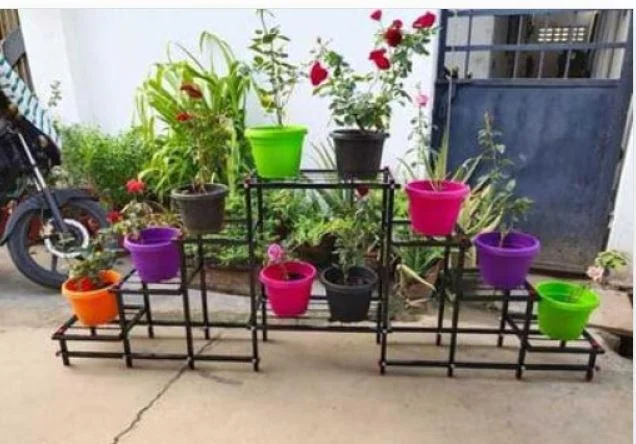
Key Features and Specifications
Metal planters, specifically those made from iron and aluminum, come with a variety of features that cater to different needs. These features can enhance both functionality and aesthetic appeal. Understanding these specifications is crucial for selecting the right planters for your business needs.
Key specifications include:
1. Material Composition
- Iron: Known for durability and strength.
- Aluminum: Lightweight and rust-resistant.
2. Size Variability
- Available in various sizes, accommodating small to large plant species.
- Custom sizes can be offered based on client specifications.
3. Design Options
- Available in multiple styles, including contemporary, traditional, and rustic.
- Customizable designs to fit specific themes or branding.
4. Drainage Features
- Equipped with drainage holes to prevent waterlogging.
- Some models may feature built-in drainage systems.
5. Coating and Finishing
- Powder-coated finishes for enhanced weather resistance.
- Variety of color options to match decor.
6. Weight Capacity
- Designed to support the weight of soil and plants, with varying capacity based on size.
7. Temperature Resistance
- Suitable for various climates, but specific temperature ranges are not detailed.
8. Eco-Friendliness
- Many manufacturers emphasize sustainable production methods.
In summary, metal planters are versatile and customizable, making them ideal for a range of commercial and residential applications.
Common Applications and Use Cases
Metal planters serve various industries, each with unique applications that take advantage of their durability and aesthetic properties.
1. Landscaping: Metal planters are widely used in public parks and gardens, providing a robust solution for outdoor planting that withstands weather conditions.
2. Hospitality: Restaurants and cafes often utilize metal planters to enhance outdoor seating areas, creating inviting spaces for patrons.
3. Retail: Retail spaces incorporate metal planters to beautify storefronts and attract customers, often using them for seasonal displays.
4. Interior Design: Offices and commercial buildings use indoor metal planters to improve air quality and aesthetics, promoting a healthier work environment.
5. Urban Gardening: With the rise of urban farming, these planters are increasingly used in city environments to maximize space for growing food and ornamental plants.
6. Event Planning: Metal planters are popular for events and exhibitions, providing stylish solutions for decoration and branding.
7. Residential Use: Homeowners use metal planters for their gardens and patios, appreciating their durability and design flexibility.
Product Variants and Subcategories
Metal planters come in a range of variants, each designed to meet specific needs and preferences.
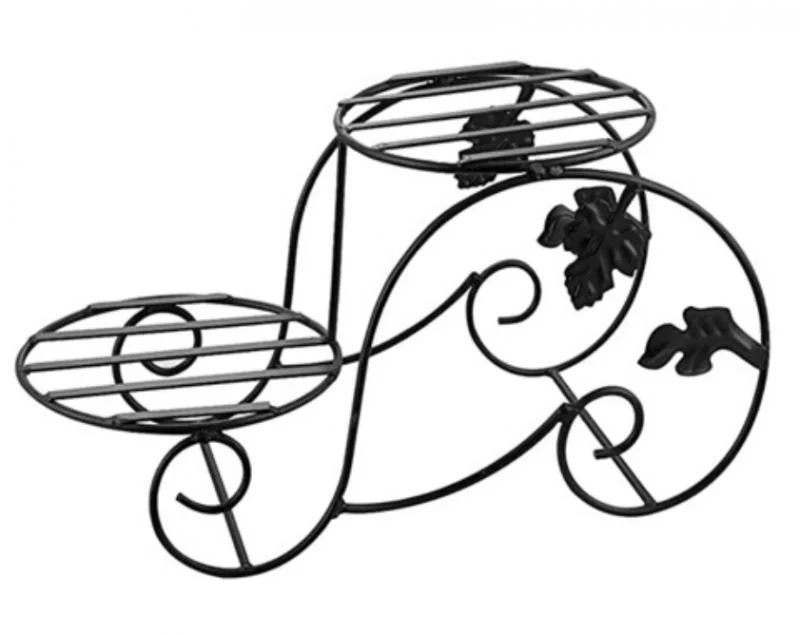
Traditional Iron Planters: These planters offer a classic look with robust construction. They are often used in traditional gardens and can withstand harsh weather conditions.
Contemporary Aluminum Planters: Lightweight and modern, these planters are perfect for urban spaces. They often come in sleek designs and various colors, appealing to modern aesthetics.
Hanging Metal Planters: Designed for vertical gardening, these planters allow for creative space utilization. They are ideal for small outdoor or indoor areas.
Self-Watering Metal Planters: These planters feature built-in reservoirs to regulate moisture levels, reducing the need for frequent watering.
Benefits and Advantages
Metal planters provide numerous benefits that make them a preferred choice for many businesses.
1. Durability: Metal planters are resistant to harsh weather conditions and physical damage, ensuring longevity.
2. Aesthetic Appeal: They offer a modern and stylish look that can enhance the visual aspects of any space.
3. Versatility: Available in various styles and sizes, they can be used in numerous applications.
4. Lightweight Options: Aluminum planters are easy to move, making them convenient for rearranging spaces.
5. Low Maintenance: Metal planters require less upkeep than other materials, such as wood, which can rot or require frequent treatment.
6. Customization: Many manufacturers offer customization options, allowing businesses to tailor products to their branding needs.
Buying Guide for B2B Buyers
When sourcing metal planters made of iron and aluminum, it is essential to consider several factors to ensure a successful purchase.
1. Quality Assessment: Evaluate the materials and construction methods used. Look for planters that meet industry standards to ensure durability and longevity.
2. Supplier Verification: Research suppliers thoroughly. Check for reviews, past projects, and certifications to confirm their reliability.
3. Pricing and MOQ: Understand the pricing structures and minimum order quantities. This helps in budgeting and ensures you can meet your project's needs.
4. Delivery and Lead Times: Inquire about logistics and expected delivery times to ensure timely project completion.
5. Compliance Requirements: Be aware of any local regulations concerning materials and safety standards. Ensure the products comply with necessary certifications.
Compliance and Certifications
Compliance and certifications play a vital role in ensuring the quality and safety of metal planters. Relevant quality standards, such as ISO 9001, focus on maintaining high-quality management systems throughout the production process. This ensures that products meet customer expectations consistently.
Industry certifications, such as CE marking, indicate that the products comply with European health, safety, and environmental protection standards. This is particularly important for businesses operating within or exporting to Europe.
Safety and testing requirements must also be considered. Planters should undergo tests to ensure they can withstand various environmental conditions. Additionally, regional compliance considerations may vary, so it is crucial to understand local regulations regarding manufacturing and materials.
Why Source Metal Planters (Iron, Aluminum) from Pepagora?
Pepagora provides a trusted platform for sourcing metal planters made from iron and aluminum, offering several key advantages for businesses.
Verified Supplier Network: The platform features a network of verified suppliers, ensuring that buyers can connect with reputable manufacturers that meet quality and compliance standards.
Streamlined RFQ Process: Pepagora simplifies the quotation process, allowing buyers to request and receive quotes efficiently. This saves time and helps in making informed purchasing decisions.
Trade Assurance and Support: Buyers benefit from trade assurance, which includes buyer protection policies. This instills confidence in transactions and ensures support throughout the purchasing process.
Regional Coverage: With a presence in India, the GCC, and Southeast Asia, Pepagora offers access to a wide range of suppliers, catering to diverse market needs and preferences.

 IN
IN