What are Grow Bags & Nursery Bags?
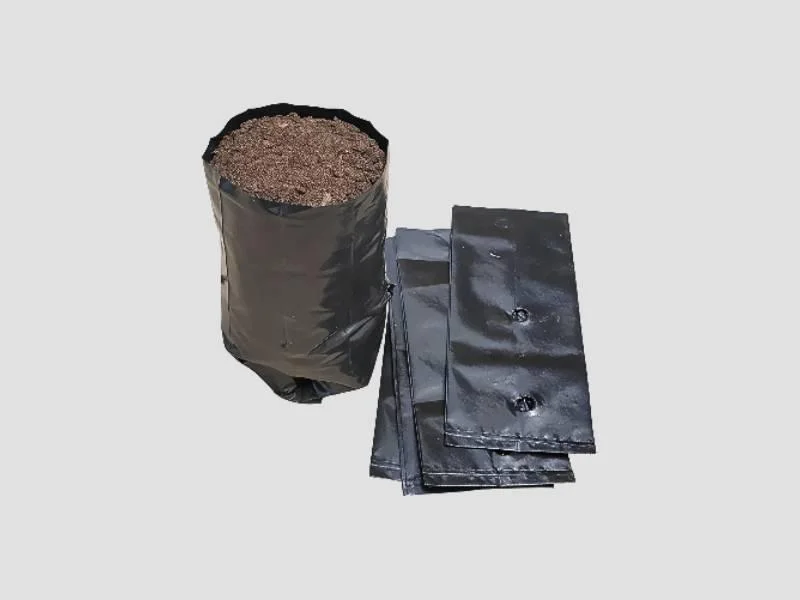
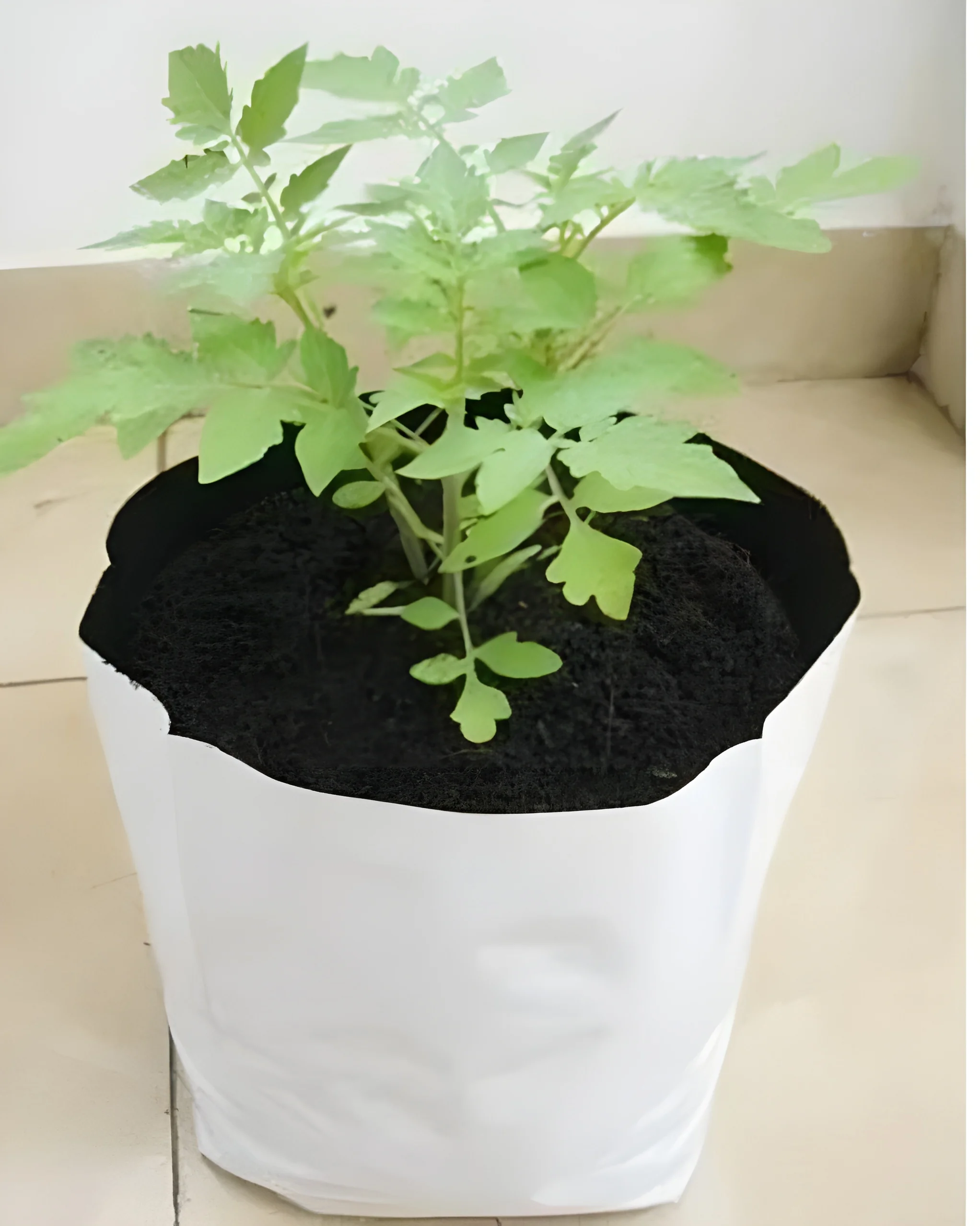
Grow bags and nursery bags are innovative planting containers designed for efficient plant growth. Typically made from breathable fabric, these bags facilitate superior drainage and aeration, which are crucial for healthy root development. Grow bags are often used for growing vegetables, fruits, and herbs, while nursery bags are primarily utilized for propagating young plants and seedlings.
These bags are preferred in various agricultural and horticultural applications due to their lightweight nature and ease of transport. They are used in home gardening, commercial landscaping, and even in urban farming settings. Their versatility allows businesses to easily manage their planting needs, whether for small-scale gardening or large agricultural projects. As the demand for sustainable and efficient growing solutions increases, grow bags and nursery bags are gaining traction in the market.
Key Features and Specifications
Grow bags and nursery bags come with a range of features that enhance their usability and effectiveness. When selecting these products, understanding their specifications is vital for making informed purchasing decisions.
Key specifications include:
1. Material Composition
- Typically made from non-toxic, UV-resistant fabric
- Allows for excellent breathability and water retention
2. Dimensions
- Available in various sizes to accommodate different plant types
- Common dimensions range from 1 gallon to 20 gallons
3. Weight Capacity
- Designed to hold a specific weight of soil and plants
- Generally supports up to 50 pounds, depending on size
4. Drainage Features
- Equipped with drainage holes to prevent waterlogging
- Promotes healthy root growth by allowing excess water to escape
5. Reusability
- Durable materials allow for multiple growing seasons
- Can be cleaned and stored for future use
6. Eco-friendliness
- Often made from recycled materials
- Biodegradable options are available for environmentally conscious choices
In summary, understanding these specifications will aid businesses in selecting the right grow bags and nursery bags to meet their specific horticultural needs.
Common Applications and Use Cases
Grow bags and nursery bags serve numerous industries, making them versatile tools in various applications.
1. Agriculture: Farmers utilize grow bags for cultivating crops in limited spaces. These bags enhance soil quality and improve plant health by allowing for better drainage.
2. Horticulture: Nurseries employ nursery bags for starting seedlings and young plants. This ensures optimal growth conditions before transplanting.
3. Landscaping: Landscape professionals use grow bags for creating portable gardens or planting in challenging terrains where traditional pots may not be feasible.
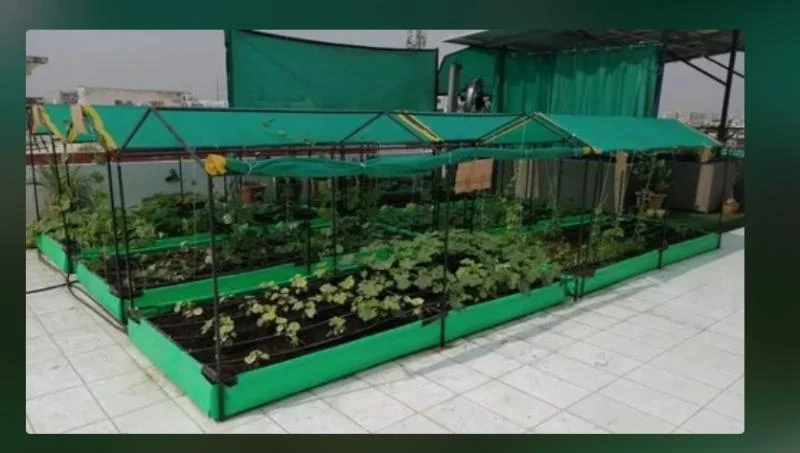
4. Urban Gardening: Home gardeners favor grow bags for their space-saving capabilities. They are ideal for small balconies or patios, allowing urban dwellers to enjoy gardening.
5. Educational Institutions: Schools and universities use nursery bags for teaching students about plant growth and sustainability in hands-on gardening projects.
6. Research Facilities: Botanic gardens and research centers utilize these bags for experimental planting and studying plant growth under different conditions.
Product Variants and Subcategories
The diversity of grow bags and nursery bags caters to various needs and preferences in the market.
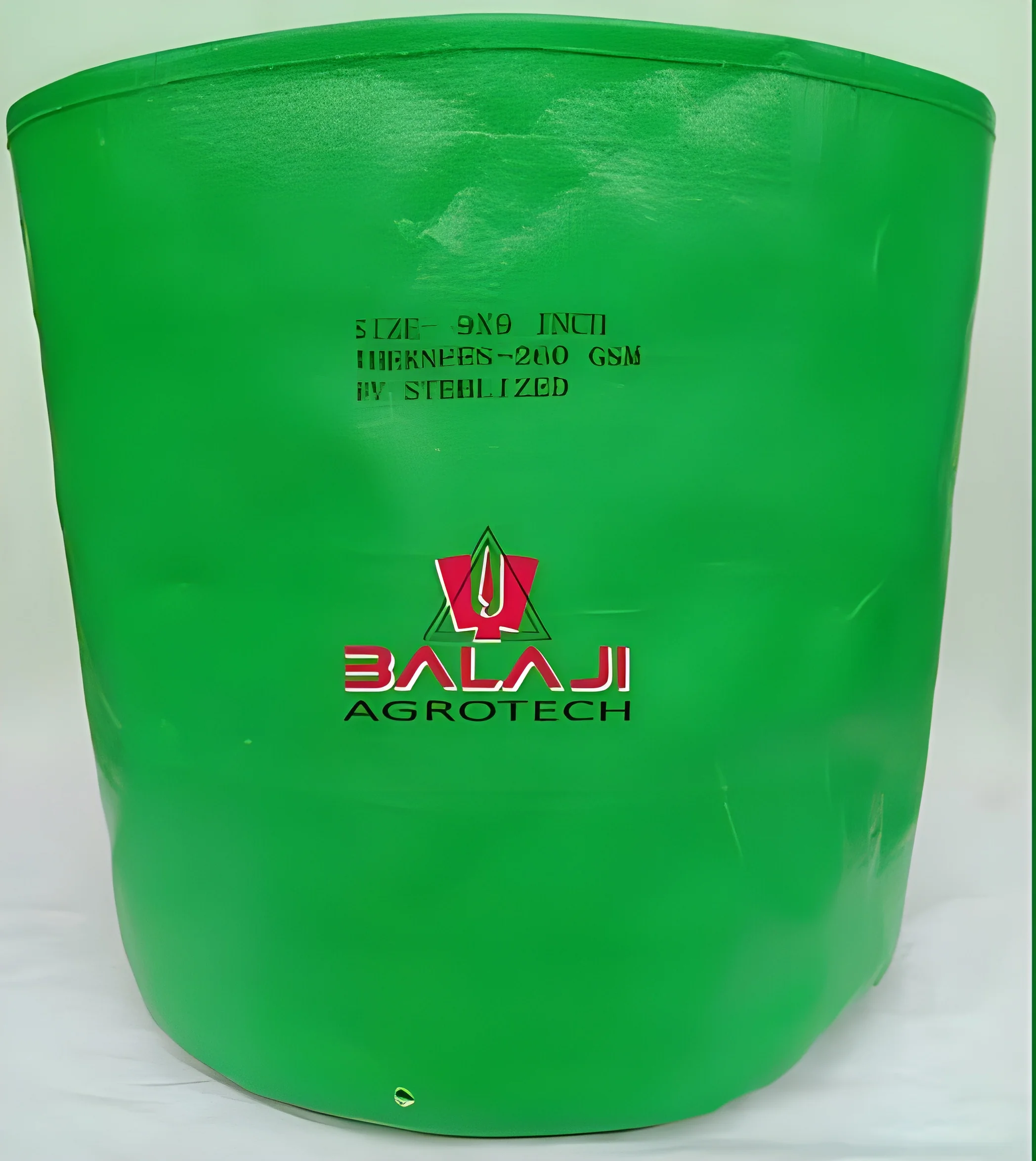
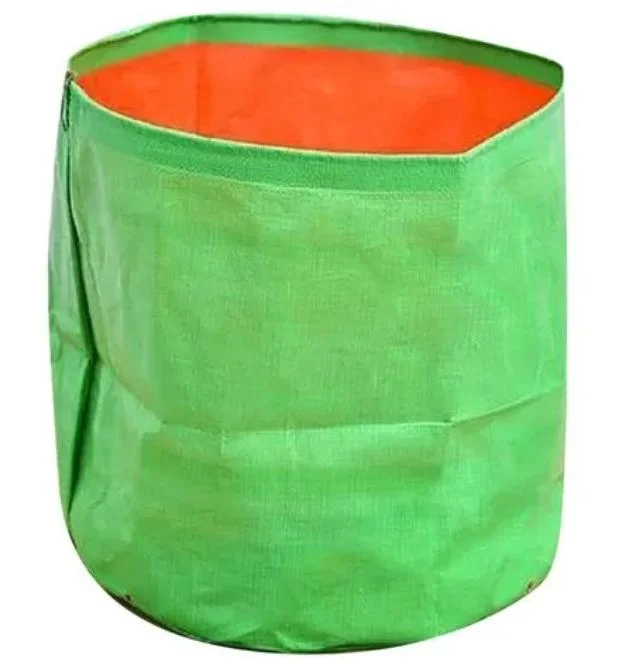
Fabric Grow Bags: These bags are crafted from breathable fabric that enhances aeration and drainage. They are ideal for growing vegetables and can be reused for multiple seasons.
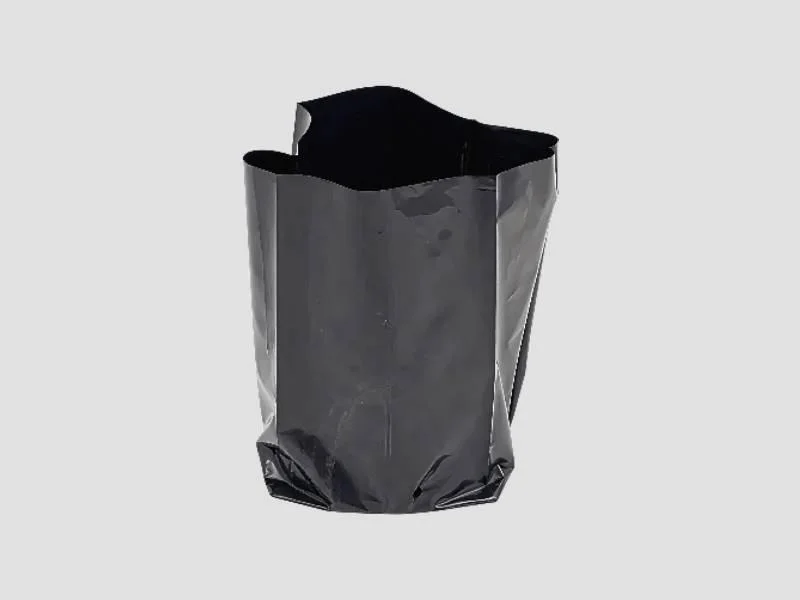
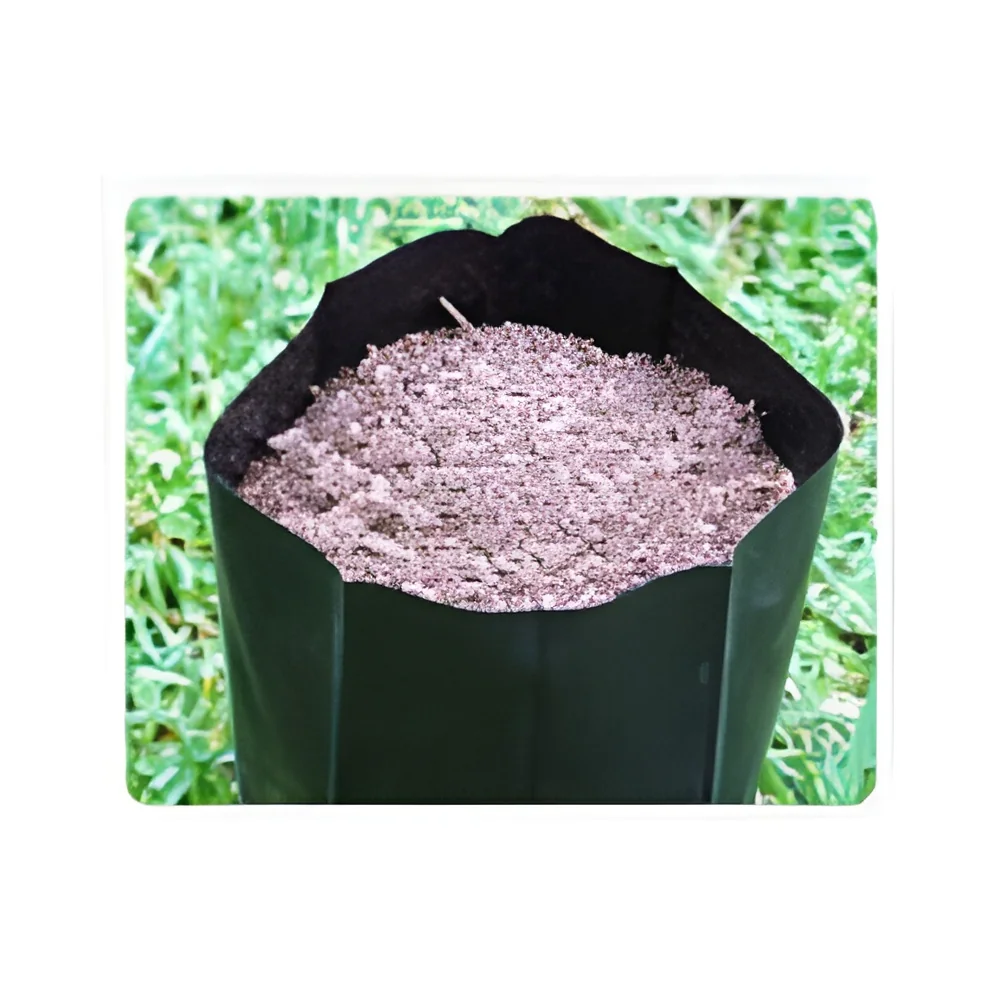
Plastic Nursery Bags: Made from durable plastic, these bags are commonly used for propagating seedlings. They are lightweight and easy to handle, making them suitable for commercial nurseries.
Biodegradable Grow Bags: These eco-friendly options break down over time, providing nutrients to plants as they decompose. They are perfect for environmentally conscious growers.
Self-Watering Grow Bags: Equipped with a built-in watering system, these bags help maintain optimal moisture levels, reducing the need for frequent watering.
Benefits and Advantages
Using grow bags and nursery bags offers several significant advantages for B2B buyers.
1. Improved Drainage: The design of these bags promotes excellent drainage, preventing root rot and enhancing plant health.
2. Space Efficiency: Grow bags can be placed in tight spaces, making them ideal for urban gardening and limited areas.
3. Versatility: Suitable for a variety of plants, from vegetables to ornamental flowers, these bags adapt to different gardening needs.
4. Cost-Effective: Their reusable nature and durability contribute to long-term savings, reducing the need for frequent replacements.
5. Lightweight and Portable: Grow bags are easy to transport, allowing for flexible gardening arrangements and mobility.
6. Enhanced Root Development: The breathable material encourages healthy root growth, leading to stronger and more productive plants.
Buying Guide for B2B Buyers
When sourcing grow bags and nursery bags, it is essential to consider several factors to ensure a successful purchase.
1. Quality Assessment: Look for high-quality materials that are durable and resistant to wear over time. Check for UV resistance and breathable fabric to promote healthy plant growth.
2. Supplier Verification: Vet potential suppliers by reviewing their reputation, customer feedback, and production capabilities. Ensure they comply with industry standards.
3. Pricing and MOQ: Compare prices among different suppliers while considering the minimum order quantities. Look for bulk pricing options that can provide cost savings.
4. Delivery and Lead Times: Inquire about shipping options and estimated delivery times to ensure timely receipt of products, especially for time-sensitive projects.
5. Compliance Requirements: Verify that products meet relevant regulations and certifications, such as CE certification, to ensure safety and quality in your purchases.
Compliance and Certifications
Compliance with industry standards is crucial for the production and use of grow bags and nursery bags. Relevant quality standards include ISO 9001, ensuring consistent quality management systems among manufacturers. Compliance with HACCP (Hazard Analysis Critical Control Point) guidelines is important for products used in food production environments.
Industry certifications such as CE mark indicate that products meet European safety, health, and environmental protection standards. Safety testing ensures that materials used in grow bags do not leach harmful substances into the soil or plants.
Additionally, regional compliance considerations may vary, so it is vital to understand local regulations that apply to agricultural products. Ensuring compliance not only guarantees product quality but also builds trust with end-users.
Why Source Grow Bags & Nursery Bags from Pepagora?
Pepagora offers a reliable platform for sourcing grow bags and nursery bags, presenting several key advantages for B2B buyers.
Verified Supplier Network: Pepagora connects buyers with a network of verified suppliers. This ensures that businesses can find reputable manufacturers who meet quality and compliance standards.
Streamlined RFQ Process: The platform provides a straightforward Request for Quotation (RFQ) process, allowing buyers to easily compare pricing and options from multiple suppliers. This efficiency saves time and resources.
Trade Assurance and Support: Buyers benefit from trade assurance policies that protect their purchases. This support helps mitigate risks associated with transactions and builds confidence in sourcing decisions.
Regional Coverage: Pepagora's geographic reach encompasses India, the Gulf Cooperation Council (GCC) countries, and Southeast Asia. This broad coverage ensures that businesses can access a wide variety of products and suppliers tailored to their regional needs.

 IN
IN