𝗪𝗵𝗮𝘁 𝗮𝗿𝗲 𝗡𝗲𝘁𝘄𝗼𝗿𝗸𝗶𝗻𝗴 𝗘𝗾𝘂𝗶𝗽𝗺𝗲𝗻𝘁?
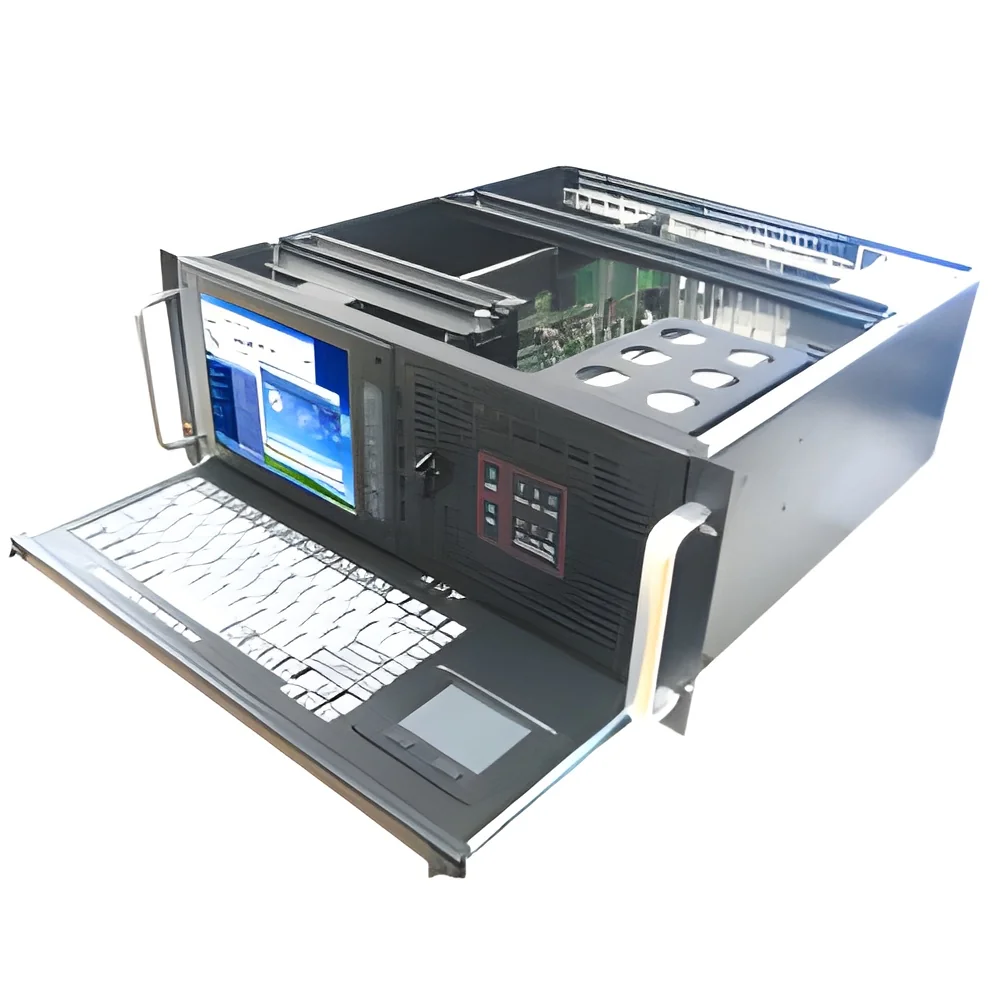
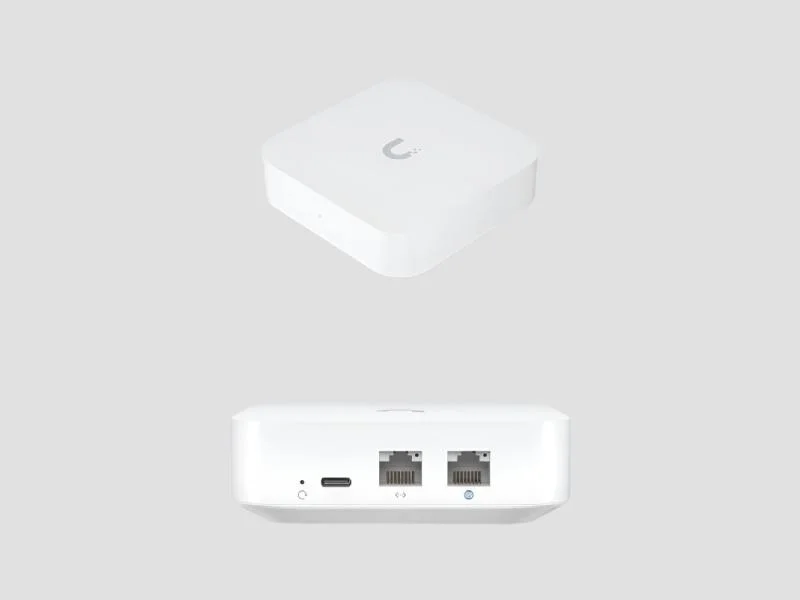
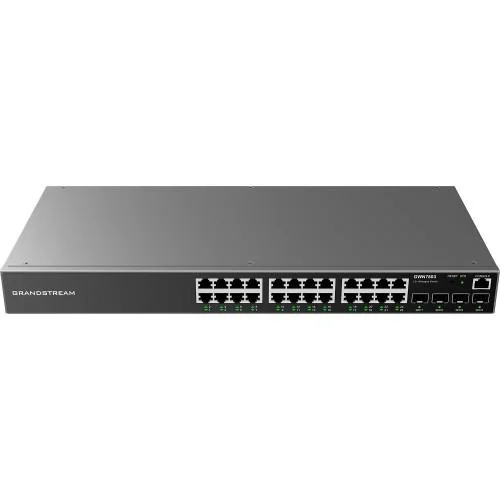
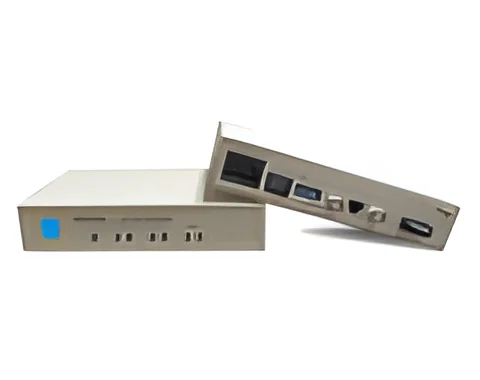
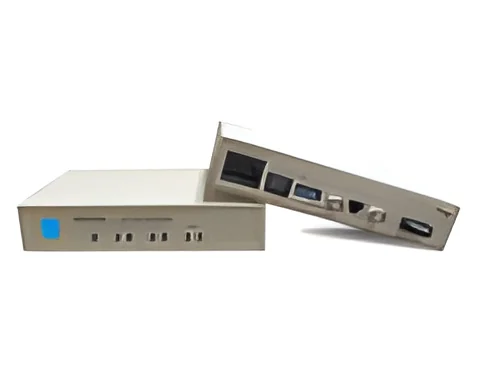
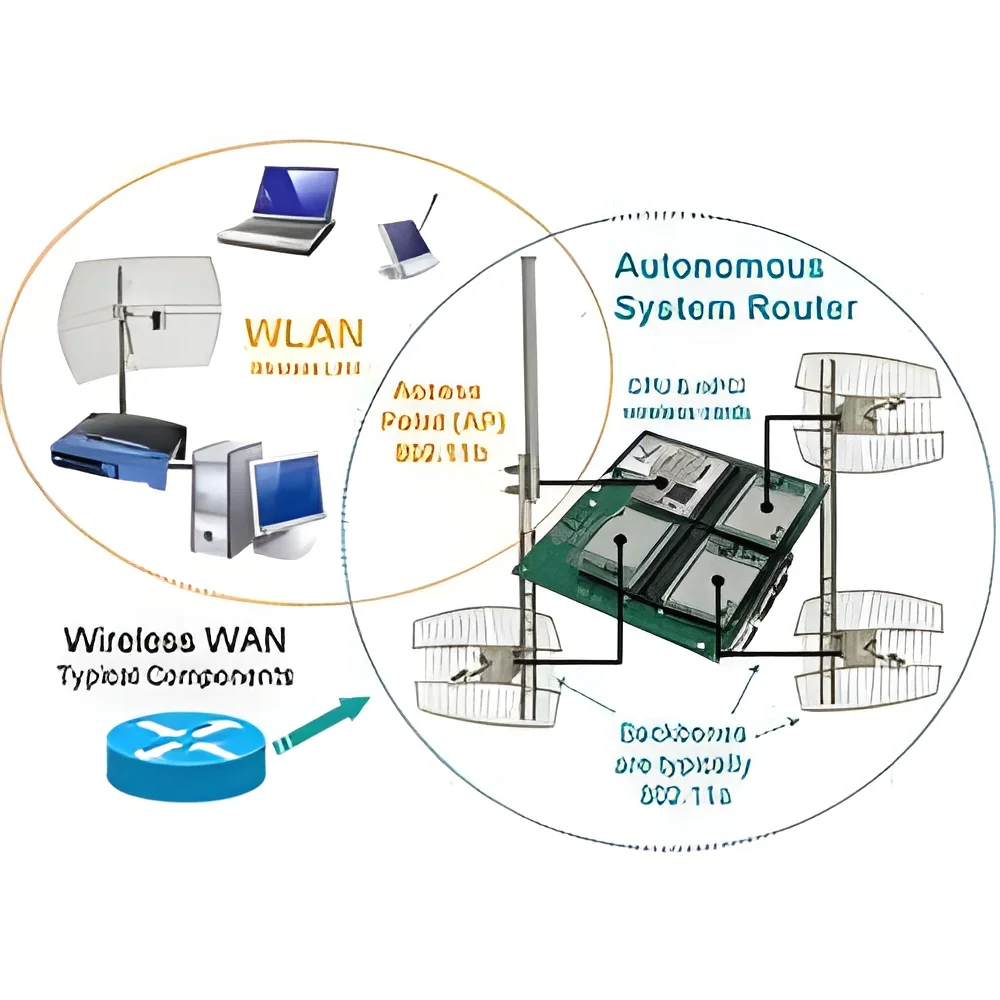
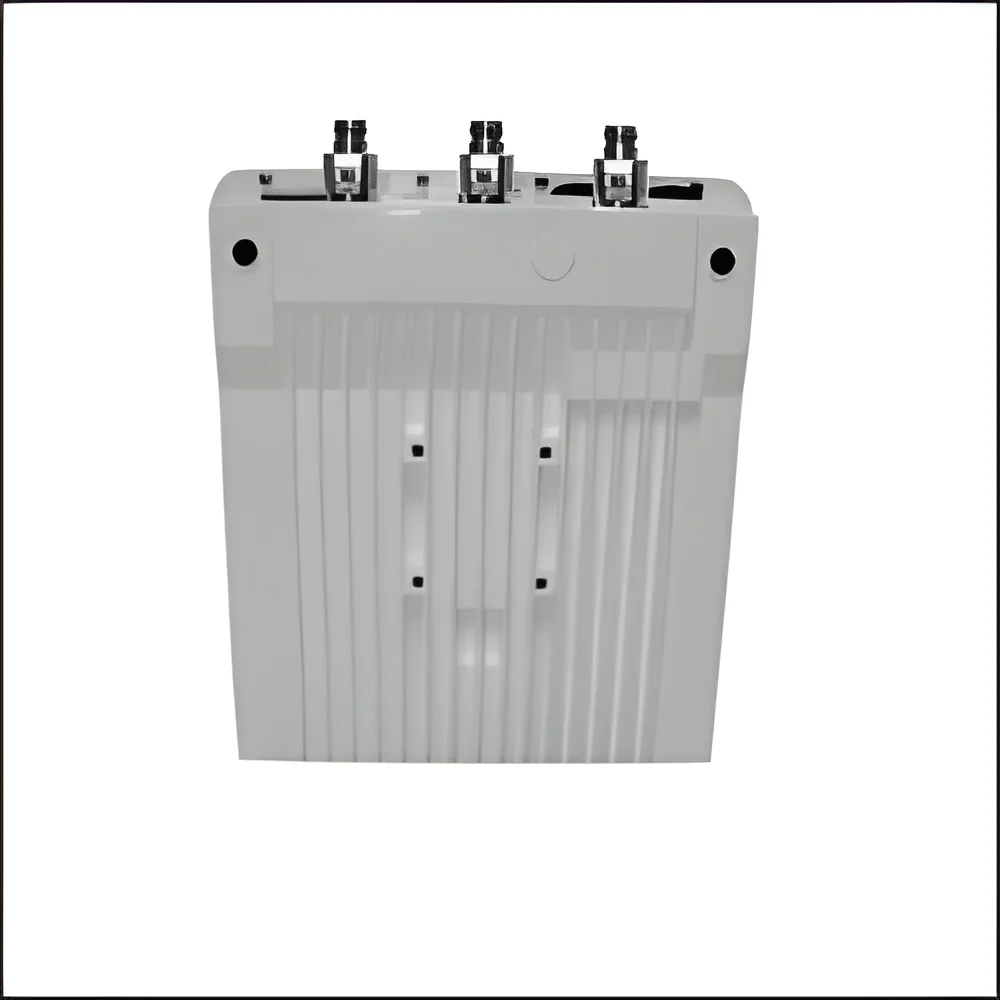
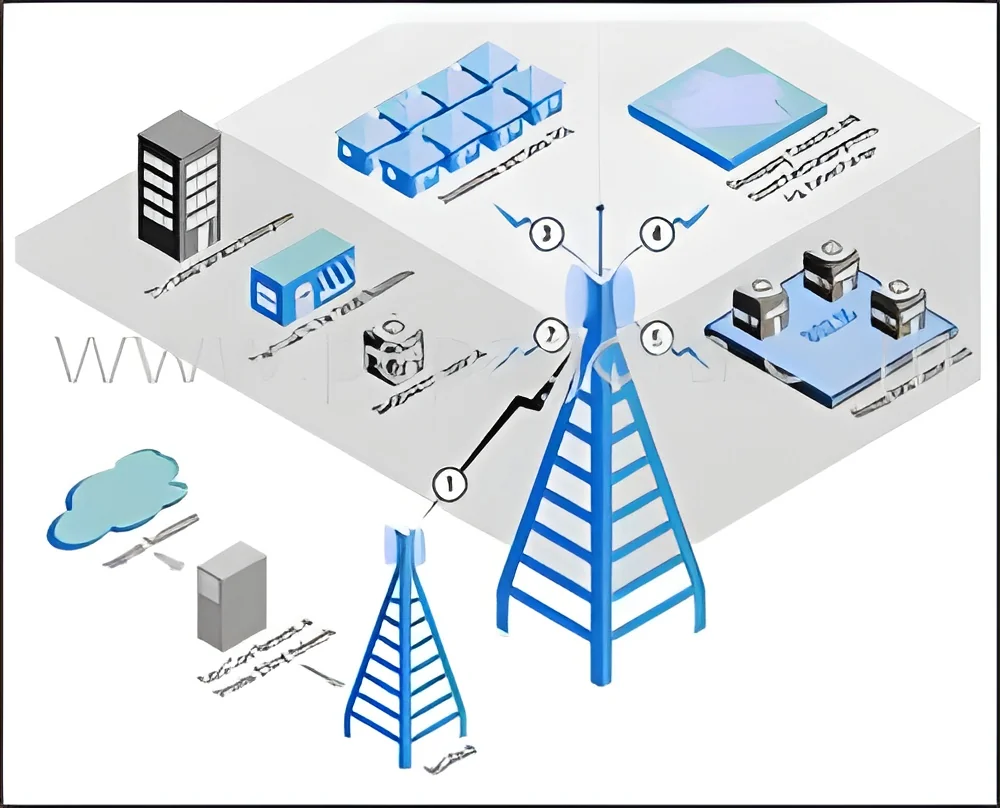
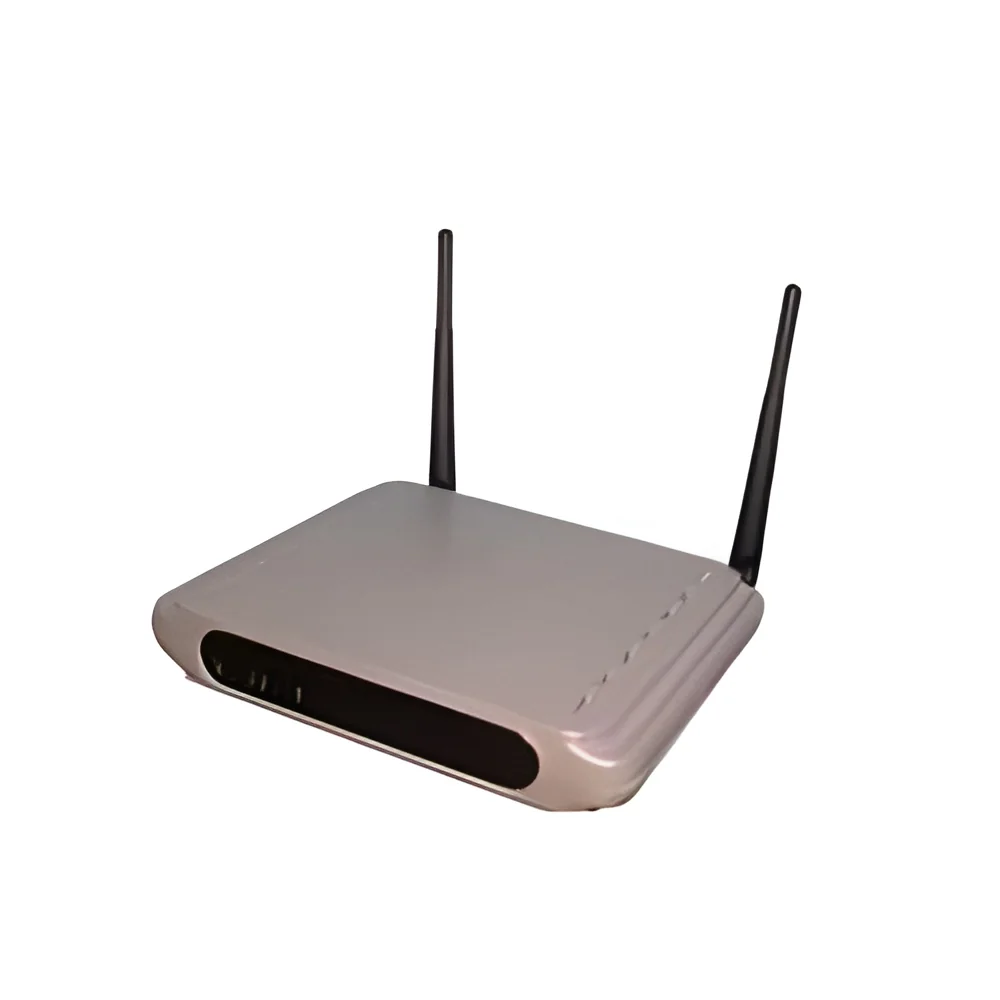
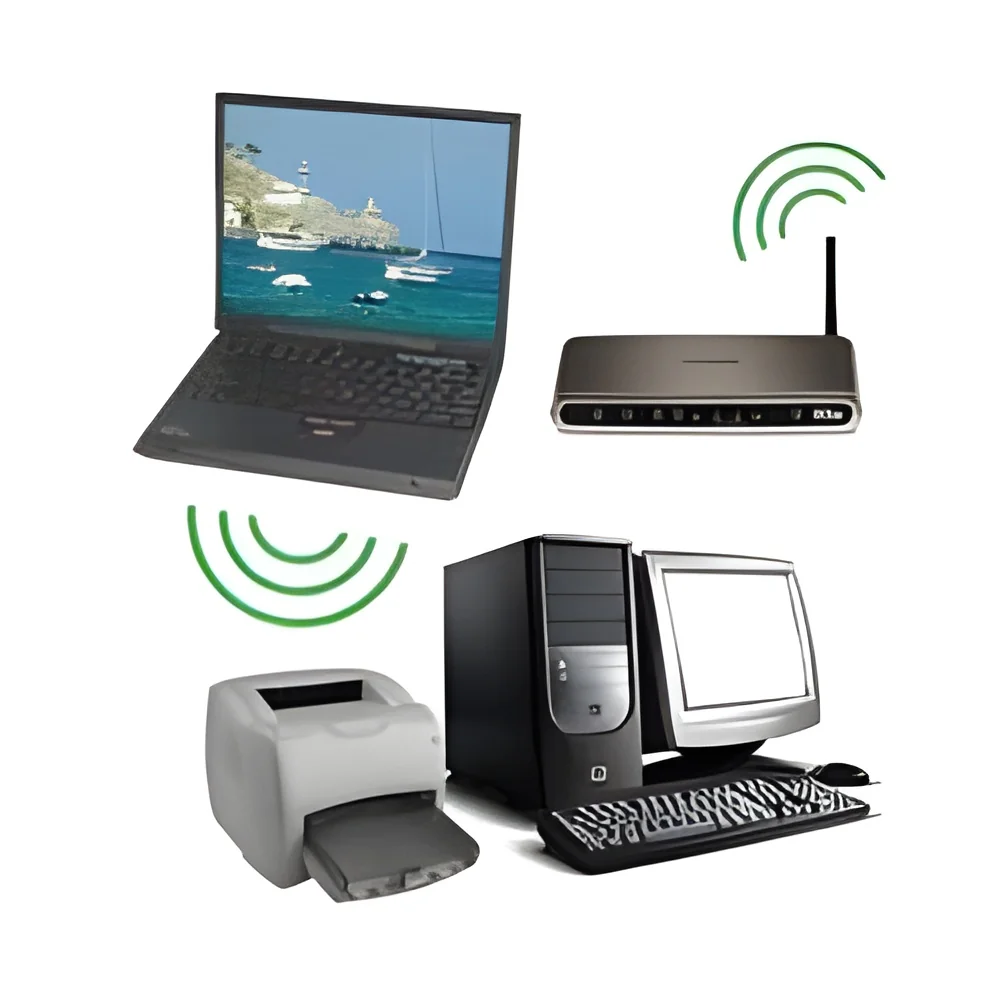
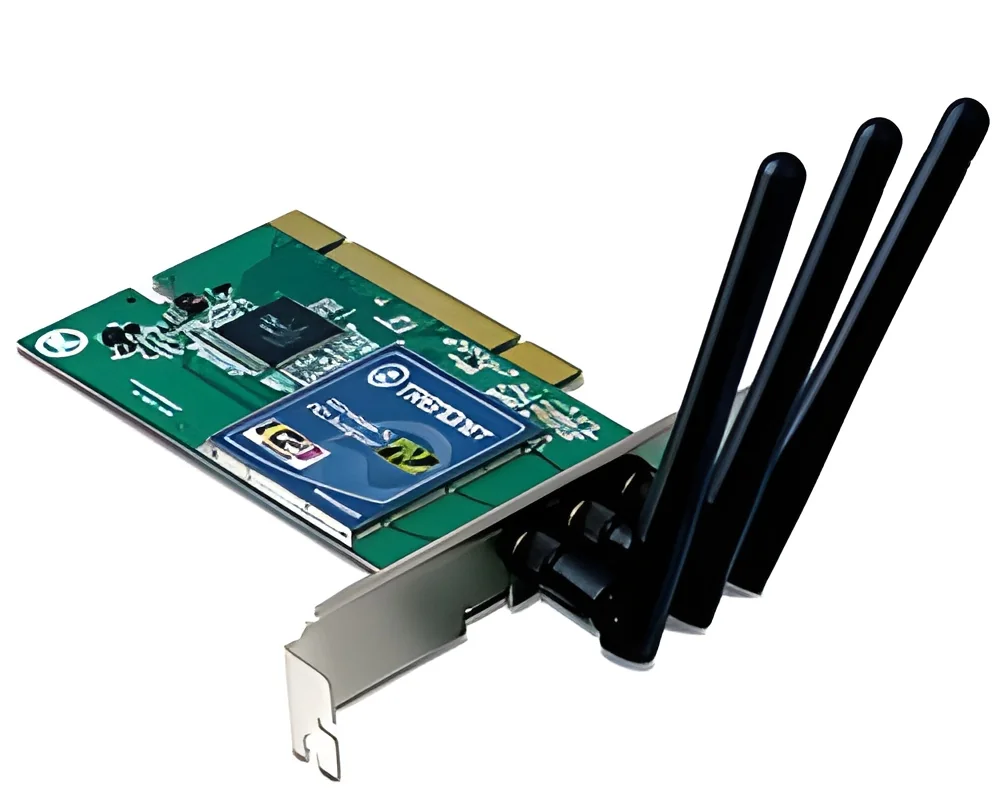
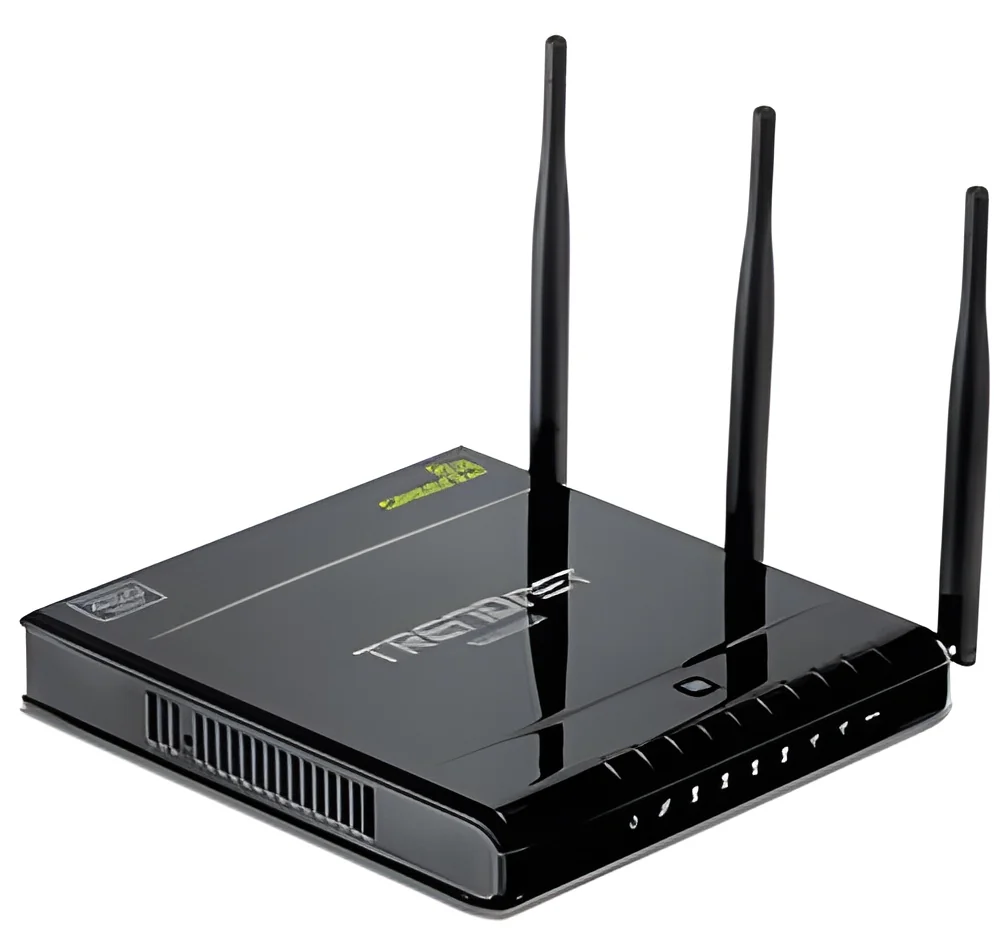
Networking equipment refers to the hardware devices that facilitate communication and data exchange between computers and other devices within a network. This equipment plays a crucial role in establishing, maintaining, and optimizing networks. Common types of networking equipment include routers, switches, hubs, and access points, each serving specific functions to ensure smooth and efficient data transmission.
The primary uses of networking equipment include connecting computers in local area networks (LANs), managing internet access, and enabling communication between different networks. Businesses leverage networking equipment to enhance collaboration, improve data management, and ensure secure connections. In today’s digital landscape, reliable networking equipment is essential for operational efficiency and competitiveness across various industries.
The relevance of networking equipment in the industry cannot be overstated, as it supports the backbone of modern communication systems. With the rapid growth of digital technologies and the increasing demand for high-speed internet, the market for networking equipment continues to expand. Companies must invest in quality networking solutions to stay relevant and address the evolving needs of their clients and customers.
𝗞𝗲𝘆 𝗙𝗲𝗮𝘁𝘂𝗿𝗲𝘀 𝗮𝗻𝗱 𝗦𝗽𝗲𝗰𝗶𝗳𝗶𝗰𝗮𝘁𝗶𝗼𝗻𝘀
Networking equipment comes with various features and specifications that determine their performance and suitability for specific applications. Understanding these specifications helps businesses choose the right equipment for their networking needs.
Key specifications include:
1. Data Transfer Rate
- Indicates the speed at which data is transmitted over the network.
- Common ranges are from 1 Gbps to 100 Gbps.
2. Number of Ports
- Refers to the number of connections available on devices like switches and routers.
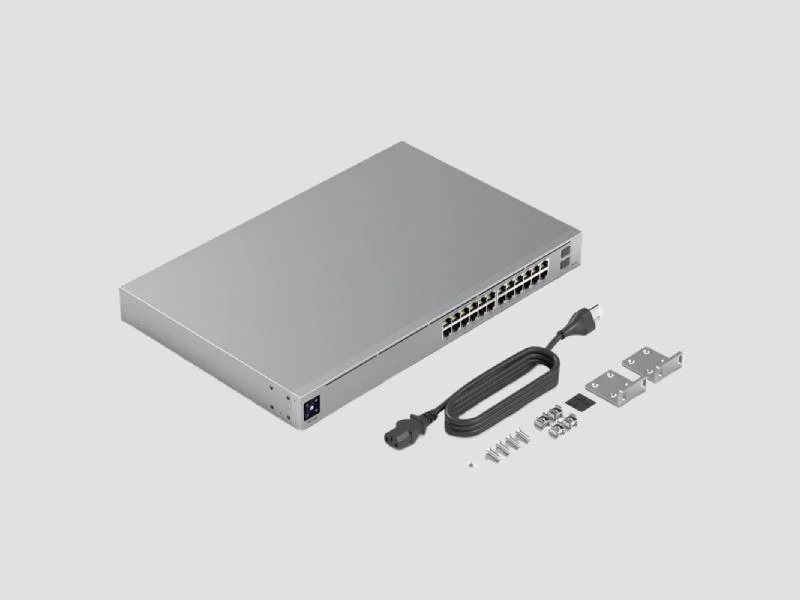
- Options typically range from 4 to 48 ports.
3. Network Protocols Supported
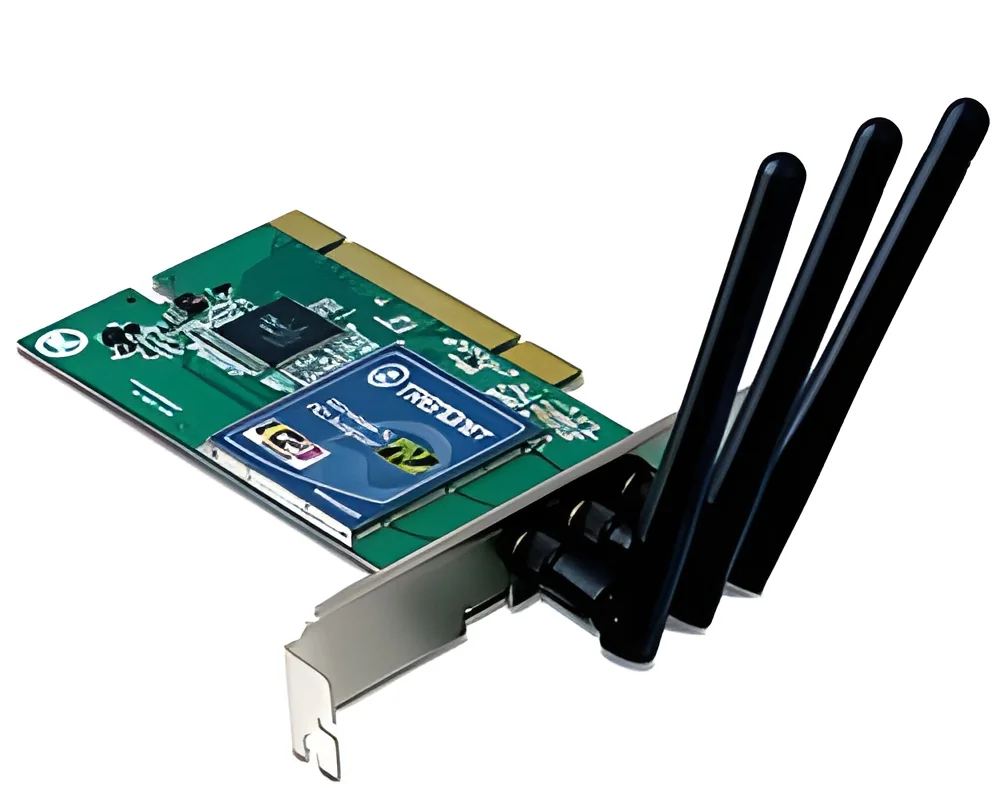
- Lists the types of protocols that the equipment can handle, such as TCP/IP, Ethernet, and Wi-Fi standards.
- Supports various configurations for flexibility.
4. Form Factor
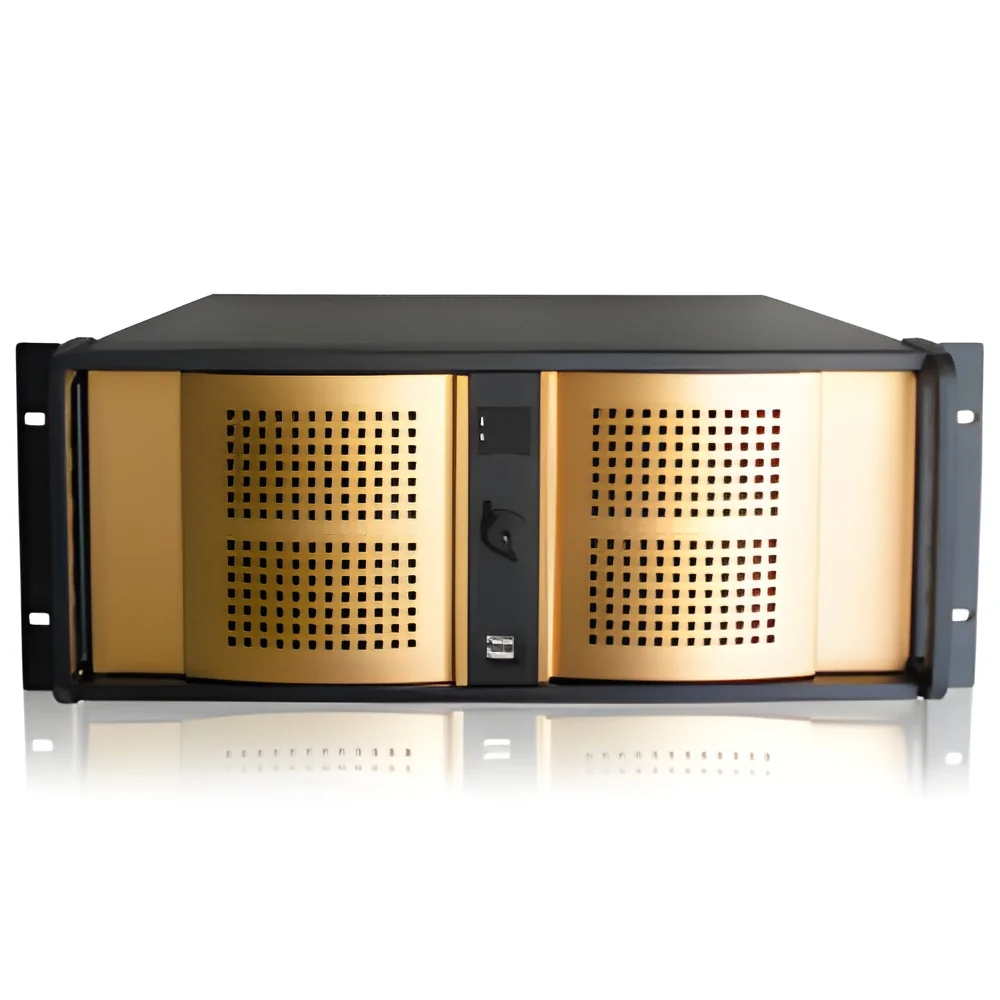
- Describes the physical layout of the equipment, such as rack-mounted or standalone.
- Affects installation and space considerations.
5. Power over Ethernet (PoE) Capability
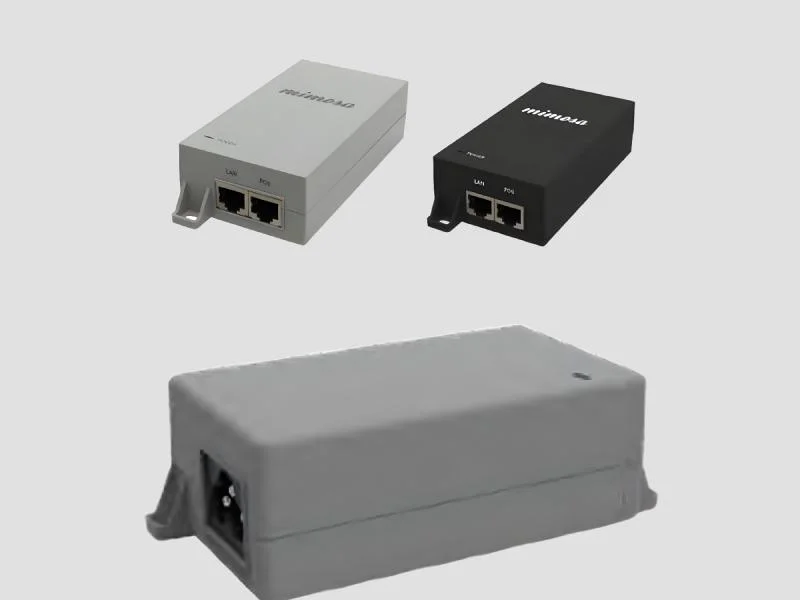
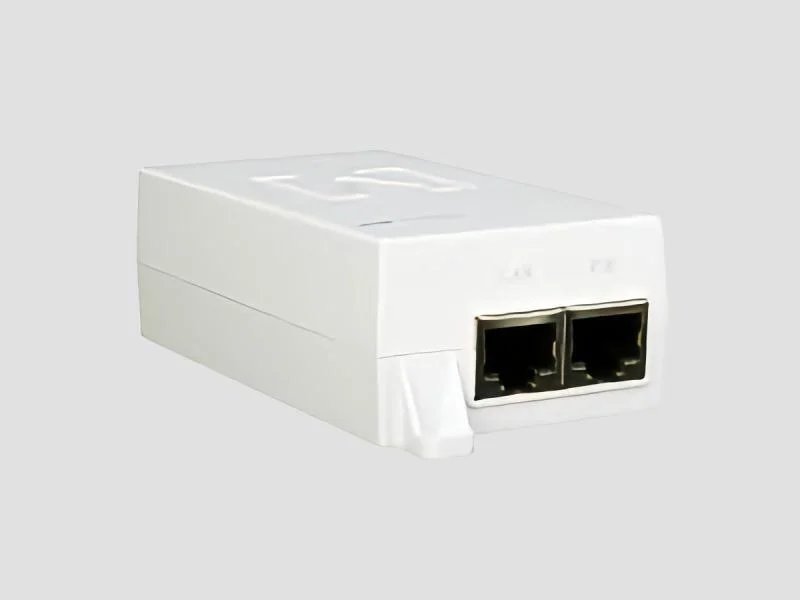
- Indicates whether the device can deliver power through Ethernet cables.
- Useful for reducing the number of cables needed for connected devices.
6. Security Features
- Includes firewalls, encryption, and access control measures.
- Essential for protecting sensitive data and network integrity.
7. Warranty and Support
- Refers to the manufacturer's warranty period and support options.
- Critical for ensuring long-term performance and maintenance.
8. Compliance with Standards
- Ensures that the equipment meets industry standards such as CE certification.
- Important for regulatory compliance and quality assurance.
In summary, understanding the key features and specifications of networking equipment allows businesses to make informed purchasing decisions that align with their operational needs.
𝗖𝗼𝗺𝗺𝗼𝗻 𝗔𝗽𝗽𝗹𝗶𝗰𝗮𝘁𝗶𝗼𝗻𝘀 𝗮𝗻𝗱 𝗨𝘀𝗲 𝗖𝗮𝘀𝗲𝘀
Networking equipment serves various industries and applications, enhancing connectivity and operational efficiency.
1. Telecommunications: Networking equipment is critical in telecommunications for establishing connections between various service providers and end-users, enabling voice and data communication.
2. Healthcare: In healthcare facilities, networking equipment connects medical devices and systems, allowing for real-time patient monitoring and data sharing among healthcare professionals.
3. Education: Educational institutions utilize networking equipment to provide students and faculty with access to online resources, enabling digital learning and collaboration.
4. Retail: Retail businesses employ networking equipment to manage point-of-sale systems, inventory management, and customer data, facilitating seamless operations.
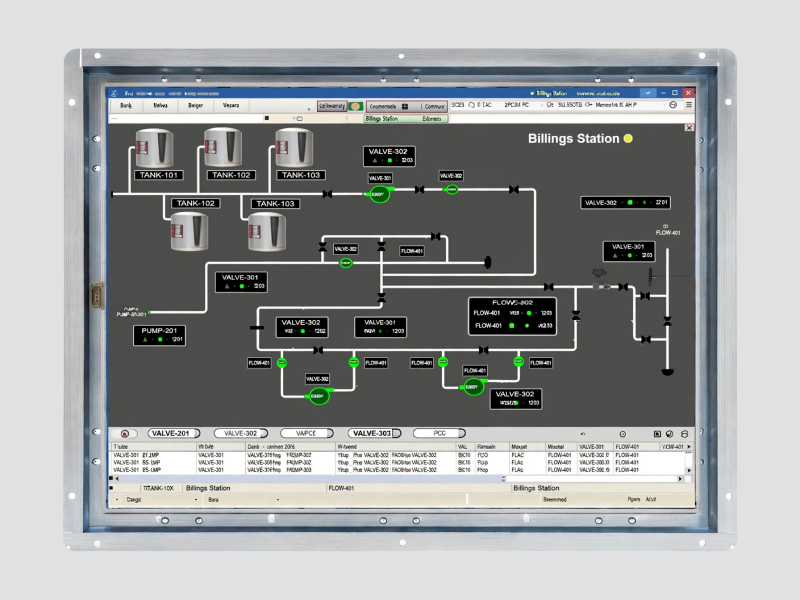
5. Manufacturing: In manufacturing, networking equipment connects machines and systems for process automation, enhancing production efficiency and data analysis.
6. Finance: Financial institutions rely on networking equipment for secure transactions, real-time data processing, and connectivity between branches and headquarters.
7. Logistics: Logistics companies use networking equipment to track shipments, manage inventory, and ensure communication between distribution centers and transport vehicles.
𝗣𝗿𝗼𝗱𝘂𝗰𝘁 𝗩𝗮𝗿𝗶𝗮𝗻𝘁𝘀 𝗮𝗻𝗱 𝗦𝘂𝗯𝗰𝗮𝘁𝗲𝗴𝗼𝗿𝗶𝗲𝘀
Networking equipment comes in various forms, each designed to meet specific needs and requirements. This diversity allows businesses to choose equipment that aligns with their operational goals.
Router
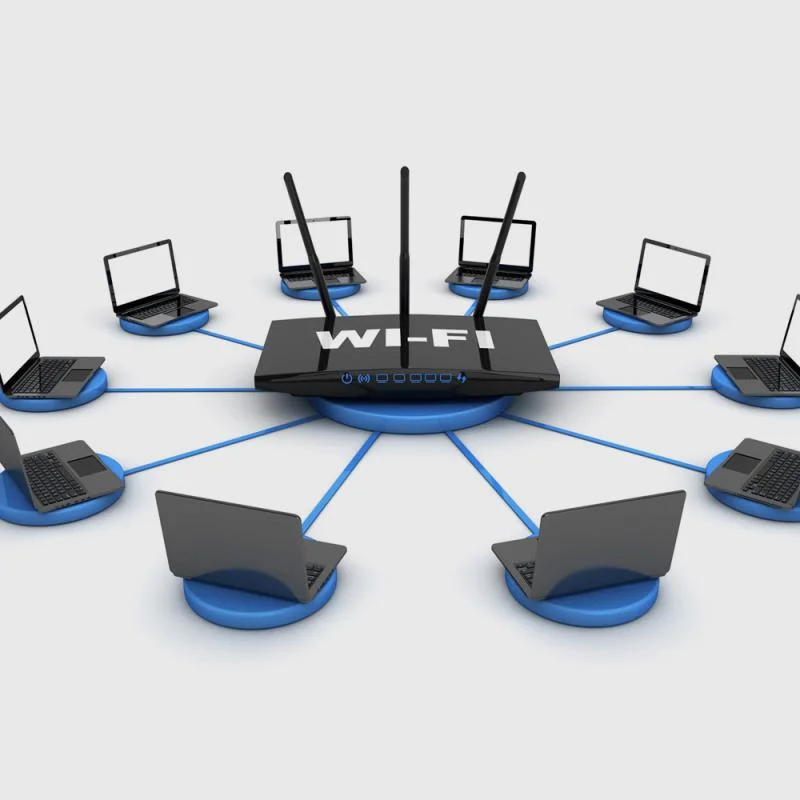
Routers are devices that direct data traffic between different networks. They enable internet access for multiple devices and often come with built-in security features to protect network data.
Switch
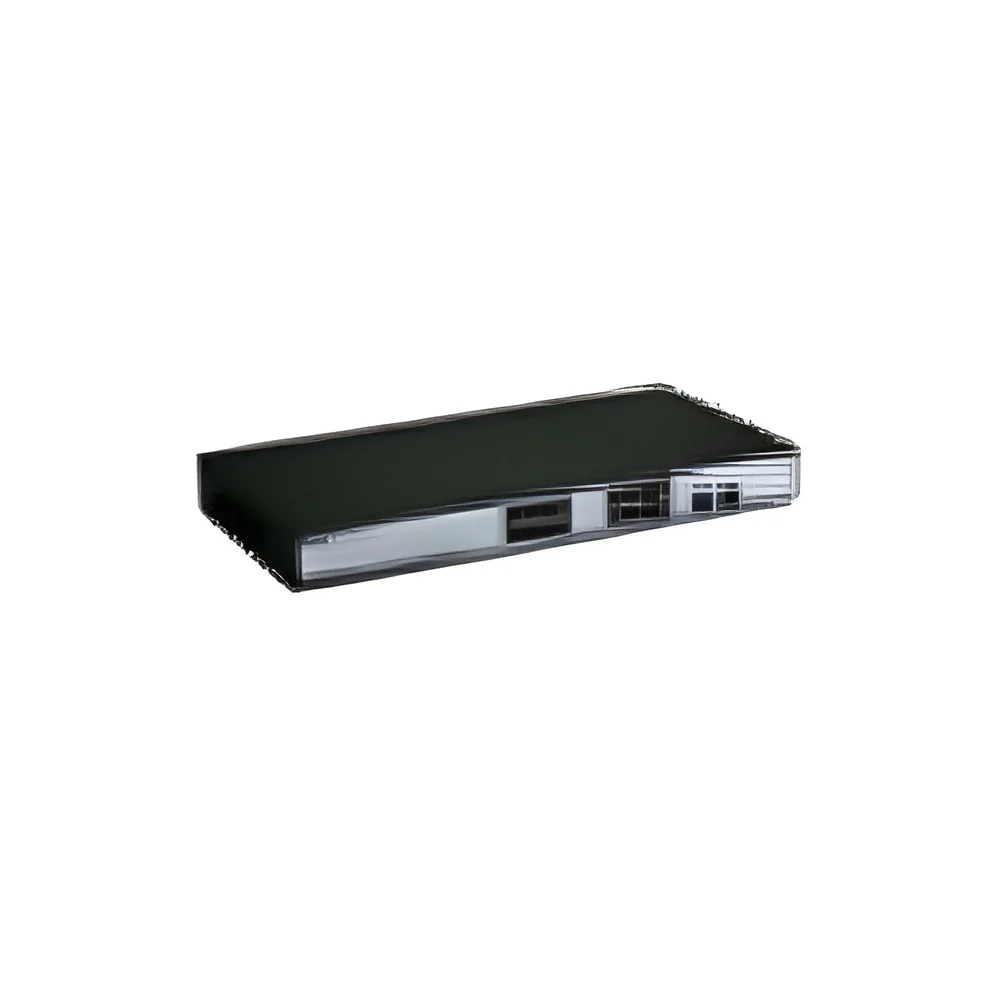
Switches connect multiple devices within a single network, allowing them to communicate effectively. They are essential for managing data traffic and ensuring efficient data transfer among connected devices.
Access Point
Access points extend wireless networks, enabling devices to connect to the internet without physical cables. They are crucial for enhancing Wi-Fi coverage in large areas.
𝗕𝗲𝗻𝗲𝗳𝗶𝘁𝘀 𝗮𝗻𝗱 𝗔𝗱𝘃𝗮𝗻𝘁𝗮𝗴𝗲𝘀
Investing in quality networking equipment brings several advantages to businesses.
1. Improved Connectivity: Reliable networking equipment ensures stable and fast connections, minimizing downtime and enhancing productivity.
2. Enhanced Security: Advanced security features protect sensitive data from unauthorized access, ensuring compliance with industry regulations.
3. Scalability: Quality networking equipment allows businesses to easily expand their networks as they grow, accommodating increased data traffic and additional devices.
4. Cost Efficiency: By optimizing data transfer and network management, businesses can reduce operational costs associated with network maintenance.
5. Streamlined Communication: Effective networking equipment facilitates seamless communication among employees, enhancing collaboration and efficiency.
6. Reliability: High-quality equipment is designed to perform consistently, reducing the need for frequent replacements and repairs.
𝗕𝘂𝘆𝗶𝗻𝗴 𝗚𝘂𝗶𝗱𝗲 𝗳𝗼𝗿 𝗕𝟮𝗕 𝗕𝘂𝘆𝗲𝗿𝘀
When sourcing networking equipment, businesses should consider several critical factors to ensure they make informed decisions.
1. Quality Assessment: Evaluate the quality of materials and manufacturing processes. Look for products that meet industry standards and have positive reviews from existing users.
2. Supplier Verification: Vet suppliers by checking their reputation, certifications, and customer feedback. Ensure they have a reliable track record in delivering quality networking solutions.
3. Pricing and MOQ: Analyze pricing structures and minimum order quantities. Compare offers from different suppliers to find the best value for your budget.
4. Delivery and Lead Times: Assess the supplier's logistics capabilities and average lead times for delivery. Timely delivery is essential for minimizing disruptions in operations.
5. Compliance Requirements: Understand the regulatory needs specific to your industry. Ensure that the equipment meets necessary certifications and standards for safe operation.
𝗖𝗼𝗺𝗽𝗹𝗶𝗮𝗻𝗰𝗲 𝗮𝗻𝗱 𝗖𝗲𝗿𝘁𝗶𝗳𝗶𝗰𝗮𝘁𝗶𝗼𝗻𝘀
Networking equipment must adhere to various quality standards and certifications to ensure safety and reliability. Commonly recognized standards include ISO 9001, which focuses on quality management systems, ensuring that products meet customer and regulatory requirements consistently.
Industry certifications, such as CE, indicate compliance with European safety and health standards. This certification is crucial for businesses operating within or exporting to European markets.
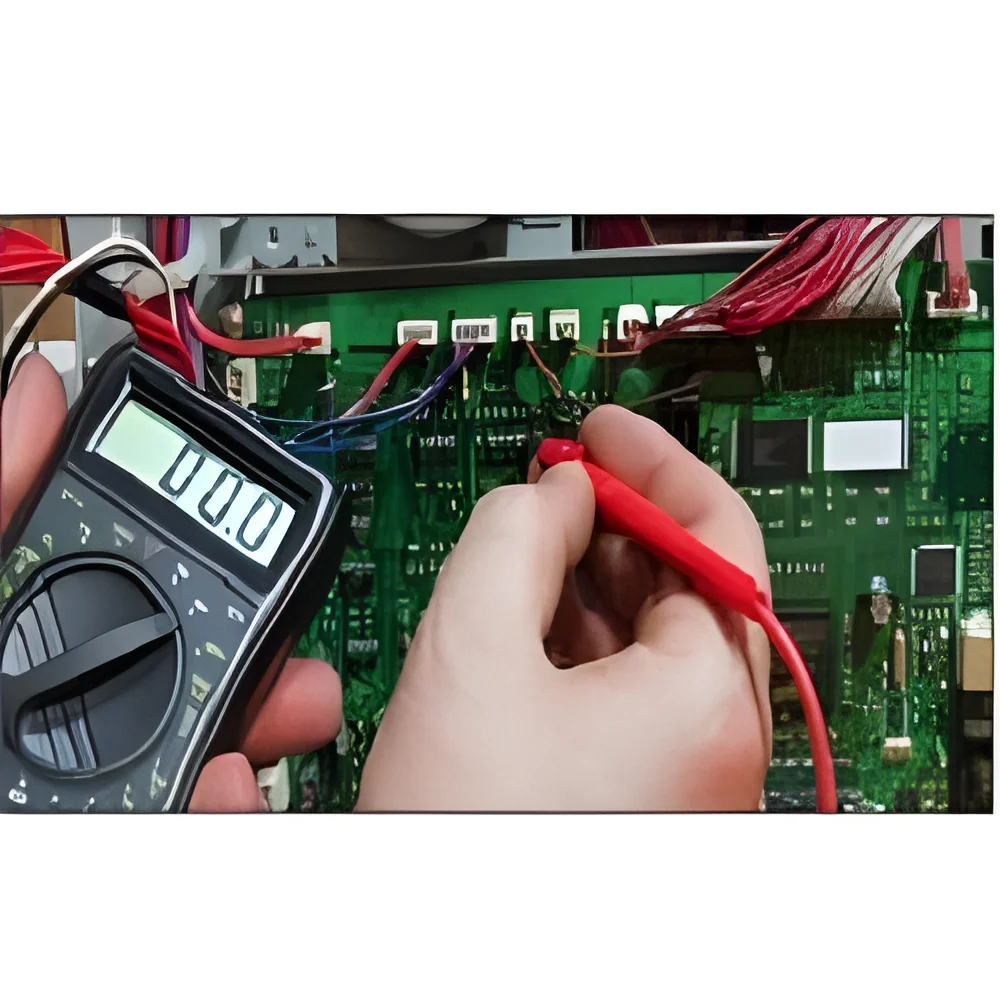
Moreover, safety and testing requirements must be considered to ensure that networking equipment can operate effectively in various environments. Regional compliance considerations also play a role, as different regions may have specific regulations governing networking technologies.
𝗪𝗵𝘆 𝗦𝗼𝘂𝗿𝗰𝗲 𝗡𝗲𝘁𝘄𝗼𝗿𝗸𝗶𝗻𝗴 𝗘𝗾𝘂𝗶𝗽𝗺𝗲𝗻𝘁 𝗳𝗿𝗼𝗺 𝗣𝗲𝗽𝗮𝗴𝗼𝗿𝗮?
Pepagora provides a trusted platform for sourcing networking equipment, offering businesses several key advantages.
Verified Supplier Network: Pepagora has a rigorous supplier verification process, ensuring that all listed suppliers are reliable and offer quality products. This mitigates risks associated with sourcing equipment from unverified sources.
Streamlined RFQ Process: The platform simplifies the request for quotation process, enabling buyers to receive competitive quotes from multiple suppliers quickly. This efficiency saves time and helps businesses secure the best deals.
Trade Assurance and Support: Pepagora offers buyer protection through trade assurance policies. This support ensures that purchases are safeguarded, providing peace of mind throughout the sourcing process.
Regional Coverage: With a strong presence in India, the GCC, and Southeast Asia, Pepagora connects businesses with suppliers throughout these regions. This geographic reach allows for diverse sourcing options tailored to different market needs.

 IN
IN