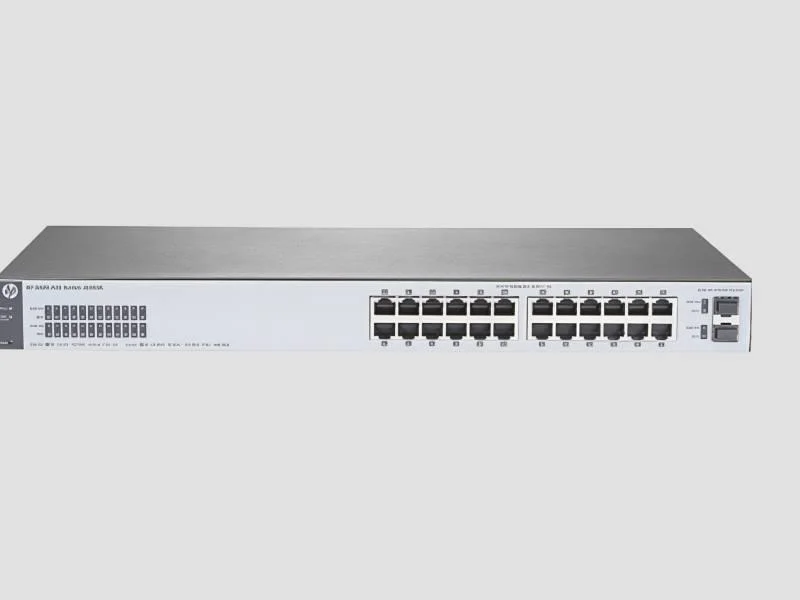
Key Features and Specifications
Network switches come with a range of features and specifications that cater to various business needs. Understanding these specifications can help businesses choose the right switch for their operations.
Key specifications include:
1. Port Count
- The number of ports on a switch determines how many devices can be connected.
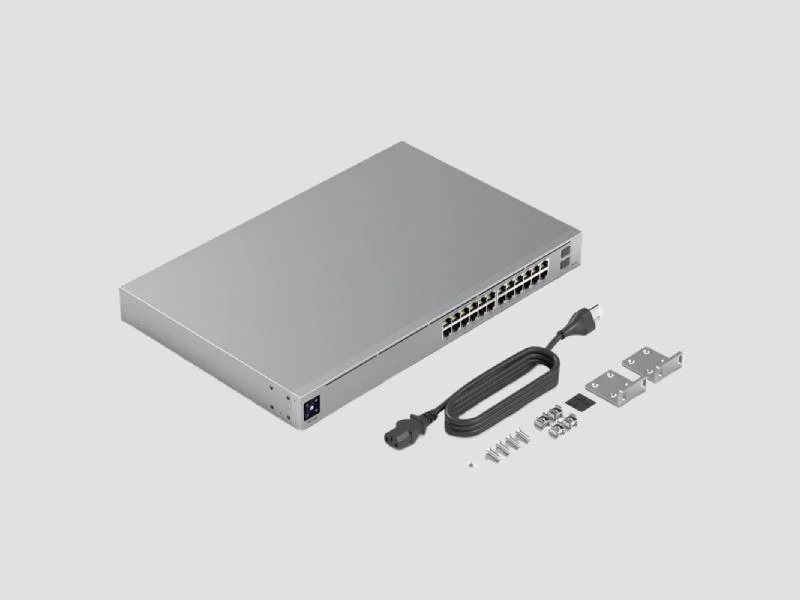
- Common options range from 5 to 48 ports, depending on the model.
2. Speed
- Switches typically support various speeds such as 10/100/1000 Mbps (Gigabit) or higher.
- Higher speeds facilitate faster data transfer rates, improving network performance.
3. Layer Type
- Managed switches operate at Layer 2 or Layer 3 of the OSI model.
- Layer 2 switches handle MAC addresses, while Layer 3 switches can route IP addresses.
4. Power over Ethernet (PoE)
- Some switches support PoE, allowing them to deliver power to connected devices like IP cameras and phones.
- This feature reduces the need for separate power supplies.
5. VLAN Support
- Managed switches often support Virtual Local Area Networks (VLANs) for network segmentation.
- VLANs enhance security and improve traffic management.
6. QoS (Quality of Service)
- QoS features allow prioritization of certain types of traffic, ensuring that critical applications receive the bandwidth they need.
7. Monitoring Capabilities
- Managed switches offer monitoring features that enable real-time tracking of network performance.
- This helps in identifying and resolving issues promptly.
8. Security Features
- Advanced security options such as port security, access control lists (ACLs), and DHCP snooping are available in managed switches.
- These features protect the network from unauthorized access and threats.
In summary, understanding the key features and specifications of network switches is essential for businesses looking to enhance their network infrastructure and improve overall performance.
Common Applications and Use Cases
Network switches play a vital role across various industries, enhancing connectivity and communication.
1. Education: In schools and universities, network switches facilitate seamless connectivity for computers, printers, and other devices in classrooms and labs.
2. Healthcare: Hospitals rely on network switches to connect medical devices, computers, and imaging equipment, ensuring reliable and secure data transfer.
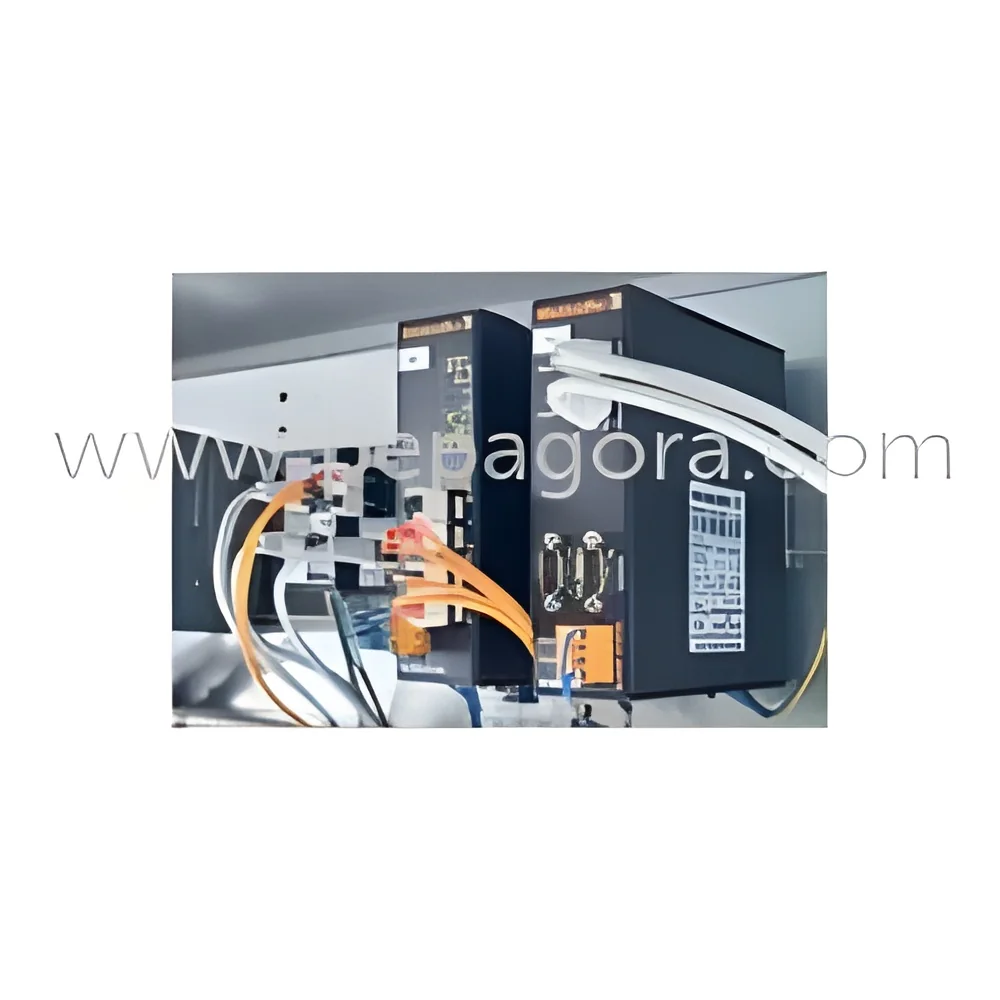
3. Manufacturing: In manufacturing environments, network switches connect machinery and control systems, enabling efficient communication for automation processes.
4. Retail: Retail businesses use network switches to connect point-of-sale systems, security cameras, and inventory management systems, improving operational efficiency.
5. Telecommunications: Telecom companies utilize network switches to manage vast amounts of data traffic, ensuring reliable communication services for customers.
6. Transportation: In transportation, network switches connect various systems such as traffic management systems and passenger information displays, improving service delivery.
7. Government: Government agencies deploy network switches to connect critical IT infrastructure, enhancing communication and data sharing among departments.
Product Variants and Subcategories
Network switches are available in different variants to meet diverse customer needs.
Unmanaged Switches: These are plug-and-play devices that require no configuration. They are ideal for small offices or home networks where simplicity and ease of use are priorities. Unmanaged switches are cost-effective and provide basic connectivity for devices.
Managed Switches: Managed switches offer advanced features, including traffic monitoring, security options, and network management capabilities. They are suitable for larger organizations that require detailed control over network performance and security. These switches can be configured to meet specific business requirements.
Benefits and Advantages
Investing in network switches provides numerous advantages for businesses looking to enhance their networking capabilities.
1. Improved Network Performance: Network switches optimize data flow, reducing congestion and ensuring faster communication between devices.
2. Scalability: Businesses can easily expand their networks by adding more devices to the switch without significant reconfiguration.
3. Enhanced Security: Managed switches offer advanced security features that protect sensitive data and prevent unauthorized access.
4. Network Management: With managed switches, businesses can monitor and control network traffic, enabling better resource allocation and troubleshooting.
5. Cost-Effectiveness: Unmanaged switches provide an affordable solution for basic networking needs, while managed switches offer a long-term investment for complex environments.
6. Simplified Connectivity: Network switches streamline the process of connecting multiple devices, making it easier for teams to collaborate and share resources.
Buying Guide for B2B Buyers
When sourcing network switches, businesses should consider several key factors to ensure they select the right product.
1. Quality Assessment: Evaluate the quality of switches based on manufacturer reputation, material durability, and performance reviews. High-quality switches minimize downtime and maintenance costs.
2. Supplier Verification: Vet suppliers by checking their certifications, customer reviews, and service history. A trustworthy supplier can provide reliable support and warranty options.
3. Pricing and MOQ: Understand the pricing structure and minimum order quantities (MOQ) required by suppliers. This helps businesses budget effectively and negotiate better deals.
4. Delivery and Lead Times: Consider logistics and lead times when planning purchases. Timely delivery is essential for maintaining operations and meeting project deadlines.
5. Compliance Requirements: Ensure that the selected switches comply with relevant industry standards and regulations. This prevents legal issues and ensures product safety.
Compliance and Certifications
Compliance with quality standards and certifications is crucial for network switches. Relevant standards, such as ISO 9001, ensure consistent quality control in manufacturing processes. Certifications like CE indicate that products meet European safety and performance requirements.
Additionally, switches must adhere to safety and testing standards to ensure their reliability in various operating conditions. Businesses should also consider regional compliance requirements, as these can vary significantly across different markets. Meeting these standards not only enhances product credibility but also assures customers of their safety and effectiveness.
Why Source Network Switches (Unmanaged & Managed) from Pepagora?
Pepagora offers a trusted platform for sourcing network switches with several key advantages for B2B buyers.
Verified Supplier Network: Pepagora connects buyers with a network of verified suppliers, ensuring that all products meet high-quality standards. This verification process provides peace of mind when making purchasing decisions.
Streamlined RFQ Process: The Request for Quotation (RFQ) process on Pepagora is designed to be efficient, allowing buyers to receive multiple quotes from suppliers quickly. This helps businesses compare options and select the best fit for their needs.
Trade Assurance and Support: Pepagora provides trade assurance, protecting buyers from potential risks. The platform also offers support for any issues that may arise during the purchasing process.
Regional Coverage: With a strong presence in India, the GCC, and Southeast Asia, Pepagora ensures that buyers can access quality network switches across diverse markets. This broad geographic reach facilitates better sourcing opportunities for businesses looking to expand their operations.

 IN
IN