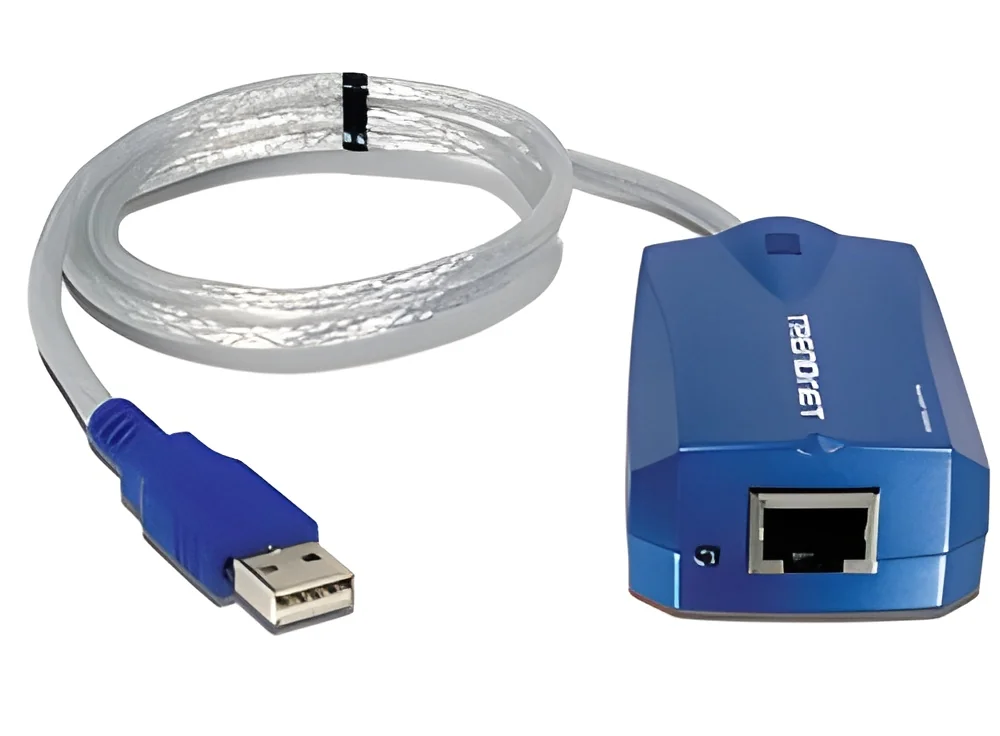
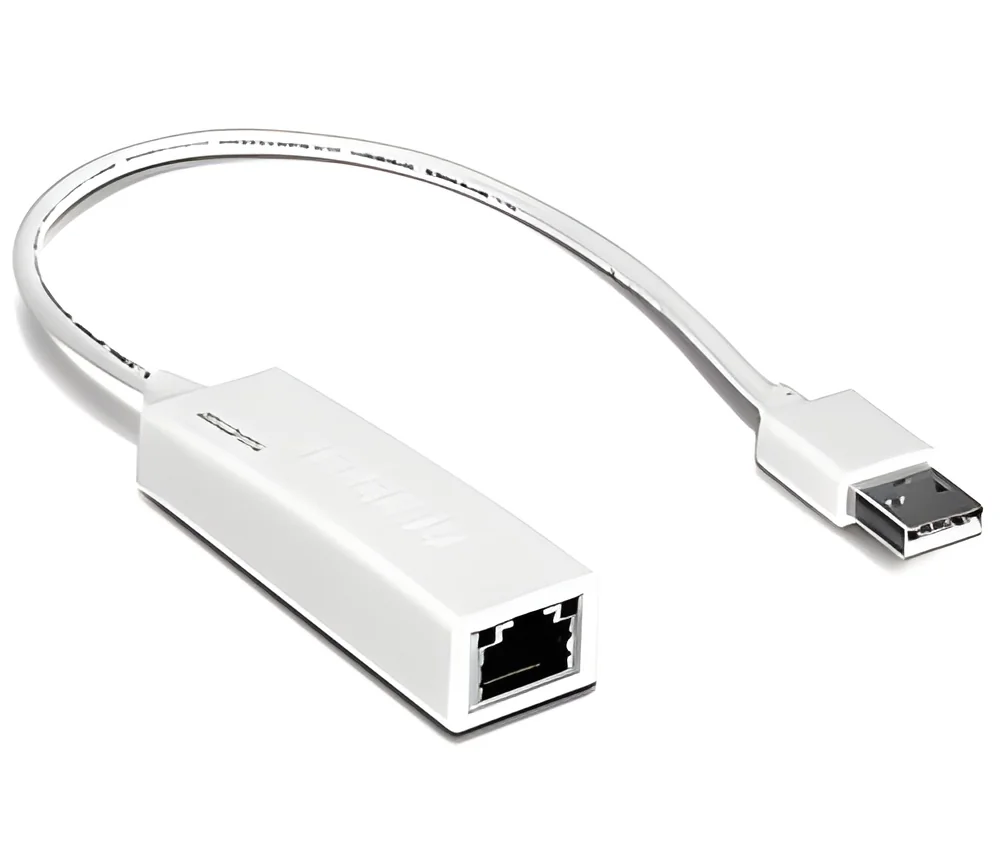
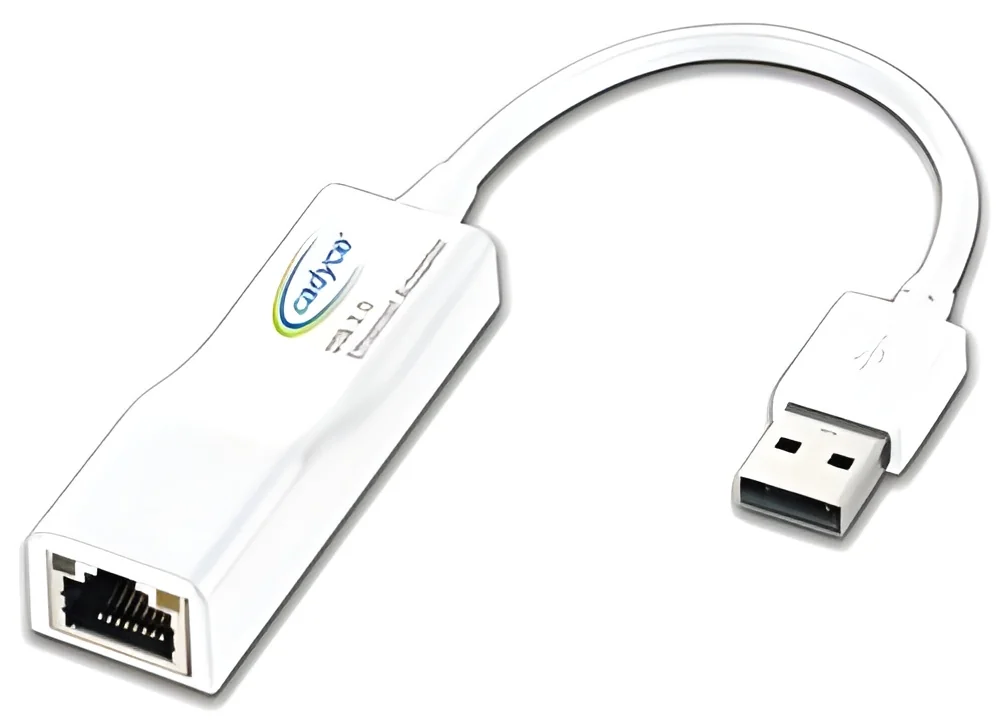
What are Network Interface Cards (NICs)?
Network Interface Cards, commonly known as NICs, are essential hardware components that enable communication between a computer system and a network. They function as the interface through which devices connect to a local area network (LAN) or the internet. NICs can be integrated into the motherboard or installed as separate expansion cards. They support various networking protocols and facilitate data transmission by converting digital data from the computer into a format that can be transmitted over the network.
NICs play a critical role in various business applications, including data centers, enterprise networks, and remote work settings. They are particularly significant in environments where reliable and high-speed connectivity is crucial. The demand for NICs continues to grow as businesses increasingly rely on cloud computing, big data, and other technologies that require robust networking solutions. The market for NICs is evolving, with advancements in technology leading to faster, more efficient, and more versatile products.
๐๐ฒ๐ ๐๐ฒ๐ฎ๐๐๐ฟ๐ฒ๐ ๐ฎ๐ป๐ฑ ๐ฆ๐ฝ๐ฒ๐ฐ๐ถ๐ณ๐ถ๐ฐ๐ฎ๐๐ถ๐ผ๐ป๐
Network Interface Cards come with an array of features and specifications designed to meet diverse networking needs. Understanding these specifications is vital for selecting the right NIC for your business.
Key specifications include:
1. Data Rate
- Indicates the speed at which data can be transmitted
- Common standards include 10/100/1000 Mbps for Ethernet NICs
2. Interface Type
- Defines how the NIC connects to the motherboard
- Common types include PCI, PCIe, and USB
3. Form Factor
- Refers to the physical size and shape of the NIC
- Variants include full-height, low-profile, and embedded
4. Network Protocols Supported
- Lists the protocols the NIC can handle
- Typical protocols include Ethernet, Wi-Fi, and Fiber Channel
5. Security Features
- Describes built-in security measures
- Common features include encryption support and MAC address filtering
6. Power Consumption
- Indicates how much power the NIC uses during operation
- Measured in watts, with low-power options available for energy efficiency
7. Compatibility
- Refers to the operating systems the NIC supports
- Most NICs are compatible with major operating systems like Windows, Linux, and macOS
8. Warranty and Support
- Details the manufacturer's warranty and available customer support
- Longer warranties often indicate higher reliability and quality
In summary, selecting the right NIC involves considering these key features and specifications to ensure it meets your organization's networking needs and performance requirements.
๐๐ผ๐บ๐บ๐ผ๐ป ๐๐ฝ๐ฝ๐น๐ถ๐ฐ๐ฎ๐๐ถ๐ผ๐ป๐ ๐ฎ๐ป๐ฑ ๐จ๐๐ฒ ๐๐ฎ๐๐ฒ๐
Network Interface Cards have a wide range of applications across various industries. They are fundamental to establishing and maintaining network connectivity in organizations.
1. Telecommunications: NICs are used in routers and switches to facilitate data transfer across networks, ensuring reliable communication.
2. Data Centers: In data centers, NICs play a crucial role in managing traffic and connecting servers to the network for efficient data handling.
3. Manufacturing: NICs are essential in manufacturing settings for connecting machinery and systems to the network, enabling automation and monitoring.
4. Healthcare: Hospitals use NICs to connect medical devices and patient management systems to central networks, ensuring accurate data sharing.
5. Retail: In retail environments, NICs support point-of-sale systems and inventory management, enhancing operational efficiency.
6. Education: Educational institutions utilize NICs to connect computers and devices to campus networks, facilitating online learning and resource access.
7. Financial Services: Banks and financial institutions rely on NICs for secure transaction processing and real-time data transfer between systems.
๐ฃ๐ฟ๐ผ๐ฑ๐๐ฐ๐ ๐ฉ๐ฎ๐ฟ๐ถ๐ฎ๐ป๐๐ ๐ฎ๐ป๐ฑ ๐ฆ๐๐ฏ๐ฐ๐ฎ๐๐ฒ๐ด๐ผ๐ฟ๐ถ๐ฒ๐
Network Interface Cards come in various types to cater to different networking requirements. Understanding the variants helps in choosing the right product for specific applications.
Ethernet NICs
These are the most common type of NICs, used primarily for wired connections. Ethernet NICs support varying data rates and are suitable for most business environments, offering reliable connectivity.
Wireless NICs
Wireless NICs enable devices to connect to a network without physical cables. They are essential in environments where mobility is crucial, such as offices or public spaces.
Fiber NICs
Fiber NICs are designed for high-speed data transmission over fiber optic cables. They are ideal for data centers and enterprise networks that require fast and secure connections.
๐๐ฒ๐ป๐ฒ๐ณ๐ถ๐๐ ๐ฎ๐ป๐ฑ ๐๐ฑ๐๐ฎ๐ป๐๐ฎ๐ด๐ฒ๐
Network Interface Cards provide several significant benefits that enhance connectivity and network management.
1. Improved Connectivity: NICs ensure reliable connections between devices, minimizing downtime and enhancing productivity.
2. Increased Speed: High-performance NICs support faster data transfer rates, which is essential for bandwidth-intensive applications.
3. Enhanced Security: Many NICs come with built-in security features, helping protect data during transmission from unauthorized access.
4. Versatility: NICs are available in various types and form factors, allowing businesses to select the right solution for their specific networking needs.
5. Scalability: As businesses grow, NICs can be easily added or upgraded to meet increasing network demands without significant infrastructure changes.
6. Cost-Effectiveness: Investing in quality NICs can lead to long-term savings by reducing maintenance costs and improving network performance.
๐๐๐๐ถ๐ป๐ด ๐๐๐ถ๐ฑ๐ฒ ๐ณ๐ผ๐ฟ ๐๐ฎ๐ ๐๐๐๐ฒ๐ฟ๐
When sourcing Network Interface Cards, several factors should be considered to ensure an optimal purchase decision.
1. Quality Assessment: Evaluate the quality of NICs based on manufacturer reputation, product reviews, and performance metrics. High-quality NICs tend to offer better reliability and longevity.
2. Supplier Verification: Vet potential suppliers to ensure they have a proven track record in delivering quality products. Look for certifications and customer testimonials as part of your assessment.
3. Pricing and MOQ: Consider the cost per unit as well as any minimum order quantities (MOQ) required. Comparing prices across different suppliers can help secure the best deal.
4. Delivery and Lead Times: Check the supplierโs ability to meet delivery deadlines. Understanding lead times can help in planning your inventory and project timelines.
5. Compliance Requirements: Ensure that the NICs comply with relevant industry standards and regulations, including certifications like CE. This is crucial for ensuring safety and compatibility.
๐๐ผ๐บ๐ฝ๐น๐ถ๐ฎ๐ป๐ฐ๐ฒ ๐ฎ๐ป๐ฑ ๐๐ฒ๐ฟ๐๐ถ๐ณ๐ถ๐ฐ๐ฎ๐๐ถ๐ผ๐ป๐
Compliance and certifications are vital aspects of Network Interface Cards, ensuring they meet industry standards for quality and safety. Common standards include ISO 9001, which focuses on quality management systems, and CE certification, indicating that the product meets European safety and health requirements.
Safety and testing requirements are essential for NICs, as they must operate reliably in various conditions. Manufacturers often conduct rigorous testing to ensure that NICs can withstand environmental stressors while maintaining performance.
Regional compliance considerations should also be taken into account, as different regions may have specific regulations regarding electronic components. Ensuring compliance with these regulations is critical for market access and customer trust.
Why Source Network Interface Cards (NICs) from Pepagora?
Pepagora offers a reliable platform for sourcing Network Interface Cards, providing several key advantages to B2B buyers.
Verified Supplier Network: Pepagora maintains a robust network of verified suppliers, ensuring that buyers can connect with reputable manufacturers who meet quality standards.
Streamlined RFQ Process: The platform features an efficient request for quotation (RFQ) process, allowing buyers to easily compare offers and make informed purchasing decisions.
Trade Assurance and Support: Buyers benefit from trade assurance programs that protect their transactions, along with dedicated support to address any concerns.
Regional Coverage: Pepagora's extensive reach across India, the GCC, and Southeast Asia provides buyers with access to a diverse range of suppliers and products, catering to various regional needs.
This combination of features makes Pepagora an excellent choice for businesses looking to source high-quality Network Interface Cards efficiently and securely.