What are Modems (DSL, Cable, Fiber)?
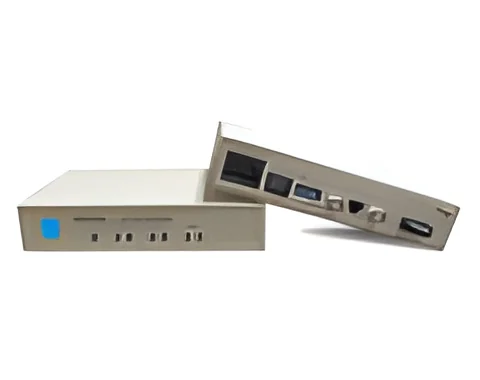
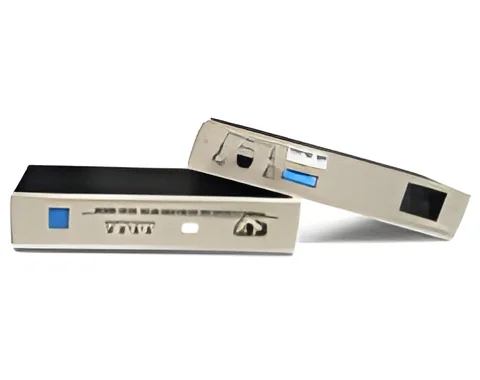
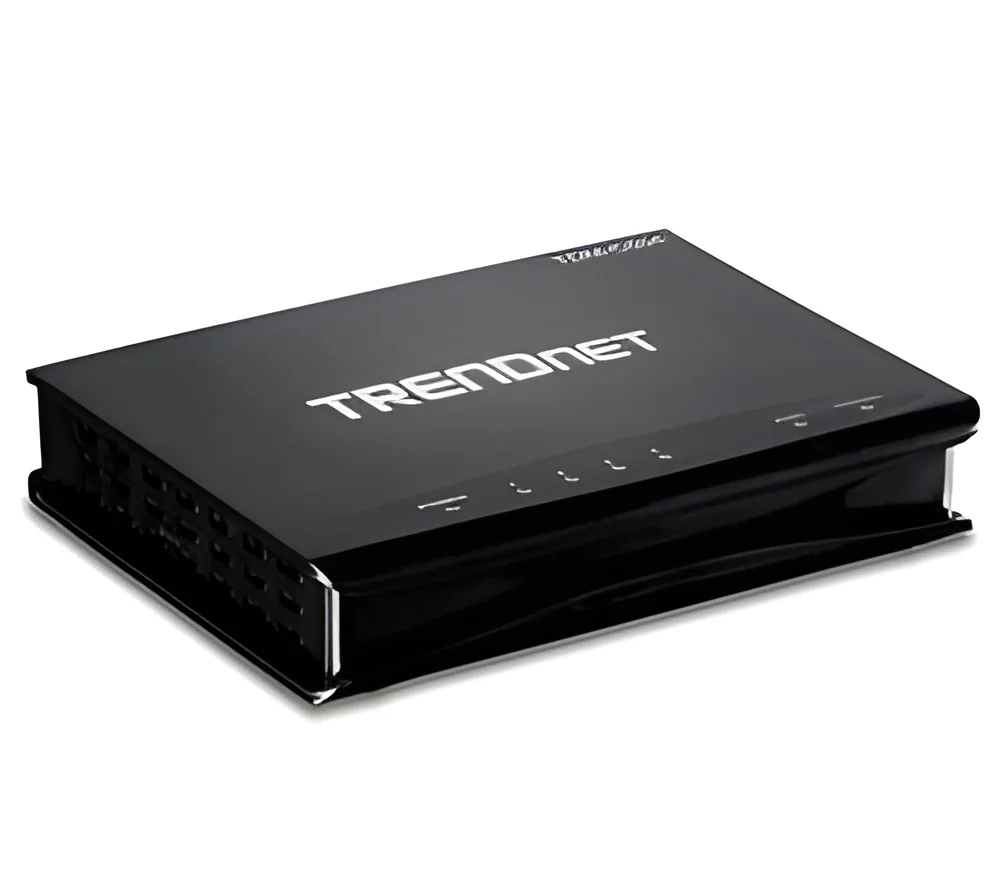
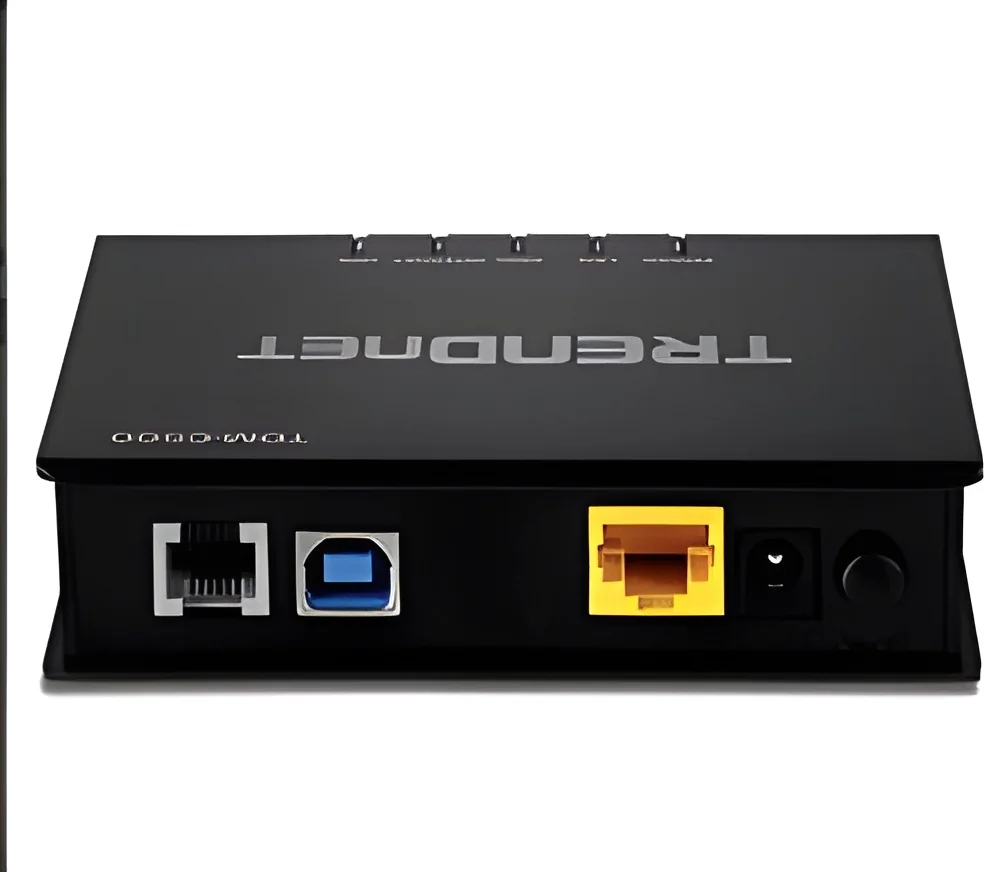
Modems are devices that facilitate the connection between a local network and the internet. They convert digital signals from a computer into analog signals for transmission over various types of networks, including DSL, cable, and fiber. Each type of modem is designed to work with specific types of internet services, providing the necessary interface for data transmission and reception.
In a business context, modems play a crucial role in enabling internet connectivity for various applications. They are essential for daily operations, including cloud computing, VoIP services, and remote work capabilities. Organizations rely on modems to maintain stable and fast internet connections, which are vital for productivity and efficiency in today's digital landscape.
The relevance of modems extends across multiple industries, including telecommunications, IT services, and education. As businesses increasingly depend on high-speed internet for operations, the demand for reliable modems continues to grow. The market for modems is evolving, with advancements in technology leading to higher speeds and greater reliability, ensuring businesses can meet their connectivity needs.
๐๐ฒ๐ ๐๐ฒ๐ฎ๐๐๐ฟ๐ฒ๐ ๐ฎ๐ป๐ฑ ๐ฆ๐ฝ๐ฒ๐ฐ๐ถ๐ณ๐ถ๐ฐ๐ฎ๐๐ถ๐ผ๐ป๐
Modems come equipped with essential features and specifications that determine their performance and suitability for different applications. Understanding these specifications can help businesses select the right modem for their requirements.
Key specifications include:
1. Connection Type
- Indicates whether the modem supports DSL, cable, or fiber connections.
- Each type has unique capabilities and performance characteristics.
2. Maximum Download Speed
- Refers to the highest speed at which data can be downloaded.
- Typically measured in Mbps, with ranges varying by modem type.
3. Maximum Upload Speed
- Represents the fastest speed for uploading data.
- Important for businesses that frequently send large files.
4. Number of Ethernet Ports
- Specifies how many devices can be directly connected via Ethernet.
- More ports allow for better connectivity in larger offices.
5. Wi-Fi Capability
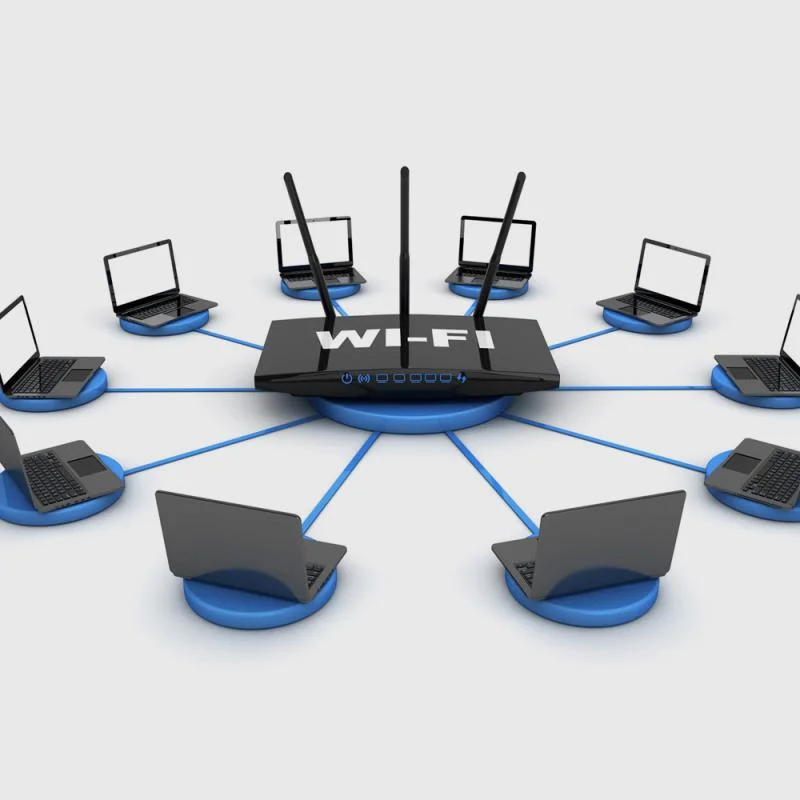
- Indicates whether the modem includes built-in wireless networking.
- Essential for businesses that require multiple devices to connect wirelessly.
6. Security Features
- Refers to the built-in protections against unauthorized access.
- Includes firewalls, encryption standards, and more.
7. Form Factor
- The physical design of the modem, such as standalone or integrated with a router.
- Affects installation and space requirements.
8. Power Consumption
- Indicates the energy usage of the modem.
- Important for businesses looking to manage operational costs.
In summary, understanding the features and specifications of modems is critical for selecting the appropriate device for business needs.
๐๐ผ๐บ๐บ๐ผ๐ป ๐๐ฝ๐ฝ๐น๐ถ๐ฐ๐ฎ๐๐ถ๐ผ๐ป๐ ๐ฎ๐ป๐ฑ ๐จ๐๐ฒ ๐๐ฎ๐๐ฒ๐
Modems serve various industries and applications, providing essential connectivity solutions.
1. Telecommunications: Modems are fundamental in delivering internet services to homes and businesses, ensuring access to broadband networks.
2. Information Technology: IT companies use modems to connect servers and networks, supporting cloud services, data transfers, and remote management.
3. E-commerce: Online retailers rely on modems for stable internet connections that facilitate transactions and customer interactions.
4. Education: Educational institutions utilize modems to provide reliable internet access for online learning platforms and virtual classrooms.
5. Healthcare: Medical facilities depend on modems to enable telehealth services, ensuring patients receive care without needing to visit in person.
6. Manufacturing: Manufacturing plants use modems for IoT devices, allowing for real-time monitoring and automation of production processes.
7. Hospitality: Hotels and restaurants implement modems to provide high-speed internet access to guests, enhancing their experience.
๐ฃ๐ฟ๐ผ๐ฑ๐๐ฐ๐ ๐ฉ๐ฎ๐ฟ๐ถ๐ฎ๐ป๐๐ ๐ฎ๐ป๐ฑ ๐ฆ๐๐ฏ๐ฐ๐ฎ๐๐ฒ๐ด๐ผ๐ฟ๐ถ๐ฒ๐
Modems come in various forms, each designed to cater to specific connectivity needs.
DSL Modems: These devices connect to DSL lines, offering reliable internet access suitable for smaller businesses. They are typically easy to install and provide sufficient speeds for everyday use.
Cable Modems: Designed for cable internet connections, these modems deliver higher speeds suitable for businesses with greater bandwidth needs. They support multiple devices and are ideal for environments with high data usage.
Fiber Modems: These modems are built for fiber optic internet services, providing the fastest speeds available. They are perfect for businesses that require ultra-fast connections for data-intensive applications.
๐๐ฒ๐ป๐ฒ๐ณ๐ถ๐๐ ๐ฎ๐ป๐ฑ ๐๐ฑ๐๐ฎ๐ป๐๐ฎ๐ด๐ฒ๐
Investing in quality modems offers numerous advantages for businesses.
1. Increased Connectivity: Reliable modems ensure stable internet connections, reducing downtime and improving productivity.
2. Enhanced Speed: High-performance modems provide faster download and upload speeds, allowing businesses to operate more efficiently.
3. Scalability: Many modems support multiple connections, enabling businesses to expand their networks without significant upgrades.
4. Cost Efficiency: Quality modems can lead to lower operational costs by optimizing internet usage and minimizing disruptions.
5. Security Features: Advanced security options protect sensitive business data from potential cyber threats.
6. Easy Installation: Many modems are designed for straightforward setup, allowing businesses to get connected quickly.
๐๐๐๐ถ๐ป๐ด ๐๐๐ถ๐ฑ๐ฒ ๐ณ๐ผ๐ฟ ๐๐ฎ๐ ๐๐๐๐ฒ๐ฟ๐
When sourcing Modems (DSL, Cable, Fiber), several factors should be considered to ensure the right choice.
1. Quality Assessment: Evaluate the durability and performance of the modem to ensure it meets your business requirements. Look for reviews and certifications that indicate reliability.
2. Supplier Verification: Vet suppliers by checking their reputation, customer feedback, and compliance with industry standards. This ensures you are working with trusted vendors.
3. Pricing and MOQ: Consider the cost of the modems and any minimum order quantities required by suppliers. Ensure pricing aligns with your budget and expected usage.
4. Delivery and Lead Times: Assess the logistics involved in acquiring the modems, including delivery times and potential delays. Ensure that timelines align with your operational needs.
5. Compliance Requirements: Confirm that the modems comply with relevant industry standards and regulations. This is crucial for maintaining quality and safety in your operations.
๐๐ผ๐บ๐ฝ๐น๐ถ๐ฎ๐ป๐ฐ๐ฒ ๐ฎ๐ป๐ฑ ๐๐ฒ๐ฟ๐๐ถ๐ณ๐ถ๐ฐ๐ฎ๐๐ถ๐ผ๐ป๐
Modems must adhere to specific quality standards and certifications to ensure their reliability and effectiveness in various applications.
ISO 9001 is a widely recognized quality management standard that ensures products are manufactured consistently and meet customer expectations. Compliance with this standard indicates a commitment to quality.
CE certification is essential for modems sold in Europe, confirming that the product meets safety, health, and environmental protection standards. This certification is crucial for businesses operating in or exporting to European markets.
Safety and testing requirements are critical for ensuring that modems operate without posing risks to users or equipment. Compliance with regional regulations is equally important, as different areas may have specific standards that modems must meet.
Why Source Modems (DSL, Cable, Fiber) from Pepagora?
Pepagora provides a trusted platform for sourcing Modems (DSL, Cable, Fiber), offering several key advantages that simplify the purchasing process.
Verified Supplier Network: Pepagora has established a robust network of verified suppliers, ensuring businesses can connect with reputable vendors. This reduces the risk of purchasing substandard products.
Streamlined RFQ Process: The platform offers an efficient request-for-quotation (RFQ) system that allows businesses to obtain competitive pricing and terms from multiple suppliers quickly.
Trade Assurance and Support: Pepagora prioritizes buyer protection through its trade assurance policies, providing businesses with confidence in their purchases. Dedicated support is also available to address any concerns that may arise.
Regional Coverage: With a strong presence in India, the GCC, and Southeast Asia, Pepagora offers businesses access to a wide range of modems that cater to diverse connectivity needs across different regions. This geographic reach ensures that businesses can find suitable products regardless of their location.