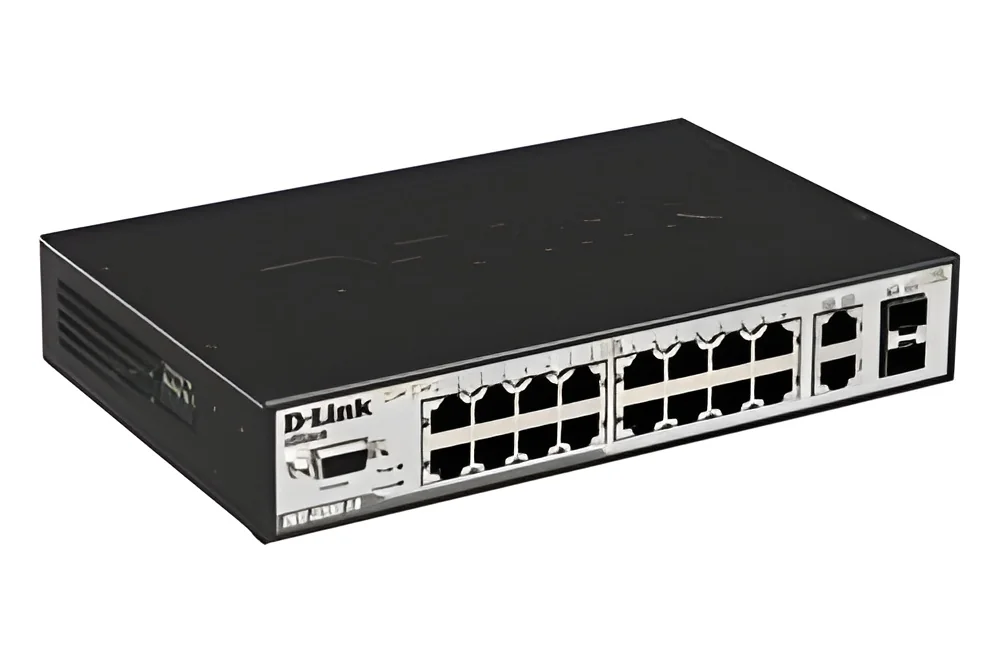
What are Network Hubs?
Network hubs are essential devices in computer networking that serve as central connection points for multiple devices within a local area network (LAN). They operate at the physical layer of the OSI model, facilitating the easy and effective communication between connected devices. A network hub receives incoming data packets from one port and broadcasts them to all other ports, allowing devices to share information seamlessly.
These devices are primarily used in various business applications, such as office networks, data centers, and manufacturing facilities. They enable multiple computers, printers, and other devices to communicate with each other, ensuring that data is transmitted efficiently across the network. In the context of rapidly evolving technology, network hubs remain relevant in industries that rely on scalability and connectivity.
The market for network hubs is influenced by advancements in networking technologies and the increasing demand for reliable connectivity solutions. As businesses grow and require more robust networks, the use of hubs continues to evolve, integrating with newer technologies while maintaining their core functionalities.
Key Features and Specifications
Network hubs come with several important features and specifications that enhance their functionality. Understanding these specifications can aid in selecting the right hub for specific business needs.
Key specifications include:
1. Data Transmission Rate
- Indicates the speed at which data can be transmitted.
- Typical rates include 10/100 Mbps for Fast Ethernet and up to 1 Gbps for Gigabit Ethernet.
2. Number of Ports
- Refers to the number of devices that can connect to the hub simultaneously.
- Common configurations include 4, 8, 12, or 24 ports.
3. Power over Ethernet (PoE) Support
- Allows the hub to deliver power to connected devices such as IP cameras and phones.
- This feature simplifies installation by reducing the need for separate power supplies.
4. Form Factor
- Describes the physical design of the hub, which can be standalone or rack-mounted.
- Rack-mounted hubs are suitable for server rooms and data centers.
5. Network Standards Compliance
- Ensures compatibility with various networking standards such as IEEE 802.3.
- Compliance with standards facilitates interoperability between different manufacturers’ devices.
6. LED Indicator Lights
- Provide visual feedback on the operational status of the hub.
- Common indicators include power, link/activity, and port status lights.
7. Cooling Mechanism
- Refers to the design features that prevent overheating, such as built-in fans or heat sinks.
- Effective cooling is crucial for maintaining performance in high-demand environments.
8. Dimensions and Weight
- Specifications regarding the size and weight of the hub.
- Important for determining installation space and portability.
In summary, understanding the key features and specifications of network hubs is essential for businesses to choose the right product that meets their networking requirements.
Common Applications and Use Cases
Network hubs serve various industries by providing essential connectivity solutions.
1. Office Environments: In office settings, network hubs connect computers and printers, enabling staff to share resources and communicate effectively. They support data transfer and facilitate collaboration among employees.
2. Data Centers: Network hubs are integral to data centers, where they connect multiple servers and storage devices. Their ability to handle high data loads ensures efficient operations and resource sharing.
3. Manufacturing Facilities: In manufacturing, network hubs connect machines and sensors, enabling real-time data monitoring and process automation. This connectivity enhances operational efficiency and reduces downtime.
4. Retail Stores: Retail environments use network hubs to connect point-of-sale systems and inventory management tools. This connectivity helps improve customer service and streamline operations.
5. Educational Institutions: Schools and universities utilize network hubs to connect computers in classrooms and libraries. This setup fosters collaborative learning and access to digital resources.
6. Healthcare Facilities: In healthcare, network hubs connect medical devices and patient management systems, ensuring seamless communication and data sharing for better patient care.
7. Transportation Systems: Network hubs are essential in transportation sectors for connecting signaling systems, communication devices, and monitoring equipment, enhancing safety and efficiency.
Product Variants and Subcategories
Network hubs are available in various forms to cater to different business needs. This diversity allows companies to select the most suitable option for their specific applications.
Unmanaged Network Hubs: These hubs operate without any configuration and are ideal for simple networks. They automatically manage data transmission and are easy to deploy, making them suitable for small offices or home networks.
Managed Network Hubs: Providing advanced features, managed hubs allow for configuration and monitoring. They enable network administrators to manage traffic efficiently, making them ideal for larger organizations with complex networking needs.
PoE Network Hubs: These specialized hubs provide both data connectivity and power to devices over the same cable. They are particularly useful for connecting devices like security cameras and VoIP phones, simplifying installation and reducing cable clutter.
Benefits and Advantages
Investing in network hubs offers numerous benefits for businesses seeking reliable connectivity solutions.
1. Cost-Effectiveness: Network hubs are generally more affordable than switches, making them a budget-friendly option for small to medium-sized networks.
2. Simplified Installation: With minimal setup requirements, network hubs can be quickly installed and deployed, allowing businesses to establish their networks without extensive technical expertise.
3. Enhanced Connectivity: Hubs enable multiple devices to connect and communicate, facilitating efficient data sharing and collaboration within teams.
4. Scalability: As business needs grow, network hubs can easily accommodate additional devices, allowing for seamless expansion of the network.
5. Reliability: Network hubs provide stable connections, ensuring consistent data transmission and minimizing downtime for critical operations.
6. Easy Maintenance: With fewer complex features than managed switches, network hubs are easier to maintain and troubleshoot, reducing the burden on IT resources.
Buying Guide for B2B Buyers
When sourcing network hubs, businesses should consider several key factors to ensure that they select the right product for their needs.
1. Quality Assessment: Evaluate the build quality and performance specifications of the hubs. Look for models that meet industry standards and have positive reviews from previous users.
2. Supplier Verification: It's essential to vet suppliers for reliability and reputation. Check their track record and customer feedback to ensure a trustworthy purchasing experience.
3. Pricing and MOQ: Understand the pricing structure and minimum order quantities set by suppliers. This information is crucial for budgeting and determining the feasibility of bulk purchases.
4. Delivery and Lead Times: Inquire about logistics and delivery times. Timely delivery is critical for maintaining project schedules and operational continuity.
5. Compliance Requirements: Ensure that the network hubs comply with relevant industry standards and regulations. This includes safety certifications and quality assurance measures to prevent operational disruptions.
Compliance and Certifications
Network hubs must adhere to various quality standards and certifications to ensure they meet industry requirements. Compliance with ISO 9001 standards indicates a commitment to quality management systems, while HACCP and GDP standards are essential in sectors requiring stringent safety and quality protocols.
The CE certification is a significant requirement for network hubs sold in the European market. It demonstrates that the product meets essential health, safety, and environmental protection requirements.
In addition to these certifications, manufacturers must ensure that their products undergo rigorous testing to guarantee reliability and performance. Companies should also consider regional compliance requirements, as different areas may have specific regulations that need to be followed to ensure safe and effective operation.
Why Source Network Hubs from Pepagora?
Pepagora provides a trusted platform for sourcing network hubs, offering several key advantages to B2B buyers.
Verified Supplier Network: Pepagora has a robust verification process for its suppliers, ensuring that buyers can confidently source products from reputable manufacturers. This network helps mitigate risks associated with unreliable suppliers.
Streamlined RFQ Process: The platform features an efficient Request for Quotation (RFQ) system, making it easy for buyers to obtain competitive pricing and product information from multiple suppliers. This process saves time and simplifies procurement.
Trade Assurance and Support: Pepagora prioritizes buyer protection through trade assurance programs. These initiatives safeguard transactions and provide support throughout the purchasing process, ensuring a smooth experience.
Regional Coverage: With a strong presence in India, the GCC, and Southeast Asia, Pepagora offers extensive regional coverage. This geographic reach allows businesses to access a wide range of products and suppliers tailored to their local needs.

 IN
IN