What are Network Extenders & Boosters?
Network extenders and boosters are devices designed to enhance and expand the coverage of existing wireless networks. They work by receiving a weak Wi-Fi signal and amplifying it, allowing devices located in areas with poor connectivity to access the network more effectively. These devices are essential for ensuring reliable internet access in larger spaces or environments with multiple obstructions that can impede wireless signals.
In a business context, network extenders and boosters are used in various applications, including office buildings, warehouses, and manufacturing facilities. They help maintain consistent connectivity for devices such as computers, printers, and smart devices, which are critical for daily operations. The relevance of these products in today's market is driven by the increasing demand for seamless connectivity due to the rise of remote work, IoT devices, and cloud computing. Businesses need robust solutions to ensure their networks can support numerous users and devices without sacrificing performance.
Key Features and Specifications
Network extenders and boosters come with a range of features that enhance their performance and usability. Understanding these features is crucial for selecting the right device for specific business needs.
Key specifications include:
1. Signal Range
- Indicates the maximum distance the device can effectively extend the network.
- Ranges can vary from 100 meters to over 300 meters, depending on environmental factors.
2. Frequency Bands
- Many devices operate on dual-band frequencies (2.4 GHz and 5 GHz).
- This allows for better performance and reduced interference from other electronic devices.
3. Data Transfer Rate
- This specification denotes the speed at which data can be transmitted.
- Typical rates can range from 300 Mbps to 1 Gbps.
4. Number of Ethernet Ports
- Some extenders include Ethernet ports for hardwired connections.
- The number typically ranges from one to four ports.
5. Security Protocols
- Features like WPA2 encryption help protect data transmitted over the network.
- Compliance with modern security standards is essential for business environments.
6. Installation Type
- Devices may be plug-and-play or require manual configuration.
- Ease of installation can significantly affect deployment time.
7. LED Indicators
- Visual indicators can show the status of the connection and signal strength.
- This feature helps in troubleshooting and optimizing placement.
8. Compatibility
- Ensure that the extender is compatible with existing network equipment.
- Compatibility with various routers and access points is crucial for seamless integration.
These specifications help businesses identify the right network extenders and boosters that meet their specific needs while ensuring reliable connectivity.
Common Applications and Use Cases
Network extenders and boosters are applicable across various industries, enhancing connectivity in diverse environments.
1. Retail: In retail stores, these devices can improve Wi-Fi coverage, supporting inventory management systems and enhancing customer experiences with reliable internet access.
2. Manufacturing: In factories, network extenders ensure that machinery and IoT devices communicate effectively, allowing for real-time monitoring and control of production processes.
3. Healthcare: Hospitals and clinics benefit from improved connectivity, enabling seamless communication between medical devices and staff, which is crucial for patient care.
4. Education: Schools and universities use these devices to provide robust internet access across large campuses, facilitating online learning and administrative functions.
5. Hospitality: Hotels utilize network extenders to enhance guest experiences by providing reliable Wi-Fi in all areas, from lobbies to guest rooms.
6. Warehousing: In large warehouses, these devices help maintain connectivity for inventory tracking systems, ensuring efficient logistics and operations.
7. Office Spaces: Businesses can expand network coverage in large or multi-story offices, ensuring employees stay connected regardless of their location within the building.
Product Variants and Subcategories
Network extenders and boosters come in various forms tailored to specific needs.
Plug-In Extenders: These compact devices plug directly into a wall outlet, making them ideal for home and small office use. They are easy to install and require minimal configuration.
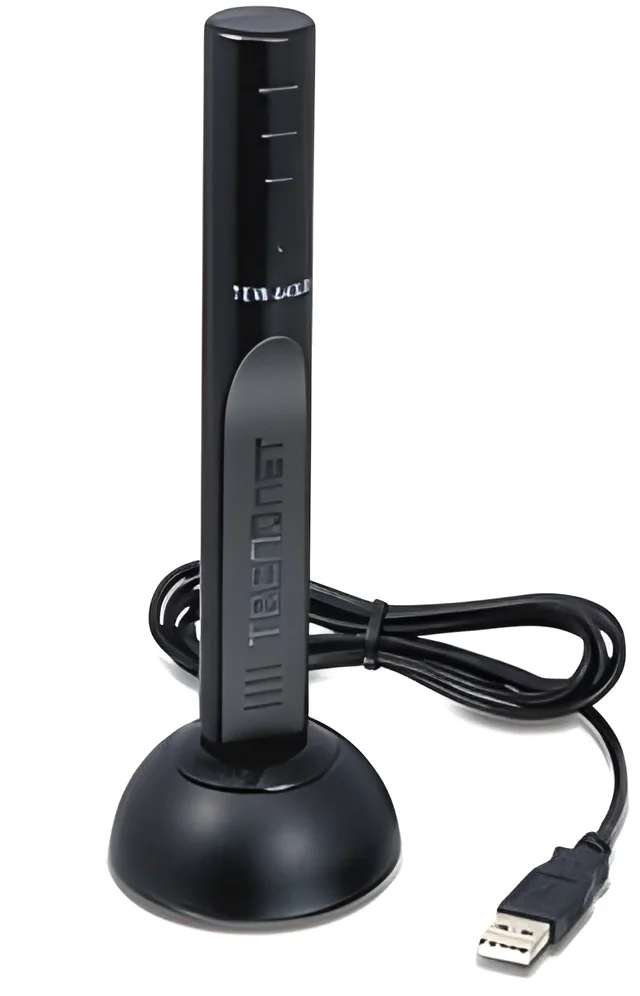
Desktop Extenders: These units often come with additional features like multiple Ethernet ports and advanced settings. They are suitable for larger environments where multiple devices need connectivity.
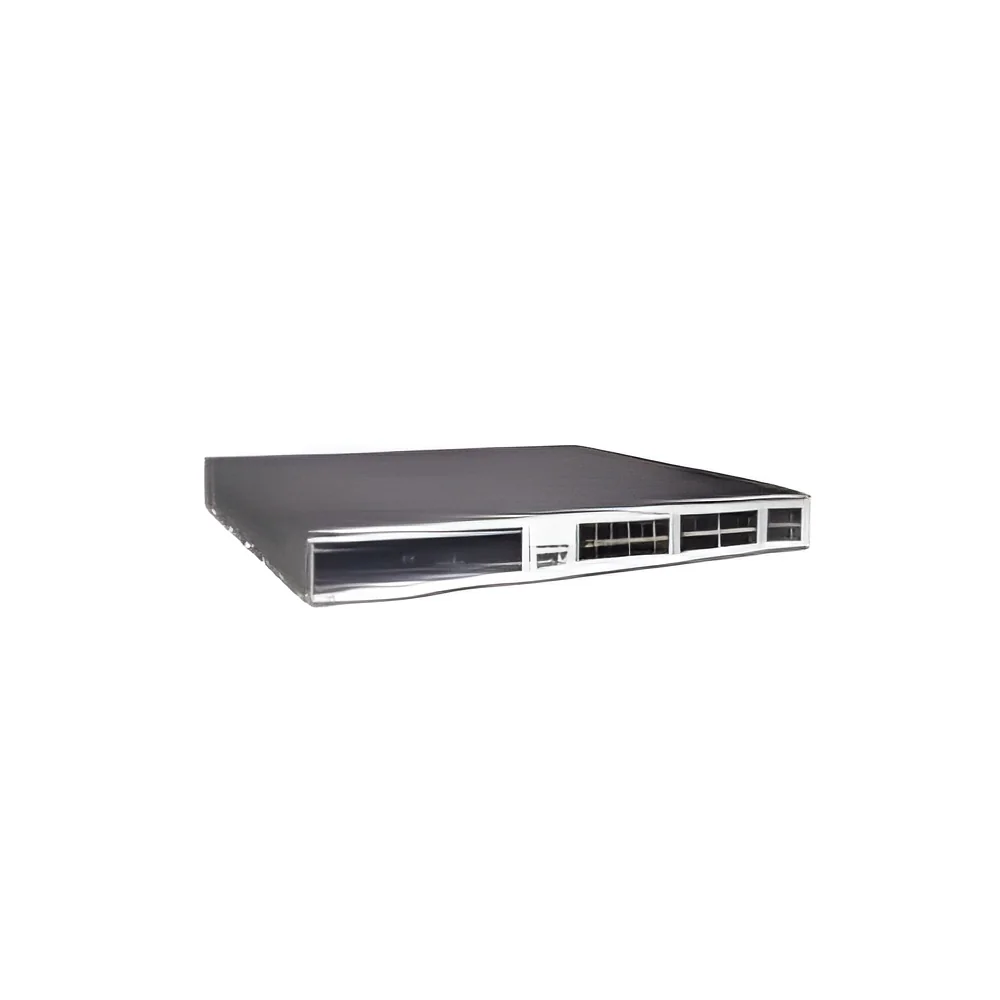
Wall-Mounted Extenders: Designed for fixed installations, these devices can be mounted on walls for optimal signal distribution in large spaces. They are commonly used in commercial settings.
Benefits and Advantages
Investing in network extenders and boosters offers numerous advantages for businesses.
1. Expanded Coverage: These devices significantly increase the Wi-Fi coverage area, enabling connectivity in previously unreachable locations.
2. Improved Performance: By enhancing signal strength, they reduce dead zones and improve speed for connected devices, leading to better productivity.
3. Cost-Effective Solution: Instead of overhauling existing network infrastructure, extenders provide a budget-friendly way to enhance connectivity.
4. Easy Installation: Many extenders are designed for quick setup, allowing businesses to improve their networks without requiring extensive technical expertise.
5. Enhanced User Experience: Reliable connectivity ensures that employees and customers have a positive experience, which is vital for business success.
6. Scalability: As businesses grow, network extenders can easily be added to accommodate increasing connectivity demands without significant investment.
Buying Guide for B2B Buyers
When sourcing network extenders and boosters, B2B buyers should consider several critical factors.
1. Quality Assessment: It is essential to evaluate the quality of devices based on performance metrics and customer reviews. Look for reliable brands known for durability and effectiveness.
2. Supplier Verification: Vet potential suppliers by checking their credentials, customer feedback, and history in the industry. A trustworthy supplier can ensure consistent product quality.
3. Pricing and MOQ: Understand the pricing structure and minimum order quantities (MOQ) that suppliers impose. Compare costs to find the best value without compromising quality.
4. Delivery and Lead Times: Assess the delivery times offered by suppliers to ensure timely receipt of products. Consider logistics capabilities, especially for urgent needs.
5. Compliance Requirements: Ensure that the devices meet relevant compliance standards and certifications required in your industry. This is crucial for maintaining operational integrity.
Compliance and Certifications
Compliance and certifications play a vital role in the reliability and safety of network extenders and boosters.
Adhering to quality standards such as ISO 9001 ensures that products meet consistent quality management criteria. This is essential in maintaining effective performance and customer satisfaction.
CE certification is also relevant, indicating that the products conform to health, safety, and environmental protection standards within the European Economic Area.
Businesses should also be aware of safety and testing requirements that may apply to electronic devices, ensuring they operate safely in various environments.
Regional compliance considerations are crucial, especially for companies operating in multiple countries. Understanding local regulations can help avoid legal issues and ensure product acceptance in different markets.
Why Source Network Extenders & Boosters from Pepagora?
Pepagora is a trusted platform for sourcing network extenders and boosters, offering several key advantages to buyers.
Verified Supplier Network: Pepagora connects buyers with verified suppliers who meet strict quality and reliability standards. This ensures that businesses get the best products for their needs.
Streamlined RFQ Process: The platform simplifies the quotation process, allowing buyers to request and compare offers efficiently. This helps in making informed purchasing decisions quickly.
Trade Assurance and Support: Pepagora provides buyers with trade assurance, ensuring protection throughout the purchasing process. This includes support for resolving any issues that may arise.
Regional Coverage: With a strong presence in regions like India, GCC, and Southeast Asia, Pepagora facilitates easy access to network extenders and boosters across a wide geographic area. This ensures that businesses can source the products they need, no matter their location.

 IN
IN