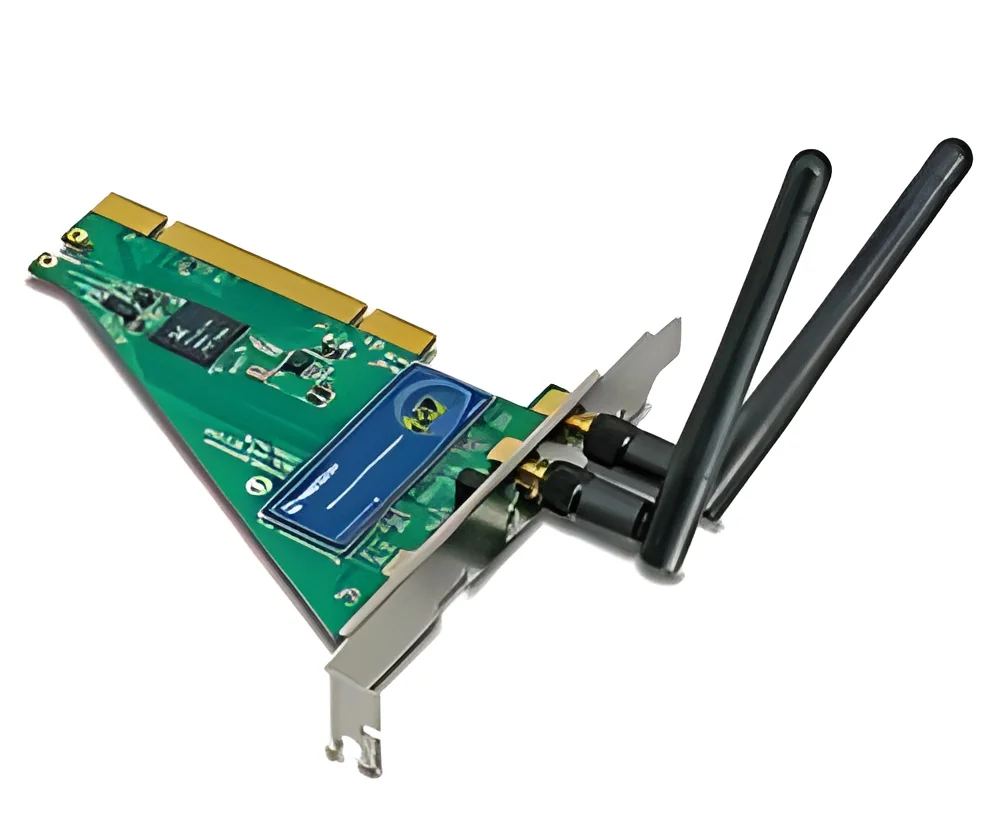
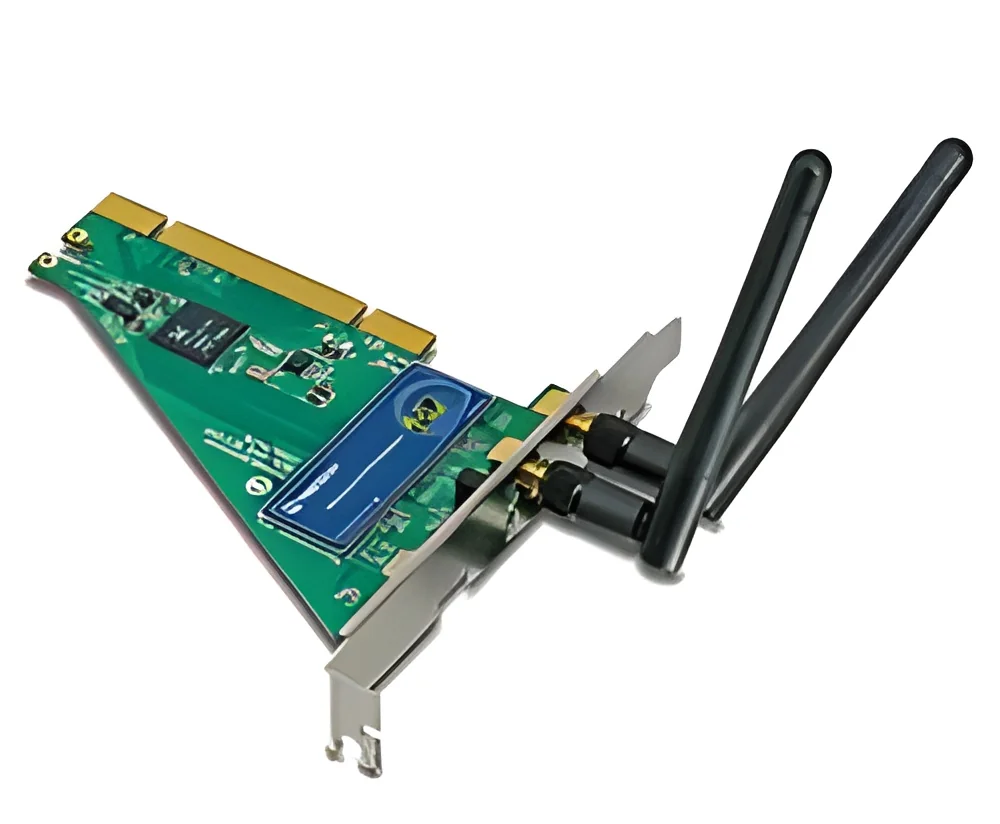
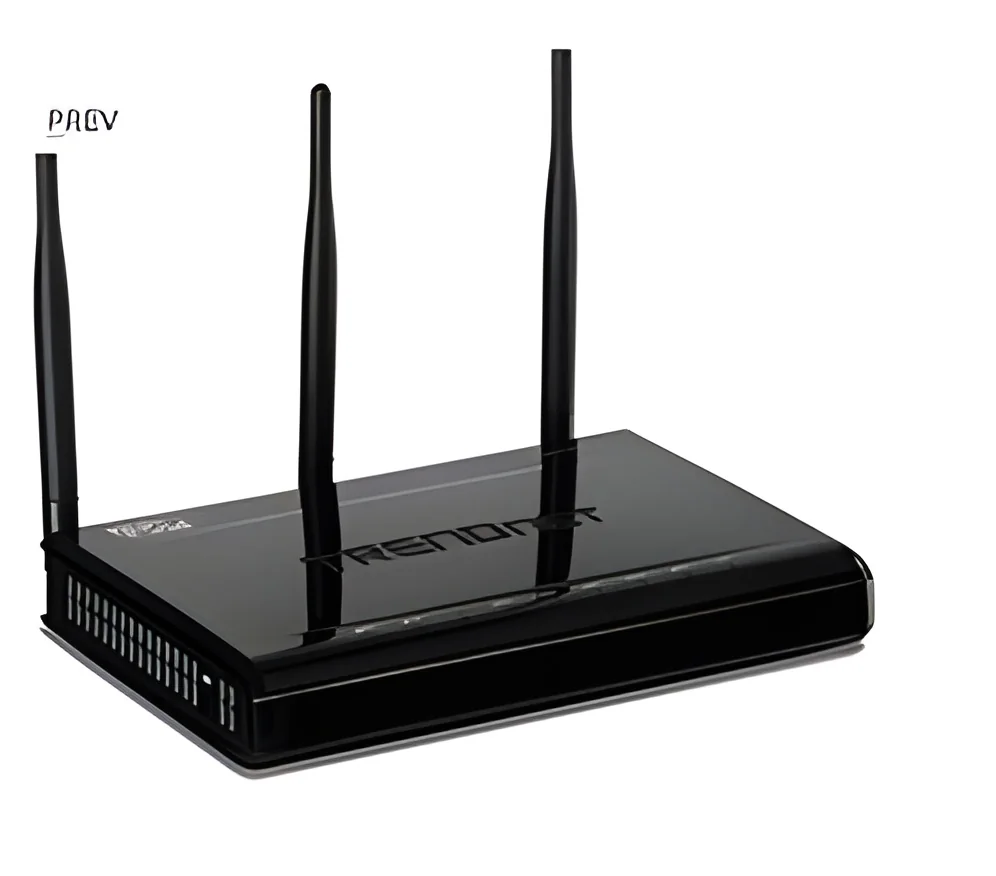
What are Wi-Fi Routers?
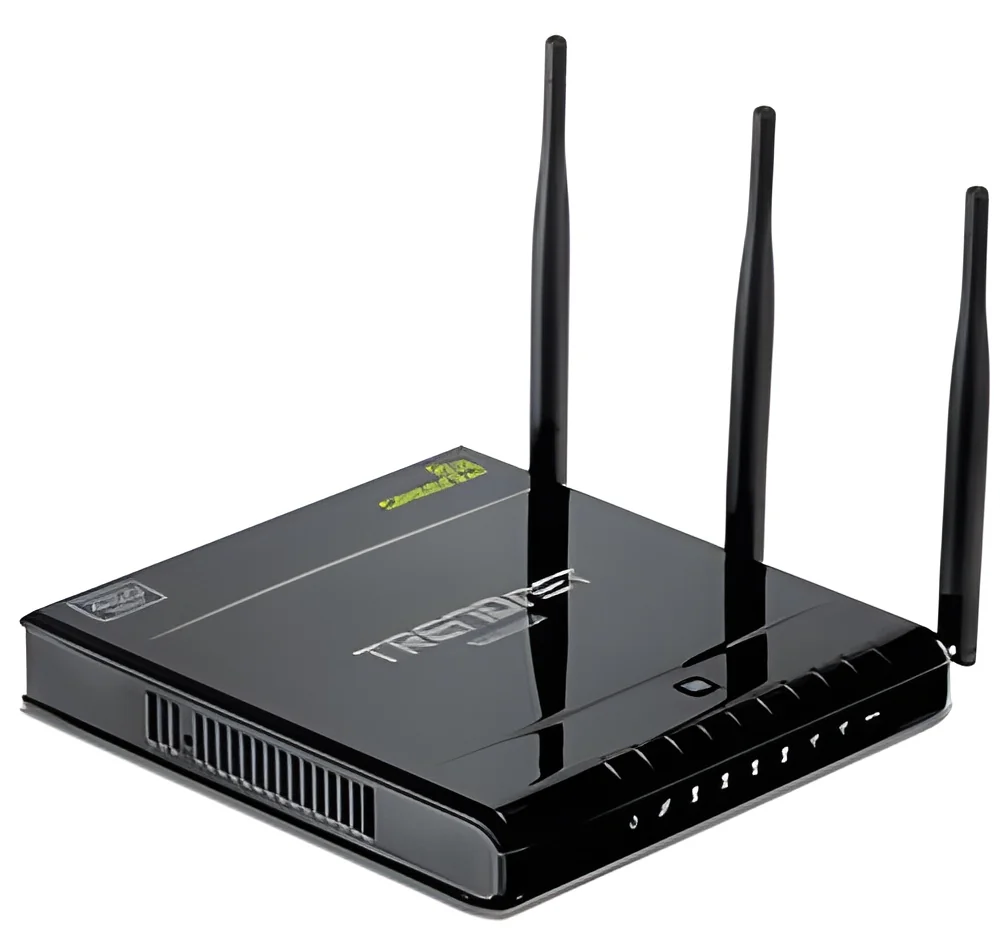
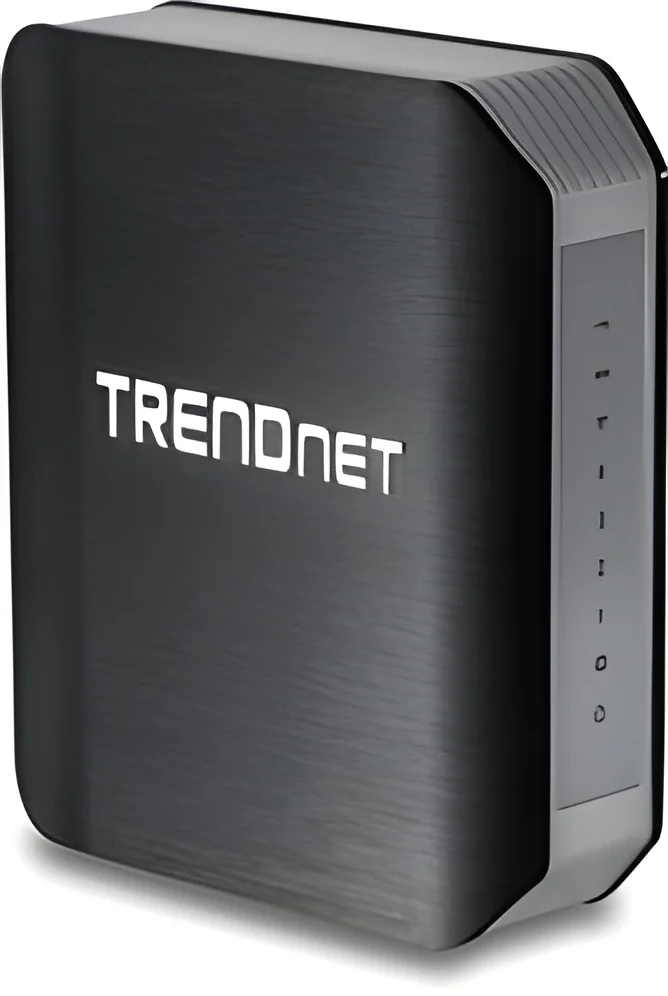
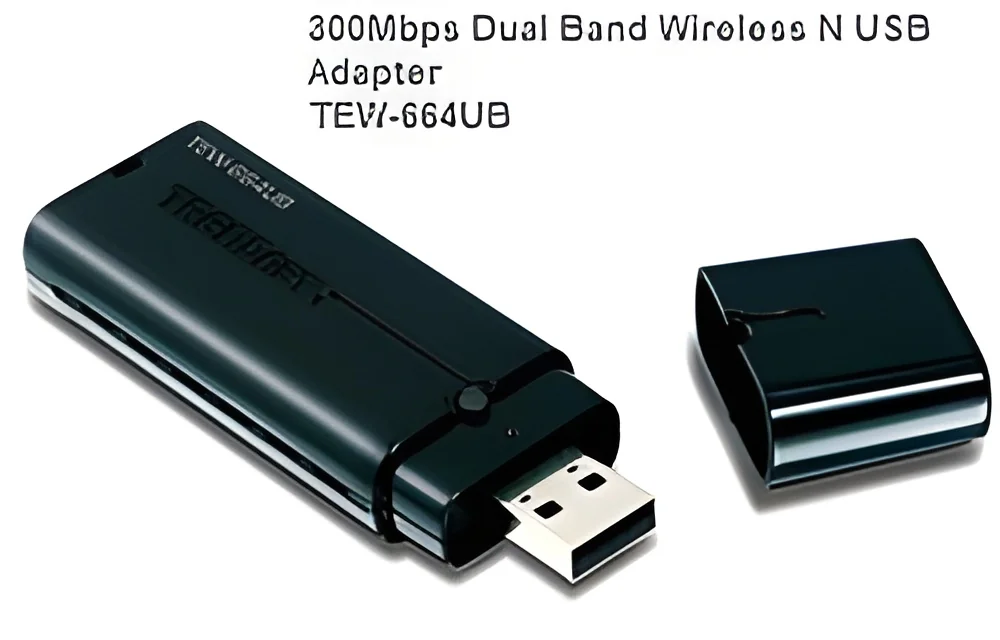
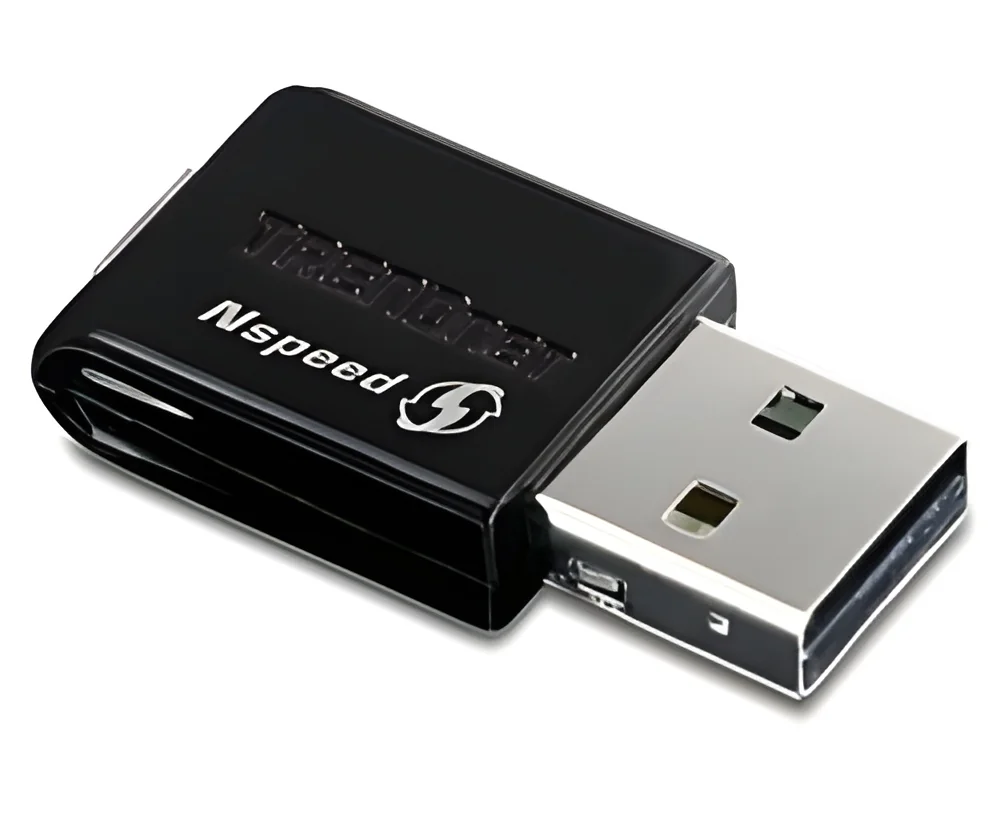
Wi-Fi routers are devices that enable wireless communication within a local area network (LAN). They serve as a central point for connecting multiple devices, including laptops, smartphones, and printers, to the internet. This technology allows users to access the internet without the need for wired connections, providing flexibility and convenience in both home and business environments.
In business applications, Wi-Fi routers play a crucial role in facilitating communication and data exchange. They are essential for enabling remote work, connecting various devices in smart offices, and supporting the growing demand for cloud-based services. With the increase in digital transformation across industries, the importance of reliable and high-performance Wi-Fi routers has grown significantly.
The market for Wi-Fi routers is expanding, driven by the rise in mobile devices and the internet of things (IoT). Businesses are increasingly investing in advanced networking solutions to ensure seamless connectivity, enhance productivity, and improve customer experiences. As such, Wi-Fi routers are crucial components in modern infrastructure, impacting various sectors from retail to education and healthcare.
Key Features and Specifications
Wi-Fi routers come equipped with a range of features and specifications that determine their performance and suitability for different applications. Understanding these specifications is essential for selecting the right router for your business needs.
Key specifications include:
1. Wireless Standards
- Wi-Fi routers typically support various wireless standards, including 802.11ac and 802.11ax (Wi-Fi 6).
- These standards dictate the speed and range of the wireless network.
2. Frequency Bands
- Most routers operate on dual-band (2.4 GHz and 5 GHz) or tri-band frequencies.
- This allows for better performance and reduced interference among devices.
3. Speed Ratings
- Speed is often measured in Mbps (megabits per second), indicating how fast data can be transmitted.
- Common ratings range from 300 Mbps to several Gbps, depending on the model.
4. Range
- Wi-Fi routers have varying coverage ranges, typically from 100 to 300 feet indoors.
- Factors like obstructions and interference can affect actual range.
5. Security Features
- Security protocols such as WPA3 provide enhanced protection against unauthorized access.
- Features like firewalls and VPN support are also important for business applications.
6. Number of Ports
- The number of Ethernet ports available for wired connections can vary.
- Routers may have anywhere from 2 to 8 ports for connecting devices directly.
7. MU-MIMO Technology
- Multi-User Multiple Input Multiple Output technology allows multiple devices to communicate simultaneously.
- This enhances network efficiency and speed in busy environments.
8. Quality of Service (QoS)
- QoS settings help prioritize bandwidth for critical applications.
- This is especially useful in businesses where video conferencing and streaming are common.
In summary, the features and specifications of Wi-Fi routers are critical for ensuring optimal performance and reliability in various business environments.
Common Applications and Use Cases
Wi-Fi routers are versatile and find applications across various industries.
1. Retail: In retail environments, Wi-Fi routers facilitate customer connectivity, enabling shoppers to access online information and services while in-store. They also support point-of-sale systems and inventory management tools.
2. Education: Schools and universities utilize Wi-Fi routers to provide students and staff with internet access for online learning and research. This is essential for modern educational methods that rely on technology.
3. Healthcare: Wi-Fi routers are vital in healthcare settings, allowing for the seamless transfer of patient data, telemedicine services, and communication between medical devices and staff.
4. Hospitality: Hotels and restaurants use Wi-Fi routers to enhance guest experiences by offering complimentary internet access. They also enable staff to manage bookings and orders efficiently.
5. Manufacturing: In manufacturing facilities, Wi-Fi routers support automated processes and IoT devices, improving productivity and operational efficiency through real-time data access.
6. Remote Work: With the increase in remote work, Wi-Fi routers provide essential connectivity for employees working from home, ensuring reliable access to corporate networks and applications.
7. Smart Homes: Wi-Fi routers enable various smart home devices to function, allowing users to control lighting, security, and heating systems remotely.
Product Variants and Subcategories
Wi-Fi routers come in different variants to cater to various needs and environments.
Home Routers: These routers are designed for residential use, providing adequate coverage and speed for typical household internet usage. They are often user-friendly and come with basic security features.
Business Routers: Tailored for commercial use, business routers offer advanced features such as enhanced security, higher speed ratings, and support for multiple devices. They are ideal for small to medium-sized enterprises.
Mesh Routers: Mesh Wi-Fi systems consist of multiple interconnected devices that provide extensive coverage in larger areas. They eliminate dead zones and ensure a consistent internet experience throughout the premises.
High-Performance Routers: Designed for demanding environments, these routers support high-speed internet and numerous connected devices. They are suitable for businesses that rely on bandwidth-intensive applications.
Benefits and Advantages
Wi-Fi routers offer numerous benefits that enhance connectivity and improve operational efficiency.
1. Enhanced Connectivity: Wi-Fi routers provide reliable wireless access for multiple devices, allowing seamless communication and data sharing within organizations.
2. Flexibility: Wireless technology allows employees and customers to connect without being tethered to a physical location, fostering a more dynamic working environment.
3. Cost-Effective: Wi-Fi routers reduce the need for extensive cabling and infrastructure, lowering installation and maintenance costs for businesses.
4. Scalability: Businesses can easily expand their network by adding more devices or upgrading existing routers according to growth needs.
5. Improved Productivity: High-performance routers ensure fast and stable connections, minimizing downtime and boosting overall productivity.
6. Advanced Security: Modern routers come with enhanced security features to protect sensitive data and prevent unauthorized access, which is crucial for business operations.
Buying Guide for B2B Buyers
When sourcing Wi-Fi routers for business purposes, several important factors should be considered.
1. Quality Assessment: Evaluate the quality of routers by reviewing technical specifications, customer reviews, and performance benchmarks to ensure they meet business needs.
2. Supplier Verification: It is essential to vet suppliers for reliability and reputation. Look for certifications, client testimonials, and industry experience to make informed decisions.
3. Pricing and MOQ: Consider the cost of routers and any minimum order quantities (MOQ) required by suppliers. Compare prices across different vendors to find the best value.
4. Delivery and Lead Times: Assess the logistics of delivery options and lead times to ensure that the routers can be obtained in a timely manner, especially for urgent needs.
5. Compliance Requirements: Ensure that the routers comply with necessary industry regulations and standards, which may vary based on the region and application.
Compliance and Certifications
Wi-Fi routers must adhere to various quality standards and certifications that ensure their reliability and safety.
Relevant quality standards include ISO 9001, which focuses on quality management systems, ensuring that products meet customer and regulatory requirements consistently.
Industry certifications such as CE indicate that the routers comply with European safety and environmental regulations. This certification is crucial for businesses operating in the European market.
Safety and testing requirements involve rigorous assessments to confirm that routers can operate safely under specified conditions. Manufacturers must conduct thorough testing to meet these standards before products reach the market.
Additionally, regional compliance considerations vary based on local laws and regulations surrounding wireless communication. Businesses must ensure that the routers they source comply with these local requirements to avoid legal issues and ensure operational efficiency.
Why Source Wi-Fi Routers from Pepagora?
Pepagora offers a reliable platform for sourcing Wi-Fi routers, presenting numerous advantages to B2B buyers.
Verified Supplier Network: Pepagora maintains a network of verified suppliers, ensuring that buyers can trust the quality and reliability of the products they purchase. This verification process reduces the risks associated with sourcing equipment.
Streamlined RFQ Process: The platform features an efficient request for quotation (RFQ) system that simplifies the procurement process. Buyers can easily compare offers from multiple suppliers, facilitating better decision-making.
Trade Assurance and Support: Pepagora provides trade assurance services to protect buyers against potential issues during transactions. This support fosters confidence in the sourcing process, ensuring a smooth experience.
Regional Coverage: Pepagora operates across diverse regions, including India, the GCC, and Southeast Asia. This geographic reach allows buyers to access a wide array of products and suppliers tailored to their specific market needs.
By choosing Pepagora, businesses can enhance their procurement processes and secure high-quality Wi-Fi routers that meet their operational requirements.

 IN
IN