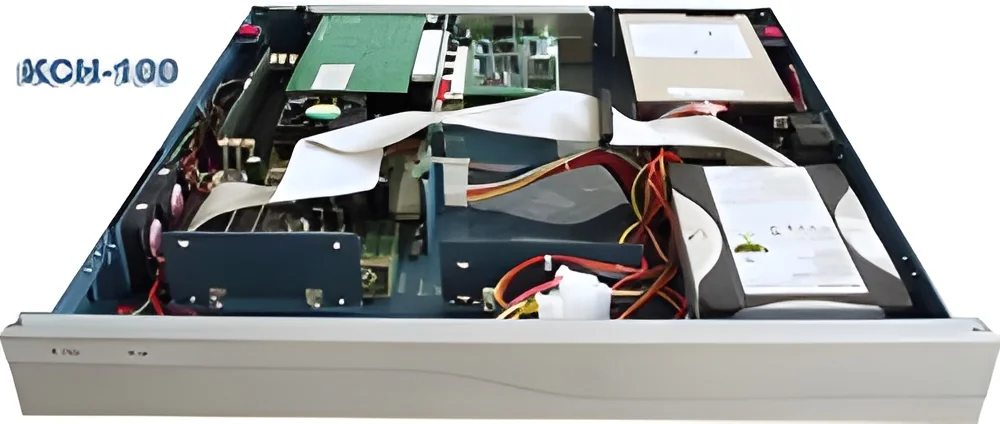
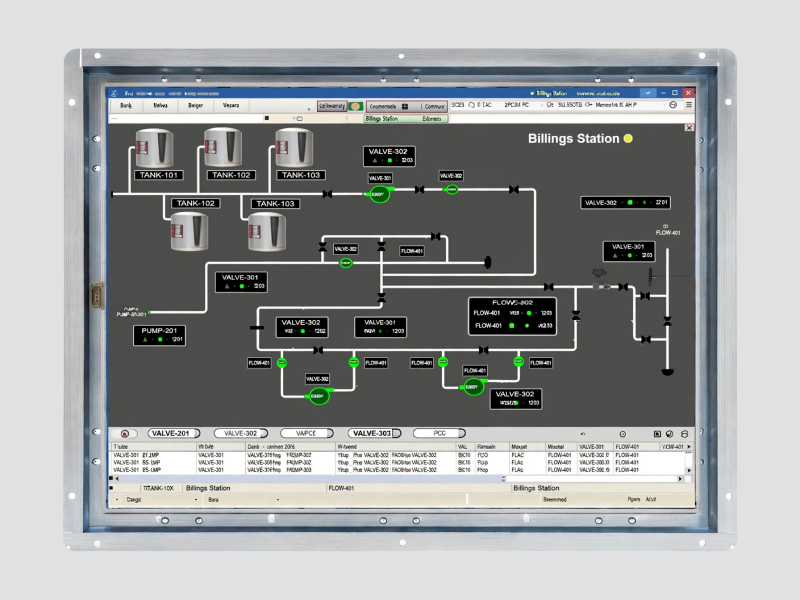
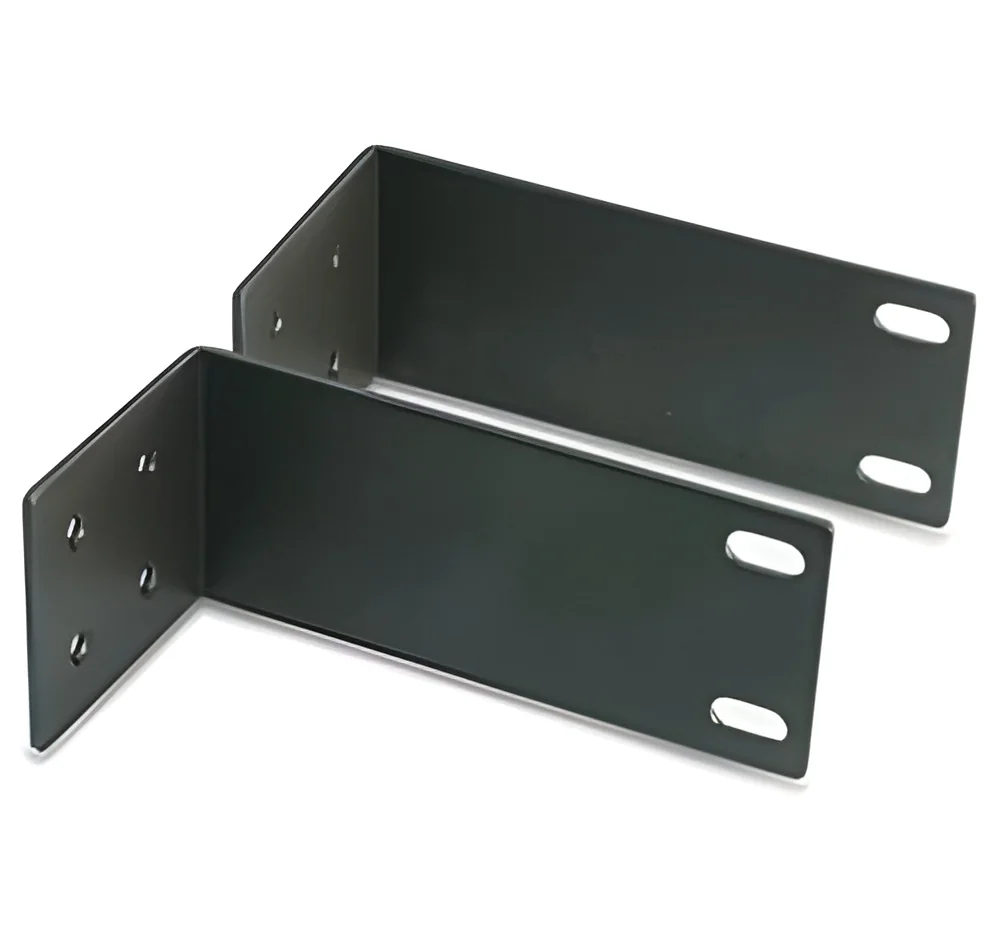
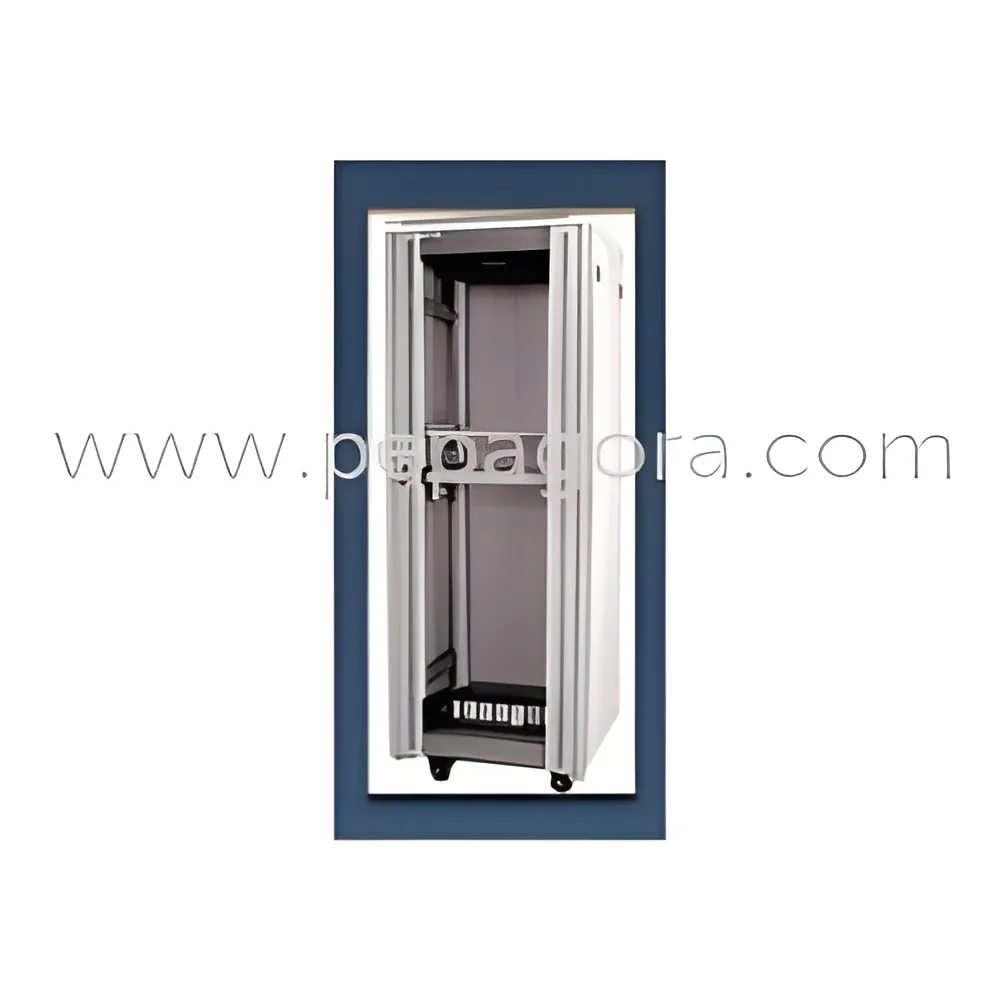
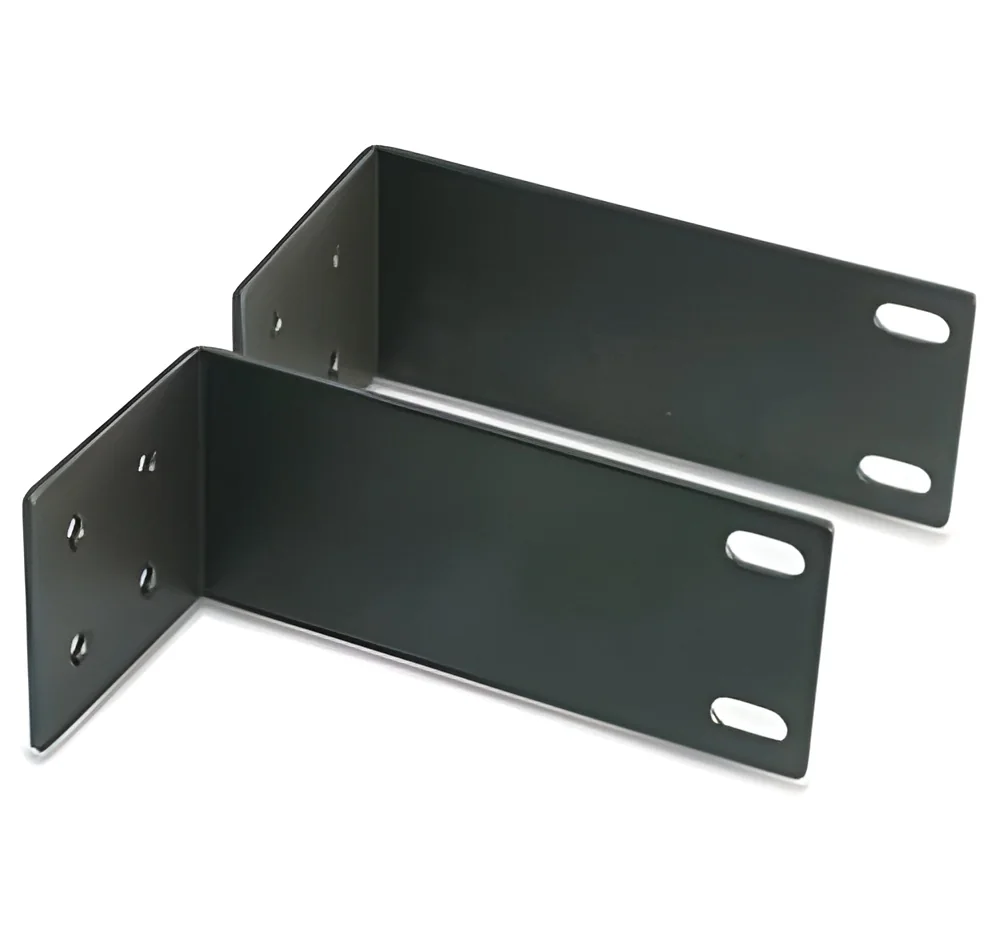
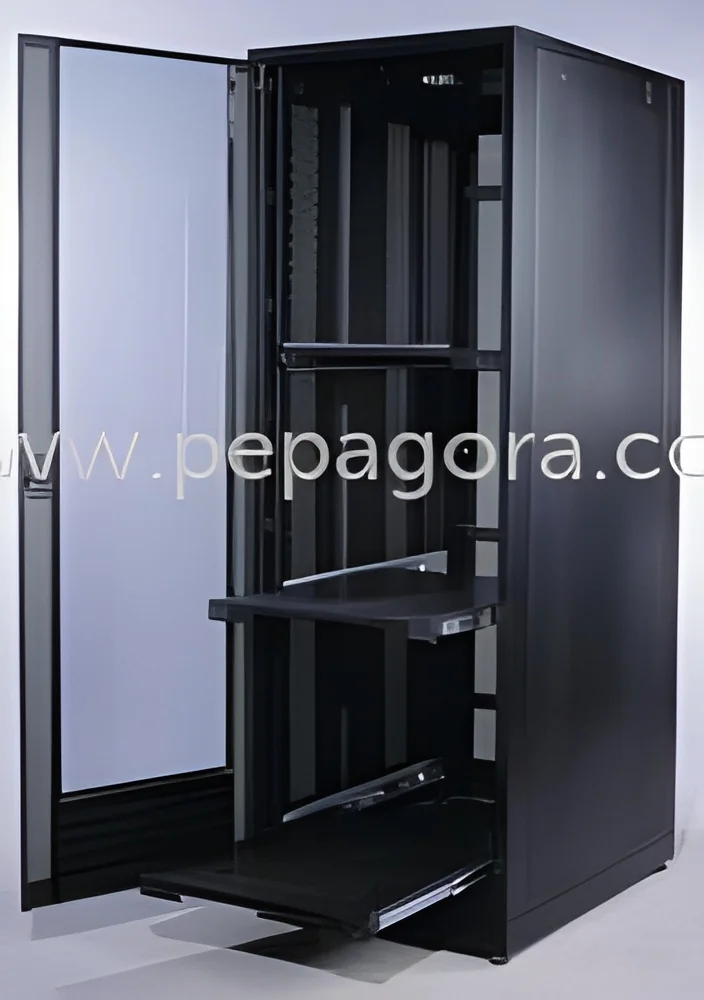
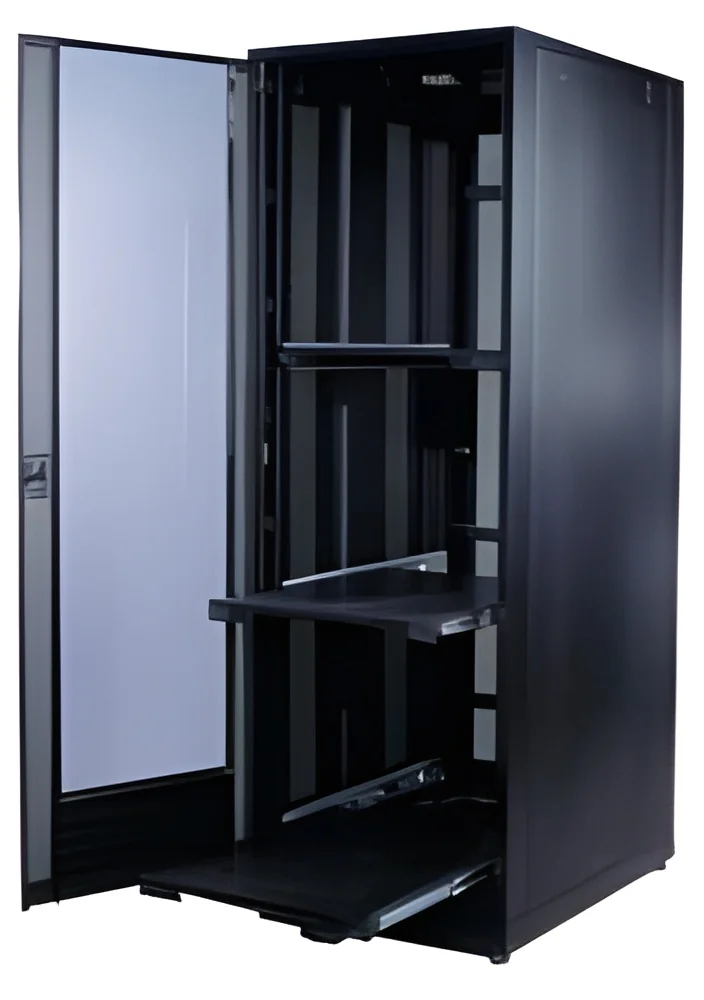
What are Racks & Enclosures for Networking?
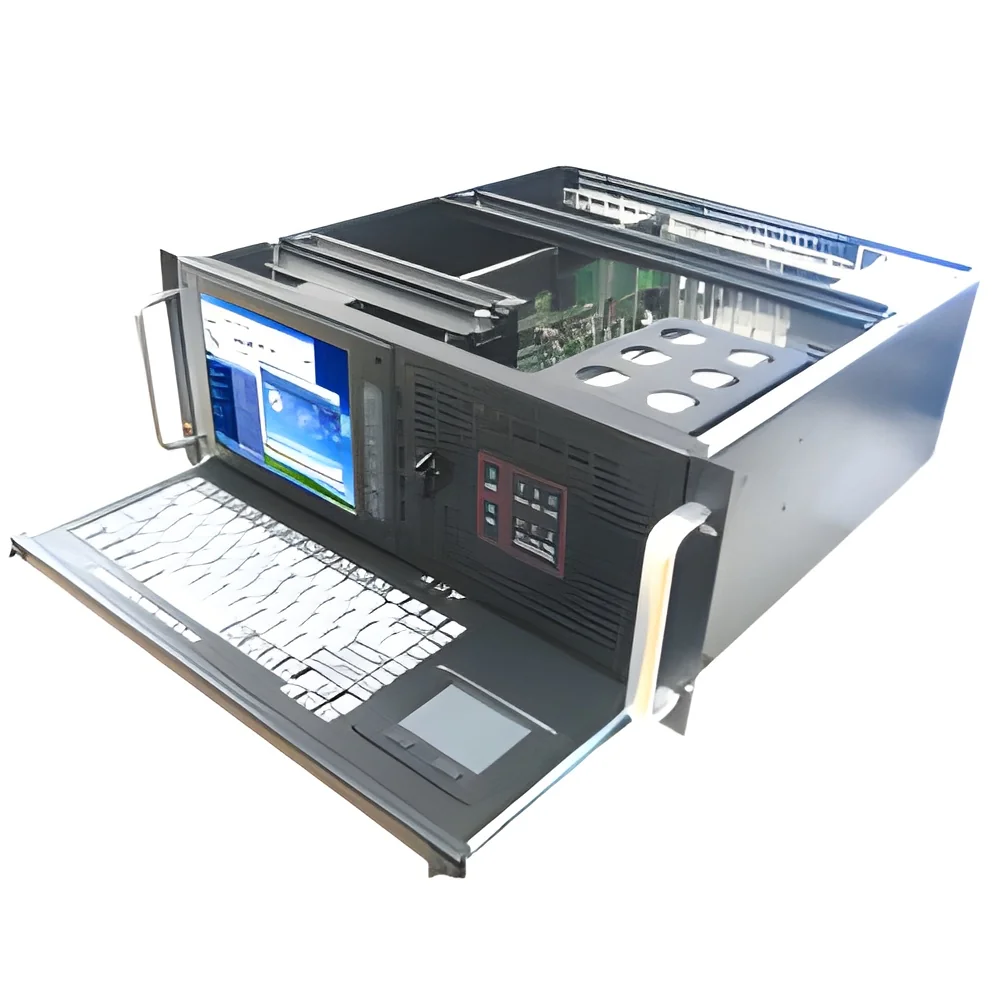
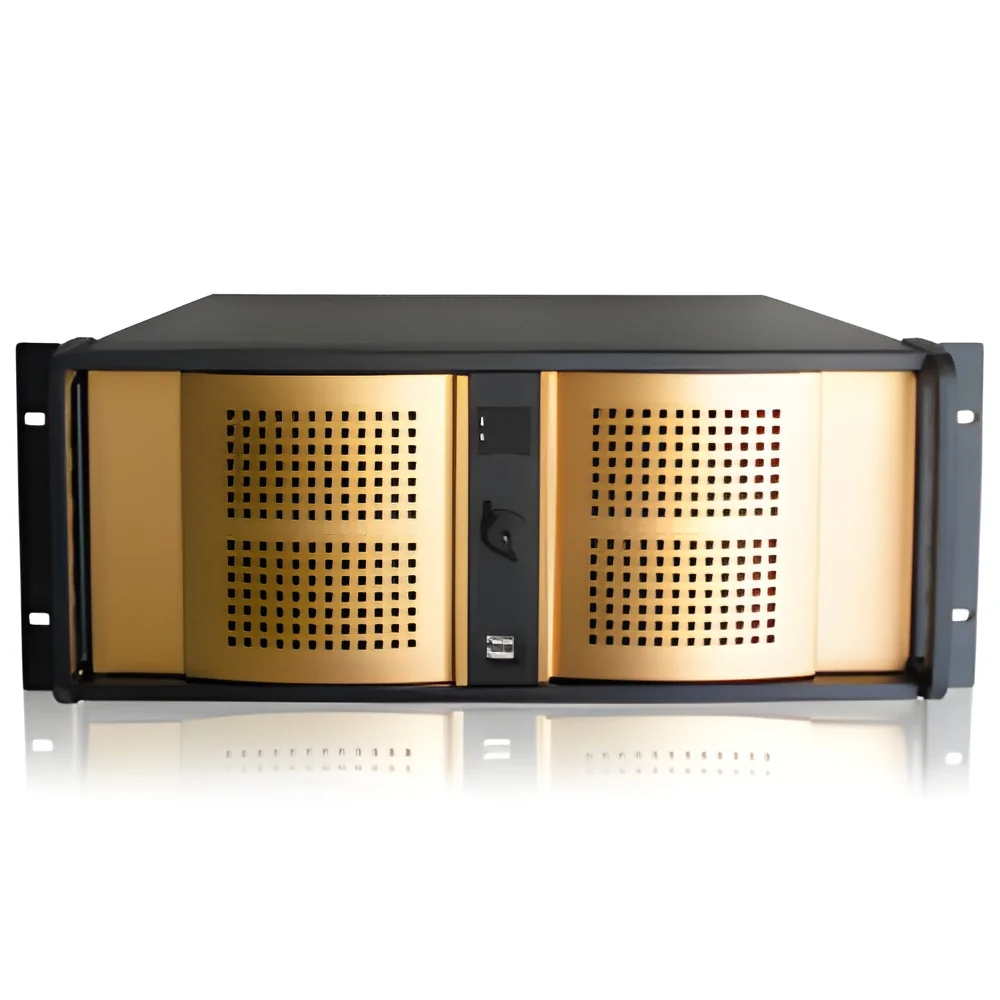
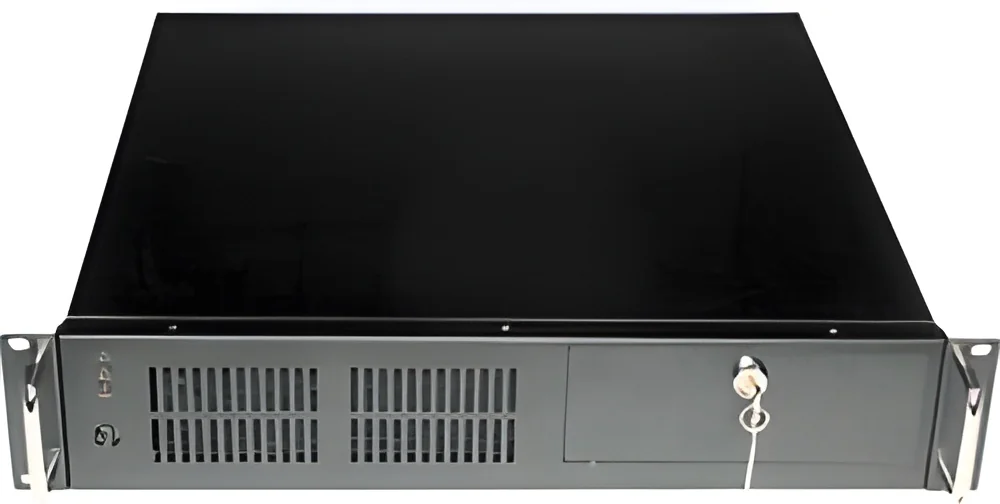
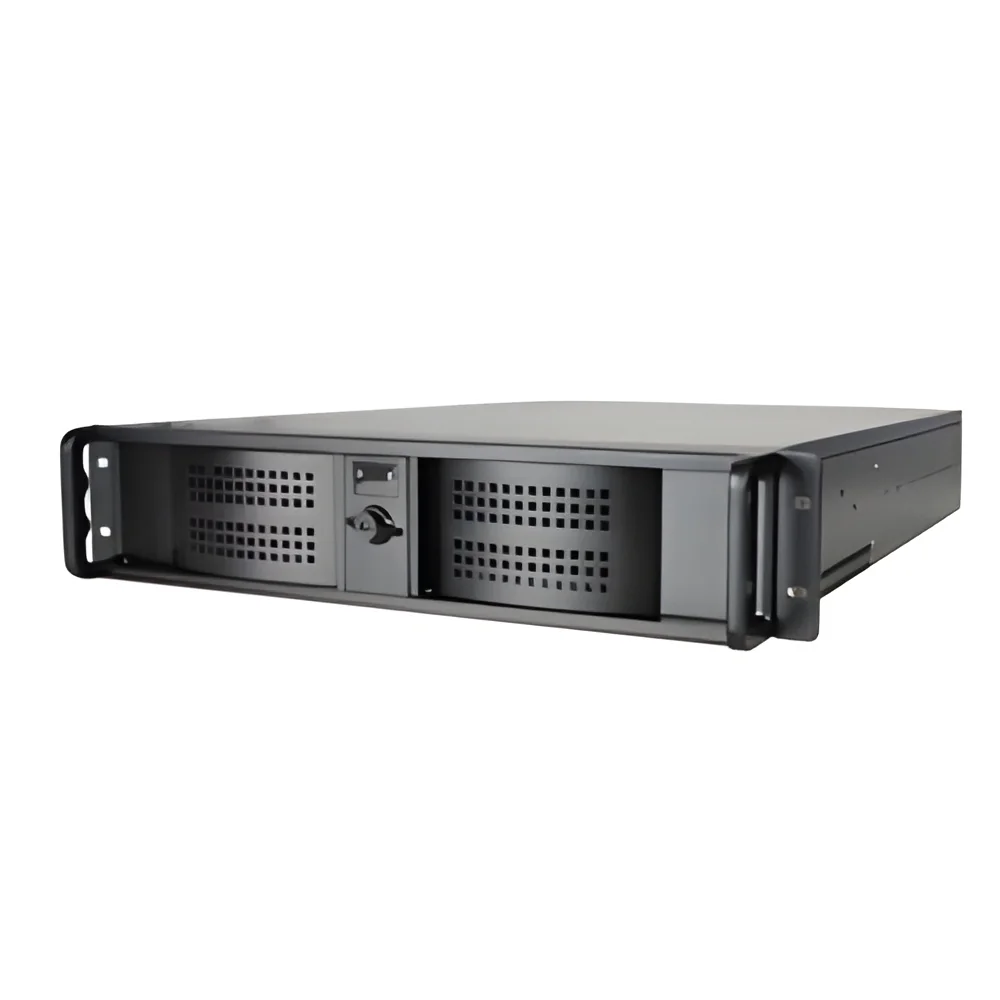
Racks and enclosures for networking are essential components for organizing and protecting network equipment. They provide a structured framework that allows for the secure placement of servers, switches, routers, and other networking devices. These units are designed to optimize space, improve airflow, and ensure that equipment is easily accessible for maintenance. Typically made of metal or sturdy materials, racks and enclosures are built to withstand the weight and operational demands of the equipment housed within.
In business applications, these racks and enclosures are utilized across various sectors, including IT, telecommunications, and data centers. They help manage cables, enhance cooling efficiency, and protect sensitive equipment from dust and physical damage. As organizations increasingly rely on digital infrastructure, the demand for reliable racks and enclosures continues to rise. This trend is driven by the need for efficient data management and the growing complexity of networking environments.
The relevance of racks and enclosures in the industry cannot be overstated. With advancements in technology and the expansion of cloud services, the networking landscape is evolving rapidly. Companies are investing in robust rack systems to support their infrastructure needs. This shift highlights the importance of selecting the right racks and enclosures to ensure operational efficiency and equipment longevity.
Key Features and Specifications
Racks and enclosures for networking come with a variety of features and technical specifications that cater to different requirements. Understanding these specifications is crucial for selecting the appropriate system for your business needs.
Key specifications include:
1. Rack Height
- Commonly available in 1U to 42U sizes
- Allows for customization based on equipment height
2. Weight Capacity
- Ranges from 500 lbs to 3000 lbs depending on design
- Ensures safe support for heavy networking gear
3. Material Construction
- Typically made from steel or aluminum
- Offers durability and resistance to corrosion
4. Cooling Options
- Includes passive and active cooling designs
- Essential for maintaining optimal temperatures
5. Cable Management Features
- Integrated cable management systems
- Helps organize and protect cables within the rack
6. Security Options
- Lockable doors and side panels
- Protects sensitive equipment from unauthorized access
7. Mounting Options
- Fixed or adjustable mounting rails
- Allows for flexibility in equipment installation
8. Compliance Standards
- Adheres to industry standards such as CE certification
- Ensures safety and reliability in various applications
In summary, selecting the right racks and enclosures involves understanding these key features and specifications. They provide the necessary support, security, and organization for networking equipment.
Common Applications and Use Cases
Racks and enclosures for networking are utilized across multiple industries, each with specific applications that enhance operational efficiency.
1. Information Technology: IT departments use racks to house servers and networking equipment, ensuring optimal airflow and organization.
2. Telecommunications: Telecom providers rely on enclosures to protect equipment from environmental factors while facilitating easy access for maintenance.
3. Data Centers: Racks are critical in data centers for maximizing space and ensuring the efficient cooling of high-density server environments.
4. Broadcasting: Media companies utilize racks to organize broadcasting equipment, ensuring that all components are easily accessible.
5. Healthcare: Hospitals and medical facilities use enclosures to securely store networking devices that support electronic health record systems.
6. Educational Institutions: Schools and universities implement racks to manage networking equipment for campus-wide connectivity.
7. Retail: Retailers utilize enclosures to protect point-of-sale systems and networking gear from tampering and damage.
Product Variants and Subcategories
Racks and enclosures for networking come in various configurations to meet different needs. This diversity allows businesses to find the right solution for their specific requirements.
Floor-Standing Racks
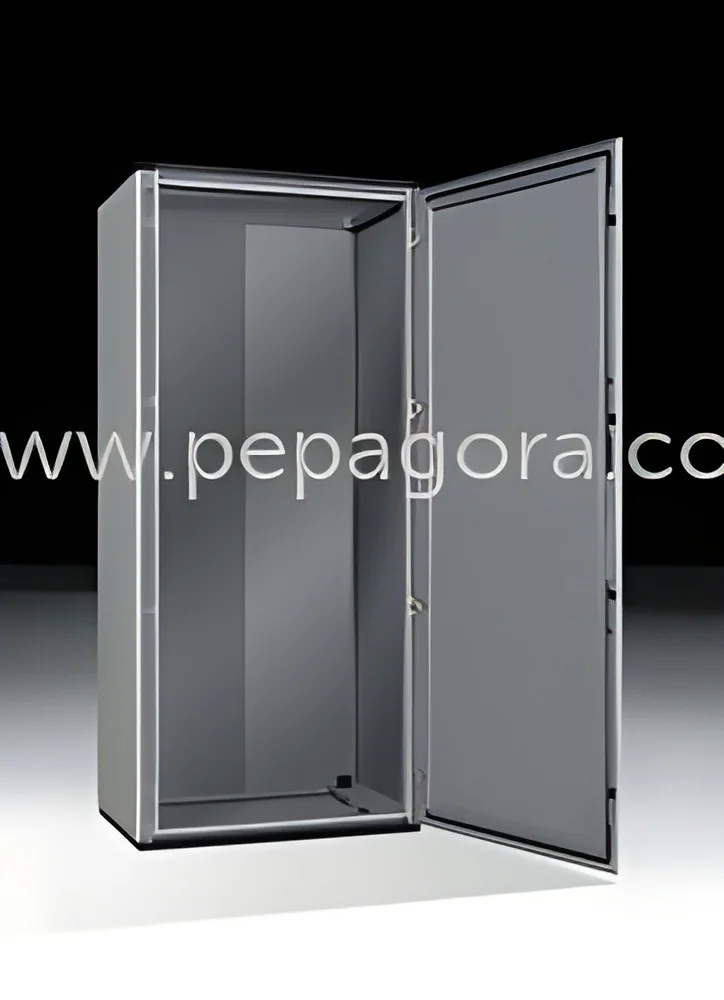
These racks are designed to hold large amounts of equipment and are commonly used in data centers. They feature robust construction and ample space for ventilation, ensuring that high-performance equipment operates efficiently.
Wall-Mounted Enclosures
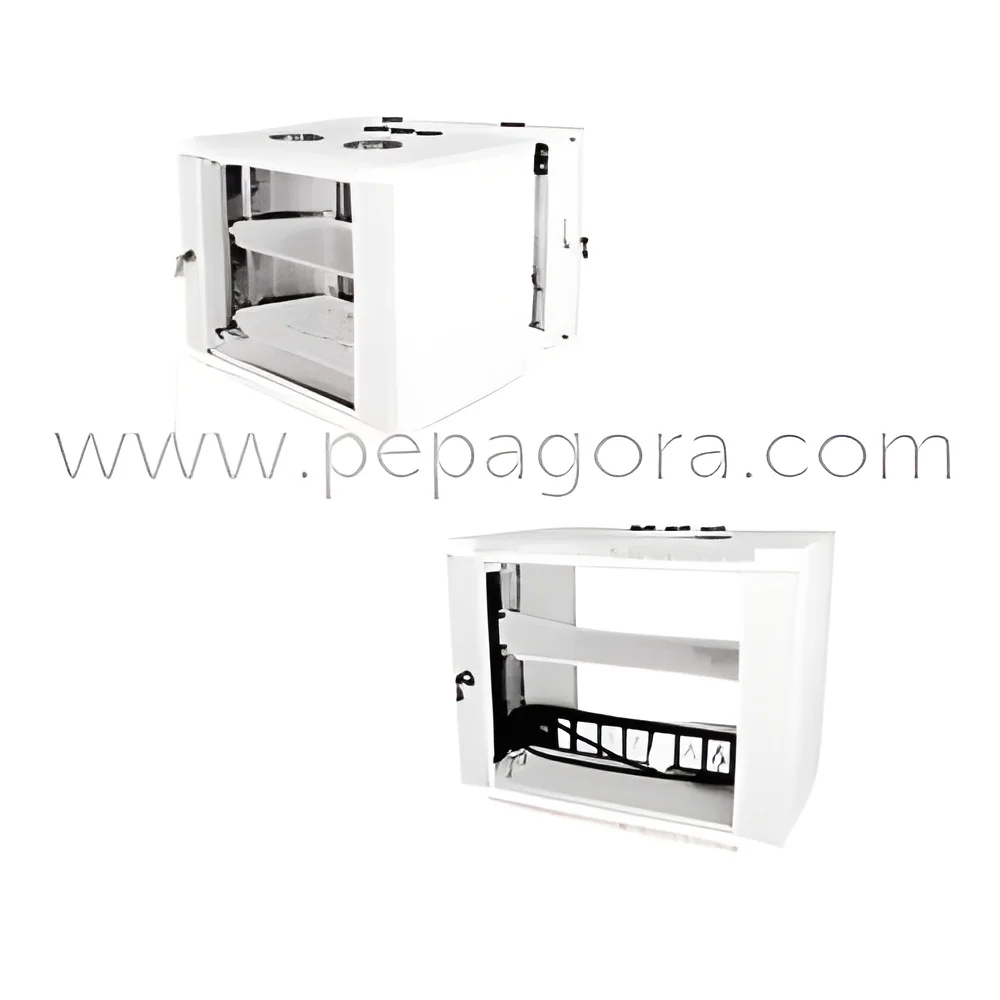
Ideal for spaces with limited floor area, wall-mounted enclosures save space while securely housing networking devices. They are often used in smaller offices or remote locations where floor space is at a premium.
Open Frame Racks
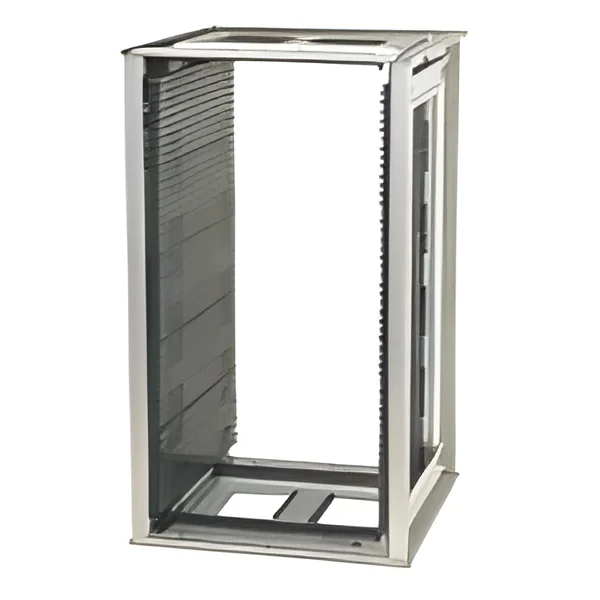
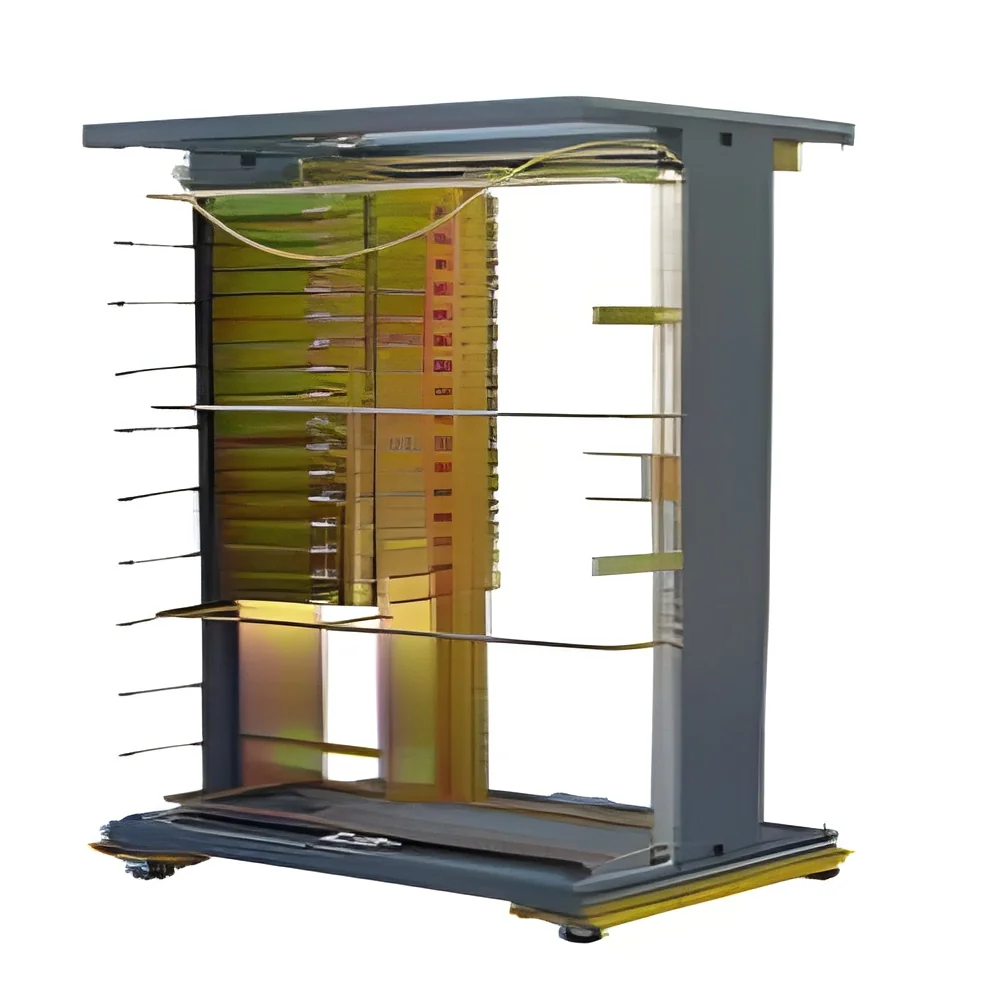
Open frame racks provide easy access to equipment and are often used in environments where cooling and airflow are a priority. They are lightweight and can be configured easily based on equipment layout.
Benefits and Advantages
Racks and enclosures for networking offer numerous benefits that enhance operational efficiency and equipment longevity.
Key benefits include:
1. Space Optimization: Racks maximize vertical space, allowing for high-density setups without compromising accessibility.
2. Improved Airflow: Designed for optimal cooling, these systems help maintain safe operating temperatures for sensitive equipment.
3. Enhanced Security: Lockable enclosures protect valuable networking equipment from theft or tampering.
4. Organized Cable Management: Integrated systems ensure that cables are neatly organized, reducing clutter and the risk of damage.
5. Easy Accessibility: Racks provide straightforward access to equipment for maintenance and upgrades, minimizing downtime.
6. Customization Options: Many racks and enclosures can be tailored to meet specific equipment needs, ensuring compatibility and efficiency.
Buying Guide for B2B Buyers
When sourcing racks and enclosures for networking, several crucial factors should be considered to ensure that the selected solution meets business needs.
1. Quality Assessment: Evaluate the build quality and material used in the racks. High-quality materials will ensure durability and longevity.
2. Supplier Verification: Vet suppliers by reviewing their credentials and customer feedback to ensure reliability and service quality.
3. Pricing and MOQ: Understand the cost structure and minimum order quantities. This will help in budgeting and planning procurement.
4. Delivery and Lead Times: Consider logistics and expected lead times for delivery. Timely delivery is essential for maintaining project schedules.
5. Compliance Requirements: Ensure that the racks and enclosures meet necessary regulatory and industry standards for safety and performance.
Compliance and Certifications
Racks and enclosures for networking must adhere to specific quality standards and certifications to ensure safety and reliability.
Relevant quality standards like ISO 9001 focus on maintaining high organizational quality management processes. Compliance with such standards indicates that products are manufactured consistently and meet customer requirements.
Industry certifications, such as CE, signify that the products comply with European safety standards. This certification assures businesses that the equipment is safe to use and meets regulatory requirements.
Safety and testing requirements are also essential. Racks and enclosures should be tested for load capacity, stability, and environmental resilience. This ensures that they can withstand the operational demands placed upon them.
Finally, businesses should consider regional compliance, as regulations may vary by location. Understanding these requirements is crucial for ensuring that the selected racks and enclosures are suitable for specific markets.
Why Source Racks & Enclosures for Networking from Pepagora?
Pepagora offers a trusted platform for sourcing racks and enclosures for networking, providing several key advantages for B2B buyers.
Verified Supplier Network: Pepagora connects buyers with a network of verified suppliers, ensuring that businesses can source high-quality products with confidence. Each supplier undergoes a thorough vetting process, enhancing trust and reliability.
Streamlined RFQ Process: The Request for Quotation (RFQ) system allows buyers to easily request pricing and product information from multiple suppliers. This helps businesses compare options efficiently and make informed purchasing decisions.
Trade Assurance and Support: Pepagora provides trade assurance to protect buyers throughout the procurement process. This includes support in case of disputes, ensuring a safer purchasing experience.
Regional Coverage: With a focus on India, the GCC, and Southeast Asia, Pepagora offers extensive geographic reach. This regional coverage enables businesses to access local suppliers and logistics solutions, making it easier to meet their networking needs.

 IN
IN