What are Firewalls & Network Security Devices?
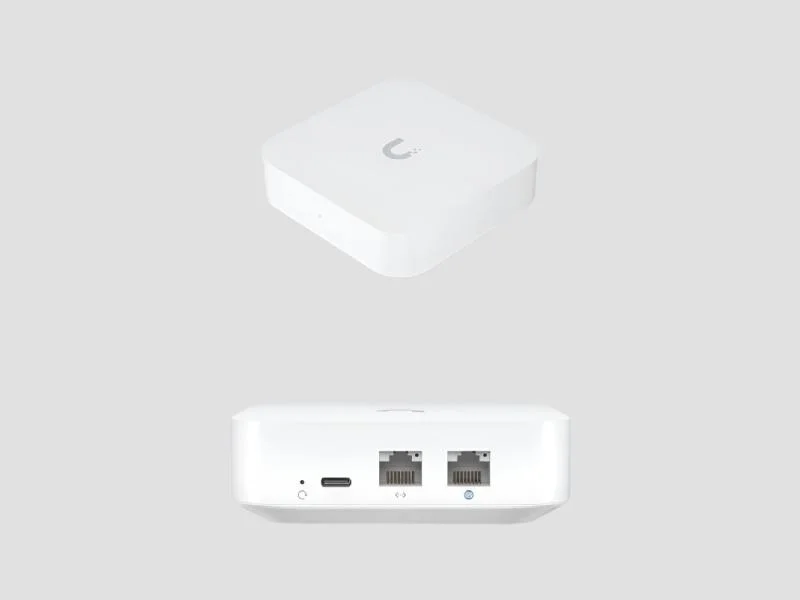
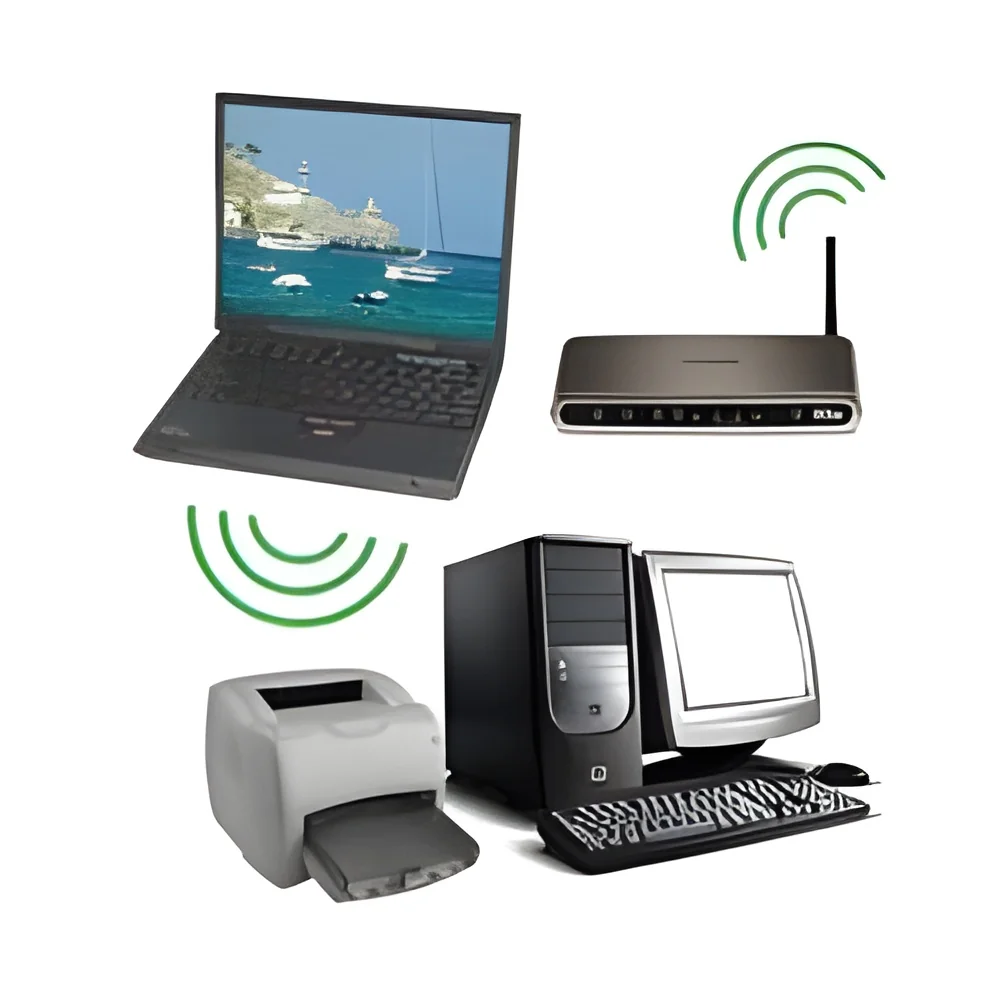
Firewalls and network security devices are critical components in the protection of computer networks. They serve as a barrier between trusted internal networks and untrusted external networks, such as the internet. These devices monitor and control incoming and outgoing network traffic based on predetermined security rules. Essentially, firewalls act as gatekeepers, allowing or denying data packets based on specified security protocols.
In business applications, firewalls and network security devices are utilized to safeguard sensitive information, prevent unauthorized access, and ensure data integrity. They are crucial for organizations that handle sensitive customer data or proprietary information. In today's digital landscape, where cyber threats are increasingly sophisticated, having robust network security measures in place is not just a recommendation but a necessity for businesses across all sectors.
The relevance of firewalls and network security devices spans various industries, including finance, healthcare, and manufacturing. As regulatory requirements continue to tighten, and cyber threats evolve, the demand for advanced security solutions has surged. Organizations are looking for reliable devices to protect their assets and maintain compliance with industry standards, making these products vital in the current market context.
Key Features and Specifications
Firewalls and network security devices come equipped with several essential features that enhance their effectiveness in protecting networks. Understanding these specifications is crucial for businesses when selecting the right device for their needs.
Key specifications include:
1. Firewall Type
- Options include hardware firewalls, software firewalls, and next-generation firewalls.
- Each type offers different levels of protection and functionality.
2. Throughput Capacity
- This refers to the amount of data that can be processed by the firewall per second.
- It is typically measured in Mbps or Gbps, affecting performance during peak traffic.
3. Number of Concurrent Connections
- Indicates how many simultaneous connections the device can handle.
- Important for businesses with high user traffic.
4. Security Protocols Supported
- Includes protocols like IPSec, SSL/TLS, and others.
- Ensures compatibility with various security standards and applications.
5. Management Features
- May include centralized management, logging, and reporting capabilities.
- Essential for monitoring network activity and identifying potential threats.
6. Intrusion Prevention System (IPS) Capabilities
- Provides additional security by detecting and blocking potential threats in real time.
- Helps mitigate risks from malicious activity.
7. Virtual Private Network (VPN) Support
- Allows secure remote access for users.
- Essential for organizations with remote or hybrid workforces.
8. Compliance Certifications
- Devices may carry certifications such as CE, indicating compliance with specific safety and performance standards.
- Important for businesses that must adhere to regulatory requirements.
In summary, understanding the key features and specifications of firewalls and network security devices helps businesses make informed decisions about their network security needs.
Common Applications and Use Cases
Firewalls and network security devices are utilized across various industries, each with specific applications that enhance their security posture.
1. Finance: In financial institutions, these devices protect sensitive customer data and transaction information from cyber threats. They help ensure compliance with regulations like PCI-DSS.
2. Healthcare: Healthcare organizations utilize firewalls to safeguard patient records and comply with HIPAA regulations. These devices play a crucial role in protecting sensitive health information.
3. Manufacturing: In manufacturing, firewalls protect industrial control systems from cyber threats, ensuring operational continuity and safety in production environments.
4. Retail: Retail businesses use firewalls to secure payment processing systems and customer data, protecting against data breaches and fraud.
5. Education: Educational institutions deploy firewalls to protect student information and research data from unauthorized access and cyber attacks.
6. Government: Government agencies rely on firewalls for national security, protecting sensitive information and critical infrastructure from external threats.
7. Telecommunications: Telecom companies use firewalls to safeguard their networks and customer data, ensuring reliable communication services.
Product Variants and Subcategories
The market for firewalls and network security devices features a range of variants, each designed to meet specific business needs and requirements.
Hardware Firewalls
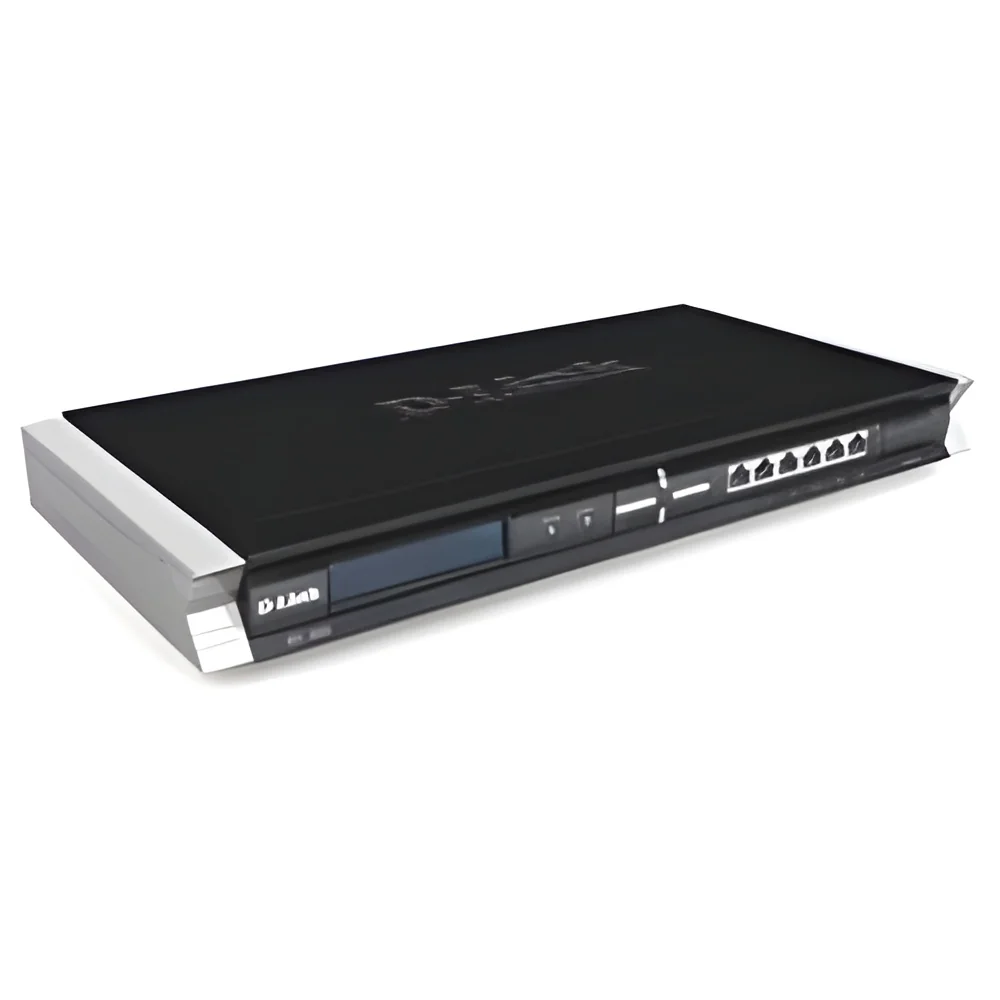
These devices are standalone units that provide robust network security. They offer high throughput and advanced features like intrusion prevention and VPN support, making them ideal for large enterprises that require extensive protection.
Software Firewalls
These applications run on existing hardware and provide flexible security solutions. They are often used in smaller businesses or for specific applications, allowing for customized security measures tailored to particular needs.
Next-Generation Firewalls (NGFW)
NGFWs combine traditional firewall functionalities with additional security features such as application awareness and deep packet inspection. They are suitable for organizations looking for comprehensive security solutions that can adapt to evolving threats.
Benefits and Advantages
Investing in firewalls and network security devices brings numerous advantages to businesses seeking to protect their networks.
1. Enhanced Security: These devices provide robust protection against various cyber threats, including malware and unauthorized access.
2. Regulatory Compliance: Firewalls help organizations meet industry regulations, protecting sensitive data and avoiding costly penalties.
3. Improved Network Performance: With proper configuration, firewalls can optimize network traffic, leading to enhanced performance for users.
4. Centralized Management: Many devices offer centralized management features, simplifying the monitoring and administration of network security.
5. Real-Time Threat Detection: Advanced firewalls can detect and respond to threats in real time, minimizing potential damage from cyber attacks.
6. Scalability: As businesses grow, firewalls can be easily scaled to accommodate increased traffic and security needs, ensuring long-term protection.
Buying Guide for B2B Buyers
When sourcing firewalls and network security devices, it is essential for businesses to consider several critical factors to ensure they select the right products.
1. Quality Assessment: Evaluate the quality of devices by looking for established brands with a proven track record in network security. Checking customer reviews and case studies can provide insights into performance and reliability.
2. Supplier Verification: Vet suppliers by verifying their credentials and industry certifications. This ensures that you are dealing with reputable providers who deliver quality products.
3. Pricing and MOQ: Understand the pricing structure and minimum order quantities (MOQ) required by suppliers. This will help you budget effectively and avoid unexpected costs.
4. Delivery and Lead Times: Inquire about delivery timelines and lead times to ensure that the devices can be obtained when needed, especially in urgent situations.
5. Compliance Requirements: Ensure that the selected products meet relevant compliance standards in your industry. This may include certifications such as CE that signify adherence to safety and performance regulations.
Compliance and Certifications
Firewalls and network security devices must adhere to various compliance standards to ensure they meet safety and performance expectations. Relevant quality standards include ISO 9001, which focuses on quality management systems, and other industry-specific certifications.
Certifications such as CE indicate that a product conforms to European health, safety, and environmental protection standards. These certifications are crucial for businesses operating in regions with strict regulatory requirements.
Safety and testing requirements vary depending on the device and its intended use. It is essential for businesses to verify that their chosen devices meet these standards to mitigate risks associated with non-compliance.
Regional compliance considerations play a significant role in selecting firewalls and network security devices. Organizations must be aware of local regulations that may impact their security measures and ensure that their devices meet those requirements.
Why Source Firewalls & Network Security Devices from Pepagora?
Pepagora provides a trusted platform for sourcing firewalls and network security devices, offering several key advantages for businesses.
Verified Supplier Network: Pepagora ensures that all suppliers are thoroughly vetted, providing buyers with confidence in the quality and reliability of the products offered. This verification process minimizes the risk of sourcing from untrustworthy suppliers.
Streamlined RFQ Process: The Request for Quotation (RFQ) system simplifies the purchasing process, allowing buyers to receive multiple quotes from verified suppliers quickly. This efficiency helps businesses make informed decisions without unnecessary delays.
Trade Assurance and Support: Pepagora offers trade assurance features that protect buyers throughout the purchasing process. This support provides peace of mind, ensuring that transactions are secure and that buyers have recourse in case of issues.
Regional Coverage: Pepagora has a broad geographic reach, serving markets in India, the GCC, and Southeast Asia. This extensive network allows businesses to source firewalls and network security devices tailored to their regional needs and regulatory requirements.

 IN
IN