What are Wireless Access Points?
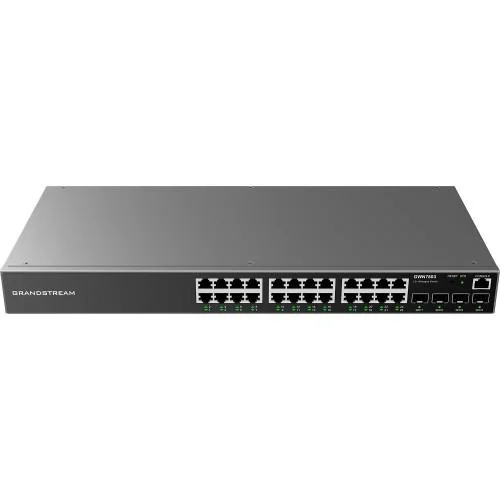
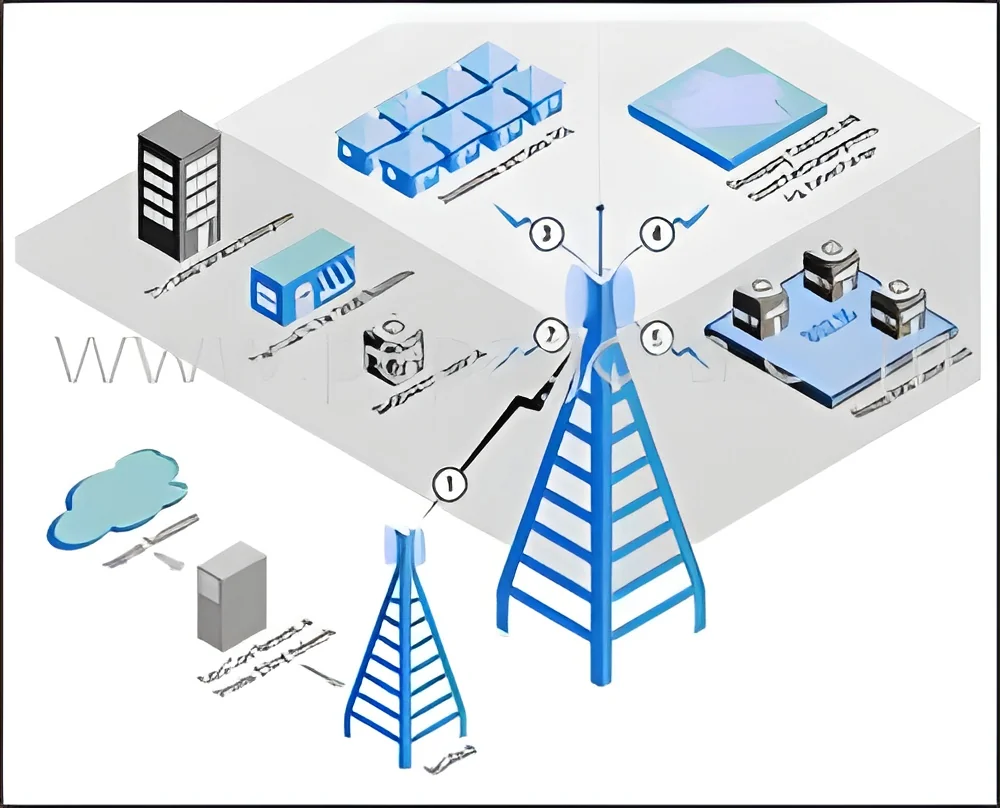
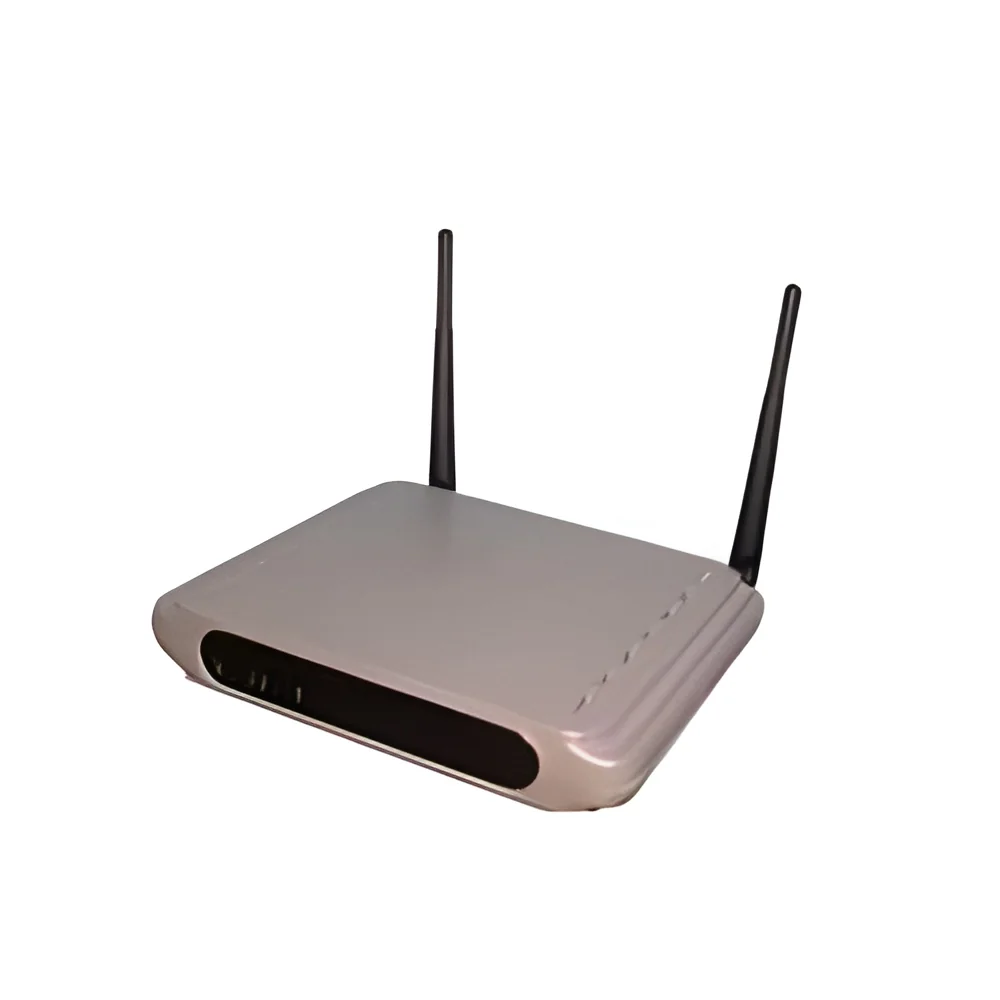
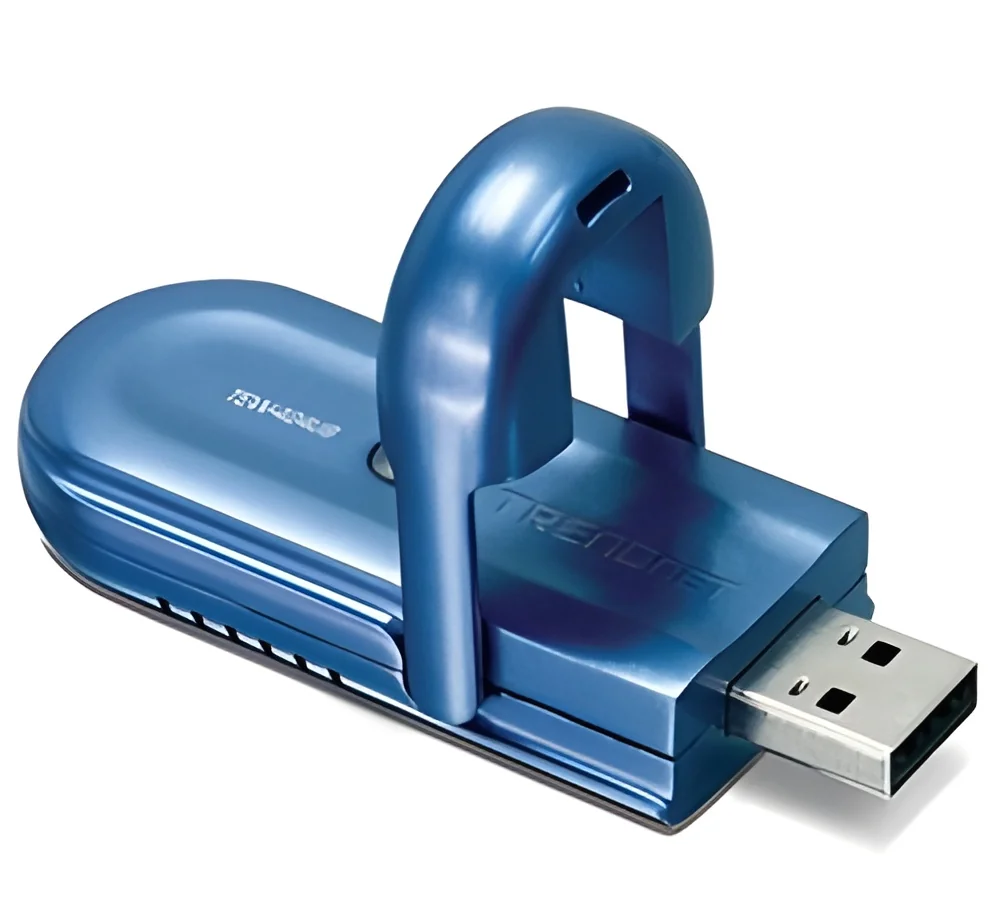
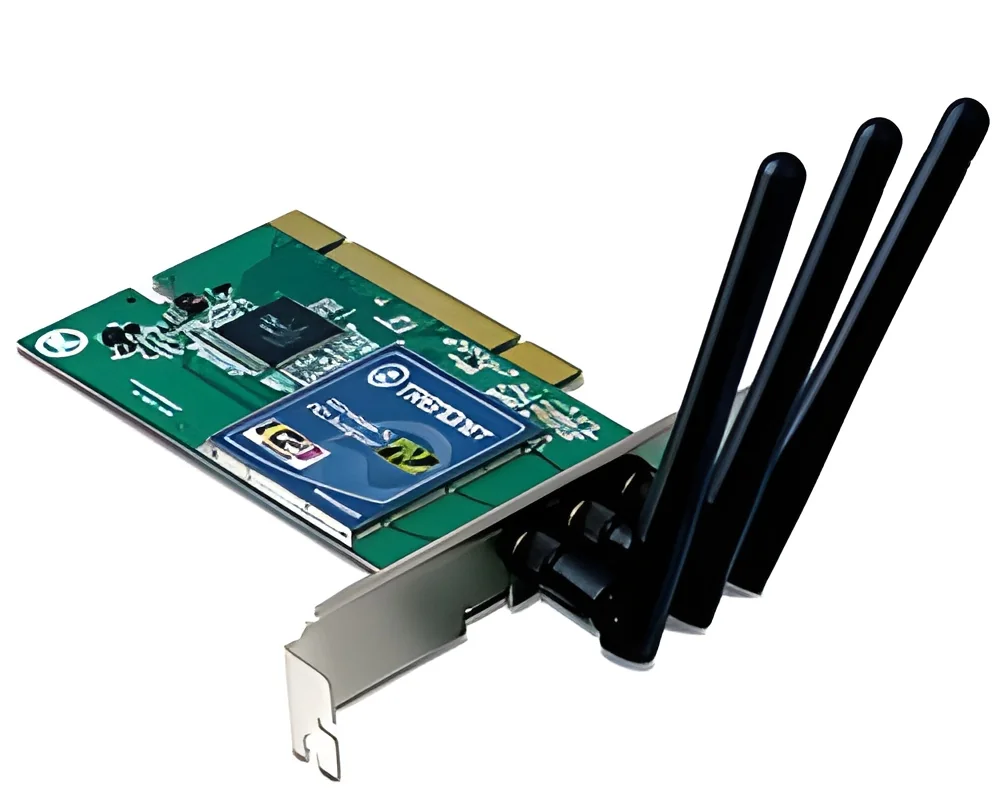
Wireless Access Points (WAPs) are networking devices that allow wireless devices to connect to a wired network using Wi-Fi or other standards. They serve as a bridge between the wired network infrastructure and wireless clients, enabling connectivity and data communication. WAPs play a crucial role in providing wireless coverage in various environments, from small offices to large industrial complexes.
Typically, WAPs are used in business settings to enhance network accessibility and improve user experience. They find applications in environments such as corporate offices, schools, and warehouses, where a reliable wireless connection is essential. By deploying multiple access points, businesses can create a seamless network that allows employees and visitors to connect freely without disruption. The growing reliance on mobile devices and remote work solutions has further increased the demand for robust wireless networking solutions.
The market for wireless access points is evolving rapidly, driven by advancements in wireless technology and increasing connectivity demands. Businesses are continuously looking for high-performance WAPs that can support multiple devices, provide strong security features, and ensure high data transfer speeds. As industries adopt smart technologies and IoT devices, the relevance of WAPs in enabling efficient communication and data transfer becomes more significant.
Key Features and Specifications
Wireless Access Points come equipped with several key features that enhance their performance and usability. Understanding these specifications can help businesses select the right WAP for their needs.
Key specifications include:
1. Frequency Bands
- Most WAPs operate on 2.4 GHz and 5 GHz bands.
- Dual-band capabilities allow for better performance and reduced interference.
2. Data Transfer Speeds
- Speeds can vary, with many WAPs supporting up to 1 Gbps or more.
- Higher speeds improve user experience, especially in high-demand environments.
3. Coverage Area
- Coverage can range from 100 meters to over 300 meters, depending on the model.
- Factors like building materials and layout can affect range.
4. Number of Concurrent Connections
- Some WAPs can support dozens to hundreds of simultaneous users.
- Ideal for high-traffic environments such as conference centers.
5. Security Protocols
- Support for WPA2, WPA3, and other encryption methods ensures secure connections.
- Enhanced security features protect sensitive data from unauthorized access.
6. Power over Ethernet (PoE)
- Many WAPs can be powered via Ethernet cables, reducing installation complexity.
- PoE capability allows for flexible placement without needing additional power outlets.
7. Management Features
- Advanced models offer centralized management for easy configuration and monitoring.
- Features may include network analytics and performance tracking.
8. Certifications
- Compliance with standards like CE ensures product quality and safety.
- Certifications may vary by region, impacting market selection.
In summary, selecting a wireless access point with the right features and specifications will enhance connectivity and support the growing demands of modern businesses.
Common Applications and Use Cases
Wireless Access Points are versatile devices used across various industries to meet specific connectivity needs.
1. Education: Schools and universities deploy WAPs to provide reliable internet access across campuses. This supports online learning and digital collaboration among students and staff.
2. Healthcare: Hospitals utilize WAPs to connect medical devices and support patient care systems. Reliable wireless connectivity is vital for real-time data access and communication among healthcare professionals.
3. Retail: Retail environments benefit from WAPs to enhance customer experience. Shoppers can connect to Wi-Fi for browsing and mobile payments, while staff can access inventory systems seamlessly.
4. Hospitality: Hotels and restaurants use WAPs to offer guests free internet access. This improves customer satisfaction and encourages repeat business.
5. Manufacturing: In industrial settings, WAPs support IoT devices and automation systems. They enable real-time monitoring and communication, enhancing operational efficiency.
6. Warehousing: WAPs facilitate inventory management systems in large warehouses. Workers can use mobile devices to track stock levels and manage logistics effectively.
7. Smart Buildings: WAPs are integral to smart building systems, connecting various IoT devices for energy management, climate control, and security.
Product Variants and Subcategories
Wireless Access Points come in various models to address different business needs. While specific subcategories may not be available, here are common types of WAPs.
Indoor Access Points: These models are designed for use within buildings, providing strong coverage and connectivity in offices, classrooms, and retail stores. They typically support high user density and offer advanced management features.
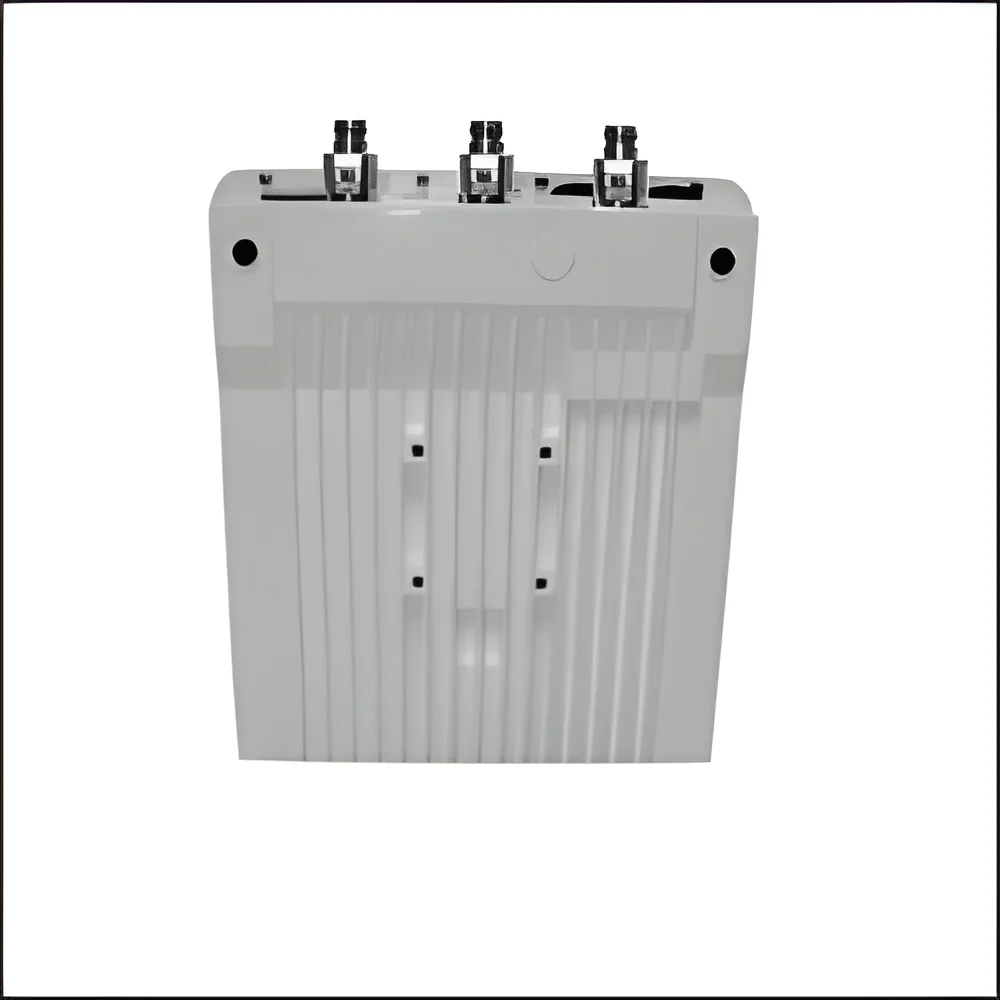
Outdoor Access Points: Designed for external use, these WAPs are ruggedized to withstand environmental conditions. They are ideal for outdoor events, stadiums, and public spaces where wireless coverage is required.
Mesh Access Points: Mesh systems consist of multiple access points that work together to create a cohesive network. This solution is beneficial in large areas where traditional access points may not provide adequate coverage.
Benefits and Advantages
Wireless Access Points offer numerous benefits that enhance business operations and user experiences.
1. Enhanced Connectivity: WAPs provide reliable wireless connections, improving access to network resources and the internet.
2. Increased Flexibility: Wireless connectivity allows employees and visitors to move freely within a space without losing connection.
3. Scalability: Businesses can easily add more access points to expand wireless coverage as their needs grow.
4. Cost-Effective: Implementing WAPs often reduces the need for extensive cabling, lowering installation costs.
5. Improved Collaboration: WAPs support mobile devices, enabling real-time communication and collaboration among teams.
6. Remote Management: Many WAPs offer centralized management features, simplifying network administration and troubleshooting.
Buying Guide for B2B Buyers
When sourcing Wireless Access Points, several key factors should be considered to ensure a successful purchase.
1. Quality Assessment: Evaluate the quality and performance of the WAPs by reviewing specifications, user reviews, and industry certifications.
2. Supplier Verification: Vet potential suppliers by checking their reputation, experience, and customer feedback. Ensure they have a reliable support system in place.
3. Pricing and MOQ: Compare pricing across different suppliers while keeping in mind minimum order quantities (MOQ). Look for competitive pricing without compromising on quality.
4. Delivery and Lead Times: Understand the expected delivery timelines and lead times to ensure that the WAPs are available when needed.
5. Compliance Requirements: Be aware of any regulatory requirements for wireless devices in your region, including necessary certifications and safety standards.
Compliance and Certifications
Wireless Access Points must adhere to several compliance standards to ensure quality and safety. Key standards include ISO 9001, which focuses on quality management systems, and CE marking, signifying compliance with European health, safety, and environmental protection standards.
In addition to these general quality standards, WAPs may also be subject to specific safety and testing requirements, depending on the region of use. Manufacturers often conduct rigorous testing to ensure that their products meet industry standards for performance and reliability.
Regional compliance considerations are essential, especially for businesses operating across borders. Different countries may have varying regulations regarding wireless communications, and it is crucial for manufacturers and suppliers to ensure their products comply with local laws.
Why Source Wireless Access Points from Pepagora?
Pepagora provides a trusted platform for sourcing Wireless Access Points, offering several key advantages for B2B buyers.
Verified Supplier Network: Pepagora ensures that all suppliers in its network are thoroughly vetted. This process guarantees that buyers can trust the quality and reliability of the products they are purchasing.
Streamlined RFQ Process: The platform features a user-friendly request for quotation (RFQ) process. Buyers can easily communicate their requirements and receive competitive quotes from multiple suppliers.
Trade Assurance and Support: Pepagora offers trade assurance to protect buyers against potential risks associated with their purchases. This includes support throughout the buying process to address any concerns.
Regional Coverage: With a focus on markets in India, the Gulf Cooperation Council (GCC), and Southeast Asia, Pepagora provides extensive regional coverage. This allows businesses to source WAPs tailored to their specific market needs.

 IN
IN