
 IN
Medical Consumables
392 products available
𝗪𝗵𝗮𝘁 𝗮𝗿𝗲 𝗠𝗲𝗱𝗶𝗰𝗮𝗹 𝗖𝗼𝗻𝘀𝘂𝗺𝗮𝗯𝗹𝗲𝘀?
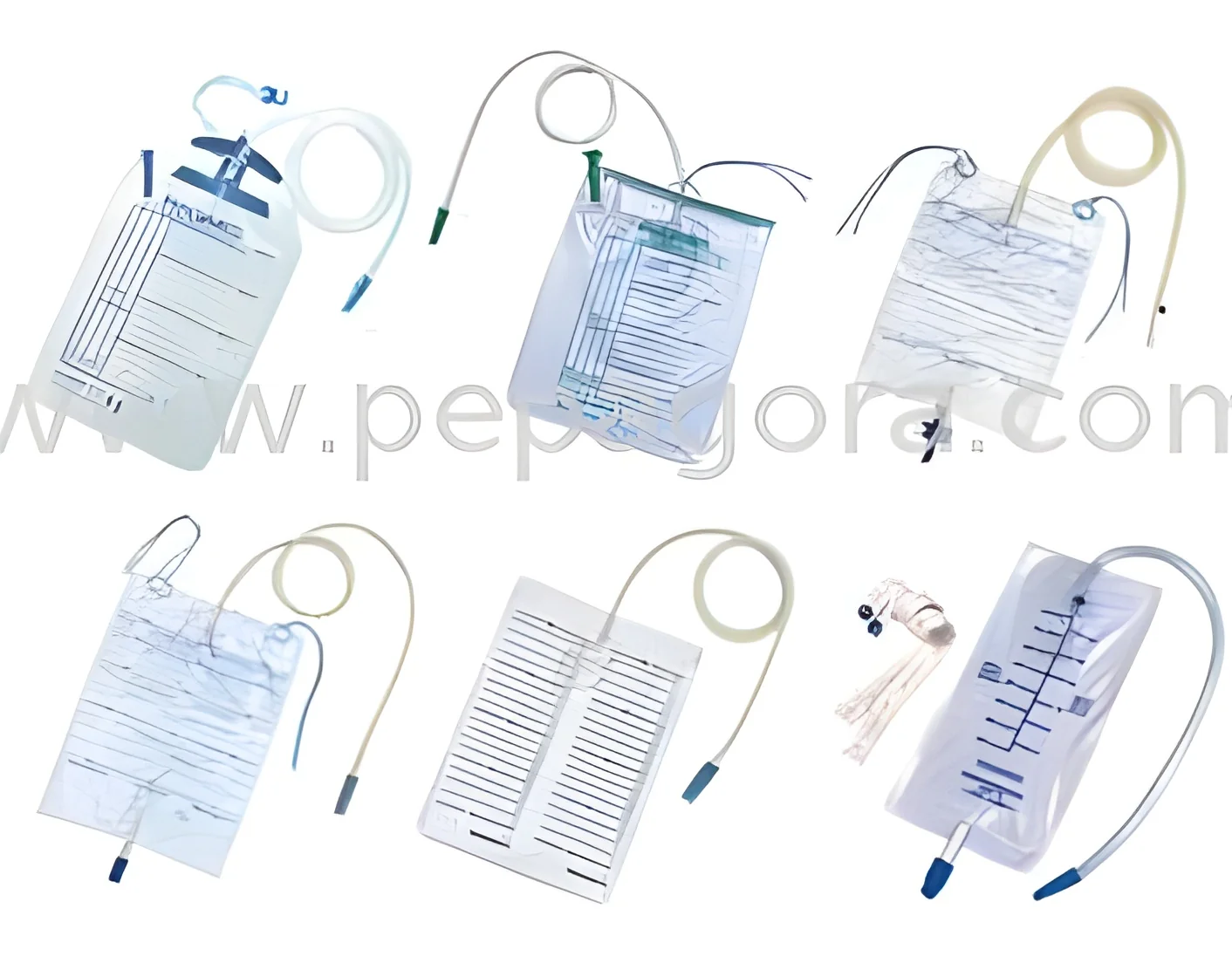
Medical consumables are essential items used in healthcare settings to support patient care, diagnosis, and treatment. These products include a wide range of disposable or single-use items designed to maintain hygiene and prevent contamination. Common examples of medical consumables include syringes, gloves, bandages, and sterile instruments. Their primary purpose is to ensure safety and efficacy in medical procedures, contributing to positive patient outcomes.
The primary uses of medical consumables span various healthcare applications, including surgeries, diagnostics, wound care, and preventive measures. Hospitals, clinics, laboratories, and other healthcare facilities rely heavily on these products to provide effective treatment while minimizing risks associated with infections and cross-contamination. In a market characterized by constant innovation and regulatory scrutiny, the demand for high-quality medical consumables continues to grow, driven by the increasing emphasis on patient safety and the need for efficient healthcare delivery.
𝗞𝗲𝘆 𝗙𝗲𝗮𝘁𝘂𝗿𝗲𝘀 𝗮𝗻𝗱 𝗦𝗽𝗲𝗰𝗶𝗳𝗶𝗰𝗮𝘁𝗶𝗼𝗻𝘀
When evaluating medical consumables, it is crucial to consider their features and specifications to ensure they meet the required standards and applications. These specifications generally indicate the quality, safety, and functionality of the products.
Key specifications include:
1. Material Composition
- Medical consumables are often made from various materials such as latex, nitrile, or polyethylene.
- These materials must comply with safety standards and be suitable for medical use.
2. Sterilization Method
- Many medical consumables are sterilized using methods like ethylene oxide, gamma radiation, or steam.
- The choice of sterilization impacts the product's safety and shelf life.
3. Packaging Type
- Products may come in bulk packaging or individual sterile packs.
- Packaging must ensure the integrity and sterility of the items until use.
4. Shelf Life
- Medical consumables typically have a defined shelf life, after which they may not be safe for use.
- This period varies based on the product type and storage conditions.
5. Size Options
- Many consumables are available in various sizes to cater to different medical needs.
- Size specifications should align with specific applications to ensure proper usage.
6. Compliance Certifications
- Medical consumables should be certified compliant with relevant standards, such as CE marking.
- Compliance indicates adherence to safety and quality regulations.
7. Country of Origin
- Understanding where the product is manufactured can influence quality assessments.
- Certain regions are known for high standards in medical manufacturing.
8. User Instructions
- Each product should come with clear instructions for proper use and disposal.
- This ensures safety in application and compliance with health regulations.
In summary, knowing the key features and specifications of medical consumables helps healthcare providers make informed choices that prioritize patient safety and operational efficiency.
𝗖𝗼𝗺𝗺𝗼𝗻 𝗔𝗽𝗽𝗹𝗶𝗰𝗮𝘁𝗶𝗼𝗻𝘀 𝗮𝗻𝗱 𝗨𝘀𝗲 𝗖𝗮𝘀𝗲𝘀
Medical consumables find applications across a wide range of industries, each with specific needs.
1. Healthcare: In hospitals and clinics, consumables like syringes, gloves, and bandages are essential for patient care and treatment procedures.
2. Laboratories: Medical consumables such as test tubes, pipettes, and culture dishes are vital for conducting experiments and analyses in clinical labs.
3. Emergency Services: First responders utilize medical consumables like tourniquets, gauze, and antiseptics for immediate care in emergency situations.
4. Dental: Dental practices use consumables such as dental bibs, sterilization pouches, and impression materials to ensure hygiene and effective treatment.
5. Veterinary: In veterinary medicine, consumables like syringes and surgical drapes are crucial for animal care and procedures.
6. Research: Research institutions employ various consumables for experiments, including gloves, lab coats, and sterile containers.
7. Pharmaceuticals: In the pharmaceutical industry, consumables are used for packaging and transporting medications while ensuring safety and compliance.
𝗣𝗿𝗼𝗱𝘂𝗰𝘁 𝗩𝗮𝗿𝗶𝗮𝗻𝘁𝘀 𝗮𝗻𝗱 𝗦𝘂𝗯𝗰𝗮𝘁𝗲𝗴𝗼𝗿𝗶𝗲𝘀
Medical consumables are diverse, catering to various healthcare needs and preferences. This diversity allows for tailored solutions in different medical contexts.
Syringes
Syringes are available in various sizes and types, including pre-filled and reusable options. They are designed for precise medication delivery and are often used in hospitals and outpatient settings.
Gloves
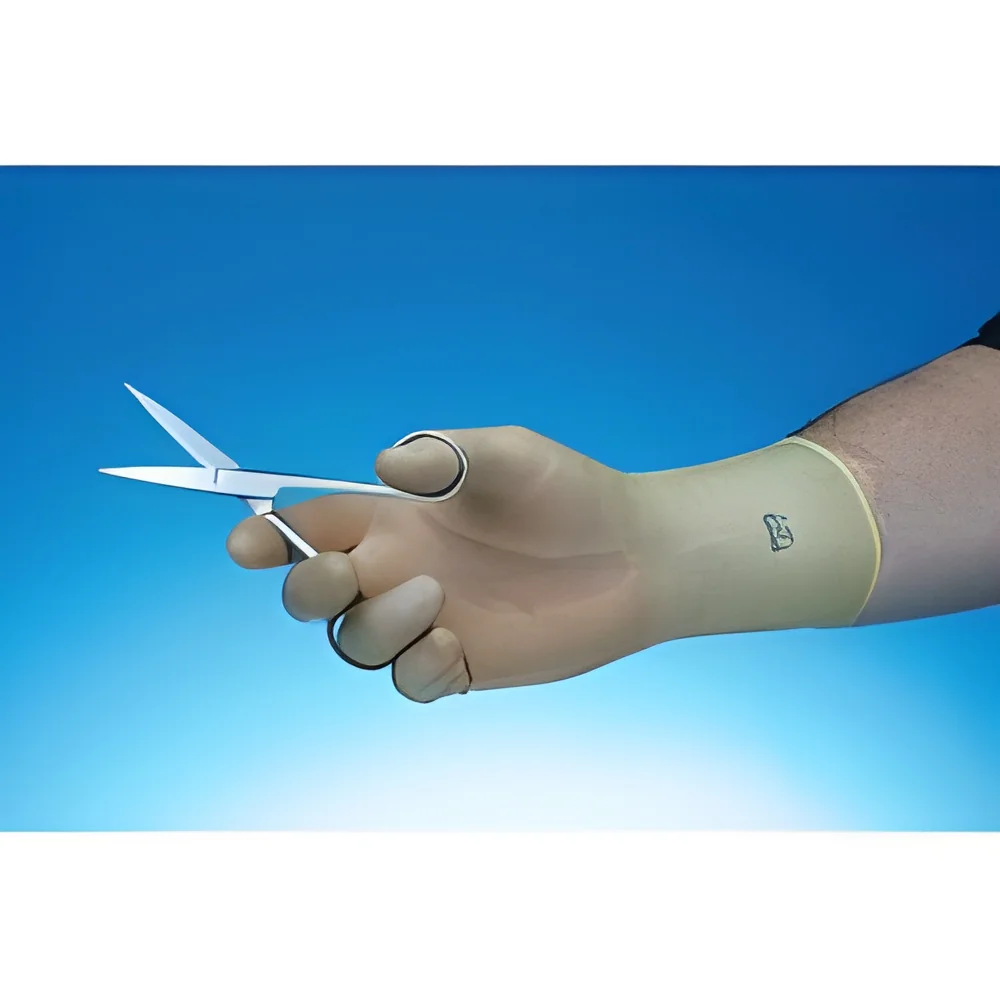
Medical gloves come in different materials, such as latex, nitrile, and vinyl. Each type serves specific purposes, from general examinations to surgical procedures, ensuring protection for both healthcare providers and patients.
Bandages
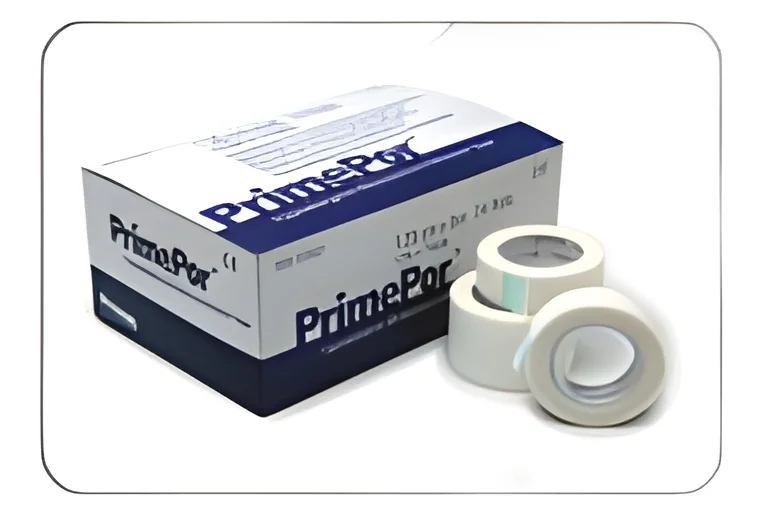
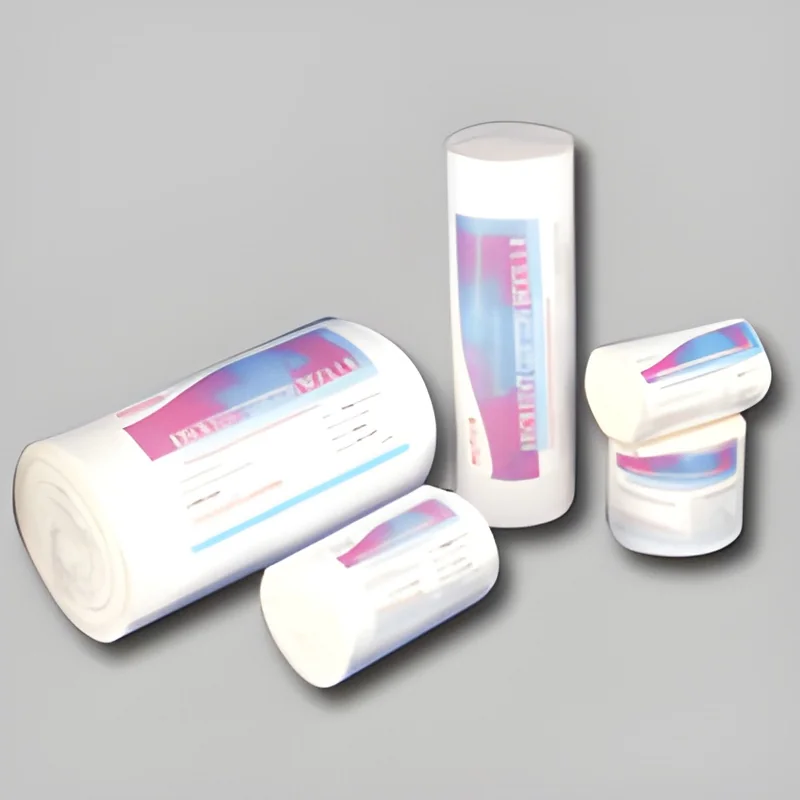
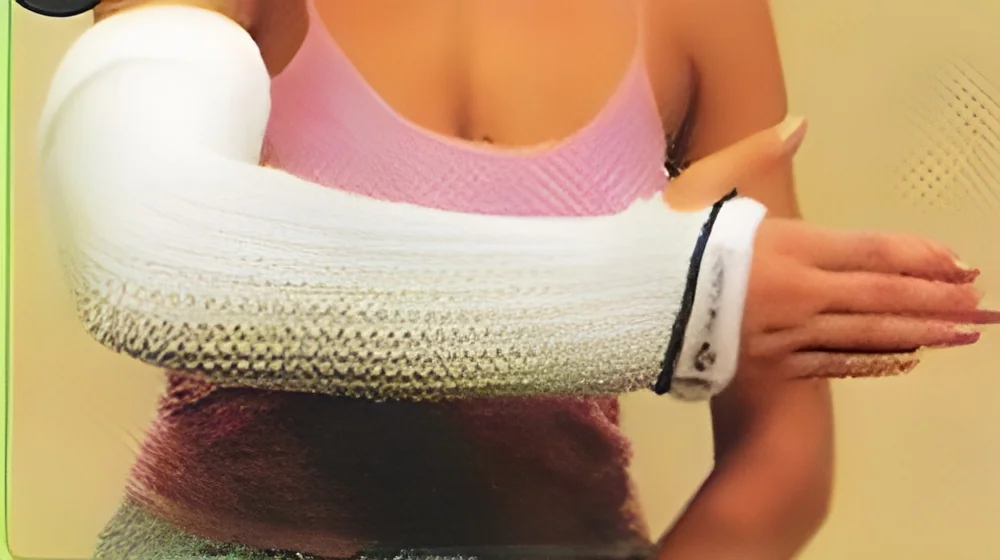
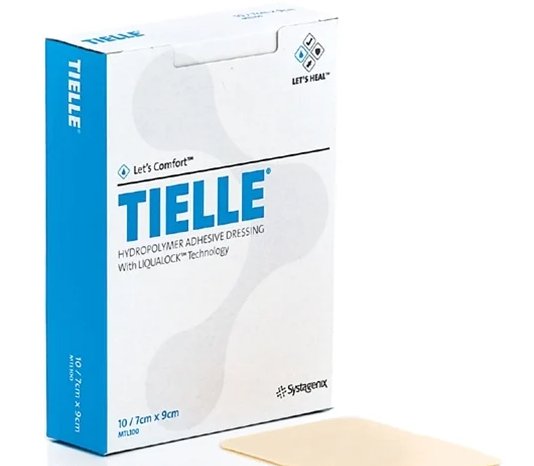
Bandages vary in size and material, providing options for wound care. They are designed to protect, support, and promote healing for a variety of injuries.
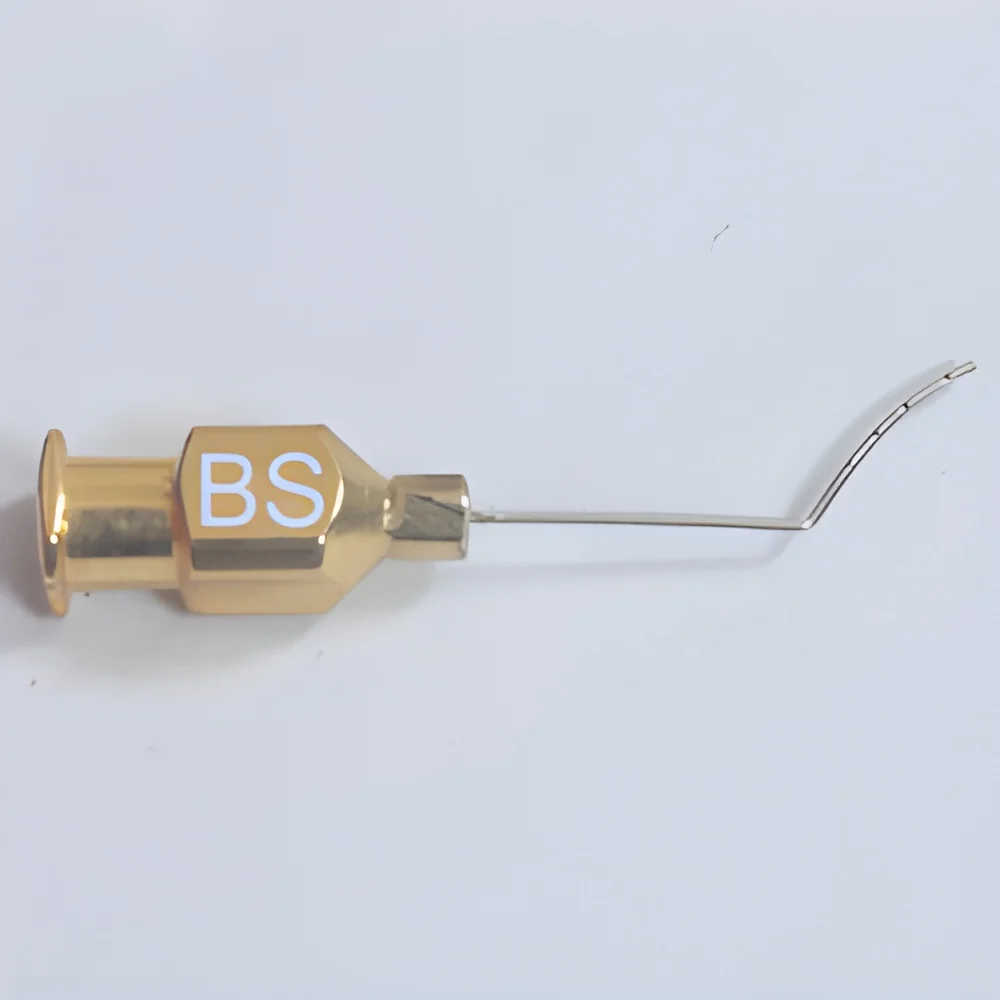
Needles
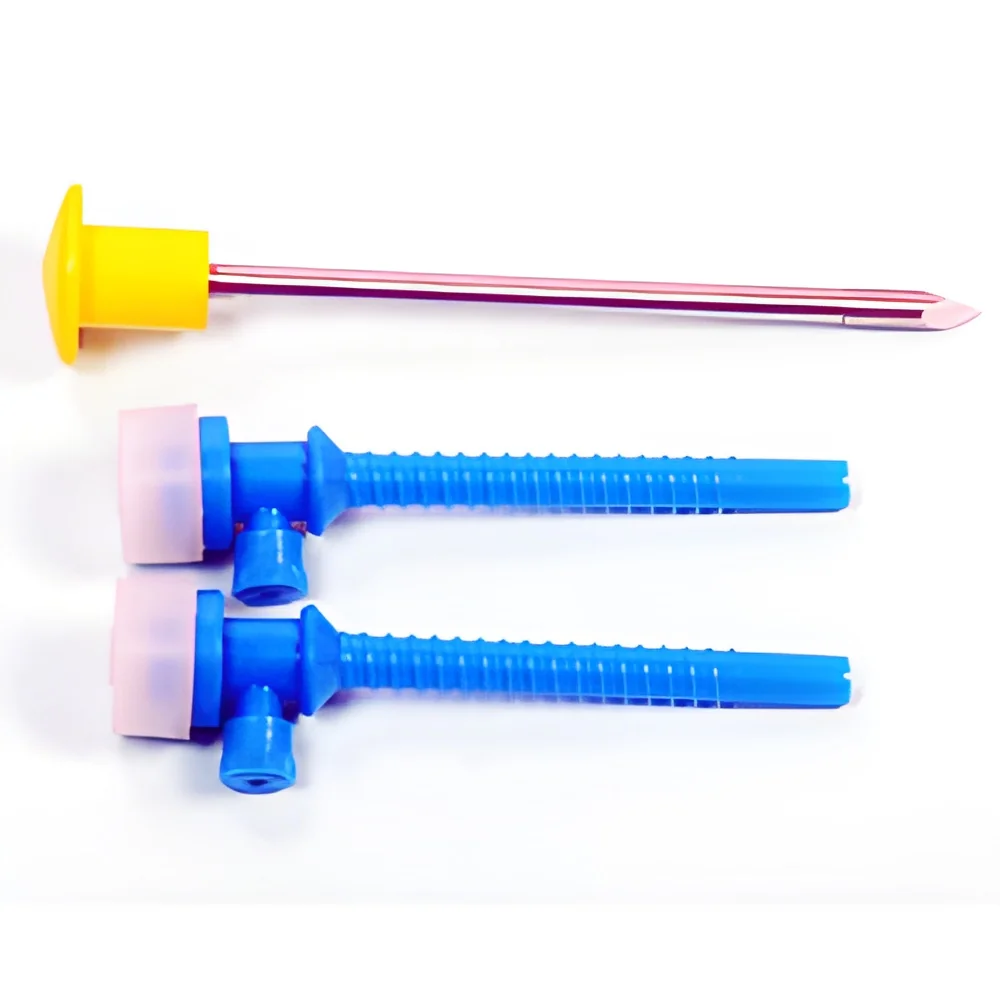
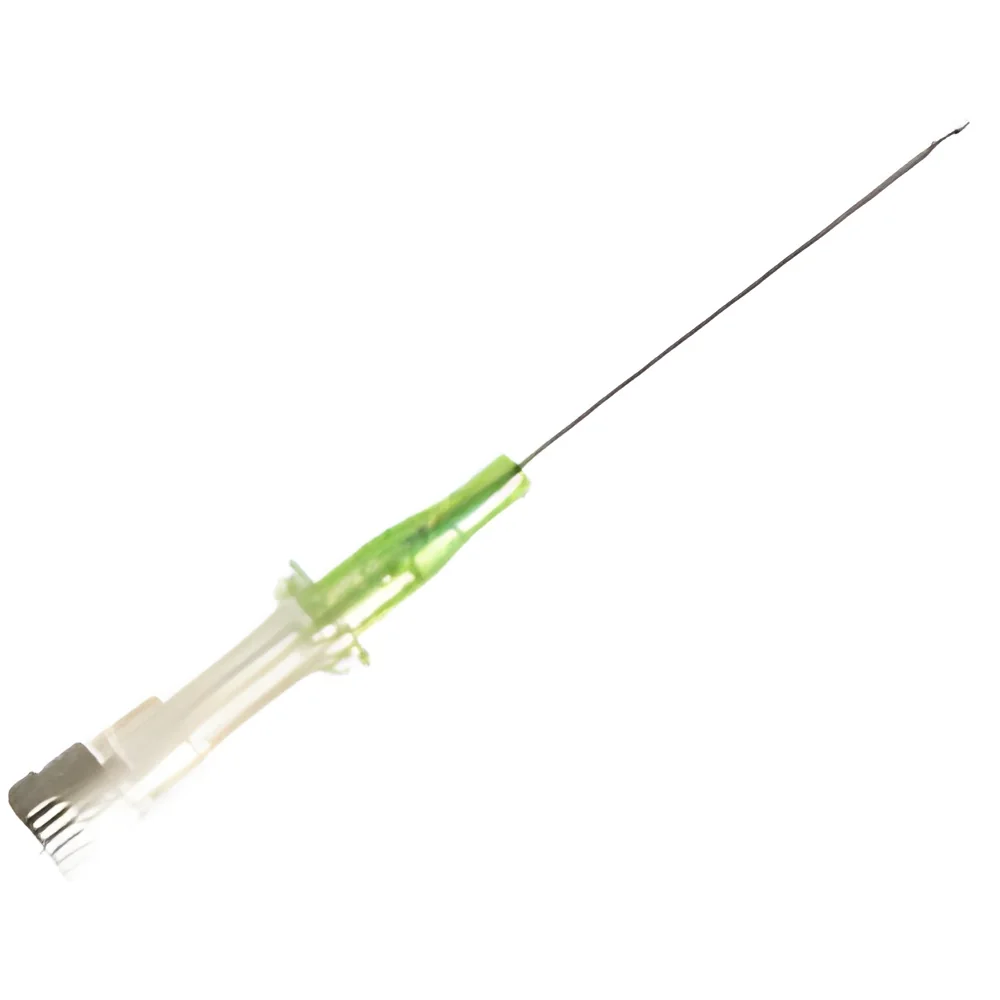
Needles are available in various gauges and lengths, designed for specific applications such as injections and blood draws. They ensure accurate and safe administration of medications.
𝗕𝗲𝗻𝗲𝗳𝗶𝘁𝘀 𝗮𝗻𝗱 𝗔𝗱𝘃𝗮𝗻𝘁𝗮𝗴𝗲𝘀
Medical consumables offer numerous benefits that enhance healthcare delivery and patient safety.
1. Enhanced Safety: Medical consumables are designed for single use, reducing the risk of cross-contamination and infections.
2. Cost-Effectiveness: Disposable items help healthcare facilities minimize costs associated with sterilization and maintenance of reusable products.
3. Improved Efficiency: The availability of pre-packaged and ready-to-use consumables streamlines procedures and reduces preparation time.
4. Regulatory Compliance: High-quality medical consumables meet stringent regulatory standards, ensuring they are safe for patient use.
5. Wide Availability: Medical consumables are widely available through various suppliers, providing healthcare facilities with easy access to necessary items.
6. Innovation: Ongoing advancements in materials and designs lead to improved performance and functionality in medical consumables.
𝗕𝘂𝘆𝗶𝗻𝗴 𝗚𝘂𝗶𝗱𝗲 𝗳𝗼𝗿 𝗕𝟮𝗕 𝗕𝘂𝘆𝗲𝗿𝘀
When sourcing medical consumables, B2B buyers should consider several important factors to ensure they acquire the best products for their needs.
1. Quality Assessment: Evaluate the quality of medical consumables by reviewing certifications and compliance with industry standards. Look for products with CE marking to ensure safety and efficacy.
2. Supplier Verification: Vet potential suppliers thoroughly. Check their reputation, customer reviews, and industry experience to ensure reliability and trustworthiness.
3. Pricing and MOQ: Understand the pricing structure and minimum order quantities (MOQ) of different suppliers. This helps in budget planning and ensures you can obtain the required quantities.
4. Delivery and Lead Times: Consider the logistics involved in delivery. Verify suppliers' lead times to ensure timely availability of products, which is critical for uninterrupted healthcare services.
5. Compliance Requirements: Be aware of regional compliance requirements regarding medical consumables. This includes understanding local regulations that may impact product selection and usage.
𝗖𝗼𝗺𝗽𝗹𝗶𝗮𝗻𝗰𝗲 𝗮𝗻𝗱 𝗖𝗲𝗿𝘁𝗶𝗳𝗶𝗰𝗮𝘁𝗶𝗼𝗻𝘀
Compliance and certifications play a significant role in the quality assurance of medical consumables. Adhering to recognized quality standards is crucial for ensuring safety in healthcare settings.
Relevant quality standards include ISO 9001, which outlines requirements for a quality management system, and HACCP, which focuses on food safety but is also applicable in certain medical contexts. GDP, or Good Distribution Practice, ensures that products are stored and transported under suitable conditions.
Industry certifications such as CE marking indicate that the products meet European health, safety, and environmental protection standards. Compliance with these certifications ensures that medical consumables are reliable and safe for use.
Safety and testing requirements are also critical, as they determine the performance and reliability of medical consumables. Manufacturers must conduct rigorous testing to ensure that products perform as intended and do not pose risks to patients or healthcare providers.
Regional compliance considerations may vary. Buyers should be aware of local regulations and standards that govern the use of medical consumables in their specific regions, ensuring adherence to all necessary guidelines.
𝗪𝗵𝘆 𝗦𝗼𝘂𝗿𝗰𝗲 𝗠𝗲𝗱𝗶𝗰𝗮𝗹 𝗖𝗼𝗻𝘀𝘂𝗺𝗮𝗯𝗹𝗲𝘀 𝗳𝗿𝗼𝗺 𝗣𝗲𝗽𝗮𝗴𝗼𝗿𝗮?
Pepagora provides a trusted platform for sourcing medical consumables, offering several key advantages to B2B buyers.
Verified Supplier Network: Pepagora connects buyers with a network of verified suppliers, ensuring that products meet quality and safety standards. This verification process enhances trust and reliability in the procurement process.
Streamlined RFQ Process: The platform features a streamlined Request for Quotation (RFQ) process, making it easier for buyers to obtain competitive quotes from multiple suppliers. This feature simplifies decision-making and helps secure the best prices.
Trade Assurance and Support: Buyers benefit from trade assurance programs that protect their purchases, ensuring they receive the quality products they expect. Additionally, Pepagora offers support throughout the buying process, addressing any concerns or queries.
Regional Coverage: Pepagora has a broad geographic reach, serving markets in India, the Gulf Cooperation Council (GCC), and Southeast Asia. This regional coverage allows buyers to access a diverse range of medical consumables tailored to their specific needs.
In conclusion, sourcing medical consumables from Pepagora not only ensures access to quality products but also provides a comprehensive support system for B2B buyers, enhancing their procurement experience.

























Frequently Asked Questions
What are Medical Consumables?
Medical consumables are essential items used in healthcare settings for patient care and medical procedures. They include products such as syringes, gloves, bandages, and surgical instruments that are intended for single use or limited use.
What are the different types of Medical Consumables?
Medical consumables can be categorized into various types, including diagnostic consumables, surgical consumables, and laboratory consumables. Each type serves a specific function within healthcare, ranging from patient diagnostics to surgical procedures and laboratory testing.
How do I choose the right Medical Consumables?
When selecting medical consumables, consider factors such as quality, compliance with industry standards, and suitability for specific medical applications. Additionally, evaluate suppliers based on their reputation, product range, and customer service.
What are the standard specifications for Medical Consumables?
Standard specifications for medical consumables typically include material composition, sterility, shelf life, and compliance with regulatory standards. It is crucial to ensure that the products meet the necessary safety and efficacy requirements.
What is the price range for Medical Consumables?
The price range for medical consumables can vary widely based on the type and quality of the product. Generally, prices can range from a few rupees for basic items to several thousand rupees for specialized consumables.
What quality standards apply to Medical Consumables?
Medical consumables must comply with various quality standards, including ISO certifications and regulations set by the Central Drugs Standard Control Organization (CDSCO) in India. These standards ensure product safety, effectiveness, and reliability.
Where can I find Medical Consumables suppliers in India?
You can find medical consumables suppliers in India through online B2B marketplaces like Pepagora.com. Additionally, trade shows, industry directories, and local distributors can be valuable resources for sourcing suppliers.
Can Medical Consumables be customized?
Yes, many medical consumables can be customized to meet specific healthcare needs. Customization options may include branding, packaging, or modifications to product features to enhance usability in various clinical settings.
What is the typical minimum order quantity for Medical Consumables?
The typical minimum order quantity (MOQ) for medical consumables varies by supplier and product type. Generally, MOQs can range from small quantities for basic items to larger orders for specialized consumables.
What is the typical lead time for Medical Consumables?
The typical lead time for medical consumables can vary based on factors such as order volume and supplier location. Generally, lead times can range from a few days to several weeks, depending on the specific products and availability.
Why Businesses Trust Pepagora
Thousands of companies trust Pepagora to source smarter and sell faster
Expand Your Sales Globally

Source Smarter,Grow Faster
