
 IN
IN₹
Apparel & Fashion
Loading subcategories...
View More
Home Furniture
634 products available
Market Size
$782.4B
Annual Growth (YoY)
4.80%
Average Margin
30-50%
𝗪𝗵𝗮𝘁 𝗮𝗿𝗲 𝗛𝗼𝗺𝗲 𝗙𝘂𝗿𝗻𝗶𝘁𝘂𝗿𝗲?
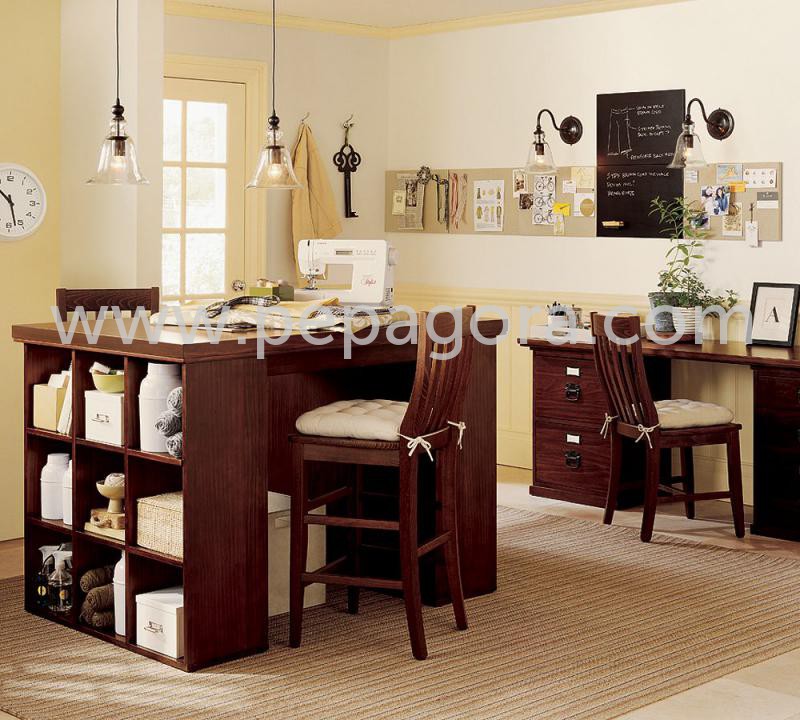
Home furniture refers to the various movable objects that are used to furnish a residential space. This includes items such as sofas, chairs, tables, beds, and storage solutions. The purpose of home furniture is to provide comfort, functionality, and aesthetic appeal within a home environment. It plays a critical role in defining the overall style and usability of living spaces, making it a vital component of interior design.
In a business context, home furniture is utilized in various sectors such as real estate, hospitality, and retail. For instance, property developers often stage homes with furniture to enhance their appeal during viewings. Hotels and resorts rely on high-quality furniture to create inviting atmospheres for guests. Retailers frequently showcase furniture in their stores to attract customers. The home furniture market is significant, with trends evolving towards sustainable materials and multifunctional designs to meet changing consumer preferences.
𝗞𝗲𝘆 𝗙𝗲𝗮𝘁𝘂𝗿𝗲𝘀 𝗮𝗻𝗱 𝗦𝗽𝗲𝗰𝗶𝗳𝗶𝗰𝗮𝘁𝗶𝗼𝗻𝘀
Home furniture offers a range of features and specifications tailored to meet diverse consumer and business needs. Understanding these specifications helps B2B buyers make informed purchasing decisions.
Key specifications include:
1. Material Quality
- Home furniture is typically made from wood, metal, fabric, or a combination thereof.
- Options may include solid wood, engineered wood, or metal alloys.
2. Design Styles
- Furniture comes in various design styles, including contemporary, traditional, rustic, and minimalist.
- Each style caters to different aesthetic preferences and functional needs.
3. Dimensions
- Standard sizes vary based on type; for example, sofas may range from 72 to 96 inches in length.
- Custom dimensions may be available to fit specific spaces.
4. Durability
- Furniture is designed for longevity, often with warranties ranging from 1 to 10 years.
- Resistance to wear-and-tear, fading, and moisture is critical, especially for commercial applications.
5. Functionality
- Many pieces offer multifunctional features, such as convertible sofas or storage ottomans.
- This versatility is beneficial for maximizing space in smaller environments.
6. Finish Options
- Various finishes are available, including matte, glossy, or textured.
- Customization in colors and patterns can enhance aesthetic appeal.
7. Safety Standards
- Furniture often complies with safety standards to ensure stability and risk-free use.
- Certifications may include tests for weight capacity and material safety.
8. Eco-friendliness
- Sustainable furniture options are increasingly in demand, made from recycled or responsibly sourced materials.
- Certifications for eco-friendliness can enhance marketability.
In summary, the features and specifications of home furniture are designed to meet specific needs while offering both functional and aesthetic benefits.
𝗖𝗼𝗺𝗺𝗼𝗻 𝗔𝗽𝗽𝗹𝗶𝗰𝗮𝘁𝗶𝗼𝗻𝘀 𝗮𝗻𝗱 𝗨𝘀𝗲 𝗖𝗮𝘀𝗲𝘀
Home furniture is utilized across various industries, serving distinct applications.
1. Residential Living: Homeowners use furniture to create comfortable and stylish living spaces, from living rooms to bedrooms.
2. Hospitality: Hotels and restaurants rely on durable and attractive furniture to enhance guest experiences and create inviting atmospheres.
3. Real Estate: Property developers stage homes with carefully selected furniture to showcase potential living environments for buyers.
4. Office Spaces: Some pieces are adapted for home offices, providing functionality and comfort for remote workers.
5. Retail: Furniture retailers use display pieces to attract customers and showcase product range.
6. Educational Institutions: Schools and universities require furniture for classrooms and dormitories, focusing on durability and comfort.
7. Healthcare: Hospitals and clinics utilize furniture designed for functionality, comfort, and hygiene in patient care areas.
𝗣𝗿𝗼𝗱𝘂𝗰𝘁 𝗩𝗮𝗿𝗶𝗮𝗻𝘁𝘀 𝗮𝗻𝗱 𝗦𝘂𝗯𝗰𝗮𝘁𝗲𝗴𝗼𝗿𝗶𝗲𝘀
Home furniture is diverse and comes in various forms to cater to different needs and preferences.
Living Room Furniture
This category includes sofas, coffee tables, and entertainment centers designed for comfort and functionality in living spaces.
Bedroom Furniture
Essential items such as beds, dressers, and nightstands are tailored to create restful environments conducive to sleep.
Dining Room Furniture
Tables and chairs designed for dining areas, focusing on aesthetics and comfort while accommodating varying group sizes.
Office Furniture
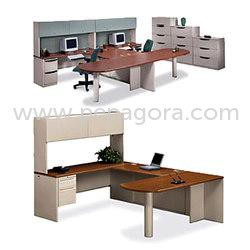
Includes desks, chairs, and storage solutions designed for productivity and ergonomic support, reflecting current workplace trends.
𝗕𝗲𝗻𝗲𝗳𝗶𝘁𝘀 𝗮𝗻𝗱 𝗔𝗱𝘃𝗮𝗻𝘁𝗮𝗴𝗲𝘀
Investing in quality home furniture brings several advantages to businesses and consumers alike.
1. Enhanced Comfort: Well-designed furniture improves the comfort level of living and working spaces, contributing to overall well-being.
2. Improved Aesthetics: Quality furniture enhances the visual appeal of spaces, making them more inviting and enjoyable.
3. Increased Functionality: Multifunctional furniture maximizes space and enhances usability, particularly in smaller environments.
4. Long-term Investment: Quality furniture often comes with warranties, providing assurance of durability and longevity.
5. Brand Reputation: For businesses, quality furniture reflects professionalism and attention to detail, positively impacting customer perceptions.
6. Sustainability: Investing in eco-friendly furniture supports environmental responsibility, appealing to a growing market of conscious consumers.
𝗕𝘂𝘆𝗶𝗻𝗴 𝗚𝘂𝗶𝗱𝗲 𝗳𝗼𝗿 𝗕𝟮𝗕 𝗕𝘂𝘆𝗲𝗿𝘀
For businesses seeking home furniture, careful consideration is essential to ensure a successful purchase.
1. Quality Assessment: Evaluate materials, construction methods, and durability to ensure the furniture meets required standards.
2. Supplier Verification: Vet suppliers to confirm their reliability and track record in delivering quality products on time.
3. Pricing and MOQ: Consider the total cost of ownership, including purchase price, delivery fees, and any minimum order quantities that may apply.
4. Delivery and Lead Times: Understand the supplier’s logistics capabilities, including estimated delivery times to ensure timely fulfillment.
5. Compliance Requirements: Be aware of any industry-specific regulations or standards that the furniture must meet for safety and quality.
𝗖𝗼𝗺𝗽𝗹𝗶𝗮𝗻𝗰𝗲 𝗮𝗻𝗱 𝗖𝗲𝗿𝘁𝗶𝗳𝗶𝗰𝗮𝘁𝗶𝗼𝗻𝘀
Compliance and certifications are vital in the home furniture industry to ensure quality and safety.
Relevant quality standards such as ISO 9001 may apply to manufacturing processes, ensuring consistent product quality.
Industry certifications like CE and UL signify adherence to safety regulations, while REACH ensures that chemicals used in production are safe for consumers.
Safety and testing requirements typically focus on durability and stability, ensuring that furniture can withstand everyday use without posing risks.
Regional compliance considerations may vary, and it is essential for manufacturers to understand local regulations governing materials and safety standards.
𝗪𝗵𝘆 𝗦𝗼𝘂𝗿𝗰𝗲 𝗛𝗼𝗺𝗲 𝗙𝘂𝗿𝗻𝗶𝘁𝘂𝗿𝗲 𝗳𝗿𝗼𝗺 𝗣𝗲𝗽𝗮𝗴𝗼𝗿𝗮?
Pepagora offers a reliable platform for sourcing home furniture with distinct advantages for B2B buyers.
Verified Supplier Network: Pepagora connects buyers with a network of verified suppliers, ensuring reliability and quality in sourcing.
Streamlined RFQ Process: The platform simplifies the request for quotation process, making it easy for buyers to compare options and make informed decisions.
Trade Assurance and Support: Buyers benefit from trade assurance, which protects their purchases and provides support throughout the transaction process.
Regional Coverage: Pepagora caters to businesses in India, the GCC, and Southeast Asia, providing access to a broad market and diverse product offerings.
Recently Added
Sanitt Equipment & Machines Pvt Ltd
Portable CIP System For Food Pharma 100 500L Tank 3000L/Hr Pump
Portable CIP Mixing Head For High Pressure Hot Water Generation
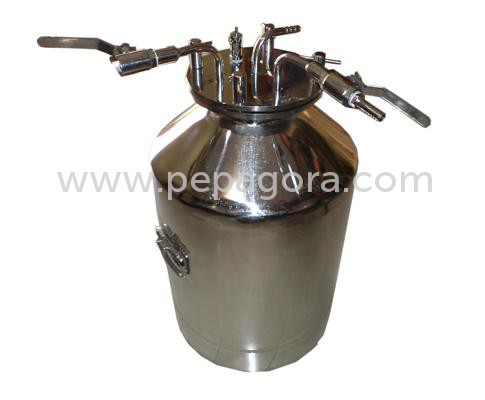
Premium Industrial Pressure Vessels For Food And Agriculture Processing
Vinod Handicrafts
Office And Home Wooden 4 Drawer Cabinet For Storage Organization
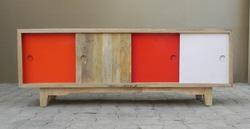
Premium Wooden 4 Sliding Door Cabinet For Storage Solutions
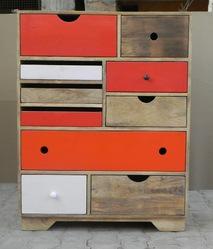
Premium Wooden Dresser Cabinets For Hotels Homes Offices
Integral Internationals
Premium Wooden Flooring Durable Elegant Easy Installation
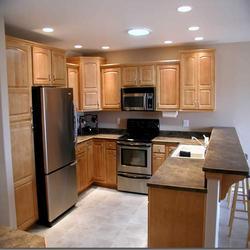
Premium Modular Kitchens For Buyers With Space Efficient Designs
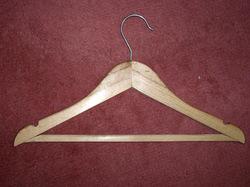
Premium Wooden Hangers For Retail Boutique Hotel Garment Industries
Veetek Storemate Pvt Ltd
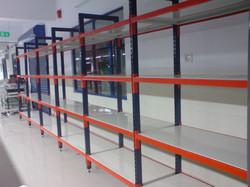
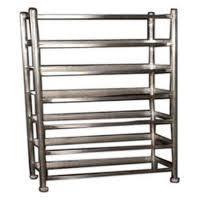
Industrial Storage Solutions Premium Warehouse Racks For Maximum Efficiency
Industrial Storage Racks Heavy Duty Steel High Capacity Adjustable
Industrial Warehouse Durable Storage Racks For Medium Light Weight Materials
Hi Life Furniture
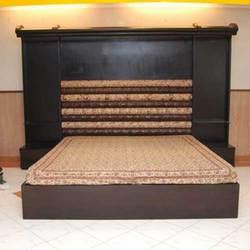
Bulk King Size Beds For Hotels And Resorts
Premium Flat Beds For Hotels And Hospitality With Durable Construction
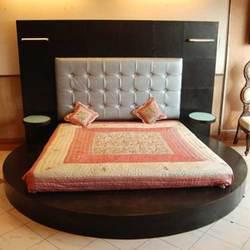
Luxury Hotel Circular Beds Premium Durable Custom Sizes
The Furniture Gallery
Premium 2021 Sofa Chair High Density Foam Modern Design
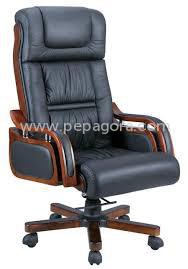
Office Wheel Sofa Chair With High Density Foam Compact Design
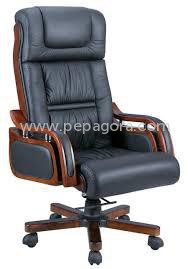
Office Wheel Sofa Chair High Density Foam Compact Design
Shri Kannan Industries
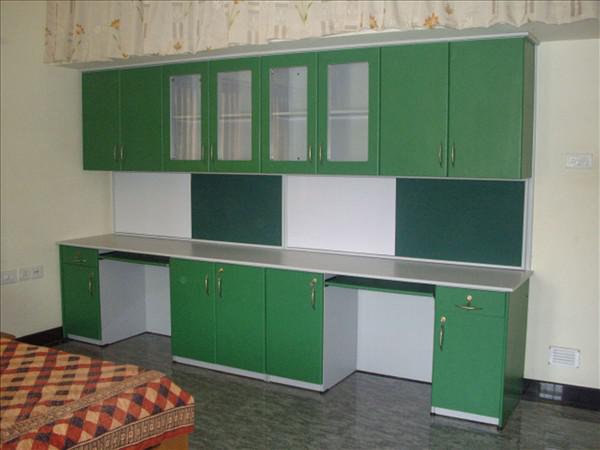
OEM Modern Panel Wood Kitchen Furniture For Home Use
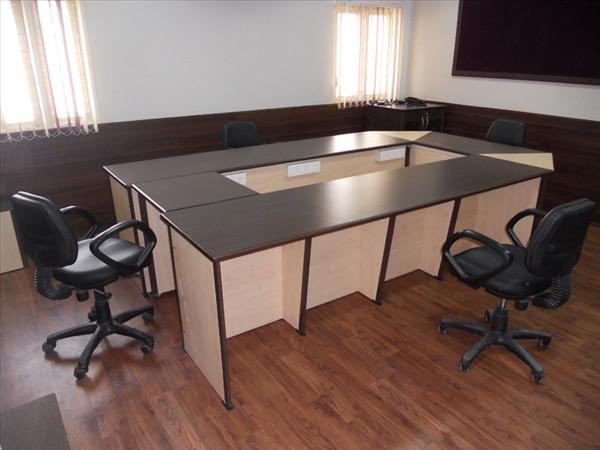
Premium Solid Wood Office Desks Modern Commercial Furniture With Computer Support
Modern American Style Wood Living Room Set Inflatable Furniture
R. K Timber & Hardware
Outdoor Plywood First Class Populor High Density Finished Surface
Folding Interior Plywood Doors Finished Surface Space Saving
Wholesale Solid Wood Living Room Cabinet Antique White Antique Style
Sahana Industries
Solid Wood Modern Antique Living Room Sofa Set Reliable Superior Grade
Solid Wood Antique Traditional Living Room Sofa Set
Antique Modern Living Room Sofa With Storage Fabric New
Majoka Industries
Commercial Furniture For Hospitality Offices Schools Retail
Industrial Furniture Durable Ergonomic Solutions For Offices And Factories
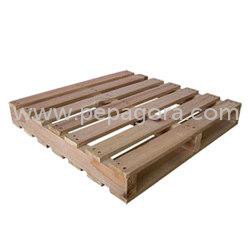
Premium Plywood Pallets For Heavy Duty Logistics And Construction

Sanitt Equipment & Machines Pvt Ltd
 India
India
India

Vinod HandicraftsIndia
India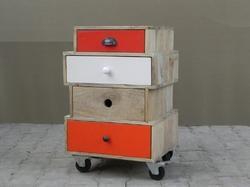
Integral InternationalsIndia
India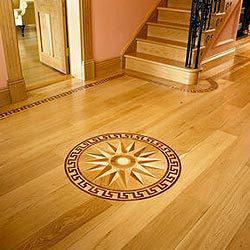
Veetek Storemate Pvt LtdIndia
India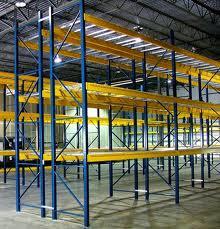
Hi Life FurnitureIndia
India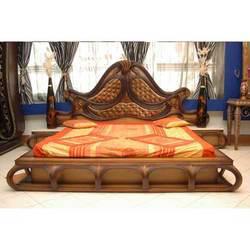
The Furniture GalleryIndia
India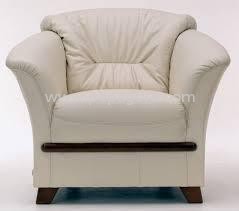

Shri Kannan IndustriesIndia
India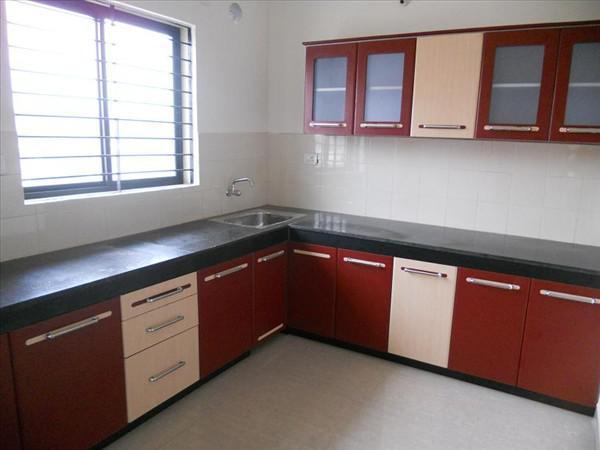
R. K Timber & HardwareIndia
India
Sahana IndustriesIndia
India
Product Categories:
Frequently Asked Questions
1
What is the minimum order quantity for Wooden Furniture?
1 Pieces
2
Where is Wooden Furniture manufactured?
India
Why Businesses Trust Pepagora
Thousands of companies trust Pepagora to source smarter and sell faster
Expand Your Sales Globally
25000+Products listed.Get discovered by global buyers
Tools to boost visibility
Build your own catalog

Source Smarter,Grow Faster
4000+Active RFQs
100+ Countries served
Easy Sourcing Tools
