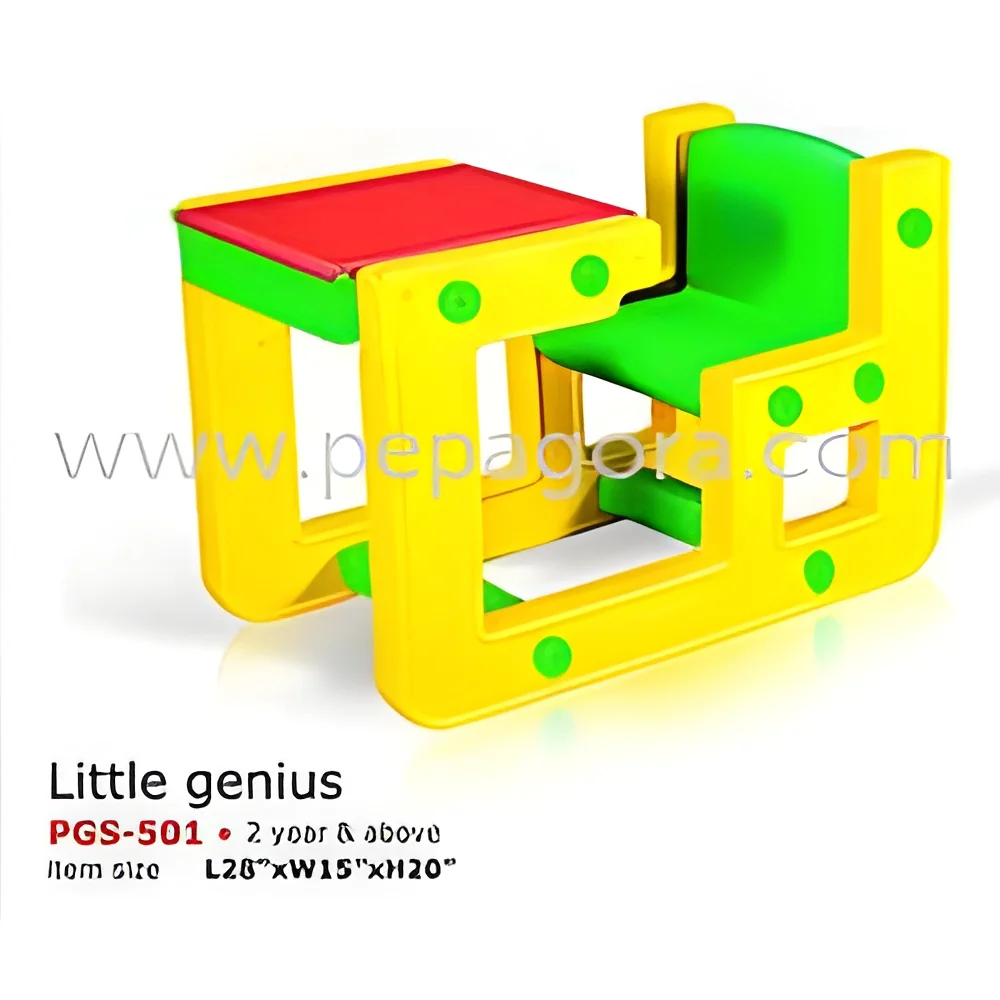
What are Nursery Furniture & Decor?
Nursery furniture and decor comprise a range of products designed specifically for the comfort and safety of infants and young children. This category includes essential items such as cribs, changing tables, dressers, and storage solutions, as well as decorative elements like wall art, rugs, and curtains. These products are designed to create a nurturing environment that supports early development while ensuring safety and functionality.
The primary applications of nursery furniture and decor are found in residential settings, childcare centers, and maternity hospitals. In homes, they serve to furnish a child's room, providing both utility and aesthetics. In childcare facilities, these items must meet specific safety standards and be durable enough to withstand daily use. Hospitals and clinics often use nursery furniture to create comfortable spaces for new parents and their babies, highlighting the importance of design in healthcare settings.
The nursery furniture and decor industry is relevant in various market contexts, as it aligns with trends in child development, parenting preferences, and interior design. The rise in demand for eco-friendly and sustainable materials in this sector reflects broader consumer trends. Understanding these market dynamics can help businesses tailor their offerings to meet customer expectations.
Key Features and Specifications
Nursery furniture and decor products come with a variety of features and specifications that ensure safety, functionality, and style for young children. When selecting these products, buyers should be aware of the technical parameters that enhance their usability and compliance with industry standards.
Key specifications include:
1. Material Quality
- Made from non-toxic, durable materials
- Common materials include solid wood, MDF, and fabrics that are easy to clean
2. Safety Standards
- Complies with ASTM and CPSC safety regulations
- Features like rounded edges and secure fastening systems
3. Size Dimensions
- Varies by product type, with cribs typically measuring around 28 inches by 52 inches
- Changing tables generally have a height of 36 inches for easy access
4. Weight Capacity
- Cribs usually support up to 50 pounds
- Changing tables can handle weights of around 30-40 pounds
5. Design Versatility
- Available in various styles, from modern to classic
- Customization options for colors and finishes
6. Storage Features
- Many pieces include built-in storage options for toys and supplies
- Cabinets and drawers designed for easy access
7. Assembly Requirements
- Some items require assembly upon delivery
- Clear assembly instructions and included tools
8. Warranty Information
- Typical warranties range from 1 to 5 years
- Coverage for manufacturing defects and structural integrity
In summary, understanding these specifications helps buyers make informed decisions while ensuring they meet safety and functional requirements.
Common Applications and Use Cases
Nursery furniture and decor serve various industries, each with unique applications.
1. Residential: Homeowners use nursery furniture to create safe and inviting spaces for newborns and toddlers, combining functionality with aesthetics.
2. Childcare Centers: Facilities utilize durable nursery furniture that can withstand heavy use while providing a warm environment for children and caregivers.
3. Hospitals: Maternity wards and pediatric units require specialized furniture that supports new parents and promotes a calming atmosphere for newborns.
4. Retail: Baby stores and online marketplaces showcase a variety of nursery products, catering to the needs of expecting parents and gift buyers.
5. Interior Design: Designers incorporate nursery furniture into their projects to create cohesive, stylish spaces that reflect current trends and meet safety standards.
6. Educational Institutions: Daycare and preschool settings use nursery furniture to facilitate learning and play in a safe and organized environment.
7. E-commerce: Online retailers offer a wide array of nursery furniture and decor, providing convenience and access to diverse options for buyers.
Product Variants and Subcategories
Nursery furniture and decor come in diverse variants, allowing buyers to choose based on their specific needs and preferences.
Cribs
Cribs are essential for any nursery, available in convertible designs that transition from a crib to a toddler bed. They often feature adjustable mattress heights and safety rails for added security.
Changing Tables
Changing tables provide designated space for diaper changes and often include storage for supplies. Many models feature safety straps and can be converted into dressers for continued use.
Dressers
Dressers are crucial for organizing baby clothes and essentials. They come in various styles, some with changing table tops, and are designed to be sturdy and safe for nursery environments.
Rocking Chairs
Rocking chairs or gliders offer a comfortable seating option for parents during feeding or soothing their babies. Many come with additional features like reclining positions and storage pockets.
Decor Items
Decor items such as wall art, rugs, and curtains enhance the nursery's aesthetic. These products can be themed or customized to match the nursery's color scheme and style.
Benefits and Advantages
Investing in high-quality nursery furniture and decor provides numerous benefits for both parents and caregivers.
1. Safety Assurance: Quality nursery products are designed with safety features, ensuring a secure environment for infants and toddlers.
2. Enhanced Functionality: Well-designed furniture makes daily tasks easier, such as diaper changes and feeding, providing convenience for caregivers.
3. Aesthetic Appeal: Stylish nursery furniture and decor contribute to a visually pleasing environment, positively impacting the mood and comfort of both parents and children.
4. Durability: High-quality materials and construction ensure that nursery furniture can withstand the wear and tear of daily use, making it a cost-effective investment.
5. Versatility: Many nursery products are designed to grow with the child, offering extended usability and adaptability to changing needs.
6. Eco-Friendly Options: Increasing availability of sustainable materials caters to environmentally conscious consumers, promoting a healthier living space.
Buying Guide for B2B Buyers
When sourcing nursery furniture and decor, B2B buyers should consider several factors to ensure they make informed purchasing decisions.
1. Quality Assessment: Evaluate the quality of materials and craftsmanship to ensure durability and safety. Look for products that meet recognized safety standards.
2. Supplier Verification: Vet suppliers to ensure they are reputable and can provide quality products. Check for customer reviews, certifications, and their track record in the industry.
3. Pricing and MOQ: Understand pricing structures and minimum order quantities. Compare options to find suppliers that offer competitive pricing without compromising quality.
4. Delivery and Lead Times: Consider logistics, including delivery schedules and lead times. Ensure suppliers can meet your timeframes to avoid delays in your operations.
5. Compliance Requirements: Be aware of regulatory needs specific to nursery products, such as safety certifications and testing requirements. Ensure that all products comply with local regulations.
Compliance and Certifications
Nursery furniture and decor must adhere to certain compliance standards to ensure safety and quality. Relevant quality standards include ISO 9001, which focuses on quality management systems, and HACCP, which addresses safety concerns in manufacturing processes.
Industry certifications, such as CE marking, indicate that products meet European safety and performance standards. This certification is crucial for products sold in European markets.
Safety and testing requirements are also paramount in the nursery furniture sector. Products must undergo rigorous testing to ensure they do not pose risks to children. These tests may include checks for stability, non-toxic materials, and sharp edges.
Regional compliance considerations are essential as different regions may have specific regulations governing nursery furniture. Buyers should ensure that products meet local safety standards to avoid legal issues and protect the end users.
Why Source Nursery Furniture & Decor from Pepagora?
Pepagora provides a trusted platform for sourcing nursery furniture and decor, offering several key advantages for B2B buyers.
Verified Supplier Network: Pepagora connects buyers with a network of verified suppliers, ensuring that they can source high-quality products with confidence. This helps mitigate risks associated with supplier reliability.
Streamlined RFQ Process: The platform features a user-friendly Request for Quotation (RFQ) system, allowing buyers to easily request quotes from multiple suppliers. This streamlines the procurement process and enhances efficiency.
Trade Assurance and Support: Pepagora offers trade assurance to protect buyers' investments. This includes support during transactions to ensure that orders are fulfilled as expected.
Regional Coverage: With a strong presence in India, the GCC, and Southeast Asia, Pepagora provides extensive geographic reach, facilitating access to a diverse range of nursery furniture and decor options. This regional coverage allows buyers to meet local market demands effectively.

 IN
IN