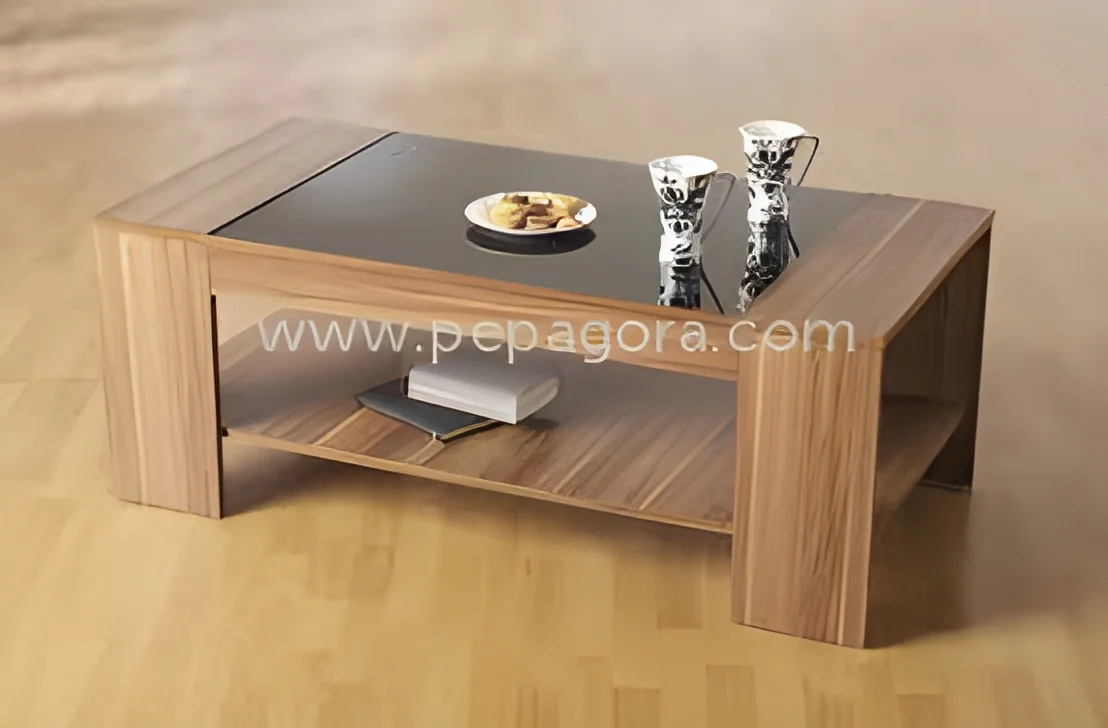
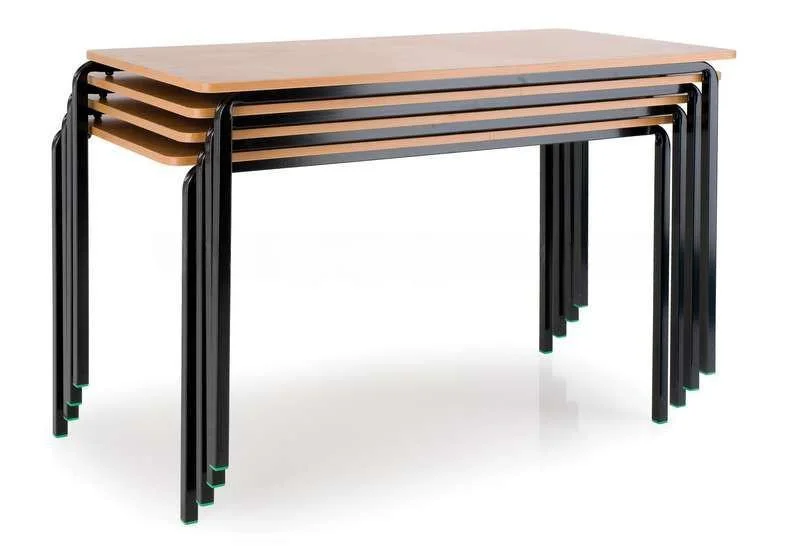
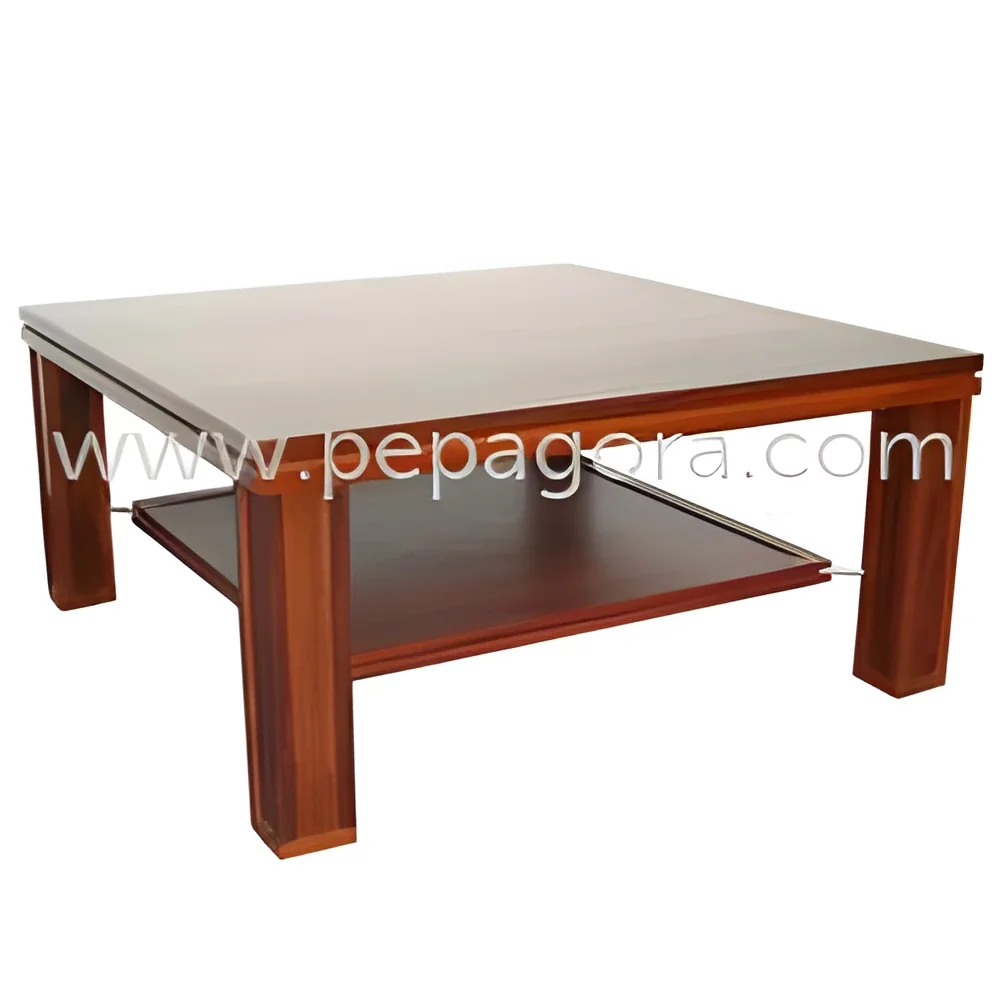
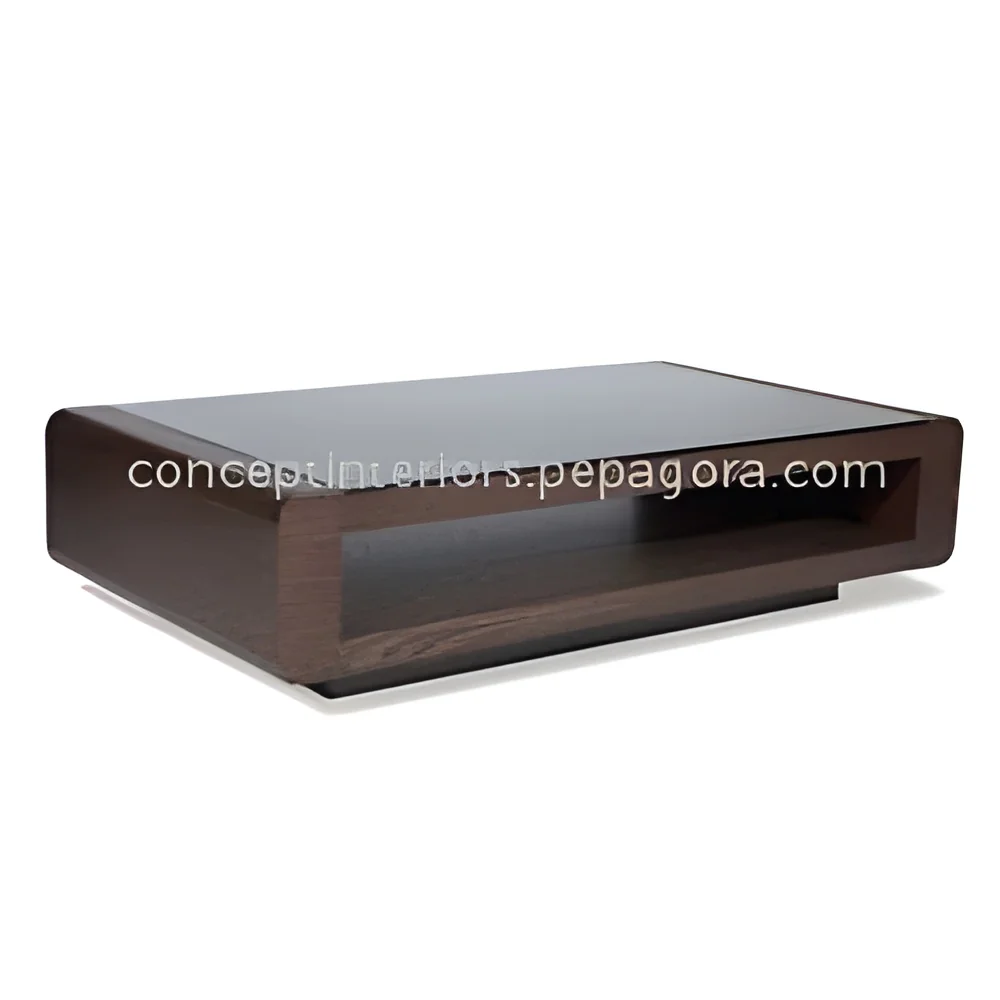
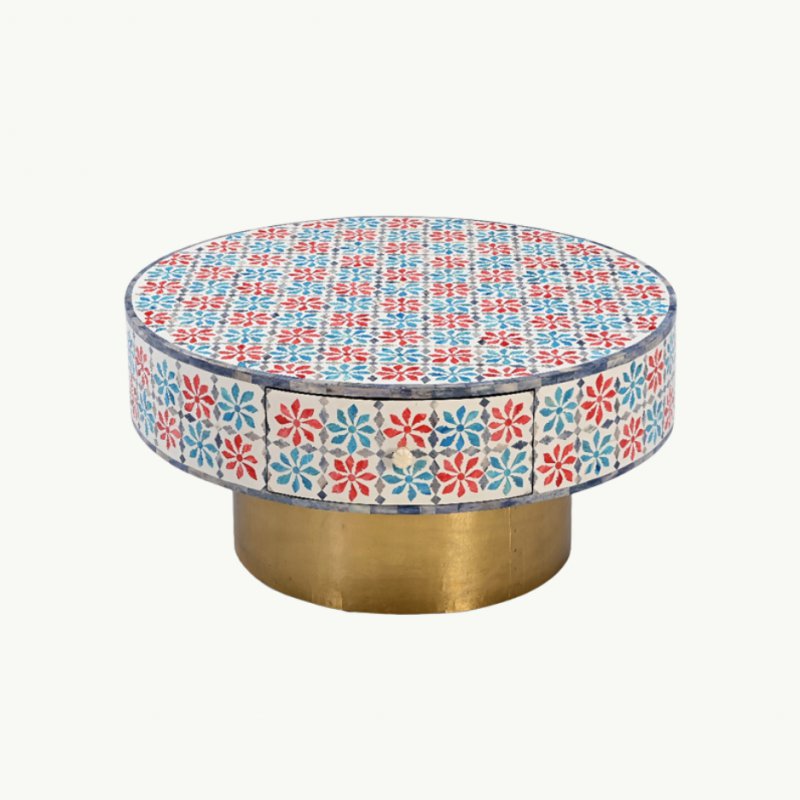
What are Coffee Tables?
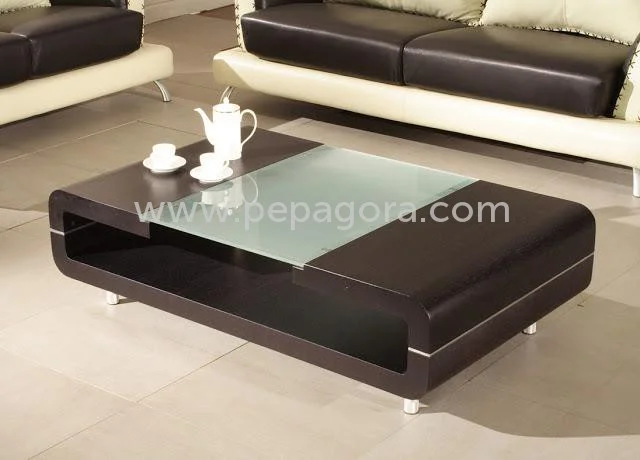
Coffee tables are low tables typically placed in front of a sofa or seating area. They serve as functional pieces of furniture for placing drinks, books, and decorative items. Coffee tables can come in various shapes, sizes, and materials, allowing them to fit seamlessly into different interior designs.
In a business context, coffee tables are essential in office lounges, reception areas, and conference rooms. They create inviting spaces for collaboration, meetings, or casual gatherings. Additionally, coffee tables are popular in cafes and restaurants, providing a surface for customers to enjoy their beverages and snacks.
The coffee table market is diverse, catering to both residential and commercial sectors. As design trends evolve, manufacturers are introducing innovative styles and materials, making coffee tables not just practical, but also aesthetic focal points in any setting.
Key Features and Specifications
Coffee tables are designed with a range of features and specifications that enhance their functionality and appeal. Key specifications include:
1. Material
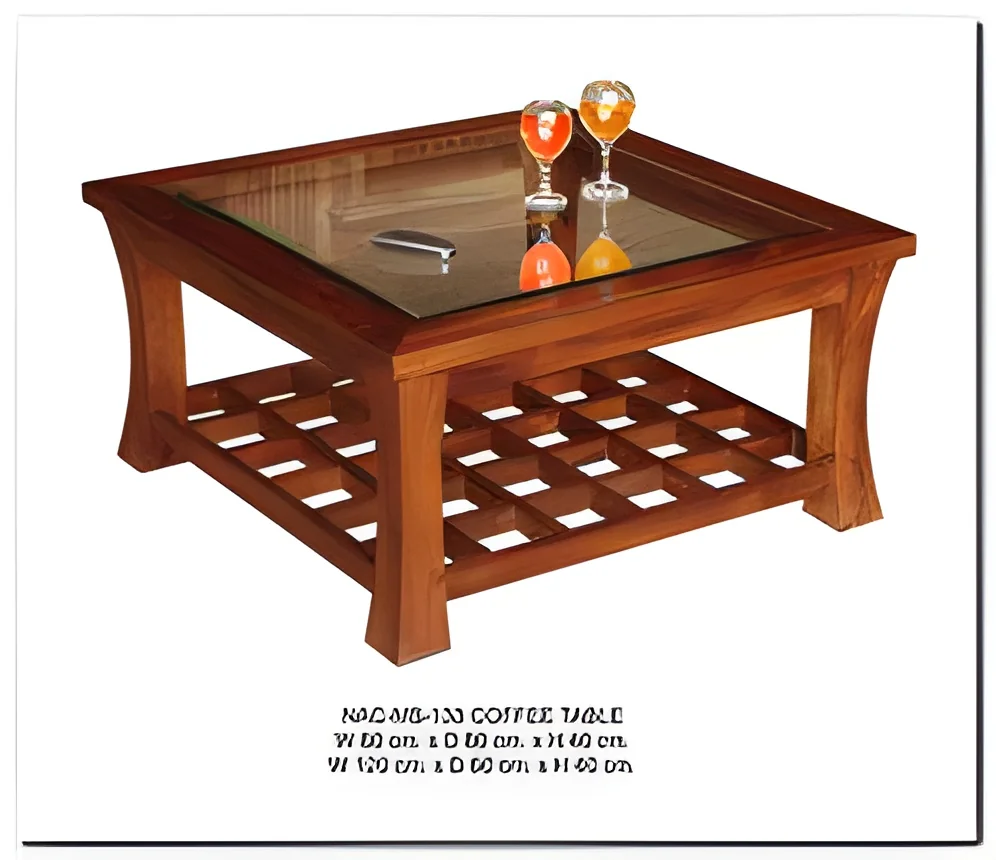
- Common materials include wood, glass, metal, and composite materials.
- Each material offers unique aesthetics and durability.
2. Dimensions
- Standard height ranges from 16 to 18 inches.
- Width and length vary to accommodate different spaces, typically from 30 to 60 inches.
3. Weight Capacity
- Coffee tables are designed to support varying weight loads, generally ranging from 50 to 150 pounds.
- This allows for items like books, decorative pieces, and food items.
4. Shape
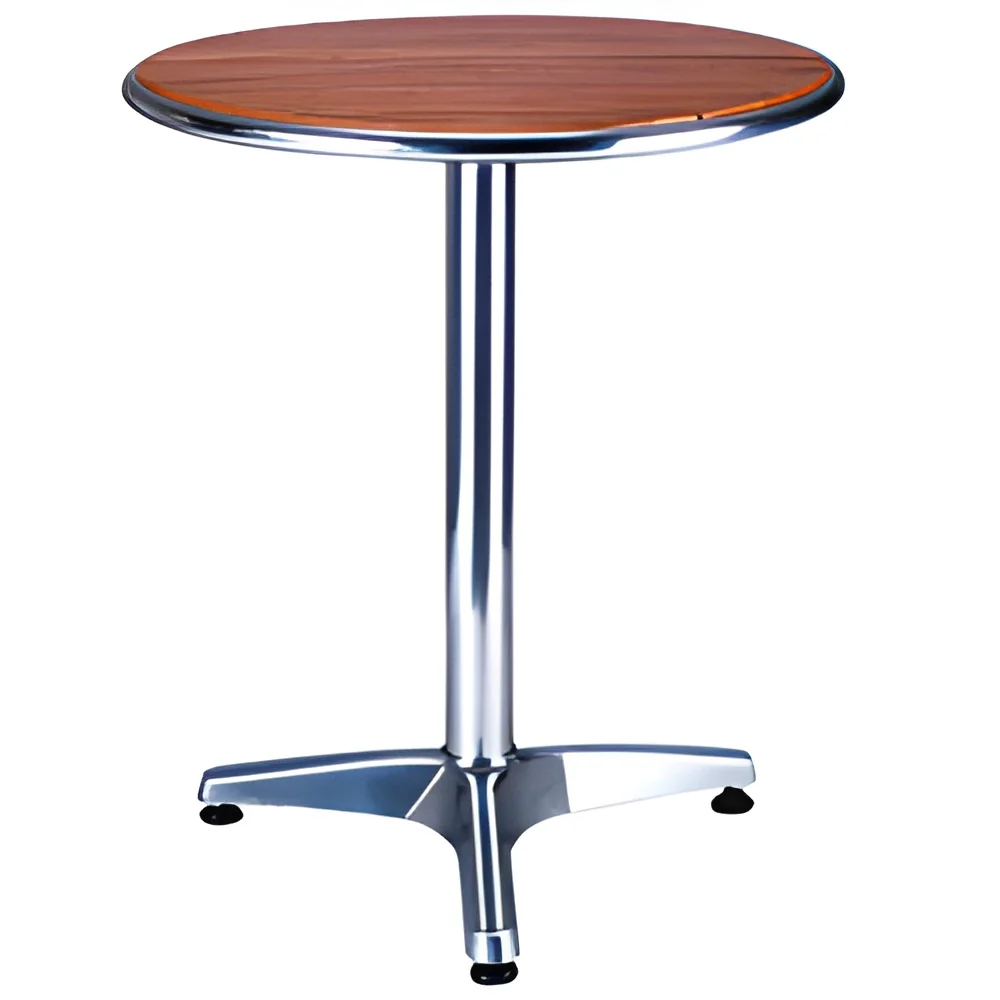
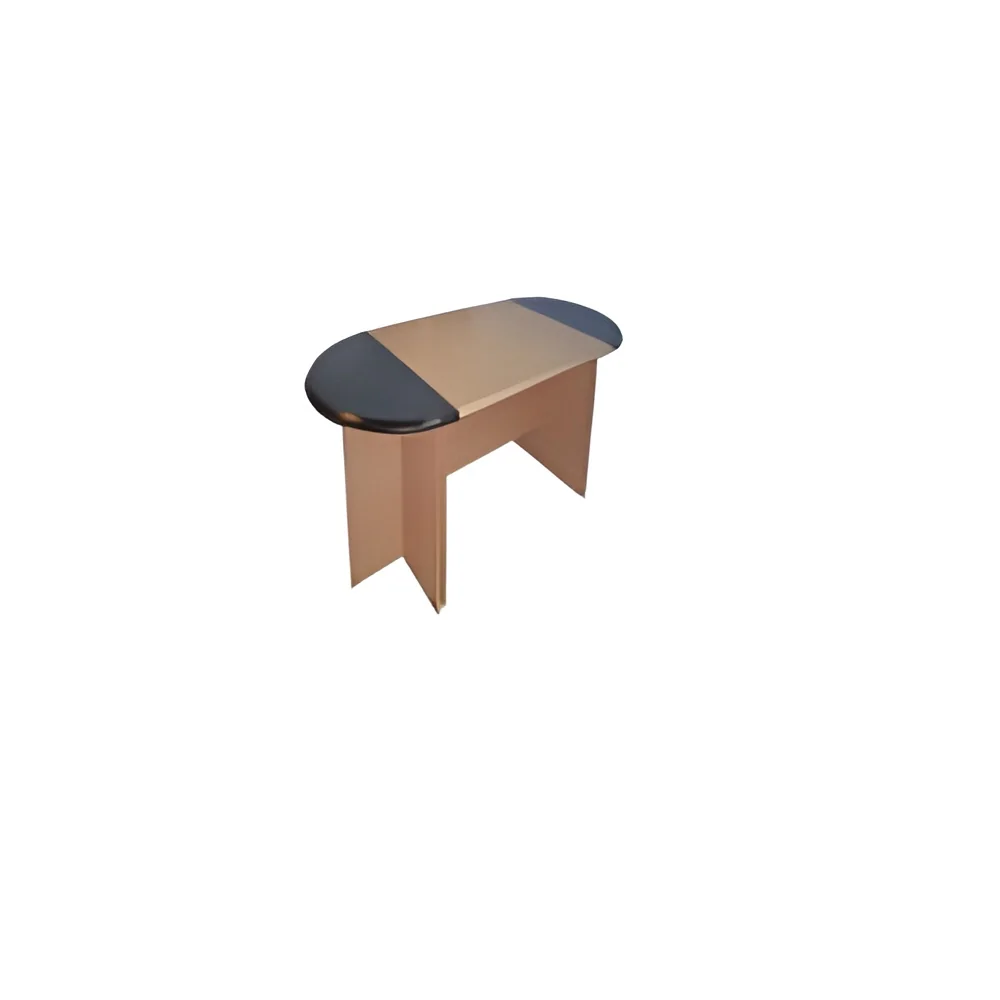
- Coffee tables come in various shapes such as rectangular, round, square, and oval.
- The shape can impact the flow and usability of the space.
5. Style
- Styles include modern, traditional, rustic, and industrial.
- Each style caters to different aesthetics and design preferences.
6. Storage Features
- Some coffee tables include built-in storage options like drawers or shelves.
- These features help keep spaces organized and clutter-free.
7. Mobility
- Some models come with wheels or lightweight designs for easy movement.
- This adds versatility for reconfiguring spaces.
In summary, coffee tables combine functionality with style, making them a vital component in various environments.
Common Applications and Use Cases
Coffee tables serve numerous purposes across different industries.
1. Office Spaces: In corporate environments, coffee tables facilitate casual meetings and provide a relaxed atmosphere in lounges.
2. Hospitality: Hotels and restaurants use coffee tables in lobby areas and dining spaces to enhance guest experiences.
3. Retail: Stores often use coffee tables in waiting areas for customers, contributing to a comfortable shopping environment.
4. Residential Design: Homeowners use coffee tables in living rooms for daily convenience and decor.
5. Co-working Spaces: Coffee tables support collaborative work environments, offering shared spaces for networking and brainstorming.
6. Events: Coffee tables are often rented for events to create social areas for attendees.
7. Showrooms: Furniture showrooms display coffee tables to showcase design options to potential buyers.
Product Variants and Subcategories
Coffee tables come in various forms that cater to different needs and preferences.
Versatile Coffee Tables: These tables offer multifunctionality, often featuring adjustable heights or convertible designs. They are perfect for small spaces where adaptability is key.
Designer Coffee Tables: Tailored for high-end markets, these tables focus on unique designs and premium materials. They serve as statement pieces in luxury settings.
Coffee Tables with Storage: These models incorporate hidden compartments or shelving, allowing for practical use in homes or offices.
Outdoor Coffee Tables: Specifically designed for outdoor settings, these tables use weather-resistant materials. They are ideal for patios, gardens, or poolside areas.
Benefits and Advantages
Coffee tables provide several advantages for businesses and consumers alike.
1. Space Optimization: Coffee tables maximize utility in small or large spaces by offering surfaces for various activities.
2. Aesthetic Appeal: They enhance the overall look of a room, contributing to the desired interior design style.
3. Versatile Usage: Coffee tables can serve multiple functions, from serving drinks to providing extra storage.
4. Social Interaction: By creating a gathering point, coffee tables encourage conversation and collaboration in both personal and professional settings.
5. Easy Maintenance: Many coffee tables are designed for easy cleaning and maintenance, ensuring longevity.
6. Customization: Many manufacturers offer customization options, allowing buyers to tailor designs to their specific needs.
Buying Guide for B2B Buyers
When sourcing coffee tables for business needs, consider several factors.
1. Quality Assessment: Evaluate the durability of materials and construction methods to ensure long-term use. Check for reviews or certifications that indicate quality.
2. Supplier Verification: Vet suppliers for reliability and reputation. Look for established companies with positive feedback from previous clients.
3. Pricing and MOQ: Understand the cost per unit and minimum order quantities. This helps in budgeting and ensures that you meet your business requirements.
4. Delivery and Lead Times: Confirm delivery timelines to avoid delays. Consider logistical aspects that may affect shipping and installation.
5. Compliance Requirements: Be aware of any industry-specific standards or regulations related to furniture. This may include safety certifications or environmental considerations.
Compliance and Certifications
Compliance is critical in the coffee table industry to ensure safety, quality, and customer satisfaction.
Relevant quality standards include ISO 9001, which outlines requirements for quality management systems. This ensures that manufacturers maintain high standards in production processes.
Industry certifications such as CE mark signify compliance with European safety and health regulations. This is essential for products sold in international markets.
Safety and testing requirements may vary by region but generally include assessments for stability, durability, and material safety.
Regional compliance considerations may involve local regulations that impact material sourcing, manufacturing processes, and environmental standards.
Why Source Coffee Tables from Pepagora?
Pepagora is a trusted platform for sourcing coffee tables, offering several key advantages for businesses.
Verified Supplier Network: Pepagora connects buyers with a network of verified suppliers, ensuring quality and reliability. This network helps businesses find reputable sources for their needs.
Streamlined RFQ Process: The platform simplifies the request for quotation process, allowing buyers to receive competitive offers quickly. This efficiency saves time and facilitates better decision-making.
Trade Assurance and Support: Pepagora provides trade assurance, offering buyer protection throughout the sourcing process. This ensures a secure transaction and builds trust between buyers and suppliers.
Regional Coverage: Pepagora has a broad geographic reach, serving markets in India, the GCC, and Southeast Asia. This enables businesses to access a diverse range of suppliers and products tailored to their regional needs.

 IN
IN