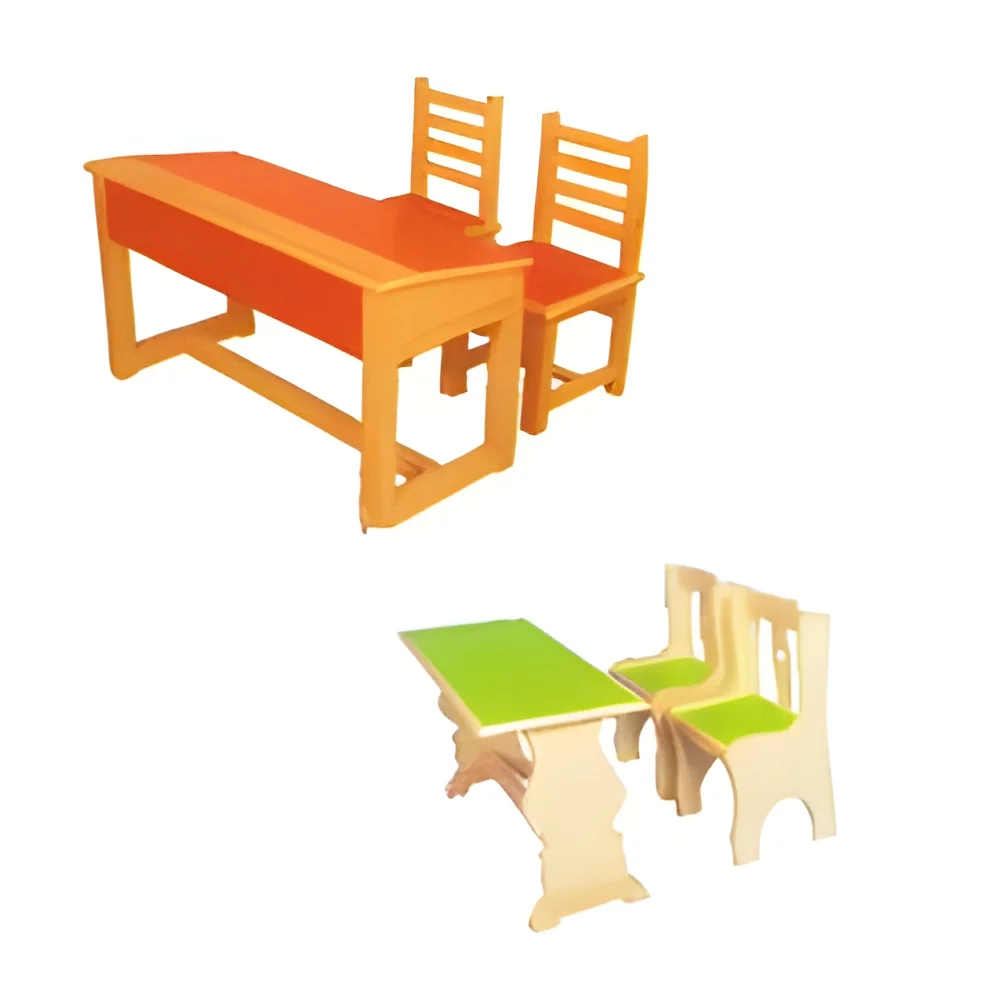
What are Engineered Wood Furniture?
Engineered wood furniture refers to furniture made from engineered wood products such as particleboard, MDF (medium-density fiberboard), and plywood. These materials are manufactured by binding together wood fibers, strands, or veneers with adhesives and resins. This process creates products that are strong, durable, and often more cost-effective than solid wood alternatives. Engineered wood furniture offers versatility in design and can be produced in a variety of finishes and styles to meet diverse consumer preferences.
The primary uses of engineered wood furniture extend across residential, commercial, and institutional applications. In homes, this type of furniture is commonly found in living rooms, bedrooms, and kitchens. Businesses often utilize engineered wood furniture in offices, retail spaces, and hospitality settings due to its affordability and aesthetic appeal. As sustainability becomes increasingly important, many manufacturers are focusing on eco-friendly production methods, making engineered wood furniture relevant in today's market.
The relevance of engineered wood furniture in the industry is underscored by its growing popularity. As manufacturers seek to balance quality, price, and environmental responsibility, engineered wood products provide a solution that caters to modern consumer demands. The market for engineered wood furniture continues to expand as businesses and individuals alike recognize its benefits.
Key Features and Specifications
Engineered wood furniture is characterized by several key features that contribute to its functionality and appeal. Understanding these specifications can help businesses select the right products for their needs.
Key specifications include:
1. Material Composition
- Comprised of wood fibers or veneers bonded with adhesives
- Offers strength and durability comparable to solid wood
2. Surface Finishes
- Available in a variety of finishes such as laminate, veneer, or paint
- Customizable to match specific design requirements
3. Weight Capacity
- Typically designed to support substantial weight
- Varies by product, generally ranging from 50 to 300 pounds
4. Moisture Resistance
- Often treated to resist moisture and humidity
- Suitable for various environments including kitchens and bathrooms
5. Fire Resistance
- Some engineered wood products come with fire-retardant properties
- Important for safety in commercial applications
6. Eco-Friendliness
- Many products are made from recycled materials
- Certified by organizations promoting sustainable practices
7. Cost Efficiency
- Generally more affordable than solid wood furniture
- Ideal for budget-conscious businesses
8. Easy Assembly
- Designed for straightforward assembly and disassembly
- Convenient for shipping and transport
In summary, engineered wood furniture combines durability and versatility with cost-effectiveness, making it an attractive option for various applications.
Common Applications and Use Cases
Engineered wood furniture serves multiple industries, providing solutions for a range of applications.
1. Residential: Engineered wood furniture is widely used in homes for living rooms, dining areas, and bedrooms. Its variety of styles and finishes allows for customization to fit personal aesthetics.
2. Office: Many businesses utilize engineered wood desks, chairs, and storage solutions for their affordability and modern appearance, enhancing workplace functionality and comfort.
3. Retail: Stores often incorporate engineered wood displays and shelving to create a visually appealing shopping environment while maximizing space efficiency.
4. Hospitality: Hotels and restaurants leverage engineered wood furniture for dining tables, chairs, and cabinetry, benefiting from its durability and easy maintenance.
5. Educational Institutions: Schools and universities use engineered wood products for classroom desks, chairs, and storage units, providing cost-effective solutions for large-scale needs.
6. Healthcare: Engineered wood furniture finds applications in waiting areas and patient rooms, offering a blend of comfort and style while being easy to clean.
7. Commercial Spaces: Various commercial settings, including salons and offices, utilize engineered wood furniture to create inviting spaces that reflect brand identity.
Product Variants and Subcategories
Engineered wood furniture comes in various forms, catering to different needs and preferences.
Desk Solutions
Engineered wood desks are designed for both home and office use. They often feature built-in storage and ergonomic designs, promoting productivity and comfort.
Storage Units
Engineered wood storage solutions, such as cabinets and bookshelves, provide efficient organization without compromising style. They are available in multiple sizes and configurations.
Seating Options
Engineered wood chairs and benches are popular for their durability and aesthetic appeal. These seating options are suitable for both residential and commercial environments.
Tables
Engineered wood tables are versatile and can be used in dining, meeting, or recreational settings. They come in various shapes and sizes to accommodate different needs.
Benefits and Advantages
Engineered wood furniture offers numerous benefits that make it an attractive choice for businesses and consumers alike.
Key benefits include:
1. Cost-Effectiveness: Engineered wood furniture is generally more affordable than solid wood alternatives, making it accessible for various budgets.
2. Versatility: With a wide range of designs, finishes, and sizes, engineered wood furniture can fit diverse styles and applications.
3. Sustainability: Many products are made from recycled materials, contributing to environmentally friendly practices in furniture manufacturing.
4. Durability: Engineered wood products provide strength and stability, allowing them to withstand daily wear and tear.
5. Customization: Businesses can often customize finishes and designs to meet specific requirements, enhancing brand identity.
6. Easy Maintenance: Engineered wood furniture typically requires less upkeep than solid wood, making it practical for busy environments.
Buying Guide for B2B Buyers
When sourcing engineered wood furniture, it is essential for buyers to consider several key factors to ensure they make informed decisions.
1. Quality Assessment: Evaluate the quality of the materials and construction. Look for certifications and ratings that indicate durability and performance.
2. Supplier Verification: Vet suppliers to ensure they provide reliable products. Check reviews, references, and industry reputation to confirm their credibility.
3. Pricing and MOQ: Understand pricing structures and minimum order quantities (MOQ). Ensure the costs align with your budget and projected needs.
4. Delivery and Lead Times: Consider logistics, including shipping options and lead times. Plan accordingly to meet project timelines.
5. Compliance Requirements: Be aware of any regulatory compliance standards that apply to your industry, ensuring that the furniture meets necessary safety and quality benchmarks.
Compliance and Certifications
Compliance and certifications play a crucial role in ensuring the quality and safety of engineered wood furniture. Various standards apply to this industry, including ISO 9001, which focuses on quality management systems, ensuring that manufacturers adhere to consistent quality practices.
Additionally, industry certifications such as CE indicate compliance with European health, safety, and environmental protection standards. These certifications can enhance the credibility of products and instill confidence in buyers.
Safety and testing requirements are also critical. Manufacturers must conduct rigorous testing to ensure that products meet safety standards, which can include fire resistance and toxicity levels.
Lastly, regional compliance considerations vary. Depending on the market, specific regulations may apply to the use of certain materials or finishes, making awareness of local guidelines essential for manufacturers and suppliers.
Why Source Engineered Wood Furniture from Pepagora?
Pepagora provides a trusted platform for sourcing engineered wood furniture, offering several key advantages that set it apart in the marketplace.
Verified Supplier Network: Pepagora connects buyers with a network of verified suppliers. This ensures that all products meet established quality standards and that suppliers are reputable, giving buyers peace of mind when making purchases.
Streamlined RFQ Process: The platform features a streamlined request for quotation (RFQ) process that simplifies sourcing. Buyers can easily submit their requirements and receive competitive quotes from multiple suppliers, facilitating informed decision-making.
Trade Assurance and Support: Pepagora offers trade assurance and support to protect buyers. This includes assistance throughout the purchasing process, ensuring that transactions are smooth and secure.
Regional Coverage: With a strong presence in India, the GCC, and Southeast Asia, Pepagora provides extensive geographic reach. This allows businesses to access a wide variety of engineered wood furniture options tailored to their regional markets, enhancing accessibility and convenience.

 IN
IN