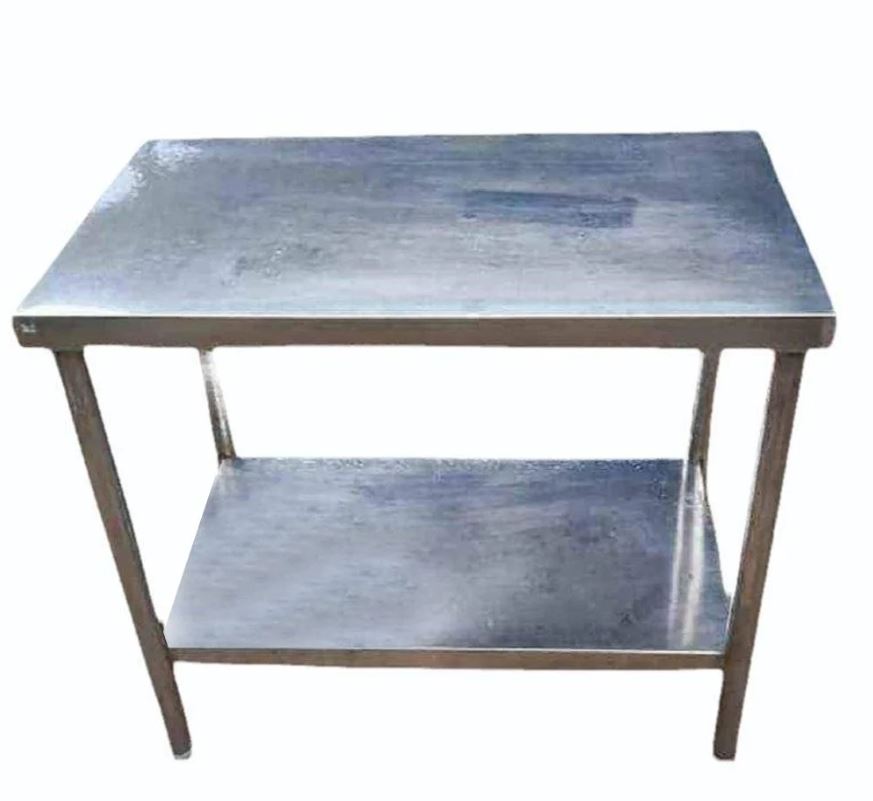
What are Buffet Tables & Sideboards?
Buffet tables and sideboards are essential furniture pieces designed to provide storage and display space in various settings. Buffet tables typically feature a flat top surface ideal for serving food, while sideboards are often used for storage with cabinets and drawers. Both serve as functional and decorative elements in dining rooms, restaurants, and event venues. They are crafted from various materials, including wood, metal, and glass, and can range in style from traditional to modern.
These furniture pieces are primarily used in hospitality and catering industries but also find applications in residential settings. In restaurants and hotels, buffet tables are crucial during meal services, allowing for efficient food presentation and easy access for guests. Sideboards, on the other hand, are often used for storing dining essentials or displaying decorative items. With the rise of event hosting and catering services, the demand for buffet tables and sideboards has increased, reflecting their importance in the market.
Industry relevance is evident as businesses continuously seek attractive and durable furniture solutions for dining and service areas. The market for buffet tables and sideboards is expanding, driven by trends in interior design and the growing hospitality sector. As businesses prioritize aesthetics and functionality, these products remain a key focus for suppliers and buyers alike.
Key Features and Specifications
Buffet tables and sideboards come with various features and specifications that cater to different business needs. When selecting these products, it is essential to understand their specifications to ensure they meet specific operational requirements.
Key specifications include:
1. Material Quality
- Typically made from wood, metal, or composite materials
- Durability and resistance to scratches and stains
2. Dimensions
- Available in various sizes to fit different spaces
- Common lengths range from 48 to 72 inches
3. Weight Capacity
- Designed to hold a significant amount of weight
- Typical weight capacity ranges from 150 to 300 pounds
4. Storage Configuration
- Comes with drawers, shelves, and cabinets for optimal organization
- Adjustable shelving options available in some models
5. Finish Options
- Available in various finishes including natural wood, painted, and laminated
- Customizable finishes to match existing decor
6. Assembly Requirements
- Some models may require assembly upon delivery
- Clear instructions provided for ease of setup
7. Style Variants
- Offered in traditional, contemporary, and rustic styles
- Ability to match different interior design themes
8. Customization Options
- Options for personalized dimensions and features
- Potential for branded finishes for commercial use
In summary, understanding the key features and specifications of buffet tables and sideboards can help businesses make informed purchasing decisions, ensuring they select the right products for their specific needs.
Common Applications and Use Cases
Buffet tables and sideboards serve diverse industries, each with unique applications that enhance operational efficiency.
1. Hospitality: In hotels and restaurants, buffet tables are utilized for meal presentations, allowing guests to serve themselves in a streamlined manner. Sideboards are often used to store cutlery and dining essentials.
2. Catering: Catering companies rely on buffet tables to create visually appealing food displays at events. Sideboards provide additional storage for serving utensils and display items.
3. Corporate Events: Businesses use buffet tables for conferences and corporate gatherings, facilitating meal service and networking opportunities. Sideboards can be used for displaying promotional materials or refreshments.
4. Residential: Homeowners use buffet tables and sideboards in dining areas for both functional and decorative purposes, enhancing the overall dining experience.
5. Retail: In retail environments, buffet tables can showcase products, while sideboards provide storage for inventory or display items.
6. Educational Institutions: Schools and universities employ buffet tables for cafeteria settings, streamlining meal service. Sideboards may be used in faculty lounges for storage.
7. Event Venues: Banquet halls and event spaces utilize these furniture pieces to accommodate large gatherings, ensuring that food service is efficient and organized.
Product Variants and Subcategories
Buffet tables and sideboards come in various styles and configurations, providing flexibility to meet different needs.
Traditional Buffet Table
This variant features classic design elements, often made from solid wood. It offers ample storage with cabinets and drawers, making it ideal for formal dining settings.
Modern Sideboard
A sleek and contemporary option, the modern sideboard is designed with clean lines and minimalistic features. It is perfect for open spaces and can serve as a decorative focal point.
Rustic Buffet Table
This variant emphasizes a natural wood finish, often with distressed elements. It is suitable for casual dining environments and adds warmth to the space.
Multi-Functional Sideboard
This versatile option combines storage and display capabilities, often featuring adjustable shelves. It is ideal for homes or businesses that require flexible use of space.
Benefits and Advantages
Buffet tables and sideboards offer several benefits that enhance their appeal for businesses and consumers alike.
1. Space Optimization: These furniture pieces maximize space in dining and service areas, providing both storage and display options.
2. Aesthetic Appeal: Available in various styles and finishes, they enhance the visual appeal of dining environments, contributing to the overall ambiance.
3. Functional Versatility: Buffet tables and sideboards are suitable for multiple applications, from serving food to storing essential items.
4. Durability: Crafted from high-quality materials, they are built to withstand frequent use in commercial settings.
5. Customization: Many suppliers offer customization options, allowing businesses to tailor products to their specific needs and branding.
6. Efficient Service: Buffet tables streamline meal service, improving efficiency during events and gatherings.
Buying Guide for B2B Buyers
When sourcing buffet tables and sideboards, several factors should be considered to ensure the best purchasing decision.
1. Quality Assessment: Evaluate the materials and construction methods used to ensure durability and longevity. Look for products that withstand the rigors of commercial use.
2. Supplier Verification: Research potential suppliers to confirm their credibility and reputation in the market. Verify their experience and customer feedback.
3. Pricing and MOQ: Understand the pricing structures and minimum order quantities required by suppliers. Compare prices to find cost-effective options.
4. Delivery and Lead Times: Confirm delivery schedules and lead times to ensure timely acquisition of products. Factor in logistics when planning orders.
5. Compliance Requirements: Be aware of any industry regulations or safety standards that apply. Ensure that products meet necessary compliance certifications.
Compliance and Certifications
Buffet tables and sideboards must adhere to several quality standards and certifications that ensure safety and reliability in various applications.
ISO 9001 is a widely recognized standard that addresses quality management systems. Products that meet this standard demonstrate a commitment to quality and continuous improvement.
HACCP (Hazard Analysis Critical Control Point) is essential for catering and food service equipment. Compliance ensures that products are designed to maintain safety and hygiene in food handling.
CE certification is crucial for products sold in European markets, indicating compliance with health, safety, and environmental protection standards.
Safety and testing requirements should be considered, particularly in environments where furniture may be subjected to heavy use. This includes stability tests and material safety assessments.
Regional compliance considerations may vary, so it is important to understand specific regulations applicable in different markets. This includes local furniture safety standards and environmental regulations.
Why Source Buffet Tables & Sideboards from Pepagora?
Pepagora provides a trusted platform for sourcing buffet tables and sideboards, offering numerous advantages to B2B buyers.
Verified Supplier Network: Pepagora connects buyers with a network of verified suppliers, ensuring that all listed products meet quality standards. This verification process helps mitigate risks associated with sourcing.
Streamlined RFQ Process: The platform facilitates a straightforward request for quotation (RFQ) process, allowing buyers to submit inquiries and receive competitive quotes from multiple suppliers efficiently.
Trade Assurance and Support: Buyers benefit from trade assurance, which protects their transactions and provides support throughout the sourcing process. This builds confidence in purchasing decisions.
Regional Coverage: With a focus on markets in India, the GCC, and Southeast Asia, Pepagora offers extensive regional coverage, making it easier for businesses to find suitable suppliers in their local areas.
This comprehensive approach ensures that buyers can source high-quality buffet tables and sideboards tailored to their specific needs while benefiting from a reliable sourcing experience.

 IN
IN