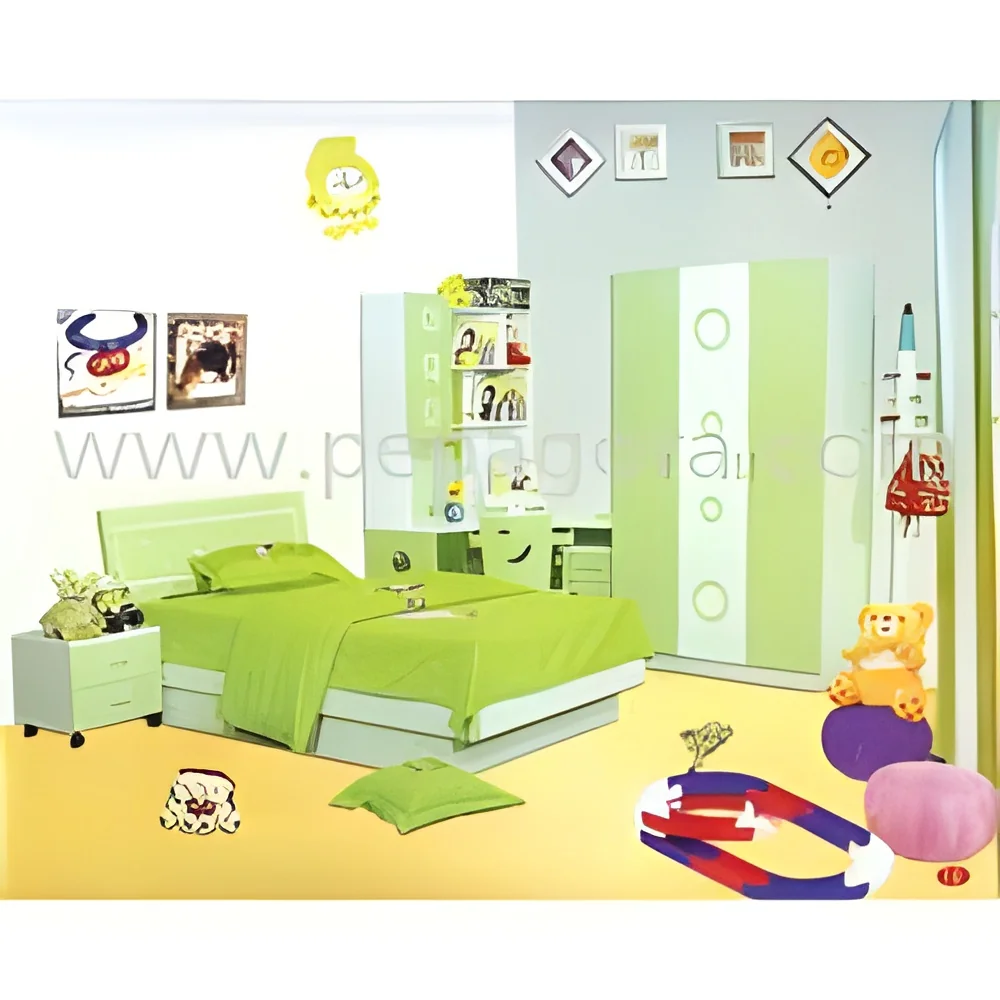
What are Children Furniture?
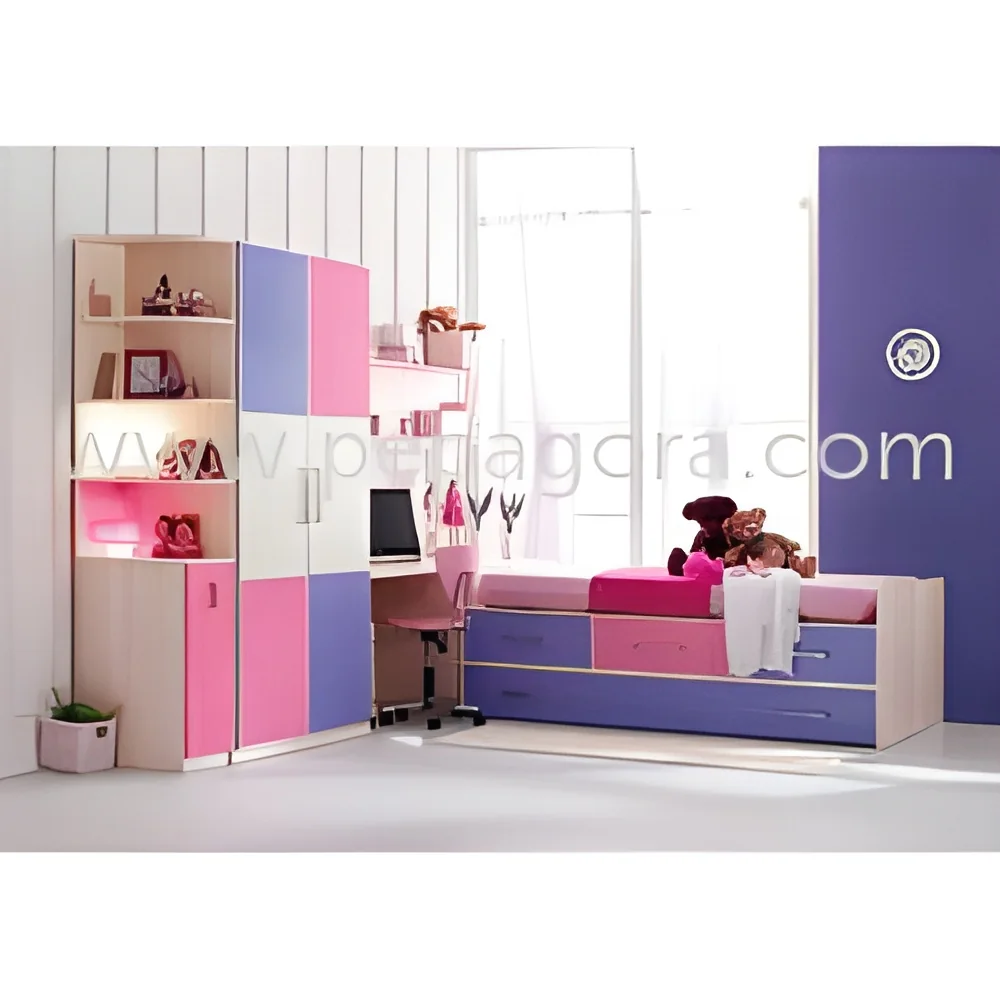
Children furniture refers to a specialized category of furniture designed specifically for kids. This type of furniture is typically scaled down in size to accommodate the needs and safety of children. It includes a range of items such as beds, chairs, tables, desks, and storage solutions, all crafted with child-friendly materials and design aesthetics. The primary goal is to create functional, safe, and appealing environments for children to play, learn, and grow.
In terms of business applications, children furniture is widely utilized in various sectors including schools, daycare centers, and homes. These environments require furniture that not only meets safety standards but also fosters creativity and comfort for children. As the demand for quality children furniture rises, manufacturers are focusing on innovative designs and sustainable materials, ensuring that products are not only functional but also environmentally responsible. This growing market is significant, reflecting broader trends in child development and educational practices.
Key Features and Specifications
Children furniture is characterized by several important features that enhance its usability and safety. Understanding these specifications is crucial for B2B buyers looking to invest in furniture for children.
Key specifications include:
1. Safety Standards
- Furniture must meet specific safety regulations to prevent accidents and injuries.
- Compliance with standards such as CE and other regional requirements.
2. Material Quality
- Use of non-toxic, durable materials that can withstand wear and tear.
- Common materials include hardwood, MDF, and eco-friendly composites.
3. Size Dimensions
- Designed to fit the average height and weight of children.
- Bed heights, chair seat heights, and table dimensions tailored for kids.
4. Weight Capacity
- Furniture should support a certain weight limit to ensure durability.
- Typically, weight capacities range from 50 to 150 pounds depending on the item.
5. Design Variety
- Available in various colors, themes, and styles to suit different preferences.
- Options for customizable designs to match specific branding or educational themes.
6. Ergonomics
- Furniture is designed to support proper posture during use.
- Focus on features like rounded edges and adjustable components.
7. Storage Solutions
- Integrated storage options to help manage toys, books, and supplies.
- Features like built-in shelves, drawers, or bins.
8. Easy Assembly
- Furniture should be designed for quick and simple assembly.
- Clear instructions and included tools for hassle-free setup.
In summary, children furniture is not only about aesthetics but also about ensuring safety, functionality, and comfort for young users. Selecting the right specifications is essential for creating effective learning and living environments.
Common Applications and Use Cases
Children furniture plays a vital role across various industries by addressing the specific needs of young users.
1. Education Sector: Schools and daycare centers require durable and safe furniture to create conducive learning environments. Desks and chairs must support children’s activities while being adjustable for different age groups.
2. Home Environments: Parents seek children furniture for playrooms and bedrooms that combine safety with style. A well-designed space enhances creativity and comfort for children at home.
3. Hospitality Industry: Hotels and resorts often provide family-friendly accommodations. Children furniture in these settings ensures that young guests have appropriate sleeping and playing arrangements.
4. Healthcare Facilities: Pediatric hospitals and clinics use children furniture to create welcoming spaces. Child-sized furniture can help ease anxiety during medical visits and promote a comforting atmosphere.
5. Retail Stores: Stores that focus on children’s products often incorporate themed furniture to enhance the shopping experience. It creates an engaging environment that attracts both children and parents.
6. Community Centers: Local community spaces use children furniture for activities and programs designed for youth. This furniture needs to be versatile and adaptable to different uses.
7. Childcare Services: Nanny and babysitting services require practical solutions for temporary child care settings. Portable and easily stored furniture options are particularly valuable.
Product Variants and Subcategories
Children furniture encompasses a variety of products to meet diverse needs and preferences. While specific subcategories are not available, common variants include:
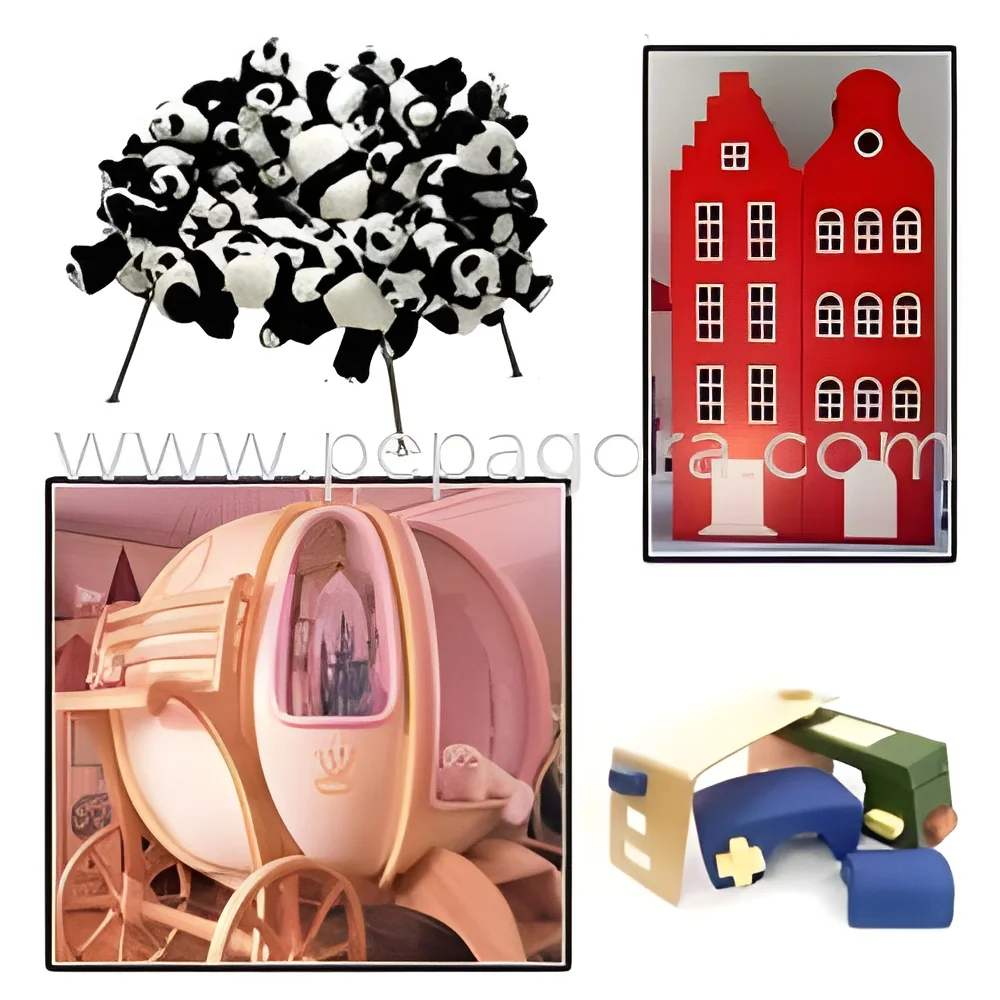
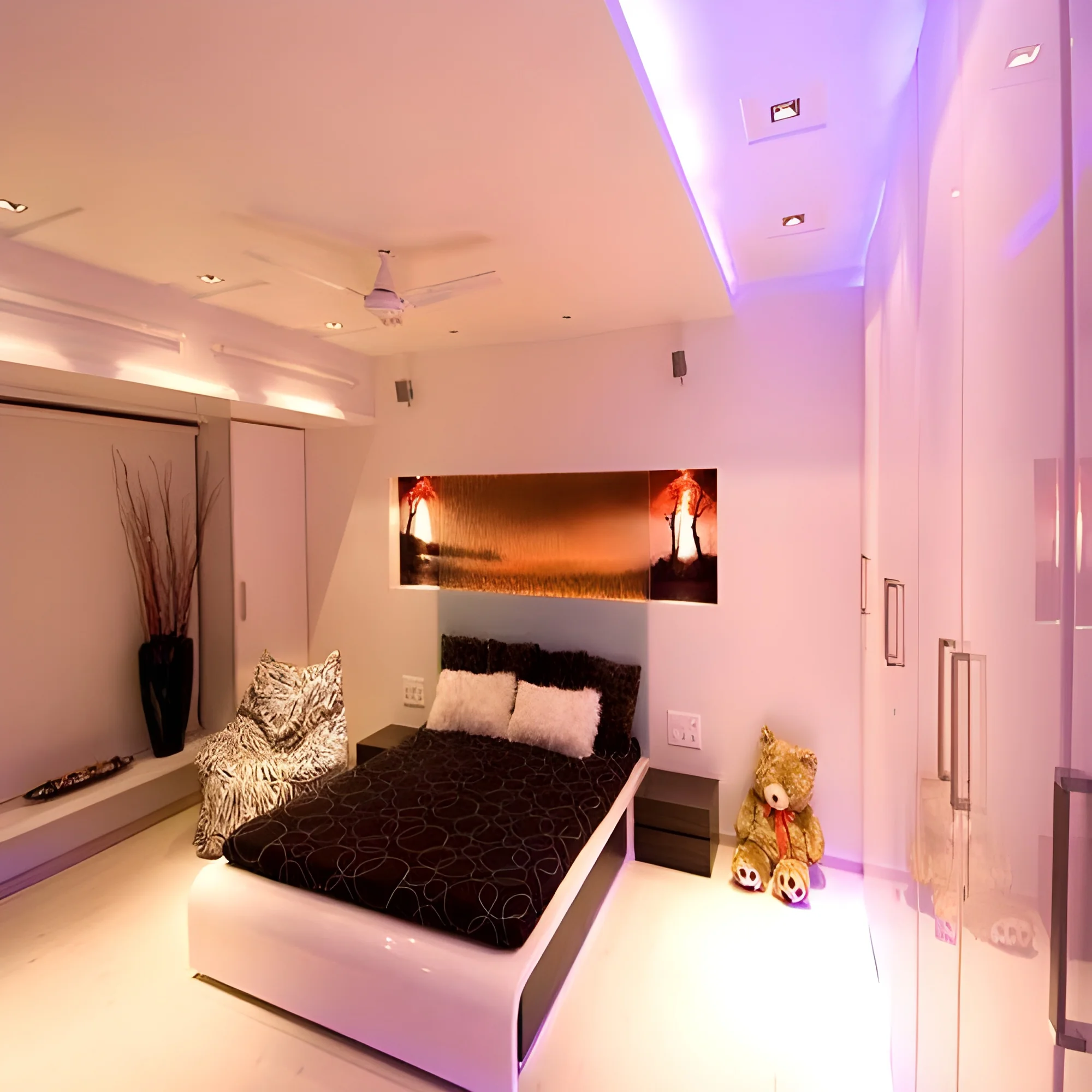
Beds: These are designed to provide safe sleeping spaces for children. Options may include bunk beds, loft beds, and themed beds, all made with sturdy materials and safety features.
Desks: Children’s desks are tailored for homework and activities. They often have adjustable heights and come with storage options to keep supplies organized.
Chairs: Child-sized chairs are available in various designs, including bean bags, swivel chairs, and classic wooden styles. These chairs provide comfort and support during study or play.
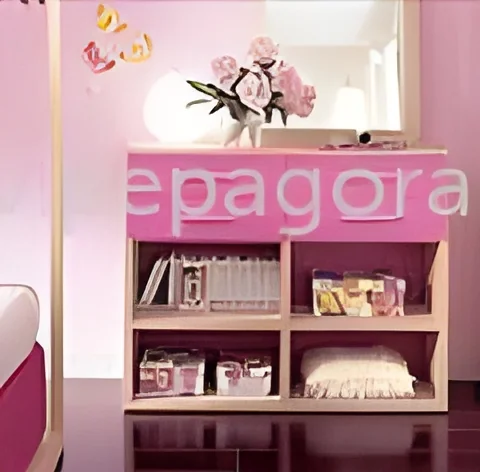
Storage Units: Storage solutions include bookcases, toy chests, and modular shelving. These units help maintain organized spaces for children’s belongings.
Benefits and Advantages
Investing in children furniture offers numerous advantages for businesses and consumers alike.
Key benefits include:
1. Enhanced Safety: Children furniture is designed with safety features to minimize risks of injury. Rounded edges and sturdy construction are standard, providing peace of mind for parents and educators.
2. Improved Functionality: Designed specifically for children, this furniture promotes better use of space and encourages organized play and learning.
3. Aesthetic Appeal: A wide range of designs and colors makes it easy to create attractive environments that appeal to children. This can enhance learning and engagement.
4. Durability: Quality materials ensure that children furniture withstands the daily wear and tear associated with active use. This leads to lower replacement costs over time.
5. Customization Options: Many manufacturers offer customizable designs, allowing buyers to tailor furniture to specific educational themes or personal preferences.
6. Positive Development: Well-designed furniture fosters better posture and comfort, which can positively impact children’s physical development and learning experiences.
Buying Guide for B2B Buyers
When sourcing children furniture, there are several important factors to consider to make informed purchasing decisions.
1. Quality Assessment: Evaluate materials and construction to ensure durability and safety compliance. Look for certifications that indicate adherence to industry standards.
2. Supplier Verification: Conduct thorough background checks on suppliers to verify their reputation and reliability. Request references and reviews from other businesses.
3. Pricing and MOQ: Understand the pricing structure and minimum order quantities associated with different suppliers. This helps in budgeting and ensuring cost-effectiveness.
4. Delivery and Lead Times: Discuss logistics to determine delivery schedules and lead times. Timely delivery is crucial for businesses with specific project timelines.
5. Compliance Requirements: Familiarize yourself with relevant safety and quality standards in your region. Ensure that the furniture meets local regulations to avoid legal complications.
Compliance and Certifications
Compliance with industry standards is essential for ensuring the safety and quality of children furniture.
Relevant quality standards include ISO 9001, which focuses on maintaining quality management systems. This standard helps manufacturers ensure consistent product quality and safety.
Certifications such as CE indicate that the furniture meets European safety standards, providing assurance to buyers about the product's safety for children.
Safety testing requirements often involve rigorous assessments to ensure that the furniture can withstand everyday use and is free of harmful chemicals.
Additionally, regional compliance considerations may vary, so it is important for manufacturers to stay updated on local regulations and compliance needs to ensure their products are market-ready.
Why Source Children Furniture from Pepagora?
Pepagora provides a trusted platform for sourcing children furniture, offering several key advantages that benefit B2B buyers.
Verified Supplier Network: Pepagora connects buyers with a network of verified suppliers who have undergone rigorous checks to ensure reliability and product quality. This reduces the risks associated with sourcing.
Streamlined RFQ Process: The platform facilitates a simple Request for Quotation (RFQ) process. Buyers can easily submit their requirements and receive competitive quotes from multiple suppliers, saving time and effort.
Trade Assurance and Support: Pepagora offers trade assurance programs that protect buyers during transactions. This support includes dispute resolution and guarantees, ensuring buyer confidence in their purchases.
Regional Coverage: With a strong presence in markets across India, the GCC, and Southeast Asia, Pepagora ensures that buyers have access to a wide range of children furniture options tailored to their specific regional needs. This broad geographic reach enhances the ability to source products effectively.

 IN
IN