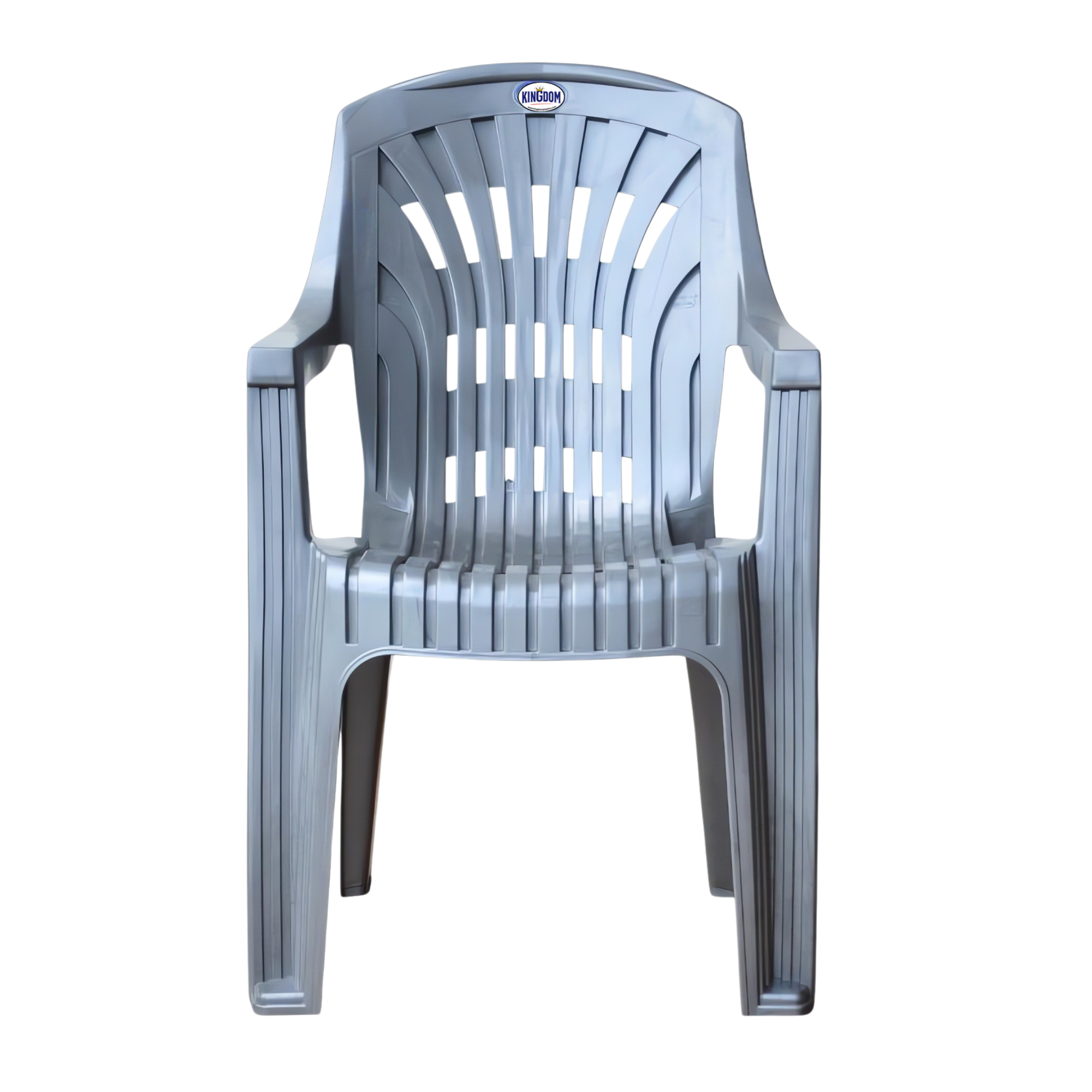
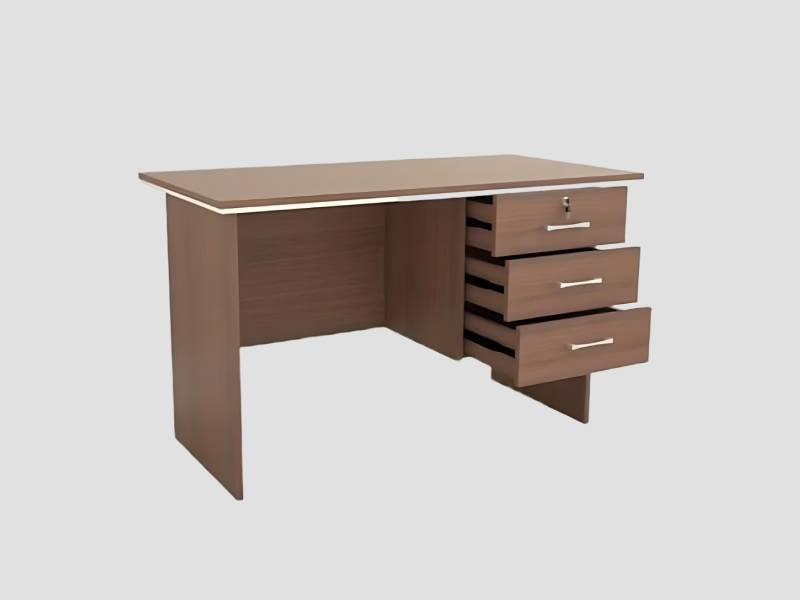
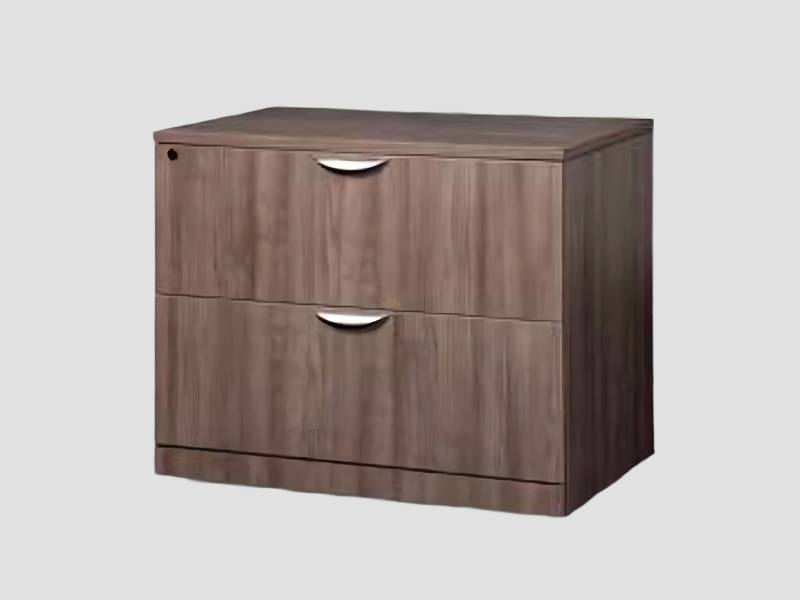
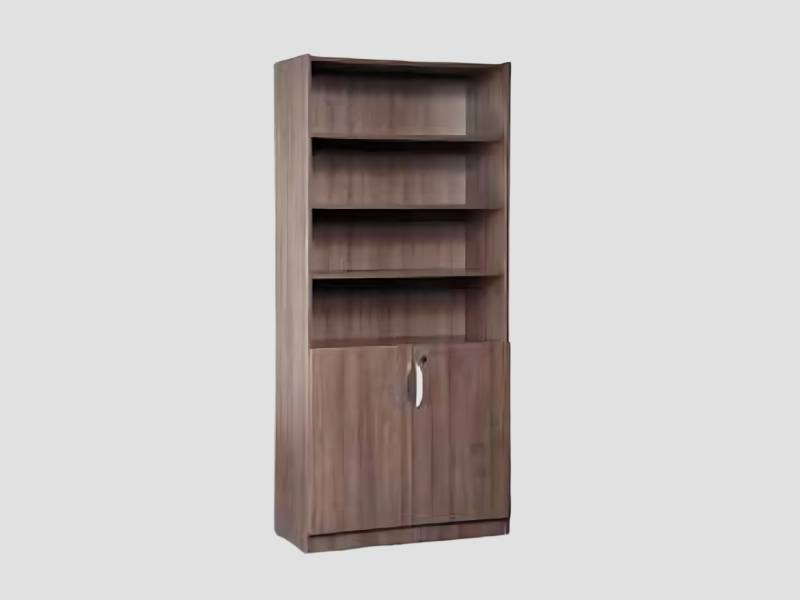
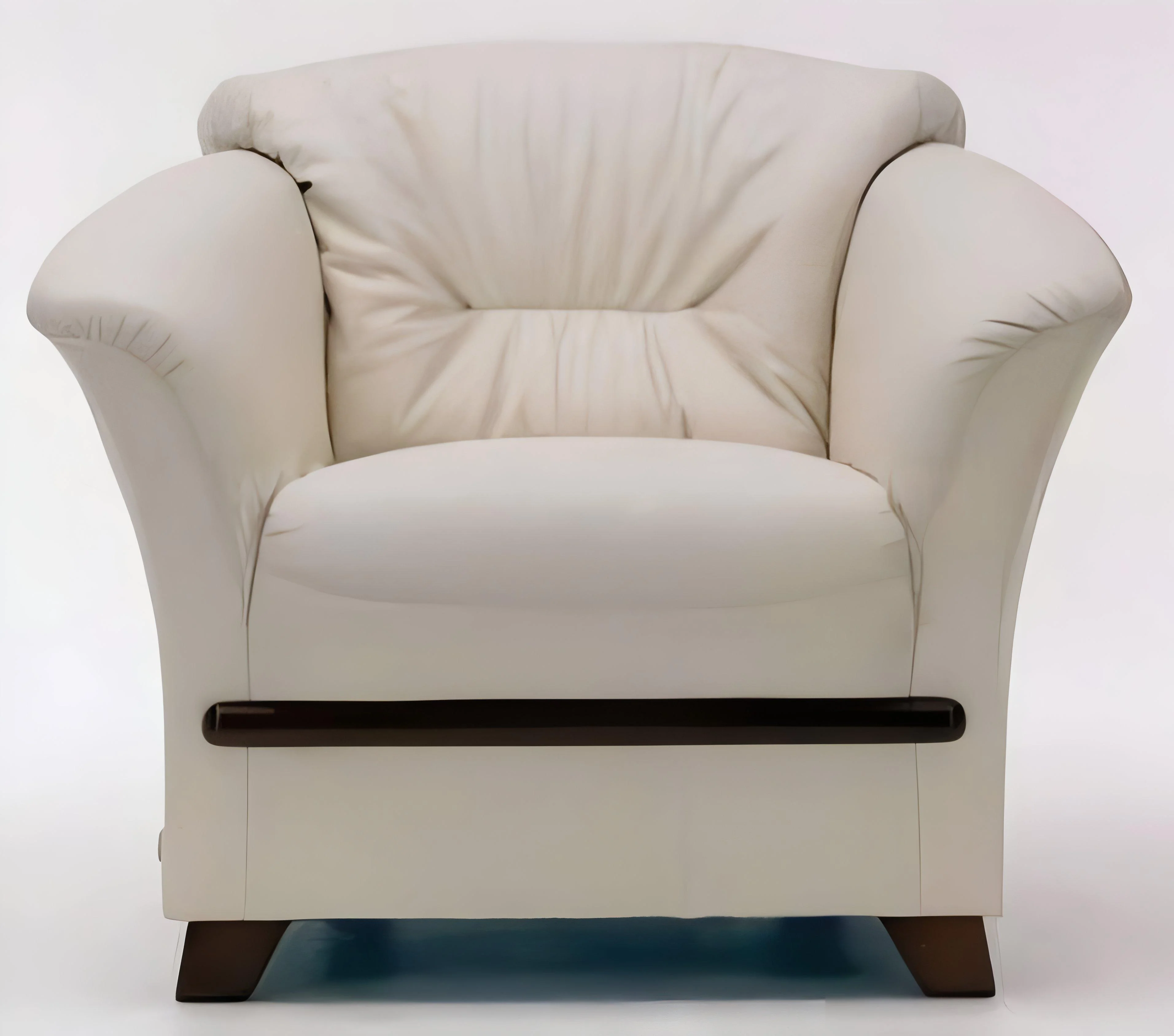
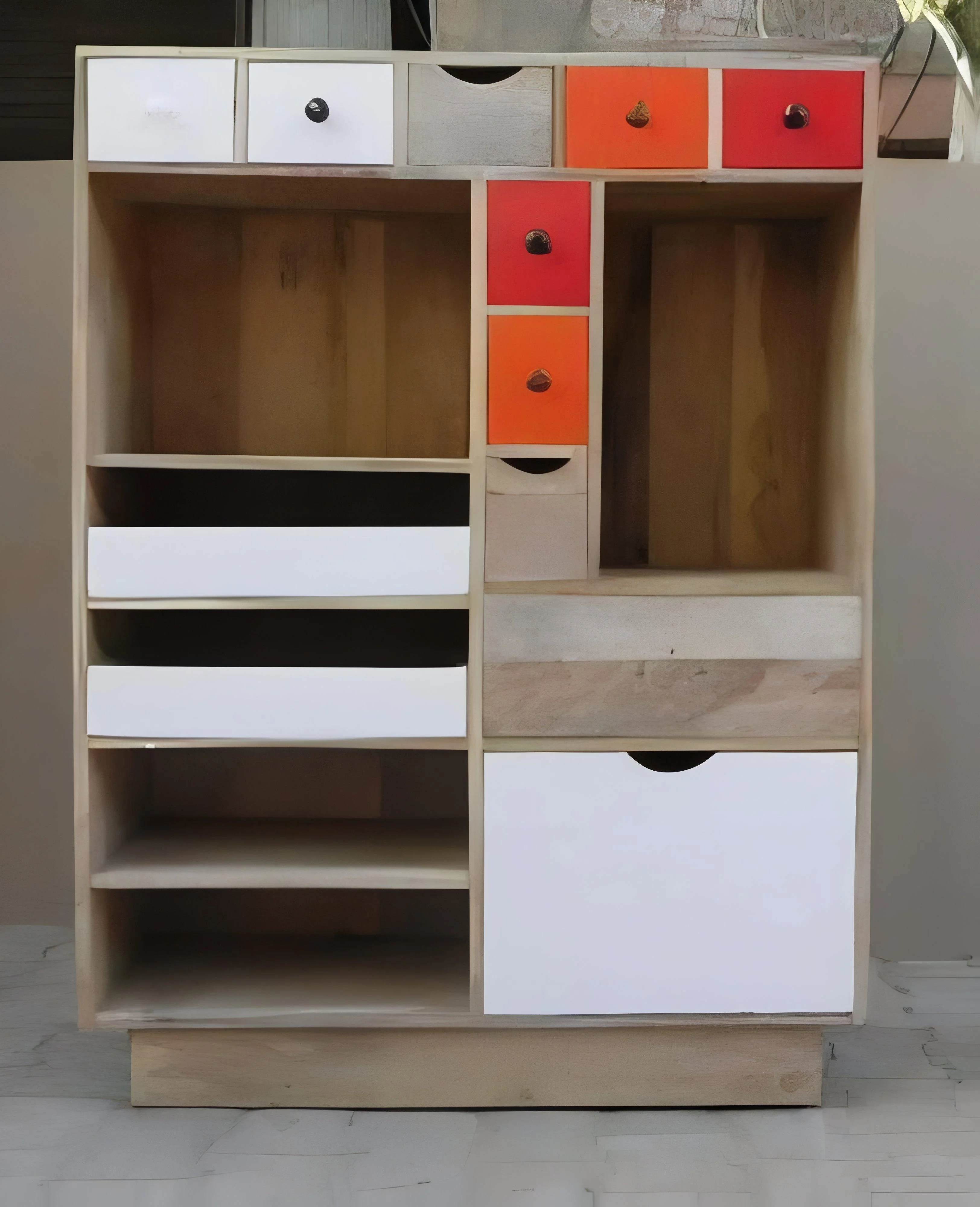
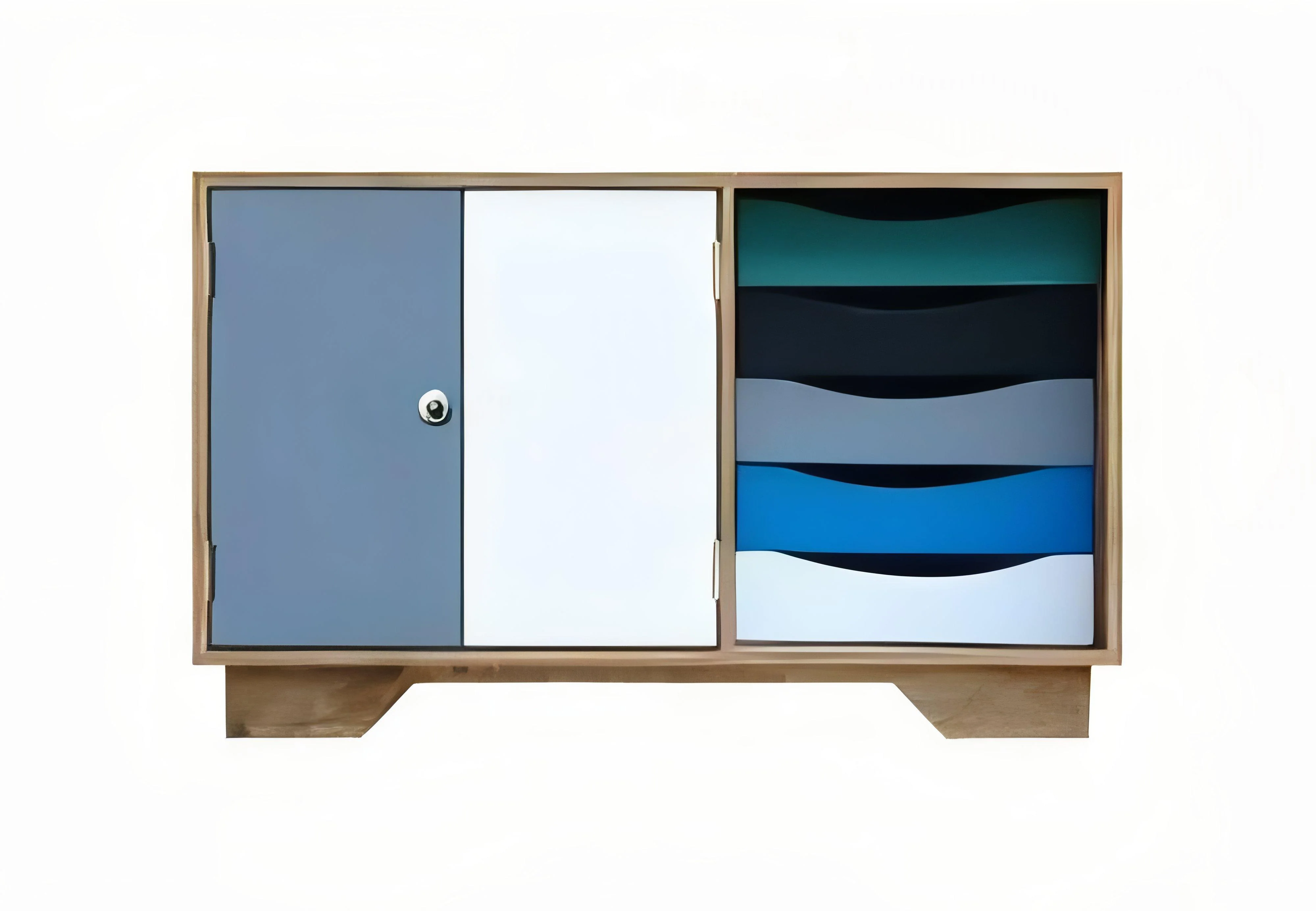
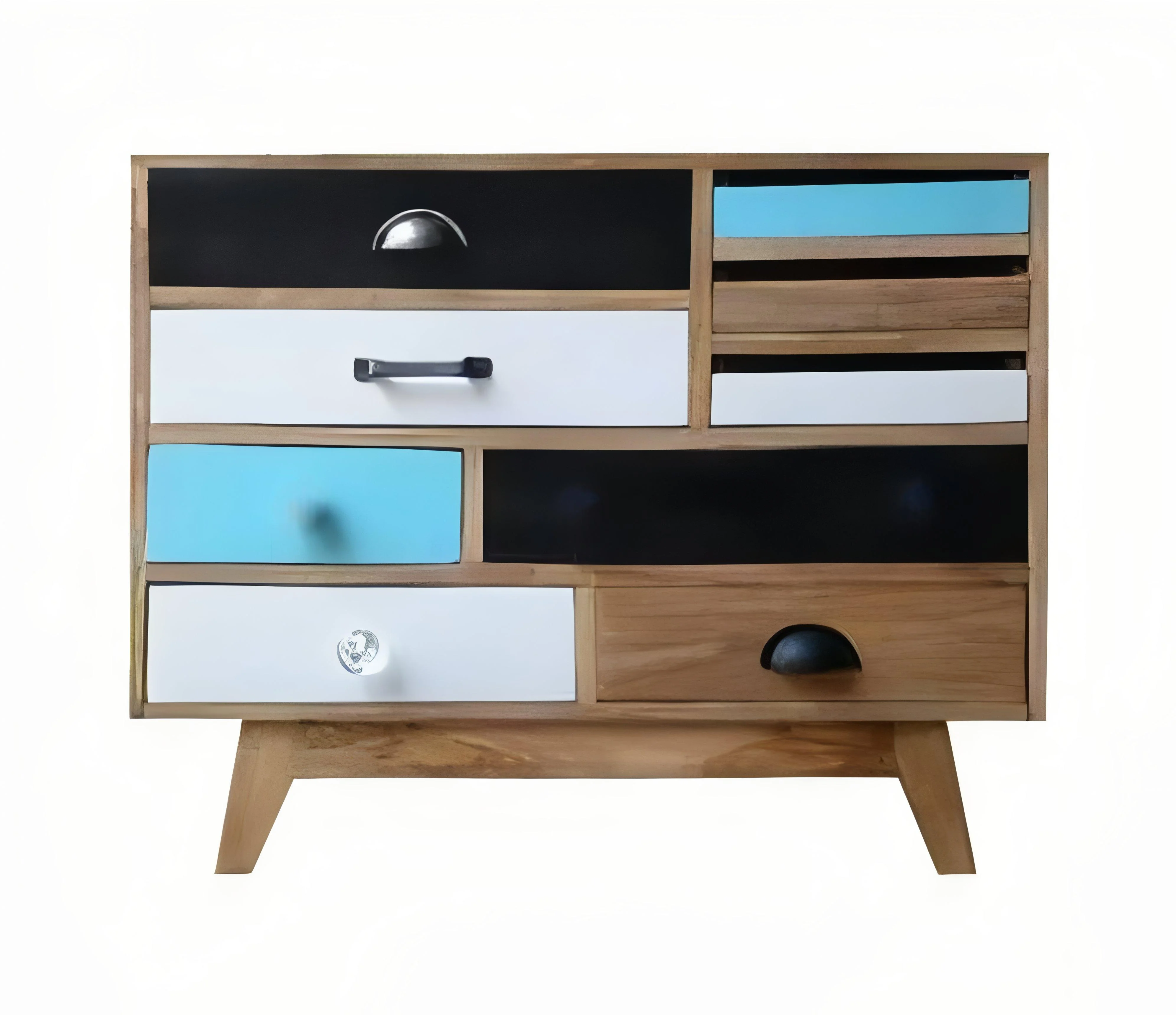
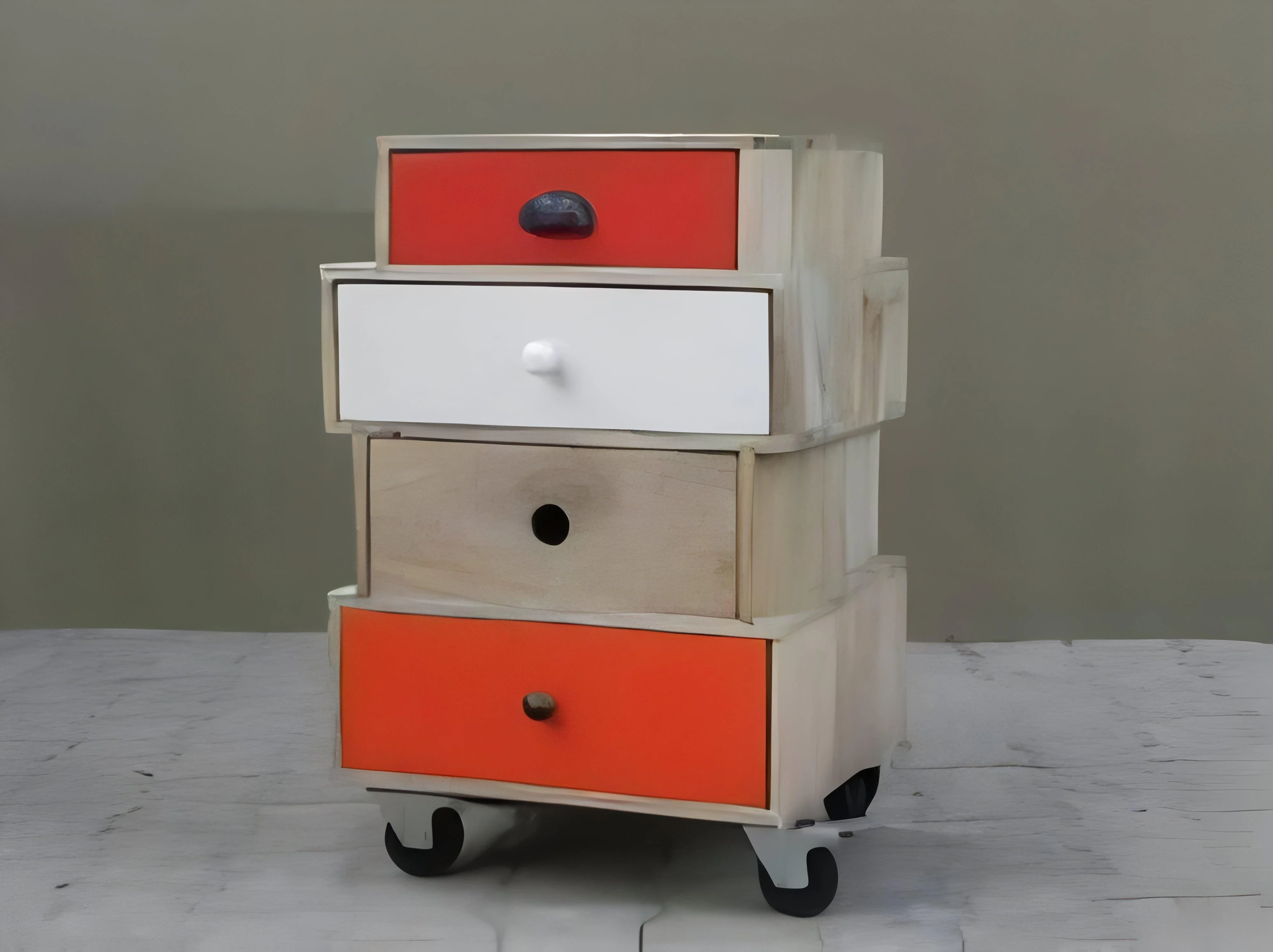
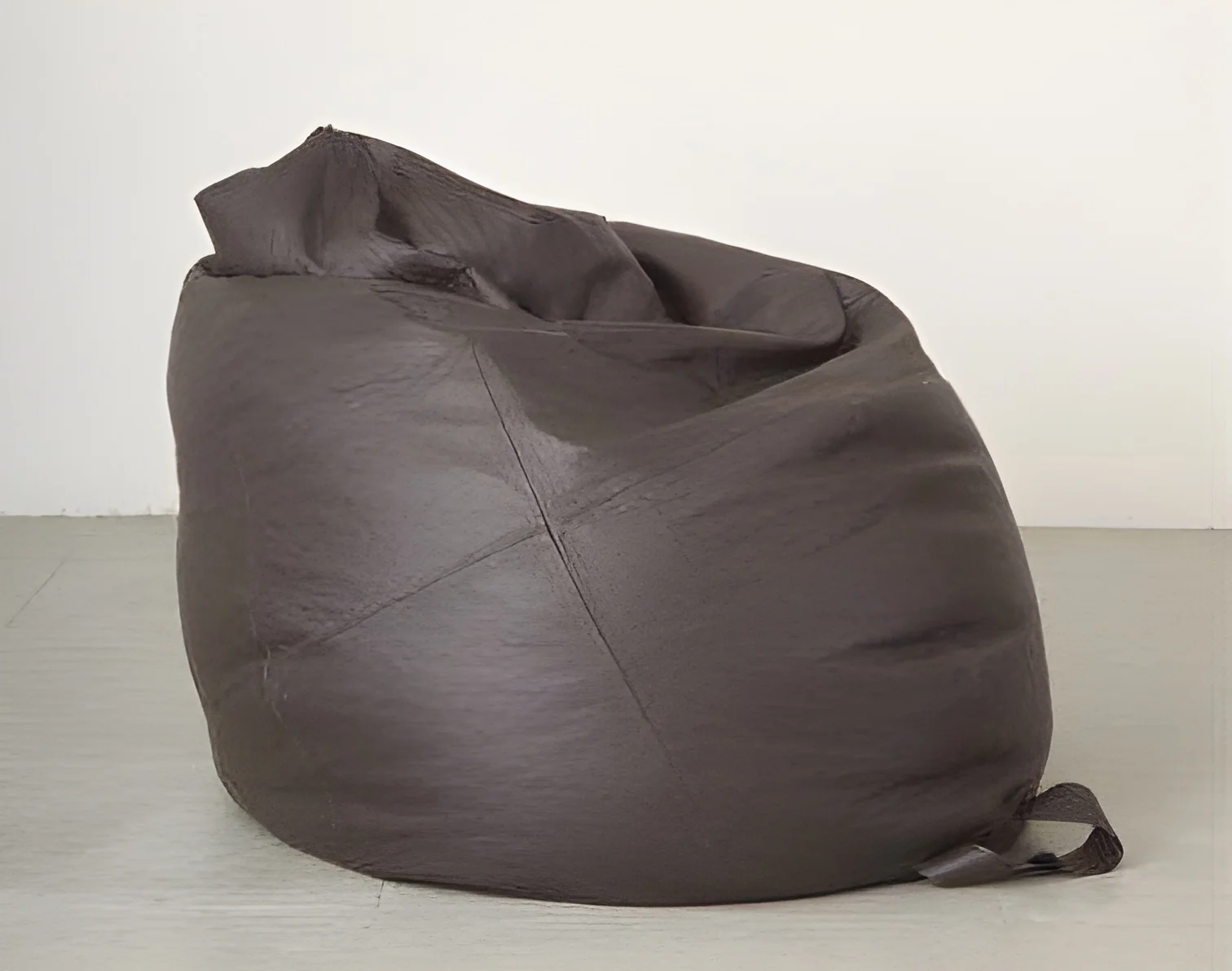
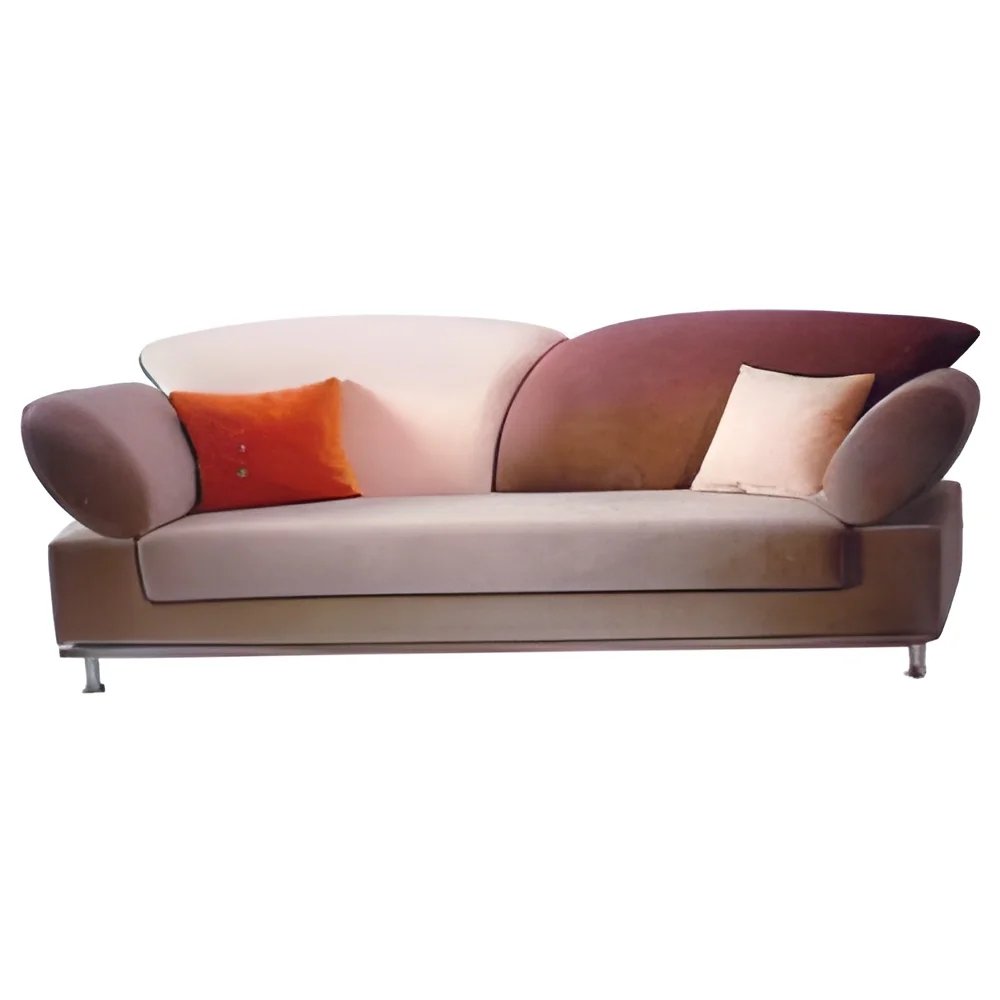
What are Living Room Furniture?
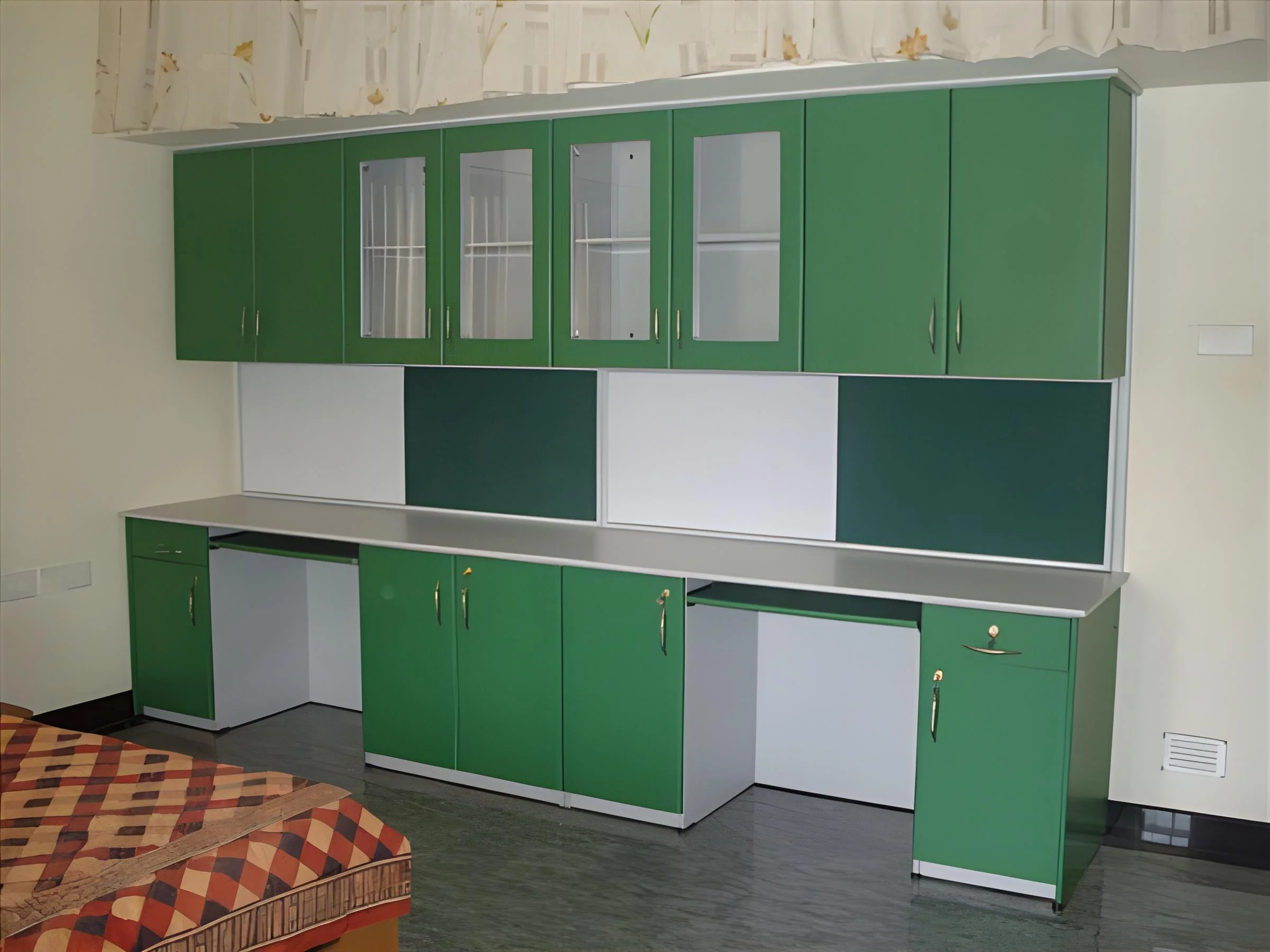
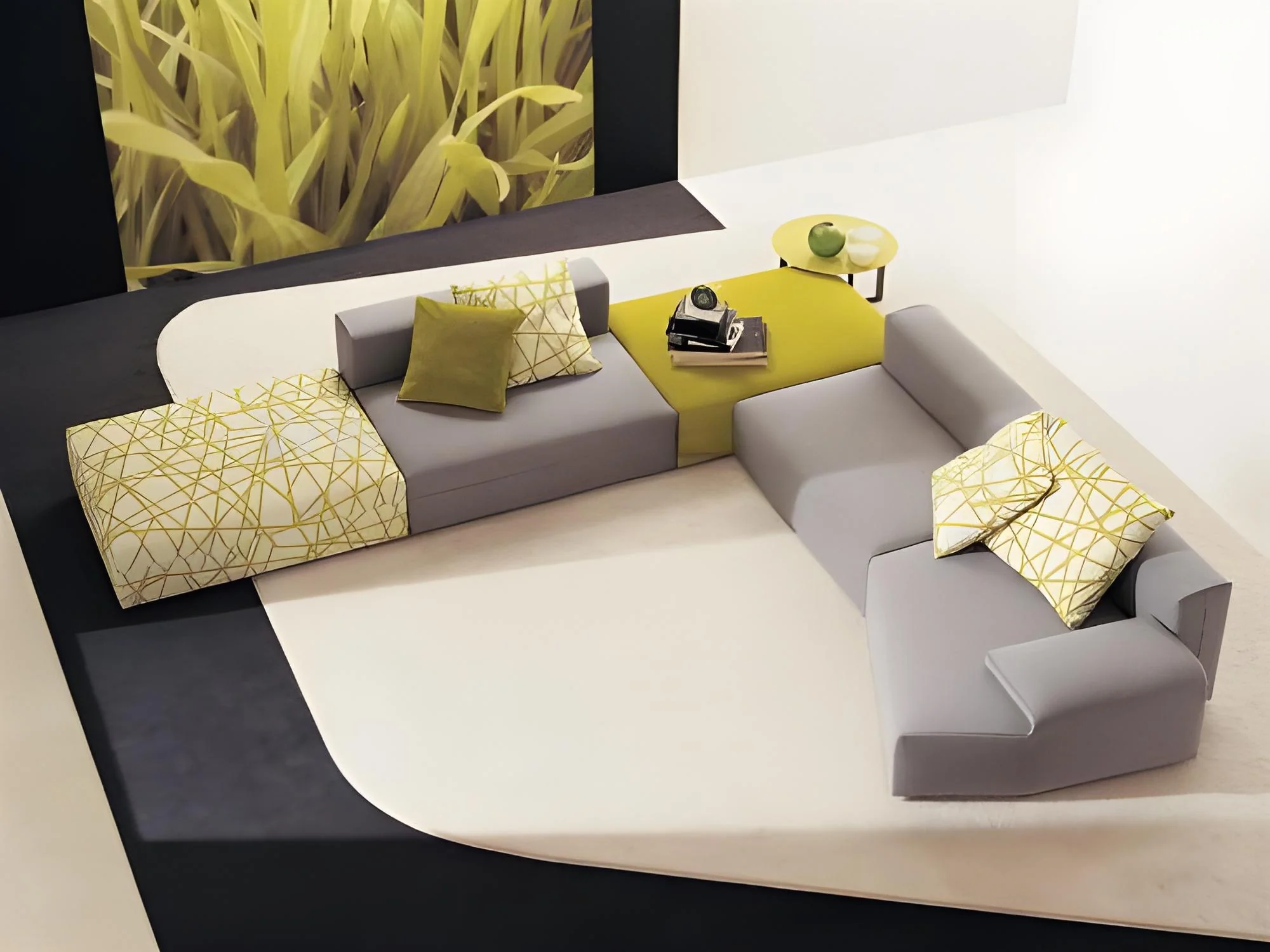
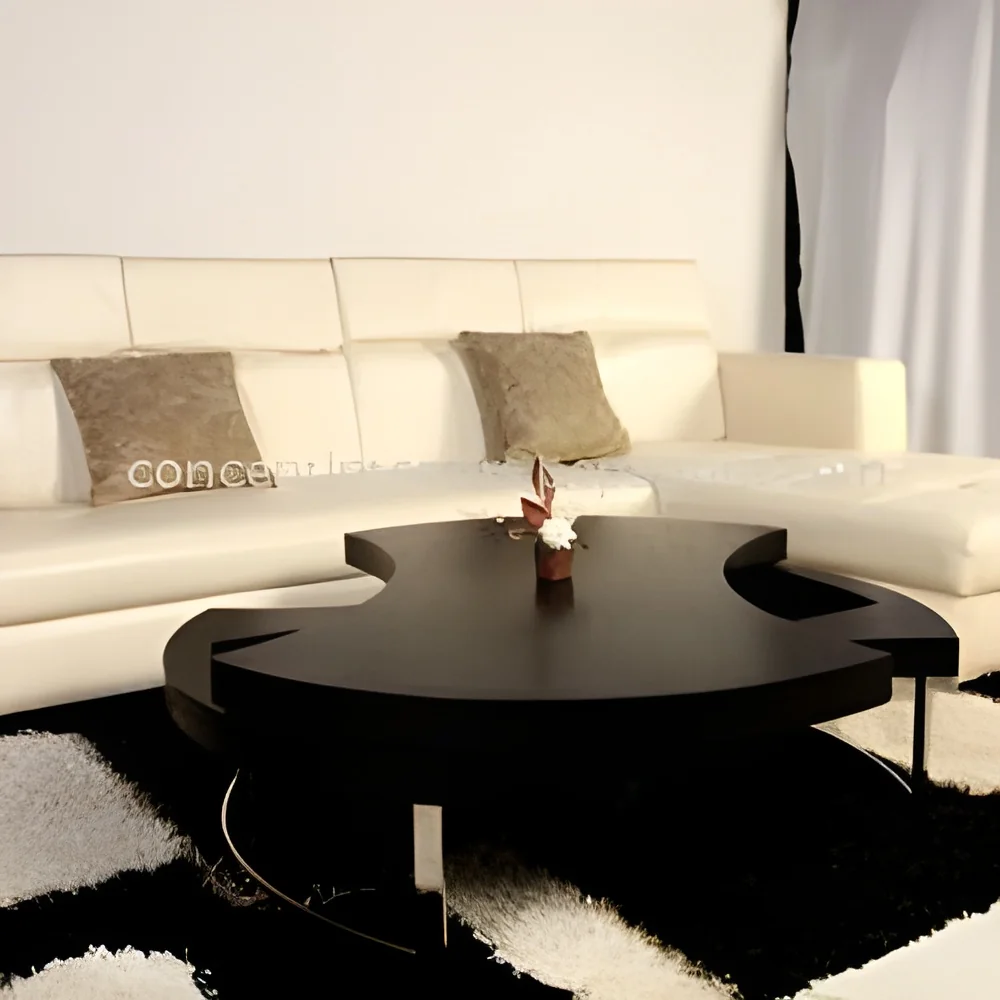
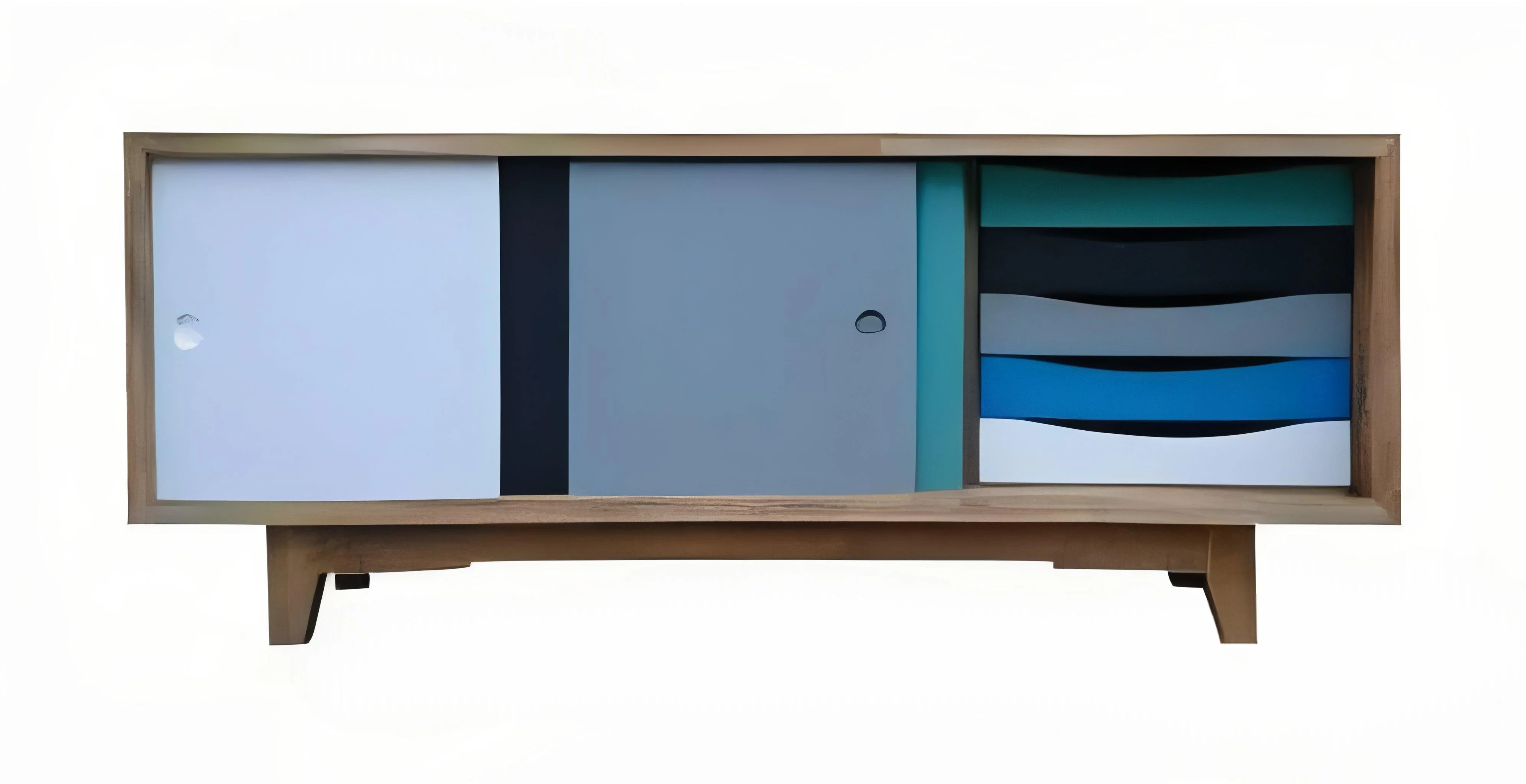
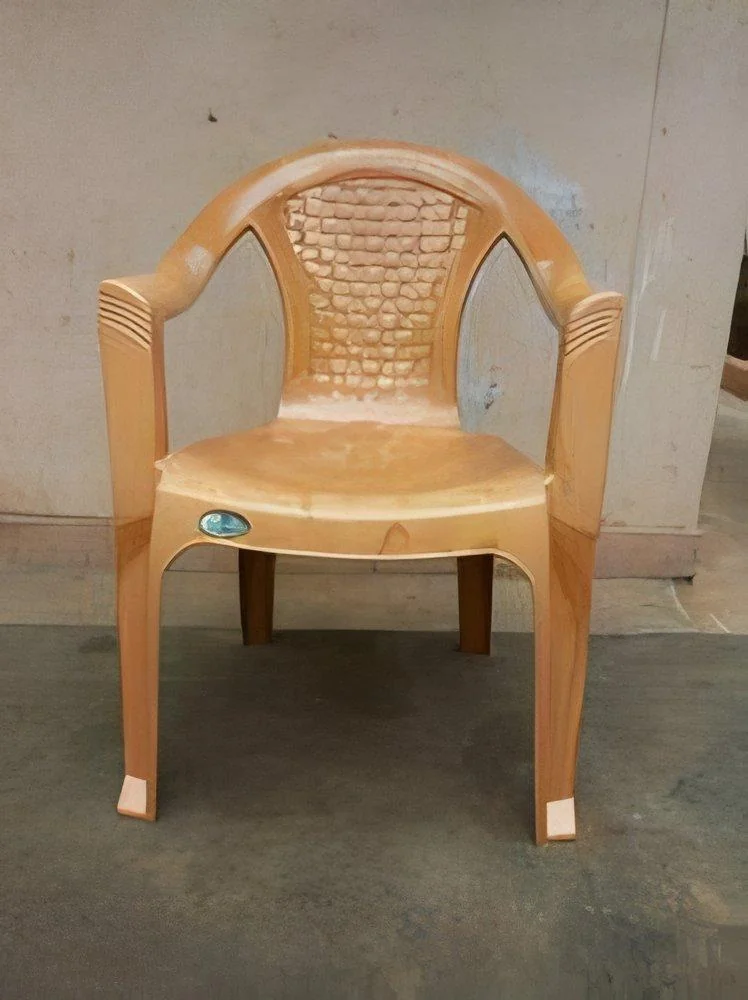
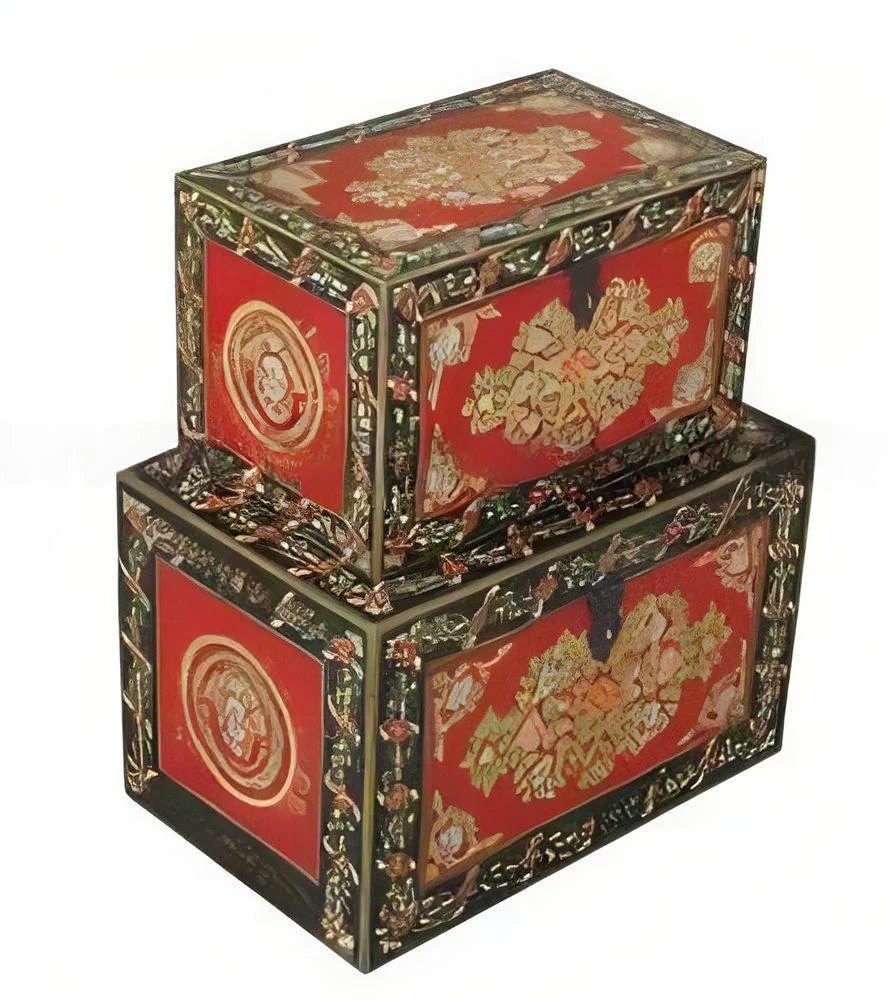
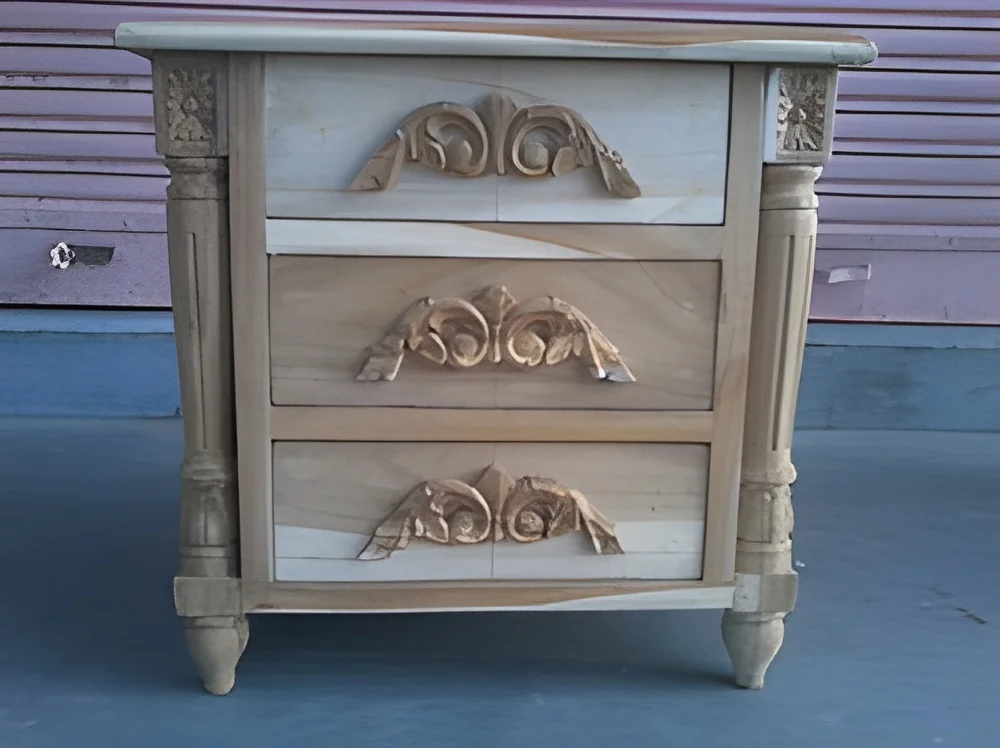
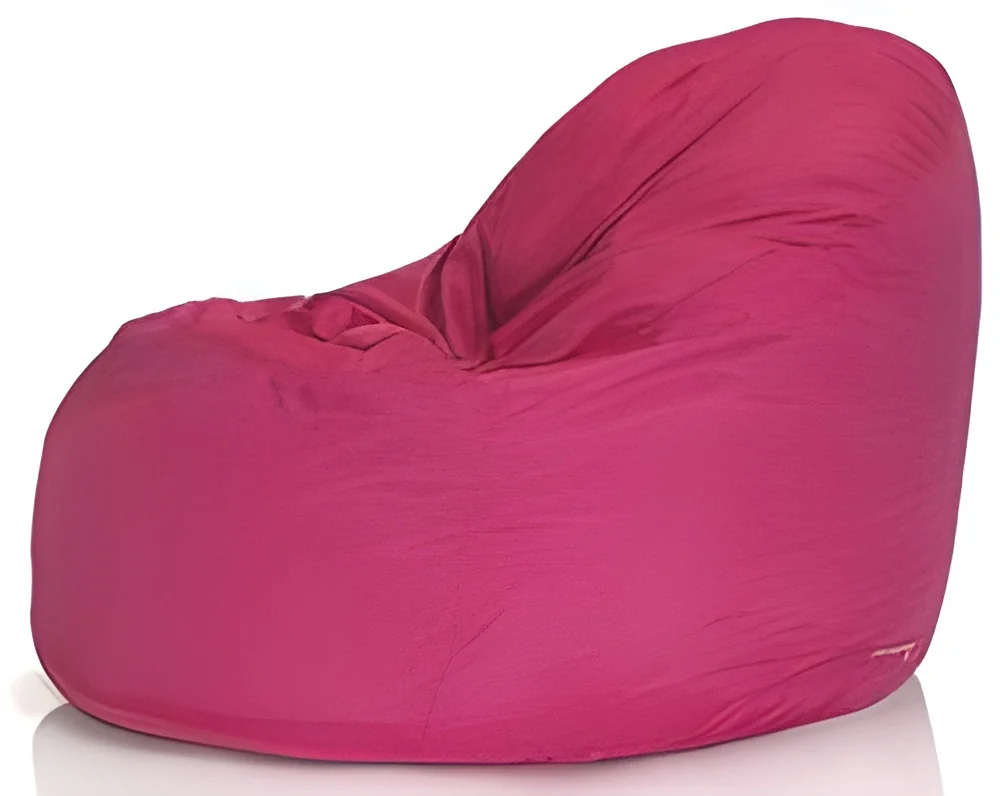
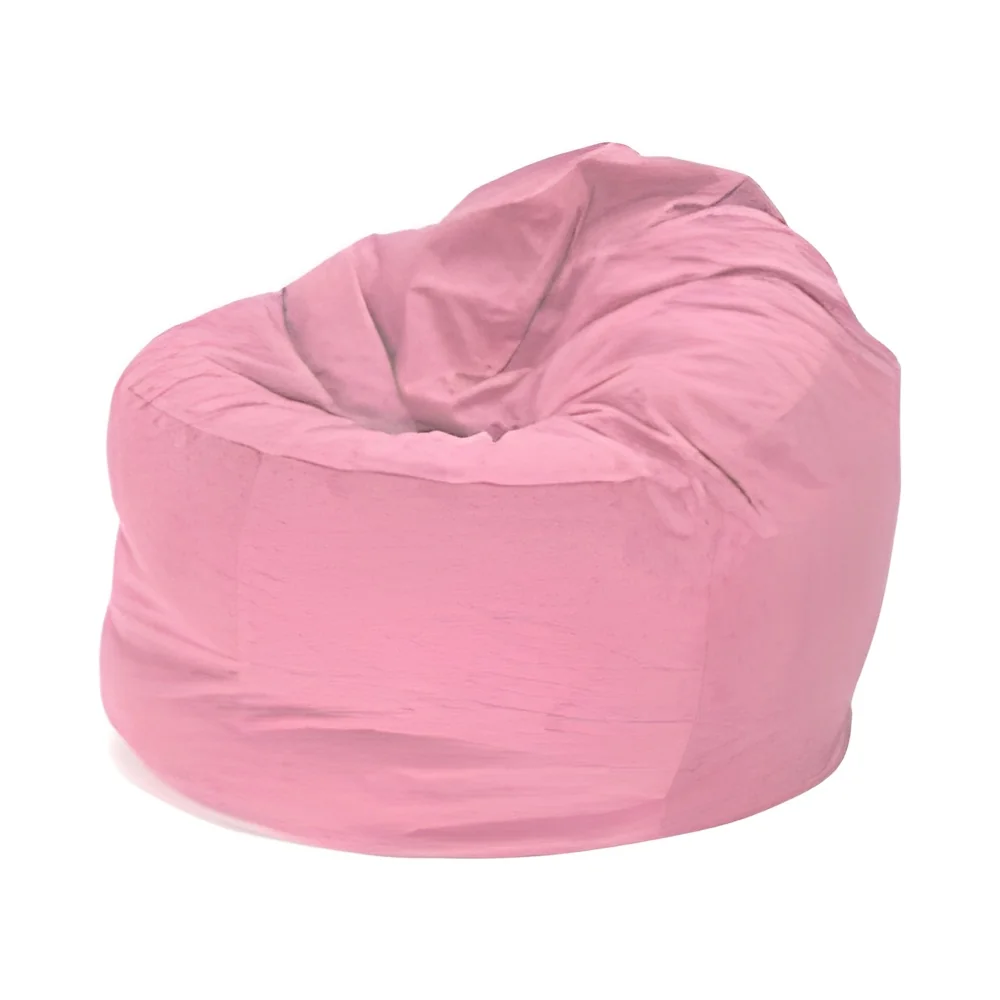
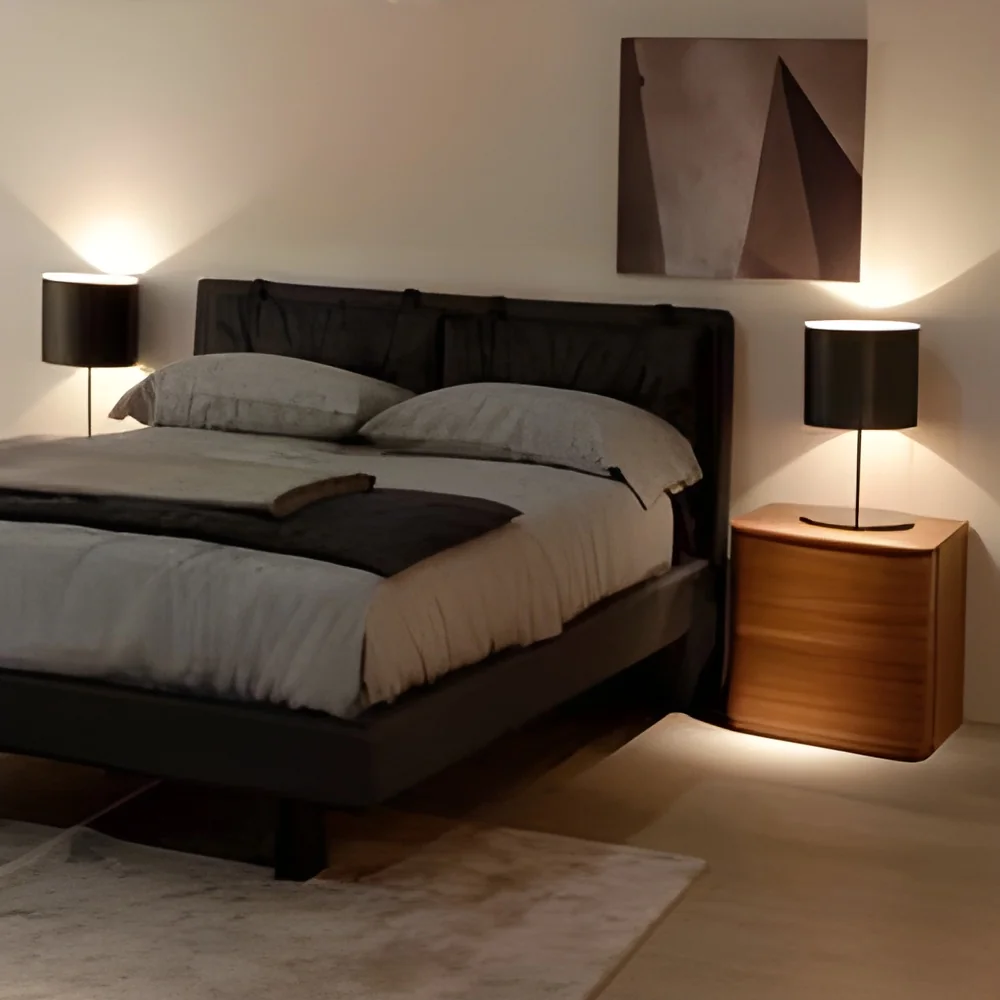
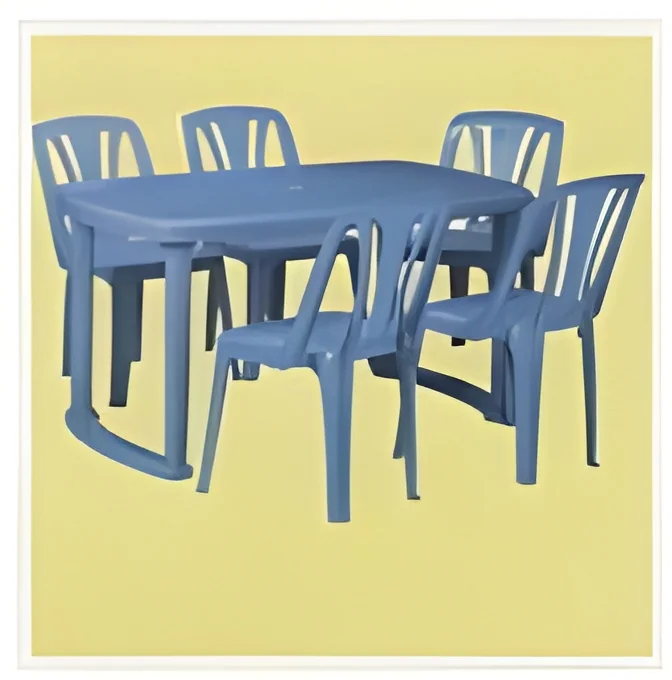
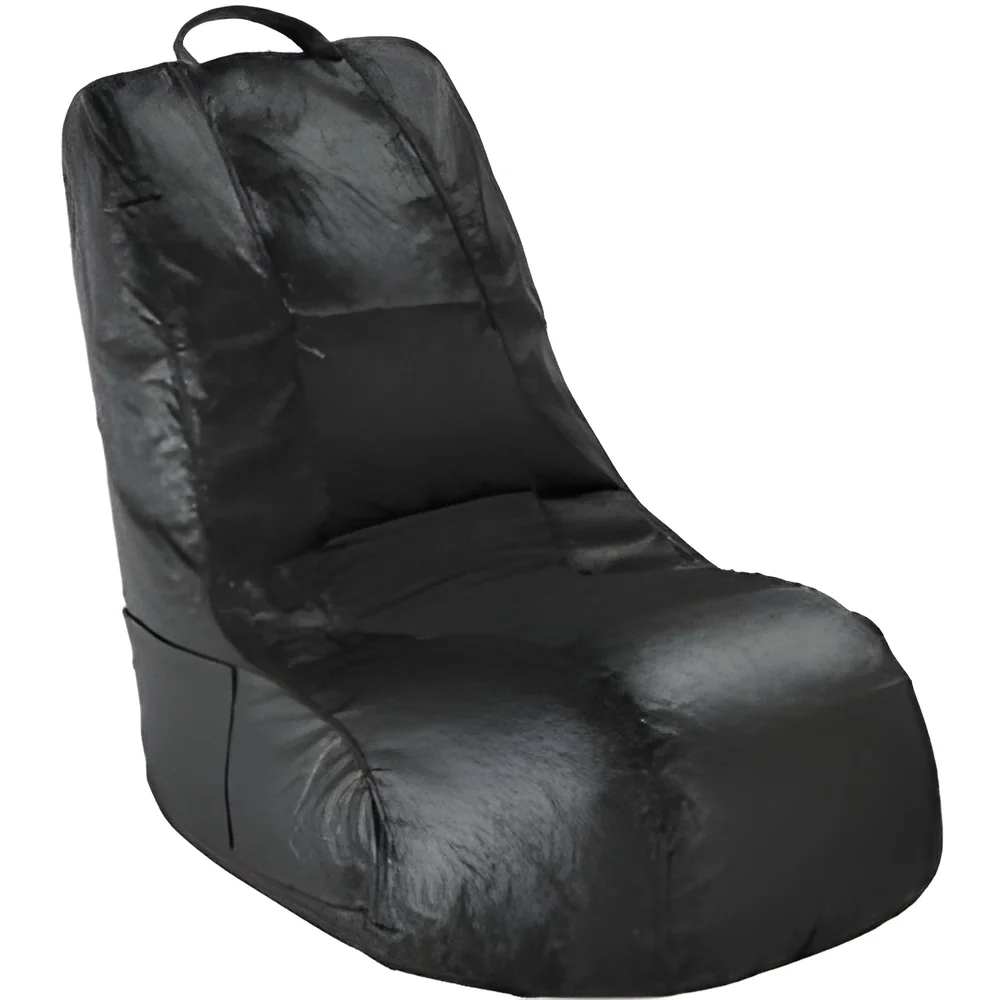
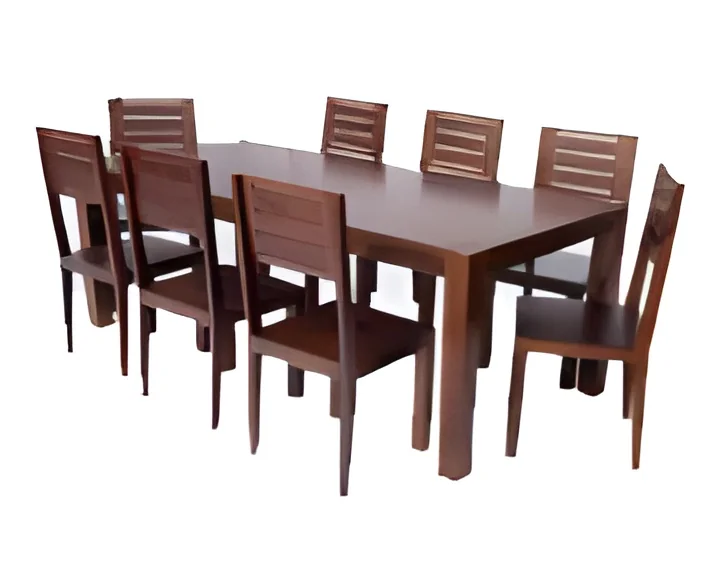
Living room furniture refers to the various types of furnishings specifically designed for the living rooms of homes and commercial spaces. This category includes essential pieces such as sofas, chairs, coffee tables, and entertainment units. These items are created to provide comfort, functionality, and aesthetic appeal. Living room furniture is often the focal point of a room, influencing the overall design and atmosphere.
The primary uses of living room furniture are to create a welcoming environment, facilitate social interactions, and provide a space for relaxation and entertainment. In commercial applications, such as hotels and lounges, living room furniture plays a critical role in enhancing guest experiences and creating inviting spaces. In today's market, living room furniture must balance style with durability, catering to both residential and commercial needs.
The relevance of living room furniture in the industry is significant. With trends shifting towards multifunctional and customizable pieces, manufacturers are responding to evolving consumer preferences. The market is competitive, with a wide range of products available, from budget-friendly options to luxury designs. Understanding these dynamics helps buyers make informed choices based on their specific needs.
Key Features and Specifications
Living room furniture is designed with various features and specifications to meet the diverse needs of consumers. The following specifications are commonly associated with living room furniture:
1. Material Quality
- High-quality materials ensure durability and longevity.
- Common materials include wood, metal, upholstery, and composites.
2. Design Style
- A range of styles is available, including contemporary, traditional, and minimalist.
- Customization options allow for unique designs tailored to specific preferences.
3. Dimensions
- Standard dimensions vary by type, with sofas typically ranging from 72 to 96 inches in length.
- Coffee tables generally measure between 30 to 48 inches in width.
4. Weight Capacity
- Most sofas support a weight capacity between 300 to 600 pounds.
- Consideration of weight limits is crucial for safety and functionality.
5. Upholstery Options
- Various fabric choices, including leather, microfiber, and cotton blends.
- Stain-resistant and easy-to-clean fabrics are available for commercial settings.
6. Sustainability Certifications
- Many manufacturers offer eco-friendly options certified by recognized organizations.
- Sustainable practices in sourcing and production are increasingly valued.
7. Warranty
- Warranties typically range from one to five years, depending on the manufacturer.
- A strong warranty indicates confidence in product quality.
8. Assembly Requirements
- Some furniture may require assembly upon delivery.
- Clear instructions and all necessary tools should be included.
This comprehensive overview highlights the essential features and specifications of living room furniture, aiding buyers in their purchasing decisions.
Common Applications and Use Cases
Living room furniture serves various industries, each with specific applications.
1. Residential: Living room furniture is foundational in homes, providing comfort and style. Sofas, chairs, and tables create inviting spaces for families and guests.
2. Hospitality: Hotels and resorts utilize living room furniture to enhance guest experiences. Stylish and comfortable seating areas in lobbies and lounges are essential for customer satisfaction.
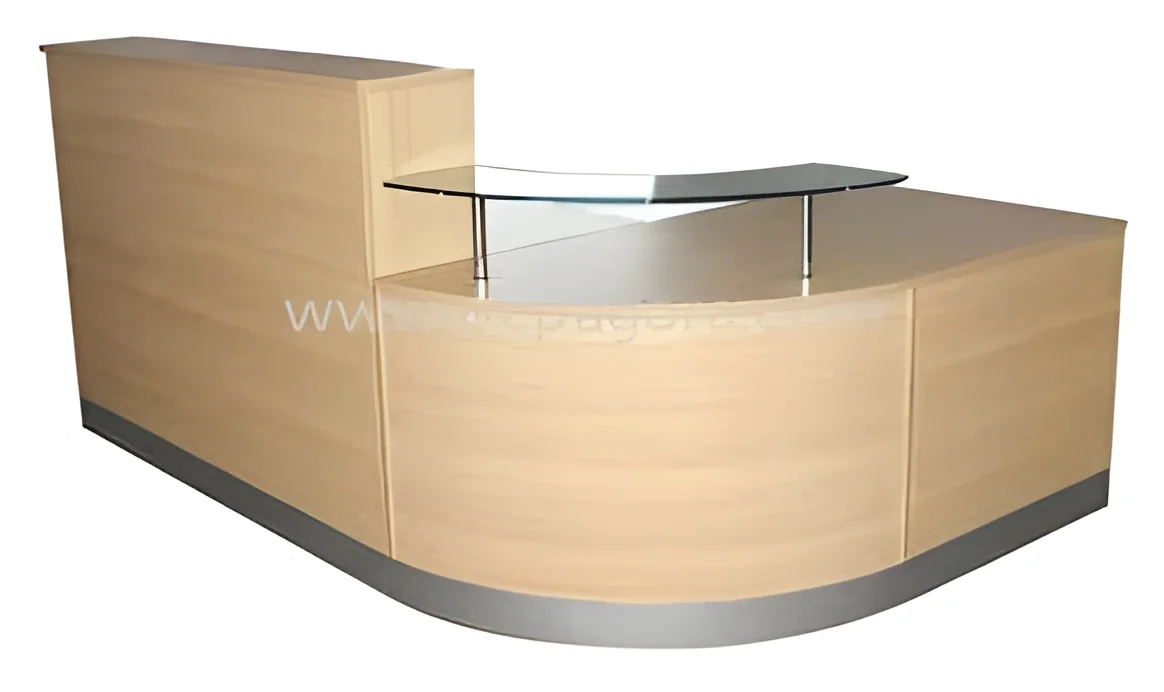
3. Corporate: Offices and reception areas often feature living room furniture to create welcoming environments. Comfortable seating can improve employee morale and impress clients.
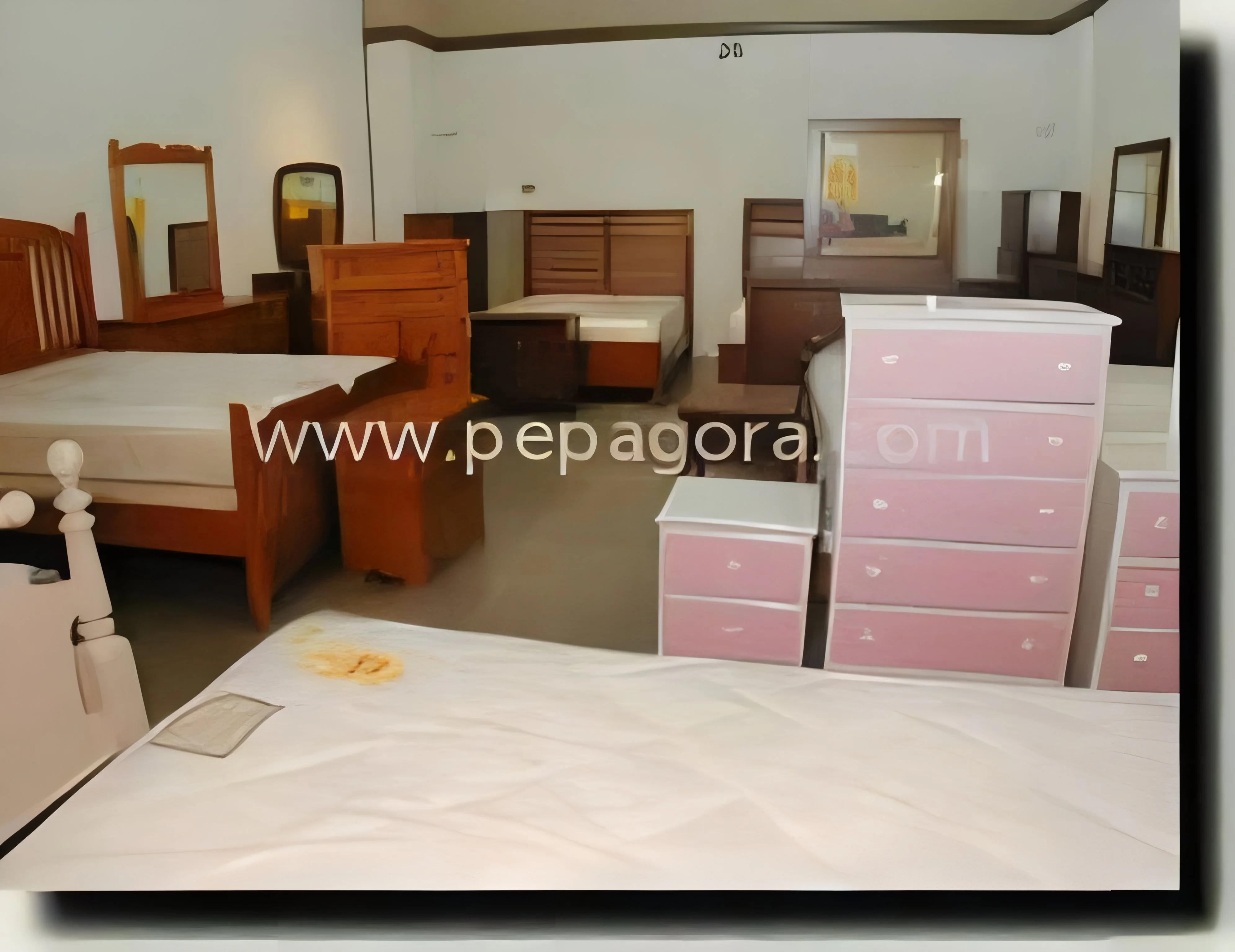
4. Retail: Showrooms and stores use living room furniture displays to showcase products effectively. Arranging furniture in lifestyle settings helps customers visualize their purchases.
5. Event Spaces: Furniture in event venues is crucial for hosting gatherings. Flexible seating arrangements and tables are necessary for a variety of events, from conferences to weddings.
6. Educational Institutions: Common areas in schools and universities often incorporate living room furniture for student relaxation and socialization. Comfortable seating encourages collaboration and community building.
7. Healthcare: Waiting rooms in hospitals and clinics utilize living room furniture to create a calming environment for patients and visitors. Comfortable seating can alleviate stress during appointments.
Product Variants and Subcategories
Living room furniture comes in diverse variants to meet different consumer preferences and needs.
Sofas
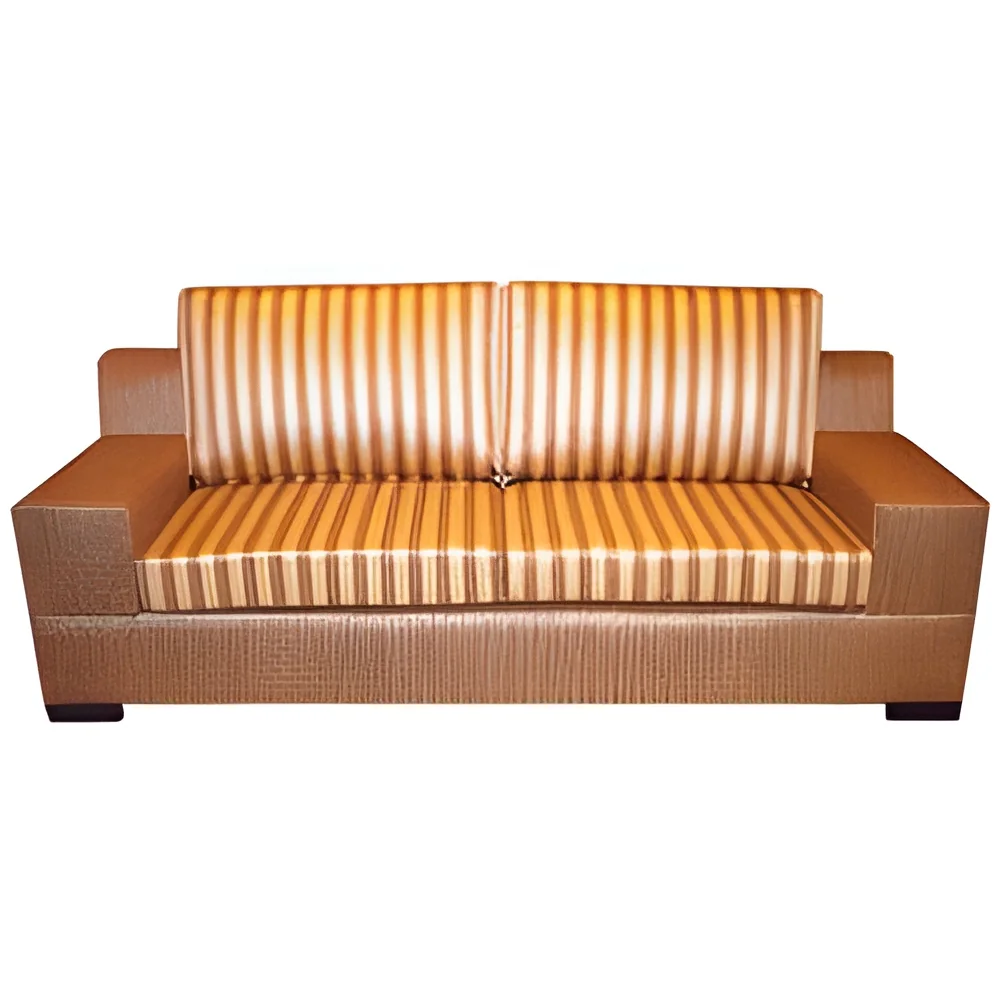
Sofas are available in various styles, including sectional, loveseat, and sleeper options. They often feature customizable upholstery and configurations, making them suitable for both small and large spaces.
Chairs
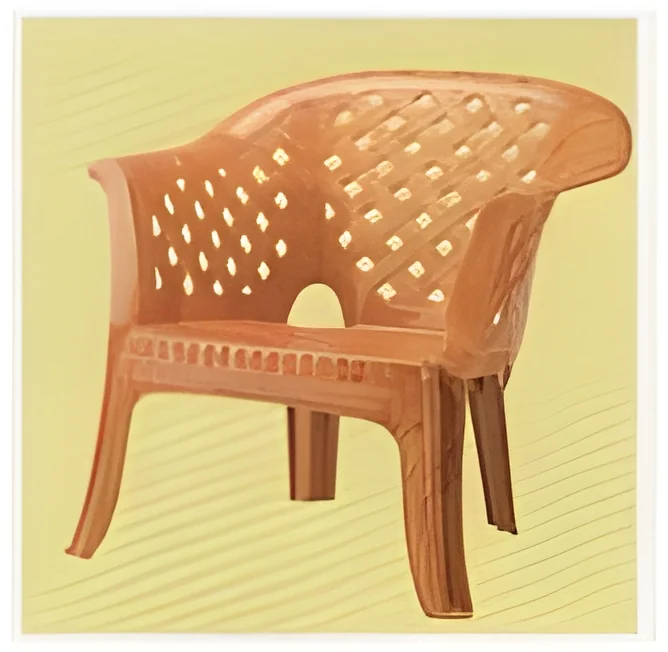
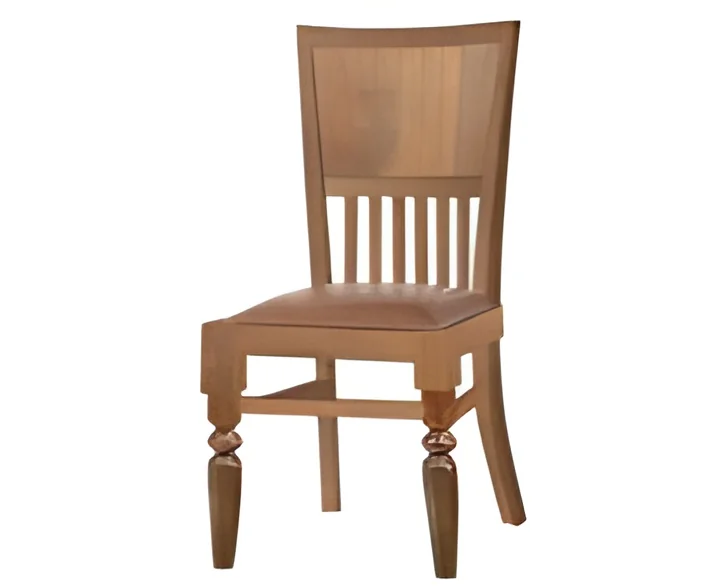
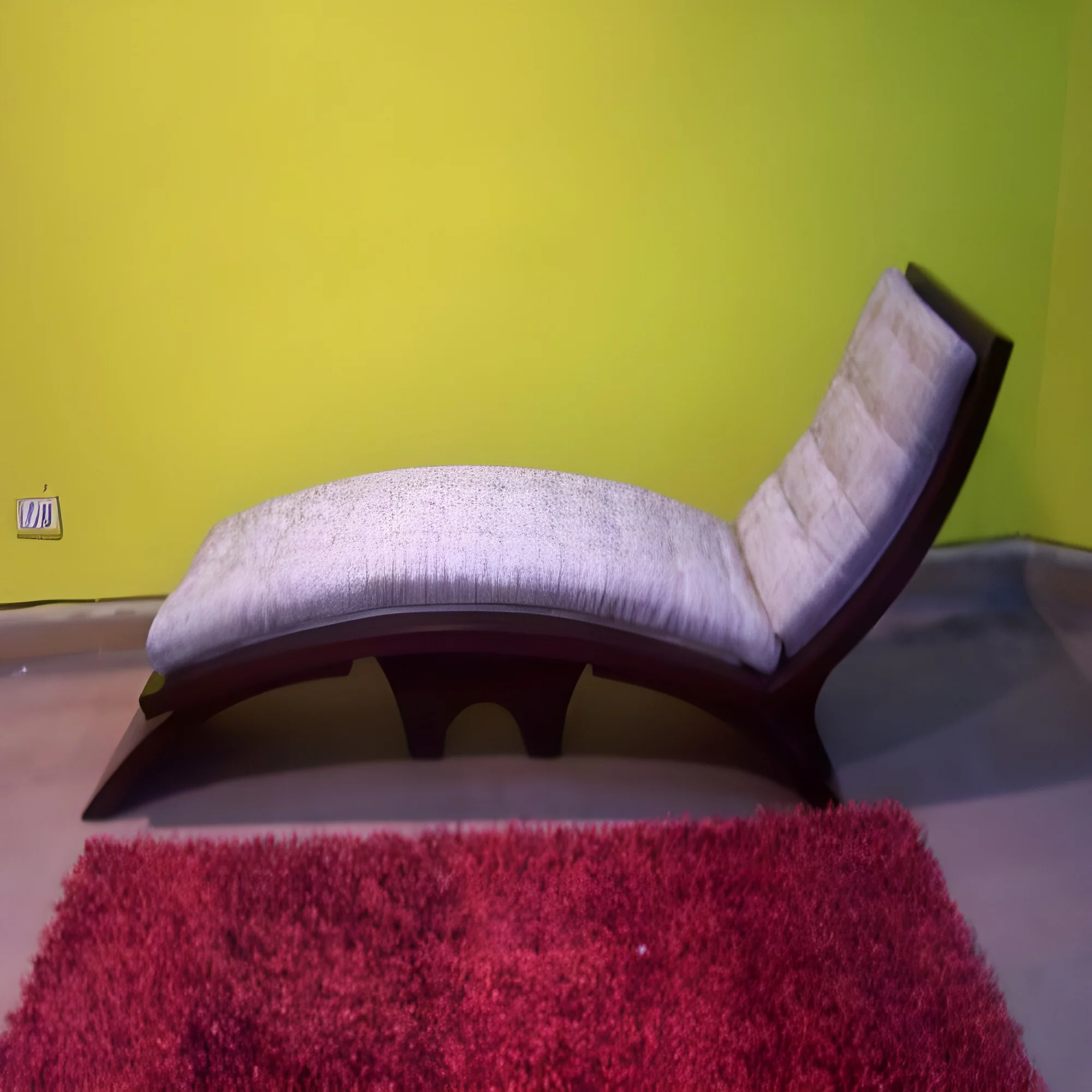
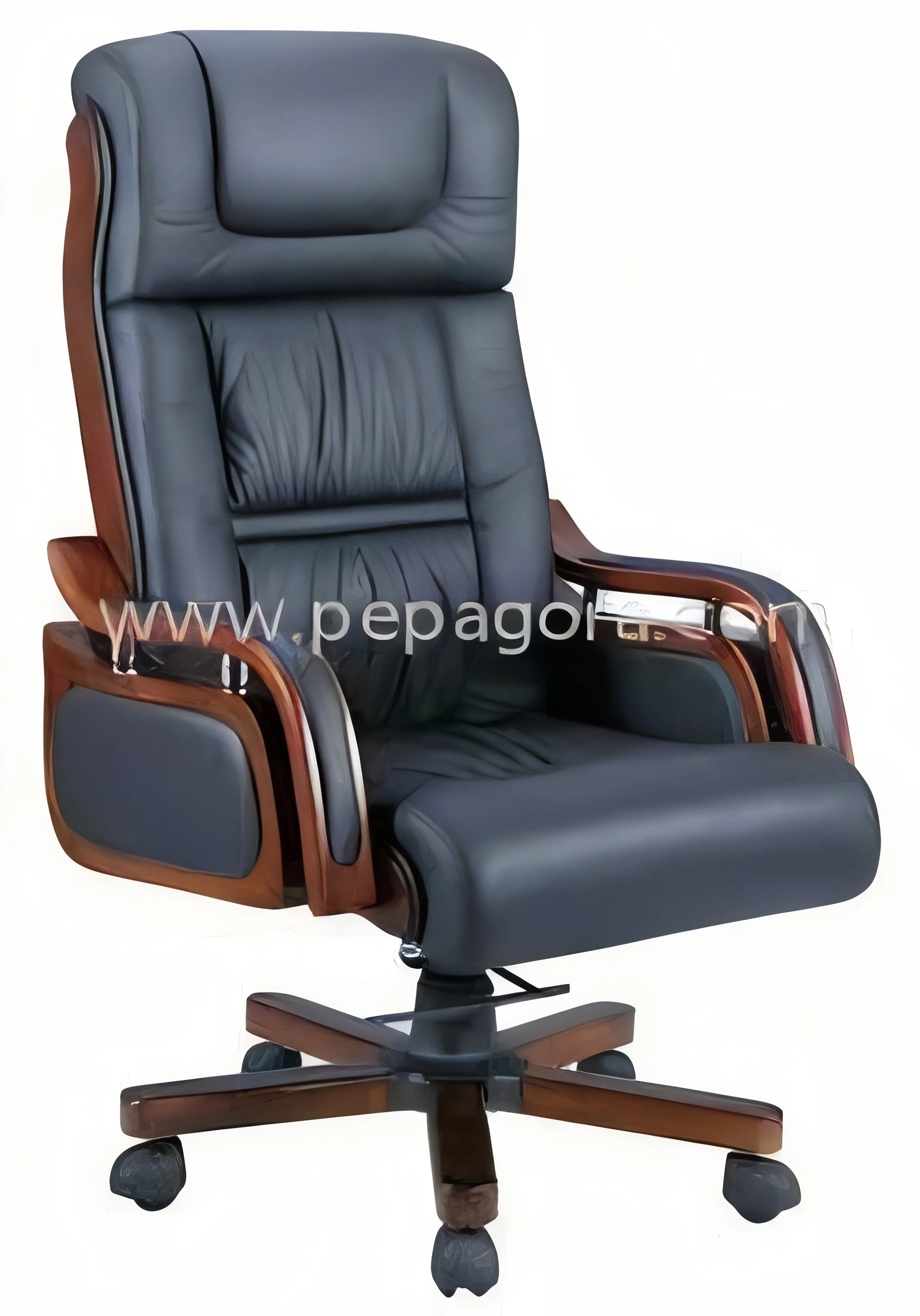
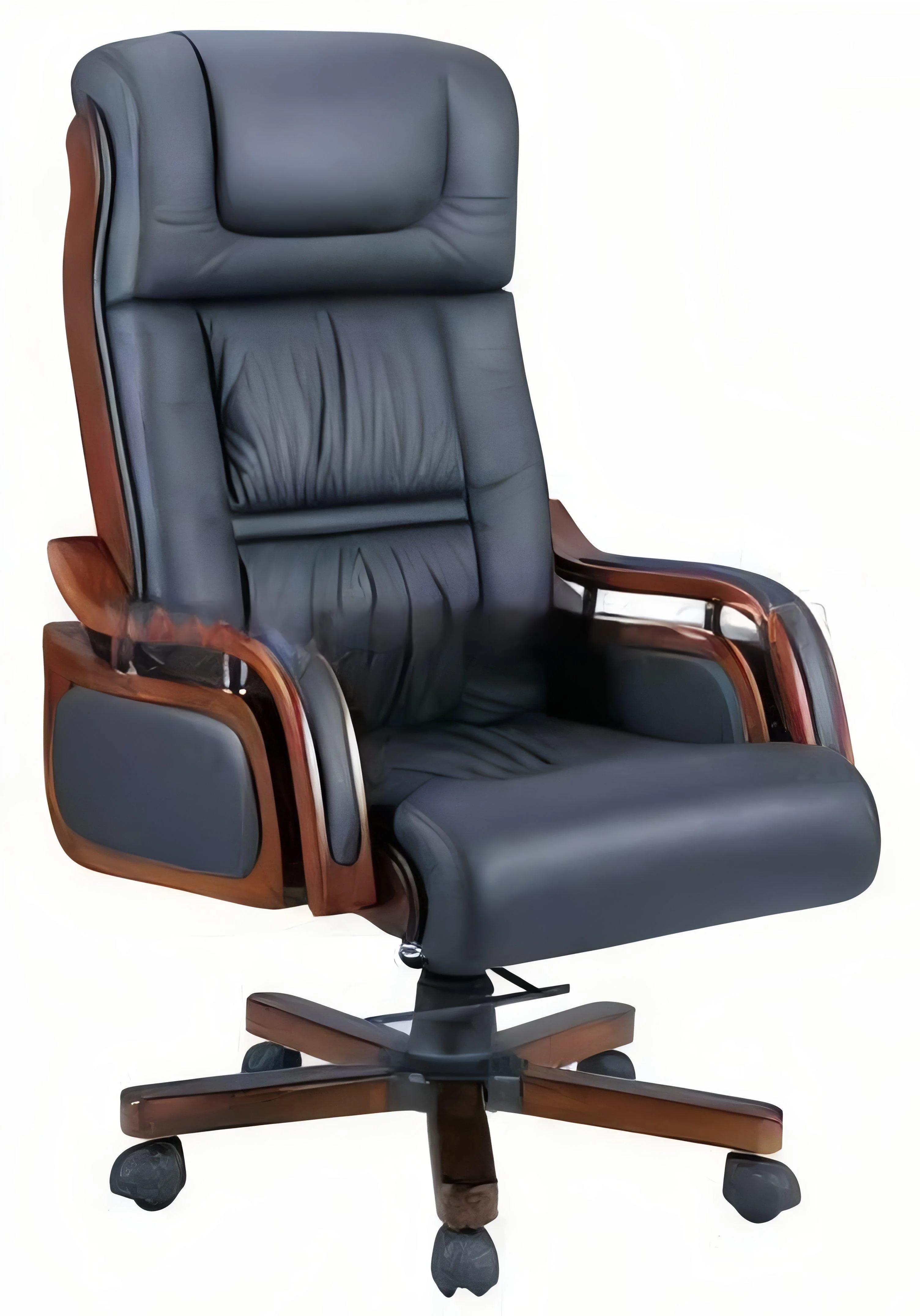
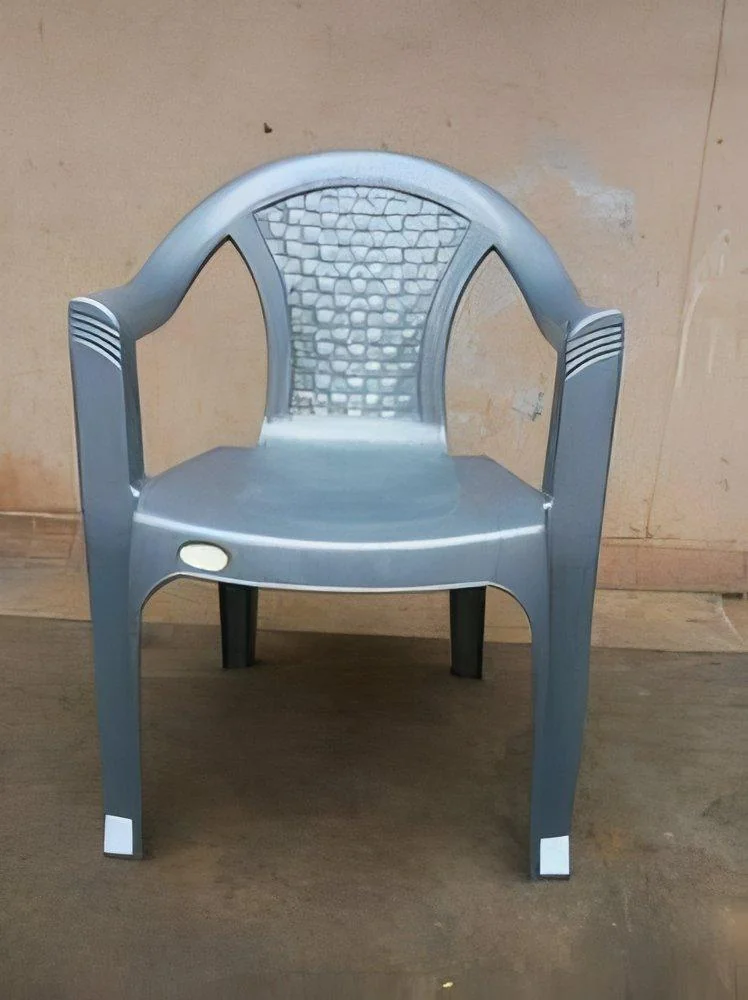
Chairs can range from accent chairs to recliners. They serve both functional and decorative purposes, enhancing the aesthetics of living spaces while providing additional seating.
Coffee Tables
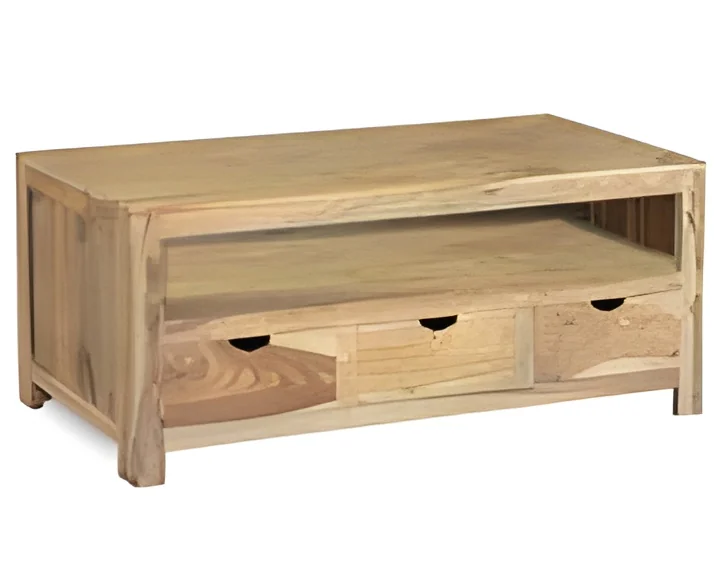
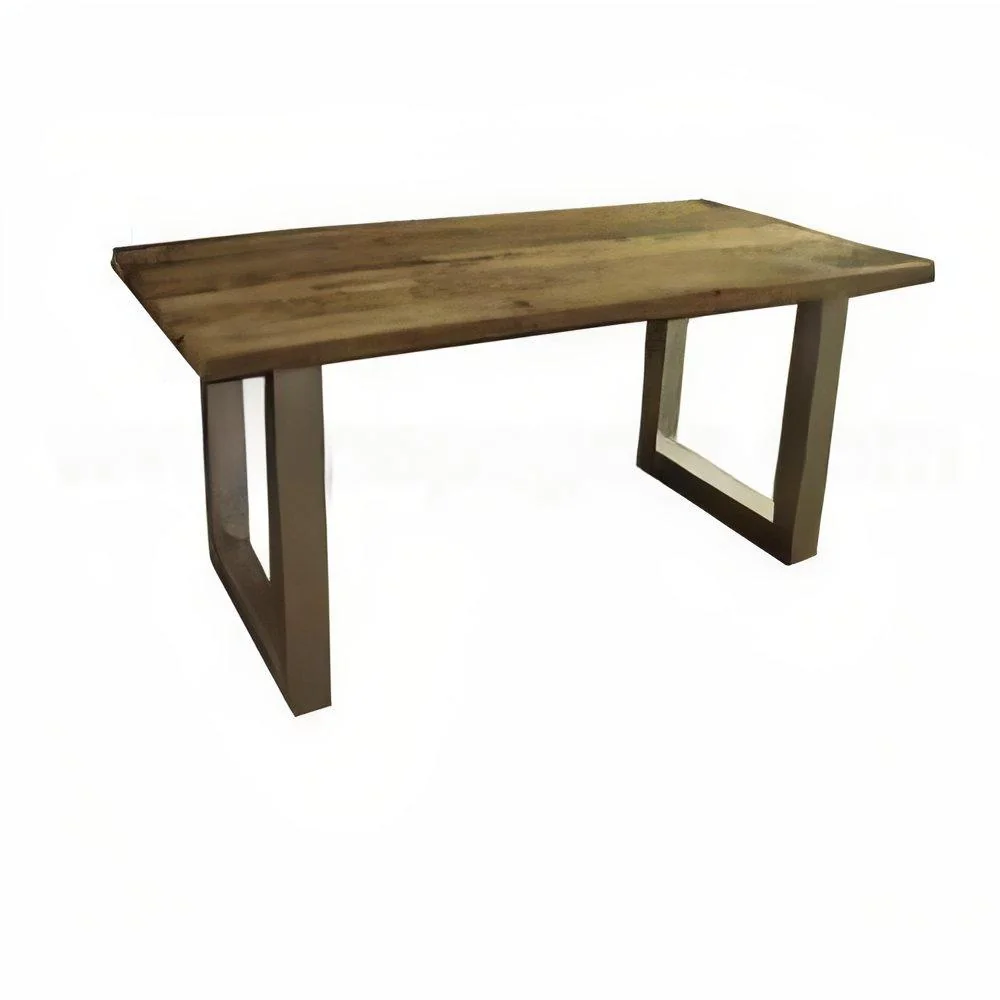
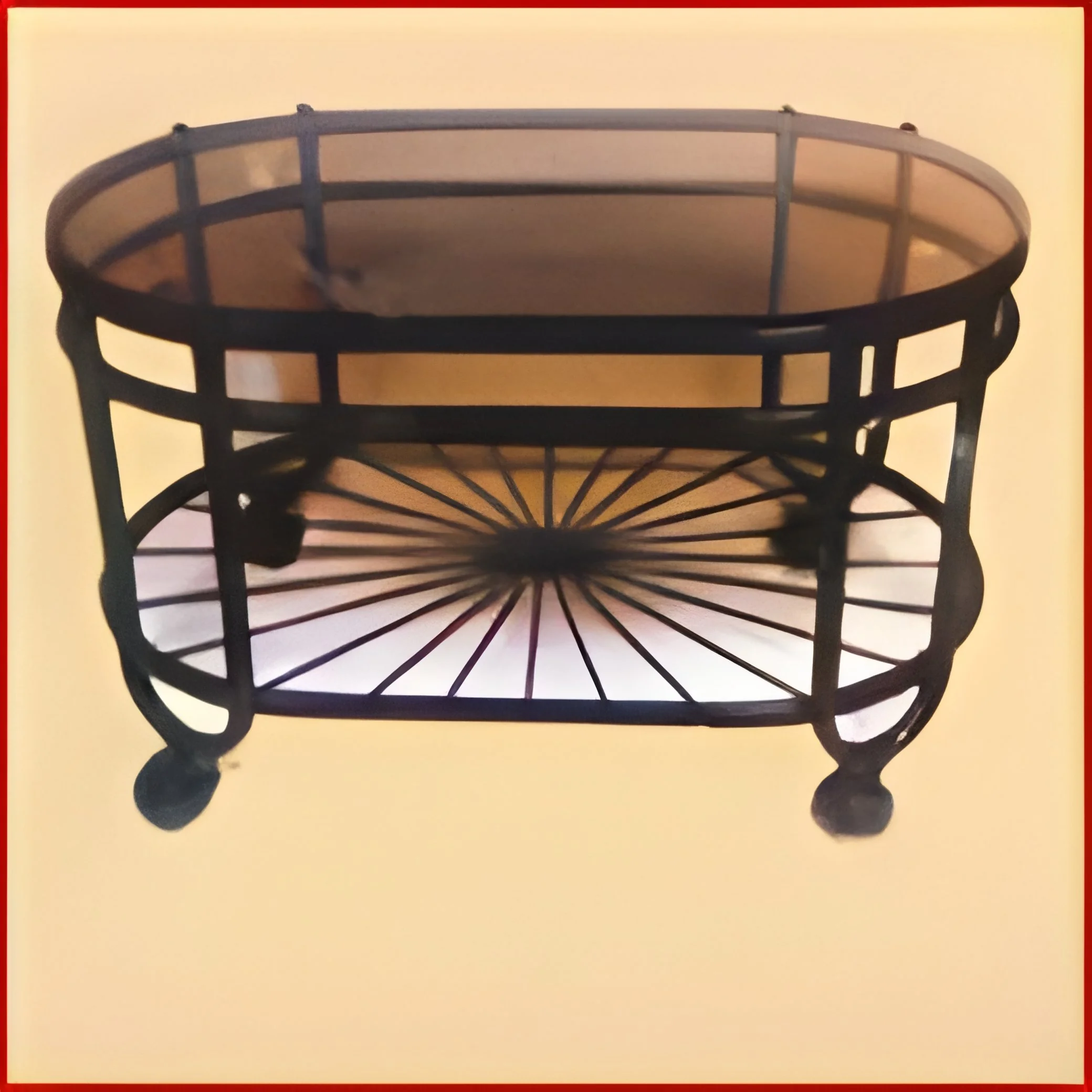
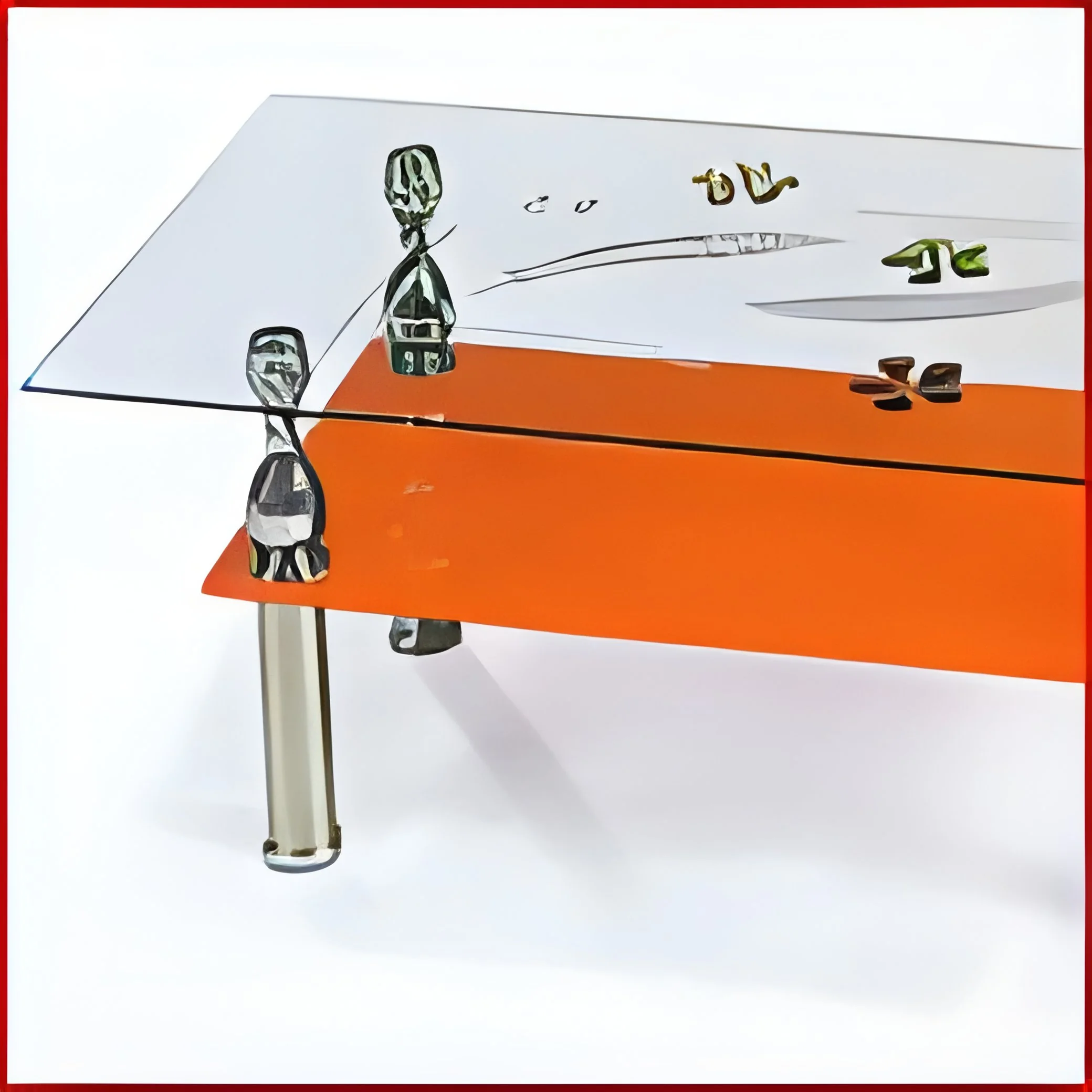
Coffee tables are essential for both functionality and style. They come in different shapes and materials, offering surface area for drinks, decor, and storage solutions.
Entertainment Units
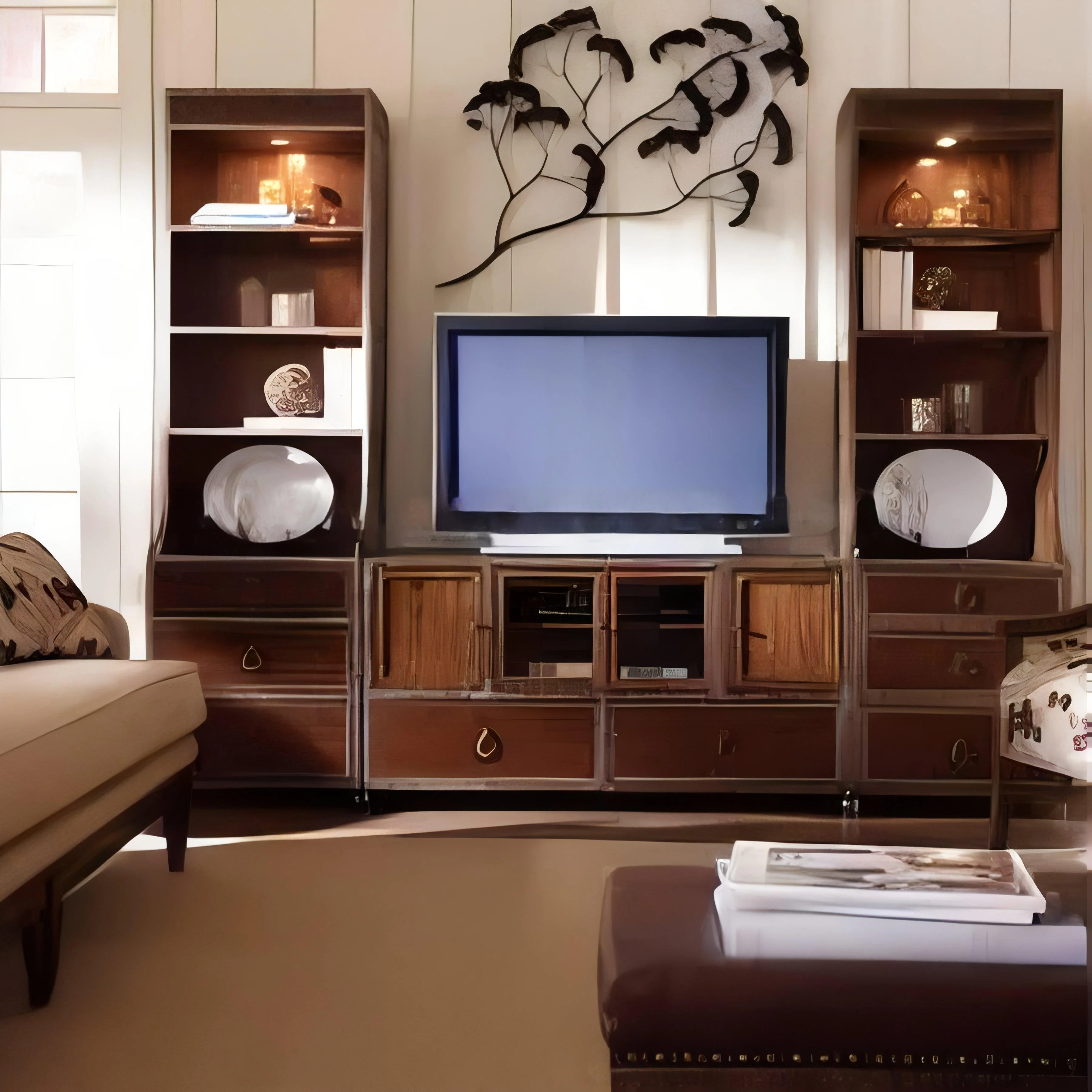
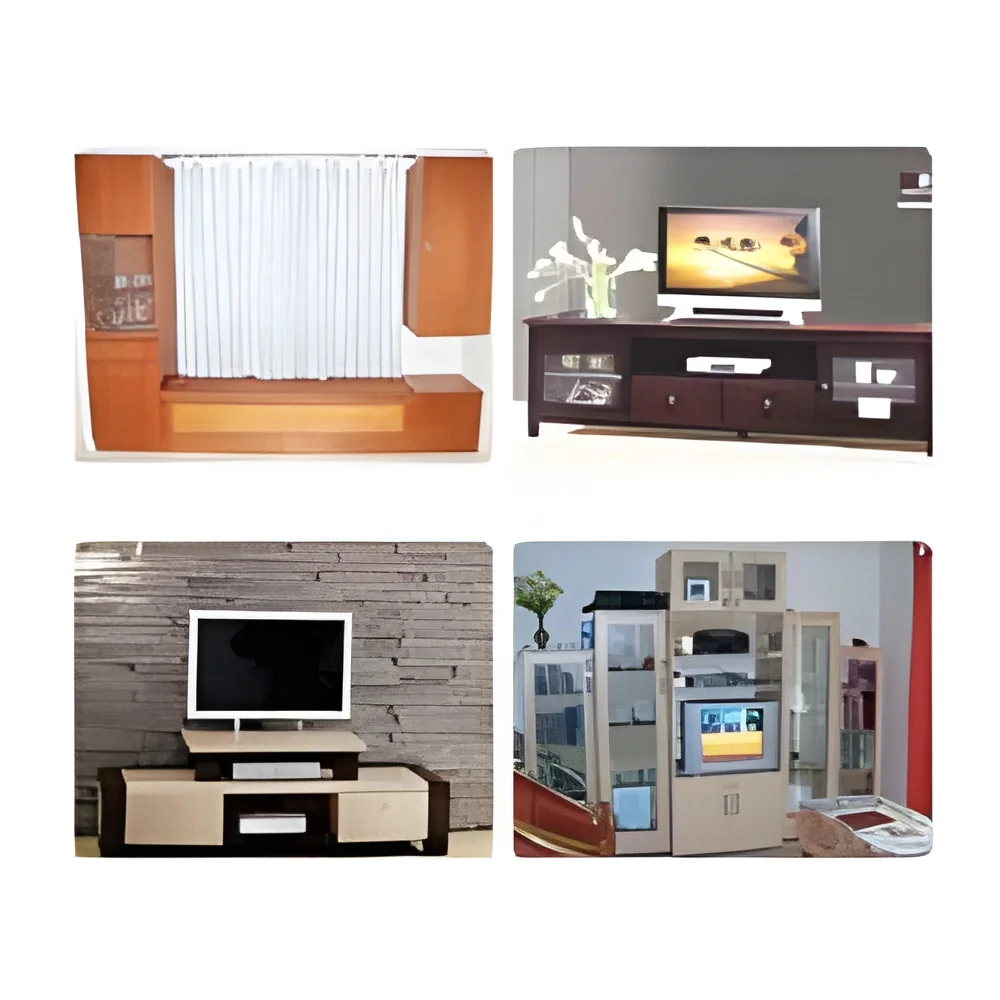
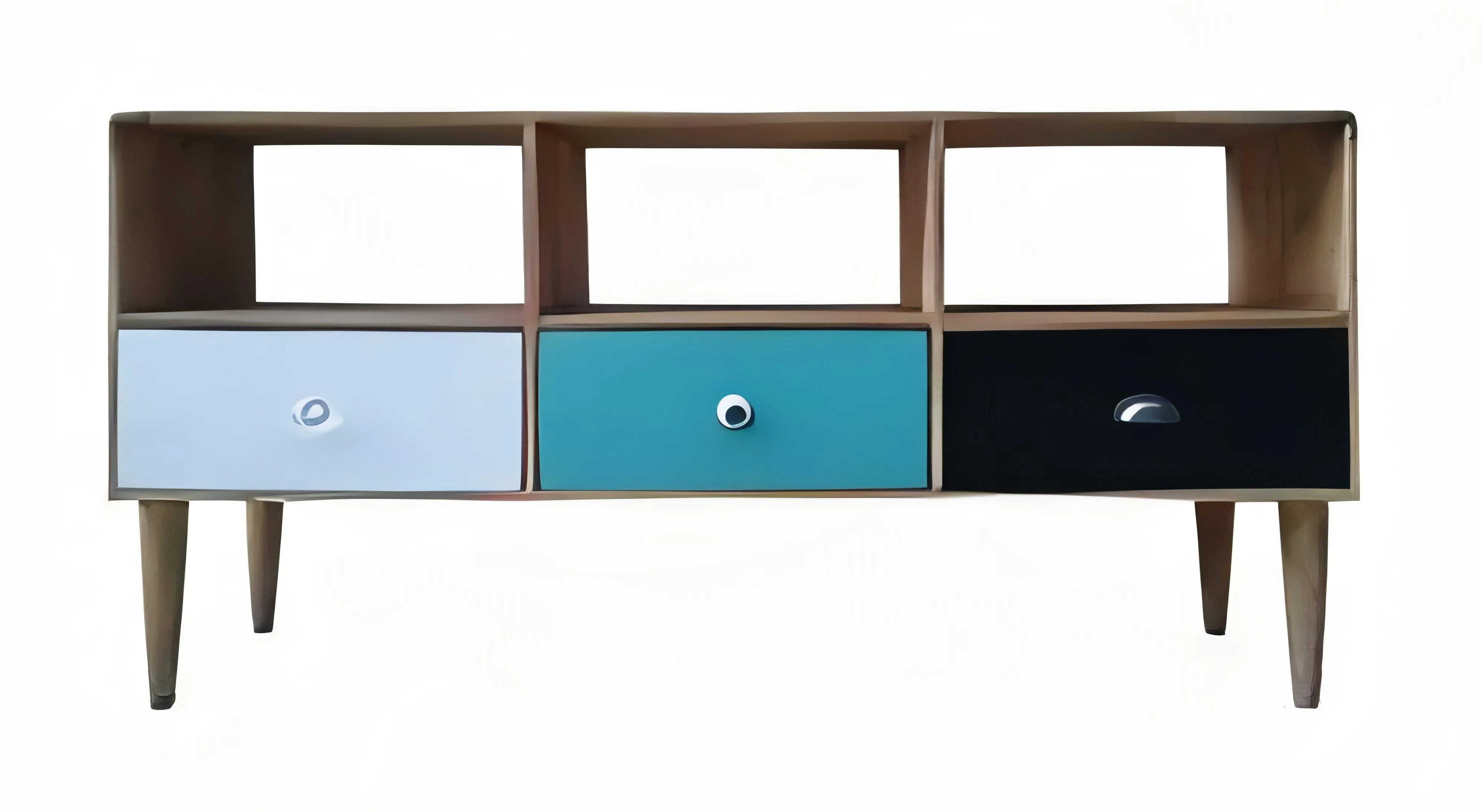
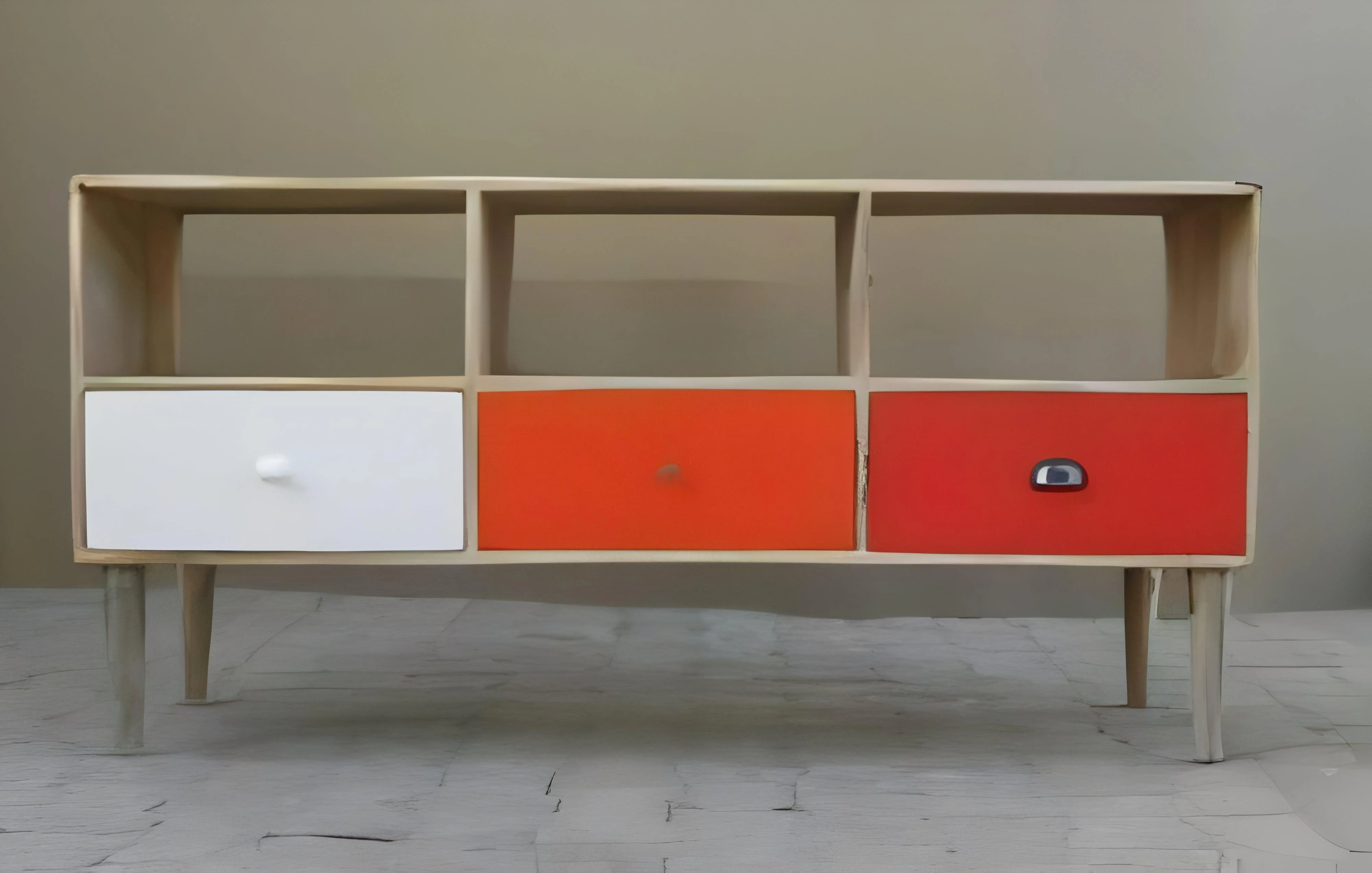
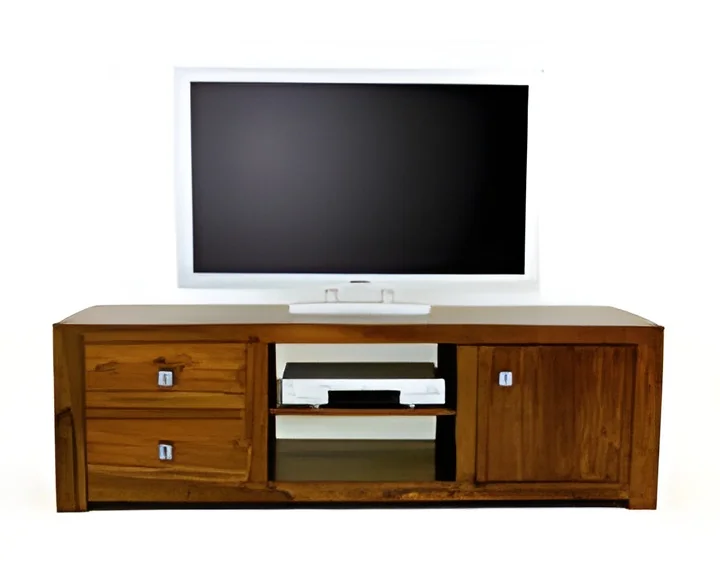
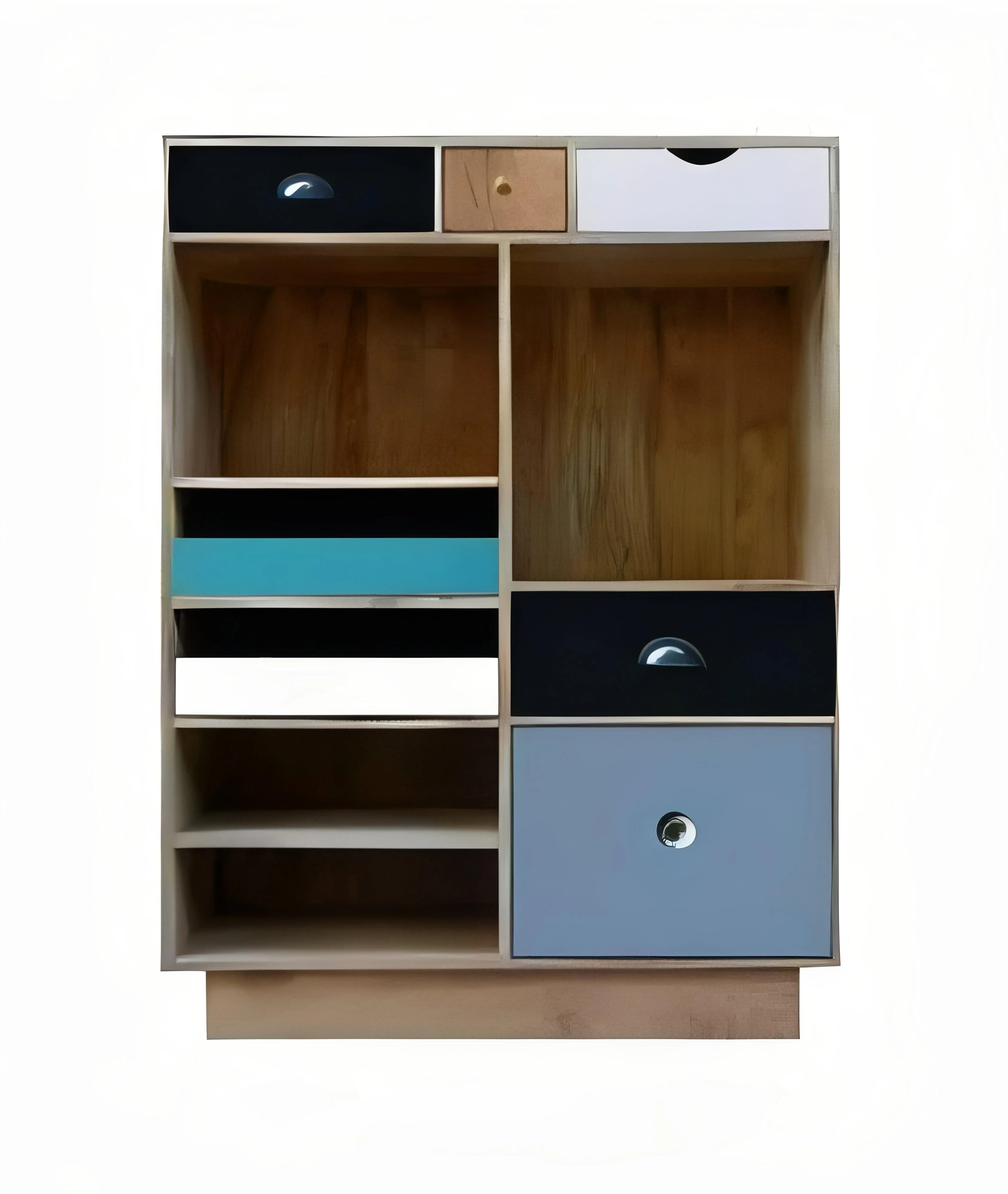
Entertainment units are designed to house electronic devices and media. They often include shelves and cabinets for organization, helping to keep living spaces tidy.
Ottomans
Ottomans serve multiple purposes, acting as footrests, extra seating, or storage solutions. Their versatility makes them a popular choice in modern living rooms.
Benefits and Advantages
Living room furniture provides numerous benefits that cater to both residential and commercial buyers.
1. Aesthetic Appeal: Stylish furniture enhances the overall look of a space, contributing to a welcoming atmosphere.
2. Comfort: Quality living room furniture ensures comfort for users, making spaces more enjoyable for relaxation and socializing.
3. Functionality: Multi-functional furniture, such as sofa beds and storage ottomans, maximizes space and utility, especially in smaller settings.
4. Durability: Well-constructed furniture can withstand daily use, making it a long-term investment for both homes and businesses.
5. Customization: Many manufacturers offer customizable options, allowing buyers to select colors, fabrics, and designs that match their specific needs.
6. Improved Brand Image: For businesses, well-chosen living room furniture can enhance brand perception by creating a professional and inviting environment.
Buying Guide for B2B Buyers
When sourcing living room furniture, B2B buyers should consider several important factors.
1. Quality Assessment: Evaluate the materials and construction methods used in the furniture. Look for reputable manufacturers that adhere to quality standards.
2. Supplier Verification: Research potential suppliers to ensure they have a proven track record of reliability and customer satisfaction. Reviews and testimonials can provide valuable insights.
3. Pricing and MOQ: Understand the pricing structure and minimum order quantities. This knowledge will help in budgeting and ensuring that orders meet business needs.
4. Delivery and Lead Times: Inquire about delivery schedules and lead times. Timely delivery is crucial for maintaining project timelines and customer satisfaction.
5. Compliance Requirements: Familiarize yourself with any regulatory compliance that may apply, such as safety standards and certifications. Ensuring compliance can prevent legal issues and enhance product credibility.
Compliance and Certifications
Living room furniture must meet various compliance and certification standards to ensure quality and safety.
Relevant quality standards include ISO 9001, which focuses on maintaining consistent quality management systems. This standard is crucial for manufacturers in ensuring that products meet customer and regulatory requirements.
Industry certifications such as CE mark indicate that the furniture meets European safety requirements. This certification is essential for products sold in European markets and assures buyers of compliance with health and safety standards.
Safety and testing requirements are vital, particularly for commercial applications where furniture must withstand heavy use. Manufacturers often conduct rigorous testing to ensure that their products can endure daily wear and meet safety guidelines.
Regional compliance considerations may vary based on local regulations. Buyers should be aware of specific requirements in their regions to ensure that the furniture they purchase is compliant and safe for use.
Why Source Living Room Furniture from Pepagora?
Pepagora provides a trusted platform for sourcing living room furniture, offering a range of advantages for B2B buyers.
Verified Supplier Network: Pepagora connects buyers with verified suppliers who have undergone thorough vetting processes. This ensures that buyers have access to reliable products and services.
Streamlined RFQ Process: The Request for Quotation (RFQ) system simplifies the procurement process. Buyers can easily compare quotes from multiple suppliers, saving time and effort.
Trade Assurance and Support: Pepagora offers buyer protection through trade assurance. This provides peace of mind, ensuring that transactions are secure and reliable.
Regional Coverage: With a strong presence in India, the GCC, and Southeast Asia, Pepagora facilitates access to a diverse range of living room furniture options. This geographic reach allows buyers to find products that suit their specific markets and preferences.

 IN
IN